
2024 has been declared the year of the sleeper train – at least in Europe. Here’s what you need to know before you step off the platform.
If you’ve been following the news, you will know that Europe is going through a sleeper train renaissance. Nighttime rides are popping up all over the continent, including new and revived European sleeper train routes between Berlin and Paris, Hamburg and Stockholm, and Amsterdam and Zurich.
Why now? While cheap flights across Europe supplanted the popularity of sleeper trains years ago, recently there has been growing public awareness of the impact these flights have on the environment. It’s gotten to the point where France has banned domestic short-haul flights when there are train options, world-famous Swedish environmental activist, Greta Thunberg, has been refusing to take flights since 2015, and the concept of ‘Flygskam’ or flight shame has taken off in her home country.
I’m a big fan of the overnight train, with its carbon-saving properties, ability to save on accommodation and see more of the country. But if you are horribly unprepared – like I was on a recent journey – it can be a bit trickier. Here’s what to do (and not do) when you take a sleeper train.
What to do on a sleeper train
Do pick carefully when you book
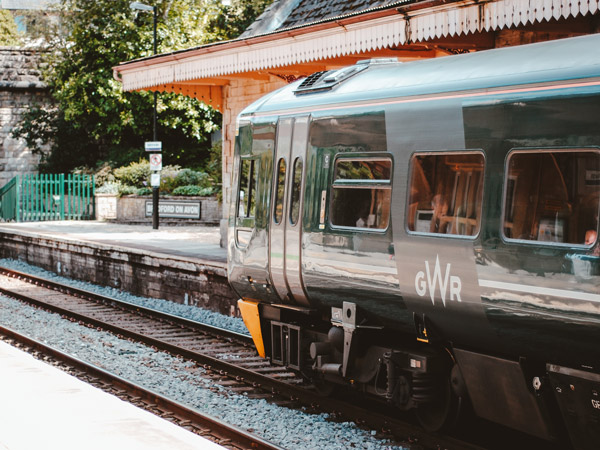
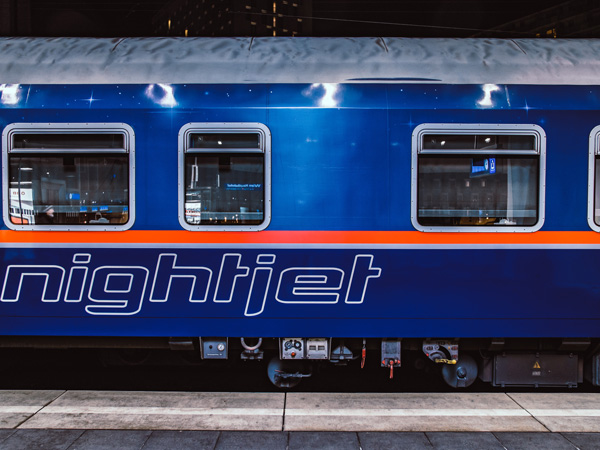
It is not uncommon for sleeper trains, particularly on popular routes, to be fully booked. Plan accordingly and book ahead online. European night train services are available from companies such as the Italian Trenitalia, Austrian ÖBB NightJet, Spanish Renfe and the British Great Western Railway.
There are usually two options when you book a sleeper compartment in Europe. There are six-person ‘couchettes’ and sleeper cabins. There is also the option to book a seat, which is often cheaper.
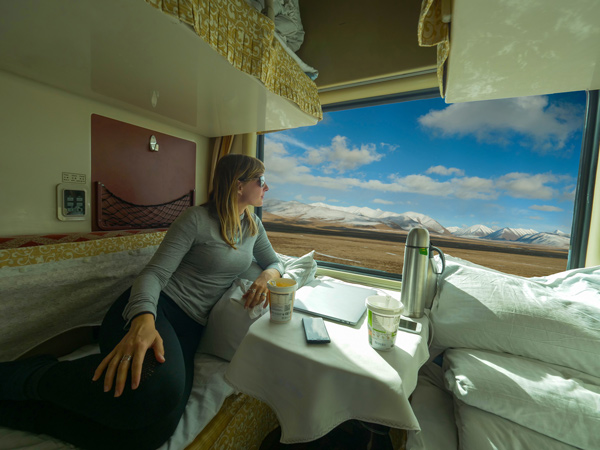
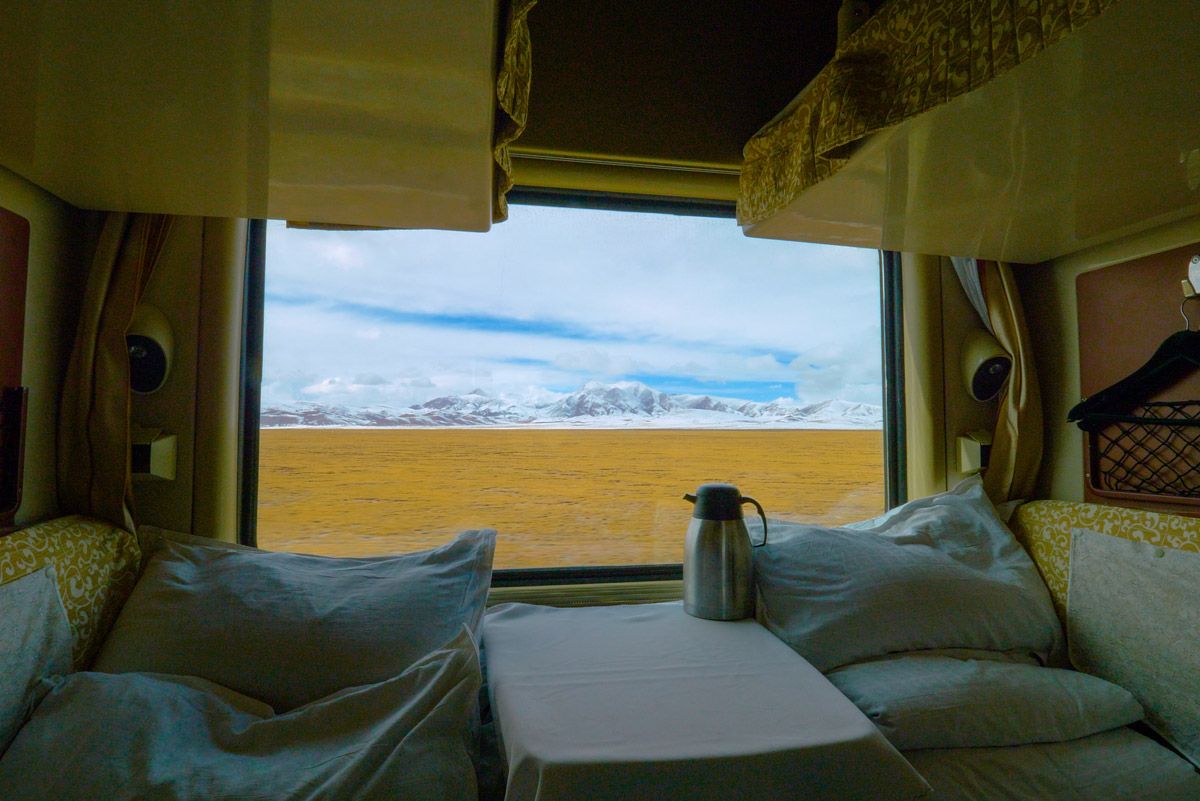
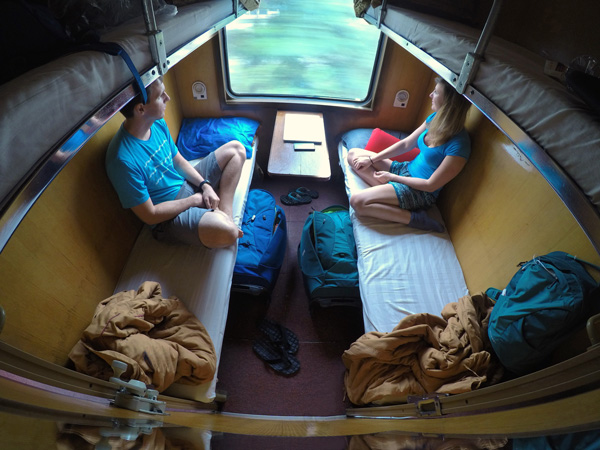
Couchettes are generally a six-person cabin with padded bunks and shared bathroom facilities. Sleepers are cabins that range from having one to four beds. Sleepers usually have a private wash basin, can have private or shared toilets and sometimes come with a small shower. You can also book a seat instead.
Couchettes and sleepers usually come with bedding, but feel free to bring your own if you find this more comfortable. There are also power outlets and reading lights available.
Couchettes might seem the obvious choice, with their combination of a cheaper price point and a solid place to lay your head. But consider what will work best for you. As someone whose height comes in at five foot six, I was perfectly happy with a couchette on a recent overnight train trip. My partner, coming in at six foot two, has claustrophobia and frequently gets leg cramps. He said afterwards that he would have preferred a seat.
Do consider whether you want an upper or lower berth
Particularly the case with couchettes, which usually have two rows of beds that are three bunks high. Each has its pros and cons. The lower one is easy to get into, and you can store a small suitcase under the bed. It is also closest to the coming and going of other passengers disembarking or nipping to the toilet and requires a bit of crouching to get in.
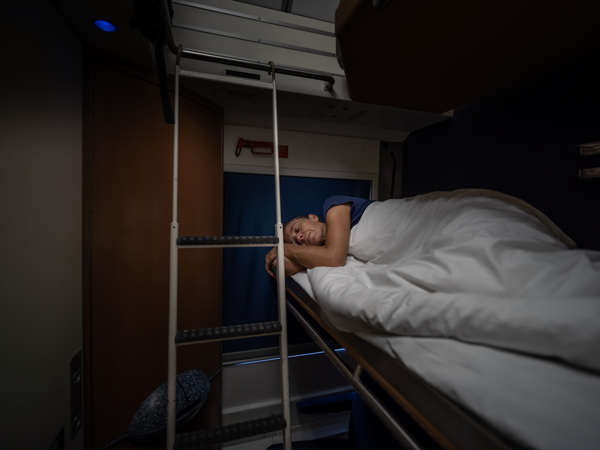
Middle beds face similar issues to low, but are more at shoulder height – a bit of a clamber, but not as much. The highest version has big rewards, like a relative amount of privacy and less chance of being disturbed. But on a recent train from Marseilles to Paris I positively had to climb at a 300-degree angle to get in. Plus, getting our 20-kilogram-plus suitcases up there was extremely tricky on a jolting train.
Do consider accessibility when booking
If you need a higher level of accessibility than outlined above, there are options when it comes to European train accommodations. Trains like the Nightjet have accessible two-berth cabins with an accessible toilet. As always, check ahead to see if the tickets you have purchased will suit your needs.
Travelling as a family? Consider booking a cabin to yourselves.
Do prep with podcasts and music
Seems a bit obvious. But it’s still a bummer to find yourself passing through areas with no signal and realising you haven’t downloaded your favourite sleepy-time audiobook.
Do dress comfortably
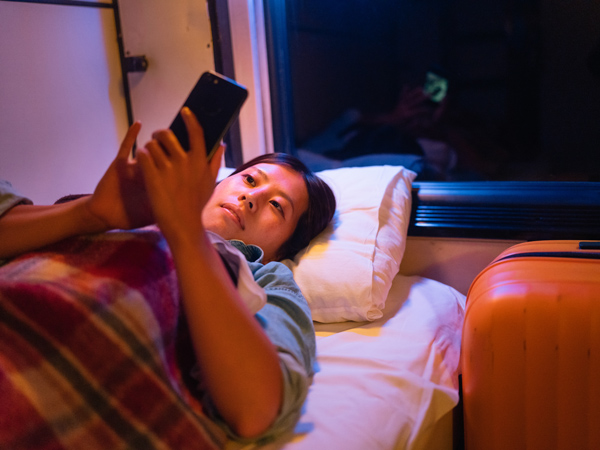
Dress comfortably in clothes you can both travel and sleep in. Think soft fabrics that you can layer up and down in, depending on what mood the aircon or heating is in.
I recently got on a train in salt-crusted clothes and a wet bikini thinking I would clean up in the bathroom. But limited space and the fact I’d put my clothes in a suitcase that was incredibly hard to get to meant this was impossible.
Do bring snacks and water
Often sleeper trains can have a dining car where you can get snacks, food and drinks, or you can order from an attendant to come to the cabin. But if you want to get straight to sleep, or are on the budget, stock up on snacks. If there isn’t a dining car, and the attendants aren’t coming around, it can get tricky. The water from the train bathrooms in Europe is often undrinkable – so whatever you do, don’t forget to bring extra water.
Do be careful what your pre-train activities are
See above note re. bikini. Swimming underneath the ancient walls of Marseilles is something I will never regret. Not finding a shower or clean clothes afterwards on the night train to Paris, is.
Do get there early
On a recent sleeper journey where the train was set to come through the station at 10.30pm, I received a text a few hours before to say the train was running late and would arrive at 11.30pm. I decided to get there at 10.15pm anyway. The train came at 10.45pm. Lesson learned.
Do familiarise yourself with where your seat (or bed is)
When you get on, it is very likely to be darkish. The main lights in the cabins might be off. You could be hauling a suitcase through the narrow corridors, literally sweating to get into bed. You might even accidentally wake up a naked Frenchman, who you insist is ‘in my bed!’ only to be told you are in the right cabin, but on the wrong coach.
I was unprepared. Don’t be like me. Be smart and try and find out the layout of the train in advance, or at least take a good look from the platform, so you don’t find yourself walking up and down for half an hour on a bumpy train.
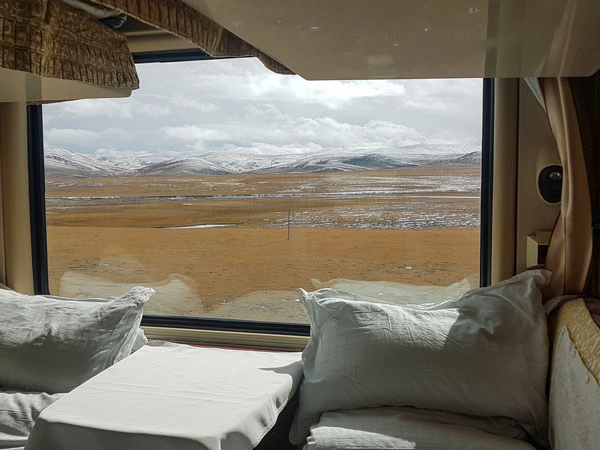
Do get on and into your cabin quickly
If you are getting on at the beginning of the route, you will have more time to get settled. But the turnaround at stations the train is stopping at can be much shorter.
See my above advice regarding working out the layout of the train as much in advance as you can and try and get on the right coach in the first place. Otherwise, you might find yourself squeezing past other confused passengers, banging elbows into the wall as the carriages jolt around another corner.
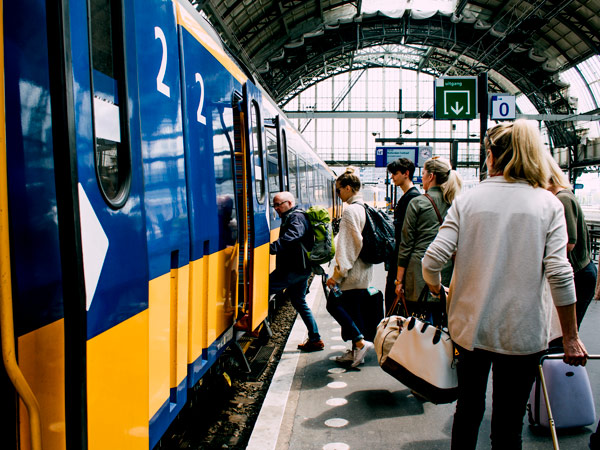
What not to do on a sleeper train
Weekly travel news, experiences
insider tips, offers, and more.
Don’t assume sleeper trains are always the best call for you
Firstly, sleeper trains are most of the time absolutely worth it. When you add up the cost and time it takes to taxi or take public transport to the airport, two or three hours in the airport (eating expensive airport food to pass the time), extras like baggage, time in the air and possibly customs, an eight-hour train ride begins to look quite appealing. Throw into the mix saving a night’s accommodation, and you’ve got a done deal for most people.
But if you find it difficult to sleep in unfamiliar surroundings or would prefer to travel by the day, and watch mountains, rivers and cities pass by, you might want to opt for a day train instead.
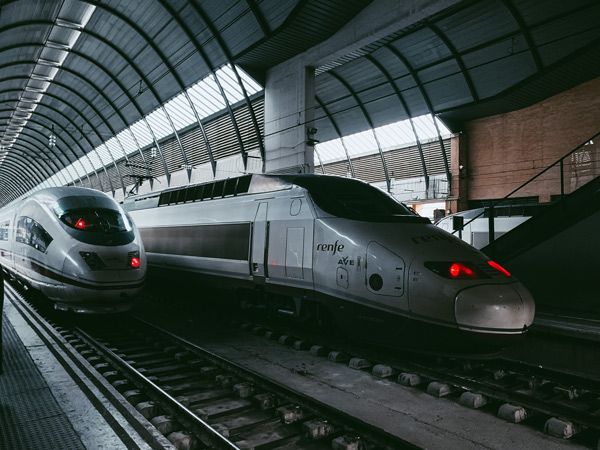
Don’t forget your passport
Experienced travellers are trained to reflexively clutch their passports to their bosom for approximately 24 hours before even stepping into the airport. The same cannot be said of getting onto a train. There are international sleeper train services, and you will need to present this passport when crossing certain borders, even if it is in the middle of the night. Have it somewhere accessible.
Don’t bring a big suitcase
This is a tricky one, especially if you’re Australian and a night train is part of your six-week Grand Tour of Europe. In the couchettes specifically, there is limited room for suitcases. Consider if you need to cut down, can split luggage across smaller bags, or need to spring for a cabin that has more room. Having to haul your 23-kilogram suitcase (okay, your girlfriend’s 23-kilogram suitcase) up to the top bunk is no joke.
Don’t forget your earplugs or eye mask
Sleeper trains can be a lot like an aeroplane, except instead of a gently smiling attendant gently dimming the lights, passengers are entering the cabin at 4am with a glaring mobile light and urgently whispering to their friend. It’s an easy fix though – simply bring earplugs and a face mask and you will be sleeping soundly.
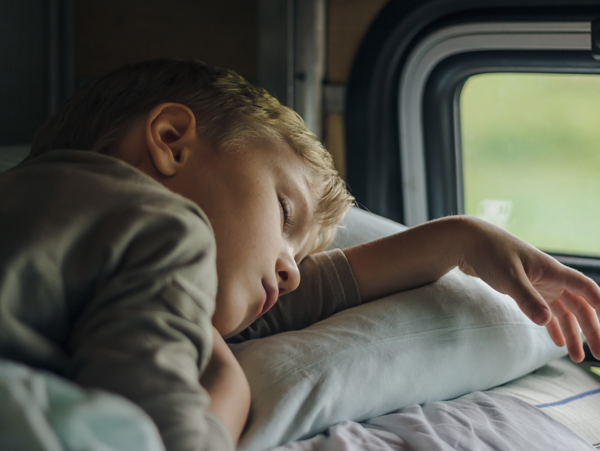
Don’t forget your night bag
With your passport, earplugs, eye mask, snacks, and water (and more water) to bring, it’s best if you take a small bag to pack what you need for a sleeper night journey. It makes for easy access during the night. Consider adding an extra blanket, toiletries, headphones and a book.
Don’t save your night routine for the train
“We’ll brush our teeth and wash our faces on the train," I assured my partner as we waited on the platform. But by the time we found our beds, got our suitcases stowed and were up on the top bunk, I was much too tired to do anything except put on my eye mask. If you can, do your nighttime cleansing and moisturising before you get onboard. Trust me, it’s way easier.
Don’t be impolite in your cabin
There is a certain etiquette to being on the train. Some are obvious, like not putting your feet on anyone else’s seat or berth or talking loudly. When taking sleeper trains add not turning on the overhead light during the night, playing loud music through your headphones or packing smelly food to your list.
Don’t plan anything too ambitious for the day you arrive
You’ve made it, with money to spare! Want to head straight to the museum or that walking tour you ambitiously booked two months ago?
NO. Even if you had an amazing night’s sleep, you might feel a little less rested than usual. Instead, check ahead to see if you can leave your suitcases at that night’s accommodation or see if there are lockers at the station. Spring for an Uber and book a leisurely brunch as you ease into the new city. Believe me: you deserve it.
Want to see more stories from International Traveller in your Google search results?
- Click here to set International Traveller as a preferred source.
- Tick the box next to "International Traveller". That's it.