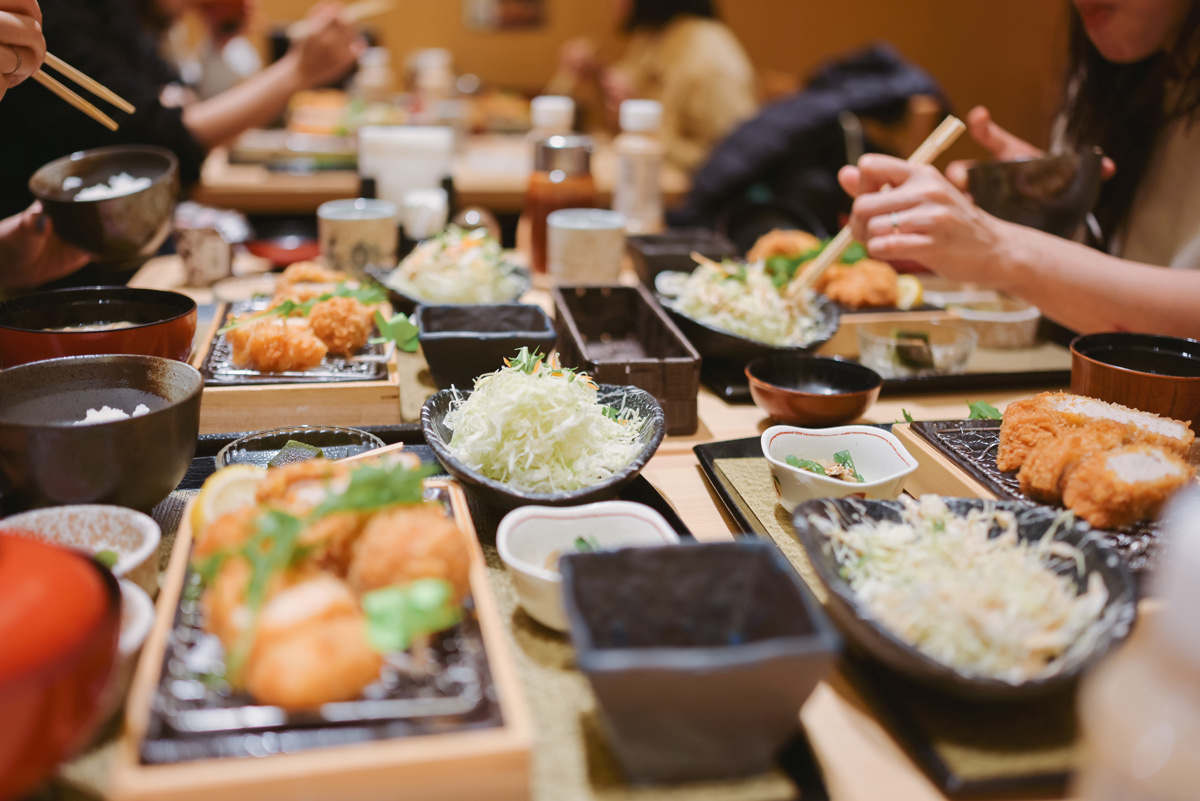

Feast your way through the vibrant and ancient city of Kyoto, a captivating blend of tradition, refinement, ritual and innovation.
Kyoto is a seamless blend of old and new, and that duality is reflected in its food. Alongside centuries-old institutions, Kyoto has a growing crop of modern, chef-led spots reworking traditional flavours. Here, you can go from a quick noodle stop to a multi-course kaiseki dinner in Gion – often in the same day.
If you’re looking for the ultimate guide to Kyoto restaurants, you’re in the right place.
What makes Kyoto food different?
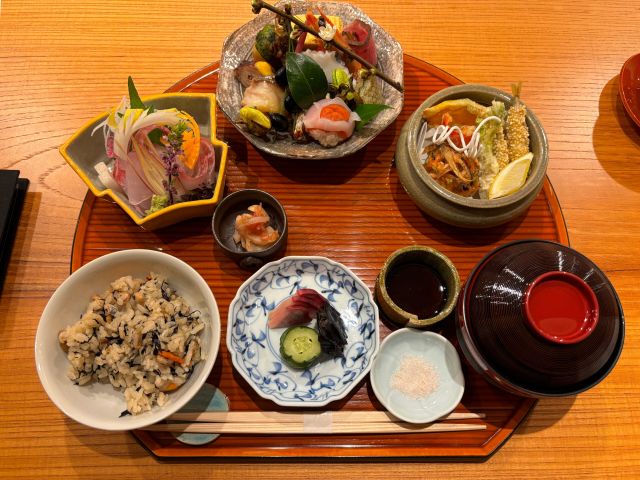
Kyoto stood as Japan’s capital for over 1000 years, and in that time became a hub of culture and politics. Its imperial status meant the city developed a more refined style of cuisine built on seasonality and presentation – after all, it had to appeal to the discerning tastes of aristocratic figures.
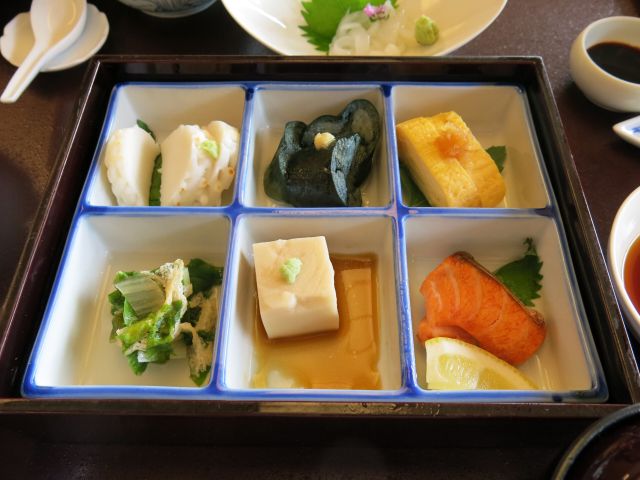
This is why Kyoto foods are typically delicate and balanced, with a special tradition known as kaiseki – multi-course haute cuisine that celebrates the seasons through meticulously crafted dishes.
What food is Kyoto famous for?
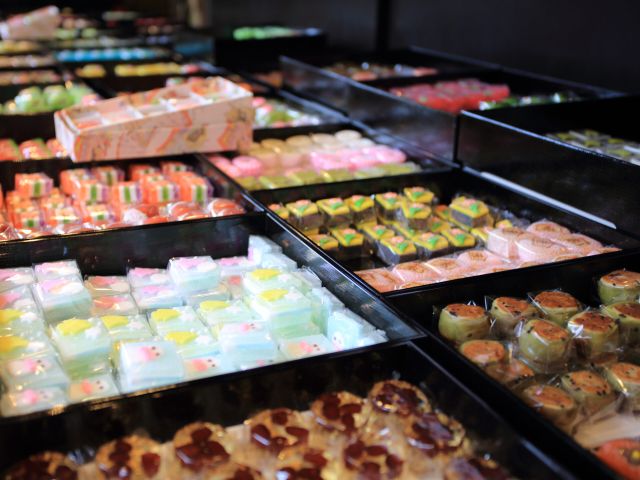
Kyoto has a diverse and deeply traditional spread of foods, with famous specialties including kaiseki, yudofu and yuba (types of tofu dishes), kyo-yasai (certified heirloom vegetables), shojin ryori (Buddhist vegetarian temple cuisine), obanzai (Kyoto-style home cooking) and wagashi sweets. The city’s inland positioning also means ingredients like preserved fish and tofu are everyday staples.
Kyoto restaurants by cuisine
Kaiseki
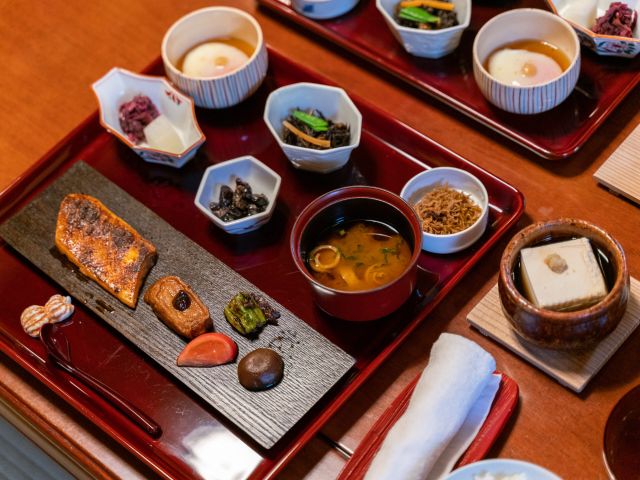
Kaiseki is world-famous, and you’ll find plenty of exceptional spots to try it.
● Kikunoi Roan: Boasting two Michelin stars, this is the more approachable sibling to the three-star Kikunoi Honten, serving multi-course kaiseki at an intimate counter, where each dish is introduced as it’s plated
● Hyotei: This historic tea house sits amid the tranquil Nanzenji Temple gardens, serving season-driven kaiseki in a centuries-old teahouse overlooking the grounds.
● Guilo Guilo Hitoshina: If you’re after something more casual, visit this intimate spot for a more relaxed, counter-style take on kaiseki with a lively, slightly theatrical feel.
Tofu cuisine
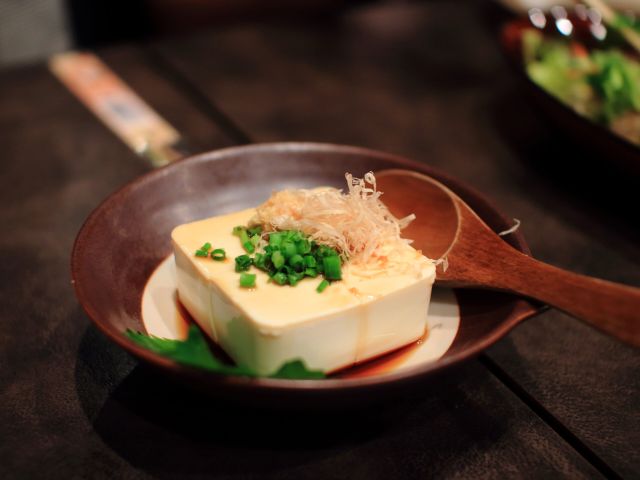
Soybean products are staple Kyoto foods, making them a must-try during your visit here.
● Tousuiro: Perched right on the picturesque Kamo River in a gorgeous old machiya townhouse, Tousuiro focuses entirely on tofu, from silky yudofu to multi-course tofu kaiseki.
● Okutan Kiyomizu: Dating all the way back to 1635, this is Kyoto’s oldest restaurant and the best spot to try yudofu – a regional specialty of silken tofu gently simmered in broth.
Ramen and soba
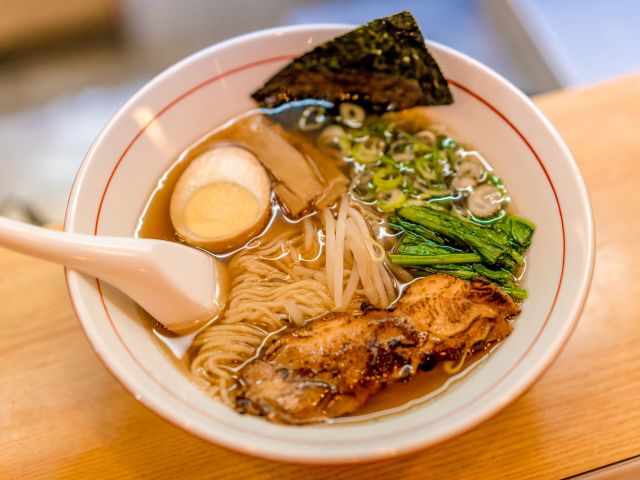
Noodles are a daily ritual in Kyoto, whether you’re grabbing a quick soba or settling in for a carefully composed bowl of ramen.
● Arashiyama Yoshimura: With sweeping views over the Hozu-gawa River and Arashiyama Mountains, this no-fuss noodle house makes soba from freshly hand-ground buckwheat.
● Men-ya Inoichi: With only 10 seats, you may have to queue for over an hour to nab a spot – but the wait will be worth it. Men-ya Inoichi serves up clear, umami-rich broths built on seafood stock.
● Kombu to Men Kiichi: You’ll find a modern spin on ramen at Kombu to Men Kiichi, a delicate bowl made with a unique kelp broth – a rare, completely fish-free approach that’s made it a standout for vegetarians.
Sushi
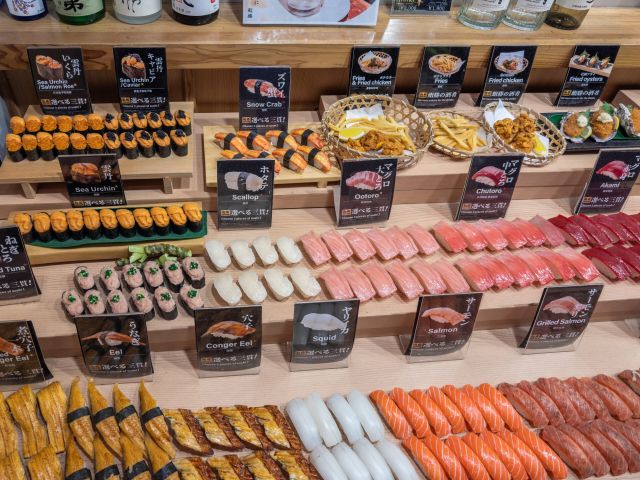
Sushi is ubiquitous in Japan, but Kyoto has a style all of its own.
● Sushi Matsumoto: This Michelin-starred counter focuses on Edomae-style sushi, with each piece shaped and served one by one using top-quality seafood flown in daily.
● Gion zuju: Here, you can try Kyo-sushi (Kyoto-style sushi), including saba sugata sushi (whole mackerel sushi).
● Den Shichi: The quality of the seafood at Den Shichi is hard to beat, with top-quality fish served simply and a focus on balance and knife work. Just don’t be surprised if you have to queue for a seat!
Matcha
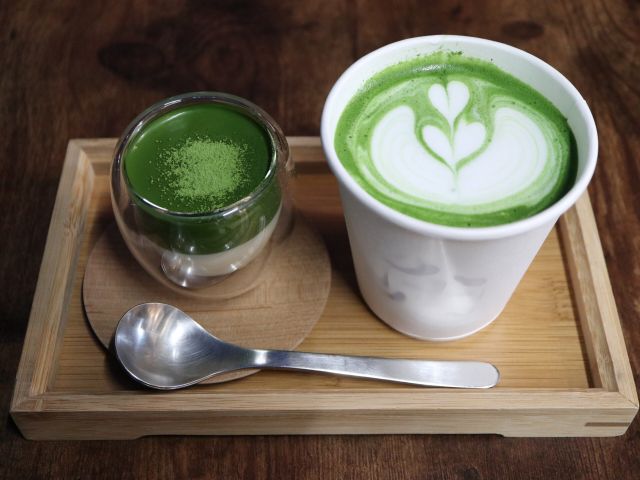
Matcha is a Kyoto icon, thanks to the city’s status as the birthplace of Japanese tea culture.
● Tsujirihei Honten: In a classic teahouse setting in serene Japanese gardens, Tsujirihei Honten is a go-to for authentic matcha drinks and a full lineup of matcha desserts, from parfaits to soft-serve.
● Nakamura Tokichi: With a convenient location inside Kyoto Station, you can easily stop by Nakamura Tokichi for a quick matcha latte or dessert parfait en route to one of your next stops.
● Gion Tsujiri: In the heart of the historic Gion district, this institution is a must-visit for experiencing Kyoto’s ancient matcha traditions, with a well-stocked store for picking up keepsakes of your trip.
Wagashi
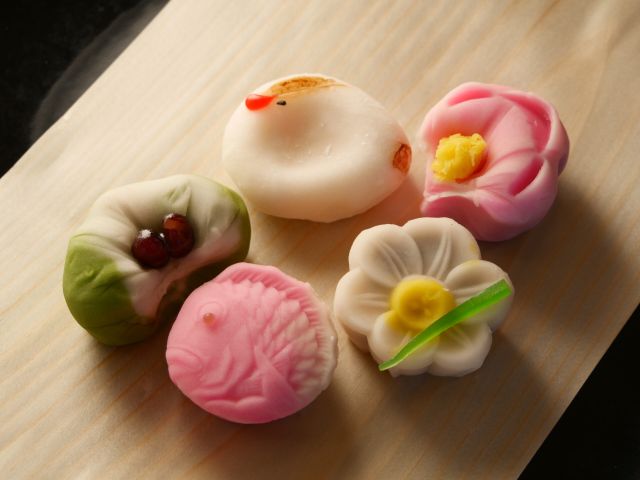
These traditional Japanese sweets are a must-try on your Kyoto adventure.
● Kagizen Yoshifusa: With multiple locations across Kyoto, sample one of the delicate, artful or classic sweets from Kagizen Yoshifusa.
● Toraya Ichijo: Try yokan, manju and seasonal confections at this historic shop before wandering over to the nearby Kyoto Imperial Palace.
● Demachi Futaba: The mochi here is a local standout, but the many other sweet treats – including daifuku and rice cakes – are absolutely worth trying.
Best Kyoto restaurants by neighbourhood
Kyoto’s neighbourhoods are as diverse as its food, with each area home to its own culinary highlights.
Gion
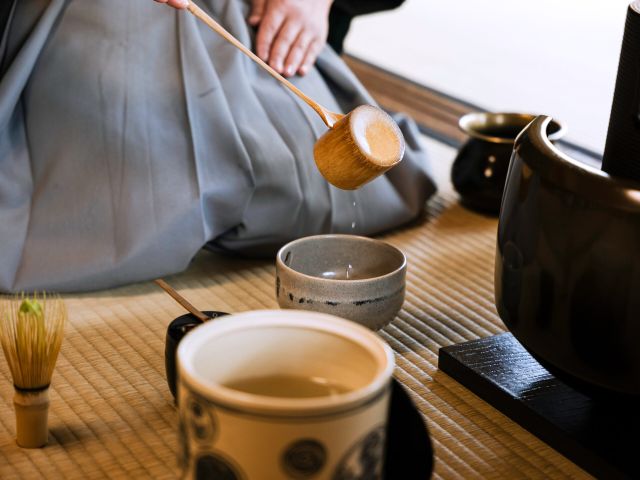
Gion is the focal point of Kyoto’s historic geiko and maiko culture, marked by its laneways, tea houses and centuries-old wooden buildings.
● Gion Sasaki: It’s notoriously hard to book, but if you get a seat, expect a tightly paced kaiseki progression where each course is introduced at the counter and built around what’s in season that week.
● Chidoritei: This family-run sushi joint is popular for its Kyoto-style sushi – think pressed sushi, mackerel and pickled flavours.
Nishiki Market area
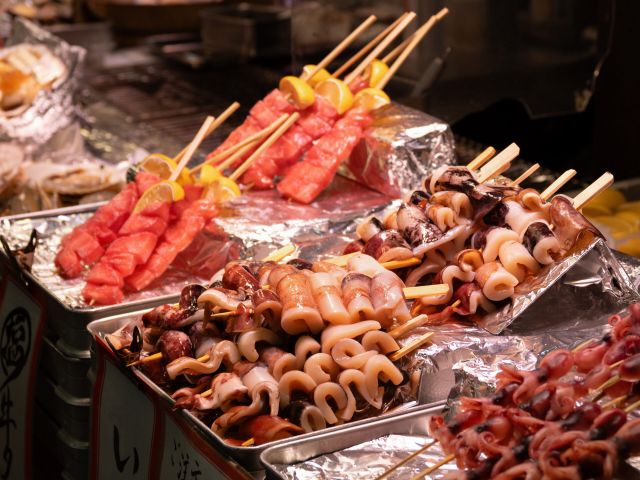
Nishiki Market is in itself a destination well worth visiting, a hub for fresh produce, street food, snacks and more, but there are great spots around it, too.
● Kyoto Engine Ramen: Expect rich, slow-simmered broths and a surprisingly strong lineup of vegan ramen, with options built on soy milk and vegetable stock rather than pork.
● Onimaru Kyoto Shijo Kawaramachi: This unassuming spot does creative onigiri (rice balls) with less typical fillings like seasoned beef, pickled veg and rich egg yolk.
Weekly travel news, experiences
insider tips, offers, and more.
Arashiyama
In the far west of the city, Arashiyama is a peaceful pocket of temples, shrines and a sprawling bamboo forest.
● Kitcho Arashiyama: The set menus at this riverfront institution are meticulously paced and season-driven, and one of Japan’s most exclusive restaurants. From 40,000 to 50,000 yen per head, it’s great for a special occasion.
● Shoraian: Set within a peaceful riverside forest in Kameyama Park, Shoraian is equal parts scenic and serene. Come for the tofu-based sets, which focus on tofu in many different forms.
Central Kyoto
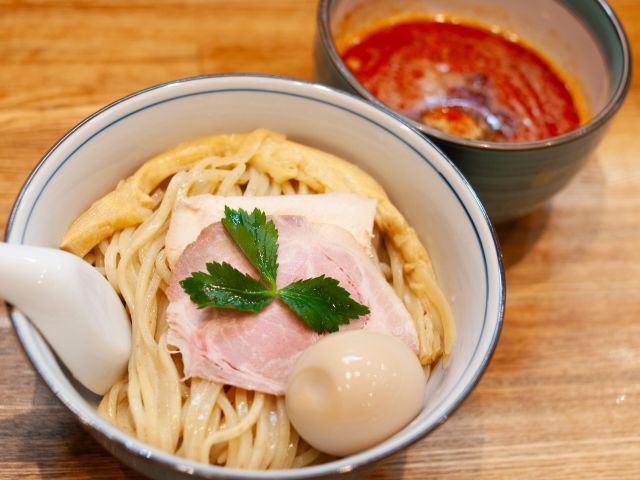
The centre of Kyoto is a busy commercial core and transport hub, where modern development sits alongside restored machiya townhouses.
● Mishima Tei: This iconic restaurant specialises in beef, hand-selecting the finest cuts and serving them in an array of rich dishes.
● Wajoryomen Sugari: Housed in a converted townhouse, Wajoryomen Sugari serves richer, more modern ramen – think thick tsukemen-style noodles with deeply flavoured dipping broths built on pork and seafood.
Kyoto’s Michelin-starred restaurants
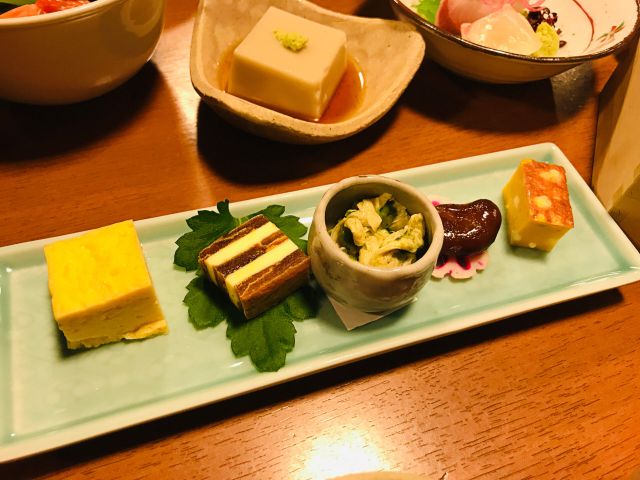
With such a depth of high-quality food and refined experiences, it’s little surprise Kyoto boasts so many Michelin stars.
● Mizai (3 stars): Mizai offers an ultra-refined kaiseki experience with just a handful of seats, where each course is served in sequence and built entirely around the day’s best ingredients.
● Ogata (2 stars): Ogata strips kaiseki back to its essentials, focusing on minimal, seasonal dishes where the quality of each ingredient does the heavy lifting.
● Cenci (1 star): At Cenci, Japanese ingredients meet Italian technique – like handmade pasta paired with local seafood and seasonal vegetables in a light, produce-driven menu.
Best budget restaurants in Kyoto
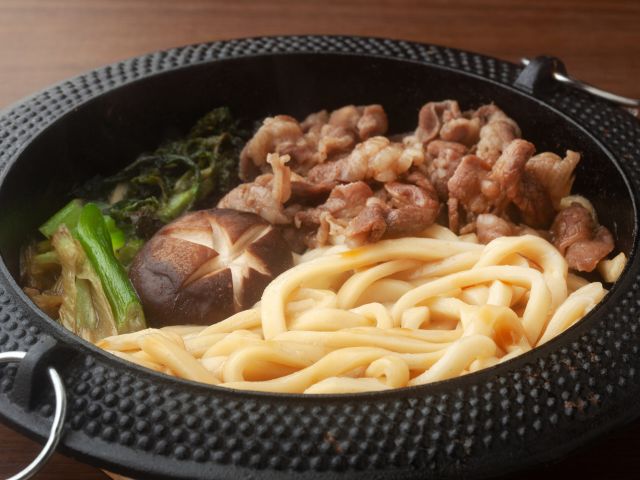
Unassuming these eateries may be, but they’re no less delicious.
● Chao Chao Gyoza: True to the name, gyoza are the specialty here – and they’re crispy-bottomed with a huge range of fillings. Try everything from classic pork to creative variations, and soak up the fun, casual atmosphere.
● Omen: Udon noodles are Omen’s specialty, served hot, cold and alongside a selection of seasonal dishes.
● Musashi Sushi: Musashi Sushi is a chain, but that doesn’t mean it’s average. Come here for affordable sushi served conveyor belt-style.
Tips for dining in Kyoto
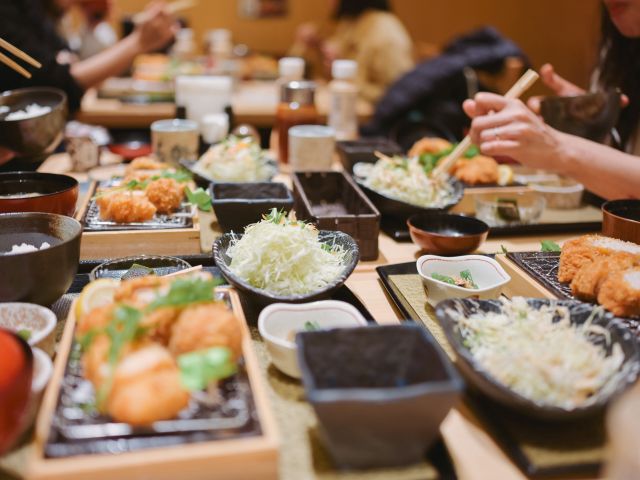
● The reservation struggle is real: Some high-end restaurants don’t accept reservations from first-time customers unless they have a connection with a regular, a practice known as ichigen-san okotowari. Having your hotel concierge make the booking on your behalf can improve your chances of scoring a seat.
● Learn proper etiquette: With so many ancient spaces and customs, it pays to understand the local rules. Remove your shoes at the entrance or when required, and place them neatly at the entrance. You’ll be on tatami mats in some traditional spots, so decent socks are a must.
● Practice good table manners: Some of the essential customs include saying itadakimasu before eating, using chopsticks correctly, not sticking them upright in rice and avoiding passing food chopstick-to-chopstick.
Want to see more stories from International Traveller in your Google search results?
- Click here to set International Traveller as a preferred source.
- Tick the box next to "International Traveller". That's it.