
With its diverse, fertile landscape and a multitude of microcultures, Japan is a leading destination for those who travel by their taste buds.
In ancient times inaccessible terrain was both the cause of isolation and inspiration for the development of a fascinating array of truly local food in Japan, which focus on the natural bounty of each region’s immediate surroundings.
Supping sweet seafood in coastal enclaves, savouring umami-loaded hotpots in rustic alpine villages, or partaking in celebratory foods at annual festivals gives reason enough to traverse the country’s breathtaking countryside. But regional food culture is not just about what’s in your bowl, it’s also an expression of the seasons, community and history.
1. Jingisukan (ghenghis khan) in Hokkaido
Famous for ski havens and long, powdery winters, Hokkaido is awash with green in the warmer months ensuring a paradise for nature lovers. The bulk of Japan’s dairy cattle and sheep graze on its bouquet of meandering clover and delicate florals.
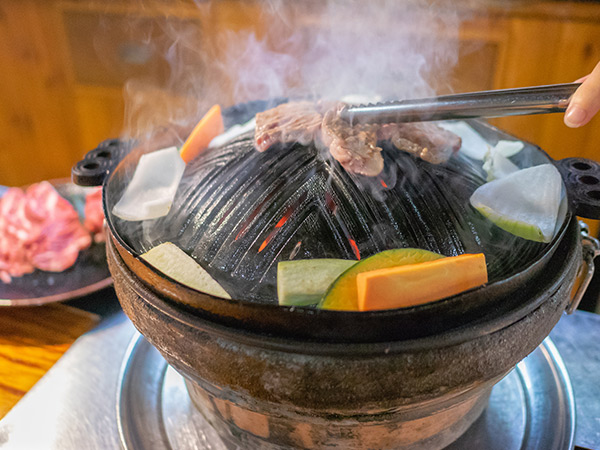
In fact, Hokkaido is the only Japanese island where sheep farming has thrived. Here they’re renowned for grill joints known as jingisukan (rumoured to be named for convex cooking vessels shaped like Ghenghis Khan’s hat). Various succulent lamb and sometimes mutton cuts, seasonal vegetables and garlicky sauces are most often a DIY barbeque affair, washed down with Hokkaido’s famous Sapporo beer. Or shochu, a distilled spirit made from locally grown potatoes and sometimes corn.
Find an abundance of jingisukan restaurants in Sapporo and around the izakaya-lined yokocho (alleys) of Asahikawa and Hakodate, often not far from main train stations.
2. Oma maguro in Aomori Prefecture
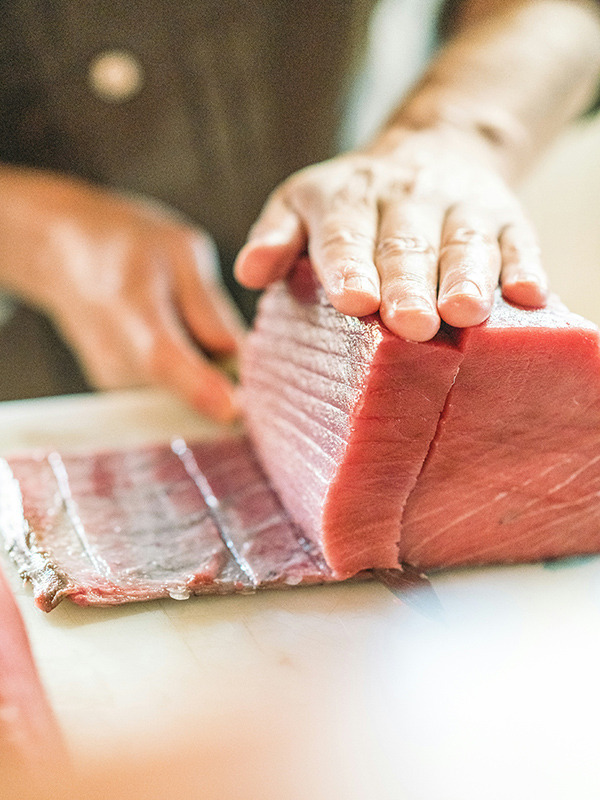
Summer in Aomori’s Tsugaru Strait, at Honshu’s northern tip, marks the arrival of blue-fin or hon-maguro congregating in the cold northern waters. By winter the fish have reached an enormous 200 to 300 kilos, earning them the nickname ‘black diamond’ which speaks of their colour and value. In the port town of Oma, they are so famous for their own brand of hon-maguro, it’s been named after them.
Swimming fast against the straight’s strong current to maintain body temperature has the added bonus of refining the quality of Oma maguro’s tuna flesh, treasured for its balance of fat and savoury-sweet flavour. The vivid red meat, favoured for sushi, only improves in excellence as the temperatures continue to drop, reaching their peak around the end of January.
What’s more, in Oma, tuna are reeled in using a sustainable line and pole method, ensuring the pristine condition of the fish and its marine environment.
In late October, Oma hosts the Oma Cho-Maguro (super tuna) Festival offering a merry mix of entertainment and speciality dishes. Think tuna auctions and cooking demonstrations, seafood barbeques, stick-sushi, curry and tuna burgers. It’s also your chance to sample locally made, umami-rich maguro-joyu (soy sauce with tuna extract).
3. Oysters in Miyagi Prefecture
Japan’s most eloquent and romantic writers, including 17th-century Haiku poet Basho, found it difficult to describe the beauty of Matsushima Bay in Tohoku’s Miyagi Prefecture. Here, 260 small, pine-covered islands dot the bay, linked together by vermillion footbridges and hosting historic temples and meditation caves hand-carved by monks.
Not just a pretty place, the islands act as guardians to the coastline’s oyster farms. Known to produce some of Japan’s most delectable shellfish, warm phytoplankton and nutrient-rich waters generate an optimum environment for oyster growth.
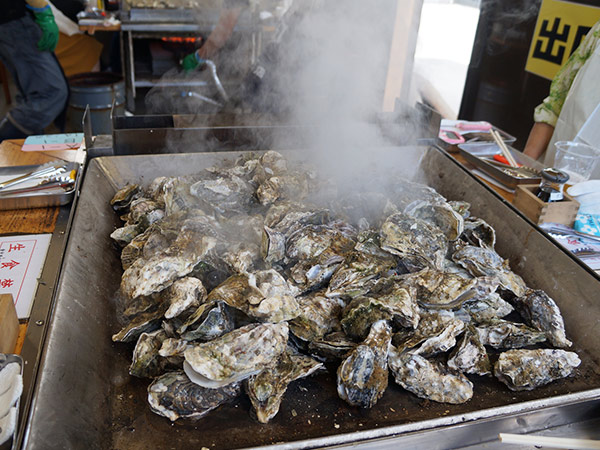
During harvest time (October to March), all-you-can-eat kakigoya (oyster shacks) are open to the public. Here, travellers can mingle with locals over smoky grill tops.
Raw oysters can be enjoyed at many neighbourhood restaurants. Try them with ponzu (soy infused with citrus and preserved bonito) or topped with a simple relish of grated daikon and chilli. Pair them with Miyagi Prefecture’s dry junmai (pure rice) sake – a typically smooth and dry style.
Open year-round, Yaki-gaki House sits opposite Matsushima’s Sakana Ichiba (fish market) and is the perfect place to taste oyster-centric dishes like kaki-don (marinated-oyster-topped rice bowls) and other local seafood.
While many local shops also sell these particularly rich, creamy oysters in a variety of snacks and casual dishes. Start with kare-pan (deep-fried bread filled with oyster curry) and work your way to kaki-senbei (thin, pressed oyster rice crackers).
4. Kan-buri in Toyama Prefecture
Nestled between the alps and sea in the west of Japan, Toyama Prefecture is an omnivore’s paradise. The majority of the population resides in an arc around idyllic Toyama Bay, buffered from the brunt of inclement weather by the pointy finger of the Noto Peninsula.
Popular local dishes include black ramen (rich, dark soy and black pepper broth), kombu-maki kamaboko (fresh fish paste cakes rolled with kombu to preserve flavour) and their famous red snow crab. However, none are so treasured by locals as kan-buri (winter yellowtail), affectionally referred to as ‘king of Toyama Bay’, and shiro-ebi (glass shrimp).
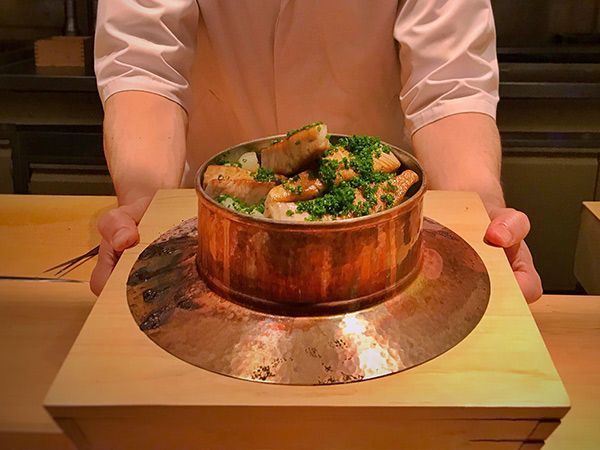
Kan-buri make wonderful sashimi or sushi, but a most adored winter dish is buri-daikon – fleshy fish cuts simmered with thick daikon chunks, which soak up the yellowtail’s rich flavour. Alternatively, kanburi shabu shabu is a lighter but still flavoursome hotpot dish.
More delicate is the shimmering, pale flesh of the shiro-ebi, which tastes fresh and briny on the palate with a creamy finish. It’s perfect for serving raw as sashimi, or over warm sushi rice or fried rice, to highlight its natural sweetness. Shiro-ebi is also popular in tempura for a textural crunch.
5. Hiroshima okonomiyaki in Hiroshima Prefecture
Heated discussion is bound to ensue when comparing regional okonomiyaki styles, but for many connoisseurs, Hiroshima Prefecture does it best.
Okonomiyaki translates to ‘grilled as you like it’. And in Japan’s Kansai region. the preference is for a thick, wheat flour version of this enriched pancake-omelette hybrid. Try it topped or mixed with a variety of meat, seafood and vegetables and slathered with a rich, thick and sweet Worcestershire-style sauce and Kewpie mayonnaise. It’s often garnished with additional seasonings like shaved katsuobushi (preserved dried bonito), pickled ginger and aonori (a type of nori, finely ground).
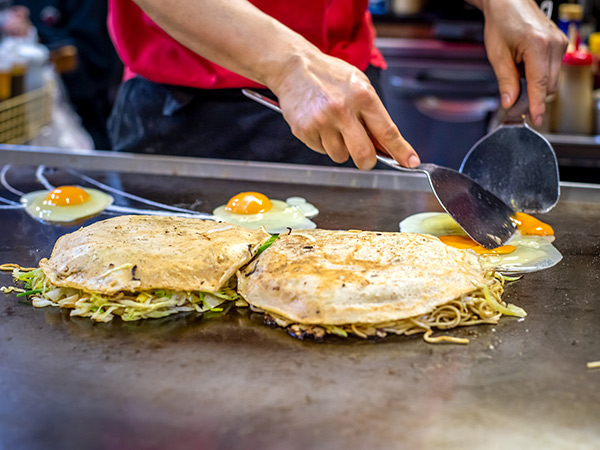
Hiroshima’s unique style griddles thin discs of batter until almost crisp, before topping with ingredients of your choice. Those always include a tumble of lightly griddled soba noodles, sometimes sandwiched with a second crispy disc, or topped with a runny fried egg.
Prefectural pride has birthed many unique renditions, with some towns and villages replacing noodles with udon or rice. Others feature freshly caught squid, oysters and chikuwa (fish cake) – all local to Hiroshima City.
6. Sanuki udon in Kagawa Prefecture
In the north-west of Shikoku, Kagawa – formally named Sanuki – is the smallest of Japan’s 47 prefectures. Legend states that Sanuki udon origins are modelled on wheat noodles brought back to Japan from China over 1200 years ago by famous monk and scholar, Kukai (also known as Kobo Daishi).
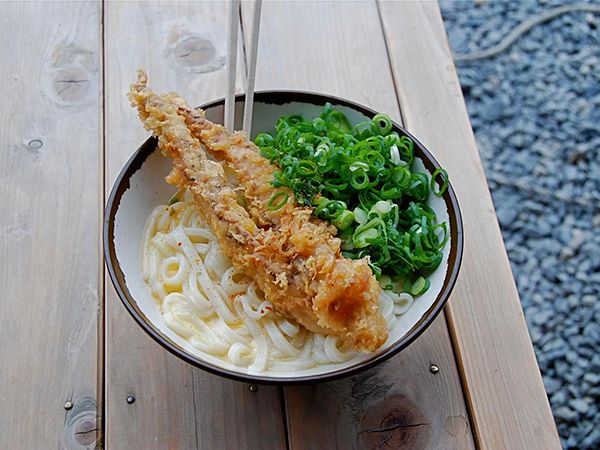
Sanuki udon, the finest of which is made with wheat grown in Kagawa’s sub-tropical sun climate, is a chewy but tender, slightly salty noodle with flat edges. It’s commonly served in a simple dashi broth or dipping sauce flavoured with niboshi (dried sardines), and soy. Toppings include chopped negi (spring onion), a spritz of local citrus fruit juice and sometimes an egg yolk or tempura prawn.
There are over 700 Sanuki udon restaurants in Kagawa alone, and even a special Udon Taxi – its roof adorned with an oversized, 3D bowl of Sanuki udon – which can be hired for a magical mystery tasting tour of the best.
Weekly travel news, experiences
insider tips, offers, and more.
7. Yatai food stalls in Fukuoka City
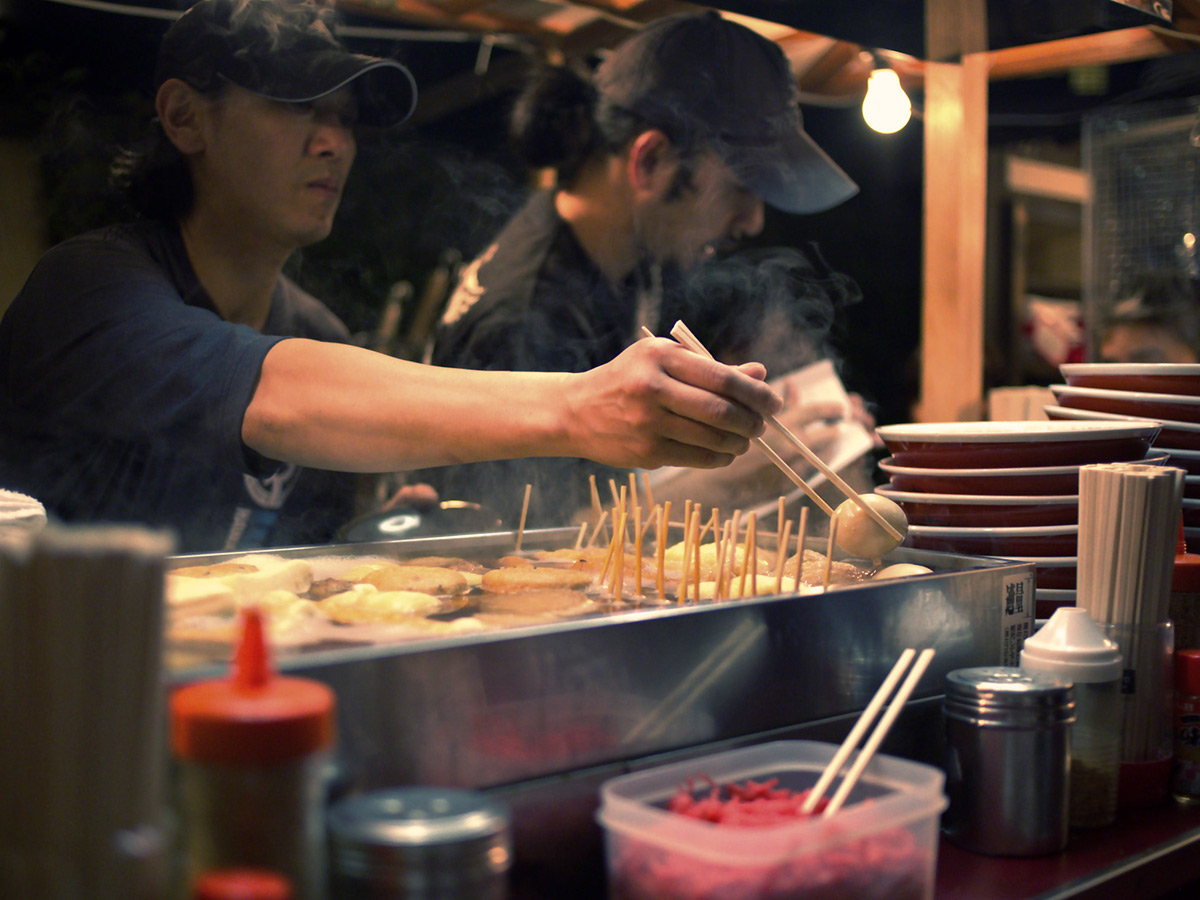
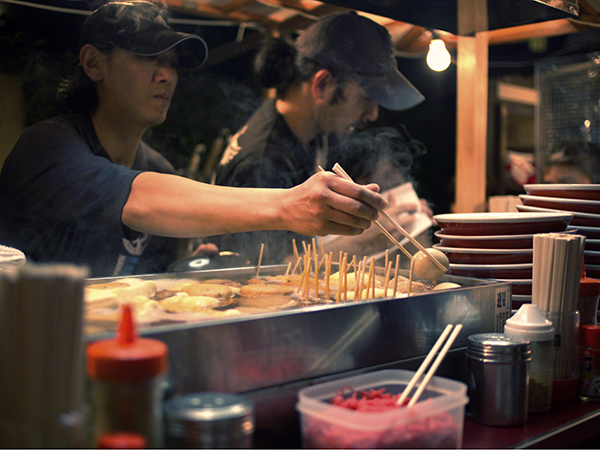
While many south-east Asian destinations encourage snacking on the go, Japan rarely indulges in street food culture as eating whilst walking is considered impolite. Fukuoka City’s yatai (moveable street stalls) offer the perfect solution: food sold on the street that comes with a seat.
A huge camp of lantern-lined food shacks can be found beside the Naka River in Nakasu, with smaller huddles located in downtown Tenjin and Nagahama (near the fish market and port). Open from around 6pm until late, it’s common for office workers to yatai-hop after work.
Fukuoka’s own rich, porky tonkotsu ramen is some of Japan’s most sought-after. Find plenty of it, alongside other regular yatai favourites like gyoza, yakitori and oden (simmered tofu, vegetables, fishcakes, whole eggs and other select items simmered in broth).
Note before you go that many yatai do not accept credit cards, nor do they have toilets. Also, try not to linger after dining because seats are limited and there’s always a line.
8. Goya champuru in Okinawa
Formally known as the Ryukyu Kingdom, a range of cultural influences from other East Asian countries mean Okinawa serves a cuisine quite unlike anything you’ll find on the greater mainland. All the favourite are available, but it’s the traditional Ryukyu foods that steal the show here.
Find colourful, healthy and flavoursome dishes perfectly suited to the sub-tropical environment. Many indigenous medicinal ingredients, like herbs, fruits and vegetables (don’t miss umi-budo/sea grapes) are at their core. This might explain why nearby cities are home to a significant population of locals in their nineties (and older).
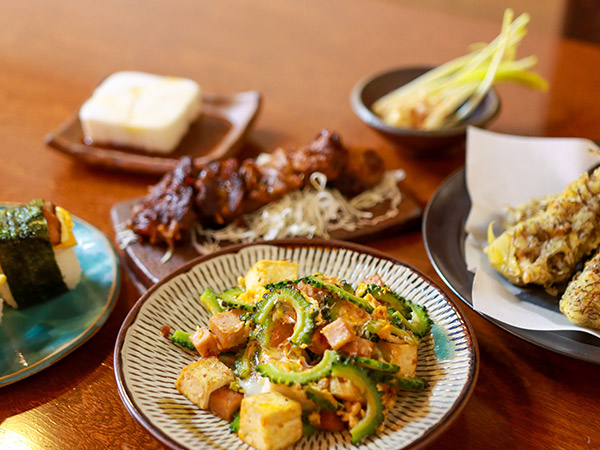
Superfood goya is a variety of bitter gourd which locals are experts in selecting and preparing for minimal bitterness. Bright green goya juice stands are dotted around the island, often mixed with shikuwasa citrus, offering a powerful antioxidant, anti-inflammatory and anti-bacterial. Goya is also the key ingredient of Okinawa’s soul food, goya champuru, a slightly peppery stir fry featuring fresh tofu and goya and either pork belly, seafood or eggs.
Every household has its own recipe. Enjoy it at local restaurants around the island, or pick some up from a michi-no-eki, (road station). Learn how to prepare goya champuru for home by taking a market tour and class with Yonner Food Cooking Studio.
Want to see more stories from International Traveller in your Google search results?
- Click here to set International Traveller as a preferred source.
- Tick the box next to "International Traveller". That's it.