hero media

7+ strange Japanese foods to try while you’re there

International Traveller
A brief guide to all of the weird and wonderful dishes you can try during a visit to Japan.

Japan is undoubtedly a country that has a plethora of delicious foods to suit any taste.


Each prefecture boasts its own variety of rich local ramen and curry. Nationally, yakitori bars waft heady cedar-filled smoke down laneways and you can find the freshest sushi and sashimi everywhere, even on top of a mountain.


Japan is also infamous for its unusual food options. Foods that make a lot of westerners cringe or downright feel ill at the thought of.


Since variety is the spice of life, here are some of the strange Japanese foods to try while travelling Japan.


Disclaimer: To reduce food-related health risks we recommend seeking out trusted restaurants and establishments that are serviced by qualified professionals. Avoid eating street food that has been sitting unattended or from a vendor with little trade. Ordering raw meat from restaurants that do not specialise in the cuisine is not recommended.


1. Torisashi (chicken sashimi)
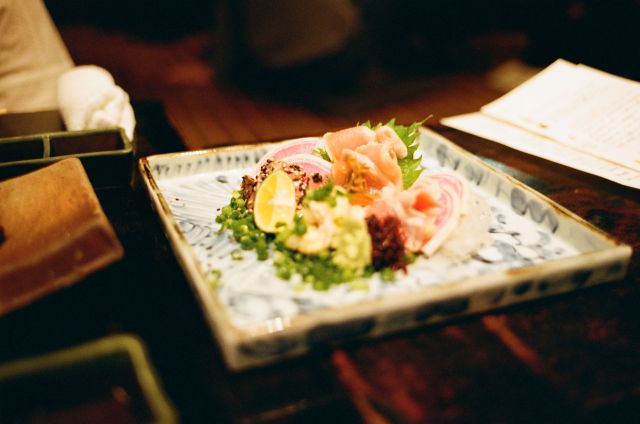
Chicken sashimi, Torisashi in Tokyo
Have you been served raw chicken in Japan? That would be Torisashi (chicken sashimi).

A dish that is guaranteed to evoke shock and horror from friends and family at home is chicken sashimi. With cries of “what about salmonella?" ringing in your ears, it can be a confronting first bite. Fresh chicken sashimi shouldn’t have an odour or strong taste about it at all.

Where and when can I get it?

A traditional dish of the Kagoshima prefecture, torisashi can be found in almost any izakaya in the region. However, it is gaining popularity in cities such as Osaka and Tokyo and can also be easily found in the Kyushu and Okayama regions. No matter where you get it due to the preparation required in serving non-fish sashimi (i.e. getting it fresh), it’s worthwhile to track down a restaurant that specialises in it rather than leaving it to chance.

Pro tip

It’s not just chicken breast that is available to eat raw. A restaurant with a chicken sashimi menu will also likely serve the organs as such. If you’re game.

2. Natto

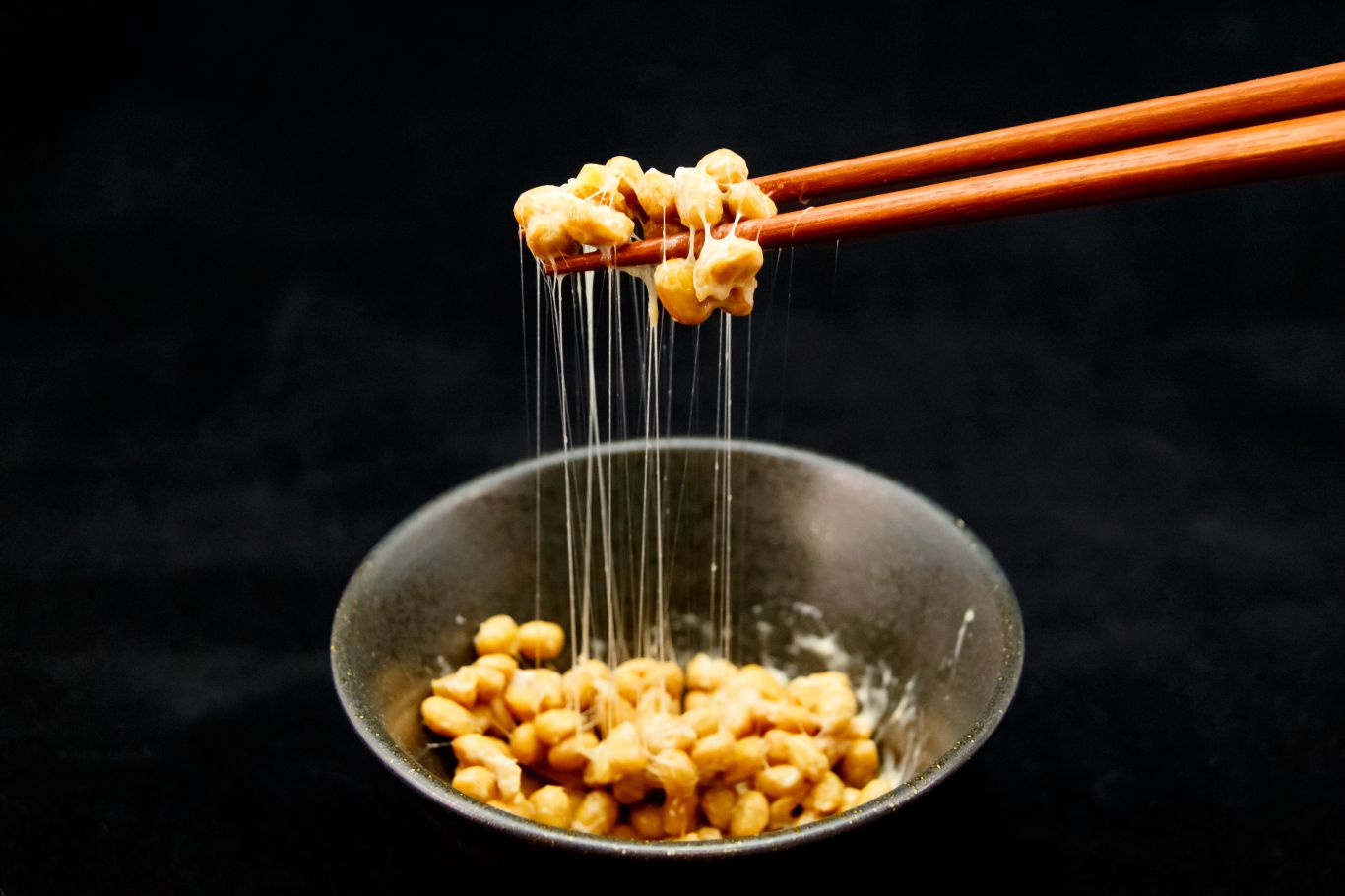
The easiest to find, and possibly the most divisive ‘unusual food’. Natto is a stringy, sticky and slimy fermented soybean dish that is most commonly eaten for breakfast. The odour is pungent (think stinky socks) and the flavour lands somewhere between off cottage cheese and salty rotten beans.
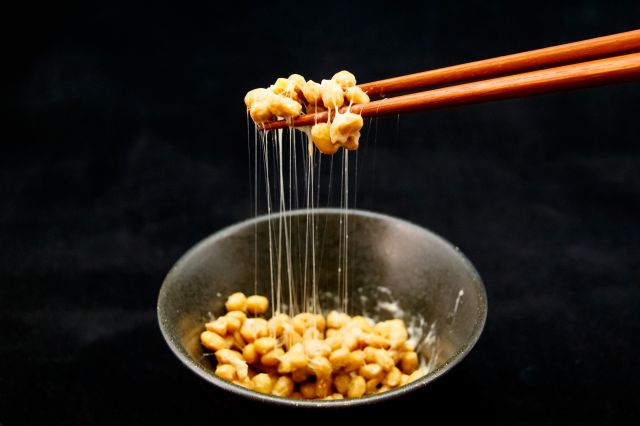
Raw Egg on Rice with Natto
Natto is usually eaten for breakfast in Japan.

Where and when can I get it?

Natto can be found year-round in most convenience stores (often in a hand roll or tub), in buffet breakfasts and many cafes all over Japan.

Pro tip

Natto on rice for breakfast, with a dash of soy, mustard and pickles, is a popular way to eat it.

3. Yakitori entrails
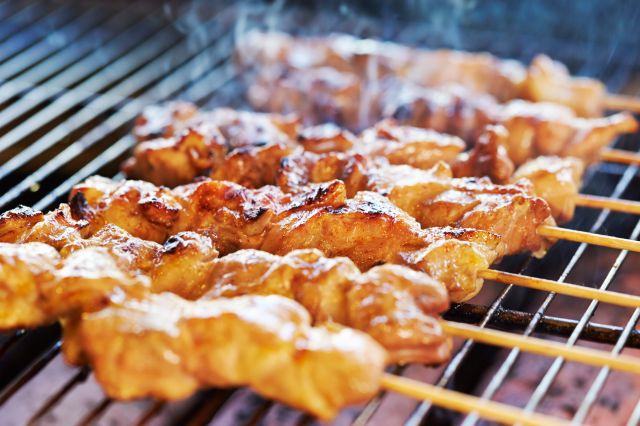
Yakitori
Swap your standard chicken breast skewer for a Yakitori intestine or liver.

The Japanese rarely waste any part of the animal and readily consume flavourful cuts of offal over the fillets that western cultures prefer. Yakitori liver, tongue, hearts, knee joints and intestine are offered alongside belly and breast and are grilled to perfection.

Where and when can I get it?

Yakitori bars are popular nationwide. It’s worthwhile trying them everywhere as variety and cuts differ from location and season.

Pro tip

Horumon (horumonyaki) made exclusively from beef or pork offal is available in dedicated restaurants and is considered good for stamina and energy in the bedroom. Wink wink.

4. Fugu (pufferfish)

Fugu is a delicacy, and only available during the winter months. It is eaten for its delightfully unusual taste, high level of collagen and is considered great for anti-ageing. So long as the poisonous parts (mainly organs) aren’t consumed as they contain the deadly toxin ‘tetrodotoxin’, to which there is no known antidote.
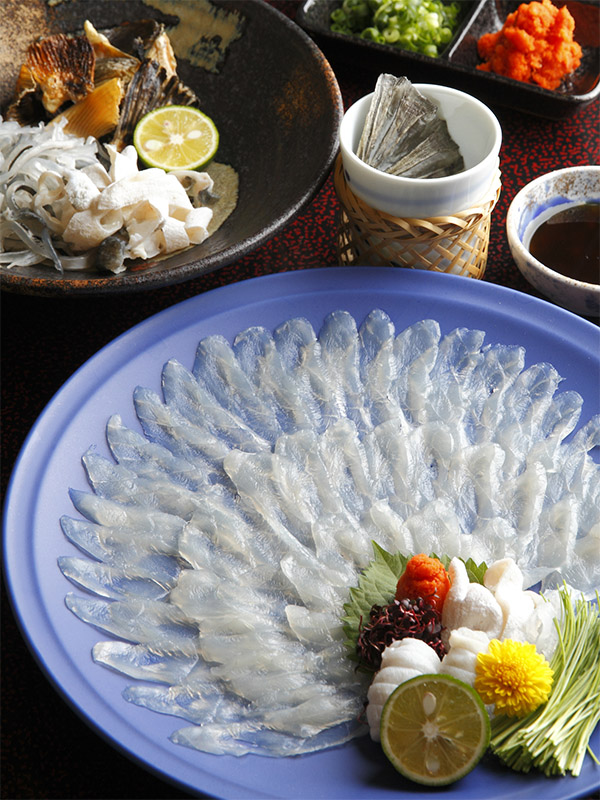
Wakasa blowfish or fugu thin fillet

Since 1958 chefs have been required to undergo a rigorous apprenticeship to obtain a license to prepare and sell fugu to the public. These days, cases of Fugu poisoning are rare (but not unheard of) with most occurring through amateur preparation.

Where and when can I get it?

Winter (end of December to March). Fugu is widely available however there are many restaurants in Kyoto that specialise in the dish.

Pro tip

There are many strange fishes available only in the winter months in Japan. Try to track down ‘Anko’ also known as Anglerfish in Tokyo and the seaside prefectures, it’s the deep sea fish with the light on its head to attract prey.

5. Batta or inago (grasshopper)

The fact that grasshoppers symbolise good luck doesn’t stop them being fried and eaten. Considered pests that eat rice crops, they are a popular cooked in soy and eaten as an afternoon snack, where the crunchy texture pairs beautifully with an iced tea or beer.
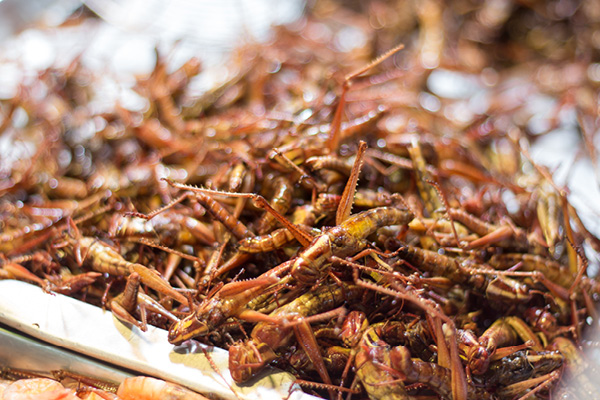
Grasshopppers Batta or inago
Batta or inago is a popular afternoon snack of grasshoppers cooked in soy.

Where and when can I get it?

The Nagano prefecture is considered mecca for finding edible insects however, rice grasshoppers are available widely at bars and restaurants.

Weekly travel news, experiences
insider tips, offers,
and more.

Pro tip

Other popular insects to try are zazamushi (stonefly larvae), hachinoko (bee larvae) and inago no tsukudani (boiled locusts), mainly in Nagano.

6. Basashi (raw horse meat)

High in vitamins and low in fat content, raw horse meat is usually served cold along with soy sauce, garlic, and wasabi or nigiri sushi style. It is considered a health food and has been eaten for more than 400 years.
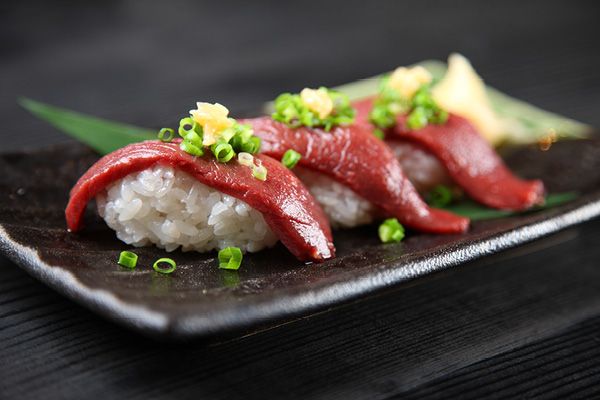
Basashi is raw horse meat
Basashi is raw horse meat served cold along with soy sauce, garlic, and wasabi or nigiri sushi style.

Where and when can I get it?

Horsemeat is available both raw and cooked in barbecue, wagyu and sushi restaurants across the country – I stumbled across horse meat nigiri in a Tokyo sushi train. However, the regions of Nagano, Oita and Kumamoto are famed for their ‘basashi’ (raw sushi style); Kumamoto boasting a ‘cherry blossom’ basashi, named for its intense red colouring and flavour.

Pro tip

Such lean meat requires fine preparation so as not to become tough or chewy. Paper thin slices of sashimi delicately fall apart on the tongue and are the recommended dish to order.

7. Mystery Snacks
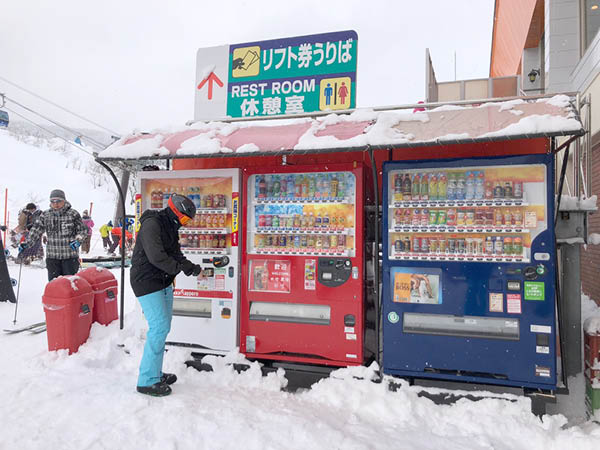
Pick up a hot soup or coffee in the many vending machines around Japan.

With a store on almost every corner, it’s worth exploring the aisles or perusing vending machines for snacks to test your bravery. Along with chips, ice-creams and soft drinks you can find dried crabs, wasabi cheese and a lucky dip of mystery meats.


It’s hard to walk past the array of hot soups and energy coffees in vending machines without getting curious as to the (often surprising) taste.

Where and when can I get it?

Vending machines and convenience stores are everywhere. Even on the ski fields. You’re never far from a snack adventure.


Pro tip

Don’t try to translate what’s on the packet. It’s far more fun to sip it and see if you can work out what you’re eating by taste!


It would be an extremely long list indeed to include all of the weird and wonderful foods available across Japan. These are a great starting point for extending your bravery and palate into the unusual.


If you’re planning a trip to Japan make sure you check out our Japan travel guide, so you can read up on the very best the country has to offer!

Want to see more stories from International Traveller in your Google search results?

  1. Click here to set International Traveller as a preferred source.
  2. Tick the box next to "International Traveller". That's it.
hero media

5 things every hotel needs for a more restorative stay

    Kate Bettes Kate Bettes
    Wellbeing means different things to different travellers. Here’s how to pick a hotel that gets it right for you.

    The best wellness holidays aren’t necessarily spent wrapped in a spa robe. Sometimes they’re found around a dinner table in Cambodia, on a hiking trail in New Zealand or after finally beating jet lag on the other side of the world. The hotel you choose is what makes them happen.

    1. Easy access to good food

    meals from Novotel Bangkok Sukhumvit 20
    Taste delicious meals at Novotel Bangkok Sukhumvit 20.

    One of the quickest ways to derail healthy habits on holiday is to spend half of it working out where to eat instead of digging into the culture around you. Thankfully, Novotel has done much of the hard work already, with chefs building menus that lean into the flavours, ingredients and traditions of each destination.

    In Sihanoukville, Cambodia, Korkor soup – often dubbed ‘Cambodian ratatouille’ – sits alongside raw blue crab dressed with lime and chilli, best enjoyed with views across the Gulf of Thailand.

    In the lovingly chaotic city of Bangkok, the presence of food cranks up the sociability. At Novotel Bangkok Sukhumvit 20, you can settle in with mango sticky rice and stranger-turned-friends beside the pool at Sky on 20 rooftop bar, or bring them along to tackle river prawns and stir-fried crab with holy basil at the buzzing Crab Paradise Dinner Buffet.

    Then Novotel Dubai Al Barsha welcomes you with a laidback twist on the level of indulgence the Middle Eastern city is best known for up on Deck Se7en. Looking towards Burj Al Arab, the rooftop lounge has everything from Mediterranean-style dishes like seabass ceviche to Italian prosecco sundowners.

    At the other end of the scale, in the hills that surround the Novotel Bali Ubud Resort, calm comes from nature. At Siralada restaurant, Balinese traditions shape the menu while thunder rumbles over the surrounding jungle – proving the setting is as nourishing as the food itself.

    While at Novotel Nha Trang, chef Kieu Thi My Hanh and her team showcase Vietnam’s knack for balancing freshness, texture and fragrant herbs. Pho remains a favourite, while seafood salad with pomelo and mango brings those flavours together in one bright dish.

    It’s all an approach backed by partnerships with expert food creators such as Alfie Steiner, whose plant-forward recipes prove healthy food should never taste plain.

    2. Better sleep options

    Novotel Bali Ubud Resort room
    Sleep deeply with Novotel.

    There are few travel experiences more disappointing than arriving in a new country, determined to seize the day, only to fall asleep fully clothed by 3pm.

    For Australian travellers, jet lag is often an unavoidable part of the journey. That’s one reason Novotel runs sleep-focused initiatives that help guests adjust quickly without compromising on health. We’re talking partnerships with Sydney-based sleep specialist Olivia Arezzolo, known for her advice on everything from better sleep habits to beating jet lag, alongside features like pillow menus, in-room yoga content and tailored sleep guidance.

    The sooner you’re operating on local time, the sooner you can get back to more pressing matters – like deciding which spa treatment to book.

    3. More ways to move

    woman hiking around queenstown new zealand
    Stay at Novotel Queenstown Lakeside and explore local hiking trails. (Credit: GettyI mages/ naruedom)

    Every place in the world has its own way of getting you moving: whether that’s hiking up ice-bitten mountains before a sauna or gentle stretching by the pool before a facial. From fitness centres to spas, Novotel recognises that wellbeing rarely looks the same.

    At Novotel Queenstown Lakeside, activity is inescapable. Here, hiking trails, ski fields, bungee jumps, and white-water rafting have made the region famous. The hotel’s location on the shores of Lake Wakatipu means less time spent organising yourself and more time out there experiencing them. To top it all off, you can book a private hot tub for the evening before heading back into the wilderness tomorrow.

    Bali, of course, takes a softer approach. At Novotel Bali Ubud Resort or Novotel Bali Nusa Dua, movement is less about conquering a mountain and more about a dance class between the tropical gardens and lagoon pools. Afterwards, the spa takes over, with traditional treatments like a Lulur body scrub: a combination of rice, turmeric, sandalwood, ginger and jasmine that’ll soothe muscles already relaxed by the Balinese heat.

    4. Better connections

    Novotel Sharm El Sheikh
    Kids will love a stay at Novotel Sharm El Sheikh.

    One of the best things about travel is that it gives your family stories you’ll be telling for years. Novotel helps create them with activities that bring everyone together, whether that’s trying something new, learning a local skill, or simply spending more time together.

    Go for a distinctly Thai twist at Novotel Phuket Vintage Park, where many of the family activities draw on local culture. Kids can try everything from beginner Thai boxing and language lessons to umbrella painting and – a pastime beloved by children the world over – pool foam parties. Everyone is welcome to join in, whether that’s getting splashed, covered in paint, or simply watching their children discover a new side of Thailand during the dedicated Family & Kids Day.

    A different adventure awaits at Novotel Sharm El Sheikh. Kids could be perfectly content with discos, drawing classes and new holiday friends, but the Red Sea has other ideas. Sitting on the edge of Naama Bay, days here might involve snorkelling colourful reefs, taking a boat trip to Ras Mohammed National Park or heading into the desert by quad bike or camel for a Bedouin-style dinner beneath the stars.

    5. Location is everything

    Surin Beach, Choeng Thale, Thalang District, Phuket, Thaiföld
    Explore Phuket’s gorgeous beaches. (Credit: Bence Biczo)

    Everyone’s idea of wellness looks a little different. With more than 600 hotels across 65 countries, Novotel gives guests the freedom to choose the destination that suits them best. Whether that’s a beachside escape in Phuket, an alpine expedition in Queenstown or a city break in Bangkok, there’s a good chance a Novotel isn’t far away.

    All that’s left? Choosing your version of wellbeing.

    Discover stays to inspire your everyday at novotel.accor.com.