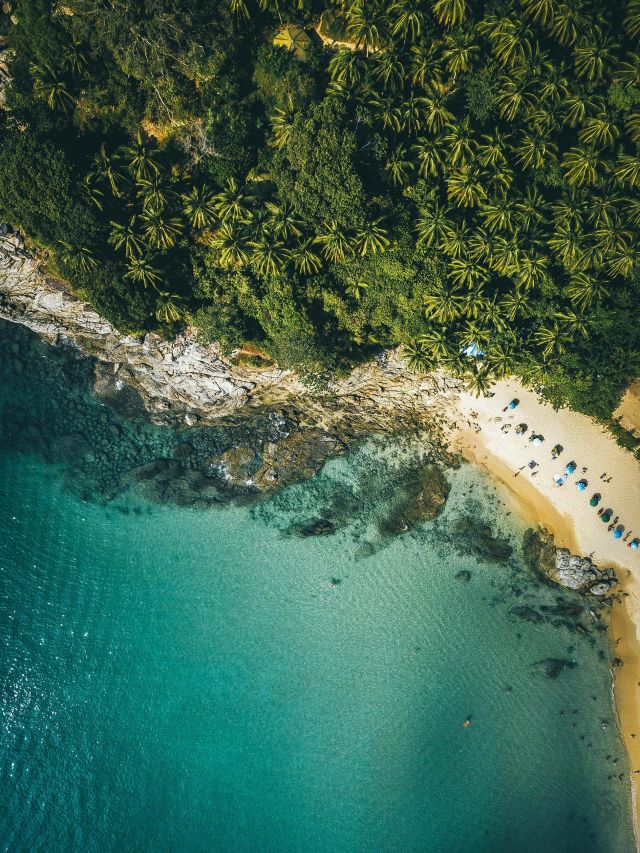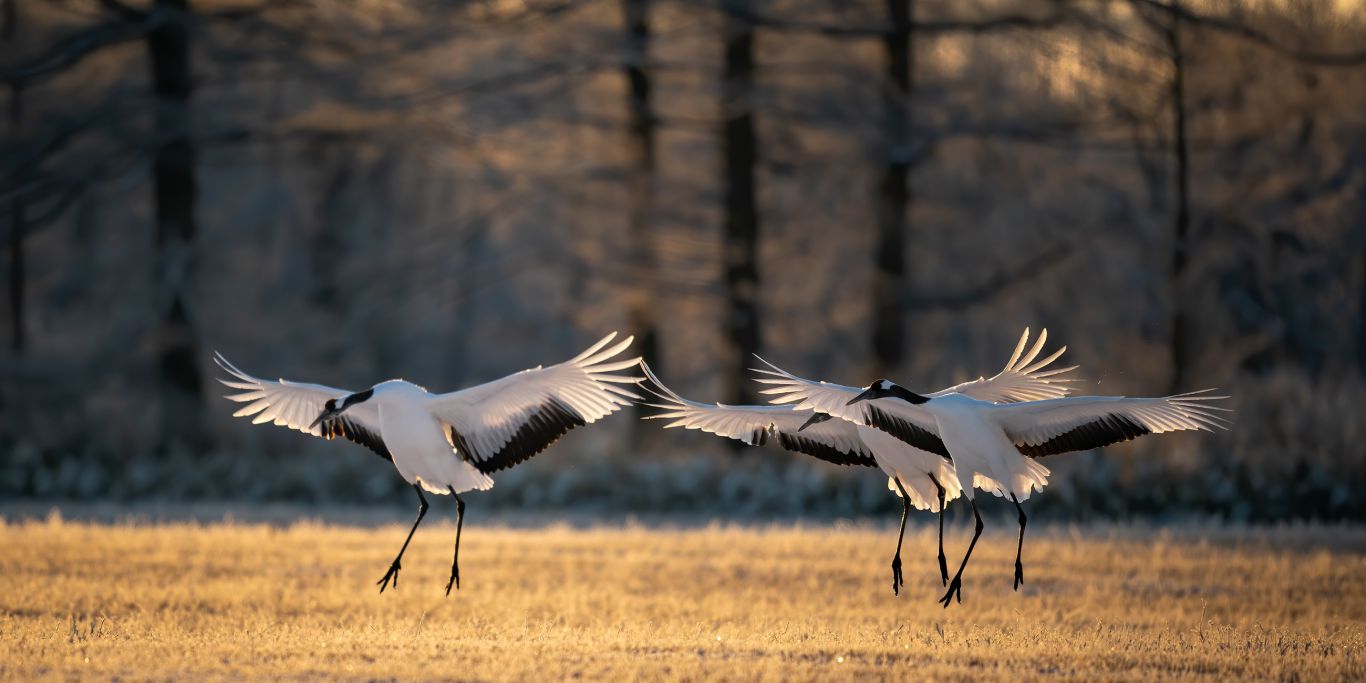

Hokkaido is Japan’s under-explored summer destination. But when the snow melts, the island’s lush, green landscapes set the scene for incredible wildlife encounters.
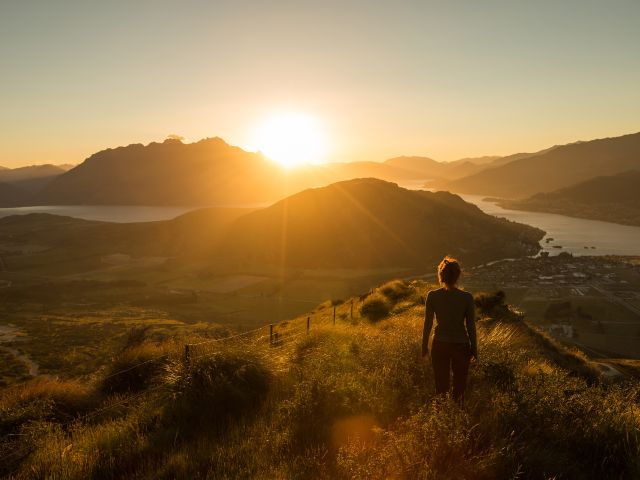
Hokkaido is Japan’s northernmost main island, famed for its skiing and winter sports. But there’s an under-explored side to this winter wonderland: during the warmer months, the snow melts away to reveal verdant landscapes of mountains, farmland and pristine coast. Hokkaido’s green season (late April to early November) brings mild temperatures, perfect for outdoor activities like hiking, rafting – and best of all, spotting the island’s incredible wildlife. Separated from the rest of Japan by the Tsugaru Strait, Hokkaido boasts a unique mix of flora and fauna. Here, you can find brown bears, foxes, deer, rare birds and more.
What’s more, Hokkaido in summer brings fresh seafood, outdoor barbecues and sweet seasonal produce. Alongside the region’s unique cultural mix of Indigenous Ainu heritage, prehistoric Jomon traditions and so much more
Discover four wildlife experiences you don’t want to miss.
1. Whale Watching Tour, Rausu
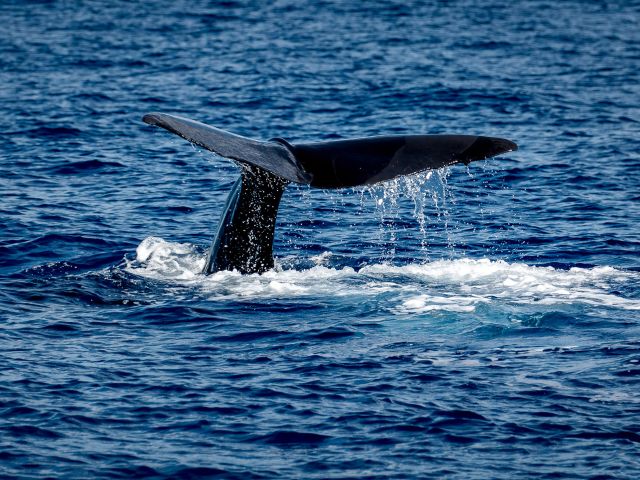
I’m on a boat, zooming along the Nemuro Strait. From the starboard side, I watch as pods of porpoises shoot out of the water and plunge back down. The captain kills the engine. It’s sperm whale season, and the crew know there’s one swimming close by – they’re listening out attentively for signs through a hydrophone.
Sperm whales can stay underwater for between 60 and 90 minutes. But what goes down must eventually come up. The crew signal they’ve picked up something, and the engine roars back to life. We make a beeline for the horizon, where a mighty sperm whale has surfaced, blowing tufts of mist into the air. We watch the creature linger for a few magical minutes before it dives back down, flashing its tail like a giant fan.
The Nemuro Strait, just off the Shiretoko Peninsula, is a thoroughfare for sperm whales, orcas, minke whales, beaked whales and lots more marine life. Tours leave from the fishing village of Rausu, a pleasant town to return to for lunch after a morning spent whale-watching on the water.
2. Guided hike, Shiretoko Goko Lakes
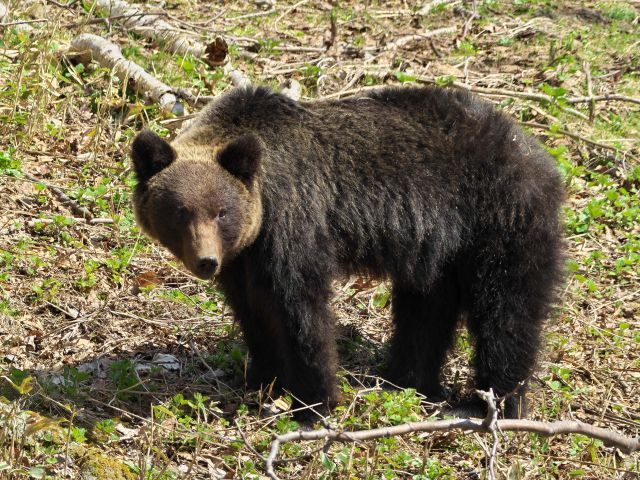
Japan is home to around 12,000 Ezo brown bears, all of which live on the island of Hokkaido. Many inhabit the Shiretoko Peninsula, home of a UNESCO-listed national park renowned for its natural beauty. Exploring brown bear habitat is best done with an experienced guide, so I’m hiking Shiretoko Goko Lakes with Ayako Terada, who has been guiding for more than 20 years. For Ayako, bears inspire reverence rather than fear.
“Bears don’t take a lot – they take just what they need," she tells me as we hike through a stand of fir trees. We pause to rub the leaves and inhale the fresh, citrusy scent they release.
Today, the brown bears are elusive. But Ayako points out claw marks on the tree trunks, a reminder of their presence. Our hiking route takes us around five marvellous lakes, each one so calm and clear, they act like giant mirrors reflecting the mountain ranges around them. Sometimes, bears can be seen swimming here.
Visitors can take guided hiking tours at Shiretoko Goko Lakes. Alternatively, guided boat cruises from Utoro or Rausu give visitors the opportunity to spot bears foraging along the shore.
3. Nighttime wilderness safari, Shiretoko
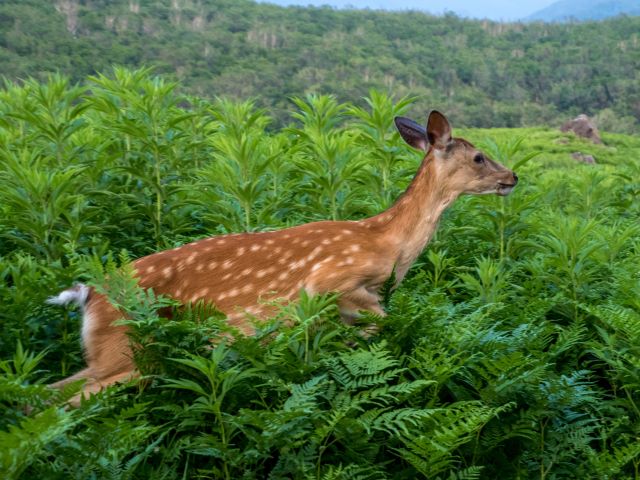
We’ve barely left the parking lot on our wildlife night drive through Shiretoko when our guide pumps the brakes and points out a fox padding down the road.
“This is a cross fox," he explains – a rare colour mutation that mottles the fox’s distinctive red fur with black. The sighting sets the tone for the rest of the tour as we drive down a forest road, flashlights at the ready.
We’re instructed to look for the glow of eyes in the trees as they come into line with our lights. We spot elegant Ezo deer along the riverbanks, and a few more foxes. Although we don’t see it, we also hear the call of a Blakiston’s fish owl. The world’s largest living owl, this rare bird is native to Hokkaido.
After a successful wildlife drive, the tour concludes with a stargazing session — the constellations brilliant, bright and highly visible in this quiet corner of the island.
Visitors can take a wildlife night safari with Picchio Wildlife Research Centre, where you’ll look out for deer, foxes, birds and brown bears from inside a vehicle.
Weekly travel news, experiences
insider tips, offers, and more.
4. Crane sanctuary, Tsurui
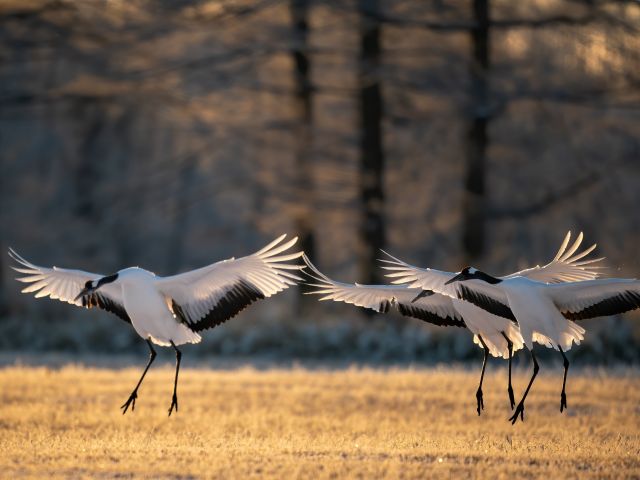
The crane is a national symbol of good luck and peace in Japan. If you’re lucky, you might spy these elegant birds striding about the Kushiro Marshlands in Eastern Hokkaido. But if you don’t want to leave a sighting to chance, pay a visit to the Tsurui-Itō Tanchō Crane Sanctuary, dedicated to the red-crowned cranes.
These regal birds are among the rarest species of crane in the world. The sanctuary was first established by a local farmer dedicated to their preservation, and is now run by the Wild Bird Society of Japan. When I visit, the cranes are standing calmly in a field. They’re much larger than I imagined – an adult is around five feet tall. And when I see one stretch its two-metre-plus wingspan, I get a sense of just how much is wrapped up in their elegant silhouettes.
Find out more about visiting Hokkaido during green season at visit-hokkaido.jp/en.
Want to see more stories from International Traveller in your Google search results?
- Click here to set International Traveller as a preferred source.
- Tick the box next to "International Traveller". That's it.