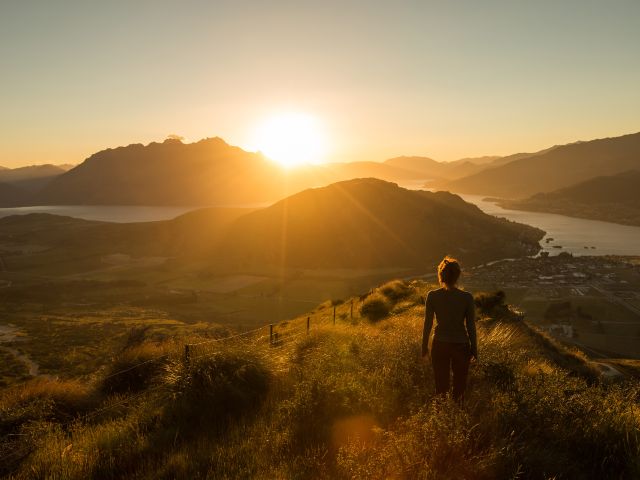

From mountains rising above the clouds to summer nights flickering with firefly ambience, the Chugoku region richly rewards travellers who make time for nature. Add it to a classic Japan itinerary and discover a landscape that changes dramatically with the seasons.
Japan has a clever talent for making nature feel more a part of daily life. In the Chugoku region, picture-perfect rice paddies climb a valley behind a simple farming village, and boardwalks thread quietly through mountain wetlands. Rivers are summer playgrounds. Come winter, snow moves in and settles across high country.
Anchored by Hiroshima as its central hub, the Chugoku region encompasses Okayama, Tottori, Shimane and Yamaguchi Prefectures. The Chugoku Mountains run east to west, dividing the area into two distinct landscapes: San’in faces the Sea of Japan in the north, while Sanyo looks across the Seto Inland Sea to the south.
For travellers already following Japan’s Golden Route through Tokyo, Kyoto and Osaka, continuing west opens up another side of the country. Consider these eight places a starting point for wandering wider in Japan.
1. Walk the slopes of Mt Daisen
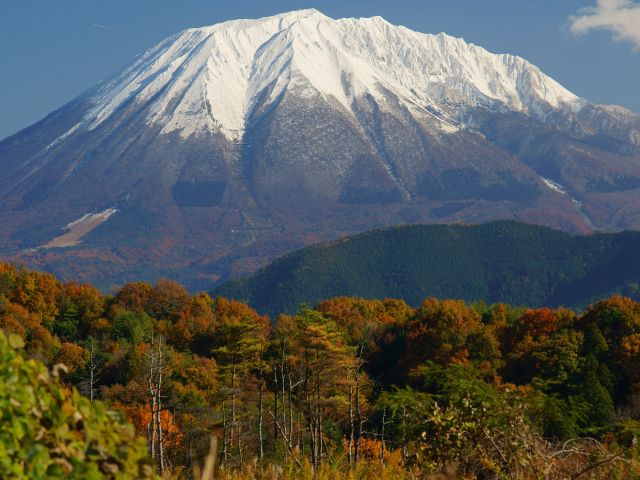
Tottori Prefecture’s Mt Daisen rises to 1,729 metres, making it the highest mountain in the Chugoku region. The reward for pulling on your hiking boots (and there always is one) changes with the calendar. Warm weather brings deep beech forest; in the autumnal crisp, expect slopes of gleaming gold and russet. The white snow, coating everything with a lacy dusting, calls to those who love the fresh temperatures.
The popular Natsuyama Trail (8.2 km return) climbs toward Misen Peak, at 1,709 metres; it’s the highest accessible point. And what’s surrounding you? Views of the Sea of Japan. Allow about six hours for the return hike. For a gentler encounter, set out into the forested foothills around Daisenji Temple.
2. Go underground at Akiyoshidai
At first glance, Akiyoshidai in Yamaguchi Prefecture is a broad sweep of grassland studded with pale rock. Dig deeper and discover that those limestone formations are actually remnants of a coral reef dating back 300 million years, shaped over time into the karst landscape clearly visible today.
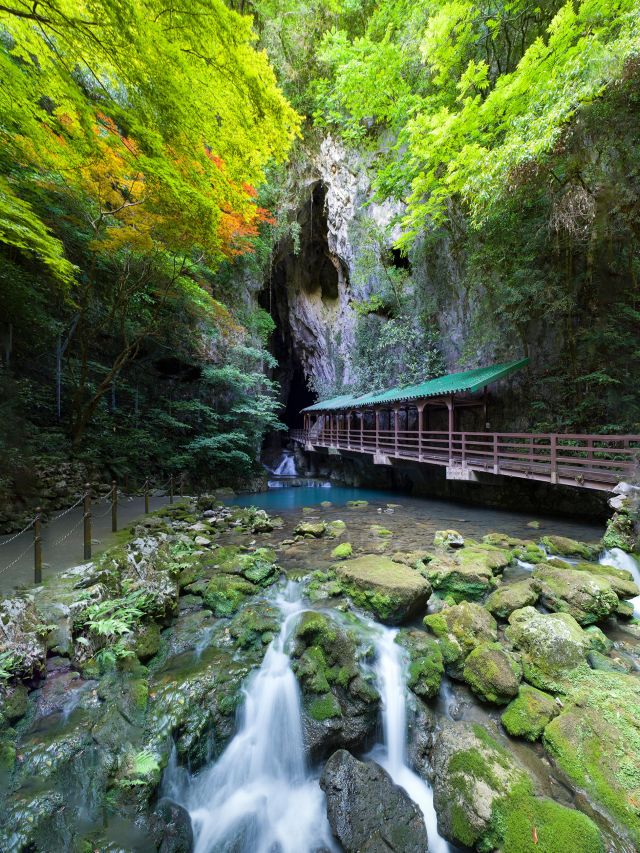
When the scenery goes below ground, Akiyoshido lies beneath the plateau: an immense cave where the outside quickly gives way to a peaceful but mysterious interior. Follow the walking route past sculpted sedimentary stone and pools, then return to daylight to explore the paths across the tableland.
3. Follow the red gates to the sea at Motonosumi Shrine
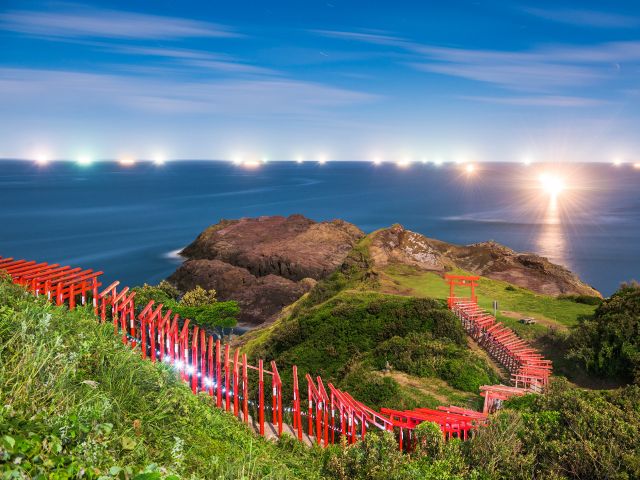
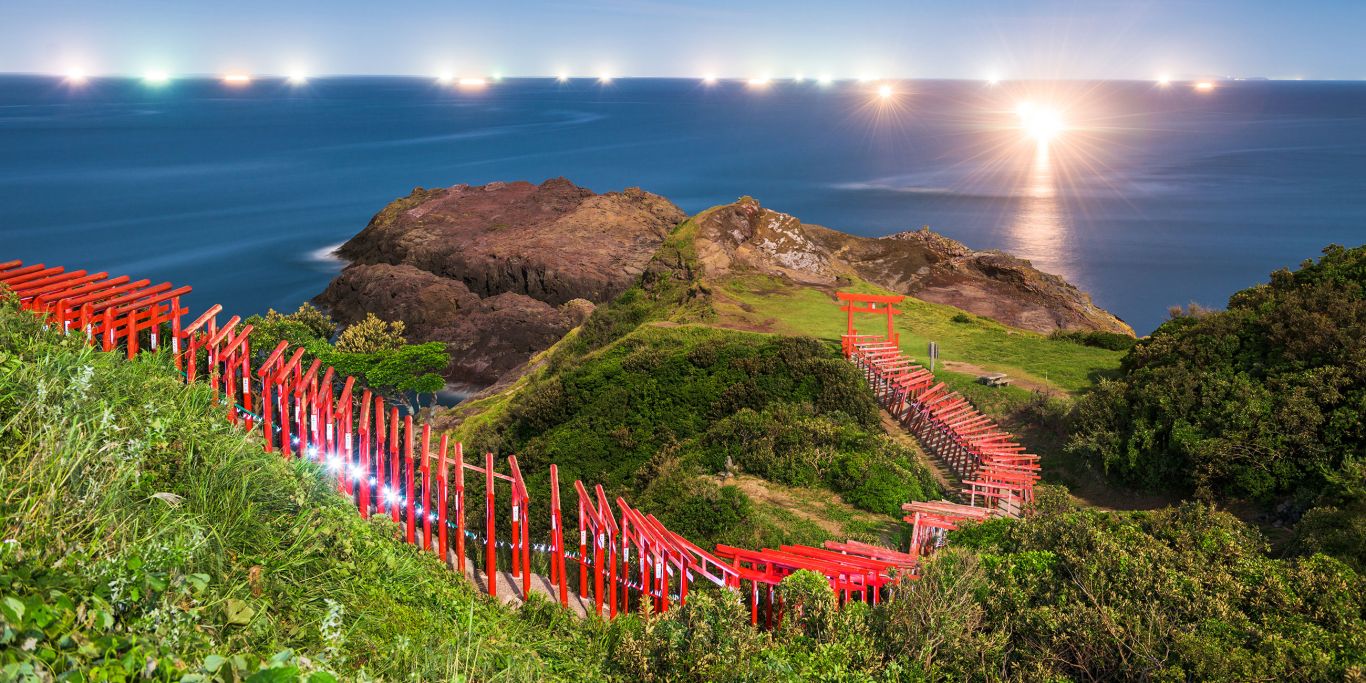
Vermillion against water; few colours announce themselves quite like these. At Motonosumi Shrine in Yamaguchi Prefecture, 123 torii gates run along a steep but verdant clifftop on the edge of the Sea of Japan. Its origin story begins in 1955 with a white fox apparition at the bedside of a local fisherman, prompting the shrine’s creation.
Walk through the tunnel of gates, with a soundtrack created by the coast below. On rougher days, waves strike the earth with enough power to send salty spray into the air at Ryugu no Shiofuki, also known as the Dragon Spout blowhole.
4. Rise above it all at Bitchu Matsuyama Castle
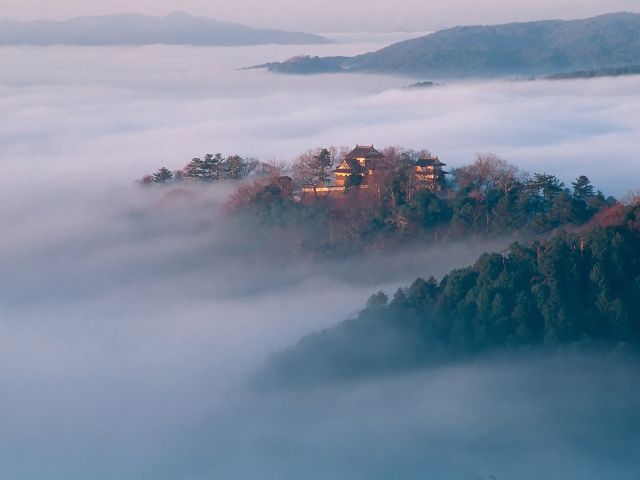
On certain mornings, Okayama Prefecture’s Bitchu Matsuyama Castle appears to have slipped away from its earthly moorings. It’s easily believable, but a trick of the eye: clouds fill the valleys surrounding the mountain, and the castle floats above them – especially in the cooler months, as autumn gives way to winter.
Nature provides theatre here. View the cloud phenomenon from the nearby Unkai Observatory’s Sea of Clouds Observation Deck. If you’re lucky, you might spot wild Japanese macaques (snow monkeys). Climb to the castle itself, about a 30-minute trek, and a 360-degree panorama opens like a gift over the city of Takahashi.
5. Drip-dry in Oku-Yuki
An hour’s drive from Hiroshima Station brings a rather different way to explore. In Oku-Yuki, the Minochi River becomes the trail.
Whether you join a beginner or intermediate adventure, river trekking means getting properly, wantonly wet. You’ll wade upstream, scramble over rocks and climb waterfalls, with stretches where the river carries you effortlessly along like a leaf on the current. It’s easy to hire swimwear and towels on site.
6. Watch the seasons move across Ini Rice Terraces
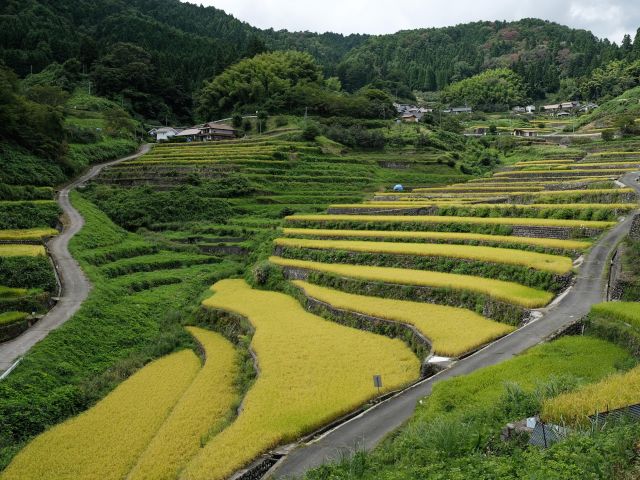
More than 300 small rice paddies step down a steep valley at Ini in Hiroshima Prefecture. In summer, they’re lush and verdant; around harvest time, they’re a sunny amber.
This is also a working agricultural landscape. Local tourism organisations can arrange visits with farmers and experiences introducing the ways of rural life in Akiota. And the drive from Hiroshima is itself a beautiful part of the transition from bustling city to charming countryside.
Weekly travel news, experiences
insider tips, offers, and more.
7. Take the boardwalk through Yawata Wetlands
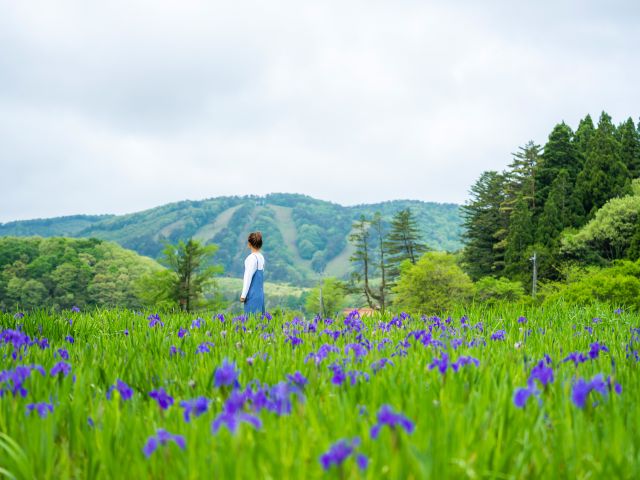
At about 800 metres above sea level in Kitahiroshima, Yawata Wetlands has the cool, hushed feeling of a landscape operating at its own pace – because it does.
Timber pathways let you explore the marshes without disturbing the fragile ground. What you see depends on when you come. The cotton-coloured stars of magnolia kobus burst in spring, while Japanese irises flaunt their dramatic purples in summer. The wetlands sit protected within a high-altitude mountainscape where the altitude and pristine water support an unusual ecosystem.
8. See summer light up at Fukumaki Firefly Country
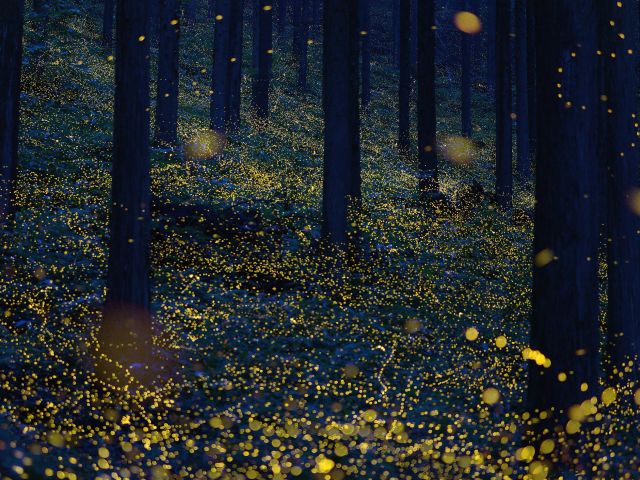
Arrive before dark and wait. In early summer, the forest and riverbanks around Fukumaki in Tottori Prefecture become the stage for a small but mighty spectacle. Around 20,000 fireflies appear here during the season; their different rhythms of light turn the darkness into a shifting star-like constellation. Firefly season runs from late June to mid-July, though nature (naturally) has the final say.
From spring growth through summer adventures to autumn colour and winter snow, the Chugoku region gives travellers reason to keep moving west.
Start planning your journey through the Chugoku region at japan.travel.
Want to see more stories from International Traveller in your Google search results?
- Click here to set International Traveller as a preferred source.
- Tick the box next to "International Traveller". That's it.