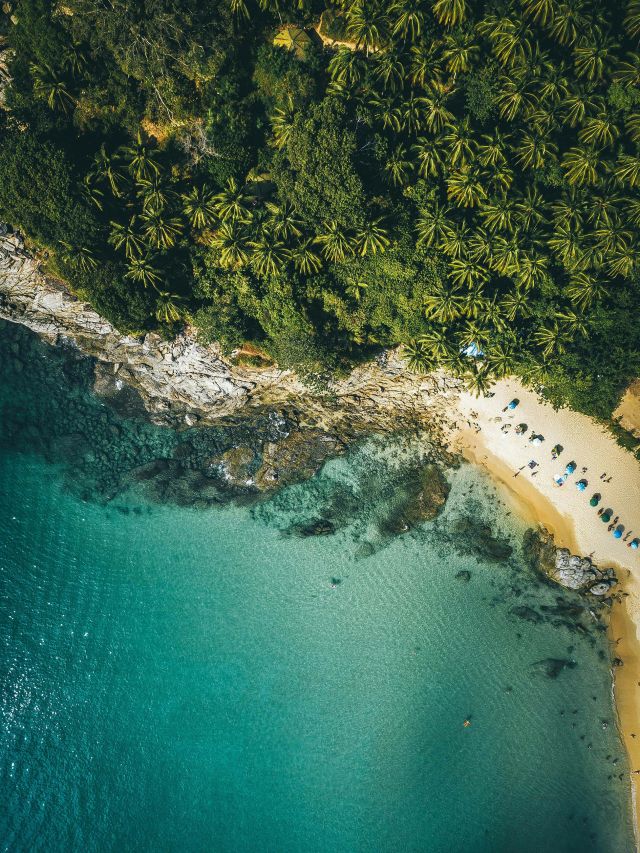
Anchored by Hiroshima and reaching into Okayama, Tottori, Shimane and Yamaguchi, Japan’s Chugoku region is a generous place to follow your appetite. Add it to a classic Tokyo, Kyoto and Osaka journey, and the reward is a table bursting with local character and flavour.
The Chugoku region tastes of sea air and mountain water. Here, the Seto Inland Sea brings bounty to the barbecue, the Sea of Japan supplies winter crab. And old castle towns keep sweets, noodles and pressed sushi in delicious circulation. The unique umami of the Chugoku region food offerings stretches from sizzling teppan grills in Hiroshima to soba shops near ancient shrines in Shimane.
At a loss for knowing where to start? Give these eight regional favourites a go first.
1. Hiroshima-style Okonomiyaki
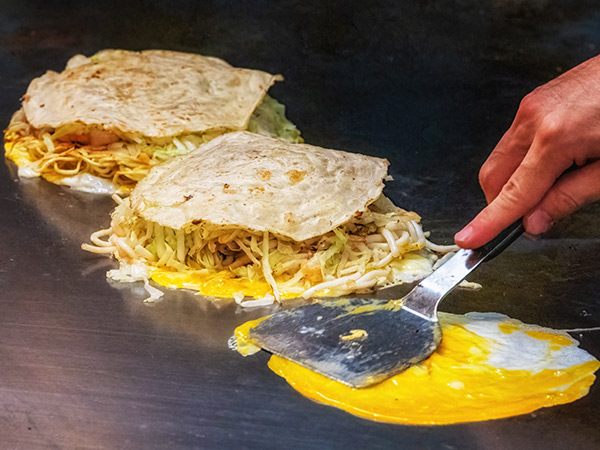
Hiroshima’s signature okonomiyaki, which gained popularity in the 1950s, is surprisingly all about architecture. A crepe-like batter is cooked on the teppan (iron plate or metal griddle), then stacked with shredded cabbage, bean sprouts, pork, egg and noodles – usually yakisoba – before being finished with thick okonomi sauce, mayo, aonori (sea cabbage) and tissue-thin bonito flakes.
Unlike the styles where the ingredients are mixed into the batter, Hiroshima-style okonomiyaki is built layer by layer, making each mouthful a perfect combination of soft, sweet, crisp, savoury and smoky.
Where to try it
Okonomimura is a multi-storey okonomiyaki building with more than 20 stalls. Nagata-ya is approachable for first-timers, while Mitchan Dohonten Hatchobori is a long-running name in Hiroshima’s okonomiyaki scene.
2. Okayama’s kibi dango
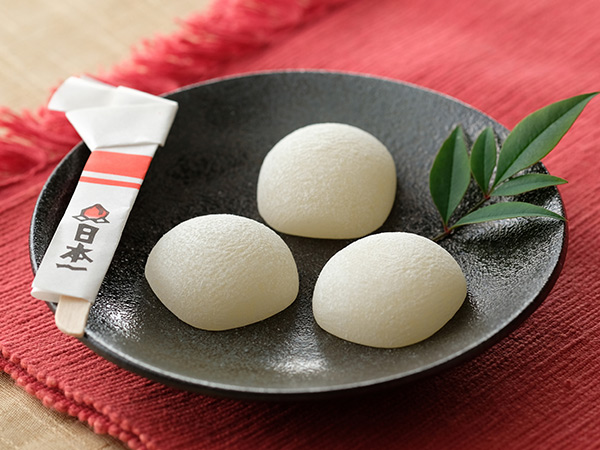
In Okayama, kibi dango is so much more than a sweet souvenir. These small, soft dumplings are tied to the folk tale of Momotaro, the Peach Boy, who shares them with his travelling companions on the way to defeat demons. The classic version has a gentle, mochi-like bounce. Newer flavours nod to local tastes, including kinako (soybean), brown sugar, matcha, chocolate, sea salt and Okayama’s beloved white peach.
Where to try it
Koeido, founded in 1856, remains one of Okayama’s best-known kibi dango makers. Nakayama Shoyodo offers contemporary combinations, and the keepsake shop Omiyage Kaido at JR Okayama Station is practical for comparing boxes from several producers before deciding and then jumping on the next train.
3. Onomichi ramen
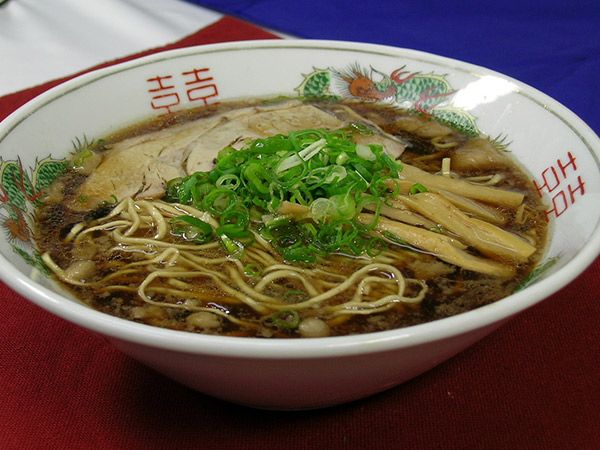
Onomichi ramen is from the port town of Onomichi in Hiroshima Prefecture, where temples seem to tilt toward the Seto Inland Sea. The bowl is usually built on a soy sauce-based broth, deepened with chicken, dashi or fish. Then served with flat wheat noodles and spring onions, more roasted pork, bamboo shoots and glossy pieces of seabura or pork back fat. It’s unfancy and unshowy, but incredibly flavourful.
Where to try it
Onomichi Ramen Ichibankan sits close to the waterfront. Tsutafuji is a long-standing local favourite, and Onomichi Ramen Maruboshi also earns high praise from locals.
4. Fugu
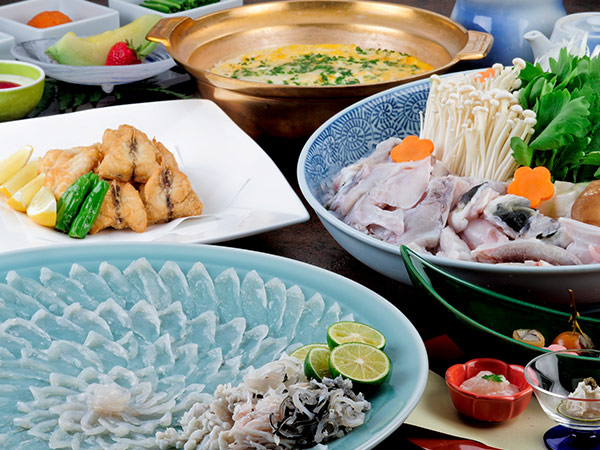
In Yamaguchi Prefecture, especially Shimoneseki, fugu (pufferfish) is treated with precision and respect. This infamous dish is famously poisonous if prepared incorrectly, which is why it’s imperative that it be handled by qualified specialists. On the plate, it’s primarily served as translucent petals of sashimi, though you may also see it in hot pot or fried pieces. It has a subtle flavour and firm, almost springy texture.
Where to try it
Shunpanro in Shimoneseki is known as Japan’s first publicly licensed fugu restaurant. Fuku no Seki at Kamon Wharf offers a more casual setting for fugu dishes in Shimoneseki.
5. Momiji Manju
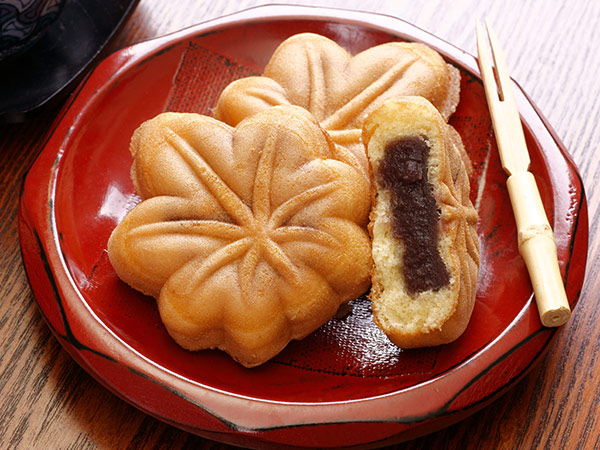
Shaped like a maple leaf, momiji manju is one of Hiroshima Prefecture’s most recognisable sweets. The small cake is associated with Miyajima and has been made for more than a century, traditionally with a red bean paste filling. Today, though, custard, matcha, chocolate and cream cheese versions sit beside the classic and some shops even batter and deep fry them for a warm, crisply-edged treat.
Where to try it
Look for established sweet makers and souvenir shops around Miyajima and Hiroshima city. Nishikido is a well-known producer, while Miyajima’s momiji manju-making experiences offer a hands-on introduction.
6. Matsuba crab
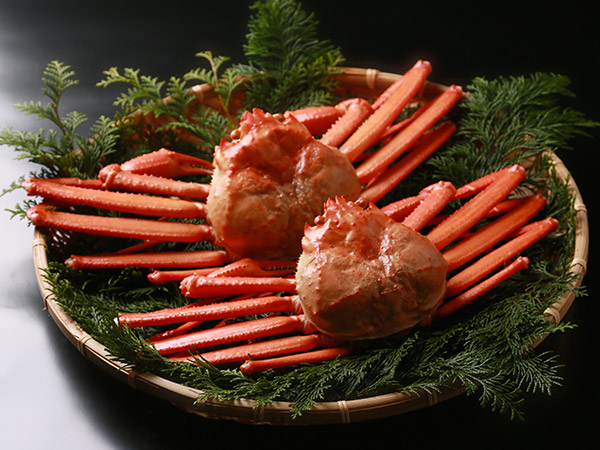
Tottori’s winter tables are closely tied to Matsuba crab, the local name for the male snow crab along the Sea of Japan coast and one of Japan’s ultimate delicacies. In season, generally from November to March, it appears as boiled, barbecued, or in hot pot dishes or as part of a larger multi-course meal. The appeal lies in the sweet delicacy of the meat and the savoury kani miso or crab innards. It’s briny but clean, with a requirement for patience as you eat it.
Weekly travel news, experiences
insider tips, offers, and more.
Where to try it
Kani Matsuba in Tottori specialises in seasonal Matsuba crab and schedules the winter season around it. Sakaiminato and Tottori Port are also useful areas for seafood markets and restaurants.
7. Izumo soba
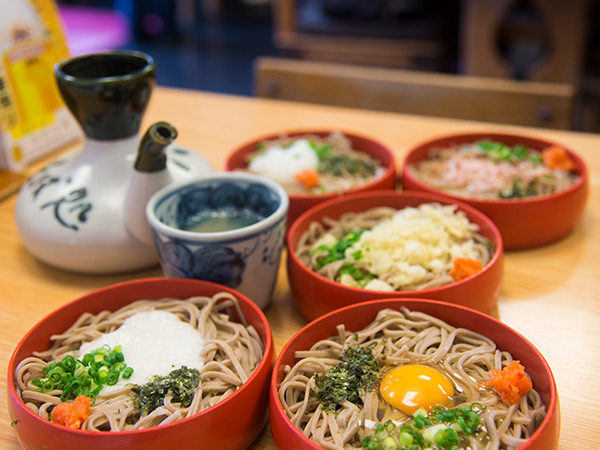
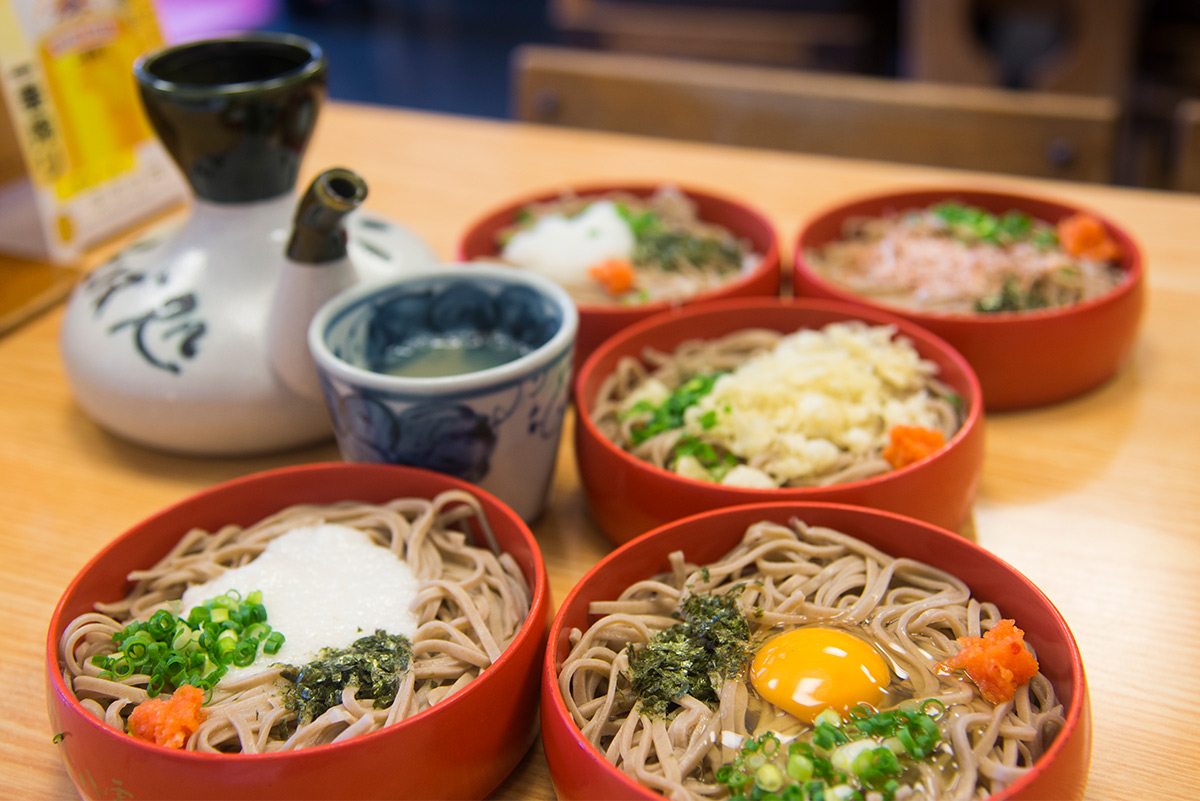
In Shimane Prefecture, Izumo soba (named after this region) has a darker colour and deeper fragrance because the buckwheat is actually milled with its husk. Cold wariko soba is served in stacked round boxes, and sauce is poured directly over the noodles rather than being used only for dipping. Warm kama-age soba is primarily linked with the area around Izumo Taisha, where fresh-boiled rustic noodles are served with their cooking water for a softer and definitely earthier-tasting bowl.
Where to try it
Arakiya, near Izumo Taisha, is a historic soba restaurant known for wariko soba. Kenjo Soba Haneya and Heiwa Soba are also established names for trying Izumo soba in Shimane.
8. Iwakunizushi
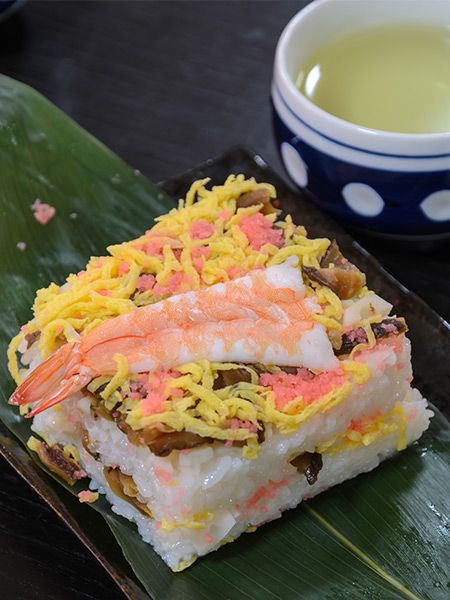
Iwakunizushi, from Iwakuni in Yamaguchi Prefecture, presses ordinary sushi into a layered and celebrated slice. Sushi rice combines with ingredients like Iwakuni lotus root, shiitake mushrooms and the thinnest threads of egg, where it’s moulded into a wooden container and cut into exacting portions. It’s a beautifully colourful dish, practical and festive, and made for gathering rather than grazing.
Where to try it
Hirasei, near Kintaikyo Bridge, is a long-frequented restaurant serving Iwakunizushi with views toward one of Iwakuni’s signature sights. Cafe Itsutsubashi at the Kintaikyo Bridge Bus Centre is another convenient option.
Start planning your own culinary adventure through Japan at japan.travel.
Want to see more stories from International Traveller in your Google search results?
- Click here to set International Traveller as a preferred source.
- Tick the box next to "International Traveller". That's it.