
What does it mean to rebuild beauty in the shadow of catastrophe? A springtime cruise along Japan’s southern coast reveals the answer.
We arrive in Nagasaki on a crisp Tuesday morning in early spring. Buses rattle through bottlenecked streets. Cafe owners lift shutters. I’m struck by the outward normality of a city that, some 80 years ago, was ravaged by the world’s most recent atomic attack.
We’re here on the 11-day Japan Explorer Cherry Blossoms voyage with Princess Cruises, sailing from Tokyo to the southernmost of Japan’s four main islands and back. Most days are celebratory – a whirl of temples, gardens and traditional cuisine – but today carries a weightier emotional levy.
Atomic bomb history in Nagasaki
As we weave through leafy Nagasaki Peace Park, our tour guide Hiro Kariya explains that Nagasaki was never meant to be bombed. America’s primary target was in fact the city of Kokura, then home to one of Japan’s largest military arsenals. But obstinate fog made it impossible to locate the drop point, leading the aircraft to instead strike Nagasaki. How strange an event so momentous can hinge on something as arbitrary as the weather.
Reaching the park’s hypocentre, our group falls silent. On 9 August 1945, the plutonium ‘Fat Man’ bomb detonated 503 metres above this very spot, bringing a swift end to the Second World War. The explosion lasted less than a second – causing a flash so absolute it turned daylight into furnace, lifting ground temperatures to around 4000°C and erasing all life within a 2.5-kilometre radius. Around 40,000 people died instantly, with tens of thousands more passing away in the following weeks.
Hiro tells us local legend has it a 12-year-old girl, who was hiding in a shelter, survived the bomb. But she was impossibly close to the hypocentre, and to this day there are no known witnesses. “We want to believe the story," Hiro says. “We want to trust her miracle."
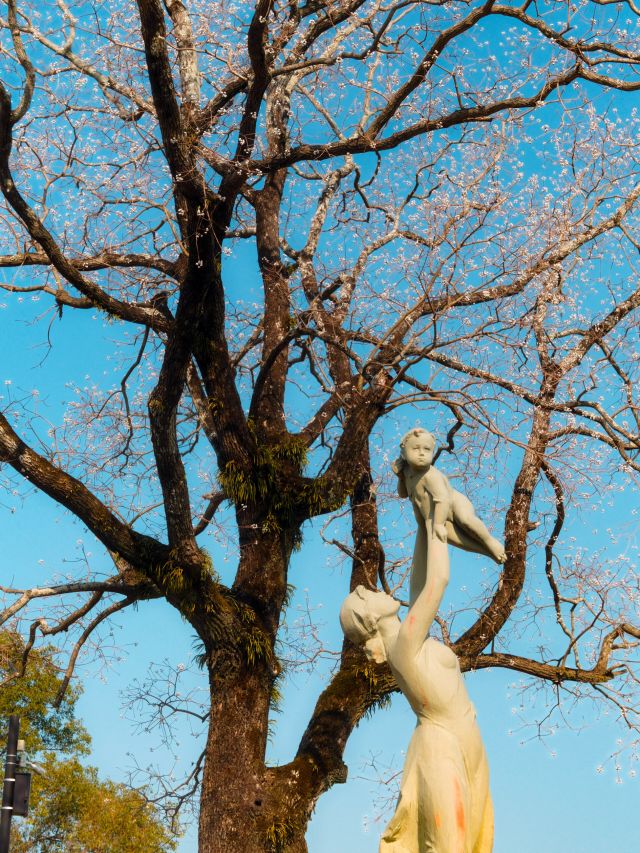
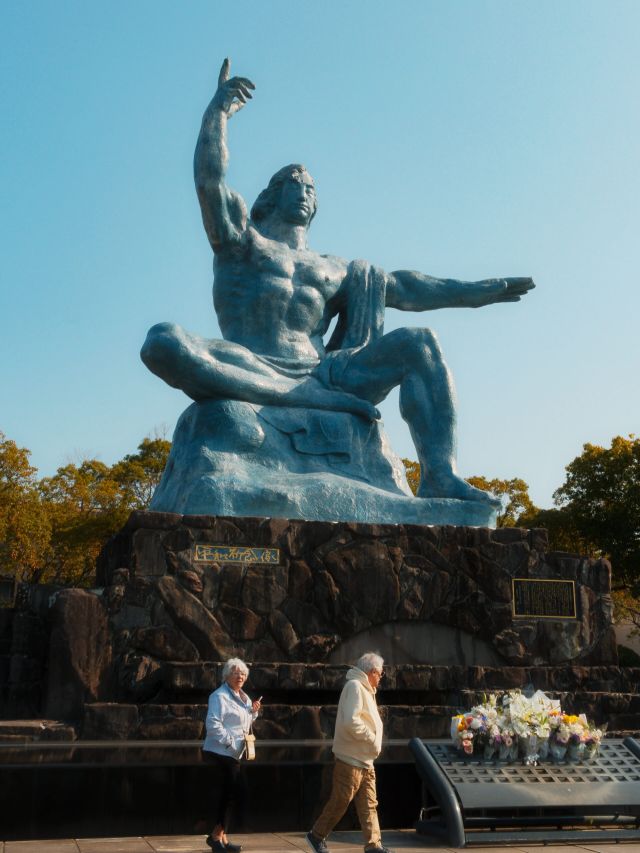
Making our way through the park, we pass a statue of a man pointing skyward, signalling the threat of the bomb above. Nearby, a bronze mother cradles her dead child. Another monument shows seven figures, each representing a continent, united in a circle. All evoke an unspoken imperative: we must never repeat this. In today’s capricious political climate, the message feels unnervingly pertinent.
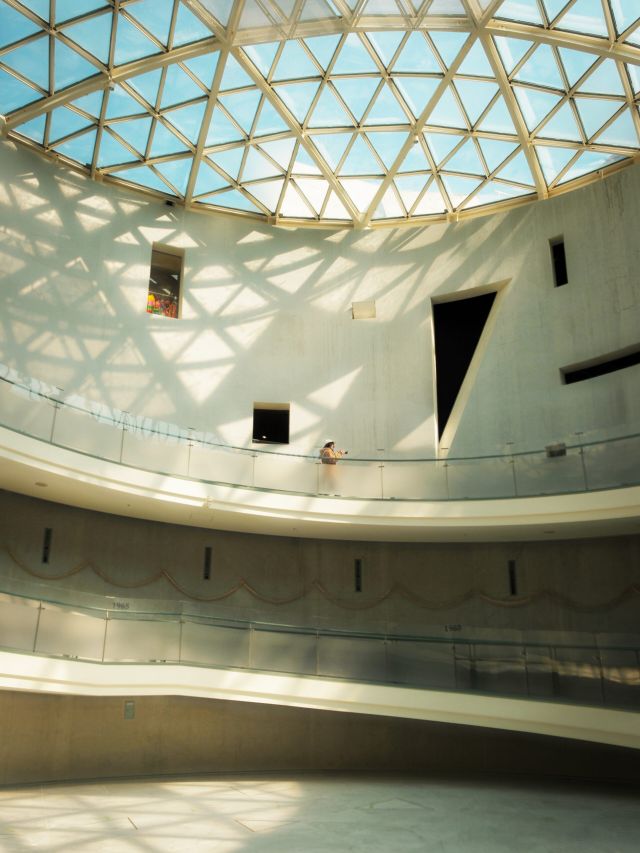
The event’s devastating human cost is brought to life in haunting detail at the Nagasaki Atomic Bomb Museum, from a clock face freezing in time the exact moment of detonation to photographs showing charred bodies. But the exhibition’s purpose isn’t just to document horror.
Rather than presenting Japan solely through a victim’s lens, it asks visitors to consider how we relate to the past and our collective responsibility in ensuring a peaceful future. Today, the city has become a symbol of peace and resilience, as well as a global advocate for nuclear disarmament. It defines itself not by the pain of its past but by the grace with which it has lived since.
Exploring Nagasaki’s Glover Slope and Garden
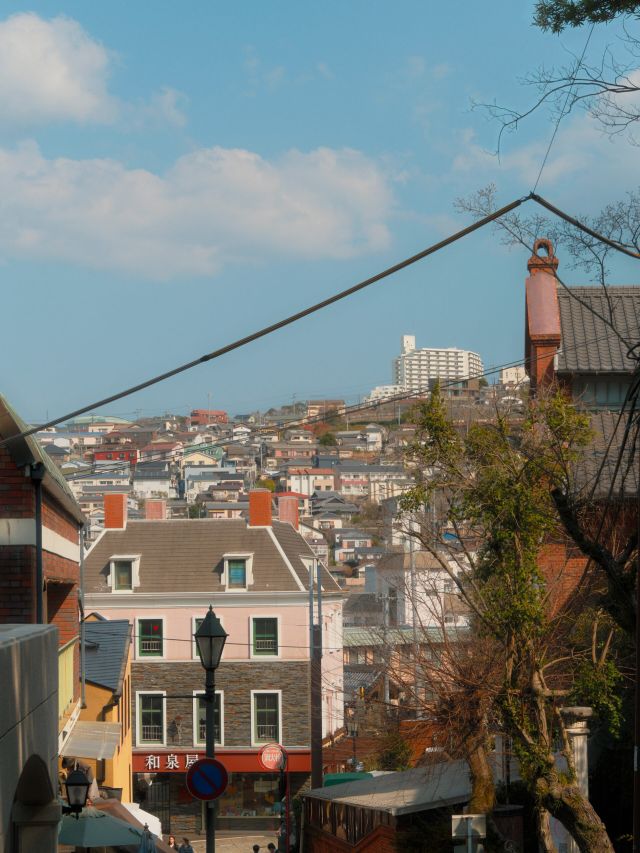
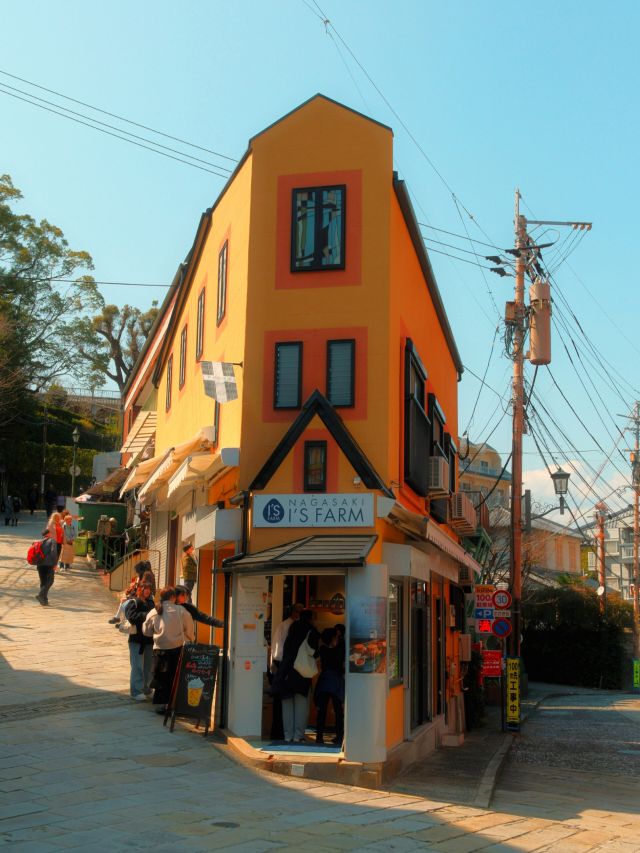
Even after the bombing, Nagasaki retained its historical status as one of Japan’s most cosmopolitan cities, its character having been forged through centuries of Japanese, Chinese and European exchange. We walk up Glover Slope, where Japanese shops sit beside Dutch-style gingerbread mansions once owned by 19th-century foreign merchants.
The stone paths lead to picturesque Glover Garden, which is home to the UNESCO-listed Former Glover House – Japan’s oldest surviving Western-style wooden building. Built in 1863 for Scottish merchant Thomas Blake Glover, the house reflects the foreign influence that helped modernise Nagasaki’s industries.
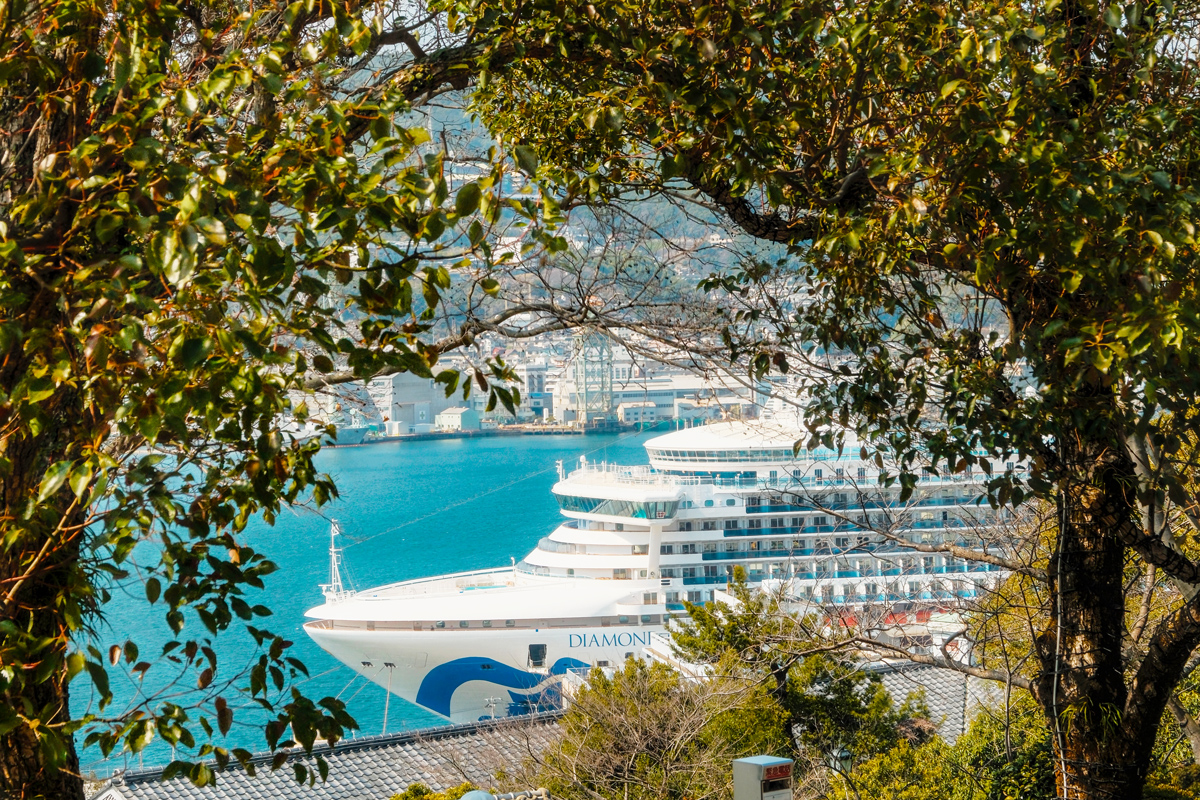
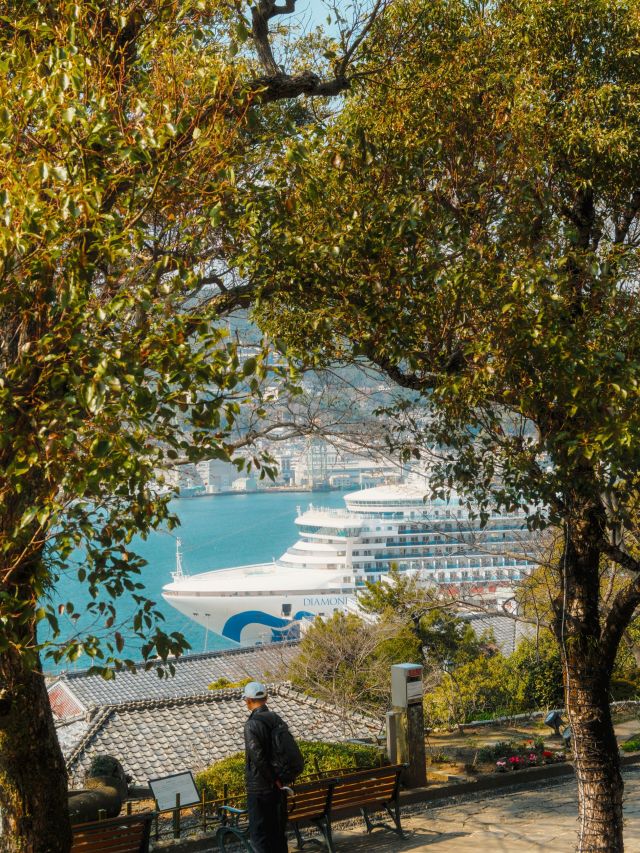
Glover worked closely with Mitsubishi, contributing to the development of the Nagasaki Shipyard – the very place where Diamond Princess, the ship we are travelling on, was constructed. From the garden’s hilltop perch, we can see her waiting in the harbour below.
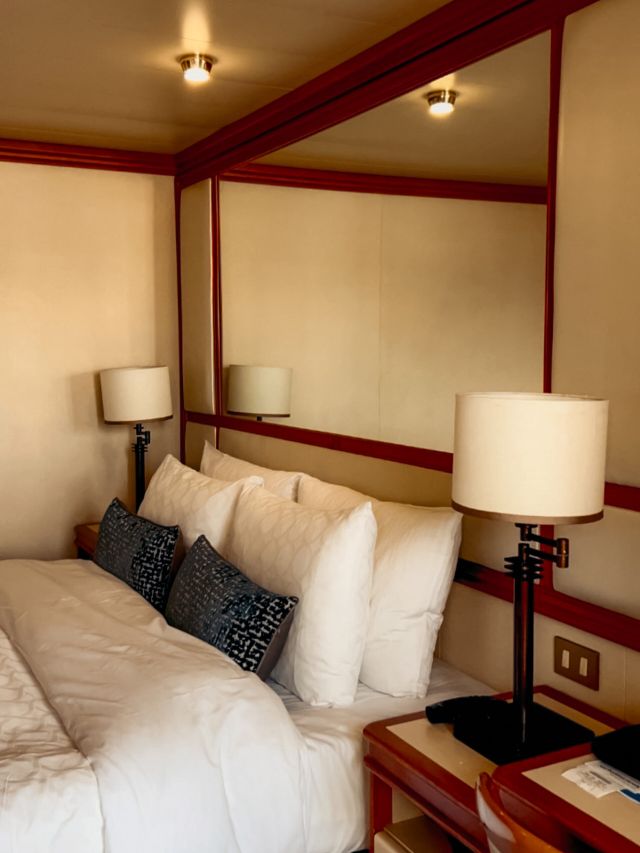
After a fascinating yet emotionally draining day, the comfort of my familiar ship cabin is a welcome invitation.
Kagoshima’s force of nature
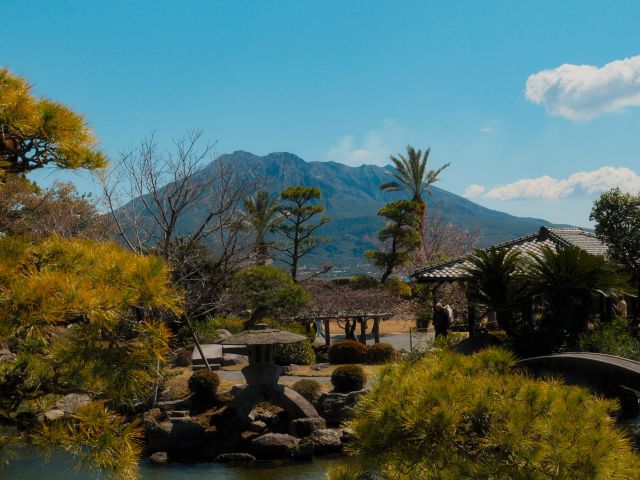
Nagasaki isn’t the only Japanese city that holds beauty and peril in the same breath. Overnight, we port in Kagoshima. The urban sprawl lies at the bottom of Kyushu island, a geothermal wonderland where hot springs and geysers reign supreme. I wake to the commanding silhouette of Sakurajima – one of the world’s most active volcanoes – against a striking sunrise.
As we cross Kagoshima Bay by ferry later that morning, our day guide Mayumi Uchiyama points to the faint smoke plume drifting from the volcano’s mouth. Minor eruptions occur daily, she explains, though there have been no major incidents since the Taisho eruption of 1914. The natural disaster claimed 58 lives and permanently reshaped the area’s geography, its lava flow connecting what was once an island to the Kyushu mainland. Since then, the city has become a blueprint for volcanic hazard reduction, having learnt to coexist with rather than evade risk entirely.
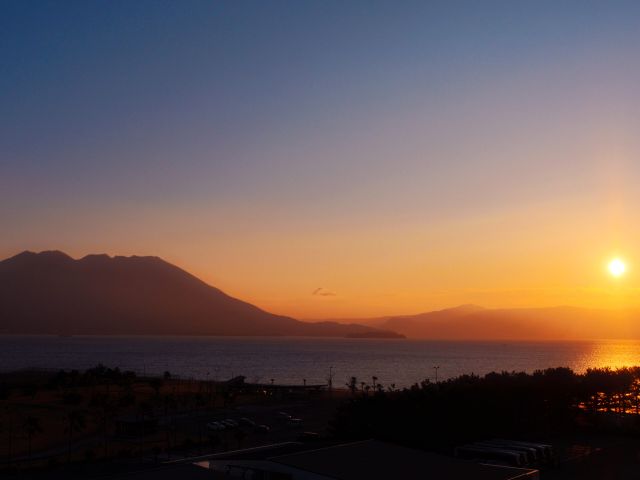
For residents, Sakurajima is part of daily life. Routines, infrastructure and identity are built around its presence. “Every day the weather forecast tells us what direction the wind and ash will blow above the volcano," Mayumi says with a smile. “That information is big news; we decide whether to hang our washing outside or in."
We get a richer sense of Sakurajima’s power at Arimura Lava Observatory, a quiet viewing walkway set an intimate yet safe distance from the natural monument. Its scale is overwhelming. For those who prefer to admire the volcano’s beauty from afar, the sprawling Sengan-en Garden provides spectacular views as well. Here, we stroll along fairy-book bridges and koi-peppered ponds, passing moss-slung stone lanterns offering a window into Buddhist and Shinto philosophies.
Stepping back in time in Kyoto
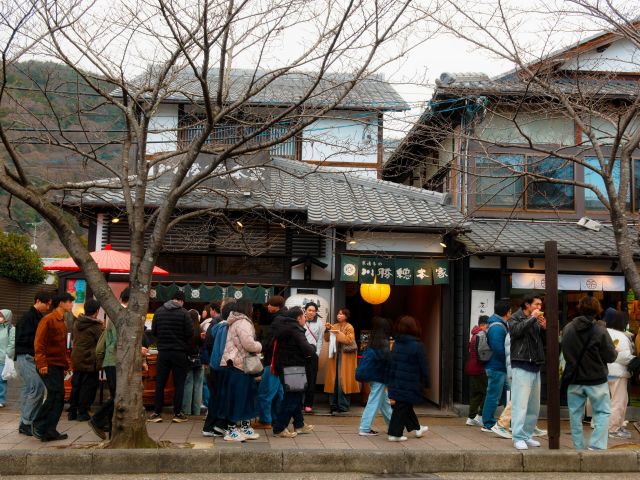
The history lessons continue in Kyoto. Unlike Nagasaki, the former ancient imperial Japanese capital was high on the USA’s nuclear target list during the Second World War. Thankfully, it was ultimately spared destruction due to its remarkable cultural and historical significance.
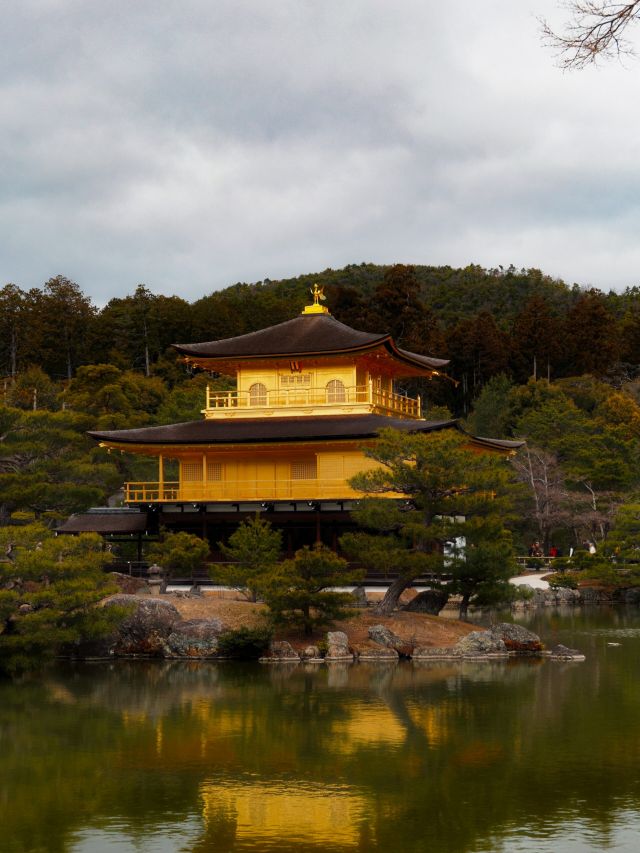
Our first stop is Golden Pavilion, a Zen Buddhist temple covered in thousands of sheets of real gold leaf glinting above a mirror-like pond. Through the ages, the structure has been burnt down multiple times – twice during the Onin war and once in 1950 by a troubled Buddhist monk with an alleged hatred of beauty – and rebuilt again. Today, it endures as a relic of Kyoto’s reverence for tradition.
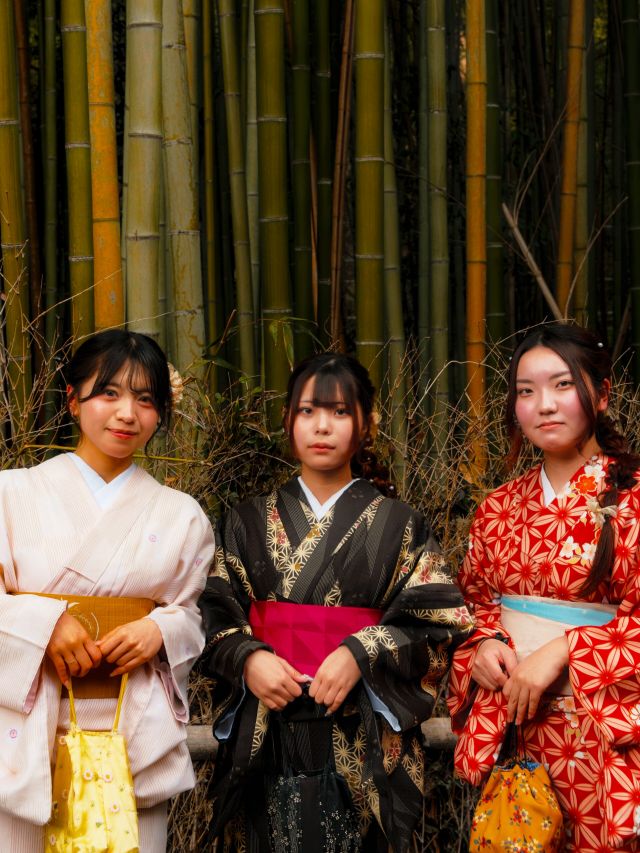
Among well-preserved machiya townhouses in the warren-like Arashiyama district, we thread between generations-old stores selling everything from boxes of mochi to delicate ceramics. Across the road is the area’s famed bamboo grove, where ladies in vivid kimonos pose before a sea of lofty green stalks.
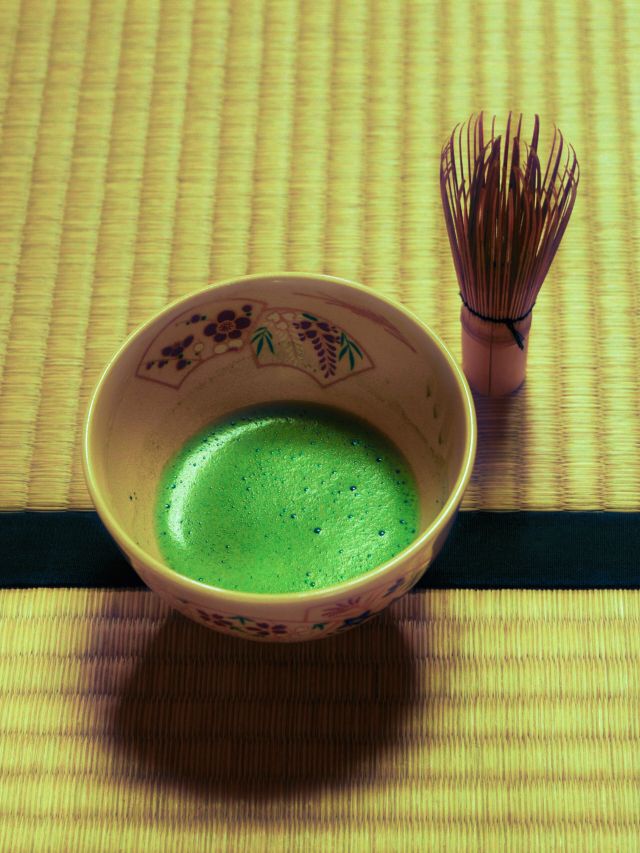
In Kyoto’s centre, we experience the city’s depth of tradition once again, this time through an authentic tea ceremony. Sitting on the tatami, I find myself hypnotised by each miniscule gesture: the purification of the teaware, the clockwise turn of the bowl, the light-handed whisk of matcha. It’s hard not to leave in complete awe of a culture so devoted to care and precision.
Weekly travel news, experiences
insider tips, offers, and more.
Life onboard Diamond Princess
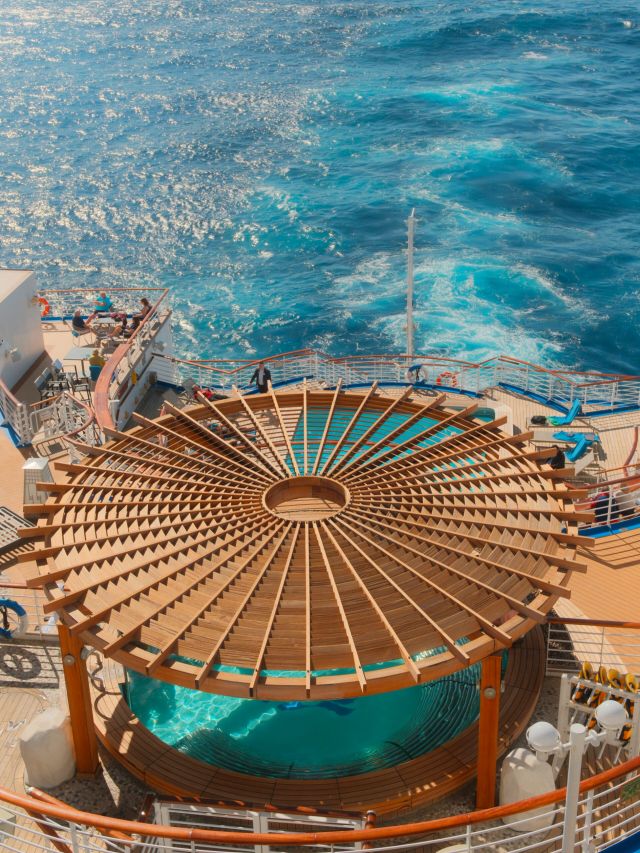
Our connection to Japanese culture doesn’t fizzle out when we step back onboard Diamond Princess – one of only two Japanese-built ships in the otherwise Italian-made Princess fleet. Come lunchtime, we peruse the ramen and make-your-own-sushi stations at the ship’s buffet, which dishes up both international and local-inspired options. For dinner, we test out the ship’s new Japanese restaurant, Makoto Ocean, contentedly devouring markedly fresh sashimi and sushi – from butter-soft king salmon to snow crab hand rolls with yuzu aioli. Swirls Ice Cream Bar even serves matcha ice cream; safe to say I’m a repeat customer.
But the ship’s pièce de résistance is no doubt Izumi Bath. Spanning more than 800 square metres, this onsen experience is the largest bathhouse at sea and a nod to the ship’s Japanese heritage. It becomes my favourite stowaway spot on the ship.
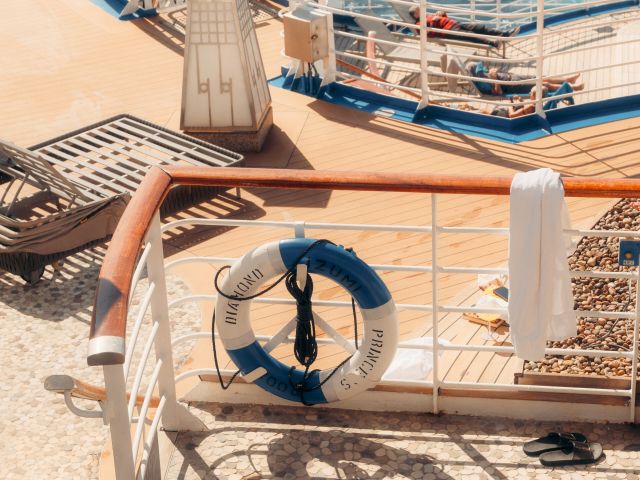
At sunset, I slip into Izumi’s steaming outdoor hot tub, framed by a dramatic timber pergola. Inside, the facilities adhere to the traditional onsen principles of gender separation and birthday suits; here I drift between 38°C baths, waterfall showers and a sauna, watching the endless undulation of the cobalt horizon.
Back in Nagasaki Peace Park, children’s voices ring through the street, while cherry trees begin to bud again in the early warmth of spring. It was said, after the nuclear attack, that no plant life would grow here for 75 years. Yet within one month, more than 30 species had returned. It gave the citizens of Nagasaki hope, reminding them that the capacity to endure is humanity’s greatest strength. I think of the 12-year-old girl Hiro told us about earlier. Some say she is still alive. I’d like to believe she is.
Getting to Tokyo
Fly to Tokyo’s Haneda Airport with Japan Airlines, Qatar or Jetstar. From the city centre, it’s around a 50-minute train or taxi ride to Yokohama Port, where the cruise departs.
Japan Explorer Cherry Blossoms itinerary
The 11-day Japan Explorer Cherry Blossoms itinerary with Princess cruises includes stops in Nagasaki, Hiroshima, Kagoshima, Kyoto, Kobe, Shimizu (for Mt Fuji) and South Korea’s Busan. Guests can add on a Premier Package – which includes unlimited beverages, wifi and specialty onboard dining – for AU$129 per day, along with land excursions that deepen the cultural discovery.
Planning a trip to Japan? Read our top Japan travel tips.
Want to see more stories from International Traveller in your Google search results?
- Click here to set International Traveller as a preferred source.
- Tick the box next to "International Traveller". That's it.