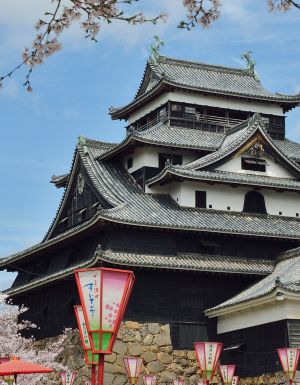

Neon-lit yet serene, fast-paced yet unhurried, cutting-edge yet steeped in tradition – Japan is a country of compelling contradictions, one that exerts an almost magnetic pull on both first-time visitors and seasoned travellers alike.
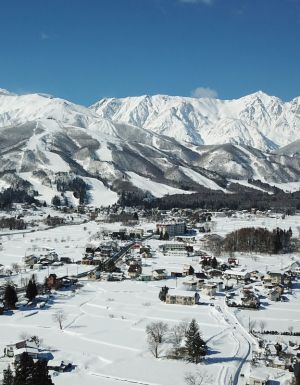
I can say this with complete certainty: for curious, experience-driven travellers, a first trip to Japan rarely just meets expectations – it surpasses them. I was fortunate to spend five weeks criss-crossing the country by Shinkansen, and I’ve been plotting my return ever since. Some days, I still catch myself thinking, what I would give to be back in Japan right now. From the powdery slopes of Nozowa Onsen and the irresistible takoyaki of Osaka, to cycling between world-class art installations on Naoshima and belting out karaoke high above Tokyo’s neon skyline, Japan resists easy definition – its spirit is far too rich to distil into a few words.
While Japan is famously polite, safe, welcoming and easy to navigate, there are still several practicalities to consider before you arrive – from visas and currency to electrical adapters, seasons, and the best time to visit. To help you make the most of your trip, we’ve compiled a comprehensive, no-nonsense guide to covering everything you need to know before stepping off the plane, so you can confidently focus on what matters: experiencing Japan at its most extraordinary.
Does an Australian need a visa for Japan?
You’ve booked your flight and sorted your travel insurance – but one question often remains: do you need a visa?
Thankfully, Australian passport holders can enter Japan visa-free for short stays up to 90 days, provided you have a valid passport and a return or onward ticket.
As entry requirements can change, it’s always worth checking the Australian Government’s Smartraveller website closer to your departure date to ensure you have the latest information.
What currency do they use in Japan and how should I pay?
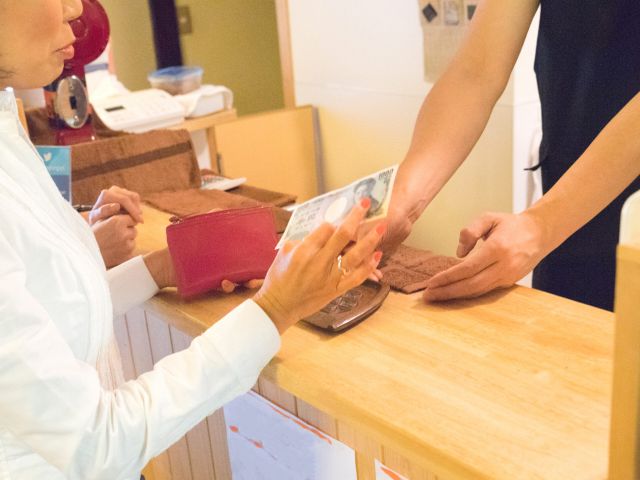
The currency in Japan is the Japanese Yen.
Cash may be fading from everyday use in Australia, but in Japan it remains firmly part of daily life. Credit cards and travel cards are widely accepted in major cities, yet cash is still preferred in many settings – particularly in smaller shops, local eateries, and temples. Even if you plan to rely on plastic, it pays to carry some yen, as cash-only venues are still common. Tipping is not part of Japanese culture – no matter how attentive their service – and may even be politely declined. As of 2024, new banknotes have entered circulation, but both old and new notes are accepted nationwide.
When making payments, putting your cash on the presented money tray (karuton) instead of handing it directly to staff is common practice.
What phrases do I need to know?
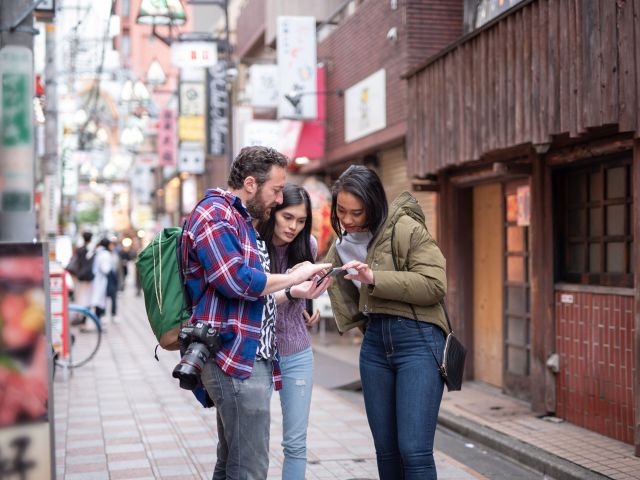
Like any international destination, learning a few basic phrases can go a long way – and in Japan, even small efforts are warmly appreciated. Arigatō, or the more formal arigatō gozaimasu, is simple to master and makes a meaningful impression. That said, you don’t need to speak Japanese to get by. Cities are clearly signposted, and many restaurants offer picture menus, making ordering easy.
Sure, translation apps like Google Translate are useful, but there’s still so much value in staying present and embracing genuine human connection. For a more immersive experience, consider hiring a private translator. We did so when visiting a sumo training stable, and it not only elevated the experience, but it also ended with a keepsake that now hangs proudly in our home.
Etiquette and customs

Speaking of making a meaningful impression, embracing local customs will elevate your experience in Japan. Compared to Australia – outside of lively nightlife districts and karaoke bars – Japan is noticeably quieter, and visitors can expect to follow suit as a sign of respect. Think of it as a quiet carriage etiquette, applied more broadly.
Some cultural cues may feel unfamiliar: blowing your nose in public is considered impolite, while slurping your ramen is a sign of enjoyment and satisfaction. The most striking difference, however, is Japan’s indoor shoes-off culture. Rooted in tradition, shoes are removed to protect delicate tatami flooring and maintain cleanliness, with slippers often provided for indoor use.
Eating while walking is generally considered rude.
How do I get around in Japan?
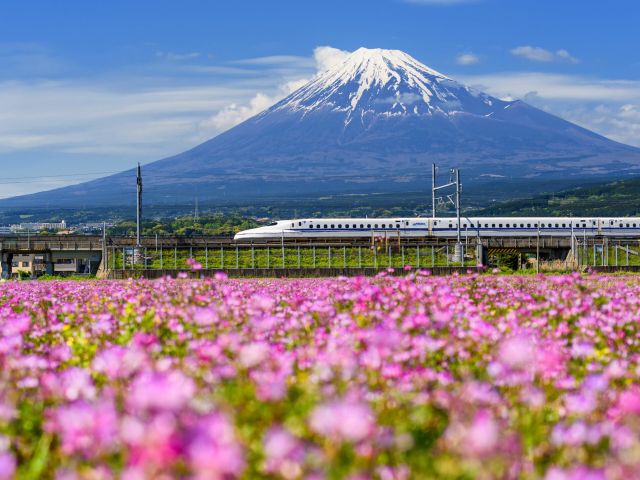
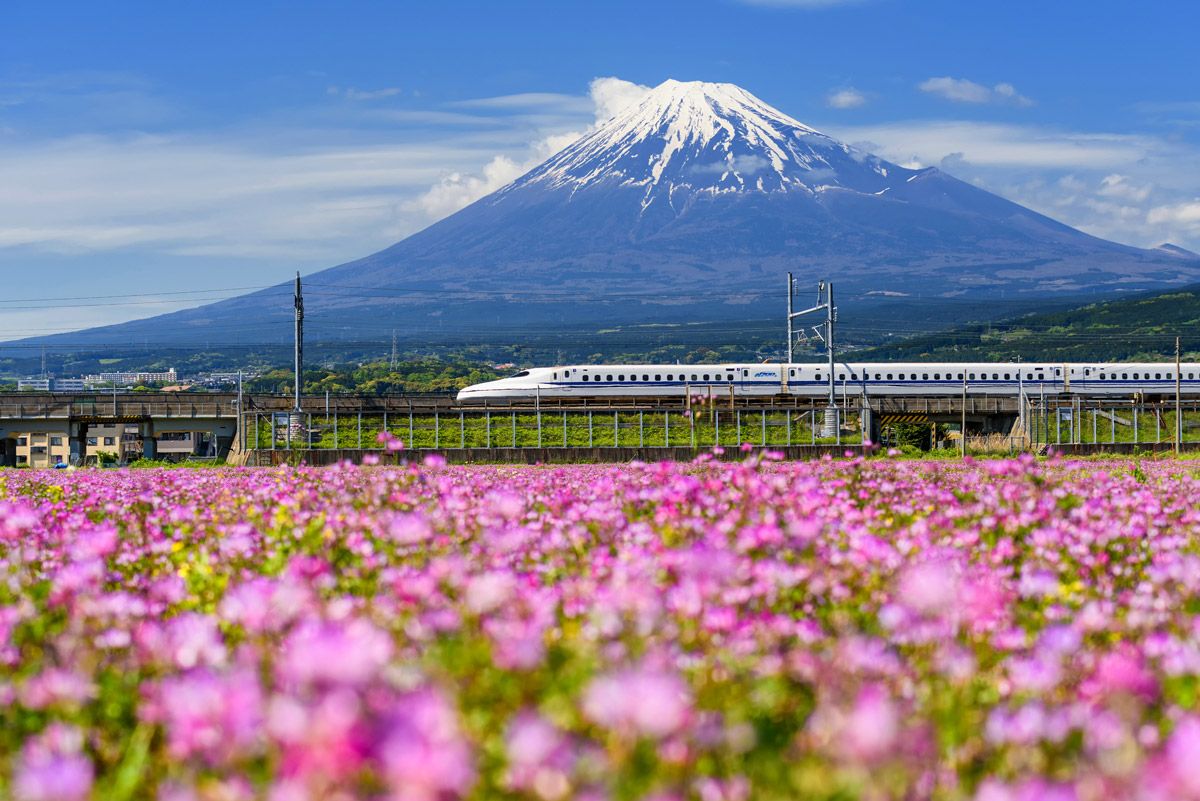
One of Japan’s most impressive, world-class feats of infrastructure is the Shinkansen – better known as the bullet train. Exceptionally punctual, spotless and surprisingly efficient, it not only connects all major cities, but it effectively traces the length of the country. We even swapped a flight from Hiroshima to Tokyo for another journey on the Shinkansen, drawn by its comfort and ease – and we didn’t regret it for a second.
Beyond intercity travel, Japan Rail services and local buses are reliable. While some networks are beginning to introduce contactless tap-and-go payments, coverage remains relatively consistent. A prepaid tap-and-go IC travel card, like Suica or PASMO, is still the most seamless option, saving you from buying individual tickets each time, or being caught out where card payments aren’t accepted.
Taxis, too, are impeccably clean and highly professional, and easy to hail in most cities. While trains remain the most efficient way to get around, taxis come into their own late at night or for shorter trips. Most licensed taxi rear doors are automated, so it’s considered both polite and practical not to touch them.
Uber is available, though it functions more as a taxi-booking service than a cheaper rideshare alternative.
Weekly travel news, experiences
insider tips, offers, and more.
Is tap water safe to drink in Japan?
When it comes to drinking water, Australia sets the bar high, so it’s understandable travellers may be cautious abroad. In Japan, however, tap water is entirely safe to drink. The country boasts some of the highest water qualities in the world – and the taste reflects it. Clean, chilled, and less mineral-heavy than back home, it often tastes closer to bottled water straight from the tap.
What type of power plug is used in Japan?
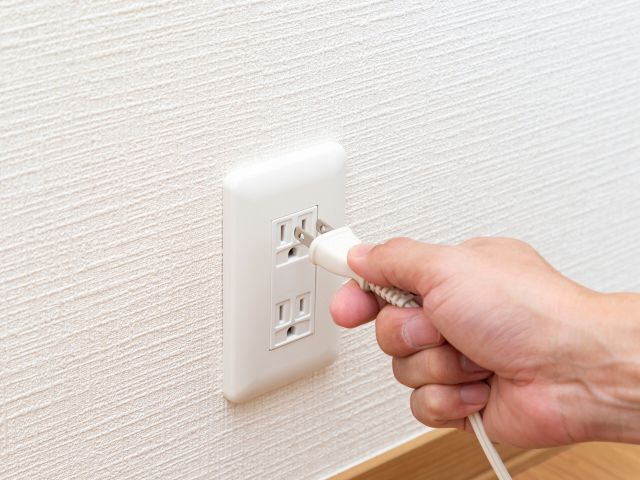
Sure, adapters are readily available at airports, but they can often cost a pretty penny, so shopping around for the best price is worth it. Unlike Australia, which uses Type I power plugs, Japan primarily uses Type A (two-pin) and Type B (three-pin) plugs, so be sure to grab one before your trip – or a universal one.
When is the best time to visit Japan?
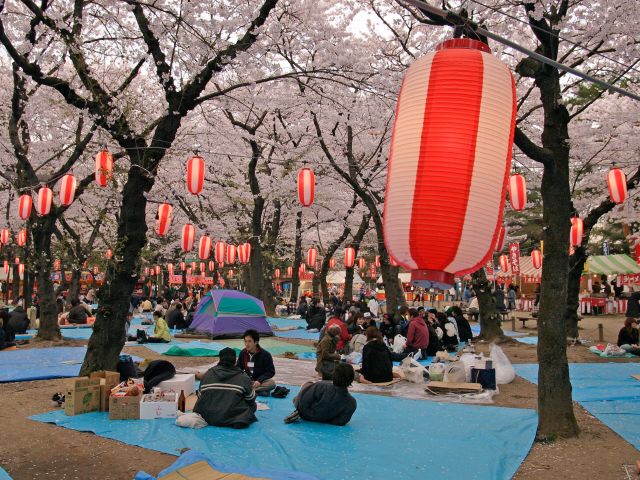
First things first: there’s no wrong time to visit Japan. When you travel ultimately depends on the kind of holiday or outdoor adventure you’re after.
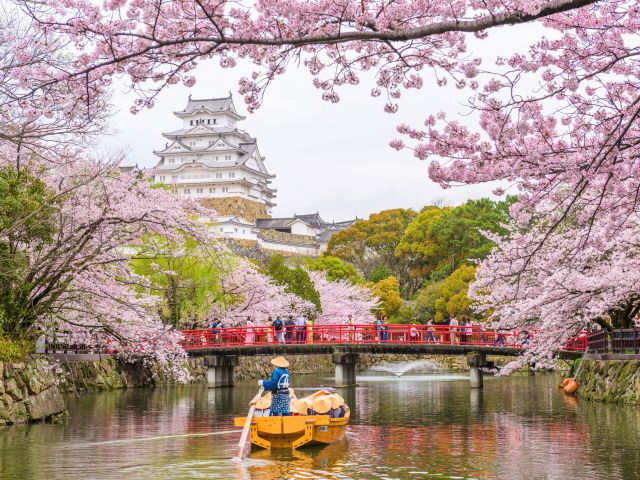
Spring is arguably the most iconic, thanks to the cherry blossom season. But timing is everything – hanami, the annual tradition of viewing the blooms, typically lasts just a couple of weeks and draws large crowds. Expect mild days and cooler evenings across April and May, with similarly pleasant conditions in autumn (September to November) when the country bursts with red, orange and yellow leaves.
If the idea of soaking in a tranquil onsen or savouring pork buns after carving through fresh powder appeals, winter is pretty hard to beat.
Want to see more stories from International Traveller in your Google search results?
- Click here to set International Traveller as a preferred source.
- Tick the box next to "International Traveller". That's it.