hero media

Japan’s abandoned spaces are fast becoming its most unique stays

In Setouchi, Japan’s forgotten buildings may be the most interesting places to stay.

Across rural Japan, abandoned factories, shuttered orphanages, and ageing family homes are being quietly reborn as immersive stays and creative centres. From Kagawa’s sake distillery-turned-gallery to Teshima’s artist residencies, a movement is brewing, transforming humble heritage into habitable art.
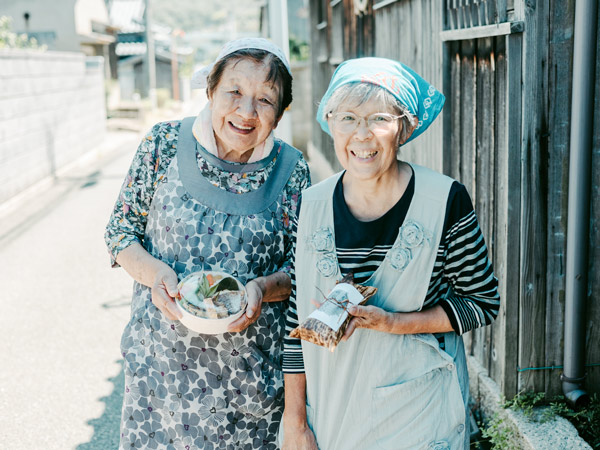
Teshima locals
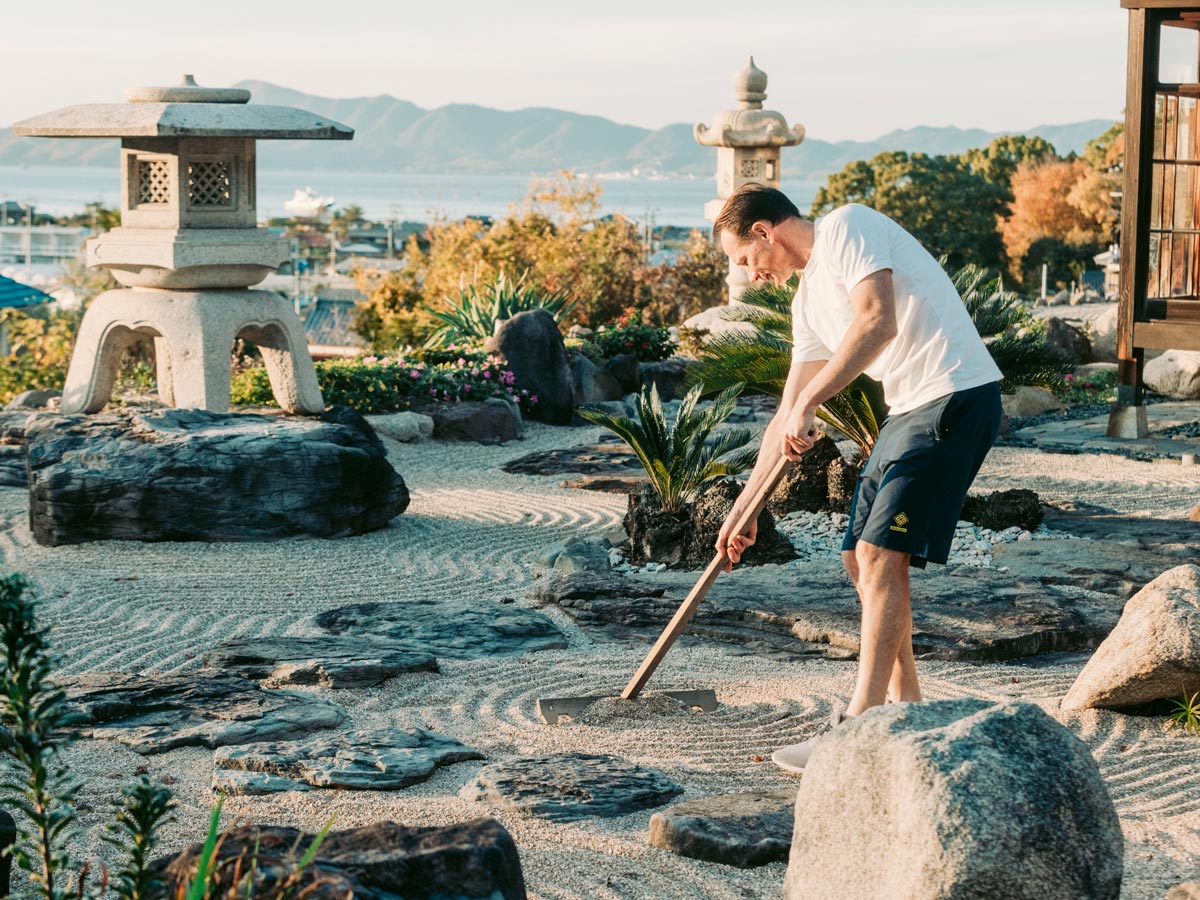
Meeting locals in Teshima.

The night I bathed in a rice cooker

We’ve arrived after the rainy dark to this low-slung, shadow-heavy building of glass and time-soothed timber. From the car, I can see inside – hulking outlines of machinery, lazy loops of warm bulbs. It’s moody. ‘Will you be scared in here all by yourself?’ one of my hosts asks me.
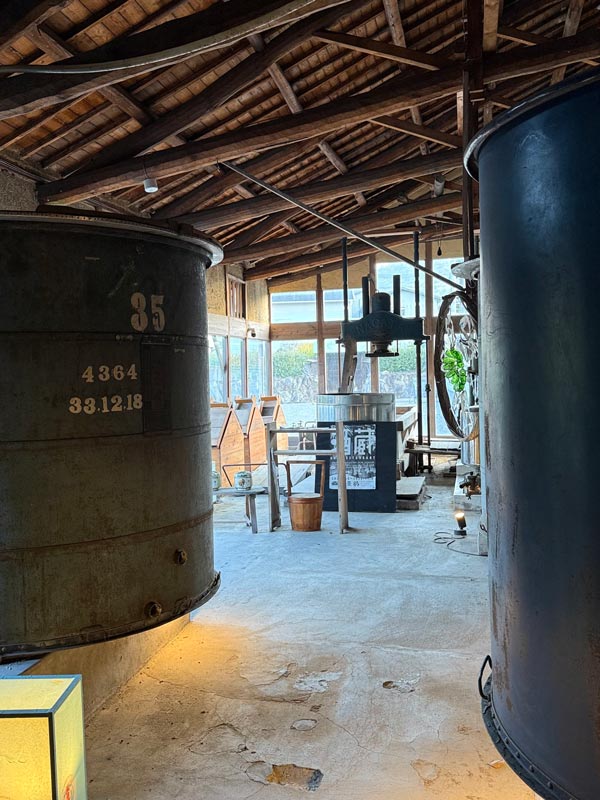
machinery at TOJI
Inside, century-old machinery anchors the space to its previous life. (Image: Ivy Carruth)

The noren, that split curtain every Japan traveller knows, announces my arrival as it flaps and flops in the spitting wind. Tonight, I’m sleeping in the master brewer’s quarters of what was, in a former life, a booming sakagura, or sake distillery. From 1877 to 2005, Mitoyotsuru TOJI, in Setouchi’s Kagawa Prefecture, kept the lights on in Mitoyo, one spirited batch at a time.
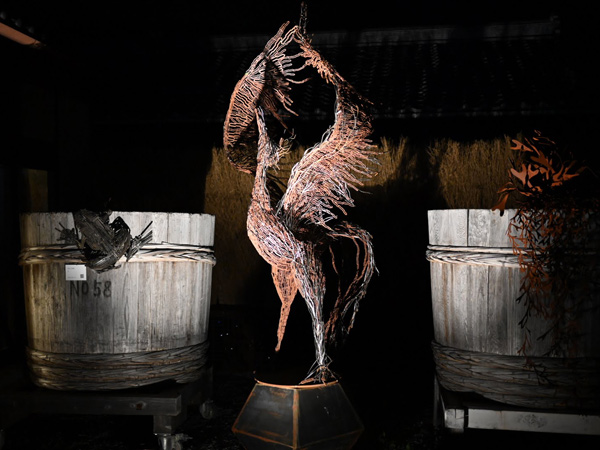
TOJI Mitoyotsuru
Part avant-garde art space, part achingly obscure accommodation. (Image: TOJI Mitoyotsuru)

Those days are gone, though. No longer pumping out the proof, TOJI has been recast as achingly hip accommodation and avant-garde exhibition space with the same off-kilter electricity I imagine Warhol chased in his Factory days. Artworks and installations are threaded through the stripped industrial-chic building with intent; certainly not hung politely as mere decor. Think less museum, more “welcome to my curated existence." There’s nothing here that’s locked behind velvet ropes; step right in.
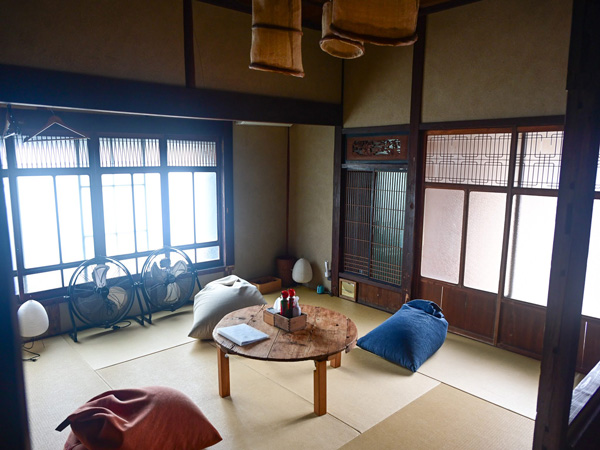
TOJI living space
Off the main entrance of the guesthouse comes the washitsu, or traditional flexible room. (Image: TOJI Mitoyotsuru)

Tucked inside the larger gallery footprint, behind its own entrance, is the sizable residence, which can sleep up to 11 guests. The five entrepreneurs who turned the quarters (once used for workers between gruelling shifts) into luxe lodging wanted not just rooms, but an entire philosophical approach around people “brewing" together.
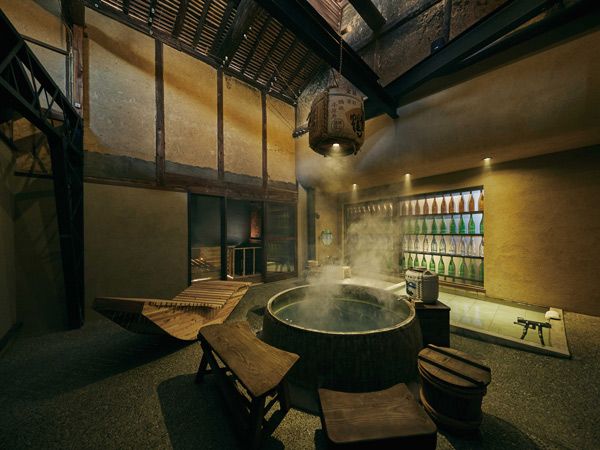
Grand Brewing Room
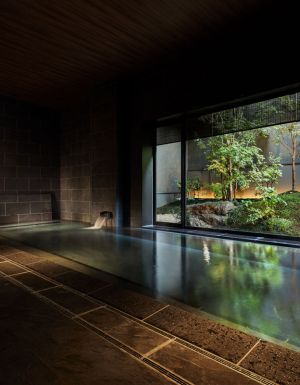
The Grand Brewing Room includes a Finnish-style sauna, a shallow brew-water bath and the large cauldron. (Image: TOJI Mitoyotsuru)

Thus, the largest space in the residence is the Grand Brewing Bath, with a Finnish-style dry sauna, shallow brew-water pool for lying down, and the elephantine old rice Cauldron, which did its job for over a hundred years. This bath zone could easily fit 20 people, and is just the right amount of metaphor and theatrical flair to represent something more clever than simply adaptive reuse.

The sauna experience follows the nine-step sake-making process – from “polishing" (getting naked) through “steaming" (sweating profusely) to “firing process" (post-sauna drinks and profound conversation) and finally “preservation" or sleep, which is done, very comfortably I might add, on tatami. Although maybe it’s the on-demand sake dispenser that contributes to such sweet slumber? Either way, I get to be both observer and slightly tipsy participant.

An island’s last stand (but make it art)
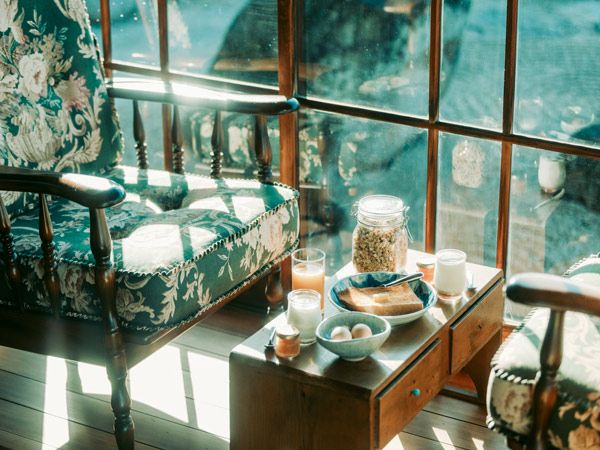
Teshima food culture
The food is hyperlocal, and self-sufficiency is a way of life here.

If TOJI represents heritage tourism with benefits, then Teshima offers something more essential: heritage as a survival strategy. This small island in the Seto Inland Sea faces demographic maths that would have an actuary weeping. With just over 700 residents – 70 per cent of whom are over seventy – and six out of 10 of the homes sitting empty, Teshima is essentially betting the farm on art and deeply experiential accommodation to keep its community alive. No pressure, right?
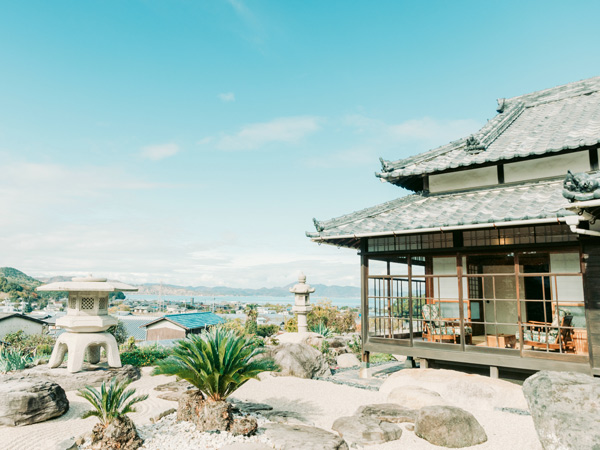
Homestay Tokuto
The coastal view outside your window at Homestay Tokuto is the simplest pleasure.

Here’s where I find homestay Tokuto, and where Australians Allan and Reiko renovate abandoned homes into meticulous and spare – yet luxurious – Japanese accommodation. What strikes me most is the honesty of the enterprise. No nostalgia tourism dressed in a vintage kimono, this; it’s a genuine invitation from the community to join their pace of life, for however long the visitor remains. Now that Australians can stay in Japan for up to 90 visa-free days, they’re seeing tourism numbers increase on Teshima, especially since many of us are on our second or third visit to the country. Allan tells me, ‘Travellers are moving beyond Tokyo, Kyoto and Osaka, they’re wanting the real deal.’ Intimacy is part of the appeal.

Allan’s from Brisbane; he grew up on the Gold Coast. ‘I consider this the real Japan,’ he reflects. ‘Folks crowd into the big cities to see the cherry blossoms, but there’s a spot not three kay from here where the trees spill with them in season.’ He takes me there. It’s not the right time for that spring bloom of petals, but the grove is densely packed and healthy. We’re the only ones here as the sun lowers. The sky is dressed in Easter egg lavender and pig-belly pink, over a liquid carpet of teal in the distance. It’s clear how much more exceptional this is than being one of the sardines in the bigger cities.
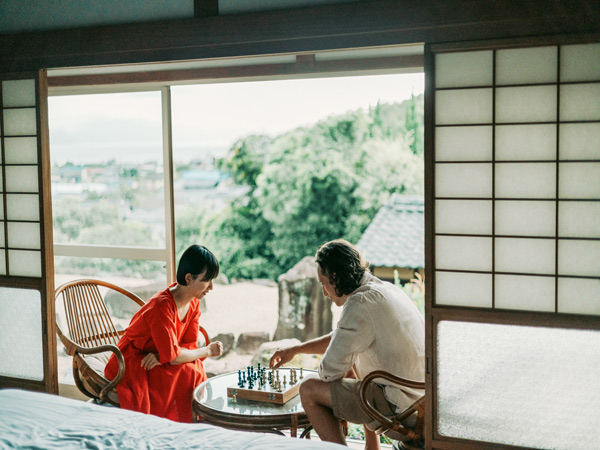
Homestay Tokuto
Staying here is about slowing down and seeing the real Japan.

Teshima’s transformation isn’t happening in isolation. It’s part of the broader Setouchi Art island phenomenon, where places like Naoshima have pioneered the marriage of contemporary craft and rural revitalisation. The success of the islands during world-class events like the Setouchi Triennale created a template: take abandoned spaces, add benchmark-setting art and invite people not just to visit, but to inhabit them. What’s evolved is a range of encounters and a Triennale that’s fully subscribed.

But the effort doesn’t stop at hospitality; it extends into commerce and education. Take ShinAiKan, a former orphanage that once protected children in the aftermath of the war. Thanks to the artist collective Usaginingen (rabbit-human), who moved to Teshima from Berlin, it’s now a thriving artists-in-residency program.

Beyond the stay

What links TOJO and Tokuto isn’t their architecture, but their refusal to fossilise. What distinguishes them from boutique hotels is their explicit cultural mission; come, sit down and be one of us, let’s learn from each other. It’s something more existential than just a place to sleep for the night. Japan, in particular, might be a litmus test for this travel shift. The culture is so often consumed via curated tropes that simple everyday life feels radical – not everything is manufactured Instagrammable perfection. Outside the capital cities, it becomes more Japan as process, not Japan as product. The rhythms of daily life and compromises of depopulation, the determined optimism of people who intentionally integrate novelty with local culture; for travellers the privilege isn’t that these places exist, it’s that we’re invited inside. It’s a reminder that travel, at its best, is not simply about consumption. Perhaps it’s stewardship, if only for a few nights at a time.

Want to see more stories from International Traveller in your Google search results?

  1. Click here to set International Traveller as a preferred source.
  2. Tick the box next to "International Traveller". That's it.
Ivy Carruth
Ivy Carruth is originally from America's Deep South, and has called Australia home for 14 years. Writing has taken her from tracking poachers in South Africa to Buddhist-led calligraphy meditations in remote Zhoushan, China. When Ivy is not wheels up, her nose is in a book, or she's practising Pilates. She also loves your dog.
View profile and articles
hero media

5 things every hotel needs for a more restorative stay

    Kate Bettes Kate Bettes
    Wellbeing means different things to different travellers. Here’s how to pick a hotel that gets it right for you.

    The best wellness holidays aren’t necessarily spent wrapped in a spa robe. Sometimes they’re found around a dinner table in Cambodia, on a hiking trail in New Zealand or after finally beating jet lag on the other side of the world. The hotel you choose is what makes them happen.

    1. Easy access to good food

    meals from Novotel Bangkok Sukhumvit 20
    Taste delicious meals at Novotel Bangkok Sukhumvit 20.

    One of the quickest ways to derail healthy habits on holiday is to spend half of it working out where to eat instead of digging into the culture around you. Thankfully, Novotel has done much of the hard work already, with chefs building menus that lean into the flavours, ingredients and traditions of each destination.

    In Sihanoukville, Cambodia, Korkor soup – often dubbed ‘Cambodian ratatouille’ – sits alongside raw blue crab dressed with lime and chilli, best enjoyed with views across the Gulf of Thailand.

    In the lovingly chaotic city of Bangkok, the presence of food cranks up the sociability. At Novotel Bangkok Sukhumvit 20, you can settle in with mango sticky rice and stranger-turned-friends beside the pool at Sky on 20 rooftop bar, or bring them along to tackle river prawns and stir-fried crab with holy basil at the buzzing Crab Paradise Dinner Buffet.

    Then Novotel Dubai Al Barsha welcomes you with a laidback twist on the level of indulgence the Middle Eastern city is best known for up on Deck Se7en. Looking towards Burj Al Arab, the rooftop lounge has everything from Mediterranean-style dishes like seabass ceviche to Italian prosecco sundowners.

    At the other end of the scale, in the hills that surround the Novotel Bali Ubud Resort, calm comes from nature. At Siralada restaurant, Balinese traditions shape the menu while thunder rumbles over the surrounding jungle – proving the setting is as nourishing as the food itself.

    While at Novotel Nha Trang, chef Kieu Thi My Hanh and her team showcase Vietnam’s knack for balancing freshness, texture and fragrant herbs. Pho remains a favourite, while seafood salad with pomelo and mango brings those flavours together in one bright dish.

    It’s all an approach backed by partnerships with expert food creators such as Alfie Steiner, whose plant-forward recipes prove healthy food should never taste plain.

    2. Better sleep options

    Novotel Bali Ubud Resort room
    Sleep deeply with Novotel.

    There are few travel experiences more disappointing than arriving in a new country, determined to seize the day, only to fall asleep fully clothed by 3pm.

    For Australian travellers, jet lag is often an unavoidable part of the journey. That’s one reason Novotel runs sleep-focused initiatives that help guests adjust quickly without compromising on health. We’re talking partnerships with Sydney-based sleep specialist Olivia Arezzolo, known for her advice on everything from better sleep habits to beating jet lag, alongside features like pillow menus, in-room yoga content and tailored sleep guidance.

    The sooner you’re operating on local time, the sooner you can get back to more pressing matters – like deciding which spa treatment to book.

    3. More ways to move

    woman hiking around queenstown new zealand
    Stay at Novotel Queenstown Lakeside and explore local hiking trails. (Credit: GettyI mages/ naruedom)

    Every place in the world has its own way of getting you moving: whether that’s hiking up ice-bitten mountains before a sauna or gentle stretching by the pool before a facial. From fitness centres to spas, Novotel recognises that wellbeing rarely looks the same.

    At Novotel Queenstown Lakeside, activity is inescapable. Here, hiking trails, ski fields, bungee jumps, and white-water rafting have made the region famous. The hotel’s location on the shores of Lake Wakatipu means less time spent organising yourself and more time out there experiencing them. To top it all off, you can book a private hot tub for the evening before heading back into the wilderness tomorrow.

    Bali, of course, takes a softer approach. At Novotel Bali Ubud Resort or Novotel Bali Nusa Dua, movement is less about conquering a mountain and more about a dance class between the tropical gardens and lagoon pools. Afterwards, the spa takes over, with traditional treatments like a Lulur body scrub: a combination of rice, turmeric, sandalwood, ginger and jasmine that’ll soothe muscles already relaxed by the Balinese heat.

    4. Better connections

    Novotel Sharm El Sheikh
    Kids will love a stay at Novotel Sharm El Sheikh.

    One of the best things about travel is that it gives your family stories you’ll be telling for years. Novotel helps create them with activities that bring everyone together, whether that’s trying something new, learning a local skill, or simply spending more time together.

    Go for a distinctly Thai twist at Novotel Phuket Vintage Park, where many of the family activities draw on local culture. Kids can try everything from beginner Thai boxing and language lessons to umbrella painting and – a pastime beloved by children the world over – pool foam parties. Everyone is welcome to join in, whether that’s getting splashed, covered in paint, or simply watching their children discover a new side of Thailand during the dedicated Family & Kids Day.

    A different adventure awaits at Novotel Sharm El Sheikh. Kids could be perfectly content with discos, drawing classes and new holiday friends, but the Red Sea has other ideas. Sitting on the edge of Naama Bay, days here might involve snorkelling colourful reefs, taking a boat trip to Ras Mohammed National Park or heading into the desert by quad bike or camel for a Bedouin-style dinner beneath the stars.

    5. Location is everything

    Surin Beach, Choeng Thale, Thalang District, Phuket, Thaiföld
    Explore Phuket’s gorgeous beaches. (Credit: Bence Biczo)

    Everyone’s idea of wellness looks a little different. With more than 600 hotels across 65 countries, Novotel gives guests the freedom to choose the destination that suits them best. Whether that’s a beachside escape in Phuket, an alpine expedition in Queenstown or a city break in Bangkok, there’s a good chance a Novotel isn’t far away.

    All that’s left? Choosing your version of wellbeing.

    Discover stays to inspire your everyday at novotel.accor.com.