hero media

Oita: Everything you need to know about Japan’s onsen capital

With over 5000 hot springs to choose from, Oita prefecture is the perfect place to immerse yourself in Japan’s onsen culture.

When it comes to iconic Japanese experiences, visiting a communal bathhouse is right up there with eating fresh sashimi and watching the countryside whizz past from the window of a bullet train.

Just about every settlement of any size will have a sento bathhouse using artificially heated water, but only those places harnessing natural hot springs can be called onsens (a term that applies to both the springs themselves and the bathing facilities built around them).

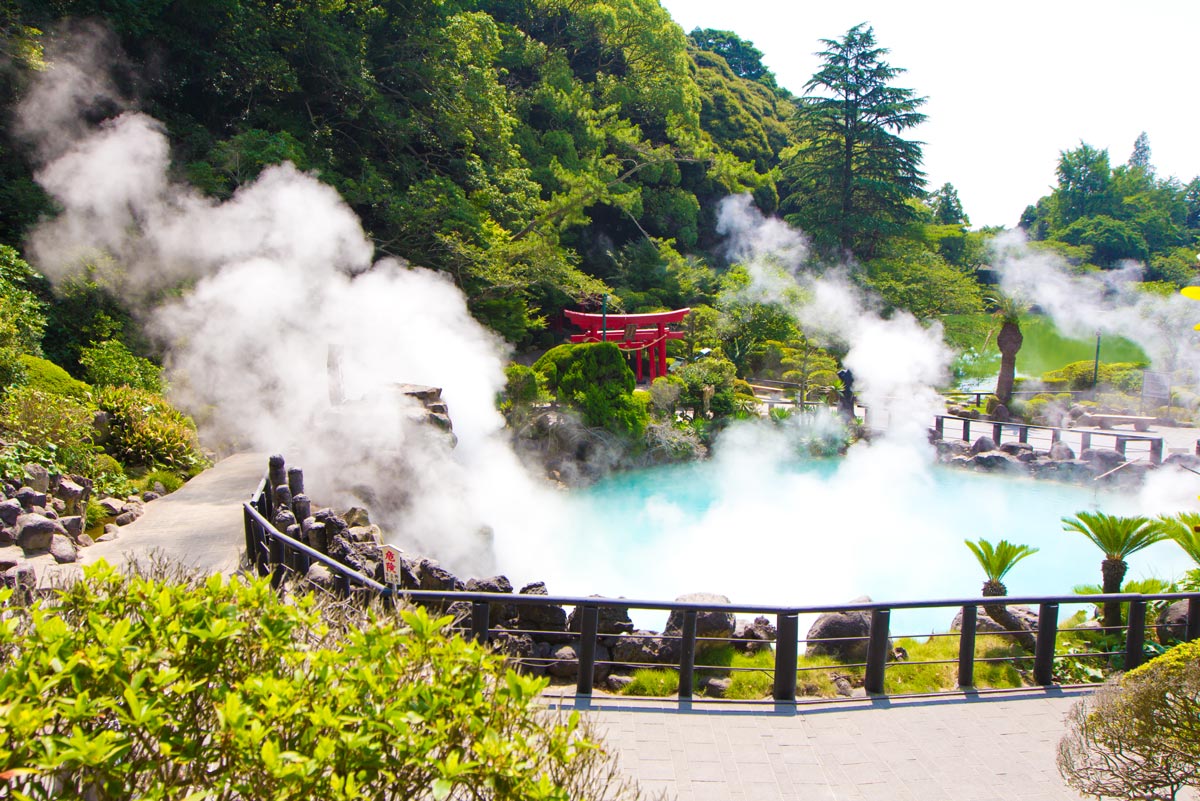
And no destination is more closely linked with onsens than Oita, a small prefecture on the southern island of Kyushu where more than 5000 natural hot springs have been used to treat illness and injury since the 8th century. In addition to bathing in mineral-rich hot pools, visitors can enjoy rare steam, sand and mud onsens and marvel at fantastically coloured “hell" springs that look like they belong in Yellowstone National Park.
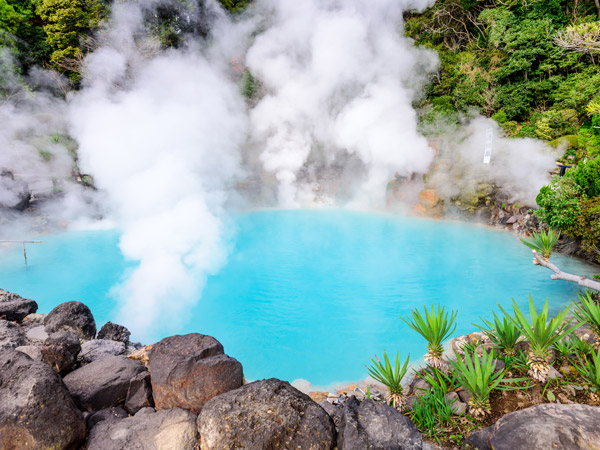
a pool of milky blue water shrouded in steam, Sea Hell Hot Spring
Oita has more than 5000 natural hot springs.

In a prefecture with an abundance of riches, Beppu is ground zero. Tucked between steep mountains and the tranquil Seto Inland Sea, this small town with a population of just 120,000 claims 10 per cent of Japan’s total onsens – in total, there are 2849 springs in the area and more than 100,000 litres of hot water gushes from the ground every minute.
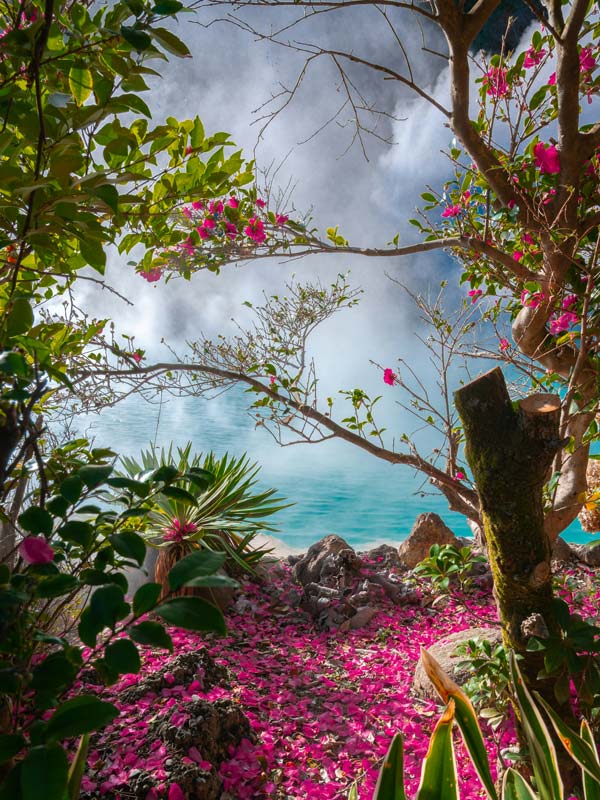
Steam coming up from onsen in Beppu
Beppu has 2849 hot springs. (Image: Samuel Berner)

Unsurprisingly, local life revolves around onsens and for many locals a daily soak is as essential as their morning coffee. Here’s everything you need to know to get the most out of your visit.
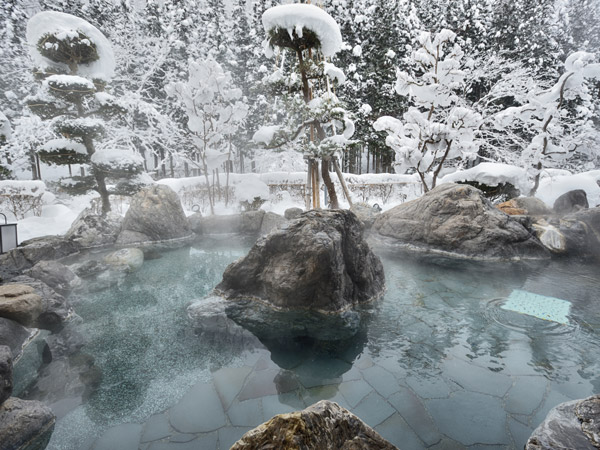
an open hot spring in winter
Beppu has 10 per cent of Japan’s total onsens.

Get into hot water

Traditional hot water baths make up the overwhelming majority of Oita’s onsens. Municipal bathhouses cost as little as 100 yen ($1.05) to use but tend to be quite basic; they are often little more than a bath that can fit four people and charge an additional fee for extras such as a towel or yukata robe.
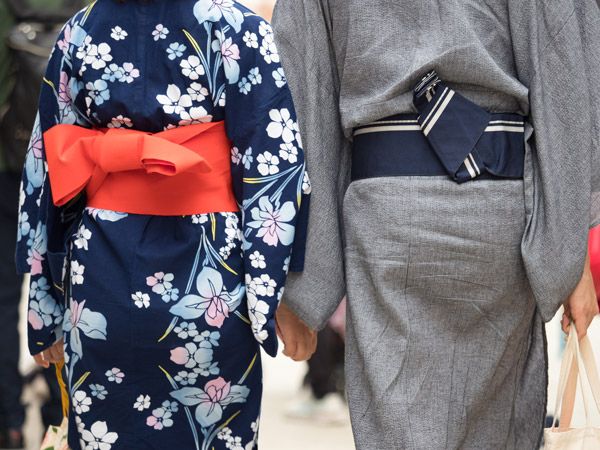
Japanese wearing Yukata Robes
Put on a yukata if you’re not comfortable being baring it all.

At the other end of the scale, elaborate hotel and resort onsens usually have multiple pools at different temperatures, indoor and outdoor areas, saunas and even private baths or restaurants. And the abundant competition means they’re considerably cheaper than in other parts of the country, usually clocking in at less than 1000 yen.
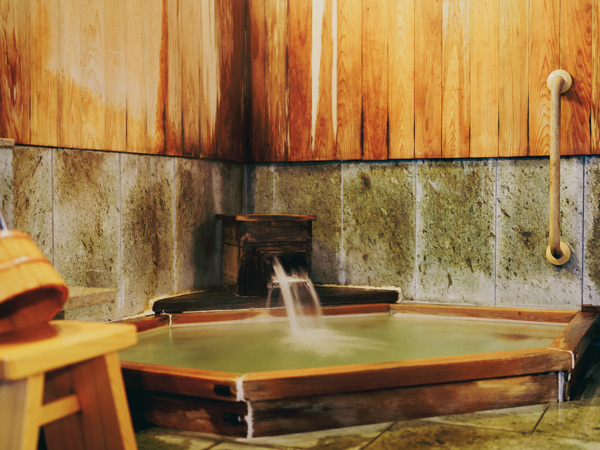
hot spring bath in Oita onsen
Many facilities have private onsens in case you don’t want to share with strangers.

As a rule, Oita onsens tend to be quite warm and many are close to 45 degrees. It means that most locals only stay in for five to 15 minutes, though larger complexes with pools at different temperatures allow for longer visits. The abundance of hot water also means that many facilities have private onsens in case you don’t want to share with strangers. This is a good option in ryokans and more conservative establishments that don’t allow tattoos, or for couples who want to bathe together.
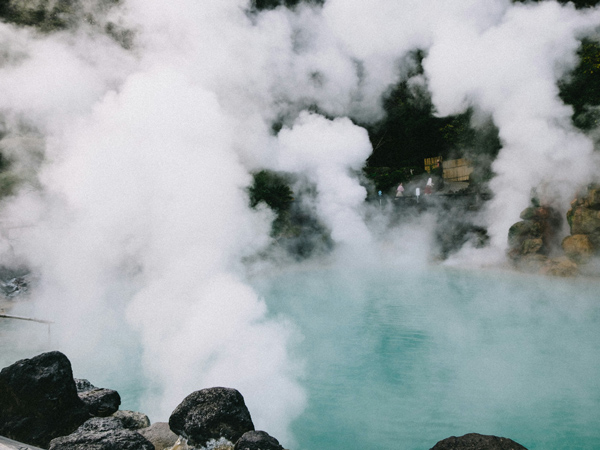
steam coming off from a natural hot spring
Hot springs have been used to treat illness and injury since the 8th century. (Image: Tayawee Supan)

Don’t miss

In the mountains of central Oita, Kuju Hossho Hotel has a wide range of outdoor pools including a non-mineralised spring, a large cedar tub with iron-rich waters, a sulphur spring that smooths your skin and even a takiyu pool where streams of water tumble down to provide a pressure massage. Best of all, the location means you can enjoy sublime views of the surrounding peaks while bathing.
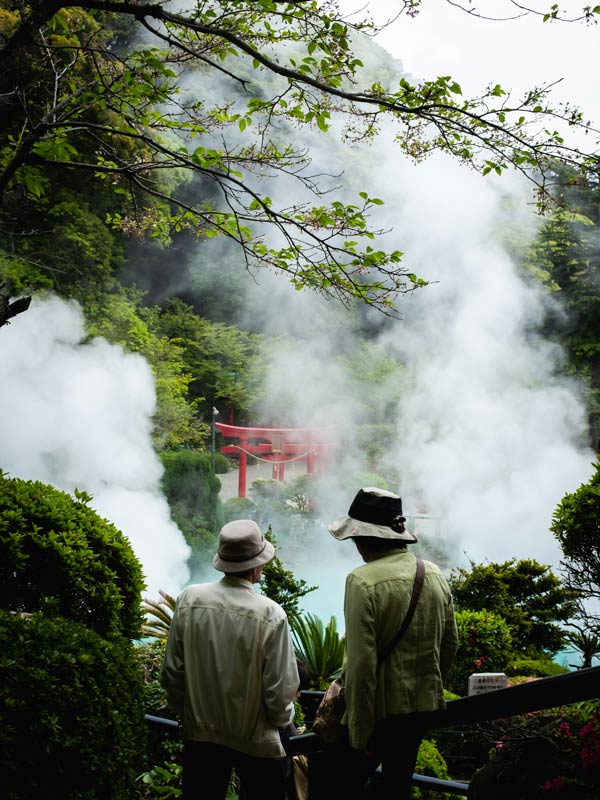
Cherry blossom tree and two men in front of Beppu hot spring and onsen in Japan
Traditional hot water baths make up the overwhelming majority of Oita’s onsens. (Image: Christian Chen)

Closer to town, the ANA InterContinental Beppu looks out over Beppu and the bay beyond from its hilltop location. In addition to large granite and cypress pools that take advantage of the magnificent views, there’s a dry sauna and reclining bath as well as a large private onsen that can be booked by the hour for up to six people.
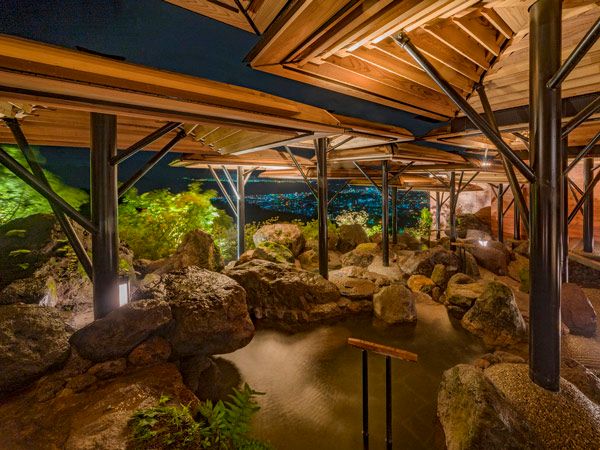
An onsen at ANA InterContinental Beppu
Explore the large granite and cypress pools at ANA InterContinental Beppu.

If you have your own car, you can head further up the hill to Hebinyu where you’ll find four pools of crystal-clear water next to a small stream that provides cold water so you can adjust the temperature. If you’re lucky, it’ll be just you and the birds and because they’re on public land, the pools are free to use and there are no restrictions on tattoos or mixed-gender groups.
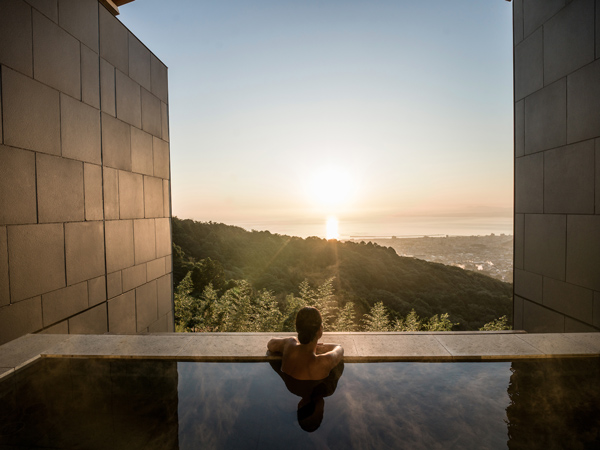
a woman dipping in the pool overlooking the scenic views in ANA InterContinental Beppu
Relax in the pool while admiring magnificent views over Beppu.

Shifting sands

Another way to make use of the abundant geothermal energy is through sunayu or sand baths, which are found at several locations in Beppu.

After putting on a yukata robe, visitors lie down and allow themselves to be buried beneath piles of warm sand. The heat and pressure both help to relax the body and have long been used to relieve muscle and joint pain. And because these are generally located within larger facilities, you can shower off afterwards before enjoying a traditional onsen hot pool experience.
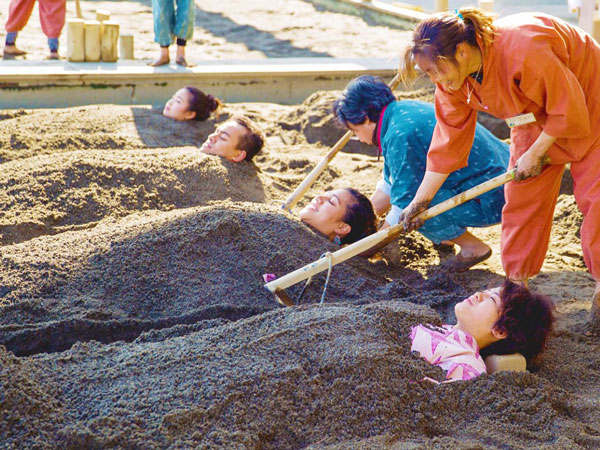
guests lying down in the sand while getting raked at Beppu sand bath
Soak in the sand baths of Beppu.

Don’t miss

The large wooden building housing Takegawara Onsen dates back to the Meiji era and the interior looks like it has barely been updated since, but it’s always busy thanks to the rooms where you can pay 1500 yen to be completely buried beneath a mound of warm black sand. It’s worth booking ahead as only eight people at a time can enjoy the experience, which takes around 40 minutes and includes 10–15 minutes beneath the sand.
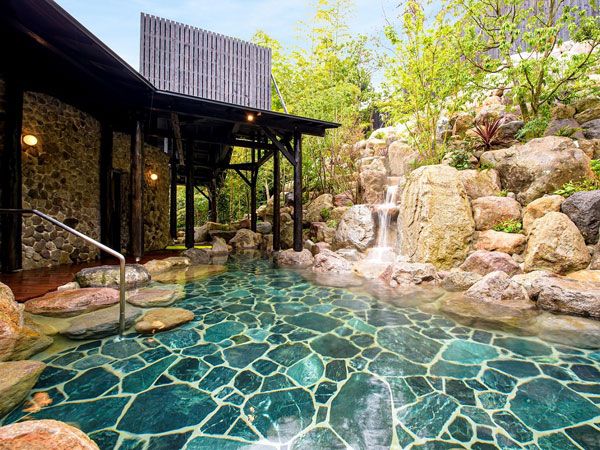
a hot spring facility in Hyotan Onsen
Find your zen in Hyotan Onsen.

The sunayu at Hyotan Onsen is unstaffed, so you’ll have to designate someone to bury everyone else, but because the dry sand is lighter and slightly cooler than Takegawara, it’s a good choice for those who want a less intense experience.
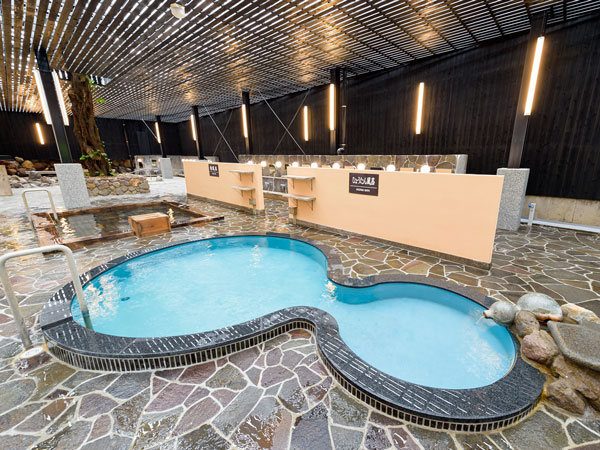
an indoor bath at Hyotan Onsen
Rejuvenate in one of the pools at Hyotan Onsen.

Hyotan’s wide range of facilities also makes it one of the best places to visit in Beppu: in addition to cypress and stone pools, there are 14 private onsens (both indoor and outdoor), a mushiyu steam bath and takiyu waterfall bath that all have a tattoo-friendly policy.
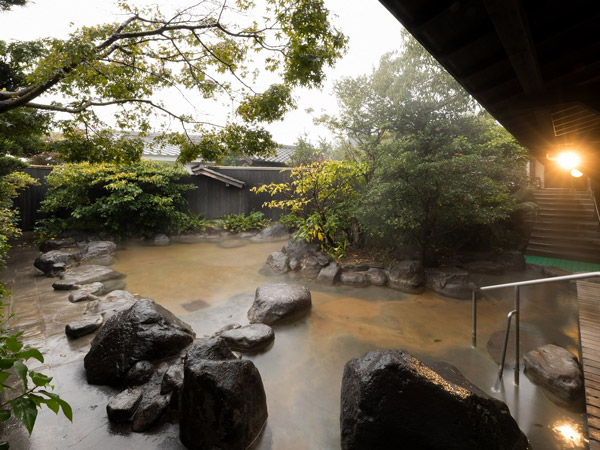
an outdoor hot spring facility in Hyotan Onsen
Hyotan Onsen is one of the best places to seek solitude in Beppu.

All steamed up

On a cold day, the clouds of steam billowing up from Beppu’s many onsens make the city look like an industrial hub. Some of these vents have been converted into public cooking stations and there’s even an entire cuisine known as Jigoku Mushi (literally “hell-steamed").
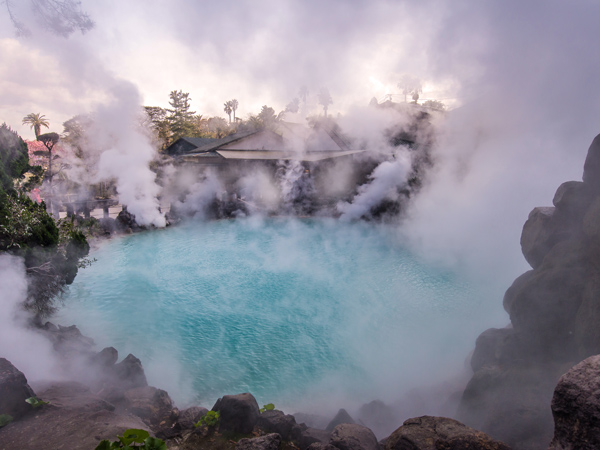
steam comes from Umi-Zigoku Hot Spring
On a cold day, clouds of steam billow up from the onsens.

Several onsens also channel the hot air through vents to create sauna-like steam rooms. Unlike saunas, guests generally wear yukata robes, so they can be a great option for those who don’t want to disrobe in front of strangers.
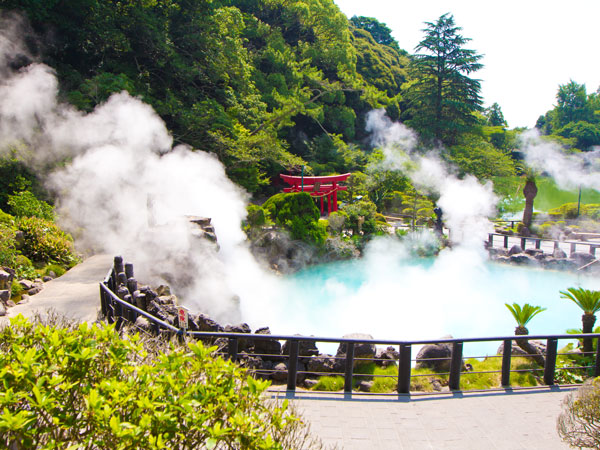
an Onsen Beppu all steamed up
Only places harnessing natural hot springs can be called onsens.

Weekly travel news, experiences
insider tips, offers,
and more.

Don’t miss

The free foot steam baths outside Kannawa Mushiyu hint at what awaits inside. Said to have been founded by the preacher Ippen Shonin in 1276, the facility includes a low-ceilinged stone chamber with a floor covered in medicinal herbs that aid respiration and perspiration.

In truth, there’s little need to encourage sweating when the temperature hovers around 75 degrees and after eight to 10 minutes in this medieval steam room you can shower and enjoy the small onsen bath nearby.
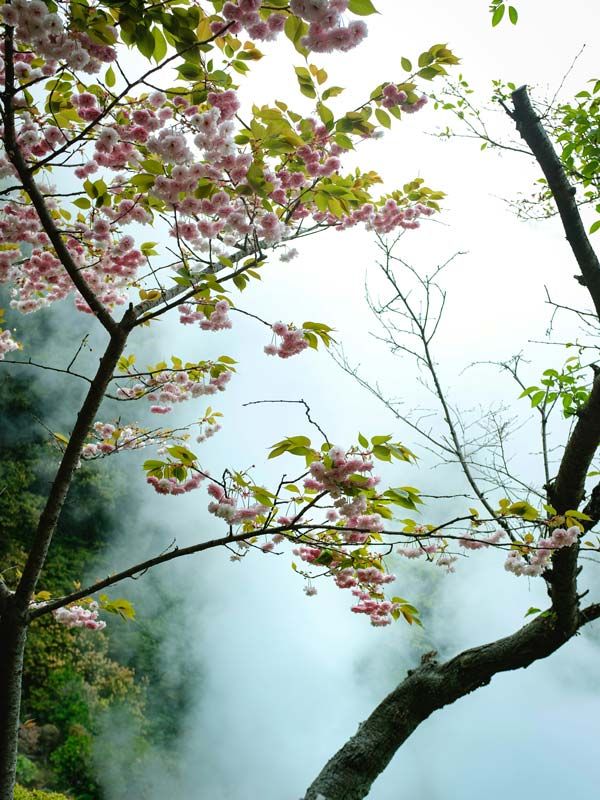
Cherry blossom tree in front of Beppu hot spring and onsen in Japan
Aid respiration and perspiration. (Image: Christian Chen)

Clear as mud

The rarest of all the onsen types is also one of the least visually appealing, but doroyu mud baths make up for their appearance with extra-rich mineral content.

They occur naturally when steam vents burst into clay beds and turn them into bubbling lakes of hot grey mud, though most public facilities add water to make them easier to enter (and wash off).
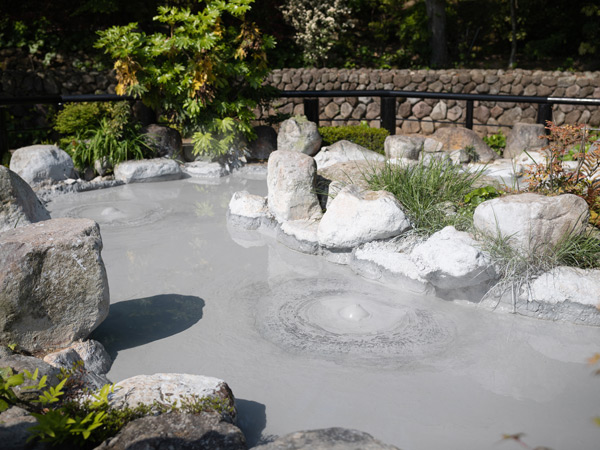
a boiling mud hot spring
When steam vents burst into clay beds they turn them into bubbling lakes of hot grey mud.

The opaque liquid that results provides a higher degree of privacy than clear water, but many bathers stand in the open air and allow the mud to dry on their skin afterwards before washing it off.
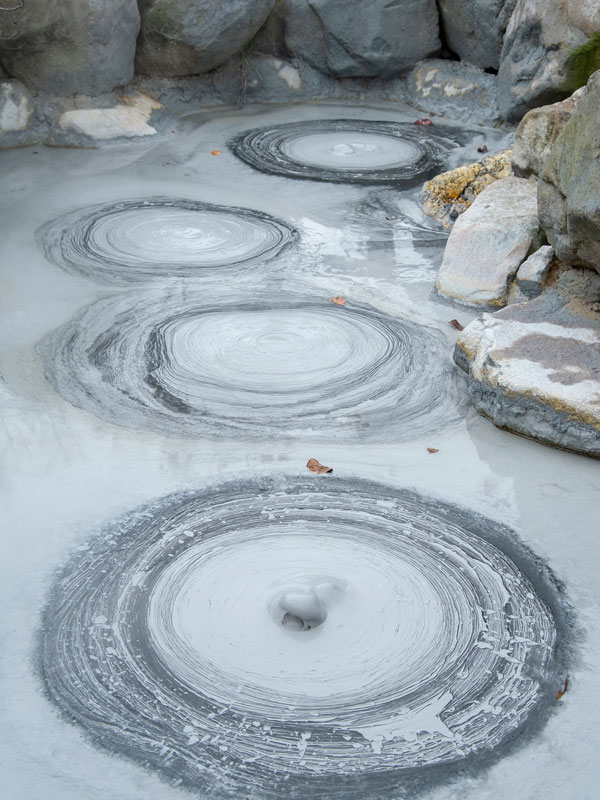
an Oniishibozu Hell mud hot spring
The opaque liquid that results provides a higher degree of privacy than clear water

Don’t miss

Koudei Onsen is located next to the site of a former temple that is said to have exploded in an eruption in 867. Today the site is peppered with gurgling mud volcanoes that reach 95 degrees, but the neighbouring onsen (open 8.30am – 12pm except Thursdays) includes a superheated outside bath and a specialty pool filled with a mixture of mud and water that’s cleaned on the hour and leaves the skin feeling soft and smooth afterwards.
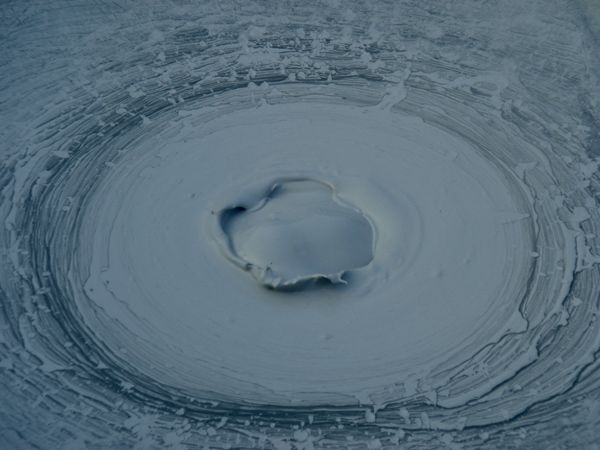
a mud bath
Apply a layer of warm, mineral-rich mud to your body. (Image: Jonas Gerlach)

Want to see more stories from International Traveller in your Google search results?

  1. Click here to set International Traveller as a preferred source.
  2. Tick the box next to "International Traveller". That's it.
Alexis Buxton-Collins
Alexis Buxton-Collins spent his twenties working as a music journalist and beer taster before somehow landing an even dreamier job as a freelance travel writer. Now he travels the world from his base in Adelaide and contributes to publications including Qantas, Escape, The Guardian and Lonely Planet. Alexis has never seen a hill he didn't want to climb and specialises in outdoor adventures (he won the 2022 ASTW award for best nature/wildlife story for a feature on Kangaroo Island). When he's not scouring South Australia for the newest wineries and hikes, he's looking for excuses to get back to spots like Karijini and Ningaloo.
View profile and articles
hero media

This is why cruising is the best way to see Asia

    Dilvin Yasa Dilvin Yasa
    Iconic destinations, unforgettable adventures and thrilling onboard adventures; say hello to your next Asia holiday with Royal Caribbean.

    When you want to explore the gleaming skyscrapers of Shanghai and the bars of Singapore, but also embrace centuries-old traditions in Japan before traipsing through the lush jungles of Malaysia, a conundrum presents itself: how do you do it all seamlessly without the stress of flying (or repacking)? Enter, Royal Caribbean.

    With a brand designed around maximising your holiday time, sip cocktails by the pool or watch Broadway-style performances on board as the ship glides effortlessly from one atmospheric port to the next.

    Now that you have Asia at your fingertips with minimal effort, the big question is: which all-inclusive experience (and itinerary) is best for you?

    Japan

    The itinerary

    Spectras Cabaret royal caribbean
    Prepare for a show, on and off the ship.

    The Land of the Rising Sun has never been hotter, and Royal Caribbean has a vast array of unforgettable Japanese itineraries – these range from eight-night adventures to 14-night holidays circumnavigating the country’s islands.

    The eight-night Best of Japan sailing is memory-making perfection, kicking off in Shanghai (Baoshan) on 24 October 2026. Stop at fascinating ports to soak in the sweeping landscapes and seascapes of Saikaiminato, Kyoto, Niigata and Hakodate while enjoying incredible dining and adventurous activities onboard Spectrum of the Seas®. Complete your journey back in Shanghai, ‘the Paris of the East’.

    Port highlights

    mt fuji in japan
    See iconic vistas of Japan.

    Off the ship, hike the dramatic volcanic peaks of Sakaiminato’s Daisen-Oki National Park, explore the iconic temples of Kyoto, enjoy traditionally brewed sake made in Niigata (the birthplace of many quality sake brands), and taste local flavours at Kanemore Red Brick Warehouse, a premier dining and shopping district in Hakodate.

    Don’t miss Royal Caribbean’s Amanohashidate Highlights shore excursion in Kyoto, an exhilarating experience that features a cable car ride up to Kasamatsu Park and includes a visit to Nariaiji Temple, a hillside Buddhist site.

    The ship

    Spectrum Of The Seas in Singapore
    Step on board Spectrum of the Seas®.

    Aboard Spectrum of the Seas®, days at sea are just as action-packed as those on land. Here, 17 dining venues, along with eight bars and lounges, take guests on the ultimate global dining tour. Stop into Sichuan Red, designed specially for this ship, where you can savour a rich tapestry of authentic spices and Asian-influenced flavours. Start with the chef-recommended royal sea cucumber, then move on to a hot and savoury bowl of mapo tofu simmered in a traditional spicy sauce, or authentic pickled radish and duck soup.

    Fancy a little post-dinner entertainment? Talk salsa lessons, or book front row seats to Showgirl, a multisensory spectacular that pays homage to the ultimate siren of the stage. You can also take a visual journey into the exotic cultures of the Far East with The Silk Road at Two70®.

    Kids (and kidults), as always, are well-catered for, with aqua park Splashaway Bay℠ and the largest indoor active space at sea, SeaPlex®, which offers everything from laser tag to bumper cars. Those looking to relax can find peace in the adults-only solarium, as well as a wealth of treatments at Vitality℠ Spa.

    Thailand and Malaysia

    The itinerary

    Izumi Teppanyaki on ovation of the seas royal caribbean
    Sit down to hibachi at Izumi Teppanyaki℠.

    Royal Caribbean’s Southeast Asia sailings deliver the perfect fusion of culture, cuisine and coastlines, and the four-night Penang & Phuket cruise is proof that short escapes can still feel spectacularly rich.

    Kick off with Royal Caribbean’s iconic Sail Away Party as Ovation of the Seas® departs from Singapore on 27 February 2026. The itinerary then weaves through two of the region’s most mesmerising destinations: Malaysia’s melting pot of cultures in Penang and Thailand’s sun-soaked island of Phuket.

    Each port stop is layered with history, flavour and natural beauty, while each moment spent onboard Ovation of the Seas® is filled with fun and excitement.

    Port highlights

    iconic ‘James Bond Island’ made famous in The Man with the Golden Gun thailand
    Zoom around the ‘James Bond Island’.

    In Penang’s George Town, a maze of heritage architecture, vibrant murals and street stalls serving sizzling char kway teow and aromatic laksa come together, blending past and present. Visit the Taoist Goddess of Mercy Temple to soak up its peaceful energy, ride the century-old funicular to the forested summit of Penang Hill for panoramic views, and wander Batu Feringhi Beach, where the Andaman Sea laps gently against golden sand. Jet skis? Why not?

    Then it’s north to Phuket, where both adventure and relaxation beckon. Make the most of the local beach scene at Kata Noi and wander up Monkey Hill for sweeping vistas (and mischievous company). Be sure to book Royal Caribbean’s thrilling shore excursion here – you’ll zip along in a three-engine speedboat to the iconic ‘James Bond Island’ made famous in The Man with the Golden Gun. After a day of exploration, you’ll have enough time to enjoy a sunset cocktail on the waterfront before returning to your ship for another unforgettable evening.

    The ship

    Ovation of the Seas®, royal caribbean
    Experience thrills aboard Ovation of the Seas®.

    Of course, life on board Ovation of the Seas® is just as exhilarating as your adventures off it. Sit down to 16 flavoursome finds, from Jamie’s Italian by Jamie Oliver® to theatrical hibachi at Izumi Teppanyaki℠.

    Build up an appetite with Royal Caribbean’s iconic onboard activities, from the FlowRider® surf simulator to soaring sky-high on RipCord® by iFLY® and zipping around in bumper cars in SeaPlex®. You can really choose your own adventure.

    End the night with Spectra’s Cabaret at Two70®, a fascinating fusion of music, robotics and light that redefines entertainment at sea.

    The result? A holiday brimming with discovery, indulgence and Royal Caribbean’s signature magic: Asia, perfectly packaged.

    Start planning a cruise around Asia that you’ll never forget at royalcaribbean.com.