
Discover a region blending ancient mythology, deep samurai history and a powerful legacy of global peace.
Japan’s modern and traditional culture has enthralled generations of Aussie travellers, and the Chugoku region offers opportunities to experience it in spades across its five prefectures. From one-of-a-kind cultural festivals and insightful museums to traditional shrines, gardens and castles, we’ve highlighted the top eight experiences to kickstart your Chugoku region adventure.
1. Korakuen Garden, Okayama Prefecture
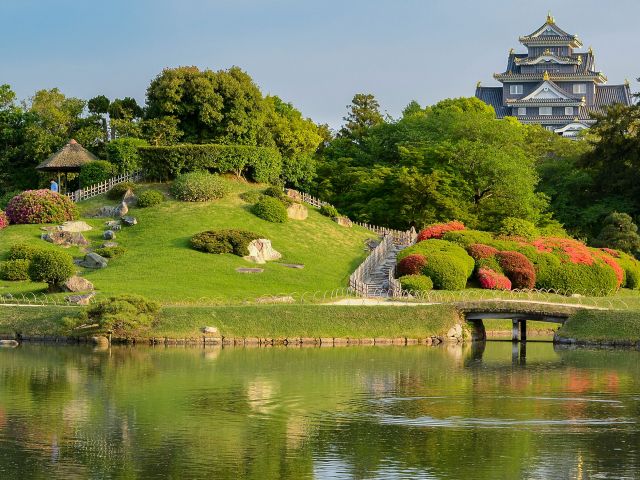
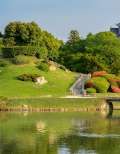
Korakuen Garden is considered one of the three great gardens of Japan. In a country renowned for its tranquil, meticulously designed landscaped gardens, that’s not a title granted lightly.
Located beside Okayama Castle – which makes a dramatic backdrop for your holiday snaps – the garden was created about 300 years ago by the ruling family of the time. Its sprawling 14 hectares are worthy of two to three hours of leisurely strolling, exploring carp-filled ponds, original tea houses, groves of plum, cherry and maple trees and an aviary. Purchase the Okayama Castle and Korakuen Garden Pass to explore both attractions during the one visit.
2. Ouchi Culture, Yamaguchi Prefecture
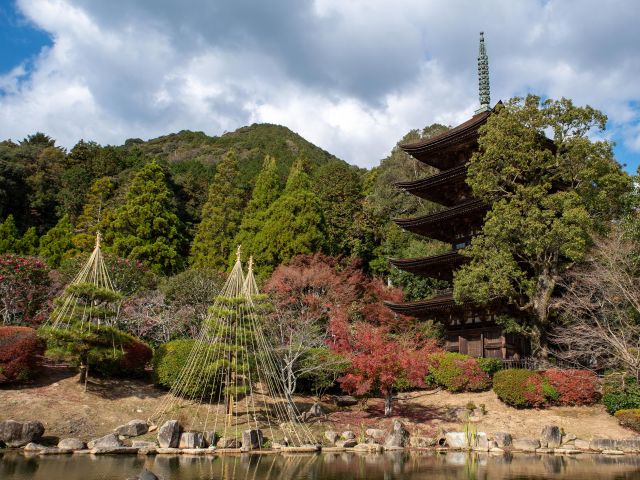
Yamaguchi’s rich heritage stems from the powerful Ouchi clan who founded the city in the 14th century. They grew wealthy from trade with Korea and China, and interaction with Portuguese Jesuits, resulting in a city celebrated for its art, culture and temples that rivalled war-torn Kyoto.
Today, must-visit sites include Rurikoji Temple, with its towering five-storied pagoda, and the 500-year-old Joeji Temple – famous for its beautiful Zen garden.
3. Hiroshima Peace Memorial Park, Hiroshima Prefecture
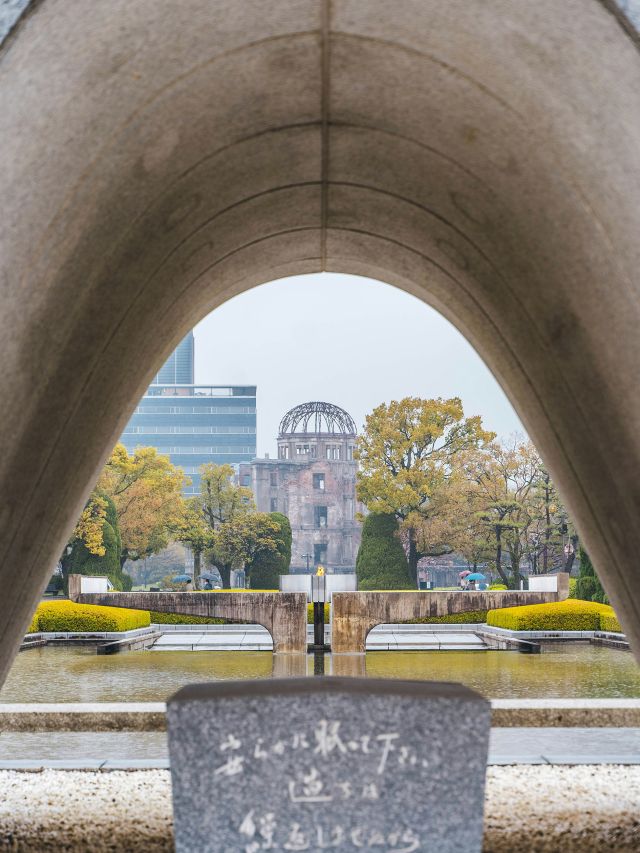
Hiroshima Peace Memorial Park was created as an international symbol for the abolition of nuclear weapons and lasting world peace. The park – which covers 122,100 square metres in the centre of Hiroshima City – is home to a number of memorials and monuments. Stop by the Hiroshima Peace Memorial Museum, the Cenotaph for the Atomic Bomb Victims and the Flame of Peace, which has burned continuously since its lighting in 1964.
Note that while the park is free, you do need tickets for the memorial museum; book ahead in peak periods.
4. Saidaiji Eyo (Naked Man Festival), Okayama Prefecture
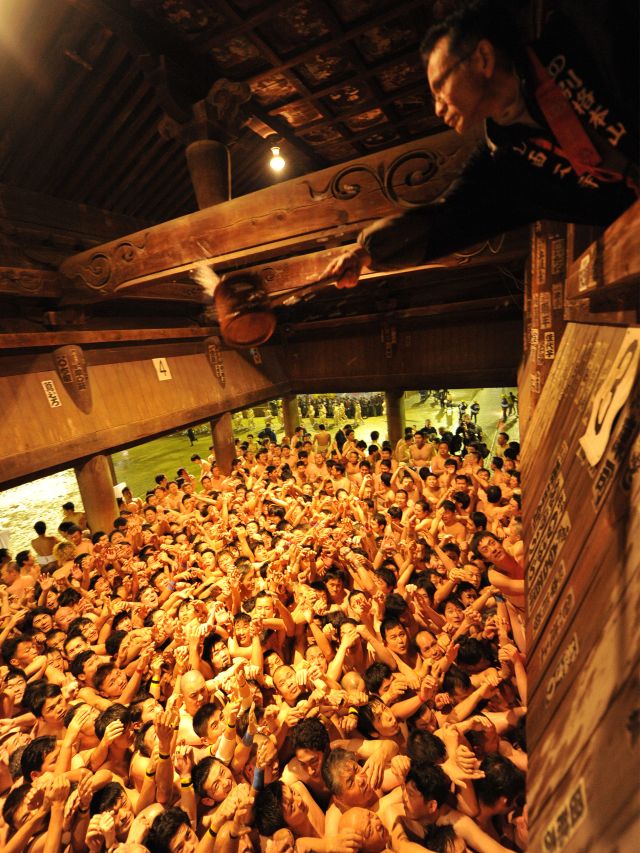
Yes, this festival is exactly what it sounds like. On the third Saturday of February each year, up to 10,000 near-naked men (clad in only a white loincloth and socks) gather at Saidaiji Temple.
Sacred sticks known as shingi, thought to bring good luck and happiness, are thrown into the crowd. Those who grab them are named fuku-otoko (lucky man) for that year. The festival has a 500-year history, dating back to the chief priest of the time who bestowed lucky charms on worshippers.
5. Matsue Castle, Shimane Prefecture
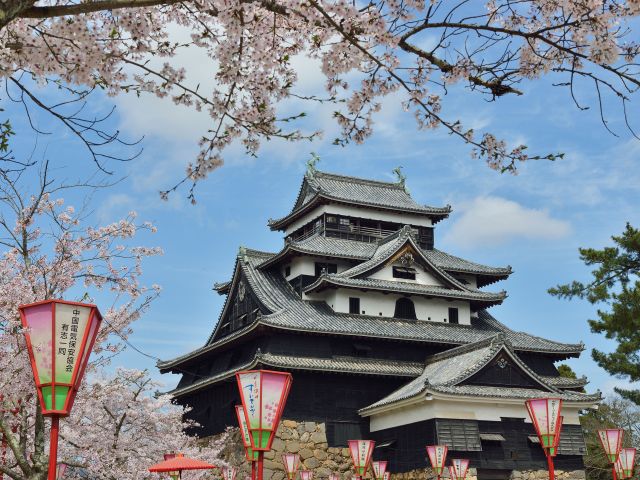
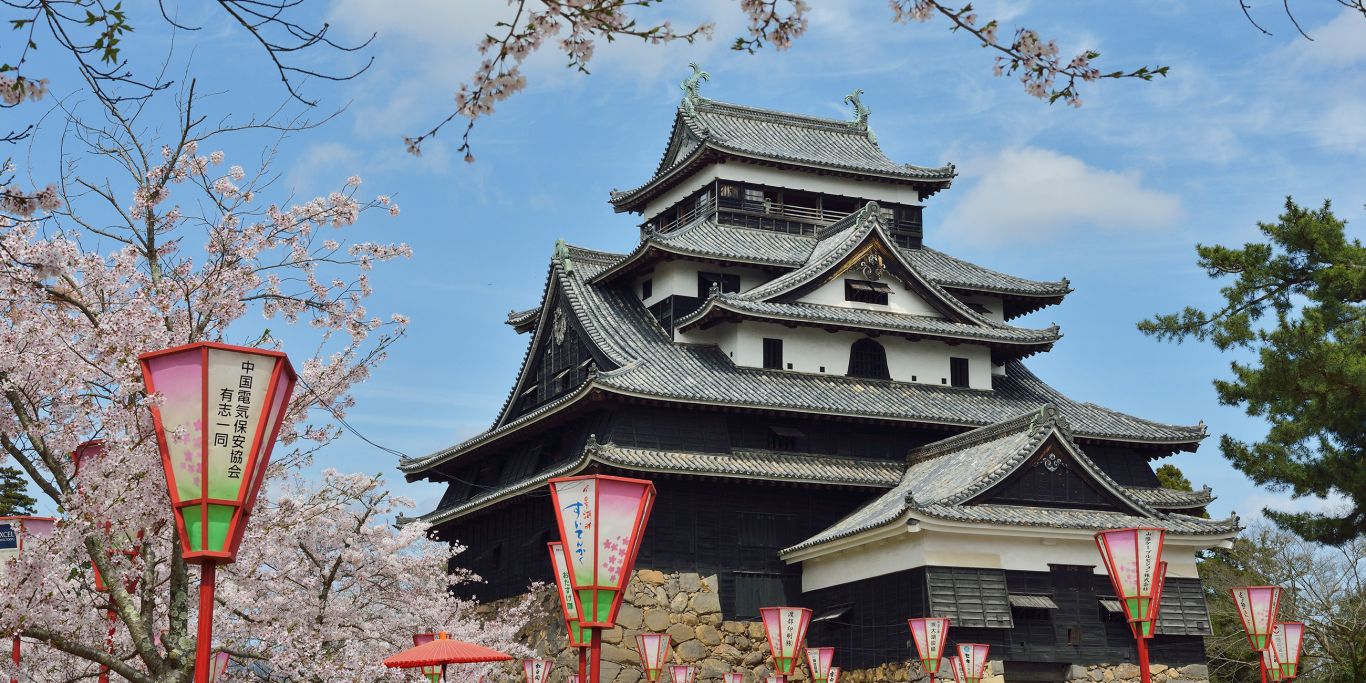
Head to Matsue Castle for its samurai history, 360-degree views from the top floor, and scenic boat tours around the moat and surrounding canals. This is the second-largest of 12 surviving original castles in Japan. It was completed in 1611, and was mostly ruled by the Matsudaira clan throughout its history, descendants of the shogun Tokugawa.
In spring, its expansive gardens are popular for cherry blossom viewing. If you visit in October, don’t miss the special evening cruises where you can view the castle illuminated at night, with thousands of paper lanterns lining the moat and castle grounds.
6. Taikodani Inari Shrine, Shimane Prefecture
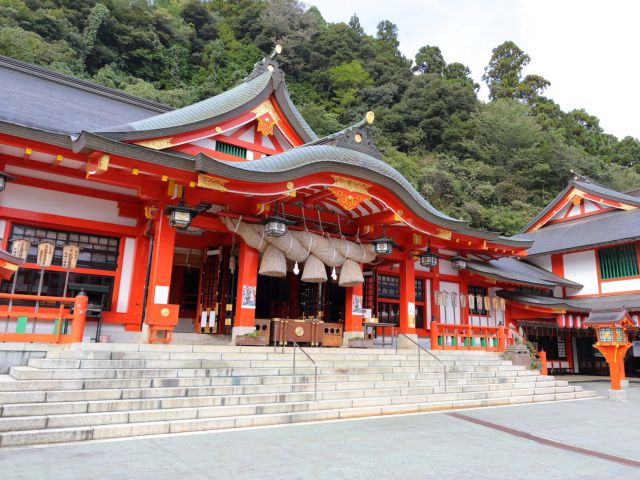
Half the fun of exploring Taikodani Inari Shrine is getting there. Follow the tunnel of over a thousand red torii gates up a winding hillside path (allow 10 to 15 minutes) before arriving at this striking Inari shrine known for fulfilling wishes (Inari is a spirit of Japan’s Shinto religion). Look out for purification rituals taking place throughout the day in the great main hall; performances of Mikomai, an elegant Shinto ritual dance; and traffic-safety rituals where cars are blessed at a dedicated platform.
If you’re here in spring or autumn, check out one of the local festivals known for elaborate performances, colourful processions and traditional food such as wild boar stew.
Weekly travel news, experiences
insider tips, offers, and more.
7. Uraja, Okayama Momotaro Festival, Okayama Prefecture
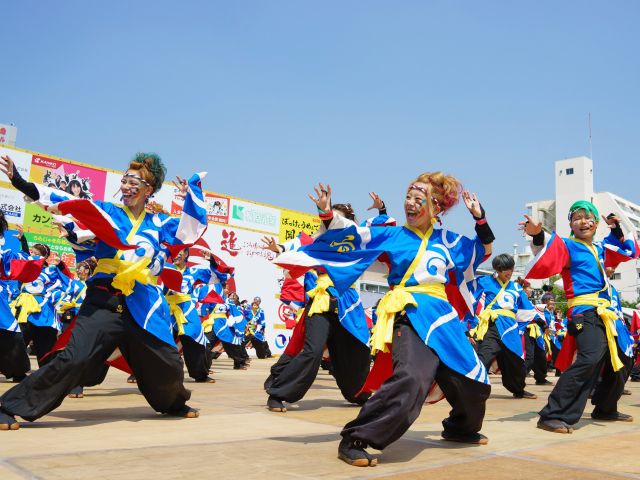
Uraja is one of Okayama Prefecture’s largest festivals. It takes place in summer, usually in late August, and depicts a battle from an ancient local legend where a prince defeats a demon god (considered the origin of the popular Japanese fairytale hero, Momotaro).
The streets fill with dance processions and theatrical shows, with performers wearing demon-inspired face paint, creating a lively atmosphere throughout the city. The climax is on the last night, when spectators and organisers join the performers for one final, massive dance celebration.
8. Iwami Kagura Performances, Shimane Prefecture
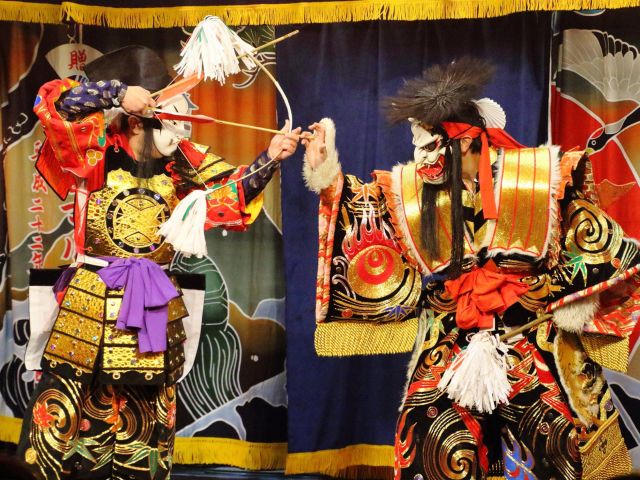
When in the Chugoku region, don’t miss Iwami Kagura, a traditional performing art defined by vivid masked costumes, choreographed sword fights and the famous Yamata no Orochi, a giant eight-headed serpent. The easy-to-follow stories are drawn from ancient history and legend, usually depicting gods and demons, and are performed year-round in the Iwami area.
For an especially memorable way to experience this art form, look out for performances at a local shrine festival from September to November.
Start planning your escape to the Chugoku region at japan.travel/en/au.
Want to see more stories from International Traveller in your Google search results?
- Click here to set International Traveller as a preferred source.
- Tick the box next to "International Traveller". That's it.