
Everything you need to know about Japan rail travel, from tickets and passes to navigating stations with confidence.
From lightning-fast bullet trains that stitch together big cities to local lines that traverse sleepy countryside and natural landscapes, Japan’s rail network is vast and remarkably reliable. It might just be the best way to explore the country, too, with frequent departures and near-flawless connectivity.
But it can also be confusing if you’ve never navigated it, with a maze of ticket options and overlapping operators.
Understanding how Japan rail works – including ticket types, the Japan Rail Pass and how to navigate stations – will help you travel smoothly between cities and regions. To get your trip off to an easier start, here’s the ultimate guide to exploring Japan by train.
The Japanese train system
The Japan rail system can feel complex at first, but it’s logically structured once you understand the different train types and operators.
The main categories of trains within the Japanese train system are:
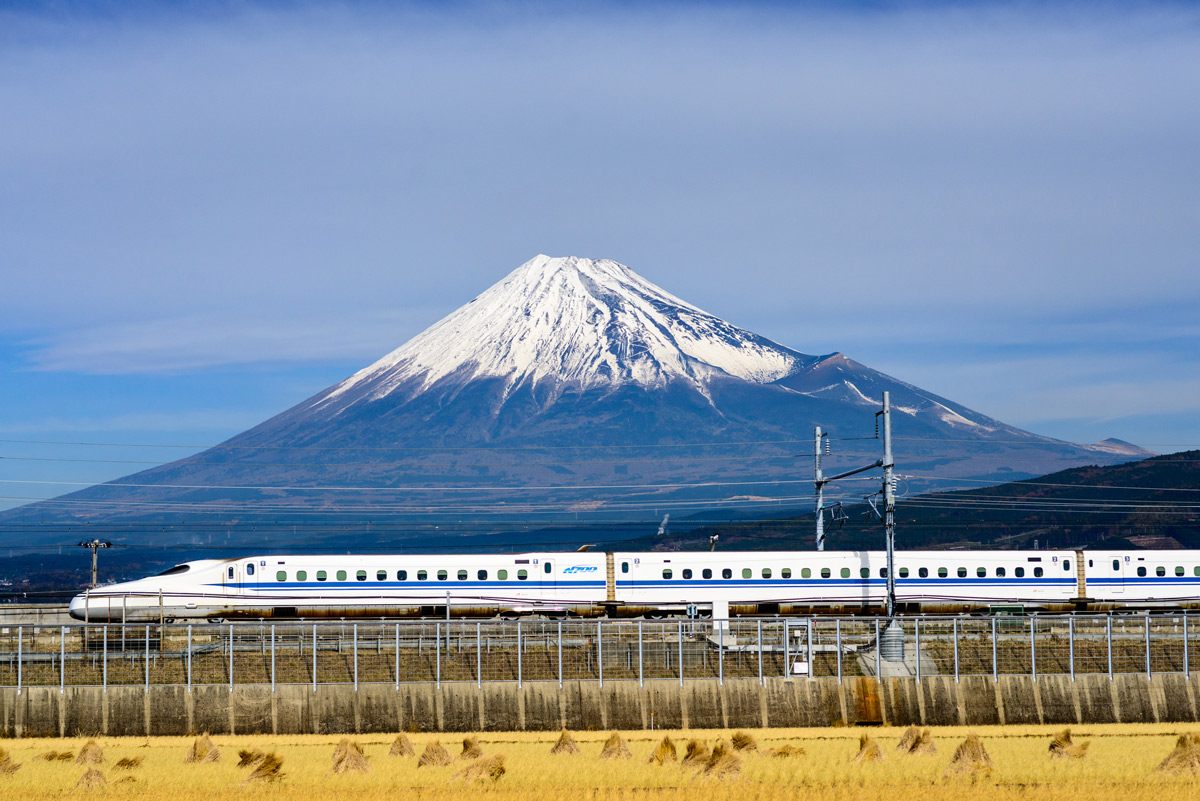
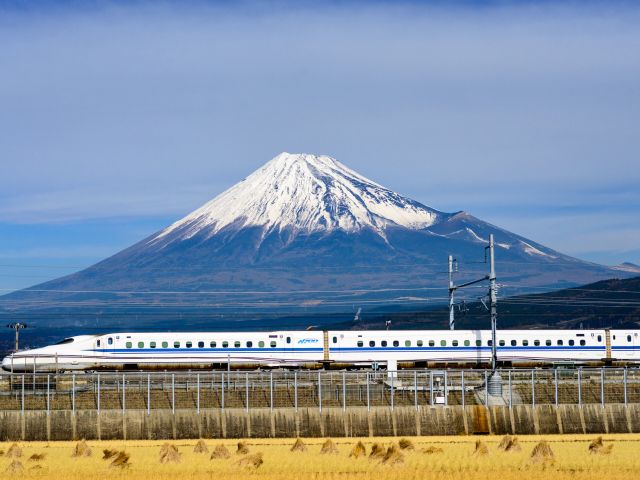
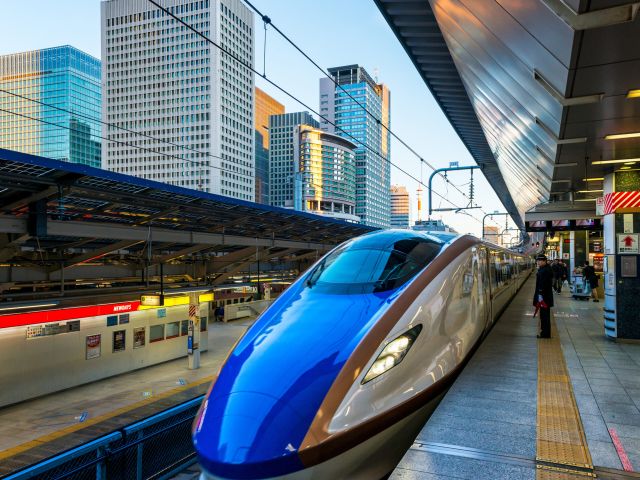
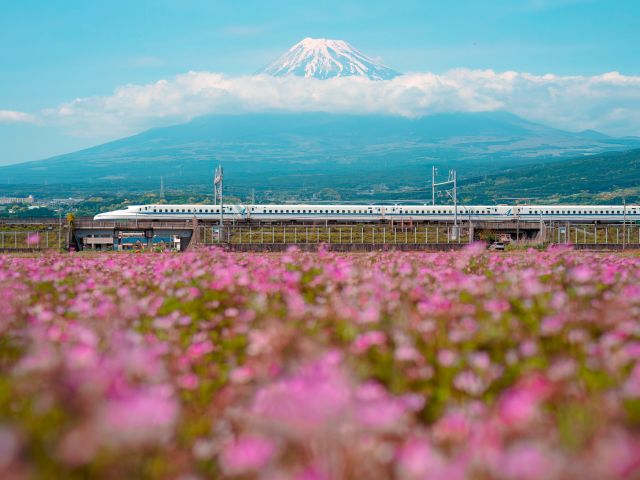
Shinkansen (bullet trains): These super-fast trains travel up to 320 kilometres per hour and take passengers across long distances. They’re ideal for zipping between major cities in a matter of hours.
Limited express, rapid and local trains: These everyday services move within regions and cities, usually relied upon by locals going about their daily routines and commuters.
Other train types you might come across
- Semi-rapid (Commuter Rapid)
- Special Rapid (Shin-Kaisoku)
- Night trains (overnight services)
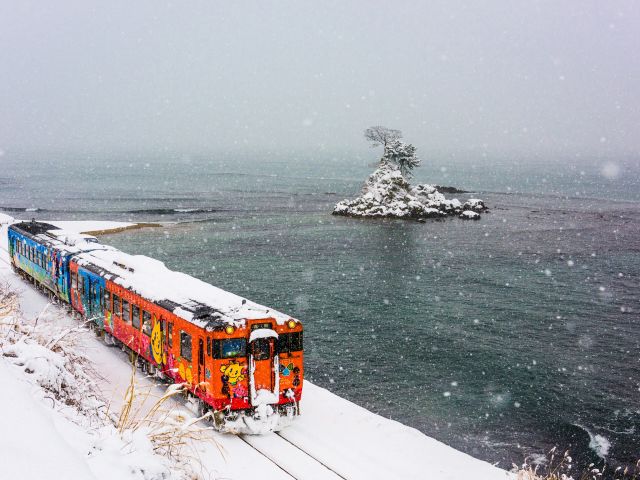
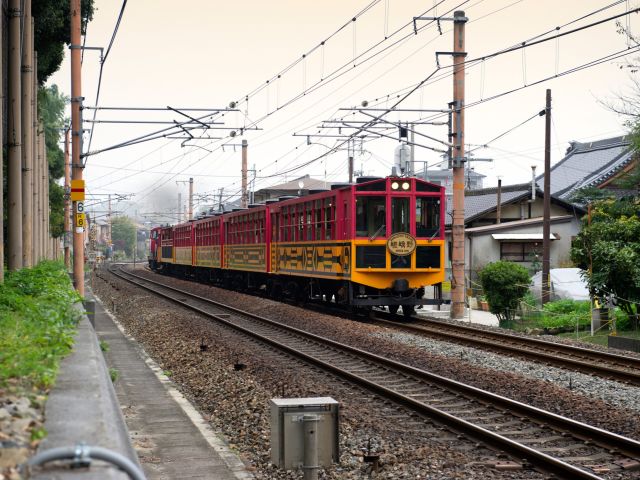
- Tourist/sightseeing trains
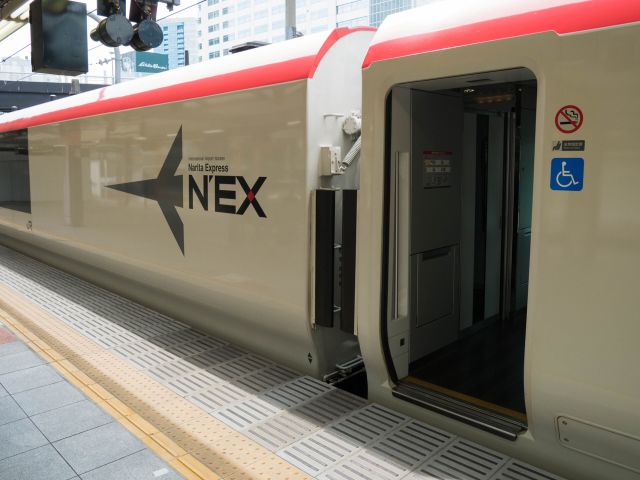
- Airport express trains
- Subways (metro systems)
- Trams/light rail
Private railways vs JR lines
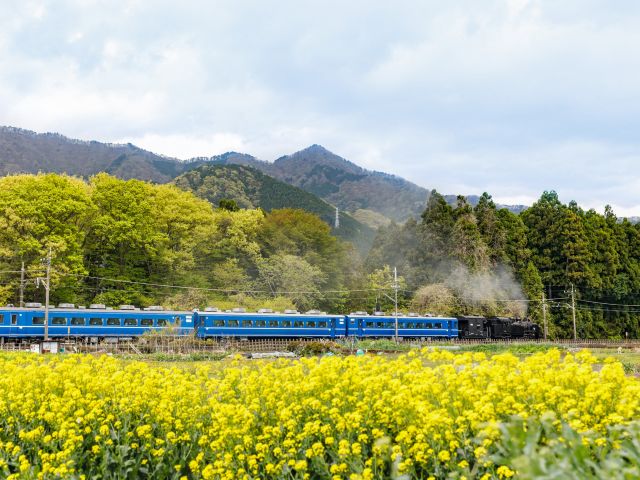
The JR network covers most of Japan, taking travellers to different corners of the country. Within the network, there are six regional operators – JR East, JR Central, JR West, JR Hokkaido, JR Kyushu and JR Shikoku – and it’s relatively straightforward to use all of these networks with a JR pass. This all-access pass lets you access a huge range of trains and long-distance routes for a set number of days.
Private railways are run by independent operators. They typically operate in specific pockets and regions – either where JR doesn’t operate or as a JR competitor – making them more suited to shorter, day-to-day journeys. They’re ideal if you’re planning a visit to a particular neighbourhood or off-the-beaten-path attraction. Some private railways are essential for reaching major tourist destinations – such as the Odakyu Romancecar to Hakone or Tobu Railway lines to Nikko – so they’re often part of longer sightseeing journeys too.
How to use trains in Japan as a tourist
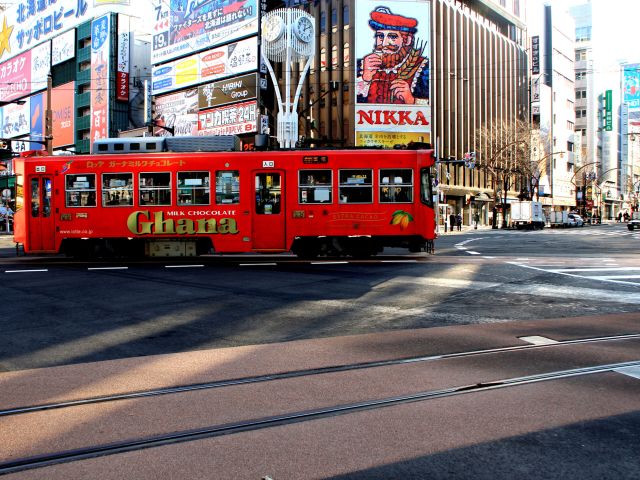
With all the intersecting lines and service variations, Japan’s train system may seem daunting if you’ve never used it before – but it doesn’t have to be. Using the Japan rail system as a visitor is straightforward once you know what to look for at stations and on platforms.
- Plan your route: Google Maps is your best friend here
- Identify the train type and platform: Overhead signage can tell you which platform and departure service you need
- Buy your ticket or tap your IC (Suica/Pasmo) card: Tap-and-go cards make hopping on and off trains effortless. Due to ongoing supply shortages, regular physical Suica and Pasmo cards can be difficult to find. Many travellers now opt for digital IC cards added to Apple Wallet or Google Pay, or pick up tourist versions like Welcome Suica or Pasmo Passport (usually available at airports)
- Navigate the station: Signage is generally intuitive across the busiest and most traveller-friendly parts of Japan, especially big cities like Tokyo, Kyoto and Osaka. Many signs also include English translations (along with Korean and Chinese). If you’re switching to a different train line, you may have to go through transfer gates
- Queue up: Orderly boarding lines are clearly marked on the platform. Ensure you stick to the flow of the queue and stay behind the yellow line
- Board your train: It’s important to let passengers off before boarding.
You’ll quickly notice how efficient and well-organised Japanese train stations are. Soon enough, you’ll be navigating them like an old hand.
When to avoid trains in Japan
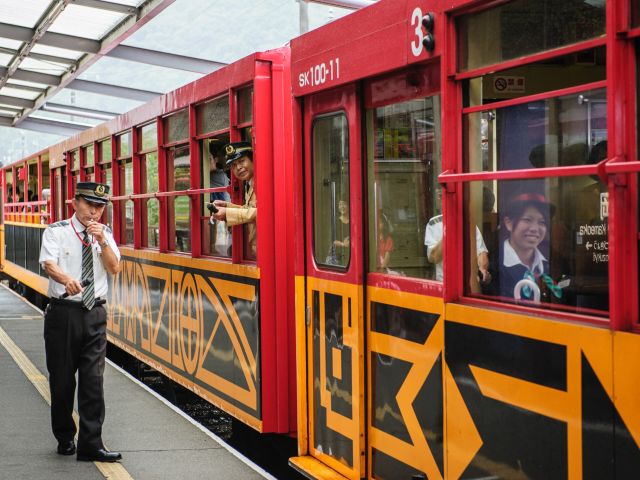
Japan’s cities are nothing if not busy, and that constant motion usually spills into the train stations. This can make travelling a lot more overwhelming, especially if you’re lugging around bulky bags.
If you’re planning your itinerary, it’s worth knowing when Japan rail services are busiest to avoid unnecessary stress. Some of the trickiest times for travelling by train include:
- Peak hour: Usually 7:30-9:30am and 5-7pm in major cities.
- Special holidays: Golden Week (a flurry of national holidays in late April to early May), Obon (a mid-August homecoming period), New Year (a peak travel window as people return home) and cherry blossom season (spring, when the country is in full bloom).
- After midnight: Many services stop around this time before resuming in the early hours of the morning.
Train tickets in Japan
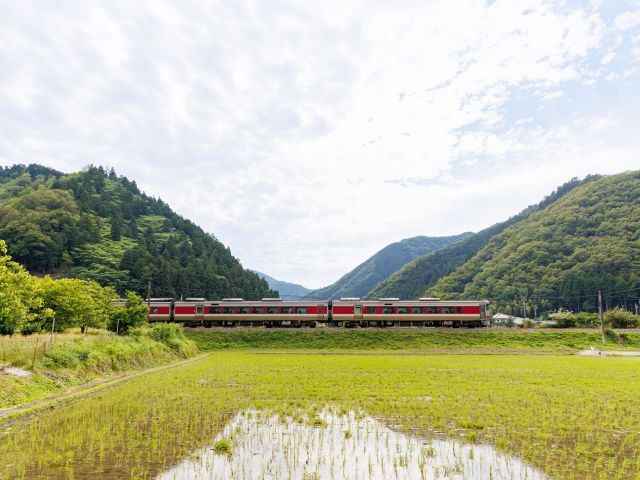
Japan rail ticket prices vary depending on distance, train type and seat class, so it helps to understand your options before you travel.
Standard tickets
Most services have regular train tickets where you pay for a one-way fare from A to B. The cost depends on how far you travel, the type of train, how fast it is and your seating class.
For limited express trains and Shinkansen, there’s typically a limited express supplement. As a general guide, short trips within cities can cost a few hundred yen, while longer Shinkansen journeys (such as Tokyo to Kyoto) typically range from around ¥13,000 to ¥15,000 one way.
IC cards (Suica, Pasmo, ICOCA)
If you want to make getting around Japan feel almost effortless, IC cards are the way to do it. Cards like Suica, Pasmo and ICOCA work on a simple tap-on, tap-off system, letting you glide through ticket gates without having to buy individual fares each time.
They’re widely accepted across most major cities – including Tokyo, Osaka and Kyoto – and even work on some regional train lines, buses and convenience stores, making them a handy all-round travel companion. Simply load your card with credit, tap as you go, and you’re good to travel. For most travellers, IC cards are the easiest way to handle everyday Japan rail journeys in cities, especially when using digital versions on your phone.
City passes
Several major cities – including Tokyo, Osaka and Kyoto – have handy transport passes that unlock unlimited travel on the subway, buses, trams or trains. They’re generally valid for 24 hours, making them a great money-saving option if you’re exploring one city in depth or packing in multiple sights in a day.
This is where things can get a little tricky to untangle. Some city passes only let you travel on the JR network, while others are only valid on the local subway network.
The Japan Rail Pass
The Japan Rail Pass, often referred to as the Japan Rail 7-day Pass in its shortest form, is one of the most well-known options for visitors planning longer trips.
It’s a golden ticket for train travel that lets you travel as much as you like across the entire JR network. It covers all six regions and includes Shinkansen, limited express, rapid and local trains, along with a few other transport connections.
You can choose from 7, 14 and 21 days, and within that period, you’re allowed to take as many trips as you need. The pass also allows you to reserve seats in advance, meaning no queuing at ticket counters and a guaranteed spot. A Green Car upgrade option is also available, which grants you access to first-class carriages.
The Japan Rail Pass is only available to tourists from overseas, so you may need to secure it before you arrive.
Japan rail passes: which one should you choose?
There are several Japan rail pass options available, ranging from nationwide coverage to more targeted regional passes. The best rail pass depends on your itinerary, with each option offering its own mix of convenience, coverage and cost savings:
Japan Rail Pass: This all-access ticket offers unlimited travel nationwide, making it a highly convenient option if you’re travelling across different parts of the country by train. That said, it can be expensive, so it’s worth mapping out your route and calculating how much value you’ll get from it.
JR East Pass: Ideal for exploring Tokyo and northern Honshu, this regional pass covers areas like Nagano, Niigata and Tohoku. It’s a cost-effective pick if your trip is focused on eastern Japan rather than the whole country.
Kansai Wide Area Pass: If you’re basing yourself around Osaka or Kyoto, this pass offers excellent value for travel across the Kansai region and beyond, including destinations like Kobe, Nara, Himeji and even Okayama. It’s a great middle-ground option for shorter regional trips.
Other regional passes: Across Japan, you’ll find a wide range of regional passes tailored to specific areas, from Kyushu to Hokkaido. These can be a smart, budget-friendly choice if you’re planning to stay within one region and want to make the most of local rail networks.
Is the Japan Rail Pass still worth it?
Whether the Japan Rail Pass is worth it depends largely on your route, travel style and how often you plan to use long-distance trains.
After a major price increase a few years back, you might be curious whether it’s even worth getting a JR Pass or paying for individual trips.
The JR Pass can still be a smart option if you’re travelling long distances and exploring multiple cities, giving you the freedom and flexibility to move between destinations on your own timeline without worrying about individual fares adding up.
However, it’s no longer the clear-cut value it once was. Following a price increase of around 70% in October 2023, many common itineraries – such as a return trip between Tokyo and Kyoto or Osaka – are now often cheaper when booked as individual tickets.
To get real value from the pass, you’ll typically need to cover more ground within a shorter period, such as travelling from Tokyo to Hiroshima and back, along with additional journeys in between. The JR Pass, often referred to as the Japan Rail 7-day Pass in its shortest form, remains one of the most well-known options for visitors planning these kinds of fast-paced, multi-city trips.
It’s also worth noting that while the pass covers most JR services, the fastest Shinkansen trains (Nozomi and Mizuho) require an additional supplement fee. Without this, travel is limited to slightly slower Hikari and Kodama services.
If you’re staying in one city or region, you may choose to skip the JR Pass and pick up individual tickets as you go instead, along with local transport passes.
A fare calculator can help you figure out your likely total spend.
Weekly travel news, experiences
insider tips, offers, and more.
Booking Japan rail travel: how it works
There are a few different ways to book Japan rail tickets, whether you prefer to plan ahead or organise things on the go.
How to book tickets
You can book tickets online via official JR websites or third-party platforms, purchase them at ticket machines in stations, or visit a staffed ticket office (known as Midori no Madoguchi) if you’d prefer a bit of help in person.
How to reserve seats
Seat reservations are optional on many services, but recommended for long-distance routes and busy travel periods. For Shinkansen and limited express trains, you’ll usually have the choice between reserved and non-reserved carriages.
If you’re travelling with a rail pass, you can reserve seats at no extra cost either online (for some passes) or at ticket counters and machines. Without a pass, reservations can be made at the time of booking or separately before departure.
Overall, Japan’s rail travel system is designed to be user-friendly and flexible.
Should you book trains in advance for Japan?
Many travellers wonder whether booking Japan rail tickets in advance is necessary, but in most cases, it’s not essential. You can usually turn up and buy tickets right before departure.
But there are a few exceptions. Peak travel seasons (like Golden Week or New Year) and popular routes (such as Tokyo to Kyoto) can book out quickly, so reserving your seat in advance can help ensure you don’t miss out.
If you’re travelling with oversized luggage, a dedicated luggage space reservation may also be mandatory, as it ensures you have guaranteed storage space.
Is first class worth it on Japanese trains?
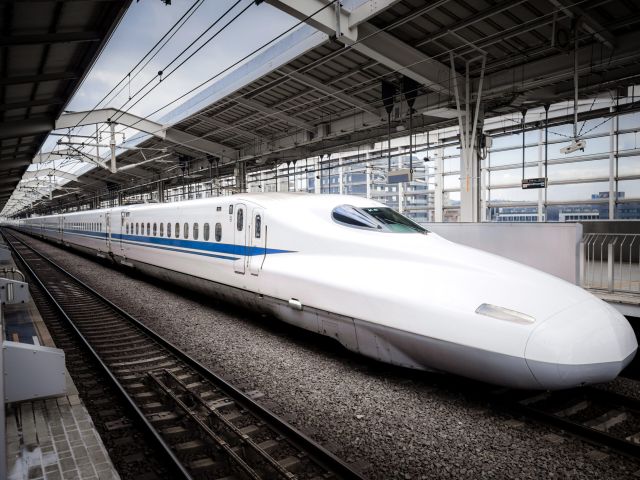
Some trains in Japan include first-class carriages known as ‘Green Cars’.
On top of extra space, plusher seats, better views and fewer passengers, Green Cars often come with thoughtful extras like sweets and drinks (either complimentary or for sale), newspapers, powerpoints and oshibori hand towels. The inclusions vary between train services.
Second-class seats – also known as ordinary seats – are very comfortable and spacious, too, with many able to recline. Food and drinks can generally be purchased on board long-distance trains.
You can generally expect to pay 40-50% more for a Green Class seat. Whether it’s worth it depends on how luxuriously you want to travel. If you’re covering a long stretch of the country or feel like splurging, a Green Car can offer a more elevated, relaxed journey.
Japan rail tips and etiquette
Understanding a few basic etiquette rules will help you navigate Japan rail services respectfully and confidently. Some of the key things to keep in mind as you move your way through Japan include:
- Standing to the side on escalators: While it’s always a good rule of thumb to stand to the side, different parts of Japan have their own rules about which side to stand on. In Tokyo and Yokohama, for instance, you stick to the left, but in Osaka and Kyoto, you stand on the right. That said, many stations – particularly in Tokyo and Nagoya – now encourage passengers to stand on both sides of the escalator and avoid walking for safety reasons.
- Queuing properly: Queuing is a deeply ingrained part of the local culture, so make sure you stick to the designated lines and boarding order.
- Keeping noise to a minimum (including phone calls): Talking loudly is a social faux pas in Japan, so you’ll likely notice trains are very quiet on board. The same goes for your phone; your best bet is to keep it switched to silent, avoid phone calls and use headphones when you’re listening to music or watching videos.
- Avoiding food: Eating in public might be a standard habit elsewhere, but it’s not the done thing in Japan. The exception is when you’re catching a long-distance train. If you are travelling on these services, trying an ekiben (a regional bento box sold at stations) is a classic part of the experience.
- Stow your luggage: Keep your luggage out of the way of other passengers, and avoid blocking thoroughfares or seats. You’ll often find dedicated luggage storage on Shinkansen services.
- Being aware of priority seating: Seats reserved for elderly passengers, pregnant people and those with disabilities should be respected and given up when needed.
Want to see more stories from International Traveller in your Google search results?
- Click here to set International Traveller as a preferred source.
- Tick the box next to "International Traveller". That's it.