
Locals say some of the Japanese capital’s best treats lie beyond the city limits –here’s what you can discover just two hours from Tokyo’s bustling city centre.
As far as travel destinations go, Tokyo is remarkably complete. It moves effortlessly between extremes: cutting-edge technology and tradition, high-energy and deeply calm. There’s world-class dining, relentless retail, layered history, and a nightlife that rarely slows. So, it’s little surprise many travellers never feel the need to leave.
But beyond Tokyo’s fringe, a different rhythm begins to emerge, one that adds depth and meaning to the experience rather than competing with it. An hour or two out and you can start to feel the shift. Neon gives way to nature, density opens into space, and the pace softens. Skylines dissolve into coastlines, building into mountains. With it comes a stronger sense of place – landscapes that feel distinct, grounded and quietly defining.
It can be difficult to step away from the city’s magnetic pull, but doing so reframes it. These day trips don’t replace Tokyo; they expand it. And with an impressive transport network that’s fast, clean, reliable and intuitive, getting there – and back – is all part of the ease.
Here are the best day trips from Tokyo.
Mount Fuji
Approx. 2 hours from Tokyo
Best for: iconic vistas and fresh air
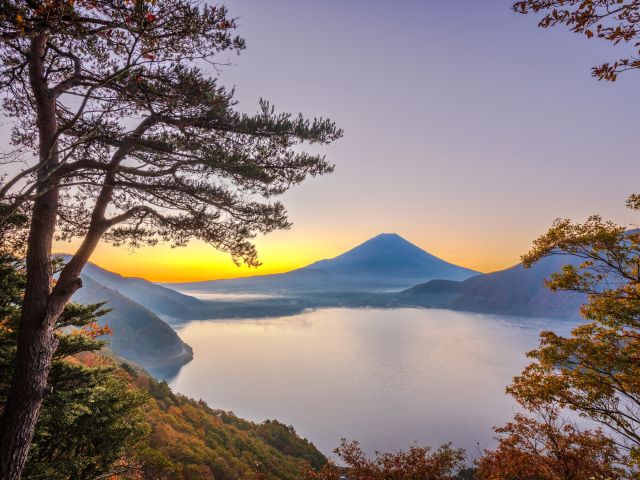
Deeply embedded in Japanese history and identity, Mount Fuji can be seen from any distance and holds a presence that extends way beyond its physical scale. Almost perfectly symmetrical, its conical form shapes the landscape and is both a site of worship and a lasting source of artistic inspiration.
At 3,776 metres, it is Japan’s highest peak, visible from Tokyo on a clear day despite the 100-kilometre distance. Up close, it reveals a more nuanced character – light, weather and season constantly shifting its tone and mood from hour to hour.
The mountain is divided into 10 stations, with paved roads reaching as far as the fifth at around 2,000 metres (depending on the route). Climbing season runs from July to early September, when the ascent can take between five to 10 hours and requires careful preparation. Outside this period, conditions can become unpredictable, and sections close due to avalanche risk. Vantage points such as Lake Motosu-ko offer uninterrupted views, where the mountain can be appreciated in full.
While it works as a day trip, Mount Fuji has implemented strict crowd control measures on certain trails, so be sure to plan ahead. Alternatively, there’s a strong case for extending your stay and checking in overnight. Lakeside stays, and ryokans in the surrounding regions allow for early-morning views, and on a clear day, it’s pure magic.
Hakone Open-Air Museum
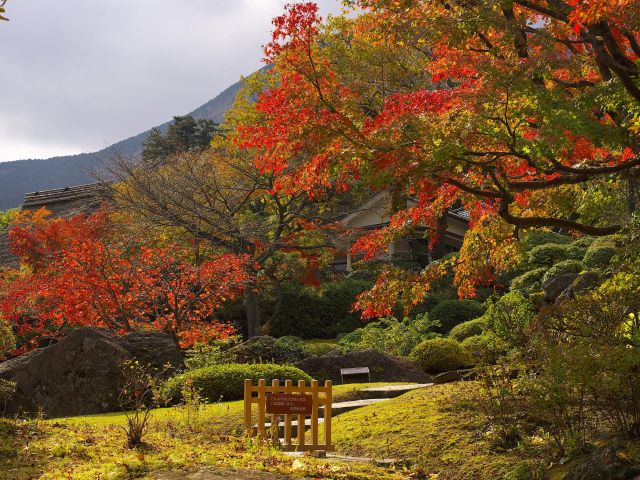
Approx. 90 minutes from Tokyo
Best for: immersive art and hot springs
Hakone is one of Japan’s most established hot spring regions and home to one of its most distinctive cultural spaces: The Hakone Open Air Museum. Designed for art aficionados and history buffs alike, the museum spans roughly 70,000 square metres of rolling, landscaped gardens, where more than 120 Japanese and Western sculptures are set against an idyllic backdrop of mountains and open sky.
World-renowned works by Bourdelle, Rodin and Moore are positioned with intention, each given space to sit within the landscape rather than compete with it. The result is less a traditional gallery and more of a considered outdoor environment, where art and setting are in conversation with each other. The impressive collection leans heavily toward abstract, and deliberately so, with standout pieces including the Symphonic Sculpture, a cylindrical tower that reveals a spiralling stained glass interior. What appears minimal from the outside opens into a saturated, light-filled space that feels unexpectedly immersive. Plus, there’s also a dedicated Picasso Pavilion housing one of Japan’s largest collections of his work, adding depth to the otherwise open-air experience.
To finish, the museum’s hot spring-fed foot bath offers a moment of pause, inviting visitors to slow down. It’s a fitting end to an enriching space, and one that reflects Hakone’s broader appeal.
Nikkō
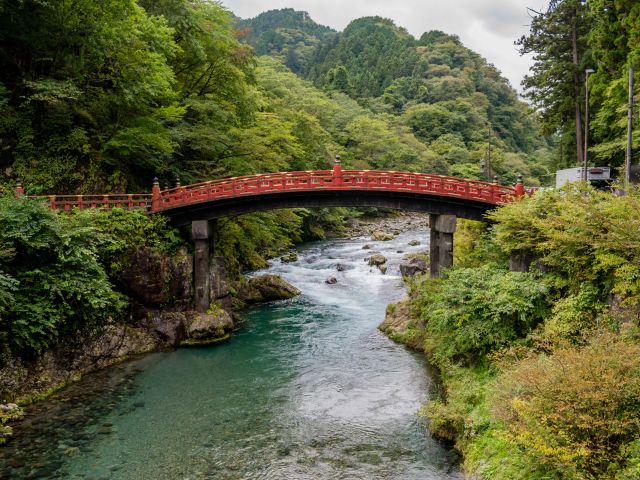
Approx. 2 hours by train from Tokyo
Best for: tranquillity and UNESCO World Heritage-listed shrines
Few places near Tokyo deliver the same sense of scale and stillness as Nikkō. Set against a mountainous backdrop, it’s home to one of Japan’s most ornate UNESCO World Heritage shrine complexes – a destination in its own right – and offers a clear, welcome contrast to the intensity of the city.
Arriving in Nikkō, the shift is immediate. The pace slows, the air cools, and dense forest begins to frame your peripherals. The approach starts at the Shinkyo Bridge, a striking red vermillion structure that marks the symbolic entrance to the sacred area. From there the path leads into the shrine complex, where intricate carvings and gold detailing reveal themselves gradually. Toshogu Shrine, the most elaborate of them, is defined by its meticulous craftsmanship – from famous “see no evil, speak no evil, hear no evil" monkeys to the richly decorated grates that feel almost excessive in their precision.
Beyond the shrines, Nikkō delivers nature at its finest. Cedar-lined walking trails, waterfalls and mountain roads extend the experience, offering space to move at a slower pace, while nearby onsens provide a natural pause and a chance to soak your feet and reset while gazing up at the dramatic and majestic forest.
It’s the balance of culture and heritage set within a broader sense of calm that defines Nikkō. A day trip, yes, but one that feels far removed from Tokyo – Nikkō promises to fill your camera roll and your cup.
Kamakura
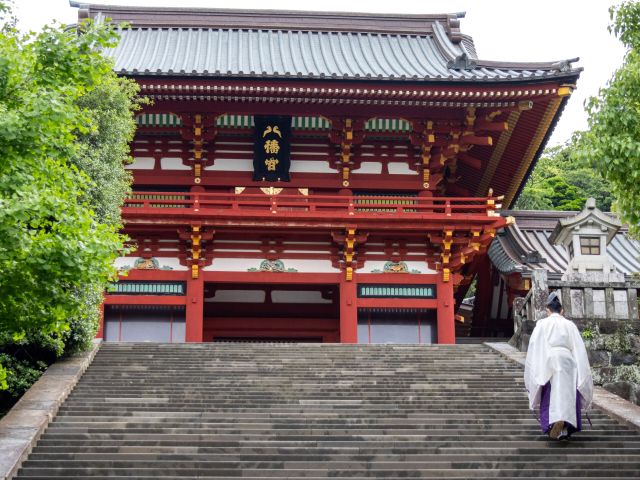
Approx. 1 hour by train from Tokyo
Best for: coastal scenery, beaches and laid-back culture
Often considered a softer counterpart to Kyoto, Kamakura offers a similar sense of history on a more compact, coastal scale. Once the political centre of medieval Japan, it now embodies a more relaxed pace, and is a place where temples and everyday life sit comfortably alongside one another.
From Kamakura Station, a network of streets leads to Tsurugaoka Hachimangu, the city’s most significant shrine, before branching out to quieter temple grounds, wooded paths and residential pockets that feel relatively untouched.
Landmarks like the Great Buddha, a monumental bronze statue, anchor the experience, but it’s the transitions between them that define the day. Bamboo groves, tiny, charming cafes and understated street food vendors create a rhythm that feels unforced and local.
But what sets this “Little Kyoto" apart is its sandy beaches. The salty ocean air and a more casual beachy energy shift the tone here, offering a contrast to the cultural depth found inland.
Close enough to reach in under an hour, Kamakura is less about ticking off sights and more about the laidback pace of life – it’s an easy and approachable escape that few Aussie travellers set out to explore –but certainly should.
Weekly travel news, experiences
insider tips, offers, and more.
Mount Oyama (Afuri Shrine)
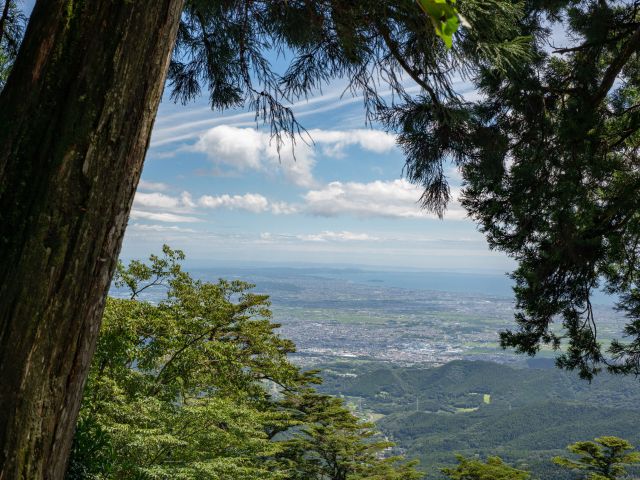
Approx. 90 minutes by train from Tokyo
Best for: nature, hiking and Shinto spirituality
Slightly less crowded than Nikkō or Kamakura, Mount Oyama offers a quieter, more grounded escape from the city bustle.
The approach begins along Kom-sando, a traditional street lined with small eateries and long-standing tofu restaurants – a local specialty. From there, a steep climb leads to the Oyama Cable Car, which cuts through dense forest before giving way to walking trails.
Partway up sits the stunning Afuri Shrine, positioned with sweeping views across the Kanto plain – and on clear days, even all the way to Tokyo. Often shrouded in ethereal mist, it carries a more atmospheric presence than other shrines. The shrine’s name means “rainfall", and it has long been a place of pilgrimage for those praying for rain. In fact, the Oyama Afuri Shrine has been the place where people’s wishes are heard since the time of the gods.
For those trekking on, the summit (1,252 metres) is within reach, rewarding the effort with dramatic views, which sometimes include Mount Fuji.
A short detour leads to Chatodera Temple, where candlelit stone Buddhas and Jizo statues line a more peaceful path. Balancing movement with stillness, it’s an enriching day trip that is less polished but certainly more atmospheric for it.
What is the easiest day trip from Tokyo?
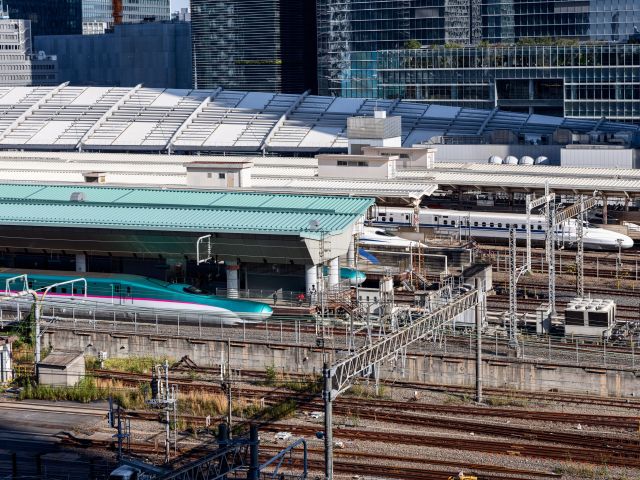
Well, pretty much all of them are easily accessed by train, but some are particularly seamless with fewer connections and shorter routes. Kamakura is the closest by the JR line, with direct trips from Tokyo Central – although you don’t need to go to the major train stations like Tokyo or Shinjuku to get there, making it the easiest.
What is the best day trip from Tokyo via train?
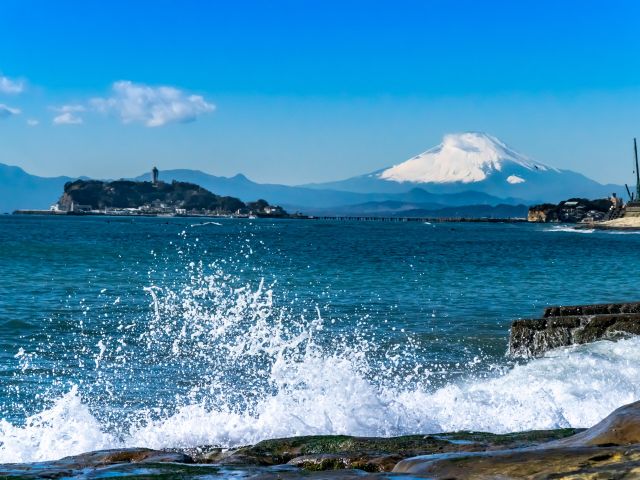
Again, all are pretty accessible by train, but it really depends on the kind of trip you’re looking for. For a stark, coastal contrast, head to Kamakura, which is around one hour by train. For ethereal, mountainous scenery and shrines, be sure to swing by Nikkō, which has direct express trains, or if you’re eager to soak up contemporary art with a slice of culture, head to Hakone, which is a smooth and picturesque train ride from Tokyo.
Want to see more stories from International Traveller in your Google search results?
- Click here to set International Traveller as a preferred source.
- Tick the box next to "International Traveller". That's it.