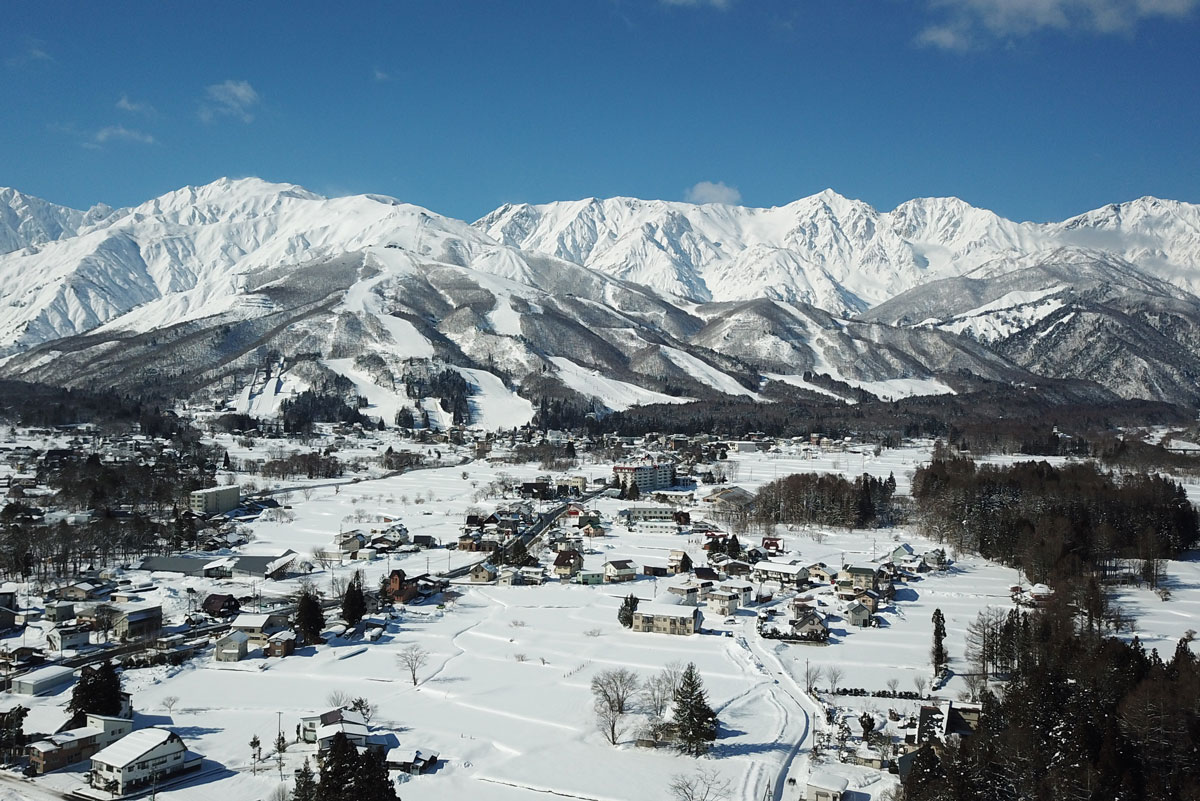
Offering top-performance powder and more than 200 runs, Hakuba is one of the best places to ski in Japan. This Hakuba Valley skiing guide covers everything first-timers need to know.
Hakuba Valley is blessed with Japan’s famously dry and exceptionally deep powder, attracting skiers and snowboarders to its plethora of resorts. Nestled at the foot of the Northern Japanese Alps in the Nagano Prefecture, yet still only three hours from downtown Tokyo, it promises some of the most abundant snow in the country.
Each of Hakuba Valley’s 10 ski resorts has something unique to offer, connected via a comprehensive shuttle bus system. There are resorts for powder hounds, for families, for cruisers and for après-ski lovers, and for those who would like nothing better after a long day on the slopes than to soak in a hot-spring bath, surrounded by alpine splendour.
With more than 100 ski lifts across a variety of terrain, lively après-ski scenes and a multitude of bases to choose from, the only problem with Hakuba Valley is deciding how best to approach it. This Hakuba guide is your one-stop shop to understanding the area, from navigating its ski resorts to lift passes and transport.
How to get to Hakuba
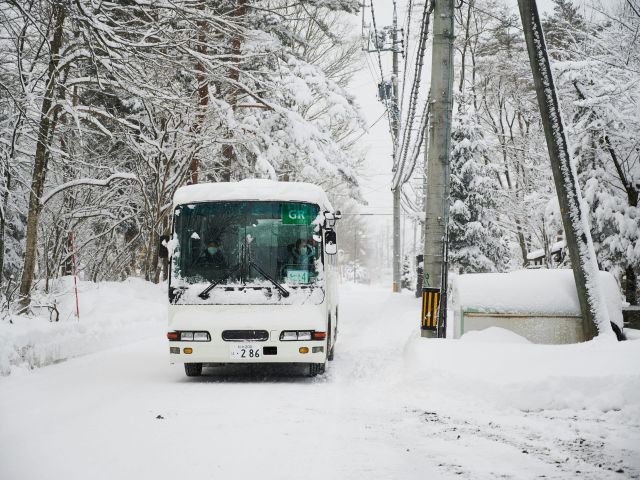
Bus: The Nagano Snow Shuttle is one of the easiest ways to reach the slopes of Hakuba from Tokyo, with no changes required. However, the journey takes around 6.5 hours.
Does the bullet train go from Tokyo to Hakuba?
Train + bus: While there is no direct bullet train between Tokyo and Hakuba, travellers can take the Hokuriku Shinkansen bullet train from Tokyo Station to Nagano and then take the one-hour Alpico bus directly to Hakuba. With the travel time totalling around 4.5 hours, this is one of the most common ways to get to Hakuba from Tokyo.
Train: Alternatively, the East Japan Railway Limited Express Trains run a direct service from Shinjuku, Tokyo, to Hakuba Station, which takes three hours and 40 minutes. From the station, it’s a five- to ten-minute shuttle or taxi to the slopes. Read our essential Japan rail travel guide to learn how to navigate Japanese trains with confidence.
What is the closest city to Hakuba?
Nagano City is the closest major city to Hakuba Valley, situated around 60 to 90 minutes away by public transport.
Hakuba lift pass
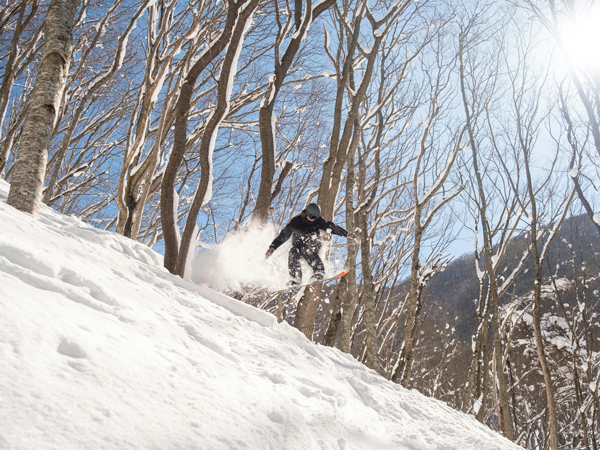
For skiers looking to get the most out of their trip, the Hakuba Valley Lift Pass is a great option. The pass gives you access to all 10 of Hakuba Valley’s ski resorts across the Northern Alps, Hakuba, Otari and Omachi – which includes more than 90 lifts and 200 runs. It also includes complimentary use of the inter-resort Hakuba Valley shuttle bus system for easy transport between the resorts. The cost of the Hakuba lift pass varies depending on how many days you are skiing, with options starting from ¥10,400 for adults (approximately AU $90) and ¥6000 (around AU $52) for children for a one-day pass. For a two-day ticket valid over four days, the price is ¥20,400 per adult and ¥11,700 per child.
Hakuba ski hire
There are numerous places to rent ski gear in Hakuba Valley, including Central Snowsports (which has three stores in Hakuba, plus a free guest shuttle), Rhythm Japan (offering more than 3000 skis and snowboards from top brands) and Spicy Rentals, operating since 1984. All offer pre-booked rental options.
The best time to ski in Hakuba
While you can ski in Japan from November through to March, the best months to go skiing in Hakuba Valley are January and February, when snowfall is heavy and consistent – allowing visitors to experience the country’s famous ‘Japow’ powder. January is typically the busiest time of year due to school holidays. Accommodation prices are generally lower in the second half of February and March.
A guide to Hakuba’s three main bases
Hakuba Valley’s resorts are spread across three municipalities – Hakuba Village, Omachi City and Otari Village. Each provides access to the mountain resorts, and allows you to purchase the Hakuba Valley Lift Pass. Below is an overview of each.
Hakuba Village
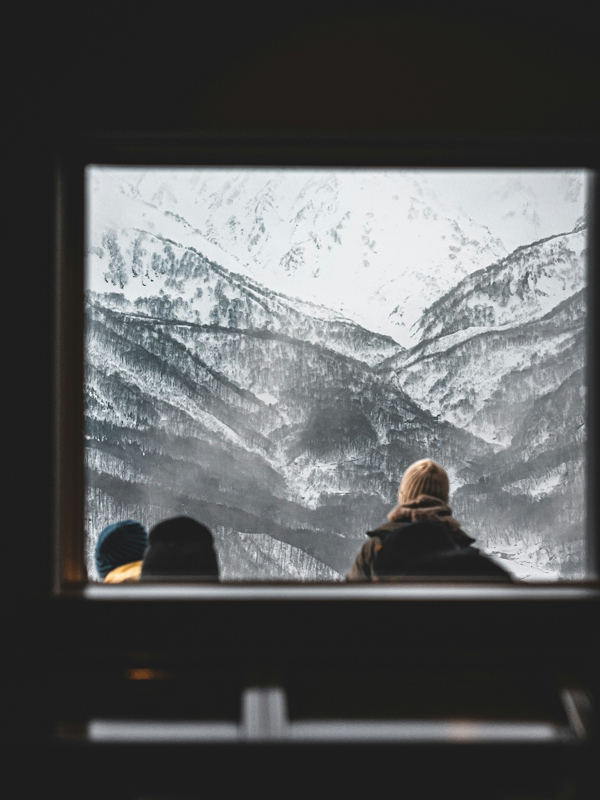
Main draw: accessibility, range of terrain, après-ski scene
Best for: families and English speakers
This is perhaps the most popular base for skiers and snowboarders in Hakuba Valley, with easy access from Tokyo and to the snow itself – especially Hakuba Happo-One Snow Resort. The village is popular with families due to its on-mountain childcare facilities, as well as among expert skiers and snowboarders who love steep terrain.
There’s charm aplenty here, from the quiet, snow-covered streets to the sight of mountains towering above and Sanosaka is ideal for both beginners and intermediates, who will be bowled over by the on-mountain views of Lake Aoki. Arguably the main attraction of Hakuba Village for international visitors, however, is the ease of getting around here, even if you’re new to Japan and are unfamiliar with the culture and language. Hakuba Village is very much foreigner-friendly, with English spoken throughout, including in bars and restaurants, which are very likely to have English menus. Local onsens, or hot-spring baths, are also used to hosting foreign guests.
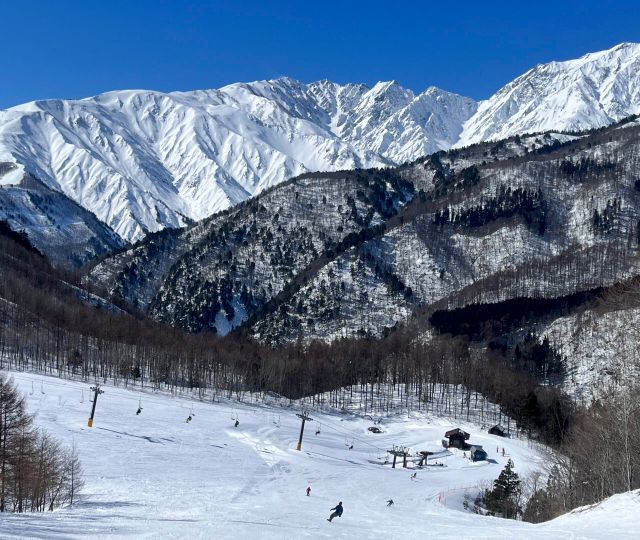
Stay here and you’ll also find it easy to get to the interconnected Hakuba47 Winter Sports Park and Hakuba Goryu Snow Resort, as well as Hakuba Iwatake Snow Field, just to the north. There’s plenty of different accommodation options, too, ranging from deluxe hotel rooms, to self-contained apartments (rare at Japanese ski resorts) to ultra-cheap backpacker-style hostels.
Given its popularity with international visitors, Hakuba Village also has a great après-ski scene: most hotels have bars attached for post-ski drinks, and there are some excellent Western-style pubs and local-style izakaya spread throughout the village.
Omachi City
Main draw: ryokan stays, traditional food, wide runs
Best for: beginner and intermediate skiers and snowboarders
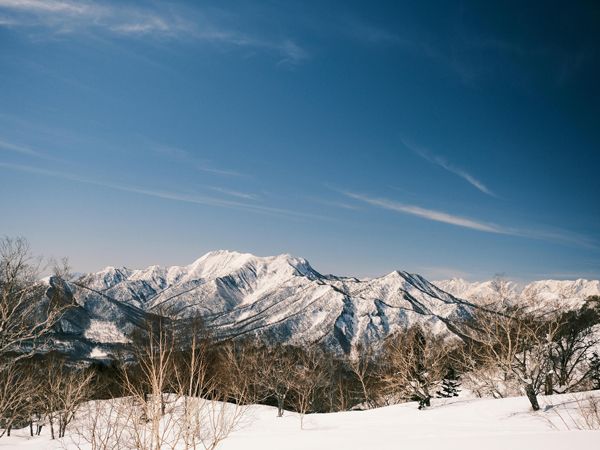
As the name suggests, Omachi City is a much bigger settlement than Hakuba Village, about a half-hour bus ride south. It provides easy access to Hakuba Valley’s southernmost resorts, including Jigatake and Kashimayari. Jigatake Snow Resort is ideal for beginner skiers and snowboarders, with wide, cruisy runs that are never too crowded, while Kashimayari Snow Resort boasts 5000 metres of downhill with stunning views of the Japanese Alps.
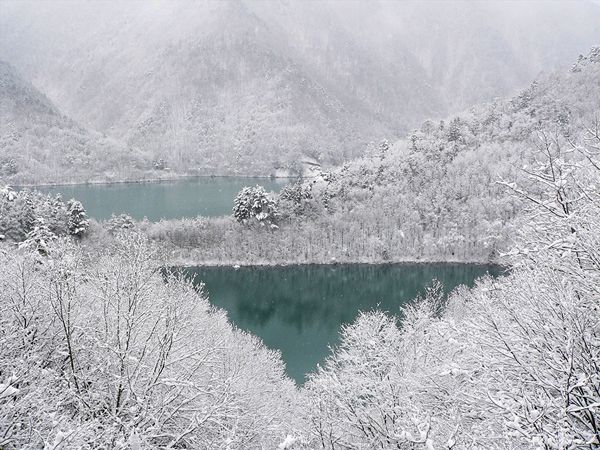
Omachi City itself is a pleasant, friendly place, manageable in size though still with the facilities and conveniences of a city. This is the area to base yourself in if you fancy staying in a ryokan, a traditional Japanese inn, which often has an onsen bath onsite, and provides sumptuous Japanese meals to guests for breakfast and dinner. Many of these ryokans are clustered around Omachi Onsenkyo, a hot-spring district dotted with outdoor hot-spring baths where skiiers relax after a day on the snow.
In terms of nightlife, most visitors head out in the evenings to Shinano Omachi Gourmet Street, a bustling thoroughfare filled with restaurants and izakaya – the perfect place to sample local Omachi specialties such as steamed vegetable dumplings, Omachi-style Japanese curry, and local sake, which is considered some of the finest in Japan. And don’t miss the annual Omachi Dream Fireworks & Sound Festival held every Saturday night in February.
Otari Village
Main draw: deep snow, back country, onsens, peace and quiet
Best for: intermediate and advanced skiing and snowboarding, couples
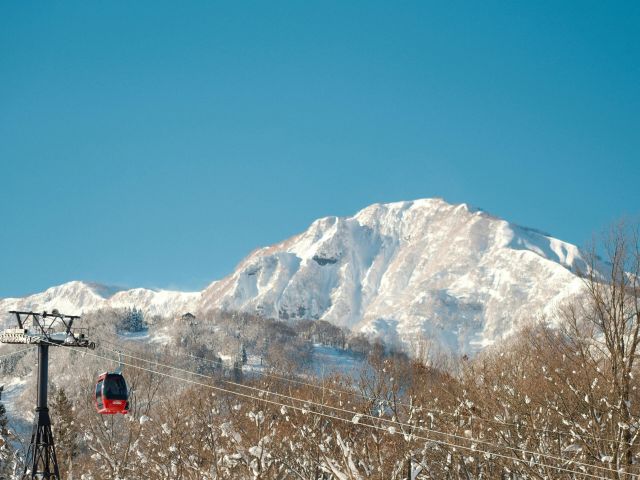
Powder hounds, this is where you want to be. If you’re visiting Japan because you’ve heard stories of waist-deep powder snow, of metres and metres of snowfall week after week, then Otari Village is the perfect place to base yourself.
This is the closest settlement to Hakuba Cortina Snow Resort, which receives the heaviest snowfall of the region – most of Hakuba Valley’s snowfall records have been set here – and thus has the most reliable powder-ski conditions. Cortina is also well known for its back-country access and its tree skiing, and it’s also connected via lift and ski run to Hakuba Norikura Onsen Snow Resort next door. Mt Jigatake is the southern most resorts in the Hakuba Valley and ideal for beginners and novices with wide, easy open slopes.
Otari Village itself is cosy and quiet, the ideal place to relax and take it easy after a big day negotiating powder-heavy runs. There are a range of onsen options here, which all enjoy views of the surrounding alpine splendour. Otari also has a few traditional restaurants, though those seeking more active nightlife can take the evening shuttle bus over to Tsugaike Mountain Resort, about 15 minutes away, to enjoy a few drinks with like-minded après chasers. Otari is the quieter, more traditional side of the Japan ski scene, perfect for couples and families, and it’s a truly memorable experience.
Where to ski: Hakuba Valley’s 10 ski resorts
There’s plenty to explore in Hakuba Valley, including a phenomenal 10 separate mountain resorts. Here’s what makes each one special.
Hakuba Happo-One Snow Resort
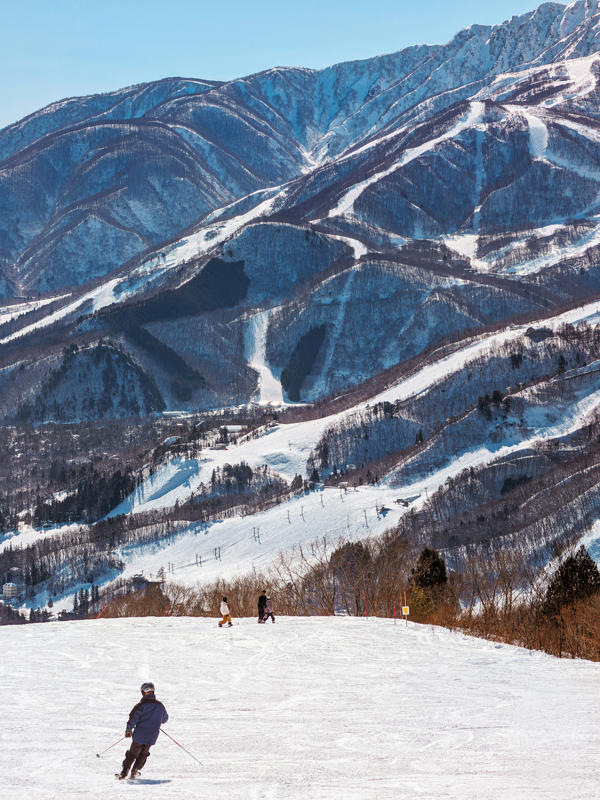
Situated right above Hakuba Village, this is Hakuba’s best known and most popular resort, and the obvious spot to begin your adventuring. Events for the 1998 Nagano Olympic Games were hosted at Happo-One, and the resort is still well known for its steep runs and epic powder – not to mention more than 1000 metres of vertical. Though the resort is best suited to experienced skiers and boarders, there are child-friendly learner slopes here, plus childcare onsite. Happo-One also has the broadest choice of on-mountain food, and a vibrant après-ski scene.
Hakuba47 Winter Sports Park
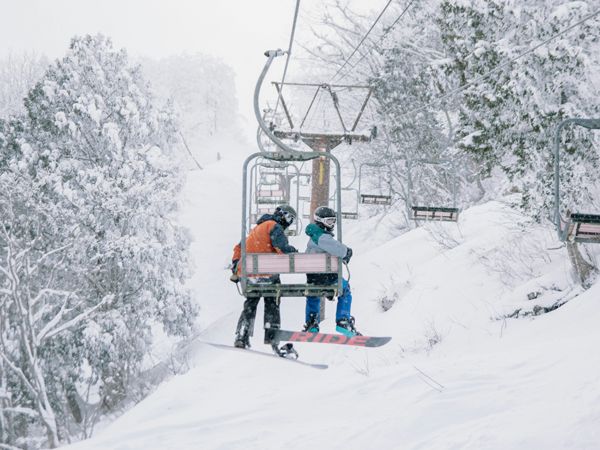
Snowboarders naturally gravitate to Hakuba47 for one of the best terrain parks in the valley. If halfpipes and massive kickers are your idea of a good time, then Hakuba47 is the place to be. This resort features Hakuba Valley’s best terrain park, with jumps and rails and boxes designed for a range of abilities. There’s also some great tree skiing and riding here. Beginners will still find trails to suit at Hakuba47, and there’s an excellent ski school here too.
Hakuba Goryu Ski Resort
Goryu is big: we’re talking three separate ski areas here – Alps-Daira, Toomi and Iimori – as well as direct access via gondola to Hakuba47 resort next door. With almost 1000 metres of vertical to play with, you could ski or ride here for days and not get bored. Goryu is renowned for the quality of its snow, as well as its panoramic views of the surrounding Alps – making it one of the best Hakuba Valley ski resorts. This is a great resort for beginners and families (each ski area has its own childcare facilities and kids’ ski areas), though there’s also plenty of advanced terrain, and a snow park, for the more experienced.
Weekly travel news, experiences
insider tips, offers, and more.
Hakuba Iwatake Ski Resort
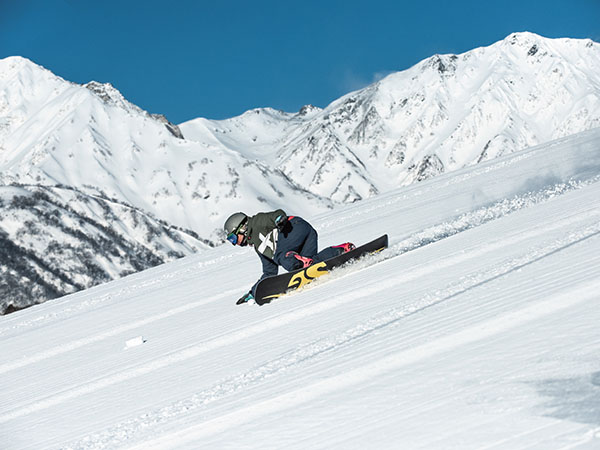
If it’s a clear day, head on over to Hakuba Iwatake Snow Field and take the gondola to the top: the panoramic views are truly jaw-dropping. Regardless of the weather, however, this is an enjoyable, laid-back resort that’s ideal for intermediate skiers and snowboarders, with plenty of wide, gliding terrain that generally remains uncrowded. Highlights here include Hakuba Mountain Harbour, a food and beverage outlet at the top of the resort with incredible views, and Iwatake no yu, the onsen at the base of the mountain.
Tsugaike Kogen Ski Resort
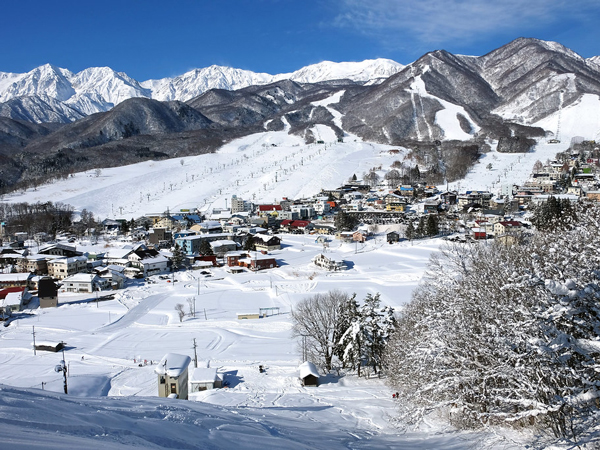
Families, look no further than Tsugaike. This place is paradise for children and beginners, with a huge area of wide, gentle green runs on the lower part of the mountain, and longer greens that run top-to-bottom above. Tsugaike offers multilingual ski schools, on-mountain childcare facilities, and several kids’ play areas, earning it a reputation as one of the best Hakuba Valley ski resorts for families. There are also a few treed runs and a terrain park for those with a bit more experience.
Hakuba Cortina Ski Resort
Cortina is all about snow: bucket-loads of that famous Japanese powder. This resort can receive up to twice as much snowfall as some neighbouring mountains during the season, and reliably delivers the ‘japow’ experience. There’s tree skiing at Cortina, or more open expert and intermediate trails. Cortina does have a reasonable range of beginner runs, too, and boasts ski-in, ski-out accommodation at the 253-room Hotel Green Plaza Hakuba, which also has three restaurants and onsen facilities onsite.
Hakuba Norikura Onsen Snow Resort

As the name suggests, Norikura is known for its hot springs, in particular Hakuba Alps Hotel, right at the base of the mountain. There are other reasons to come here too, not least the reliable powder snow, as well as the on-mountain connection to Hakuba Cortina Snow Resort next door. Norikura is very much family-friendly, with plenty of gentle trails that will suit all abilities, as well as a dedicated children’s area. For more experienced skiers and riders, there’s also a moguls course, and plenty of tree runs.
Kashimayari Snow Resort
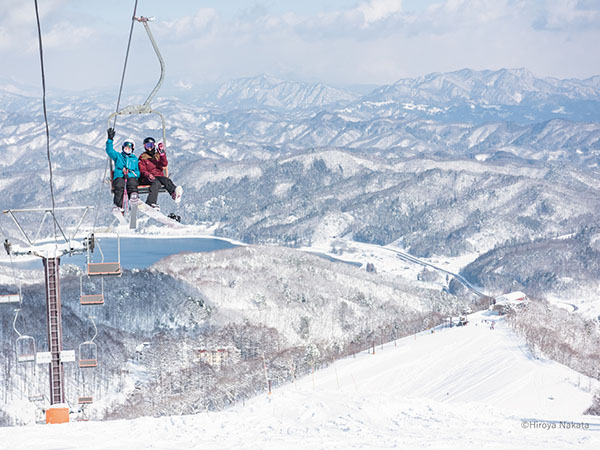
Working our way towards the north, the next resort is a Kashimayari, a local favourite, and one in which you will be able to experience a truly Japanese atmosphere. Kashimayari is a great place to avoid the crowds of some of the bigger resorts. And although it’s compact, there’s 5000 metres of downhill to enjoy here, plus a snow-tubing park. At the base of the mountain, Central Plaza 1130 offers restaurants, shops, accommodation and outdoor onsen baths.
Jigatake Snow Resort
Hakuba Valley’s southernmost mountain resort, Jigatake Snow Resort is perfect for beginners and family groups, with plenty of wide, cruisy runs and a relaxed atmosphere. Those looking to get their hit of adrenaline can always tackle some of the treed runs towards the top of the mountain. However, with a ski lift designed just for children and spectacular views from the slopes over Azumino, this is a great destination for taking it slow.
Hakuba Sanosaka Snow Resort [closed for 2025-26 season)
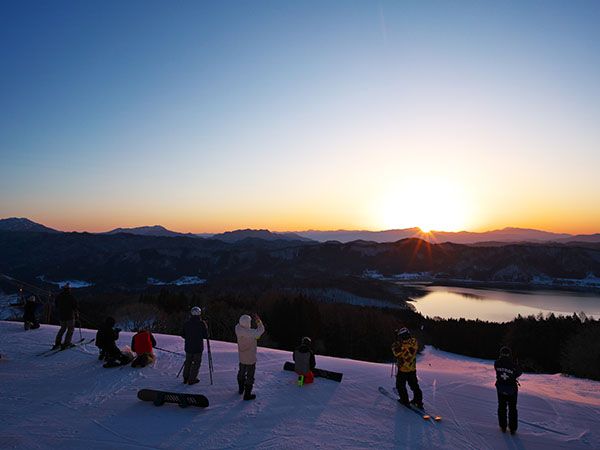
Sanosaka is another quieter alternative to central resorts such as Happo-One. It’s a modest area that nevertheless has plenty to offer beginners and intermediate skiers and snowboarders, with long, gentle runs and a laid-back, local atmosphere – not to mention incredible views over Lake Aoki. Fun fact: Sanosaka is also dog-friendly, so if you fancy meeting a few Japanese pooches, this is the place to do it.
Hakuba Valley travel tips
- Plan your trip for January or February, when snowfall is at its most consistent
- Consider buying a Hakuba Valley Lift Pass for access to 10 mountain resorts
- Book accommodation well in advance, especially in February, as it fills up fast
- Stay in a hotel close to a shuttle bus stop
Want to see more stories from International Traveller in your Google search results?
- Click here to set International Traveller as a preferred source.
- Tick the box next to "International Traveller". That's it.