Be you a thrill-seeker, waterfall-chaser or festival fan, Bali‘s best activities go beyond the usual.
There are plenty of fun things to do in Bali, but some activities have more traveller cred than others, especially when they divert from the well-trodden tourist path. While catching a wave or enjoying poolside villa action are both good reasons to visit the Island of the Gods, tearing yourself away from the usual itinerary can be the difference between a great holiday, and an excellent one.
From cliff-jumping over a waterfall and hiking to the top of an active volcano, to touring a regenerative rice farm and art crawling around Ubud’s creative studios, it’s an action-packed itinerary. Here are some of our favourites.
In short
If you only do one thing in Bali make it: Nyepi. Bali’s ancient New Year celebration includes a Day of Silence whereby the whole island, including the airport, shuts down for 24 hours. The evening before, ogoh-ogoh – demonic statues hand-crafted in each village months before the festivities – are paraded through the streets, ridding the island of bad spirits. It’s a Balinese cultural event not to be missed.
Waterbom, Kuta
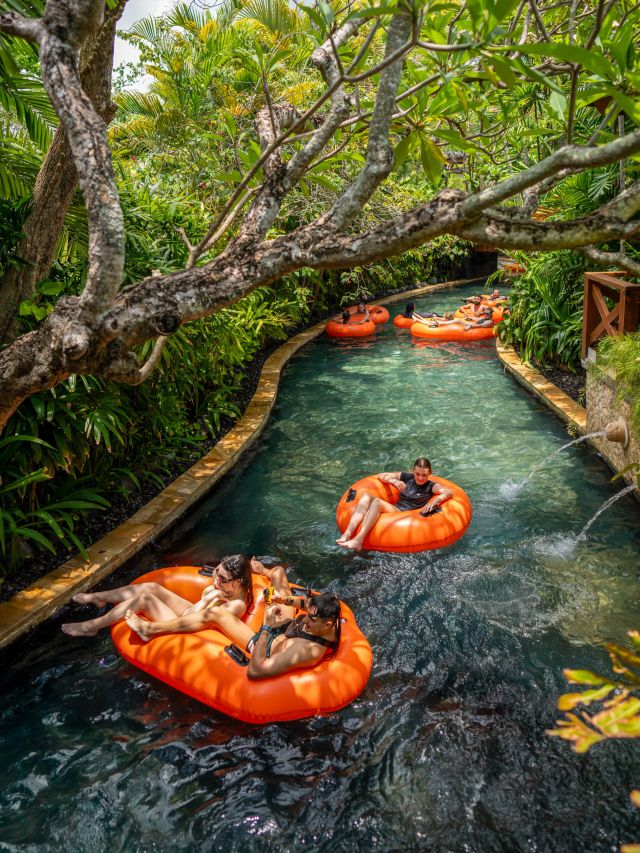
When it comes to water parks, there’s no topping the fun-factor at Bali’s Waterbom. It’s 26 world-class (and award-winning) slides twirl and curl around a 3.8ha tropical landscaped garden, complemented by eateries, activities and poolside recliners.
Families are particularly well catered to with fully serviced cabanas and a spa for grown-ups and, for the kiddos, Coco Garden – a new fandangle waterpark complete with massive overhead bucket water spills.
The best bit? Waterbom is one of Bali’s sustainability success stories. It runs on 100% renewable electricity, composts 97% of its waste on-site, and reduces groundwater consumption year-on-year.
Festivals, Ubud
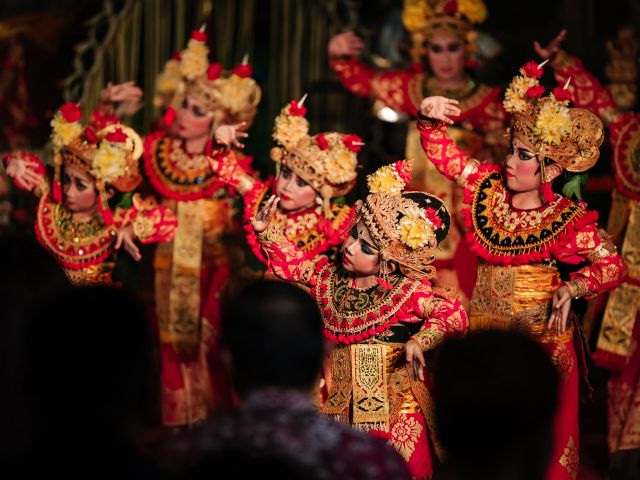
Visiting Ubud when there’s a major festival on ensures easy access to the dynamic cultures and customs of this enigmatic town. Here are three to stick in your calendar:
Ubud Food Festival, at the end of May, is a chance to taste-test some of the Indonesian archipelago’s exceptional cuisine, and get face-to-face with some real live cooking action. Big name chefs host cook-ups and dining events at restaurants around town, and get in early for tickets to farm tours, foodie trails and foraging experiences. Short on time? The festival’s artisan foodie market is a one-stop shop for local eats and treats.
Ceramicists, wood carvers, painters, you name it, in early June, artists across Ubud share their creativity in-person through Ubud Open Studios, a three-day festival with a self-guided ‘art crawl’ format across 60 studios. Consult the catalogue, choose your favourites and start walking and talking art.
Ubud Writers and Readers Festival, held in October each year, attracts an excitable bookish crowd to its main hub on Jalan Raya Sanggingan. Scholars, authors and thinkers from Indonesia, Australia and beyond join talks, panels and workshops on five main stages, and at satellite venues around town.
Hike Mt Batur – Kintamani
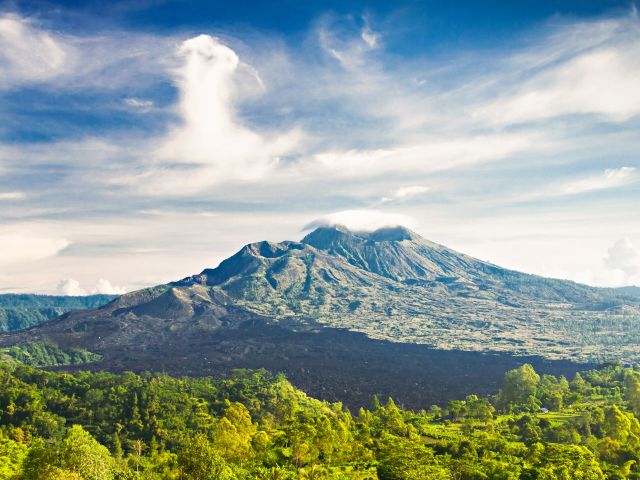
Few hikes in Bali are as rewarding as the sunset ascent of Mt Batur near Bali’s highland town of Kintamani. This active volcano, tipping 1717 metres, last erupted in 2000, spilling black lava down the side of the mountain. Steam, hot enough to cook an egg (I’ve seen it!) still pours out of rock fissures at its peak.
From the top, views stretch over a 13-kilometre-wide caldera ‘bowl’ in which lies Lake Batur, a sacred 7-kilometre-long headwater. Mount Penulisan (1745 metres) Mount Abang (2153 metres) and, on a clear day Mount Rinjani (3726 metres), on the neighbouring Indonesian island of Lombok, can be seen.
Sunrise walks are the most popular, with head-torched tour groups departing at 3am (climbing without a guide is not allowed). The northern summit trail, starting from Toyabungkah is a slow, steady (if gravelly) climb with a moderate incline. For walkers with some level of fitness, it takes about 90 minutes.
White water rafting, Ubud
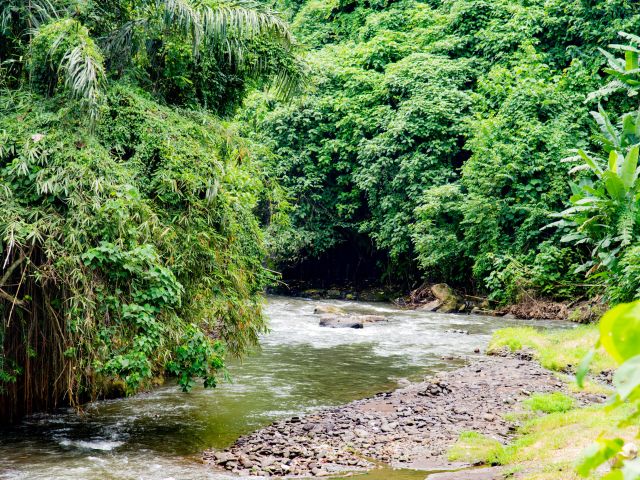
I know at least one luxury resort in Ubud that treats guests to an arrival and check-in via a white water rafting adventure. For the rest of us, Ubud is the hot spot for the activity with plenty of qualified tour companies guiding water-lovers on a 10-kilometre journey down the Ayung, Bali’s longest river.
The Ayung is shallow and rocky creating excellent grade II and III rapids that twist and turn through steep gorges and a tangle of tropical jungle. It’s as much a thrills and spills adventure as it is a way to see an enchanting slice of the island with enigmatic temples, camouflaged resorts and ancient carved walls emerging on the river banks as you pass.
Avoid the wet season and heavy rain because the river level rises and tours are more likely to be cancelled.
Weekly travel news, experiences
insider tips, offers, and more.
Waterfall chasing – Lovina
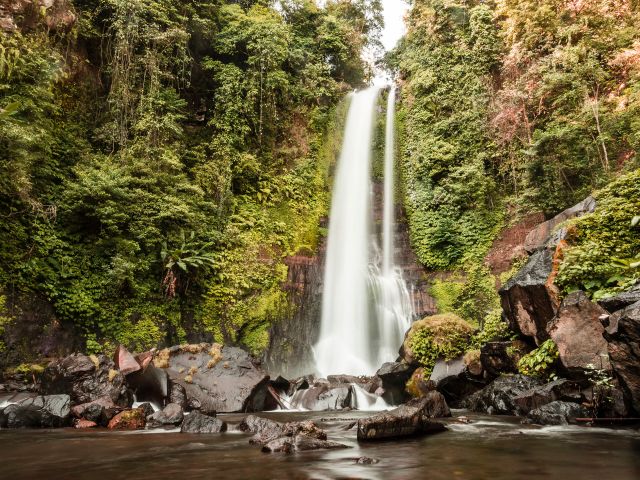
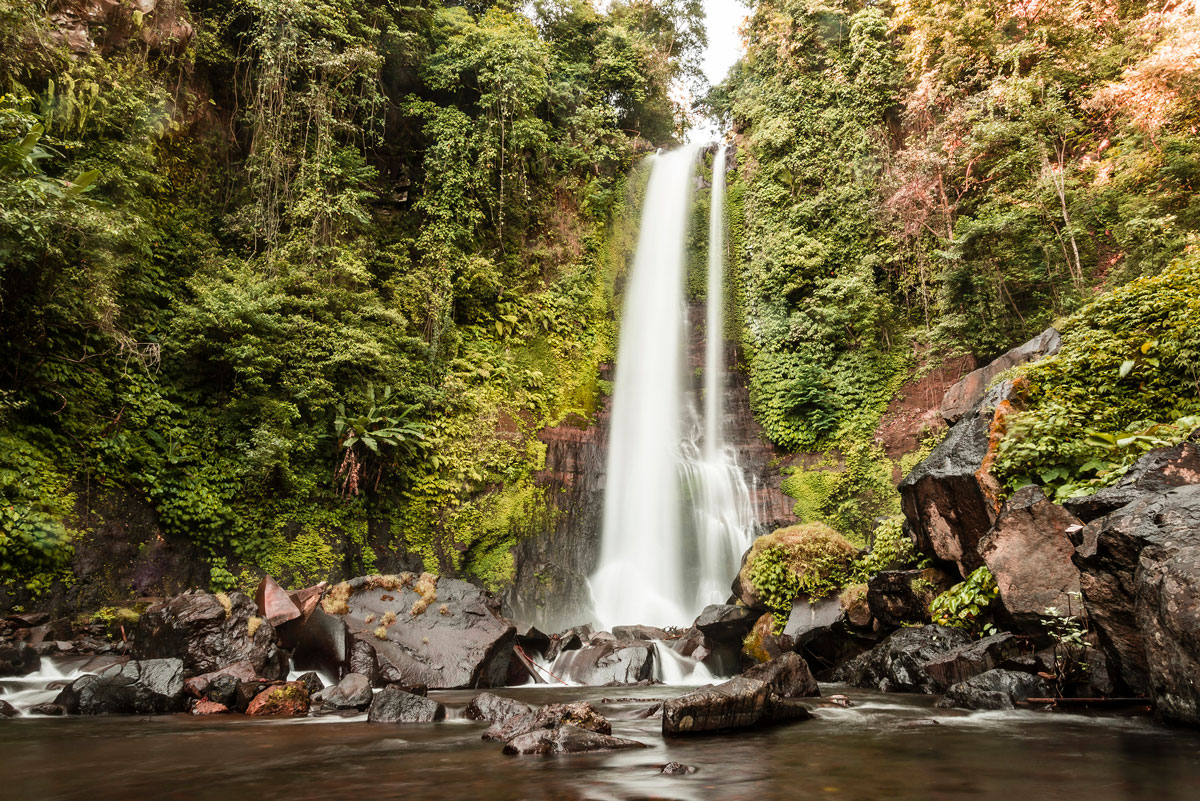
Lovina’s oversubscribed dolphin tours might have fallen out of favour with eco-minded tourists, but the sublime waterfalls inland of this northern beach town remain itinerary highlights. At 40 metres, Gitgit waterfall is one of Bali’s highest, a streak of white water surrounded by thick tropical jungle with a handy wooden viewing platform below it. It’s an accessible short trek from Cempaga Village on a concrete path.
Walking distance from Lovina Beach, Singsing waterfall has two rock-hopping jungle-shrouded drops with refreshing swimming holes underneath. Be warned, the second prettier falls is harder to access than the first. A guide is recommended.
Aling-Aling is the most adventurous. Easily accessible from Sambangan village, it has daredevil 5-metre, 10-metre and 15-metre cliff-jumping platforms. If that doesn’t scare the boardshorts off you, try the natural 35-metre slide down the main waterfall into the picture-perfect turquoise swimming hole below.
Begawan Biji, Ubud
It’s easy to throw the term farm-to-table around but this is one place in Bali that is genuinely true to the cause. On a four-hectare working farm in Bayad village north of Ubud, Begawan Biji’s enchanting Indonesian restaurant, set in a traditional two-storey wantilan, sources its ingredients direct from the surrounding permaculture garden and regenerative rice farm.
Guests can dine on exceptional dishes – including nasi goreng made with wagyu beef, slipper lobster and mansur, a homegrown heritage rice grain native to Bali. To dig a little deeper, guests can sign up for a ‘return to roots’ tour exploring the farm’s photogenic mandela vegetable gardens, 9th-century subak irrigation system and zero-waste philosophy.
Want to see more stories from International Traveller in your Google search results?
- Click here to set International Traveller as a preferred source.
- Tick the box next to "International Traveller". That's it.