I didn’t expect to fall for this historic London precinct
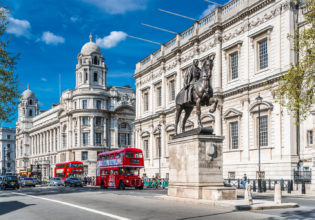
(Credit: Getty Images / Wirestock)
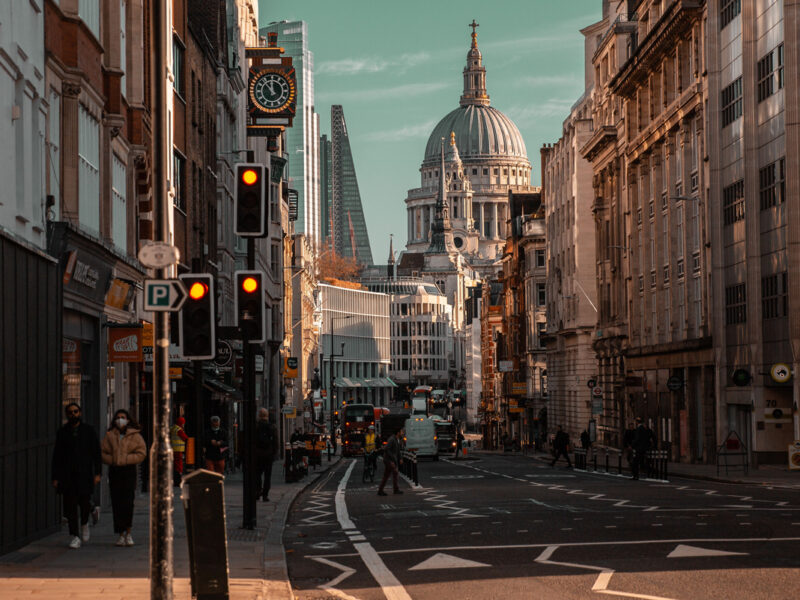
This historic London precinct is having a quiet renaissance, and exploring it felt like stepping into layers of story, flavour and memory.
I did not expect Fleet St Quarter to move me as much as it did. I knew it would be historic, of course. This is, after all, the home of British journalism, where newspapers were once printed through the night and the stories that shaped the nation were written. But what surprised me most was how alive it feels today. It is not just a place you visit for history. It is a place you experience, layer by layer, through food, storytelling and deeply human connections to the past.
Over 48 hours wandering its narrow lanes and hidden courtyards, I realised Fleet St Quarter is less about ticking off sights and more about immersing yourself in stories. And there are plenty to uncover.
Walking through journalism’s beating heart
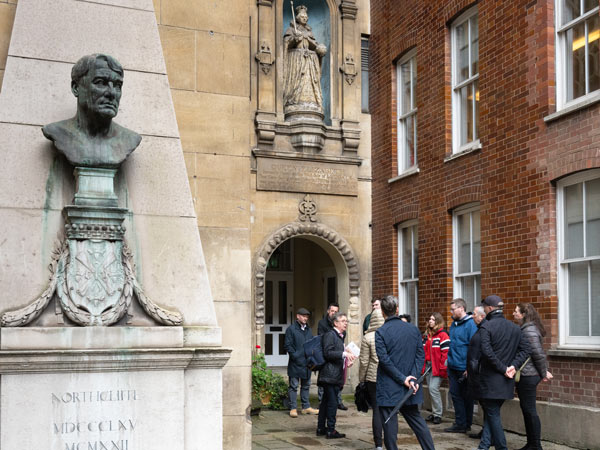
The London Spy walking tour of Fleet St Quarter was intriguing. (Credit: Mickey Ling-fan Lee)
One of the highlights of my time in Fleet St Quarter was joining a walking tour with David Harry, better known as The London Spy. It turned out to be one of those experiences that stays with you long after you leave.
It was absolutely pouring with rain that day. The kind of relentless London rain that soaks your shoes and makes you question your life choices. Yet despite the weather, a surprisingly large group gathered, drawn by David’s reputation as a storyteller. And from the moment he began the tour, it was clear why.
David worked in the Square Mile for more than 25 years, and later changed careers to follow his passion for history, qualifying as a prestigious London City Guide and later as a City of Westminster guide. That background gives him a unique perspective. He doesn’t just know the history; he understands how the city works, how it has evolved and why its stories matter.
As we moved through hidden alleys and historic sites, he brought Fleet Street’s past vividly to life. His storytelling style is engaging, detailed and deeply enthusiastic. Even in torrential rain, he held everyone’s attention effortlessly. You could tell how much he loves London and how genuinely he wants to share that joy with others.
A deeply human literary legacy
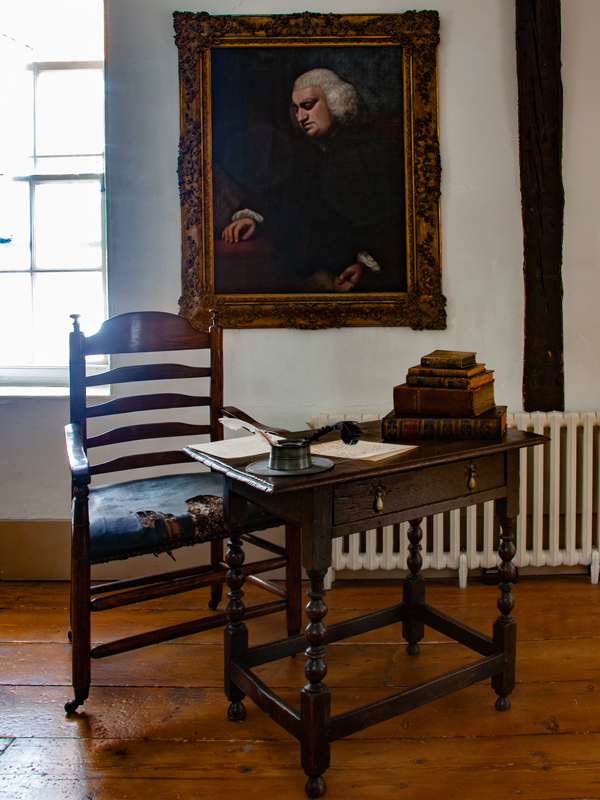
The writing desk where Dr Johnson allegedly wrote his groundbreaking dictionary. (Credit: Supplied)
The most surprising part for me came when I visited Dr Johnson’s House. Before going, I have to admit I knew very little about Samuel Johnson.
The house itself is beautifully preserved, intimate and atmospheric. Walking through its rooms feels like stepping directly into the 18th century. But what struck me was learning about Johnson himself.
He was complex, brilliant and far ahead of his time. He faced significant personal struggles throughout his life, yet remained deeply compassionate and committed to intellectual honesty. As a journalist, I found his story especially powerful. He believed fiercely in the importance of language, truth and thoughtful debate.
Standing in the rooms where he compiled his groundbreaking dictionary, I felt unexpectedly emotional.
Eating my way through a new culinary chapter
Fleet St Quarter’s evolving dining scene was a highlight. Beyond the historic pubs, some of London’s most interesting new restaurants are quietly settling into these centuries-old buildings.
CORD
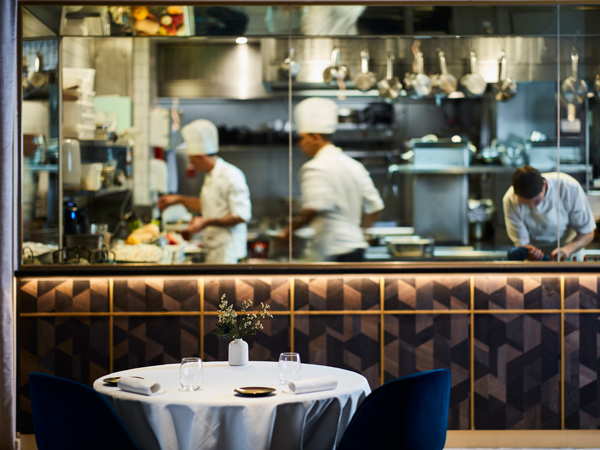
Enjoy refined dining at CORD by Le Cordon Bleu.(Credit: Supplied)
My first dining experience here was at CORD by Le Cordon Bleu, and I went all in with the tasting menu. The restaurant sits inside a beautifully restored heritage building, and walking in feels like stepping into something refined but never intimidating.
The tasting menu itself felt like a masterclass in balance and technique. Each course was elegant without being overly complex, allowing the ingredients to shine while still delivering moments of surprise. It made me slow down and pay attention, not just to flavours but to textures, presentation and pacing. You can feel the legacy of Le Cordon Bleu in every dish, yet the experience still feels modern and approachable.
Leydi
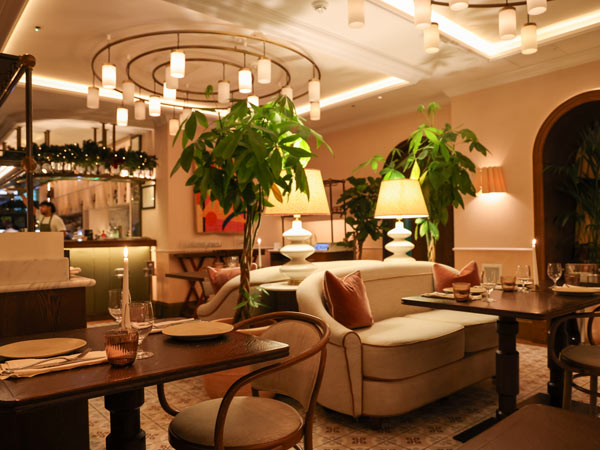
Leydi’s ethos is built around sharing. (Credit: Emily Murphy)
If CORD represents culinary precision, then Leydi represents pure warmth and generosity. This Turkish-inspired restaurant is vibrant, welcoming and built around sharing, which immediately changes the mood from formal dining to something more joyful.
I started with marinated olives bursting with garlic, oregano, coriander seed and lemon. They were simple but intensely flavourful. The hummus with chilli butter, served with soft Turkish bread, was deeply comforting, creamy and just spicy enough to keep you reaching for more.
The standout, though, was the Sultan’s Delight: slow-cooked Westholme wagyu paired with smoked aubergine and cheese purée. It was rich, indulgent and incredibly tender, and I couldn’t stop myself from devouring the whole plate.
I finished with pistachio and chocolate ice cream alongside a seasonal sorbet, which felt like the perfect sweet, playful ending.
Where to stay nearby
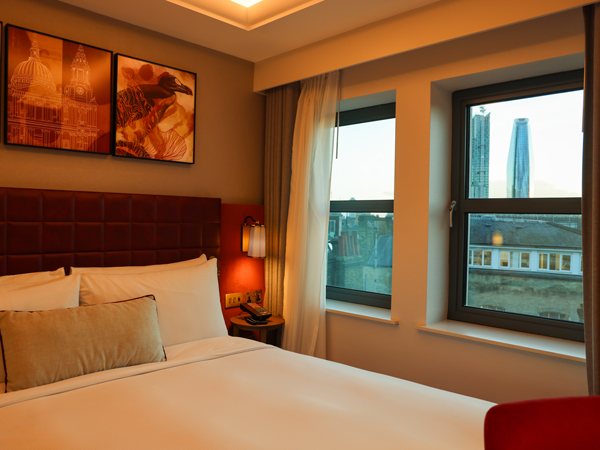
Lost Property St Paul’s is a great base. (Credit: Emily Murphy)
If you’re planning to explore Fleet St Quarter properly, staying nearby makes all the difference. I based myself at Lost Property St Paul’s London, which sits right in the heart of the area, making it easy to wander between historic sites, restaurants and hidden corners without rushing.
It’s the perfect base for immersing yourself in this neighbourhood, where every street seems to hold another story waiting to be discovered.
Why Fleet St Quarter deserves your time
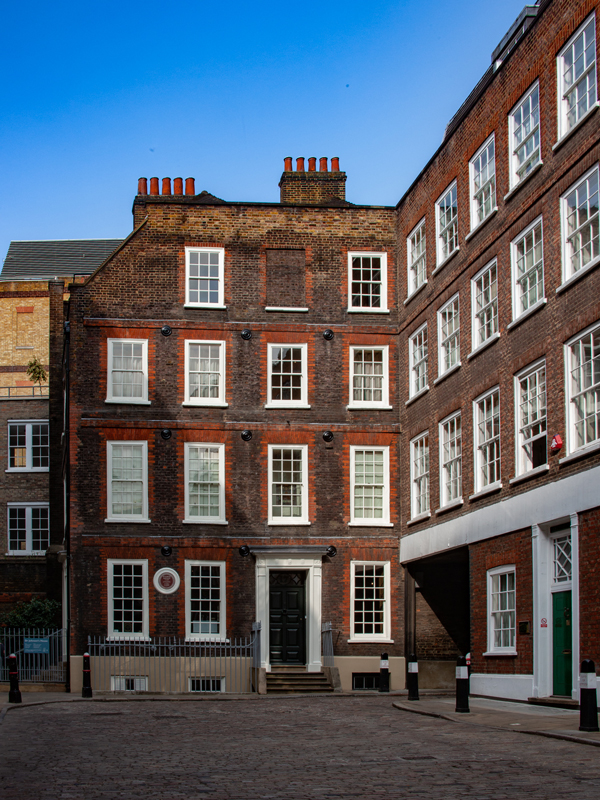
Fleet Street feels especially meaningful for anyone who works with words. (Credit: Supplied)
What makes Fleet St Quarter special is not just its history or its new restaurants. It’s the way everything here feels connected by storytelling.
You can dine in a cutting-edge restaurant inside a centuries-old building, then walk a few streets and stand in the home of one of Britain’s greatest literary figures. You can listen to a passionate guide bring the past to life while rain pours down around you. It’s a place that invites you to slow down, look closer and let the stories unfold.
By the time I left, I realised Fleet St Quarter is not just about London’s past. It is about the ongoing act of storytelling itself, something that feels especially meaningful for anyone who works with words.





LEAVE YOUR COMMENT