The travel styles defining how we holiday now
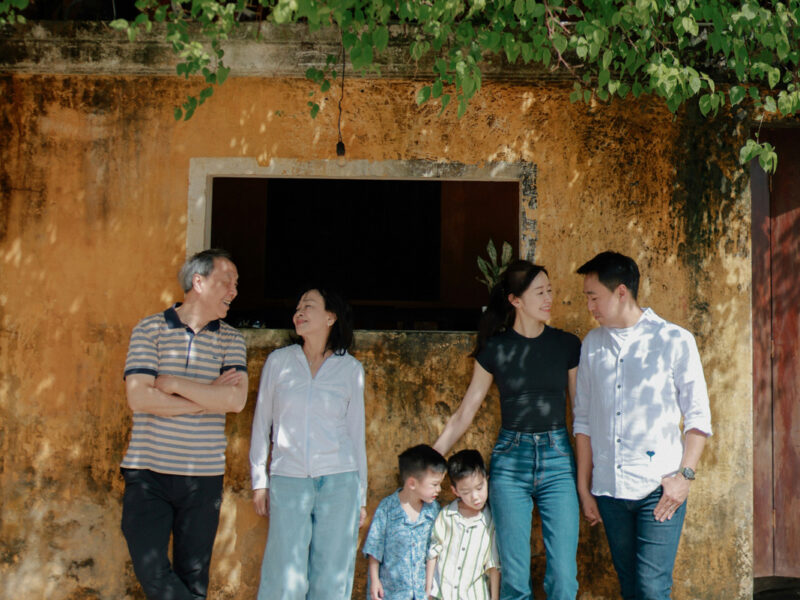
Multigenerational travel is increasingly important to family travellers. (Credit: Da Nang - Hoi An photographer)
From quiet travel and analogue escapes to multigenerational trips and stargazing, discover the dominant trends shaping how people are travelling today.
The world around us shapes the way we travel – from obvious factors like the economy and global events, to social influences like seeing everyone share the same destinations on social media.
In 2026, it’s no surprise that many booming travel trends reflect a desire for peace and quiet. In a world where we’re almost always plugged in – scrolling social media, checking work emails or following the news – information overload has become the norm.
Quiet travel and analogue escapes are entering the zeitgeist, the new iterations of the long-burning slow travel and wellness travel trends.
Slowing down and switching off – quiet travel and analogue escapes in the spotlight
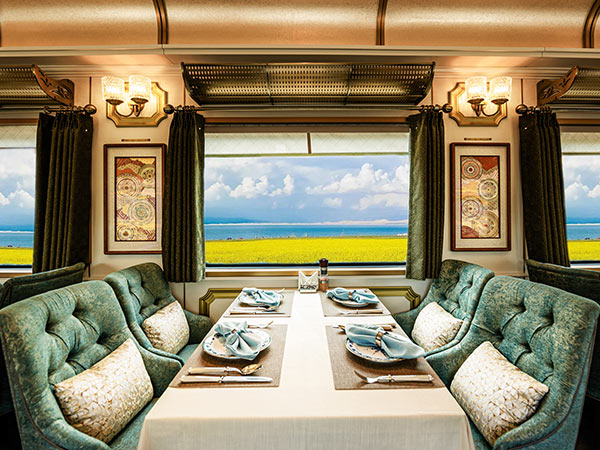
One of the most storied landscapes for rail travel is the Silk Road. (Credit: Supplied/Geographic Expeditions)
Quiet travel means blocking out the noise, literal and metaphorical, in the hopes of being more present and connected. It typically means heading to rural, secluded locations over bustling cities – also a welcome solution to growing overtourism in popular places like Japan, where the famous Cherry Blossom Festival in Fujiyoshida was cancelled in an effort to keep the 200,000-odd yearly attendees from disrupting local life.
But what about travellers who enjoy the busyness and people watching of a city, but still want to spend their holidays switched off? Enjoy an analogue escape. Wherever you are in the world, this evolution of quiet travel is about disconnecting from all digital technology, opting instead for time offline.
Slow journeys are another strand of the same thread, showing that travellers aren’t just craving digital escape, but also a chance for a deeper immersion into fewer locations, rather than rapid sightseeing and a crammed itinerary. It’s almost the anti-FOMO movement.
Given this clear, overall craving for slowing down mentally and physically, it’s not surprising then that travelling by luxury train is on the rise as we continue into 2026.
Natural wellness and social connection – bathhouses, spas and mindful outdoor escapes
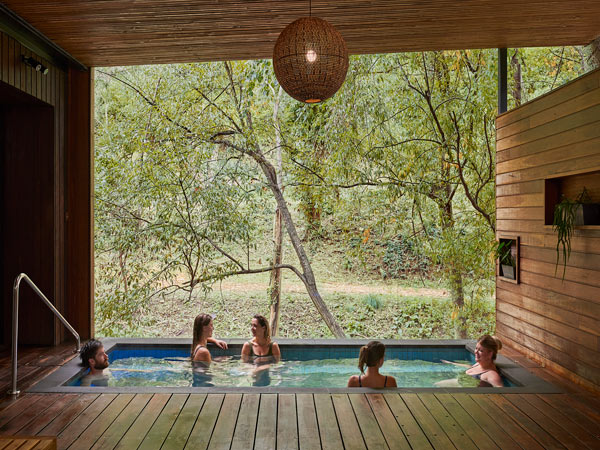
Indulge in pure, mineral-rich waters at Hepburn Bathhouse and Spa. (Credit: Supplied/Hepburn Bathhouse and Spa)
Travelling for wellness isn’t going away any time soon – and it goes hand in hand with a slower pace of travel – but it is morphing into a more social occasion as bathhouses continue to open around Australia, and the world, filling the place of the urban ‘third places’ (a term coined by Ray Oldenburg in the early 1990s referring to spaces for socialising outside of home or work).
Another way to stop and soak in the world around you is astrotourism – a trend that’s been on the rise for the last three to five years. In 2026, a series of celestial events has resulted in predictions of a surge in this type of travel. The solar maximum (a peak in the sun’s 11-year solar cycle) means the northern lights displays are more vibrant than ever. There’s a total solar eclipse in August, and this year’s Perseid Meteor Shower coincides with a new moon, meaning the shooting stars have the sky to themselves and should be more visible.
Set-jetting and literary adventures – from period dramas to author-inspired trips
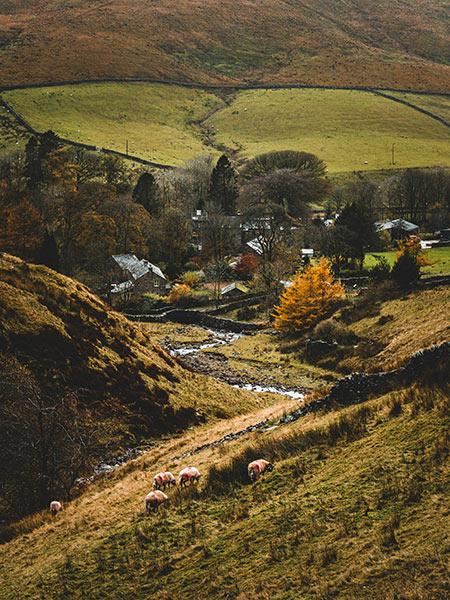
The dramatic backdrops of the Yorkshire Dales National Park featured in Wuthering Heights. (Credit: Illiya Vjestica)
It’s not just slowing down that’s influencing why we travel. Set-jetting is still very much a trend, thanks in no small part to period dramas such as Bridgerton and Wuthering Heights, with their dreamy historic architecture and moody landscapes brought to life onscreen. But it’s literary travel that is really booming right now. Travellers are swapping film sets for places associated with their favourite authors, books, series or literary events. Think Shakespeare’s birthplace in Stratford-upon-Avon, Harry Potter tours in London or the popular Jane Austen Festival in Bath, UK.
Playing along or cheering on – sports tourism, marathons and live events
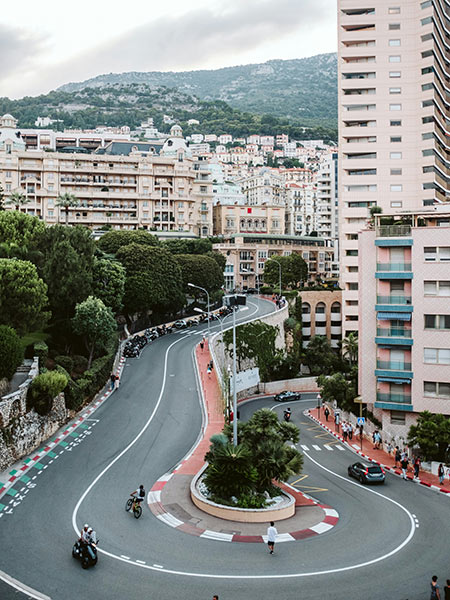
More Formula One fans are travelling across the world for races. (Credit: Filipp Romanovski)
Sports events are another big pull in 2026, both for travellers wanting to participate (marathons and fun runs are only increasing in popularity) and those only wanting to watch the professionals.
The Australian Open already had crowds arriving in Melbourne earlier this year. Then the Winter Olympics dominated social media feeds and lured travellers to Italy. Drive to Survive has changed many opinions on Formula 1, and in 2026, the season opener is in Australia (with Madrid, Las Vegas, Monaco and more to follow).
ALL Accor’s new 2026 travel research found that 89 per cent of respondents booked trips based on live events, and they booked accommodation based on how it would enhance these live experiences.
Reconnecting with roots – ancestry travel uncovers family heritage

Ancestry travel is a rising trend. (Credit: Therese Photo)
Then, of course, there’s the age-old drive of travelling for connection, only now it’s a drive to reconnect with one’s own family history. Ancestry travel is about finding family roots, wherever in the world they may be. The drive for this could be pop culture influences, like the TV show Who Do You Think You Are? But it does also feel like a natural outcome from the feeling of disconnection to the real world that is driving our need to slow down.
Multigenerational trips – from family holidays to skip-gen adventures
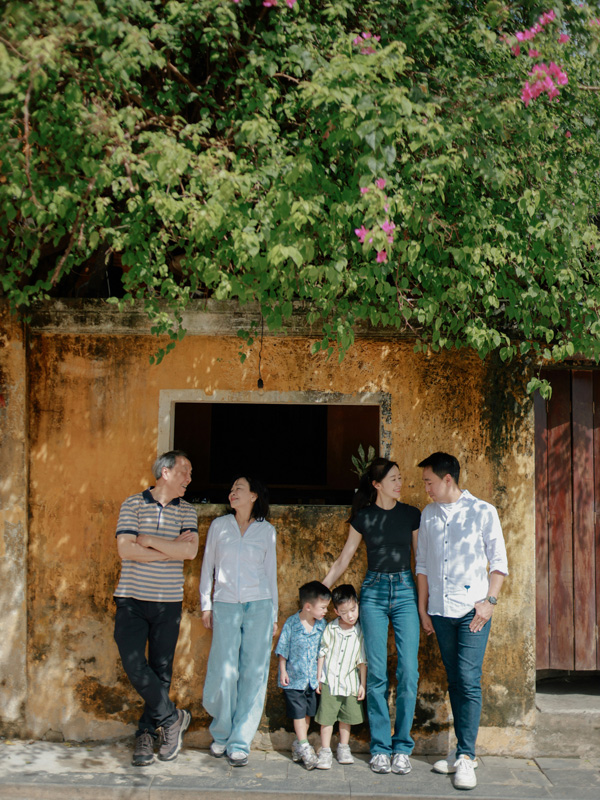
Multigenerational travel is all about creating shared family memories. (Credit: Da Nang – Hoi An photographer)
The rise of ancestry tourism may just be informed by the fact that multigenerational holidays aren’t going anywhere after they grew in popularity in 2025.
In fact, Hilton’s 2026 Trends Report found that a third of Australian families take trips with three or more generations at least once a year. And Skyskanner analysed its data from 2025 to find that hotel bookings made using the ‘family’ filter were up by 66 per cent globally, year-on-year.
The aim for these trips shifts to a focus on creating lasting memories and strengthening bonds.
“Exploring together beyond the familiar four walls expands horizons and generates an authentic opportunity to share stories and memories across generations. A unique space for bonding in a busy, transactional world,” travel psychologist and Essentialise founder Lee Chambers told Skyskanner.
And, increasingly in 2026, parents need not even apply. Dubbed the ‘skip-gen’ trend, the report also showed that grandparents and grandchildren are increasingly leaving the middleman at home and heading on holiday together. In Australia, just over half of participants in the trend report have taken, or are planning to take, a skip-gen holiday.
It might seem like travelling with large groups of family contradicts the other trends begging for time to reset, but 59 per cent of Australian travellers listed time with family as a top priority, over personal relaxation.
Luxury redefined – unique boutique stays and experiences over cookie-cutter hotels
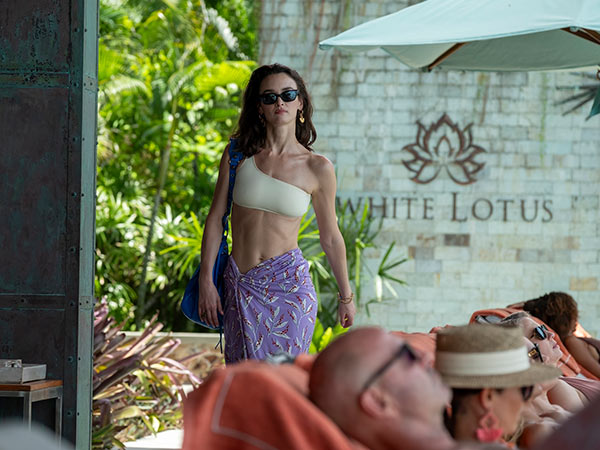
Hit series The White Lotus has taken fans to ultra-luxury resorts in Hawaii, Sicily and Thailand. (Credit: HBO/Fabio Lovino)
Luxury is no longer enough when it comes to choosing hotel stays – travellers are increasingly on the lookout for luxury of experience, expecting unique boutique stays.
The results of the 2026 Forbes Travel Guide Star Awards revealed a global trend towards hotels in the luxury space moving away from the generic and towards a more customised approach to better reflect and embrace the destination in which it sits.









LEAVE YOUR COMMENT