hero media

The Gen Alpha effect: how today’s kids are driving travel decisions

International Traveller
They may be the youngest travellers, but Gen Alpha are setting big trends when it comes to family travel.

When I was growing up, family holidays always took the same inevitable shape. My dad driving, mum next to him painting her nails bright red, while my siblings and I elbowed each other in the back of our Ford Fairlane as we drove to visit relatives in regional Victoria or family friends in Queensland. Where we went, where we stayed, what we ate and how we spent each day was entirely at the discretion of my parents. The biggest decision my siblings and I got to make was what lollies we could take for the journey. How times have changed.
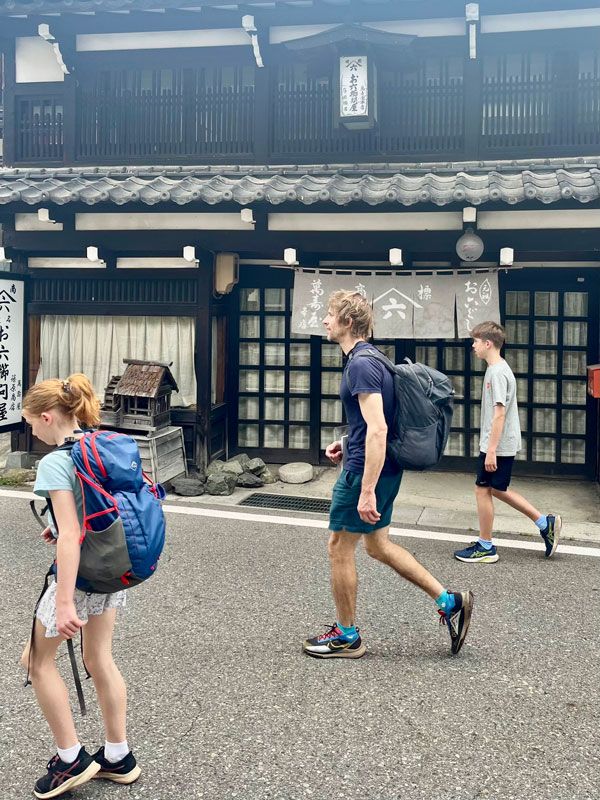
the writer's husband and children
The writer’s children steer the journey. (Credit: Lindy Alexander)

Hilton’s 2025 Trends Report found 71 per cent of Australian parents say Gen Alpha (children aged under 15 years) and Gen Z are key decision makers when it comes to travel. These kids are no longer just along for the ride; they’re steering the journey.

“Our research shows young decision-makers are motivated by experiences rather than simply destinations," says Paul Hutton, area vice president and head of Australasia at Hilton. “Sixty-two per cent of Australian families are now basing holiday plans on their children’s interests."

While parents are still continuing to take the lead on logistics such as accommodation, transport and budget, younger travellers are having a big say in picking activities, destinations and dining options.

Beyond Disney and the USA: why Asian pop culture is influencing family trips
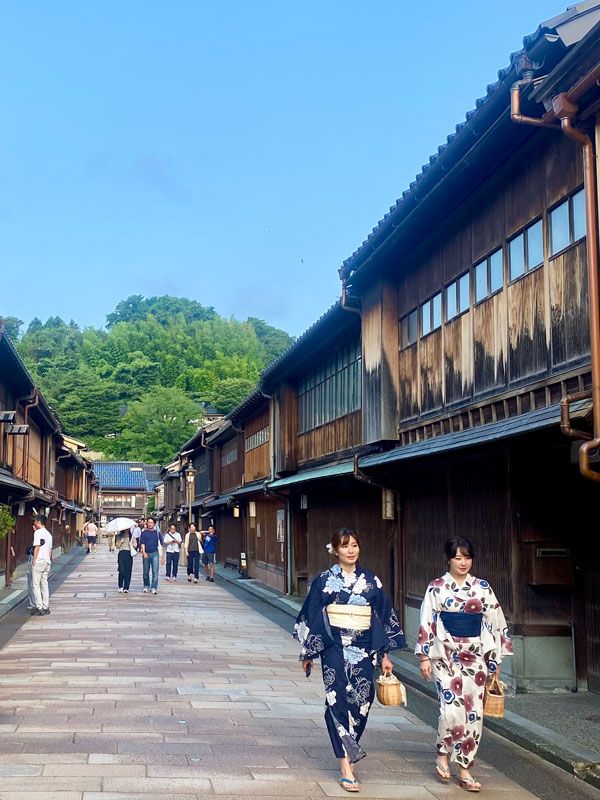
women in kimono
Women in kimonos walking in Kanazawa. (Credit: Lindy Alexander)

I’ve seen this with my own children, who are 13 and 10. At their age, having grown up on a steady diet of American music, films and TV, my dream holiday destination was the United States. But my kids and their friends are hooked on East Asian culture. Anime is now as popular amongst Gen Z as Beyoncé and Kendrick Lamar, and the Netflix phenomenon of KPop Demon Hunters cemented how Asian pop culture is well and truly ‘fire’ (that’s Gen Z for cool if you’re old like me). So, when my husband and I started talking about a family holiday for mid-2025, my kids had strong opinions about where they wanted to go. Their ideal destination? Japan.
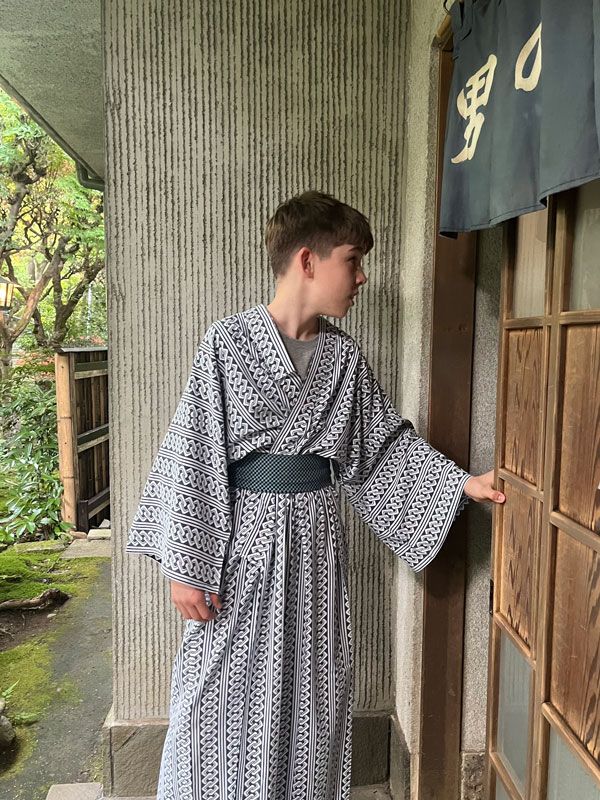
the writer's son in Japanese yukata
The writer’s son in a Japanese yukata entering an onsen. (Credit: Lindy Alexander)

My son has always been a keen reader, but a few years ago he discovered manga and became completely obsessed. He started dressing as characters from Jujutsu Kaisen and One Piece, and poring over the complicated kanji characters, trying to decode them. When Japanese was offered as an elective at his school, he jumped at it.
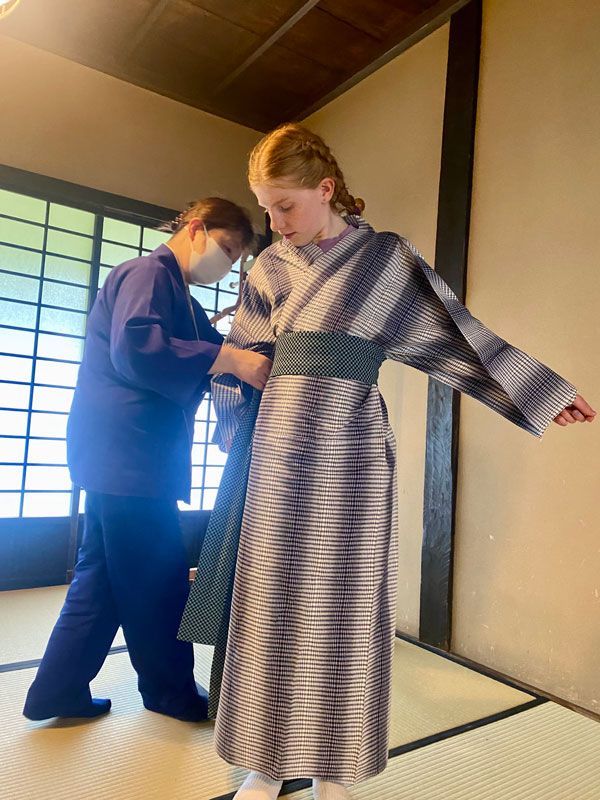
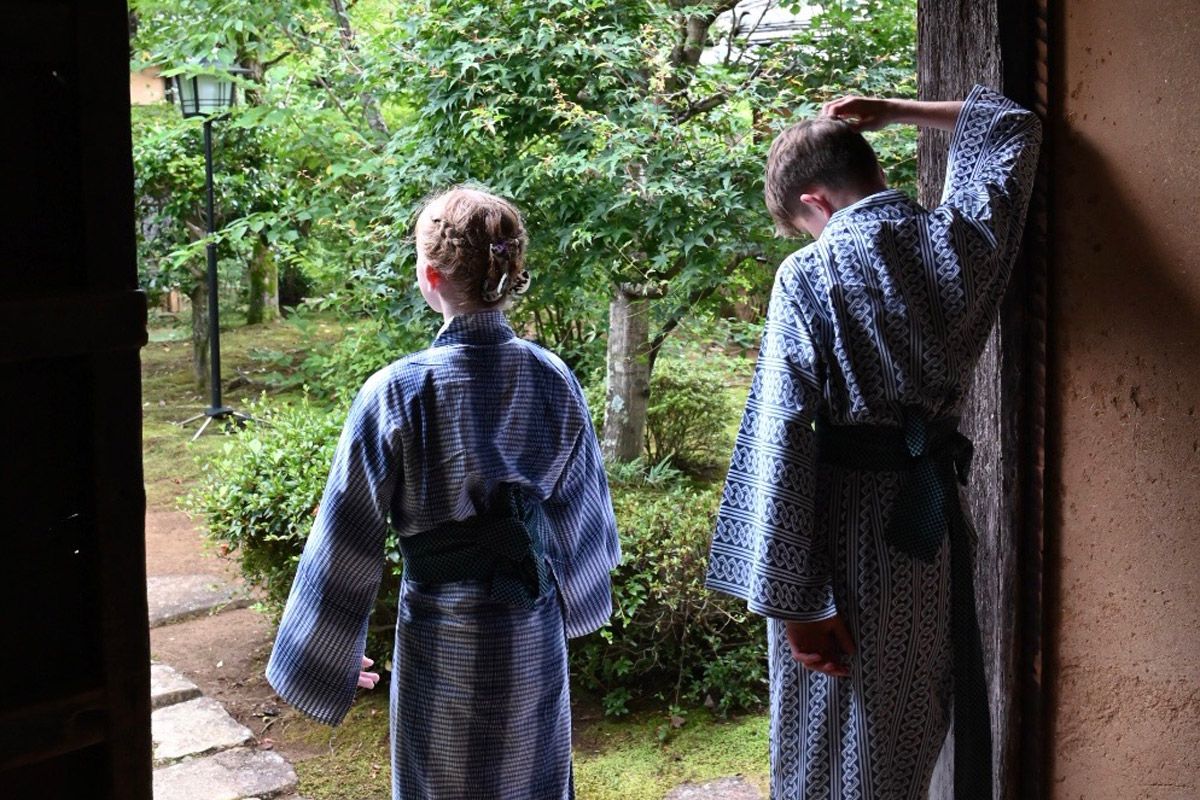
the writer's daughter being fitted with a yukata
The writer’s daughter is fitted with a yukata at Nagtaki Inn. (Credit: Peter Reynolds)

My daughter, on the other hand, can’t get enough of the Sanrio characters – Hello Kitty, My Melody, all of them – and loves anything kawaii (cute). She’s also, despite her age, a hiking enthusiast. Or perhaps more accurately, she’s enthusiastic about hiking gear –the poles, the backpack, the snack pouches. And Japan has some of the world’s best snacks (and hikes), so it was settled.

Japan through young eyes: a pilgrimage full of manga, snacks and kawaii
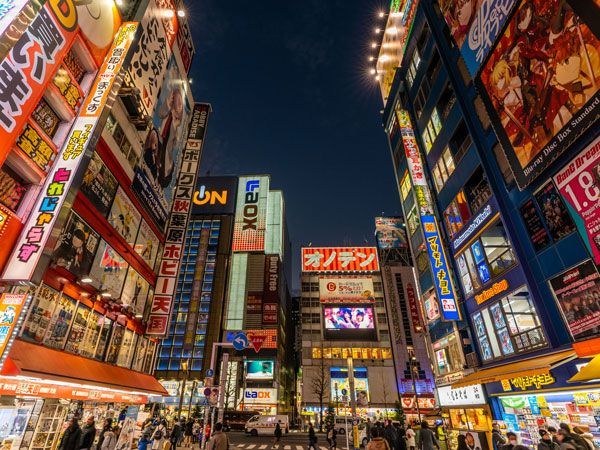
Akibahara in Tokyo
Akibahara is renowned for its many electronics shops. (Credit: Tokyo Convention & Visitors Bureau)

We ended up booking three weeks, pulling together a journey that managed to tick all the boxes. We headed to Tokyo first, with its vibrant, bustling streets, tiny eateries and the hypnotic whir of capsule machines dispensing treasures encased in plastic spheres.
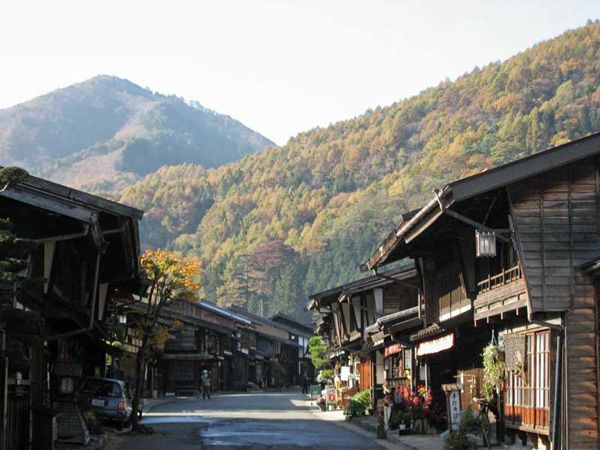
Japanese inns in Narai
The traditional Narai Japanese inns along the old Nakasendo Way. (Credit: Walk Japan)

Then we undertook a five-day pilgrimage with Walk Japan along the old Nakasendo Way through the Kiso Valley, where the kids loved exploring the ancient post towns, staying in traditional inns and experiencing the precise choreography of a tea ceremony. Then my daughter’s love for all things soft and kawaii hit its peak in Nara where the city’s tame deer nuzzled her palm with their velvety noses.

The more we travelled through the country, the more Japan had a hold on my kids. My son became a devotee of street food, queuing at smoky stalls to ask in his halting Japanese for golden orbs of takoyaki (octopus balls). My daughter developed a crepe obsession, hunting down the architectural marvels loaded with ice cream, berries, whipped cream and wedges of brownie.
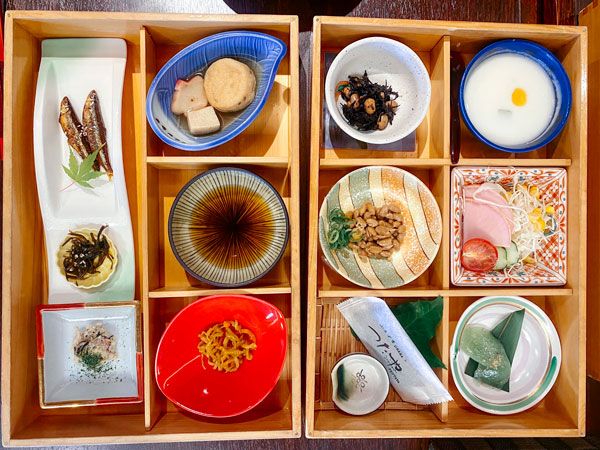
a traditional Japanese breakfast
A bento-style Japanese breakfast. (Credit: Peter Reynolds)

They wanted to catch public transport, so we did. On the shinkansen, they discovered bento boxes that contained magic inside; if you pull a string, the meal heats itself, steam rising from the compartments. They marvelled at four-year-olds navigating the complicated trains alone, returning from preschool with the confidence of seasoned commuters.
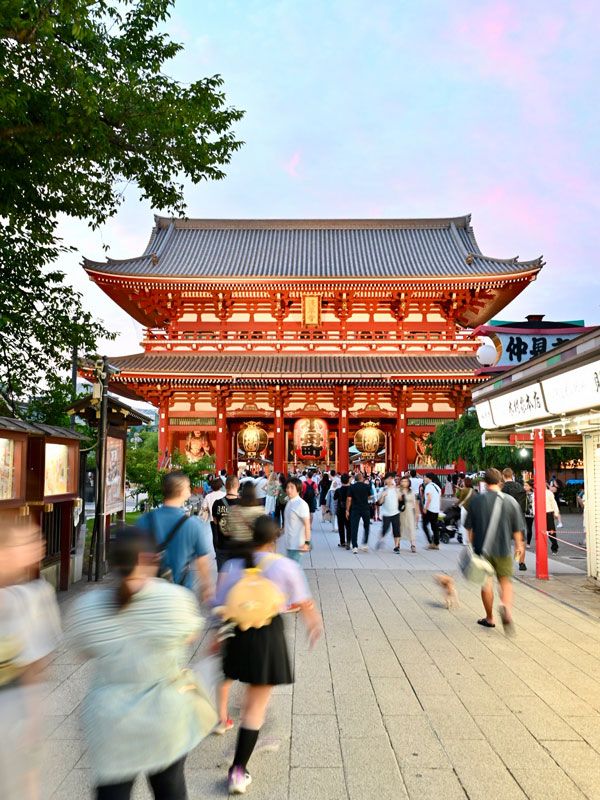
Sensō-ji Temple in Asakusa
Sensō-ji is Tokyo’s oldest Buddhist temple in the Asakusa district. (Credit: Peter Reynolds)

The claw machines that lined every shopping street became a new fixation, my son stalking the perfect manga figurines while my daughter strategised over how to nab the perfect soft toys. We may have overdosed the kids on shrines and temples, but their flagging enthusiasm was always salvaged by a vending machine promising something new, like jellied drinks and the delicious (but unfortunately named) Pocari Sweat hydration beverage.

Weekly travel news, experiences
insider tips, offers,
and more.

Passion over logistics: the pay-off of planning holidays around what kids love
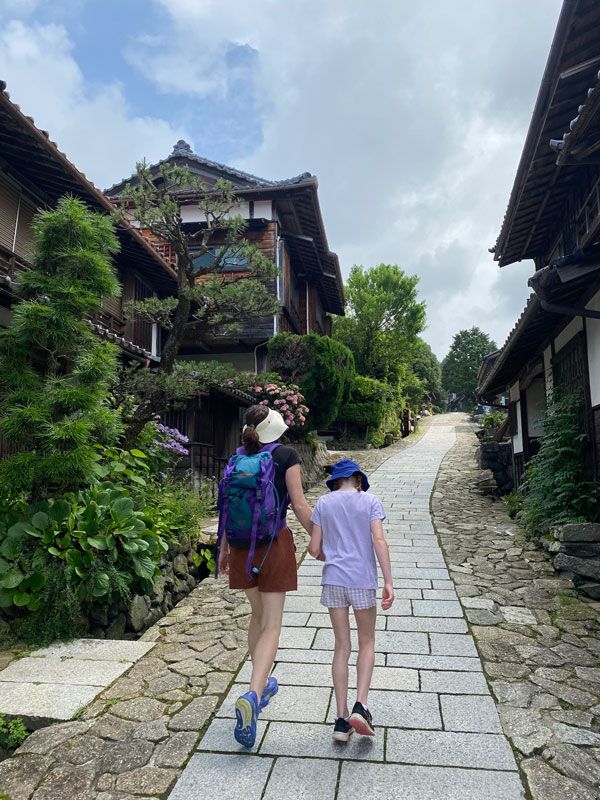
the writer and her daughter walking through one of the post towns
The writer and her daughter walking through one of the post towns in Japan. (Credit: Peter Reynolds)

According to Hilton’s research, we’re not just letting our kids choose an activity while on holidays, we’re building entire trips around what they’re passionate about, what they’re learning at school and what’s captured their imagination. Our three-week Japan trip cost considerably more than a beach resort would have. We stayed at traditional ryokans during the hike, splurged on cultural experiences and said yes to far more claw machine attempts than was probably wise. But we didn’t want to say no when they were this engaged.
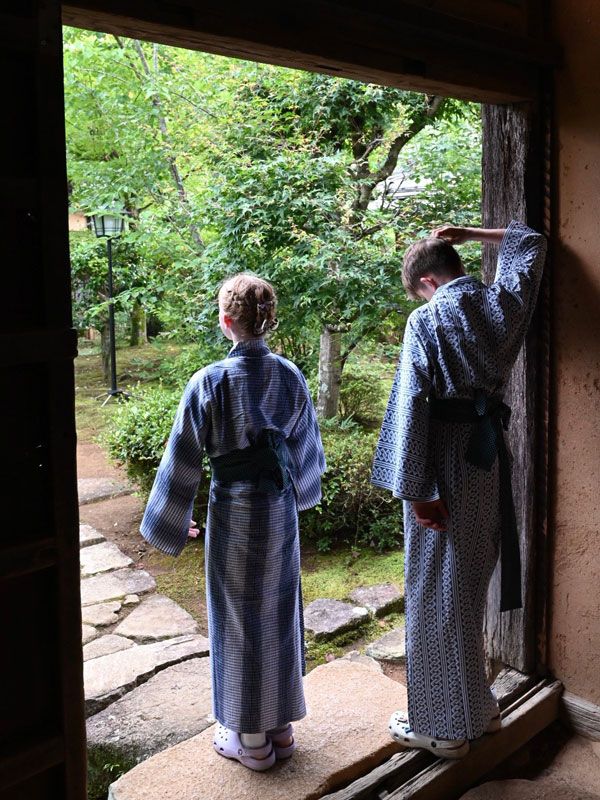
two kids wearing Japanese yukata at Nagsaki Inn
The writer’s children at Nagsaki Inn. (Credit: Peter Reynolds)

As we soaked in a traditional onsen at the end of our hike, physically exhausted but content, I asked my daughter if the trip had lived up to her expectations so far. She grinned and said it was even better than she had imagined. Then she added, “Can we go to Korea next year?" I laughed, assuming she was joking. She definitely wasn’t. Gen Alpha might be the youngest travellers, but they’re calling the shots, and those of us footing the bill can see the benefits in following where they lead.

Want to see more stories from International Traveller in your Google search results?

  1. Click here to set International Traveller as a preferred source.
  2. Tick the box next to "International Traveller". That's it.
hero media

5 things every hotel needs for a more restorative stay

    Kate Bettes Kate Bettes
    Wellbeing means different things to different travellers. Here’s how to pick a hotel that gets it right for you.

    The best wellness holidays aren’t necessarily spent wrapped in a spa robe. Sometimes they’re found around a dinner table in Cambodia, on a hiking trail in New Zealand or after finally beating jet lag on the other side of the world. The hotel you choose is what makes them happen.

    1. Easy access to good food

    meals from Novotel Bangkok Sukhumvit 20
    Taste delicious meals at Novotel Bangkok Sukhumvit 20.

    One of the quickest ways to derail healthy habits on holiday is to spend half of it working out where to eat instead of digging into the culture around you. Thankfully, Novotel has done much of the hard work already, with chefs building menus that lean into the flavours, ingredients and traditions of each destination.

    In Sihanoukville, Cambodia, Korkor soup – often dubbed ‘Cambodian ratatouille’ – sits alongside raw blue crab dressed with lime and chilli, best enjoyed with views across the Gulf of Thailand.

    In the lovingly chaotic city of Bangkok, the presence of food cranks up the sociability. At Novotel Bangkok Sukhumvit 20, you can settle in with mango sticky rice and stranger-turned-friends beside the pool at Sky on 20 rooftop bar, or bring them along to tackle river prawns and stir-fried crab with holy basil at the buzzing Crab Paradise Dinner Buffet.

    Then Novotel Dubai Al Barsha welcomes you with a laidback twist on the level of indulgence the Middle Eastern city is best known for up on Deck Se7en. Looking towards Burj Al Arab, the rooftop lounge has everything from Mediterranean-style dishes like seabass ceviche to Italian prosecco sundowners.

    At the other end of the scale, in the hills that surround the Novotel Bali Ubud Resort, calm comes from nature. At Siralada restaurant, Balinese traditions shape the menu while thunder rumbles over the surrounding jungle – proving the setting is as nourishing as the food itself.

    While at Novotel Nha Trang, chef Kieu Thi My Hanh and her team showcase Vietnam’s knack for balancing freshness, texture and fragrant herbs. Pho remains a favourite, while seafood salad with pomelo and mango brings those flavours together in one bright dish.

    It’s all an approach backed by partnerships with expert food creators such as Alfie Steiner, whose plant-forward recipes prove healthy food should never taste plain.

    2. Better sleep options

    Novotel Bali Ubud Resort room
    Sleep deeply with Novotel.

    There are few travel experiences more disappointing than arriving in a new country, determined to seize the day, only to fall asleep fully clothed by 3pm.

    For Australian travellers, jet lag is often an unavoidable part of the journey. That’s one reason Novotel runs sleep-focused initiatives that help guests adjust quickly without compromising on health. We’re talking partnerships with Sydney-based sleep specialist Olivia Arezzolo, known for her advice on everything from better sleep habits to beating jet lag, alongside features like pillow menus, in-room yoga content and tailored sleep guidance.

    The sooner you’re operating on local time, the sooner you can get back to more pressing matters – like deciding which spa treatment to book.

    3. More ways to move

    woman hiking around queenstown new zealand
    Stay at Novotel Queenstown Lakeside and explore local hiking trails. (Credit: GettyI mages/ naruedom)

    Every place in the world has its own way of getting you moving: whether that’s hiking up ice-bitten mountains before a sauna or gentle stretching by the pool before a facial. From fitness centres to spas, Novotel recognises that wellbeing rarely looks the same.

    At Novotel Queenstown Lakeside, activity is inescapable. Here, hiking trails, ski fields, bungee jumps, and white-water rafting have made the region famous. The hotel’s location on the shores of Lake Wakatipu means less time spent organising yourself and more time out there experiencing them. To top it all off, you can book a private hot tub for the evening before heading back into the wilderness tomorrow.

    Bali, of course, takes a softer approach. At Novotel Bali Ubud Resort or Novotel Bali Nusa Dua, movement is less about conquering a mountain and more about a dance class between the tropical gardens and lagoon pools. Afterwards, the spa takes over, with traditional treatments like a Lulur body scrub: a combination of rice, turmeric, sandalwood, ginger and jasmine that’ll soothe muscles already relaxed by the Balinese heat.

    4. Better connections

    Novotel Sharm El Sheikh
    Kids will love a stay at Novotel Sharm El Sheikh.

    One of the best things about travel is that it gives your family stories you’ll be telling for years. Novotel helps create them with activities that bring everyone together, whether that’s trying something new, learning a local skill, or simply spending more time together.

    Go for a distinctly Thai twist at Novotel Phuket Vintage Park, where many of the family activities draw on local culture. Kids can try everything from beginner Thai boxing and language lessons to umbrella painting and – a pastime beloved by children the world over – pool foam parties. Everyone is welcome to join in, whether that’s getting splashed, covered in paint, or simply watching their children discover a new side of Thailand during the dedicated Family & Kids Day.

    A different adventure awaits at Novotel Sharm El Sheikh. Kids could be perfectly content with discos, drawing classes and new holiday friends, but the Red Sea has other ideas. Sitting on the edge of Naama Bay, days here might involve snorkelling colourful reefs, taking a boat trip to Ras Mohammed National Park or heading into the desert by quad bike or camel for a Bedouin-style dinner beneath the stars.

    5. Location is everything

    Surin Beach, Choeng Thale, Thalang District, Phuket, Thaiföld
    Explore Phuket’s gorgeous beaches. (Credit: Bence Biczo)

    Everyone’s idea of wellness looks a little different. With more than 600 hotels across 65 countries, Novotel gives guests the freedom to choose the destination that suits them best. Whether that’s a beachside escape in Phuket, an alpine expedition in Queenstown or a city break in Bangkok, there’s a good chance a Novotel isn’t far away.

    All that’s left? Choosing your version of wellbeing.

    Discover stays to inspire your everyday at novotel.accor.com.