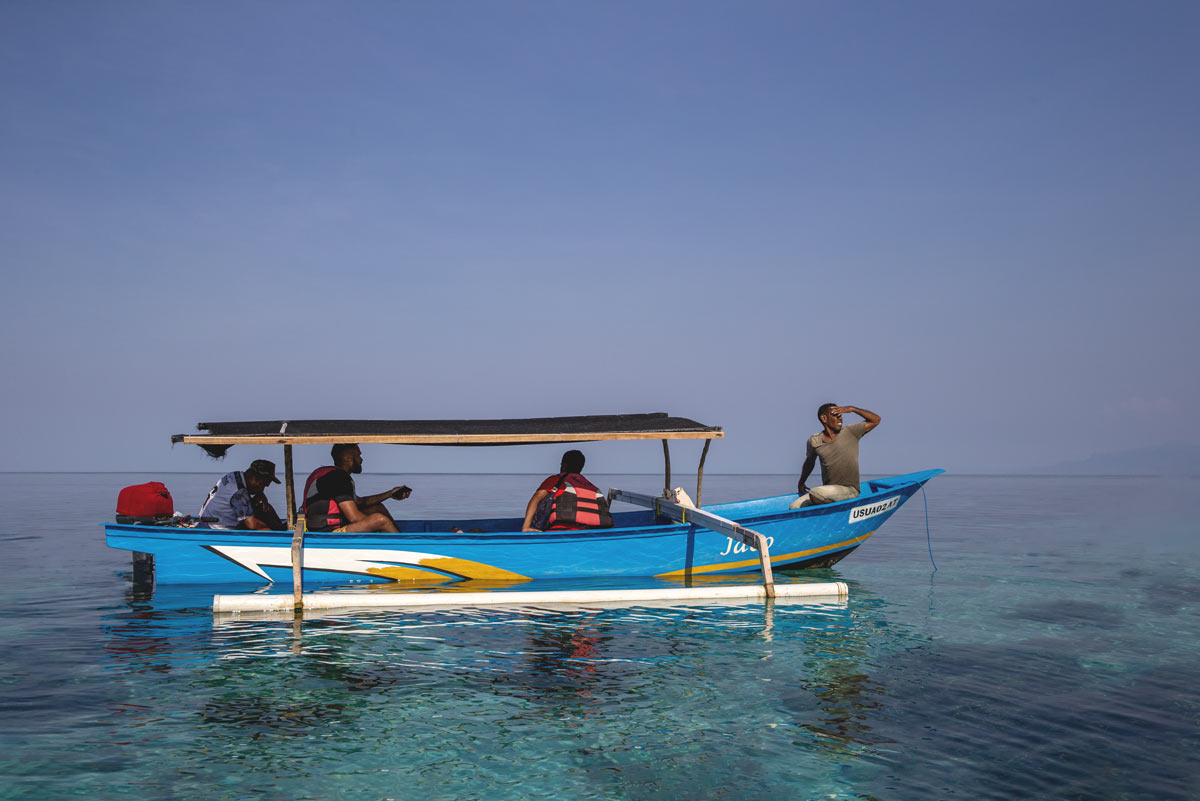
hero media

9 things you must know before you travel to Timor-Leste

Steve Madgwick
Before Timor-Leste finally won independence from Indonesia in 2002, few Australians would have even considered travelling the short distance across the Timor Sea for a holiday or adventure. More than two decades later, the world’s fourth youngest nation is indeed open for tourism.

Yet despite being in Australia’s tropical ‘backyard’ – and closer than Bali – very few of us have journeyed to Timor-Leste to snorkel its reefs, trek its mountains, daytrip its coffee plantations or experience its diverse culture. Perhaps because we cannot disassociate East Timor, as we say in English, from the instability and conflict that defined the region in the 20th century.

So, what’s it like to travel to Timor-Leste now? Here are the hows, wheres, whys and whens, plus background information that might help you appreciate the strengths and struggles of this energetic still-developing half-island nation.

How can I fly to Timor-Leste and do I need a visa?

Qantas flies daily from Darwin to Timor-Leste’s capital Dili. The flight – north-west across the Timor Sea – takes one-and-a-quarter hours (Citilink also flies from Bali). Australians are eligible for a visa-on-arrival, costing $US30 ($46) cash (the country’s official currency). The customs-arrival procedure is confusing and antiquated but besides the time spent is otherwise pretty painless.
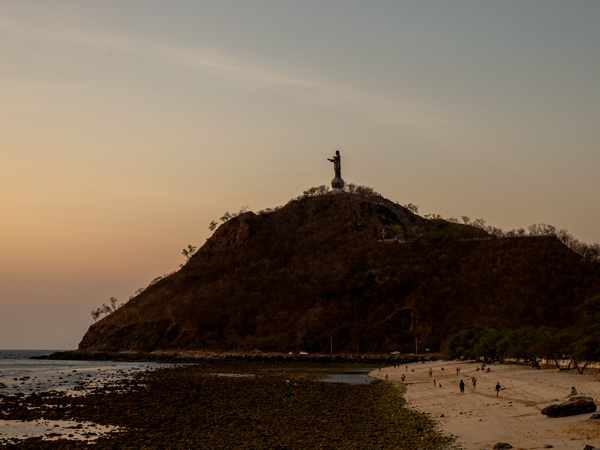
sunset at Cristo Rei Beach, Dili
The Cristo Rei of Dili statue overlooks the ocean above Cristo Rei Beach. (Image: Rachelle Mackintosh; Intrepid Travel)

What’s the best way to see Timor-Leste – on a tour or independent travel?

Timor-Leste is still taking tourism baby steps, with no mega-resorts, fine-dining restaurants and fairly basic infrastructure outside the capital. Adventure travellers can see much of the tiny country using hire cars (4WD outside the city), the decent ferry network and ‘collective’ (crowded) mini-buses called microlets – ask locals to help find your route of choice.
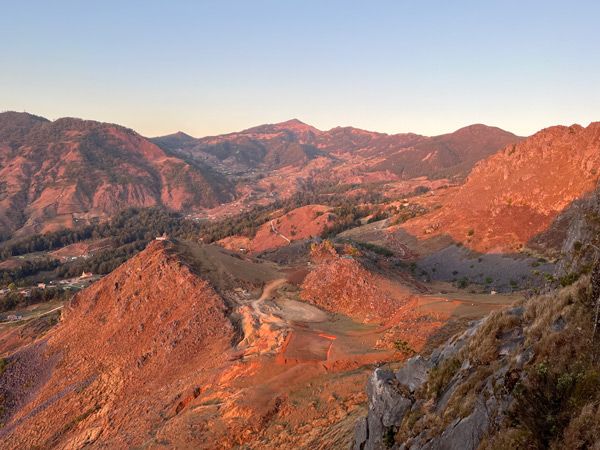
a chain of mountains in Timor-Leste
Timor-Leste is very mountainous. (Image: Steve Madgwick)

Tour-wise, Intrepid Travel’s nine-day Timor-Leste Expedition covers a solid cross-section of highlights, including the mountainous interior and shining-star Ataúro Island. More adventurous ways to explore include multi-day treks with Maddog Adventures and off-road motorcycle trips with Total Timor Tours.
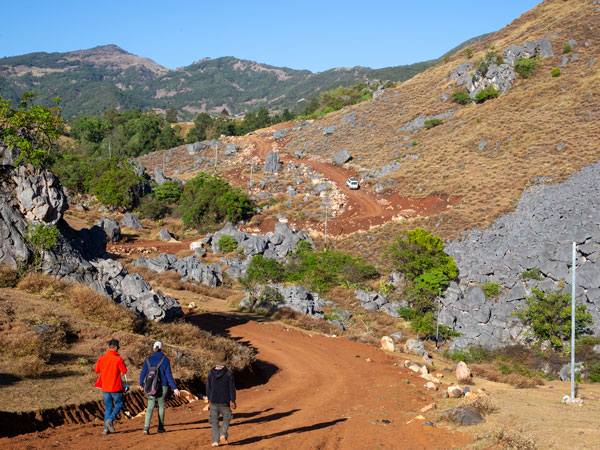
Intrepid travellers walking from Rabilau’s Animist/Catholic shrine to the village itself
Intrepid Travel’s nine-day Timor-Leste Expedition covers a solid cross-section of highlights. (Image: Rachelle Mackintosh; Intrepid Travel)

Ataúro Island: low-key paradise that scuba-divers don’t want you to know about

Ninety minutes’ ferry ride north of Dili, Ataúro Island feels like it’s a million miles from anywhere and 30 charming years ago.
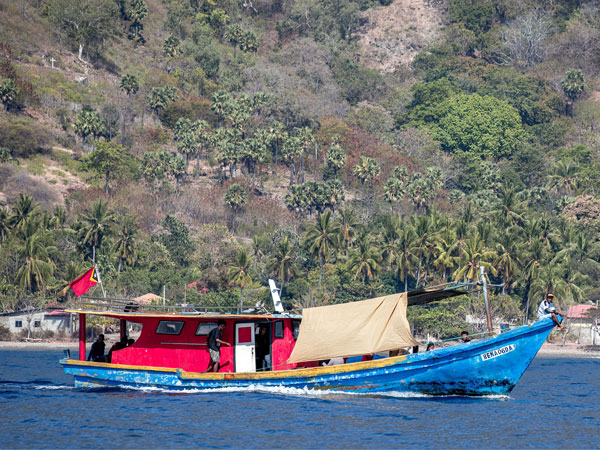
the ferry ride to Ataúro Island
Ataúro Island is a 90-minute ferry ride from Dili. (Image: Rachelle Mackintosh; Intrepid Travel)

A handful of beachfront (self-described) eco-lodges and thatched bungalows at traveller hub Barry’s Place cater to beach-seekers (no surf) and scuba divers who’ve quietly been coming to this stunning reef for a while. Ataúro’s homestays are basic (squat toilets and bucket showers) but the best way to appreciate life in the island’s community.
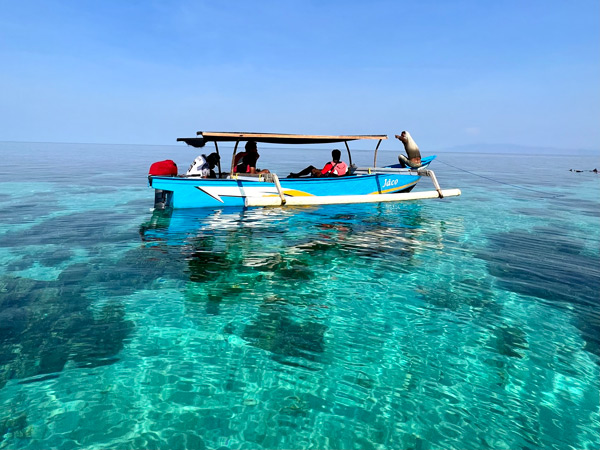
a boat sailing across the crystal clear waters in Beloi, Ataúro Island
You’ll find plenty of chances to snorkel on Ataúro Island. (Image: Steve Madgwick)

Many an expat recommends visiting Jaco Island, off the mainland’s east coast. Fisherman on Tutuala village beach will ferry you over to this uninhabited island, known for its white sands, sparkling waters and biodiverse interior, for a small, negotiable charge.
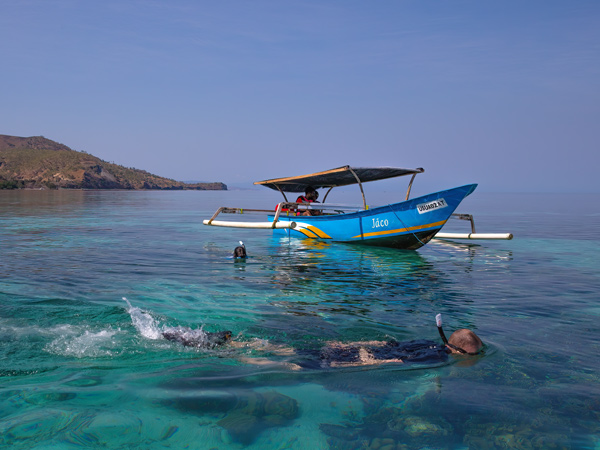
snorkelling just off Beloi, Ataúro Island
Snorkel just off Beloi on Ataúro Island. (Image: Rachelle Mackintosh; Intrepid Travel)

A few things to know about Timor-Leste culture

It’s difficult to cram Timor-Leste into a nutshell because of its myriad local cultures but there are a few universals. After four centuries of Portuguese occupation, the people broadly adopted the language (Portuguese) and religion (Catholicism) of the colonisers.

The lingua franca, however, is tetum, which has Portuguese influences. Running parallel to Christianity is the country’s Animism-centred ‘cultura’ system.

Some families (at great expense) build an uma lulik, a church-like grass-roofed structure where life-defining community decisions are made, moral codes enforced, and (livestock) fines issued for infringements.
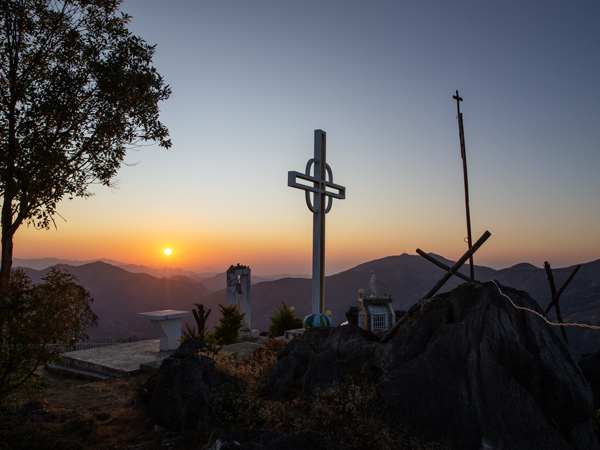
Rabilau Animist Catholic Shrine near Maubisse in Timor Leste.
Make a stop at Rabilau’s Animist/Catholic shrine. (Image: Rachelle Mackintosh; Intrepid Travel)

Remember, look inwards and upwards: Maubisse and Mt Ramelau

It’s easy to be transfixed by Timor-Leste’s tropical coast but head inland to the cooler mountains if you have a chance. 70 kilometres south of Dili, Maubisse is a great place to explore traditional villages and family-run coffee plantations in misty mountain valleys.
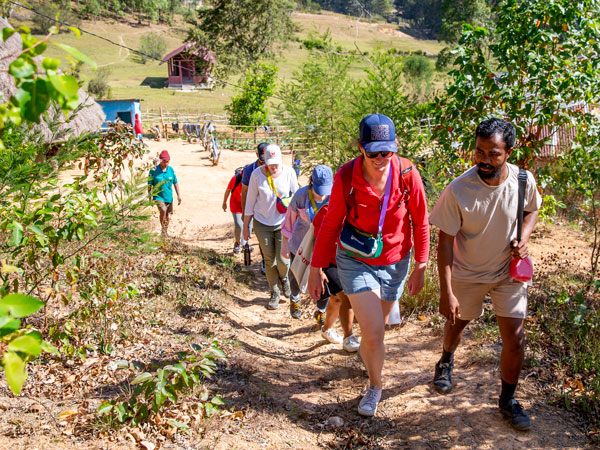
visiting a coffee plantation near Maubisse
Maubisse is a great place to explore family-run coffee plantations. (Image: Rachelle Mackintosh; Intrepid Travel)

Fifteen very twisty kilometres further up (4WD only), is the town of Hato Builico, the base for the breathtaking trek to Timor-Leste’s highest point, Mt Ramelau (2986 metres). Local guides can lead you up the steep, well-worn track to the summit (five to six hours return), offering splendid views of the coastline (weather permitting). NB: roads may be impassable in Wet Season, December to May.
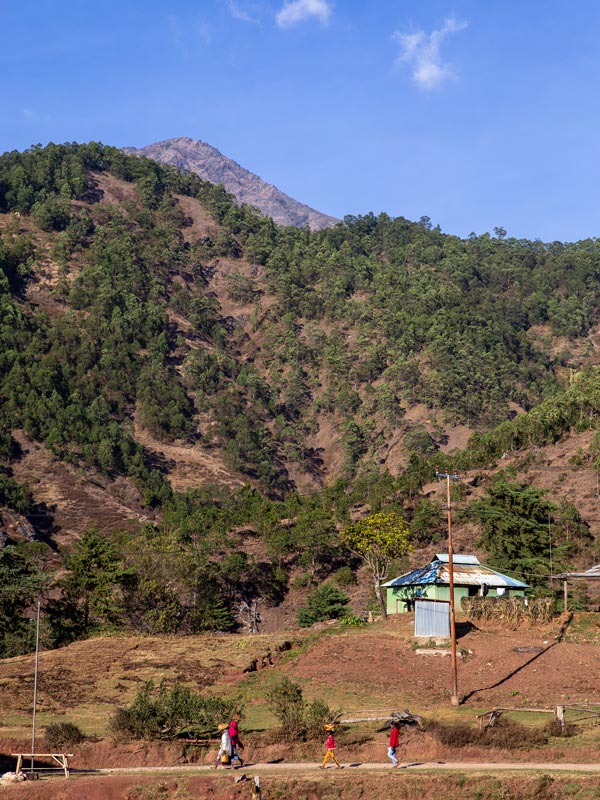
View from the town of Hatu Builicok, with Mount Ramelau peeking out of the background.
Trek to Timor-Leste’s highest point, Mt Ramelau, from Hato Builico. (Image: Rachelle Mackintosh; Intrepid Travel)

A difficult but necessary conversation: What happened during the Indonesian occupation?

Locals in their mid-20s and older will have directly/indirectly experienced the 24-year Indonesian occupation – a tragic yet substantial part of Timor-Leste’s foundation story. Some accounts claim up to 200,000 people perished in massacres, fighting and of starvation, while families were split up and sexual violence was rife.

The population seems to balance a collective want to move forward with the need to keep memories alive, so history does not repeat itself.

In Dili, the oft-confronting Timorese Resistance Archive and Museum and Santa Cruz cemetery – where doco-maker Max Stahl helped expose the country’s plight by filming a massacre of pro-independence demonstrators in 1991 – both offer great context. As do books like Words of Hope in Troubled Times by the current president, Nobel Prize laureate José Ramos-Horta.
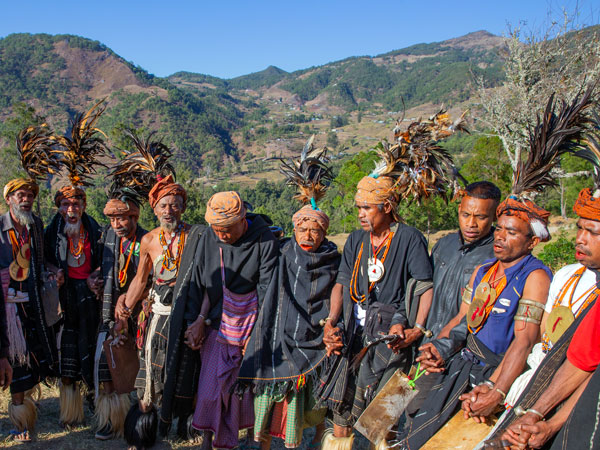
the locals in Rabilau village doing a ritual in the mountains of Timor-Leste
Rabilau villagers maintain peace through traditional rituals. (Image: Rachelle Mackintosh; Intrepid Travel)

The rising stars of sustainable tourism

Timor-Leste’s fossil-fuel-dependent economy has struggled since independence, so NGOs stepped in to try to help disadvantaged groups and communities. Some fledgling foreign-formed social enterprises are gradually ceding control to Timorese. Intrepid’s Timor-Leste Expedition visits a handful of these including Boneca de Ataúro – where widows, disabled women and single mothers make dolls and textile handicrafts (tais) to sustain their community.
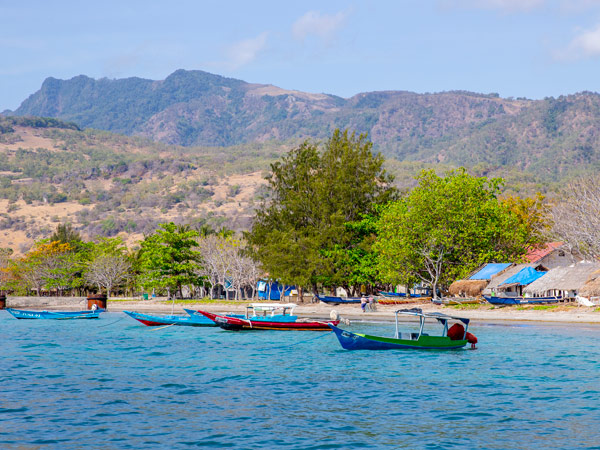
boats moored along a coastal community in Timor-Lester
Known for its abundant fishing grounds, Timor-Leste holds great potential for ecotourism. (Image: Rachelle Mackintosh)

Fill your belly and present quota at food-focused success stories like Projeto Montanha (which supports remote mountain villages), 42 kilometres south of Dili, and the wonderful Agora Food Studio in the capital.
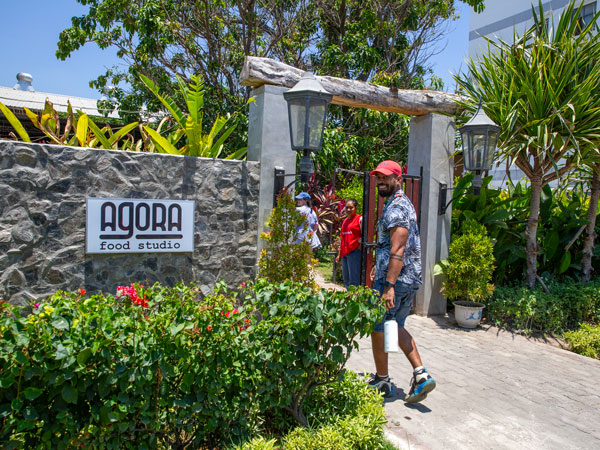
entering the Agora Food Studio in Dili, Timor-Leste
Drop by Agora Food Studio for a quick snack on your visit to Dili. (Image: Rachelle Mackintosh; Intrepid Travel)

Weekly travel news, experiences
insider tips, offers,
and more.

What to do in Dili (and one thing you shouldn’t)

Dili (population 222,000) is in its tourism infancy but there are plenty of cool things to do. Climb 600 steps to see the 27-metre Christi Rei statue. Learn to cook katupa – a rice dish prepared in coconut leaves – at the aforementioned Agora Food Studio.
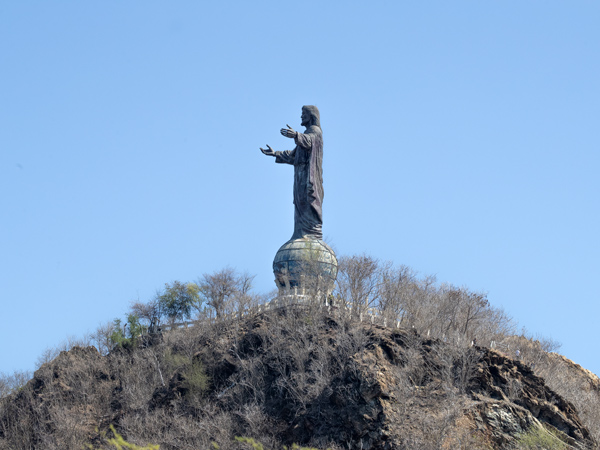
View of Cristo Rei of Dili at Cape Fatucama.
Climb 600 steps to see the 27-metre Christi Rei statue. (Image: Rachelle Mackintosh; Intrepid Travel)

Catch the Saturday night food market outside the city’s biggest/only mall, Timor Plaza. Buy coffee from Letefoho Specialty Coffee Roaster. Shop for hats, shawls and purses at Alola Foundation – founded in 2001 by then-first lady Kirsty Sword Gusmão to “raise awareness of sexual violence".
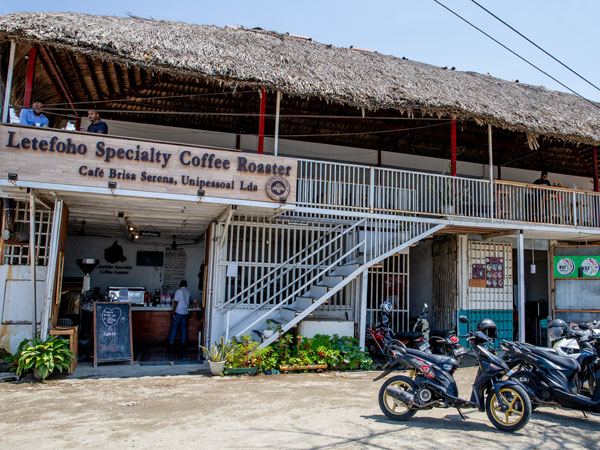
outside the Letefoho Specialty Coffee Roasters in Timor-Leste
Make a pitstop at Letefoho Specialty Coffee Roasters. (Image: Rachelle Mackintosh; Intrepid Travel)

What not to do? Swim at Dili’s tempting beaches – beware, crocodiles are lurking!
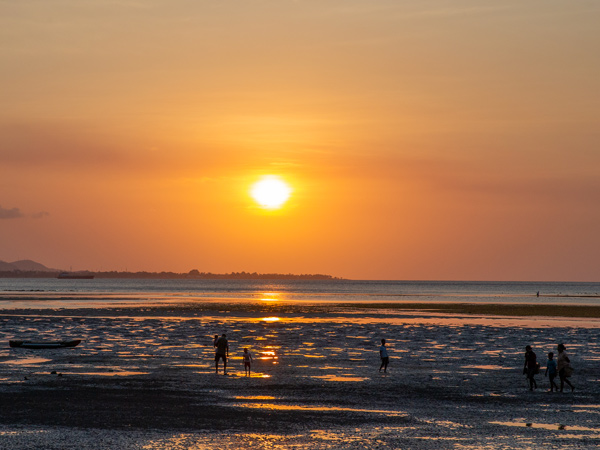
sunset in Lamy Beach, Dili
Crocodiles lurk at Dili’s tempting beaches. (Image: Rachelle Mackintosh; Intrepid Travel)

Safety and travel advice for Timor-Leste

As when travelling to any developing country, there are certain factors you need to consider, from unsafe drinking water to ongoing political issues.

At the time of writing Smartraveller advises to “Exercise a high degree of caution… due to the threat of crime and limited healthcare options."

Crime is not common in Dili, however, the risk increases at night and if travelling alone. Timor-Leste has a conservative culture (so don’t wear your cossies in town and kissing in public is frowned upon). For the latest travel advice, see Smartraveller.
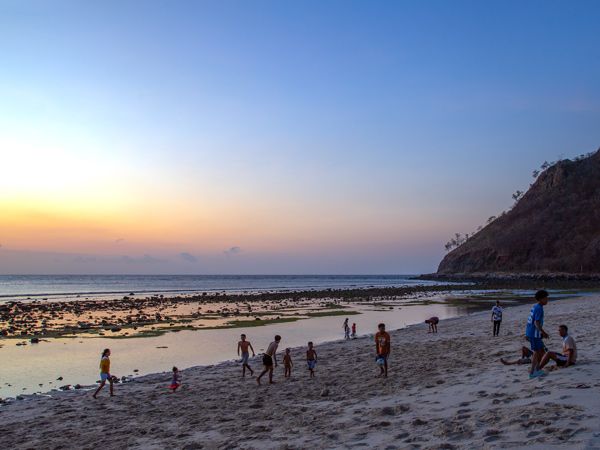
sunset at Cristo Rei Beach, Dili
Timor-Leste has a conservative culture, so keep your cossies to the beach. (Image: Rachelle Mackintosh; Intrepid Travel)
The writer travelled as a guest of Intrepid Travel.

Want to see more stories from International Traveller in your Google search results?

  1. Click here to set International Traveller as a preferred source.
  2. Tick the box next to "International Traveller". That's it.
hero media

This is why cruising is the best way to see Asia

    Dilvin Yasa Dilvin Yasa
    Iconic destinations, unforgettable adventures and thrilling onboard adventures; say hello to your next Asia holiday with Royal Caribbean.

    When you want to explore the gleaming skyscrapers of Shanghai and the bars of Singapore, but also embrace centuries-old traditions in Japan before traipsing through the lush jungles of Malaysia, a conundrum presents itself: how do you do it all seamlessly without the stress of flying (or repacking)? Enter, Royal Caribbean.

    With a brand designed around maximising your holiday time, sip cocktails by the pool or watch Broadway-style performances on board as the ship glides effortlessly from one atmospheric port to the next.

    Now that you have Asia at your fingertips with minimal effort, the big question is: which all-inclusive experience (and itinerary) is best for you?

    Japan

    The itinerary

    Spectras Cabaret royal caribbean
    Prepare for a show, on and off the ship.

    The Land of the Rising Sun has never been hotter, and Royal Caribbean has a vast array of unforgettable Japanese itineraries – these range from eight-night adventures to 14-night holidays circumnavigating the country’s islands.

    The eight-night Best of Japan sailing is memory-making perfection, kicking off in Shanghai (Baoshan) on 24 October 2026. Stop at fascinating ports to soak in the sweeping landscapes and seascapes of Saikaiminato, Kyoto, Niigata and Hakodate while enjoying incredible dining and adventurous activities onboard Spectrum of the Seas®. Complete your journey back in Shanghai, ‘the Paris of the East’.

    Port highlights

    mt fuji in japan
    See iconic vistas of Japan.

    Off the ship, hike the dramatic volcanic peaks of Sakaiminato’s Daisen-Oki National Park, explore the iconic temples of Kyoto, enjoy traditionally brewed sake made in Niigata (the birthplace of many quality sake brands), and taste local flavours at Kanemore Red Brick Warehouse, a premier dining and shopping district in Hakodate.

    Don’t miss Royal Caribbean’s Amanohashidate Highlights shore excursion in Kyoto, an exhilarating experience that features a cable car ride up to Kasamatsu Park and includes a visit to Nariaiji Temple, a hillside Buddhist site.

    The ship

    Spectrum Of The Seas in Singapore
    Step on board Spectrum of the Seas®.

    Aboard Spectrum of the Seas®, days at sea are just as action-packed as those on land. Here, 17 dining venues, along with eight bars and lounges, take guests on the ultimate global dining tour. Stop into Sichuan Red, designed specially for this ship, where you can savour a rich tapestry of authentic spices and Asian-influenced flavours. Start with the chef-recommended royal sea cucumber, then move on to a hot and savoury bowl of mapo tofu simmered in a traditional spicy sauce, or authentic pickled radish and duck soup.

    Fancy a little post-dinner entertainment? Talk salsa lessons, or book front row seats to Showgirl, a multisensory spectacular that pays homage to the ultimate siren of the stage. You can also take a visual journey into the exotic cultures of the Far East with The Silk Road at Two70®.

    Kids (and kidults), as always, are well-catered for, with aqua park Splashaway Bay℠ and the largest indoor active space at sea, SeaPlex®, which offers everything from laser tag to bumper cars. Those looking to relax can find peace in the adults-only solarium, as well as a wealth of treatments at Vitality℠ Spa.

    Thailand and Malaysia

    The itinerary

    Izumi Teppanyaki on ovation of the seas royal caribbean
    Sit down to hibachi at Izumi Teppanyaki℠.

    Royal Caribbean’s Southeast Asia sailings deliver the perfect fusion of culture, cuisine and coastlines, and the four-night Penang & Phuket cruise is proof that short escapes can still feel spectacularly rich.

    Kick off with Royal Caribbean’s iconic Sail Away Party as Ovation of the Seas® departs from Singapore on 27 February 2026. The itinerary then weaves through two of the region’s most mesmerising destinations: Malaysia’s melting pot of cultures in Penang and Thailand’s sun-soaked island of Phuket.

    Each port stop is layered with history, flavour and natural beauty, while each moment spent onboard Ovation of the Seas® is filled with fun and excitement.

    Port highlights

    iconic ‘James Bond Island’ made famous in The Man with the Golden Gun thailand
    Zoom around the ‘James Bond Island’.

    In Penang’s George Town, a maze of heritage architecture, vibrant murals and street stalls serving sizzling char kway teow and aromatic laksa come together, blending past and present. Visit the Taoist Goddess of Mercy Temple to soak up its peaceful energy, ride the century-old funicular to the forested summit of Penang Hill for panoramic views, and wander Batu Feringhi Beach, where the Andaman Sea laps gently against golden sand. Jet skis? Why not?

    Then it’s north to Phuket, where both adventure and relaxation beckon. Make the most of the local beach scene at Kata Noi and wander up Monkey Hill for sweeping vistas (and mischievous company). Be sure to book Royal Caribbean’s thrilling shore excursion here – you’ll zip along in a three-engine speedboat to the iconic ‘James Bond Island’ made famous in The Man with the Golden Gun. After a day of exploration, you’ll have enough time to enjoy a sunset cocktail on the waterfront before returning to your ship for another unforgettable evening.

    The ship

    Ovation of the Seas®, royal caribbean
    Experience thrills aboard Ovation of the Seas®.

    Of course, life on board Ovation of the Seas® is just as exhilarating as your adventures off it. Sit down to 16 flavoursome finds, from Jamie’s Italian by Jamie Oliver® to theatrical hibachi at Izumi Teppanyaki℠.

    Build up an appetite with Royal Caribbean’s iconic onboard activities, from the FlowRider® surf simulator to soaring sky-high on RipCord® by iFLY® and zipping around in bumper cars in SeaPlex®. You can really choose your own adventure.

    End the night with Spectra’s Cabaret at Two70®, a fascinating fusion of music, robotics and light that redefines entertainment at sea.

    The result? A holiday brimming with discovery, indulgence and Royal Caribbean’s signature magic: Asia, perfectly packaged.

    Start planning a cruise around Asia that you’ll never forget at royalcaribbean.com.