
From iconic landmarks to lesser-known regional experiences, these are some of the best things to do in Japan right now.
Love regional Japanese cuisine? Can’t get enough of temples and history? More nature lover than city explorer?
No matter your interests (and no matter your budget or travel style), you’re bound to find something in Japan to suit. The country is at once traditional, modern and slightly zany, a blend of ancient culture, cutting-edge technology, natural beauty and more. It’s this contrast that makes Japan tourist activities so varied and so rewarding.
Whether you’re after a cultural deep dive, food-focused escape or something entirely offbeat, this Japan bucket list caters to every type of traveller.
Bucket-list icons
Start with the classics, the defining Japan tourist activities that live up to the hype. They’re absolutely worth doing if you’ve never visited the country.
Behold the Kinkaku-ji (Golden Pavilion)
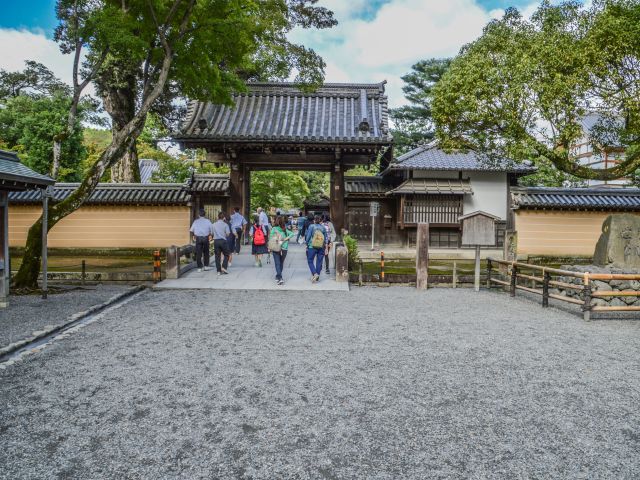
Situated in northern Kyoto, beside a still reflective pond, this Zen Buddhist temple is a truly iconic sight. It’s covered in gold leaf and rises above the water as a symbol of Kyoto’s heritage. Visitors can’t enter the pavilion itself; instead, the experience follows a walking path around the pond. Given it’s one of the city’s most visited landmarks, crowds are big and visits are brief. Entry costs about 500-600 yen for adults.
Cross the Shibuya Crossing
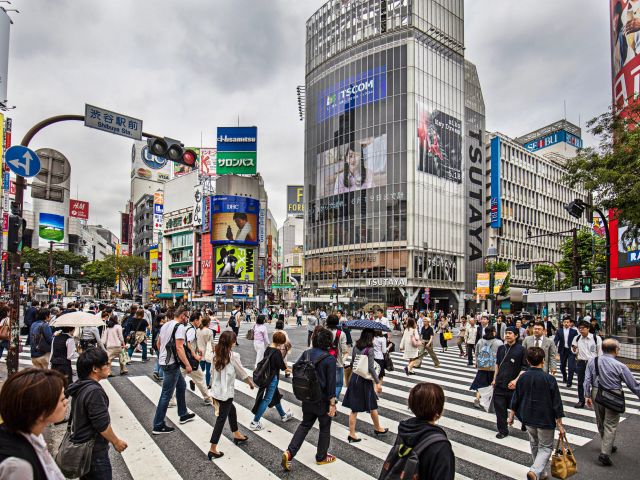
Those famed shots of busy crossings are usually of one location in particular: the multi-directional scramble crossing outside Shibuya Station in Tokyo. During peak hour, thousands of people cross at once on their way to offices, department stores and restaurants. You’ll be swept up in the crowd if you come between 5pm and 7pm, but it’s genuinely a quintessential Tokyo experience.
Hike Fushimi Inari Taisha
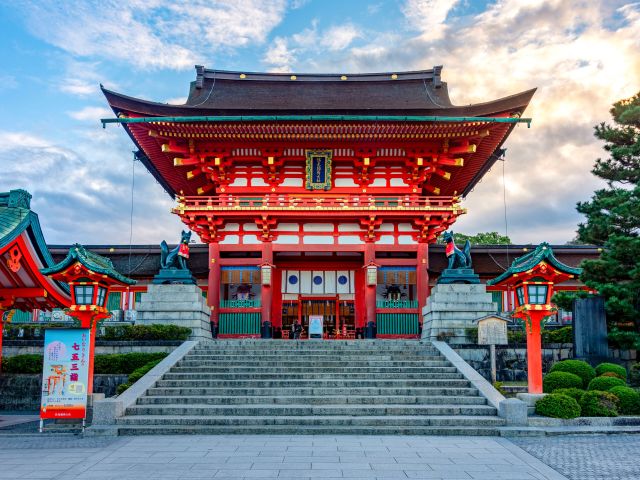
Set aside an afternoon and head to Fushimi Inari Taisha – a major Shinto shrine known for thousands of red torii gates forming trails up a mountain. The full loop can take up to three hours, but there are shorter sections to turn around at, too. If you can, visit early in the morning or after dark – the trail is open 24/7 and far quieter outside peak daytime hours. Make sure to pack water and comfortable walking shoes – you’ll get a steady uphill workout.
Visit the Arashiyama Bamboo Grove
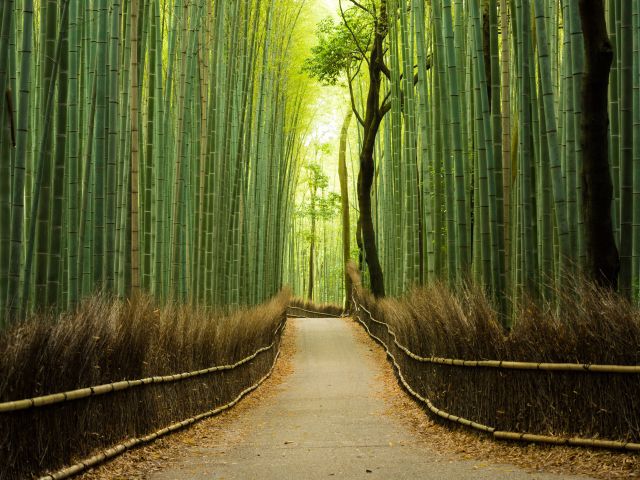
This well-known walking path lets you move through towering bamboo stalks that stretch far overhead. It also happens to be connected to nearby sites like Tenryu-ji Temple and the Katsura River – both significant attractions in their own right. Getting here is easy: you just need to take a local train or tram from Kyoto’s central districts and walk a few minutes.
Bow with the deer in Nara Park
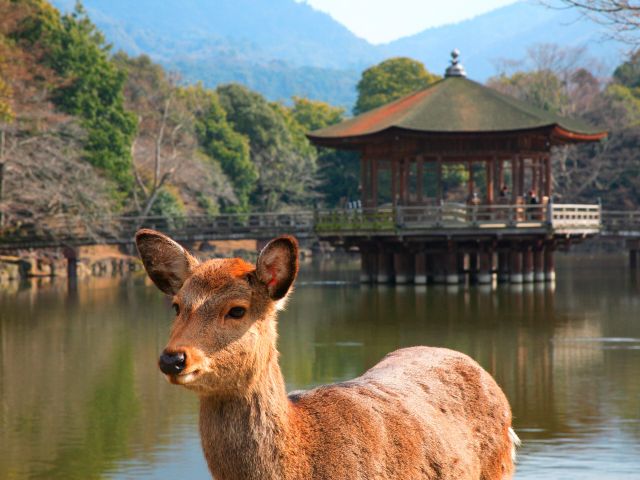
Nara is practically synonymous with sika deer, and you can meet them at Nara Park. These semi-wild creatures roam free throughout the park and often interact with visitors – you’re allowed to feed them with the special senbei crackers sold on-site, but just be careful they don’t become overly persistent or a little nippy if you tease them with food. Entry is usually free.
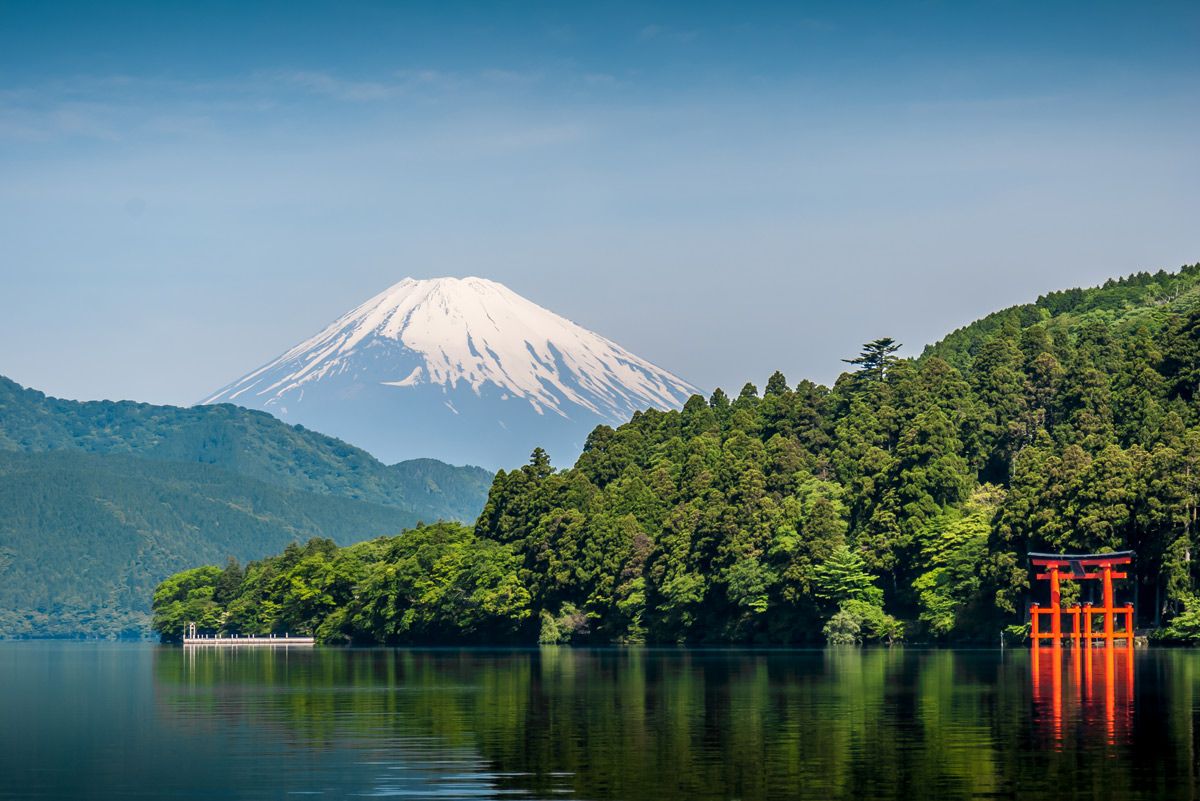
See Mount Fuji from Hakone
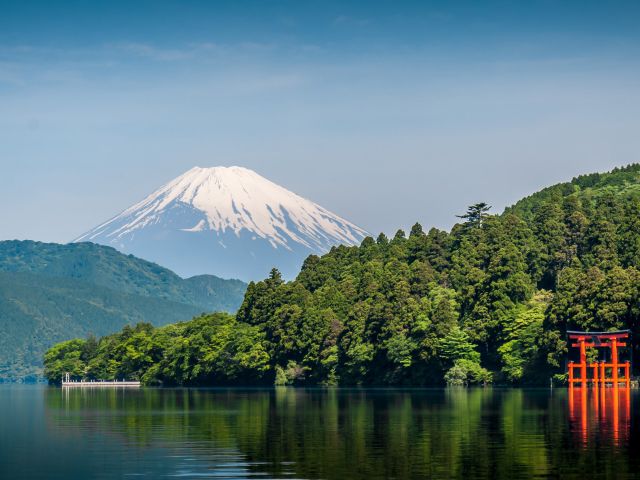
Japan’s highest mountain can be spotted from a range of vantage points (you may even see it from above if you’re landing at Tokyo’s Haneda or Narita airport), but the mountain town of Hakone is one of the best, with views from lakes, ropeways and scenic transport routes. Visibility varies, but clear views are more likely in winter months and early morning.
Sunset at Itsukushima Shrine
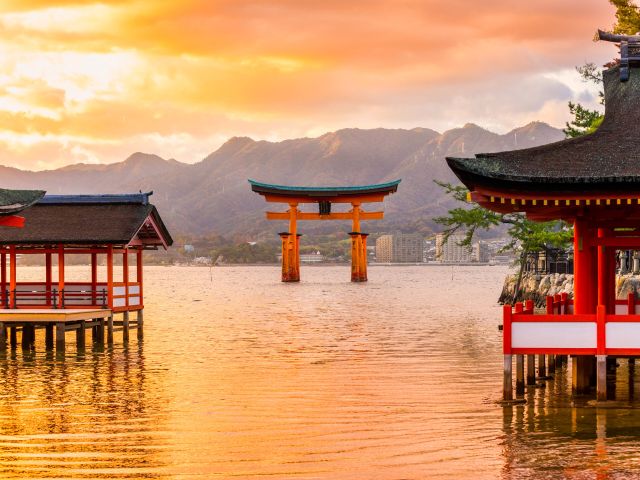
Itsukushima Shrine is a UNESCO World Heritage-listed spot with a distinctive torii gate standing in the water. During high tide, the gate appears to float, but when the tide is down, you can approach it on foot – offering two distinct viewing experiences. Around the township of Miyajima on the island of Itsukushima, there are plenty of well-marked walking trails where you can explore forested hills and coastal viewpoints.
Visit Hiroshima Peace Memorial Park
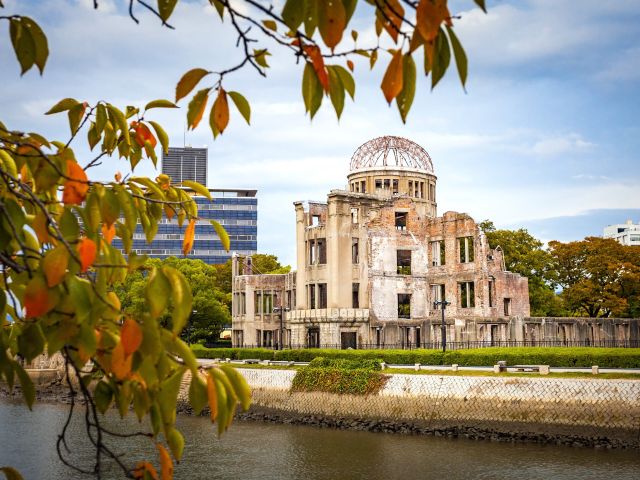
Hiroshima’s wartime past is such an integral part of Japan’s history. You can learn more about the 1945 atomic bombing and experience the museum exhibitions and memorial sites at Hiroshima Peace Memorial Park. The park includes the Peace Memorial Museum (detailed and confronting) and the Atomic Bomb Dome (a preserved ruin) – both will almost definitely leave a lasting impression on you. You can get there via a tram or bus, and entry is free to 200 yen.
Street food crawl in Dotonbori
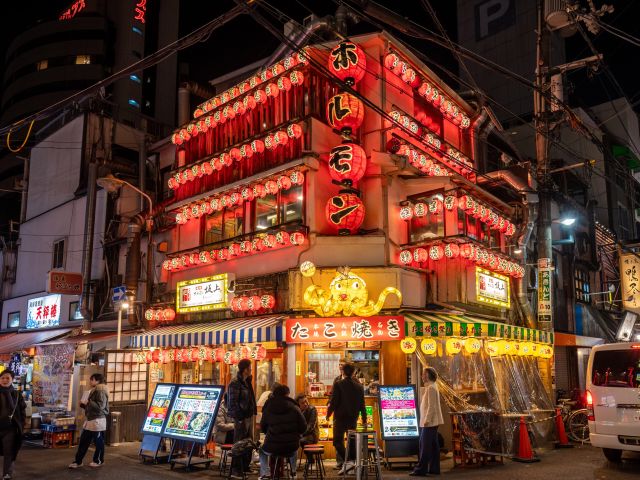
This high-energy entertainment district in Osaka is known for its dense concentration of food stalls and bright, oversized neon signage. Visit here in the evening to soak up the lively, fast-paced atmosphere at its best, and feast on a variety of Japanese street food. Takoyaki, okonomiyaki and kushikatsu are must-orders, and the Glico running man sign is a must-visit.
Stay in a luxury ryokan
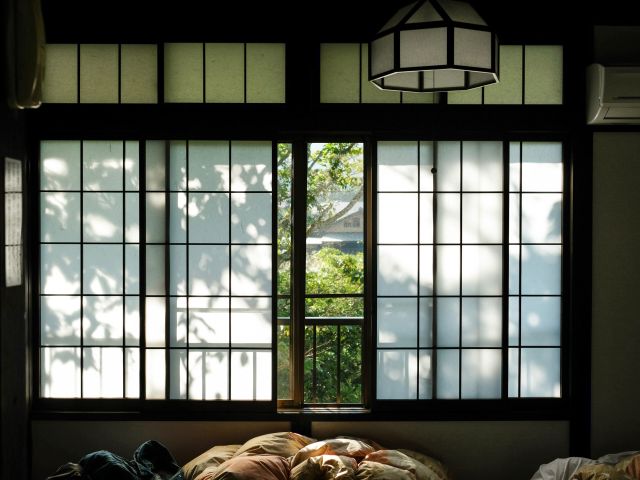
Ryokan are Japan’s very own traditional full-service inns, so your holiday wouldn’t be complete without a stay in one. You’ll stay in a traditional tatami room on a futon bed, often with multi-course feasts included. Both the mountain town of Hakone and the coastal region of Izu are excellent destinations for experiencing a ryokan, with Hakone in particular connected to natural onsen (hot spring baths).
Experience cherry blossom (hanami)
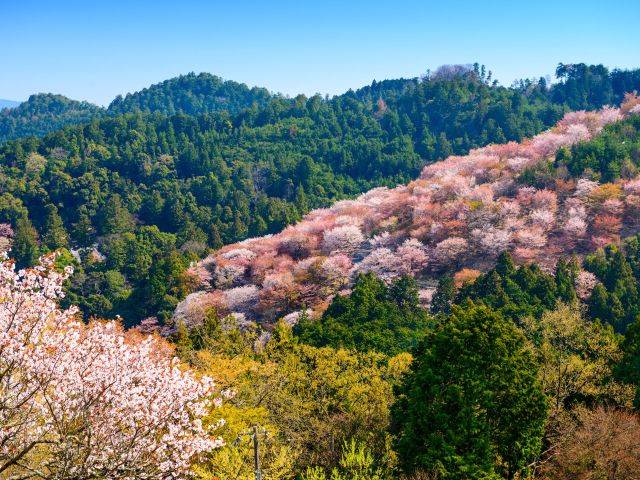
Japan’s sakura cherry trees are practically icons, and spring is the best time to see them – usually from late March to early April, but timing can vary each year depending on the weather. Parks and riversides across Tokyo and Kyoto are popular gathering spots to view the delicate pink flowers.
Ride the Shinkansen
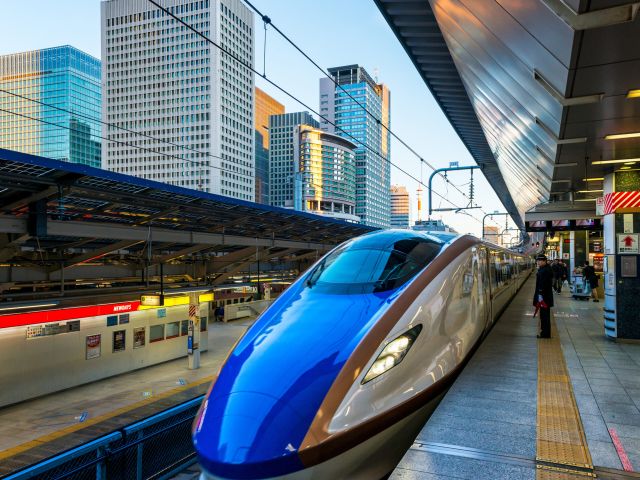
If you’re travelling Japan by rail, you’ll inevitably ride the famed bullet train, or shinkansen. These high-speed trains travel at up to 320 kilometres per hour, although you’ll barely notice as you sit comfortably inside. Major routes connect cities like Tokyo, Kyoto and Osaka.
Regional gems
Once you’ve ticked off the icons, these lesser-known Japan tourist activities offer a deeper look at the country beyond the main cities.
Explore Naoshima
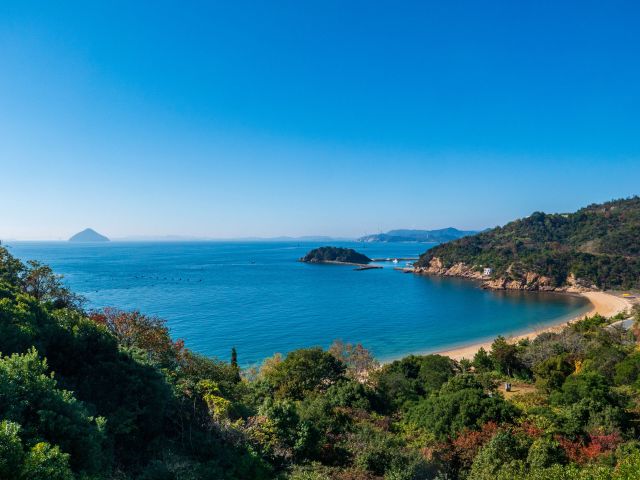
This small island in the Seto Inland Sea is known as a hub of contemporary art museums and installations – making it a must-visit destination if you’re an arts and culture aficionado. Major sites include ChichuArt Museum, Benesse House Museum, Lee Ufan Museum and Art House Project, along with the outdoor sculptures that dot the coastline and villages. You can get to Naoshima by ferry from Takamatsu or Uno Port.
Eat through Omicho Market
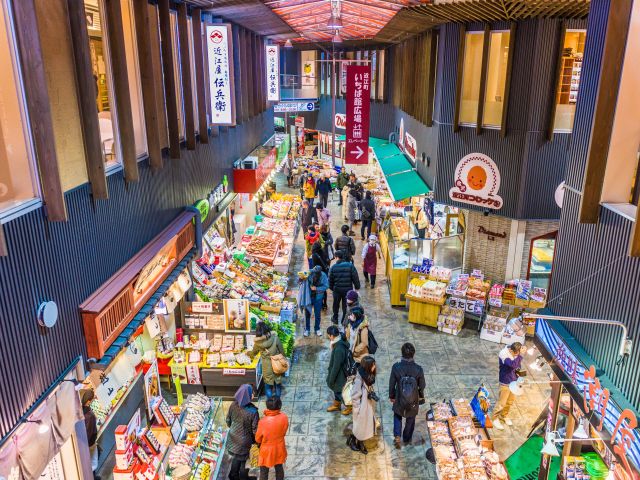
Located in Kanazawa, Omicho Market is a haven for lovers of seafood. Grab fresh crab, oysters, uni (sea urchin) and seafood rice bowls from a mix of vendors, produce stalls and small eateries – some of the best include Iki Iki Tei and Morimori Sushi. Alternatively, take your meal to the nearby seating areas or benches for an alfresco feast.
Wander Nagamachi Samurai District
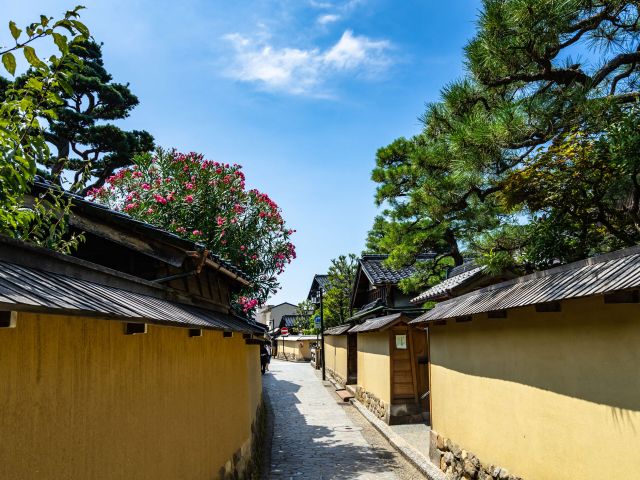
A network of narrow laneways lined by earthen walls and preserved museums, the Nagamachi Samurai District in the centre of Kanazawa is a key area for learning about Japan’s feudal-era history. You’ll find a range of samurai residences, from restored private homes to small heritage museums, with some even allowing entry to interior gardens and rooms.
Sandboard the Tottori Sand Dunes
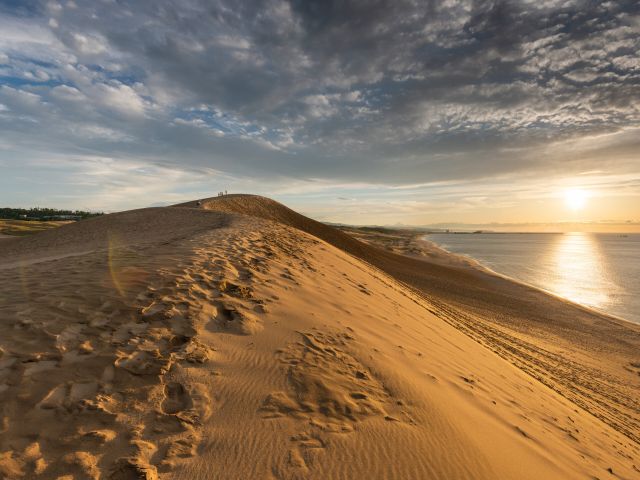
Stretching along the Sea of Japan on the country’s west coast, these vast, wind-shaped sand dunes are popular for walking, hiking, simply exploring the ridgelines and sandboarding. The sandboarding experience is a lot of fun, and best done early morning or late afternoon. Once you’ve had your fill of the dunes, explore the surrounding national park to take in coastal cliffs and expansive sea views.
Walk part of the Shikoku Pilgrimage
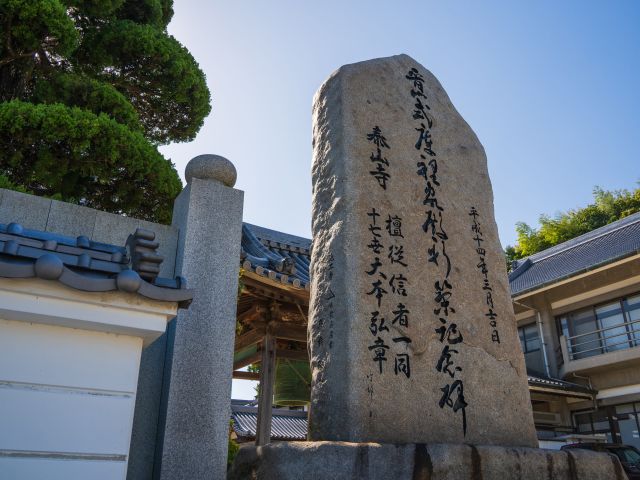
This historic and spiritual walk connects an incredible 88 Buddhist temples across the island of Shikoku – the experience is both physically demanding and culturally immersive. Walking the full 1,200-kilometre route typically takes several weeks, which is why most modern pilgrims complete it by bus, car or train instead. Many travellers also opt to explore shorter “best of" sections in regions like Tokushima or Kagawa instead.
Stay in Ginzan Onsen
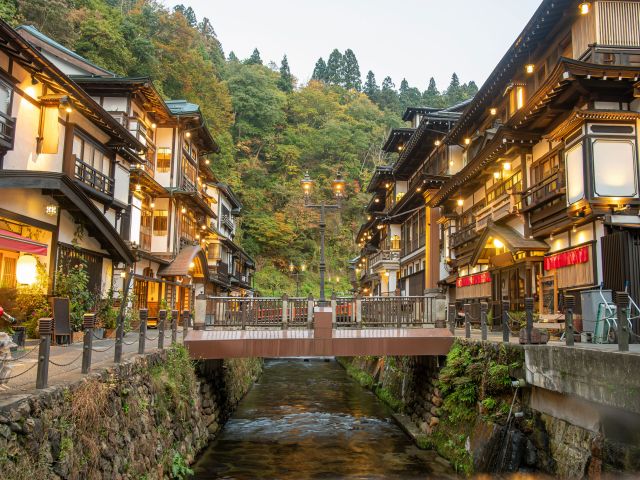
You’re likely to come across a lot of onsens on your Japanese journey, but the historic town of Ginzan Onsen is possibly the most atmospheric place to experience them. This picturesque hot spring town has traditional wooden ryokan lining its central river and natural mineral-rich hot springs, with public baths available in the town, too. Just be wary that you’ll likely need to bathe without swimwear.
See snow monkeys at Jigokudani Monkey Park
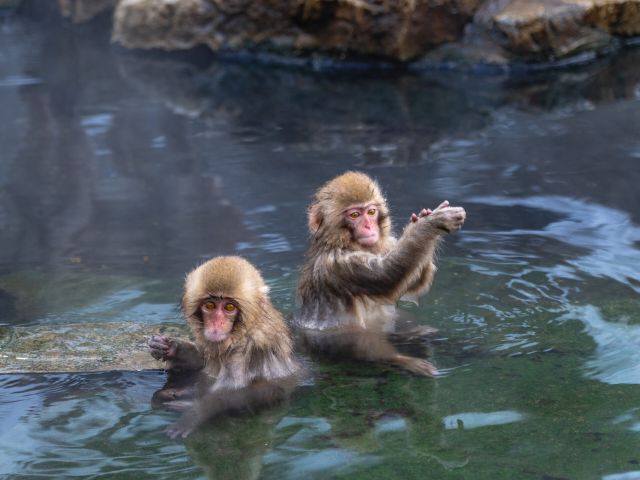
After you’ve had your onsen experience, see the famous snow monkeys bathing in their own at Jigokudani Monkey Park. The natural hot springs are often filled with Japanese macaques, especially during the winter months when the temperatures drop and snow blankets the ground. You can reach the park via a walking trail from the park’s entrance. Tickets are 800-1000 yen.
Weekly travel news, experiences
insider tips, offers, and more.
Visit Saihō-ji (Moss Temple)
The gardens at Saihō-ji in Kyoto are nothing short of spectacular – dense and carpet-like with more than 100 types of moss. You’ll likely need a full morning or afternoon to experience the garden’s winding pathways and quiet, contemplative atmosphere, plus you can often participate in a short calligraphy or prayer session. You’ll have to reserve your spot in advance, typically by application.
Lunch with ama divers
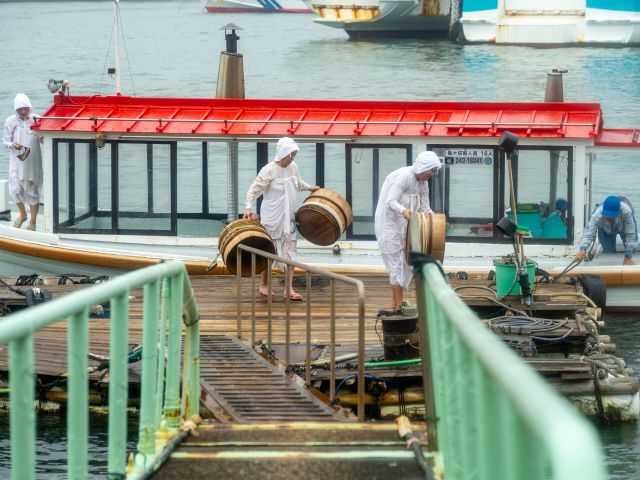
Ama divers are traditional female free-divers who collect seafood such as abalone and shellfish. They’re a centuries-old part of Japan’s culture, with practices passed down through generations. You can enjoy lunch with them in Mie Prefecture, sitting down to a freshly grilled seafood spread in a simple, wood-fired diver hut.
Quirky and cultural
For something a little more unexpected, these Japan tourist activities highlight the country’s more unusual and creative side.
Visit Otagi Nenbutsu-ji
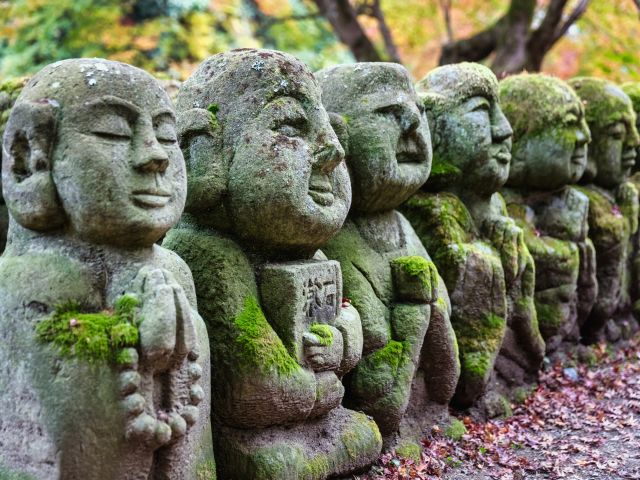
Otagi Nenbutsu-ji is no ordinary temple. Situated in the Arashiyama area of Kyoto, the temple grounds are filled with over 1,000 carved stone statues of Buddhist disciples (rakan) – each with its own unique expression or pose. You’ll probably spend hours inspecting each and every one, but it can be a lot of fun discerning the differences.
Immerse yourself in teamLab Planets
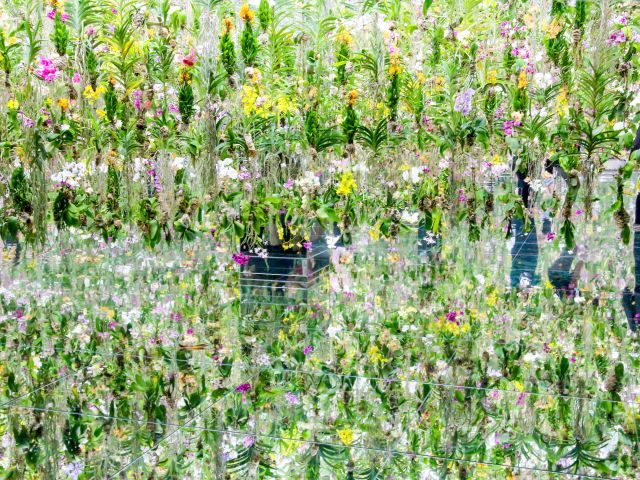
teamLab is famed for its innovative digital art, and this interactive museum in Tokyo is a great way to experience the wonder and immersive scale of the collective’s work. You’ll move through spaces involving light, water and reflections, with large-scale installations and interactive environments. Entry is timed and you’ll have to book tickets in advance – entry is about 4000 yen.
Stay at a temple on Mount Koya
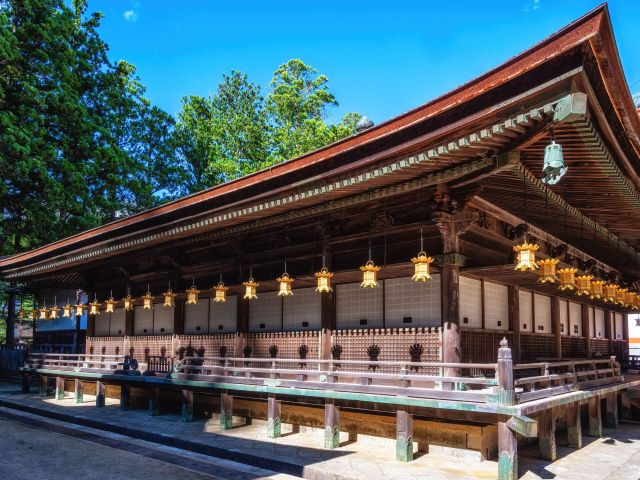
For accommodation with a spiritual difference, book a night in a shukobo (Buddhist temple lodging) on the sacred mountain plateau of Mount Koya. The temple complex is surrounded by forest and historic cemeteries, and includes vegetarian meals and the option to participate in morning prayers.
Explore Golden Gai
Tokyo’s nightlife scene is extensive, but Golden Gai is where it all feels most intimate. This compact nightlife district in the Shinjuku area is defined by narrow alleys and small bars that only fit a handful of people. Even though you may have to pay a cover charge, the experience will be worth it – you’ll experience a more local, character-filled side of the city. Be aware that some bars cater to regulars only or display “no tourists" signs.
Attend a sumo stable morning practice
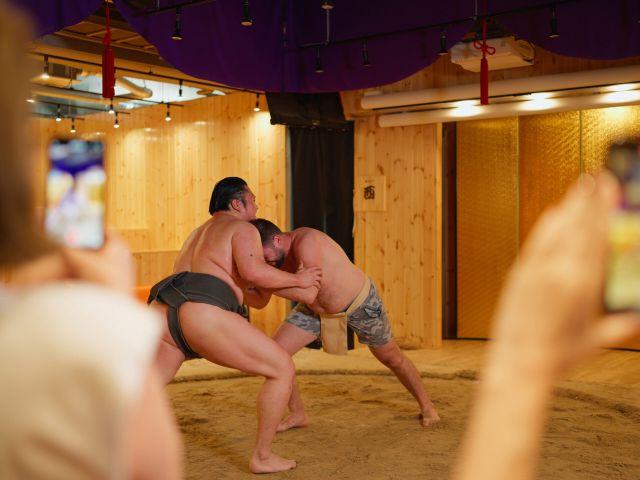
See the famed sumo wrestlers train up close during their morning practice – a behind-the-scenes session where they run drills and bouts. Sometimes it can be tricky to secure access, so you’ll likely have to arrange a guided or organised tour. Ensure you respect the rules and observe the session quietly – these are active training environments.
Visit Okunoshima (Rabbit Island)

Okunoshima is a small island off the coast of Hiroshima Prefecture, accessible by a short ferry ride. Once you arrive, you’ll be met by hundreds upon hundreds of free-roaming rabbits, introduced here decades ago and now thriving. The island is also home to a museum that documents its World War II history.
See the “snow monsters" at Zao Onsen
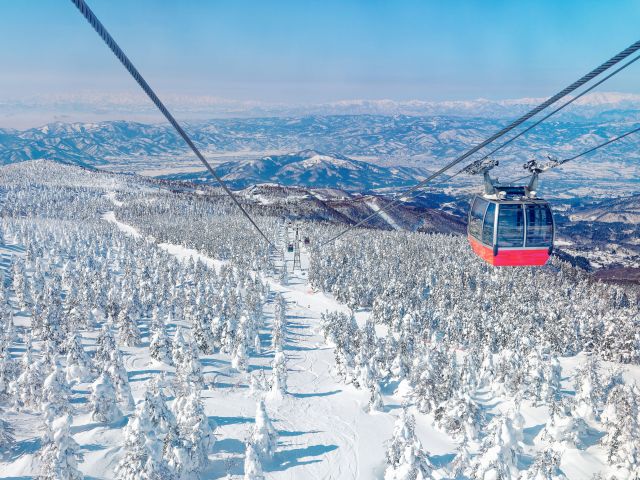
Despite the playful name, the snow monsters at Zao Onsen are simply impressive natural formations – trees coated in thick layers of ice and snow. You can view the formations via a ropeway over the mountain slopes, with the best time to visit in the depths of winter between January and February.
Visit Ghibli Park
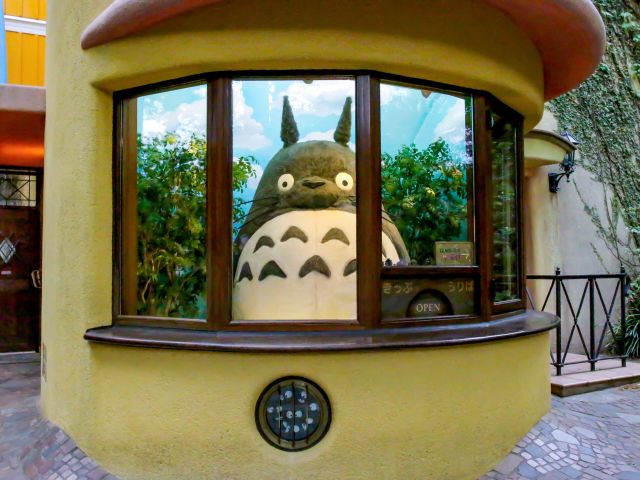
If you’re a fan of Hayao Miyazaki’s films, you’ll definitely need to stop by Ghibli Park in Nagoya. The park is filled with themed areas, exhibits, walk-through sets and detailed recreations, all based on the director’s expansive film catalogue. Purchase tickets in advance and make sure you allow enough time to explore multiple zones.
Stay in a capsule hotel
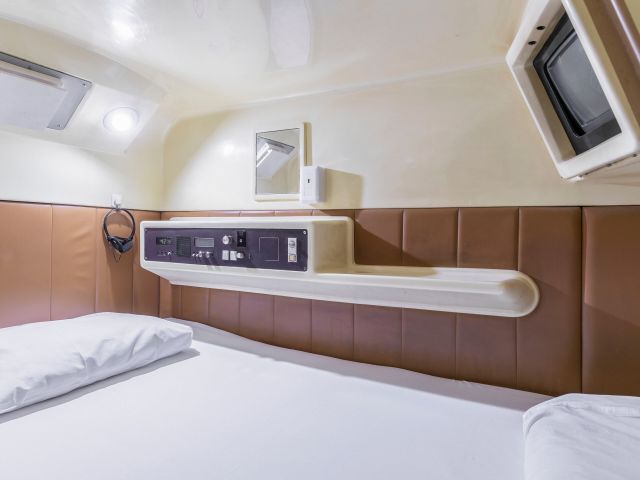
You’ve likely heard of Japan’s iconic capsule hotels, and if you want a truly distinctive accommodation experience, you should book a night in one (these compact sleeping spaces are really only suited for short stays). You’ll have access to basic lighting, power and ventilation, with shared facilities and separate areas for luggage and amenities. Sure, the space is minimal, but you’ll be in for a uniquely Japanese experience.
Want to see more stories from International Traveller in your Google search results?
- Click here to set International Traveller as a preferred source.
- Tick the box next to "International Traveller". That's it.