NZ’s untamed wilderness: 8 experiences to have on the West Coast
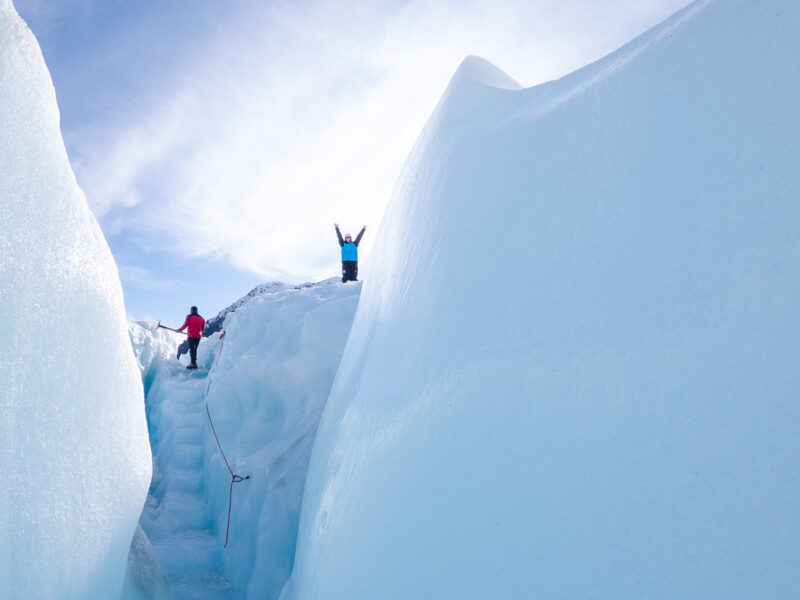
Discover the wild West Coast New Zealand. (Image: Bare Kiwi)
| THIS ARTICLE WAS CREATED IN PARTNERSHIP WITH Development West Coast Tourism |
There’s wild, and then there’s the West Coast. New Zealand’s untamed edge offers glaciers, rainforests, lagoons and limestone wonders in one delightful package.
The scenery of West Coast New Zealand hits almost instantly. Thick forests, wild rivers and impossibly tall mountains make the whole region feel like a nature documentary playing out in real time.
It’s a place built for exploration. One day is spent wandering through forests lined with radioactive-hued moss; the next, you’re staring at a glacier that looks like it belongs on a different continent. Even local pubs hold older stories than the guidebooks.
There’s no need to pick a season; this part of Aotearoa comes to life 365 days of the year. These eight highlights reveal a taste of what New Zealand’s West Coast is all about.
1. Franz Josef and Fox Glaciers
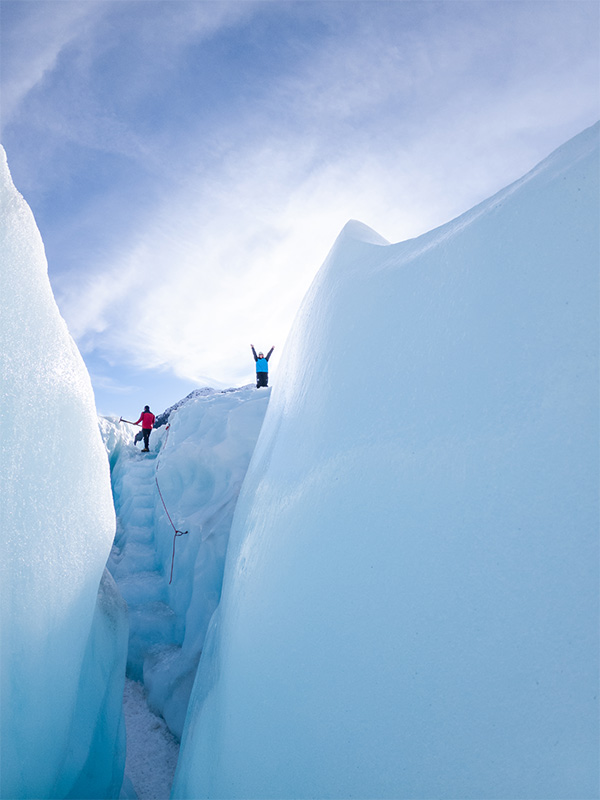
Fly to the top of Fox Glacier. (Image: Bare Kiwi)
Few natural attractions stop you in your tracks quite like these. Two of only three glaciers in the world that flow into a temperate rainforest, Franz Josef and Fox Glaciers spill through steep valleys carved out by centuries of shifting ice.
Their scale only becomes clear once you’re above them. Scenic flights skim over jagged peaks and deep blue crevasses that look almost sculpted. A heli hike puts you right on the ice with Franz Josef Glacier Guides or Fox Glacier Guiding. The crunch beneath your feet and the seemingly sentient landscape make it an unforgettable encounter.
If you’re staying on solid ground, the Te Kopikopiko o te Waka viewpoint offers mesmerising alpine views and cultural storytelling that brings the area’s history front and centre.
2. Hokitika Gorge
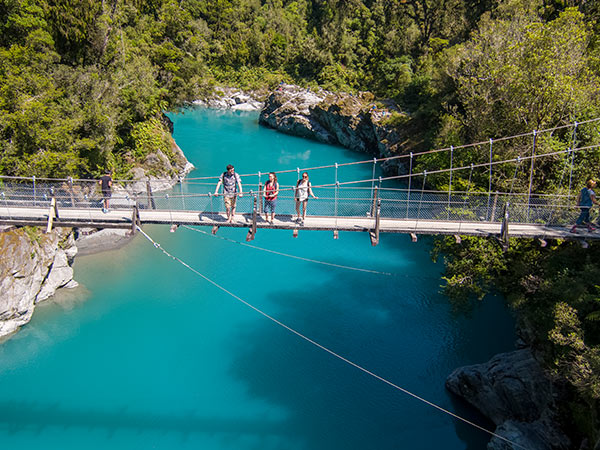
Walk over striking turquoise waters. (Image: Stewart Nimmo)
Hokitika Gorge is one of those places that feels too striking to be accidental. The water glows an unreal turquoise, thanks to the suspended rock flour that colours the river. The loop track is gentle enough for a relaxed stroll, yet is also deeply rewarding thanks to the swing bridges and viewpoints that frame the gorge from multiple angles. Depending on the weather, the colour deepens or softens, giving the whole gorge a slightly different personality at each visit. Nothing beats stepping onto the bridge and watching the river move below you. It’s hypnotic and well worth the detour from town.
3. Ōkārito Lagoon
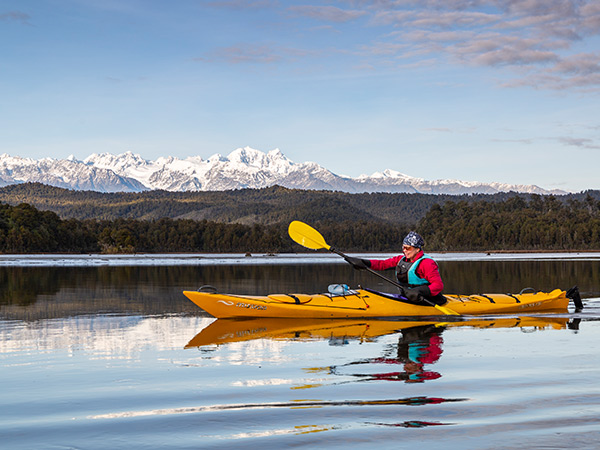
Push off into Ōkārito Lagoon. (Image: Geoff Marks)
Ōkārito Lagoon is New Zealand’s largest unmodified coastal wetland, and it feels enormous the moment you push your kayak into the water. Ōkārito Kayaks handles the gear and the briefing, whether you join a guided tour or set out on your own. On the water, the lagoon opens up ahead of you like a calm inland sea. The reflections are so perfect on still days that it becomes hard to tell where the sky ends and the water begins.
Birdlife thrives here. Herons, shags and wading species drift across the horizon. If you’re lucky, you may glimpse the kōtuku, the rare white heron that has become a symbol of the region. All the while, the Southern Alps sit in the background like a stoic guardian.
4. Haast and Te Wāhipounamu
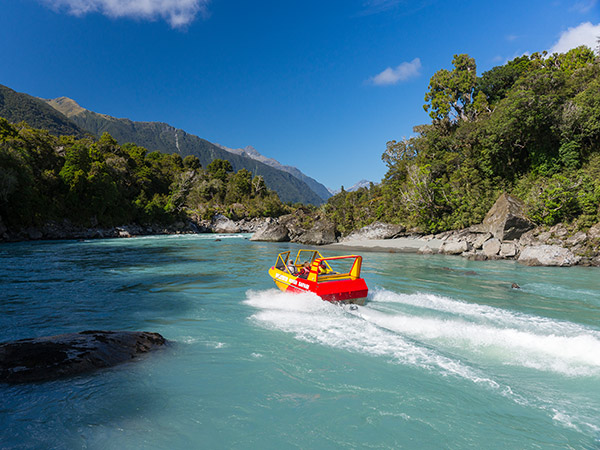
Wonder at Haast’s wilderness. (Image: Stewart Nimmo)
The wilderness around Haast feels otherworldly. This is the gateway to the UNESCO-listed Te Wāhipounamu region, a collection of valleys, rivers and mountains that have remained mostly untouched. The landscape stretches out in ridges and folds, each one revealing more rainforest or another tumbling watercourse.
A Waiatoto River Safari is one of the most immersive ways to explore the area. The ride starts near the coast and gradually winds inland toward the foothills. The water shifts colour as you travel, and the forest leans in close. It’s peaceful and rugged at the same time, a rare combination that defines the region.
5. Five National Parks
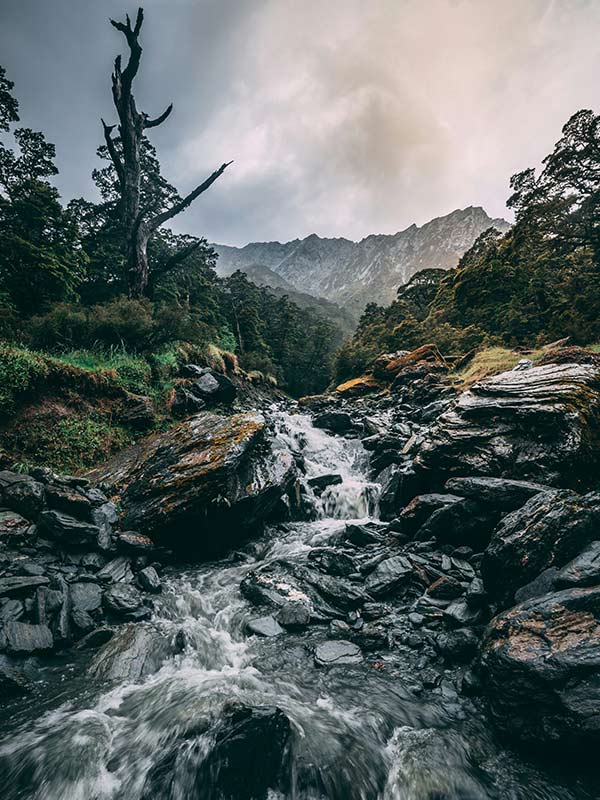
Walk the valleys and glaciers of Mt Aspiring. (Image: Timothy Chan)
It’s unusual for one region to hold so many protected areas, yet the West Coast has it mastered. Kahurangi feels remote and ancient with its vast limestone and marble formations. Paparoa blends rainforest, cliffs and canyons that make modern civilisation feel like a foreign concept, while Arthur’s Pass takes you high into alpine scenery filled with waterfalls and playful kea. Westland Tai Poutini is glacier territory, shaped by ice and bordered by dense vegetation that thrives in the region’s high rainfall. Mt Aspiring is a haven of sprawling valleys and hanging glaciers, creating a landscape shaped by thousands of years of natural forces.
Each park offers something different. You could spend a morning weaving through forest or commit to an all-day mission climbing toward a high ridge. Either way, you get a sense of how varied this slice of the island truly is.
6. Ōpārara Arches
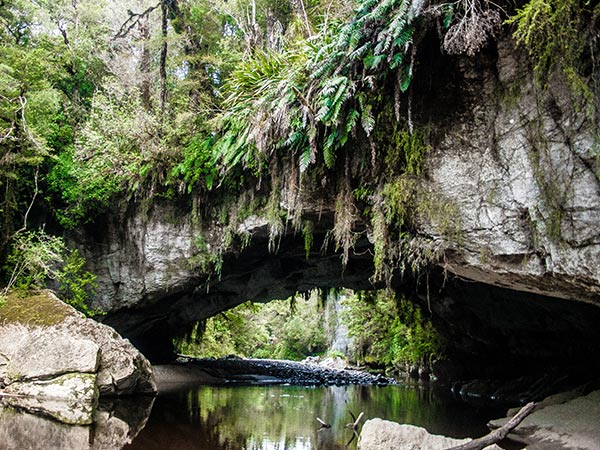
Discover the Ōpārara Basin. (Image: Janis Sabanovs)
Hidden near Karamea, the Ōpārara Basin is thick with ferns and moss, and its river runs tea-coloured beneath giant limestone arches shaped over millions of years. The Ōpārara Arch rises like a natural cathedral, huge and warm-toned, with water flowing peacefully below.
Join a Honeycomb Hill Cave/Arch tour for access to fragile limestone formations deep in the winding tunnels. The chambers reveal soft patterns that look hand-carved despite being entirely natural creations. Nature – there’s nothing quite like it.
7. Rowi-spotting in Ōkārito
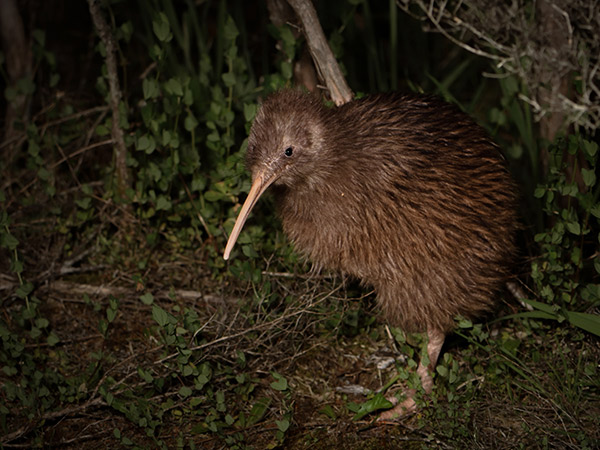
Join a tour to spot local rowi. (Image: Dash Huang)
Determined to be New Zealand’s most endangered kiwi, the adorable little rowi only lives in and around Ōkārito. Seeing one is a privilege, and Ōkārito Kiwi Tours works closely with conservation teams to guide people through the forest with tracking equipment. It’s a respectful encounter, rooted in care for a species that came dangerously close to extinction.
The West Coast Wildlife Centre continues conservation efforts with their hatching program for the rowi and the also-endangered Haast tokoeka, offering a behind-the-scenes look at kiwi conservation. You’ll also meet tuatara and little penguins, cute enough to elicit an involuntary ‘aww’.
8. Pancake Rocks
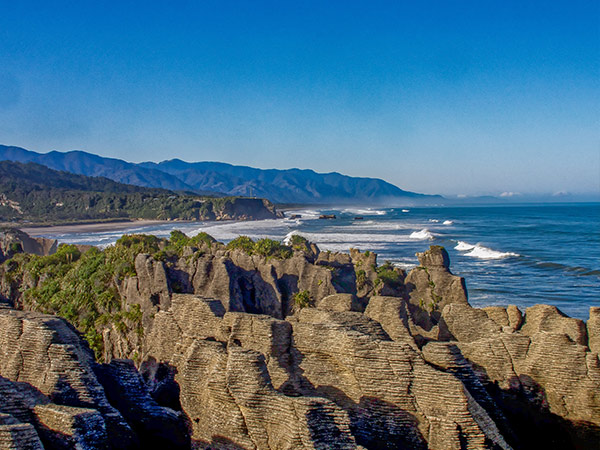
See the striking form of Pancake Rocks. (Image: Pierre Le Bigot)
Punakaiki’s limestone stacks are one of the West Coast’s most recognisable landmarks, and they always impress. The layered formations look as though they’ve been stacked one by one, rising above the ocean in neat curves. When the tide is high, the blowholes roar with bursts of spray that shake the boardwalk railings. Edible these pancakes are not, but they satiate the senses in an entirely different way. It’s a short walk, but it will linger in your memory long after you leave.
Start planning your journey to New Zealand’s untamed West Coast westcoast.co.nz.






Such a good article – arriving in South Island 1st September. Doing the Tranz Alpine train trip then hiring a car in Greymouth, should have allowed mor time time around Haast River and surrounds – looks beautiful. Lunch at the Cray pot looks a must. Thanks