hero media

What to do in Takachiho, Japan

Located on the Southern island of Kyushu, the remote mountain town of Takachiho is the mythological birthplace of Japan, boasting shinto shrines, natural wonders and out-of-this-world beauty.

The misty mountain town of Takachiho has no high-speed train connections or highways leading to it. Instead, it takes a winding drive to get here: one that helps acclimatise you to the scenery in store and makes this off-the-beaten track destination feel gloriously, ethereally removed from the world.


Located in northern Miyazaki – a mountainous, mango-growing prefecture on Japan’s southern island of Kyushu – Takachiho’s landscape is characterised by deep ravines, lava-carved gorges and waterfalls that plunge into emerald green rivers. In autumn, when the leaves turn a blaze of gold, red and auburn, it’s elevated to a level of hyper-real beauty.


Assessing it all from the lofty heights of the town’s walking trail or its panoramic lookout, it’s easy to see why this ancient land is the mythological birthplace of Japan: where deity Ninigi No Mikoto descended to in order to establish the divine origin of the Imperial Family and where many legends of Shintoism played out. You can explore this mythology by visiting the town’s shrines and power spots (a popular concept in Japan, power spots are places believed to impart spiritual energy to visitors).


Top this off with friendly locals who say hello in the street, top-quality produce to sample in cafes and izakayas, and just a little bit of quirk: Takachiho will find a place in your heart. Here are the highlights.

Getting there

ANA flies direct from Sydney to Tokyo’s Haneda Airport daily, with connecting flights to Kumamoto Airport; hire a car, taxi or jump on a direct local bus to travel the 65 kilometres from there to Takachiho.

Kunimigaoka observation deck

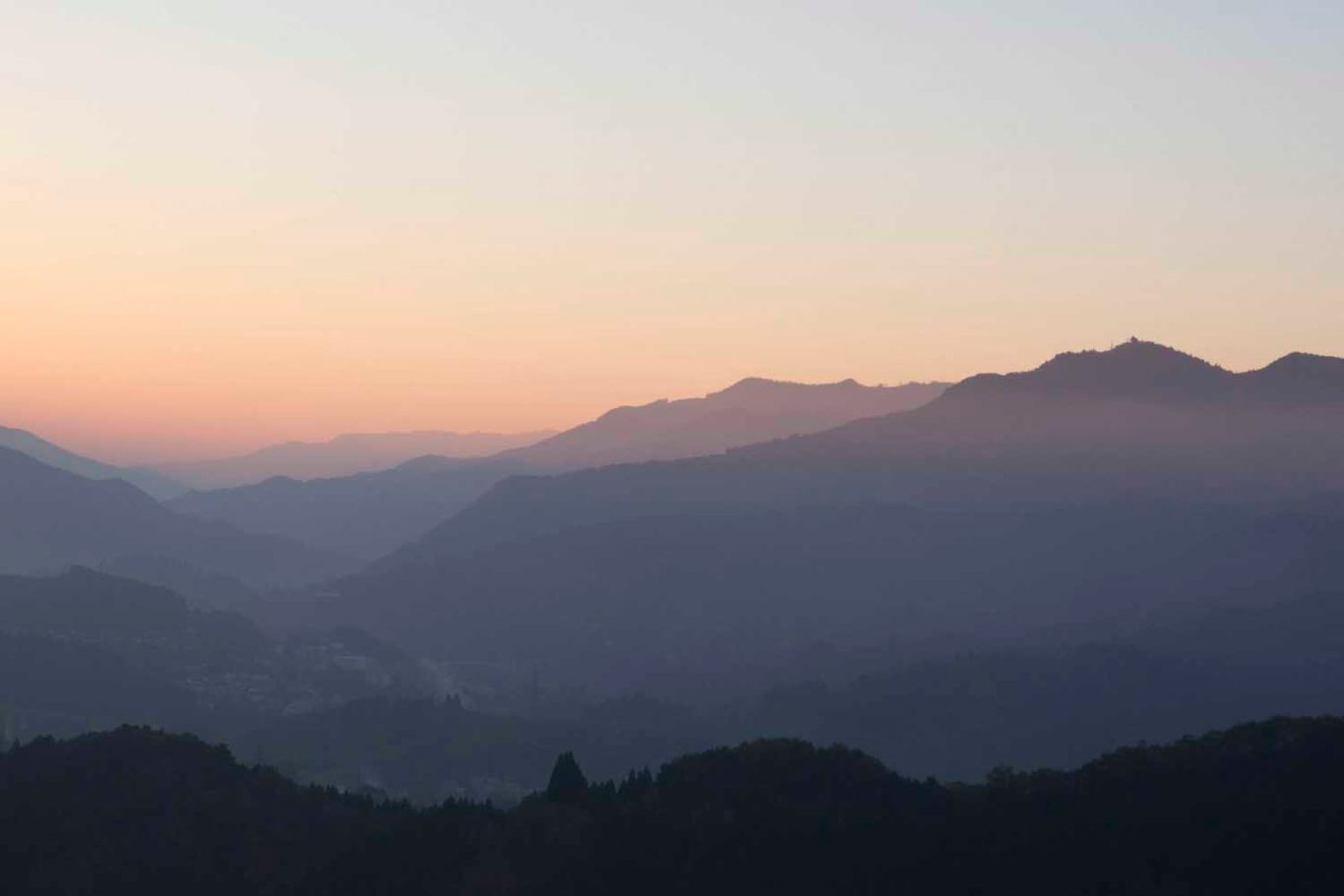
Early risers visiting Takachiho between mid-September and late November will be treated to a spectacular sight – if atmospheric conditions are just right. Head to the panoramic Kunimigaoka observation deck (a 10-minute drive uphill from town) in time for sunrise to see if the Sea of Clouds manifests: a thick mass of weather that fills the Takachiho basin like cotton candy.


And if it doesn’t, the kaleidoscope of colours that plays out on the landscape for a few magical minutes before and after the sun appears over the mountains won’t leave you disappointed.

Amano Iwato Shrine

One of Takachiho’s potent power spots, Amano Iwato Shrine is the site of a well-known legend of Japanese mythology: the story of the Shinto sun goddess Amaterasu’s self-imposed exile in a cave, depriving heaven and earth of all light, and her fellow deities’ attempts to persuade her out. The site is located 10 kilometres out of town, and accessed by descending on foot into one of the deep, verdant gorges typical of the region.


Although the cave itself is located on the opposite side of the Iwato River, the walking trail leads to a torii gate and another cave, where the gods and goddesses converged to talk strategy and where previous pilgrims have stacked neat piles of stones. Add yours and make a wish. See this legend reenacted at a Yokagura dance, held nightly at the atmospheric Takachiho Shrine. On Saturdays during winter, this traditional local dance is performed in its original (read: all-night-long) version at locations, largely farmhouses, across town.

Takachiho town

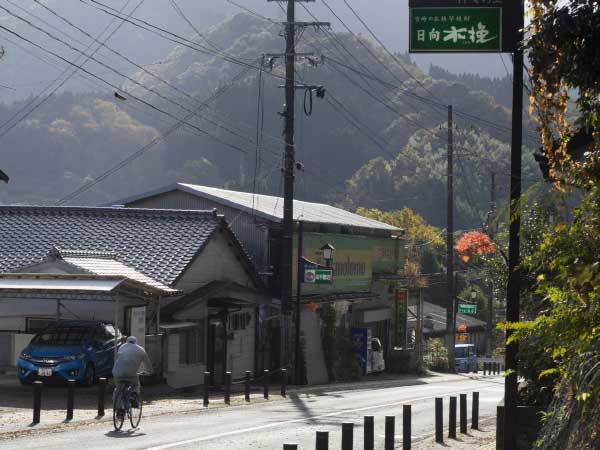
Although it serves as the perfect base for exploring the natural beauty that surrounds it, the picturesque mountain town of Takachiho itself is a rewarding place to spend time.


Wander its atmospheric backstreets and cute main street lined with interesting stores like the Takachiho Gamadase Market, which sells local produce as well as handicrafts and tasteful souvenirs (pick up a packet of pan-roasted green tea to take home). And be sure to stay at the Solest Takachiho Hotel in the heart of it all, which combines modernist design inspired by nature with typical Japanese hospitality and warmth.
In the mountains…

Other places to love in Kyushu

Beppu, Oita Prefecture

If you’re travelling to Kyushu, don’t miss your chance to experience the complete and utter otherworldiness of Beppu, the hot spring capital of Japan. Plumes of steam rise from the ground in the old Kannawa district and are harnessed for use in everything from cooking to bathing, and the famous ‘hells’ or jigoku – pools of boiling hot spring water coloured red, blue or white according to their mineral content – bubble away around town.

Usa Jingu Shrine, Oita Prefecture

A 45-minute drive north of Beppu and located within a primeval forest, this is one of Japan’s most important Shinto shrines (pictured above). Pass through the large vermilion torii gate and take your time to explore the vast and vibrant complex of great halls dedicated to the god Hachiman and representative of the region’s fascinating Rokugo Manzan culture, all while trying to wrap your head around the fact that it was built in the eighth century.
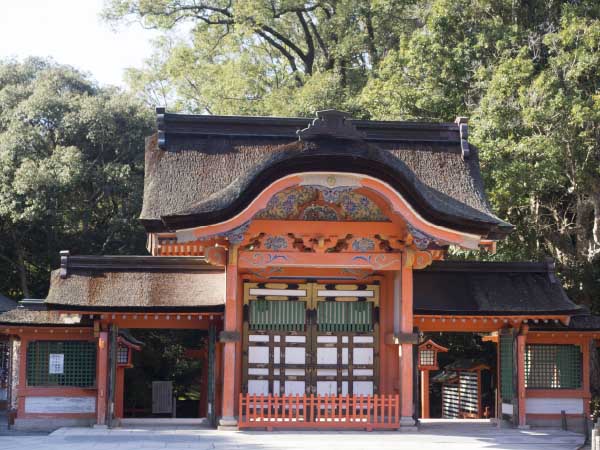
Usa Jingu shrine

Weekly travel news, experiences
insider tips, offers,
and more.

Mt Aso, Kumamoto Prefecture

Mt Aso is one of Japan’s (in fact the world’s) largest active volcanoes, so it’s definitely worth a gander. The area has plenty of walking trails and lookout points (check accessibility before you travel at aso.ne.jp) and for something a little different, head to El Patio Ranch for a gentle horse ride through the grassy green plains that surround the volcano.

Indulge in some matcha

We’re not saying you should travel to Takachiho just for its soft-serve, but a case could definitely be made. The region is known for its kamairi-cha, or pan-roasted green tea, and one of the best ways to try it is in a freshly made batch of ice-cream dispensed with a smile from a kiosk based near Amano Iwato Shrine; it’s creamy and ever-so-slightly grainy in texture and deliciously subtle in flavour.


Another specialty around here is Takachiho beef: tuck into a steak at Nagomi restaurant nextdoor to Gamadase Market.

Matcha heaven

Wild walks and Wilder Dining

If the town of Takachiho itself feels quiet and devoid of tourists, it’s because you’ll find them all on rowboats down at Takachiho Gorge, bobbing blithefully while taking in the spectacular landscape that was formed by a lava flow from nearby Mt Aso many moons ago.


It’s one of the area’s power spots, so harness some energy before continuing along the Takachiho Course (a 12.3-kilometre round walking trail, or olle, from the town centre) through the mountainous region’s forests and green tea fields.


Stop for lunch en route at Saizen Mountain School Restaurant: a wonderfully quirky and isolated restaurant with just three tables and based in a tiny outbuilding of an abandoned primary school perched high above town. Preserving the art of sansai ryouri, or wild mountain vegetable cuisine, its welcoming owners create homecooking-style dishes that will be among the best you’ll eat in Japan. Book ahead.
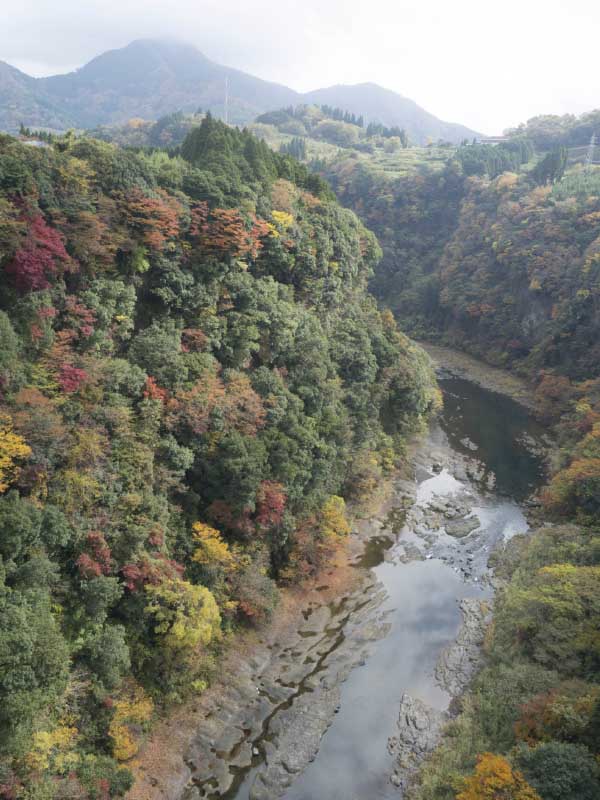
The famed depths of Takachiho Gorge

Want to see more stories from International Traveller in your Google search results?

  1. Click here to set International Traveller as a preferred source.
  2. Tick the box next to "International Traveller". That's it.
Imogen Eveson
Imogen Eveson is International Traveller’s Print Editor. She was named Editor of the Year at the 2024 Mumbrella Publish Awards and in 2023, was awarded the Cruise Line Industry Association (CLIA) Australia’s Media Award. Before joining Australian Traveller Media as sub-editor in 2017, Imogen wrote for publications including Broadsheet, Russh and SilverKris. She launched her career in London, where she graduated with a BA Hons degree in fashion communication from world-renowned arts and design college Central Saint Martins. She is the author/designer of The Wapping Project on Paper, published by Black Dog Publishing in 2014. Growing up in Glastonbury, home to the largest music and performing arts festival in the world, instilled in Imogen a passion for cultural cross-pollination that finds perfect expression today in shaping Australia’s leading travel titles. Imogen regularly appears as a guest on radio travel segments, including ABC National Nightlife, and is invited to attend global travel expos such as IMM, ILTM, PURE, Further East and We Are Africa.
View profile and articles
hero media

5 things every hotel needs for a more restorative stay

    Kate Bettes Kate Bettes
    Wellbeing means different things to different travellers. Here’s how to pick a hotel that gets it right for you.

    The best wellness holidays aren’t necessarily spent wrapped in a spa robe. Sometimes they’re found around a dinner table in Cambodia, on a hiking trail in New Zealand or after finally beating jet lag on the other side of the world. The hotel you choose is what makes them happen.

    1. Easy access to good food

    meals from Novotel Bangkok Sukhumvit 20
    Taste delicious meals at Novotel Bangkok Sukhumvit 20.

    One of the quickest ways to derail healthy habits on holiday is to spend half of it working out where to eat instead of digging into the culture around you. Thankfully, Novotel has done much of the hard work already, with chefs building menus that lean into the flavours, ingredients and traditions of each destination.

    In Sihanoukville, Cambodia, Korkor soup – often dubbed ‘Cambodian ratatouille’ – sits alongside raw blue crab dressed with lime and chilli, best enjoyed with views across the Gulf of Thailand.

    In the lovingly chaotic city of Bangkok, the presence of food cranks up the sociability. At Novotel Bangkok Sukhumvit 20, you can settle in with mango sticky rice and stranger-turned-friends beside the pool at Sky on 20 rooftop bar, or bring them along to tackle river prawns and stir-fried crab with holy basil at the buzzing Crab Paradise Dinner Buffet.

    Then Novotel Dubai Al Barsha welcomes you with a laidback twist on the level of indulgence the Middle Eastern city is best known for up on Deck Se7en. Looking towards Burj Al Arab, the rooftop lounge has everything from Mediterranean-style dishes like seabass ceviche to Italian prosecco sundowners.

    At the other end of the scale, in the hills that surround the Novotel Bali Ubud Resort, calm comes from nature. At Siralada restaurant, Balinese traditions shape the menu while thunder rumbles over the surrounding jungle – proving the setting is as nourishing as the food itself.

    While at Novotel Nha Trang, chef Kieu Thi My Hanh and her team showcase Vietnam’s knack for balancing freshness, texture and fragrant herbs. Pho remains a favourite, while seafood salad with pomelo and mango brings those flavours together in one bright dish.

    It’s all an approach backed by partnerships with expert food creators such as Alfie Steiner, whose plant-forward recipes prove healthy food should never taste plain.

    2. Better sleep options

    Novotel Bali Ubud Resort room
    Sleep deeply with Novotel.

    There are few travel experiences more disappointing than arriving in a new country, determined to seize the day, only to fall asleep fully clothed by 3pm.

    For Australian travellers, jet lag is often an unavoidable part of the journey. That’s one reason Novotel runs sleep-focused initiatives that help guests adjust quickly without compromising on health. We’re talking partnerships with Sydney-based sleep specialist Olivia Arezzolo, known for her advice on everything from better sleep habits to beating jet lag, alongside features like pillow menus, in-room yoga content and tailored sleep guidance.

    The sooner you’re operating on local time, the sooner you can get back to more pressing matters – like deciding which spa treatment to book.

    3. More ways to move

    woman hiking around queenstown new zealand
    Stay at Novotel Queenstown Lakeside and explore local hiking trails. (Credit: GettyI mages/ naruedom)

    Every place in the world has its own way of getting you moving: whether that’s hiking up ice-bitten mountains before a sauna or gentle stretching by the pool before a facial. From fitness centres to spas, Novotel recognises that wellbeing rarely looks the same.

    At Novotel Queenstown Lakeside, activity is inescapable. Here, hiking trails, ski fields, bungee jumps, and white-water rafting have made the region famous. The hotel’s location on the shores of Lake Wakatipu means less time spent organising yourself and more time out there experiencing them. To top it all off, you can book a private hot tub for the evening before heading back into the wilderness tomorrow.

    Bali, of course, takes a softer approach. At Novotel Bali Ubud Resort or Novotel Bali Nusa Dua, movement is less about conquering a mountain and more about a dance class between the tropical gardens and lagoon pools. Afterwards, the spa takes over, with traditional treatments like a Lulur body scrub: a combination of rice, turmeric, sandalwood, ginger and jasmine that’ll soothe muscles already relaxed by the Balinese heat.

    4. Better connections

    Novotel Sharm El Sheikh
    Kids will love a stay at Novotel Sharm El Sheikh.

    One of the best things about travel is that it gives your family stories you’ll be telling for years. Novotel helps create them with activities that bring everyone together, whether that’s trying something new, learning a local skill, or simply spending more time together.

    Go for a distinctly Thai twist at Novotel Phuket Vintage Park, where many of the family activities draw on local culture. Kids can try everything from beginner Thai boxing and language lessons to umbrella painting and – a pastime beloved by children the world over – pool foam parties. Everyone is welcome to join in, whether that’s getting splashed, covered in paint, or simply watching their children discover a new side of Thailand during the dedicated Family & Kids Day.

    A different adventure awaits at Novotel Sharm El Sheikh. Kids could be perfectly content with discos, drawing classes and new holiday friends, but the Red Sea has other ideas. Sitting on the edge of Naama Bay, days here might involve snorkelling colourful reefs, taking a boat trip to Ras Mohammed National Park or heading into the desert by quad bike or camel for a Bedouin-style dinner beneath the stars.

    5. Location is everything

    Surin Beach, Choeng Thale, Thalang District, Phuket, Thaiföld
    Explore Phuket’s gorgeous beaches. (Credit: Bence Biczo)

    Everyone’s idea of wellness looks a little different. With more than 600 hotels across 65 countries, Novotel gives guests the freedom to choose the destination that suits them best. Whether that’s a beachside escape in Phuket, an alpine expedition in Queenstown or a city break in Bangkok, there’s a good chance a Novotel isn’t far away.

    All that’s left? Choosing your version of wellbeing.

    Discover stays to inspire your everyday at novotel.accor.com.