8 naturally Japan experiences, perfect for Reset Jetters
| THIS ARTICLE WAS CREATED IN PARTNERSHIP WITH JAPAN NATIONAL TOURISM ORGANIZATION |
Elevating your health this year is as simple as visiting one of Japan’s key destinations for mindfulness.
‘Reset jetters’ is a growing trend group of travellers for good reason. More and more, travellers are focusing on restorative, wellness-oriented trips to rejuvenate, both physically and mentally. In Japan, mindfulness and restorative practices aren’t trends, but traditional ways of life dating back centuries. Practices like forest bathing – the practice of mindfully immersing into a forest environment – and the ritual of visiting an onsen.
Pair practices like these with a diverse landscape, ranging from volcanic mountains to tranquil forests, and you’ve got pockets in every corner of the country seemingly designed to help you slow down, relax and reboot.
You can find a new you anywhere in Japan, but we recommend getting started with one of the following eight wellness highlights:
1. Yakushima
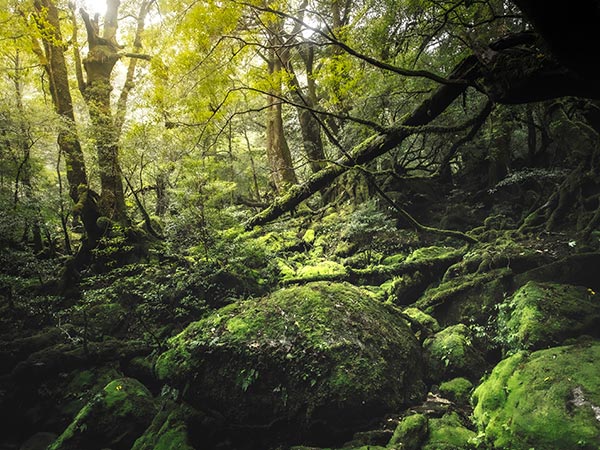
Head into the moss-covered world of Yakushima. (Image: Marek Piwnicki)
Picture a mystical, moss-covered world filled with ancient cedars and dramatic canopies of entwined evergreen branches and take off your shoes: Yakushima, a UNESCO World Heritage Site located off the southern coast of Kagoshima Prefecture, welcomes you to engage in what could be the world’s most picturesque session of forest bathing.
Also known as shinrin-yoku, forest bathing – the act of consciously connecting with a natural environment – has long been known to boost immunity, lower blood pressure, reduce fatigue, and lessen anxiety and depression. Something to think about as you undertake the 20-kilometre Seibu Rindo Forest Path that passes through untouched wilderness teeming with Yakushima monkeys and deer.
2. Fuji-Hakone-Izu National Park
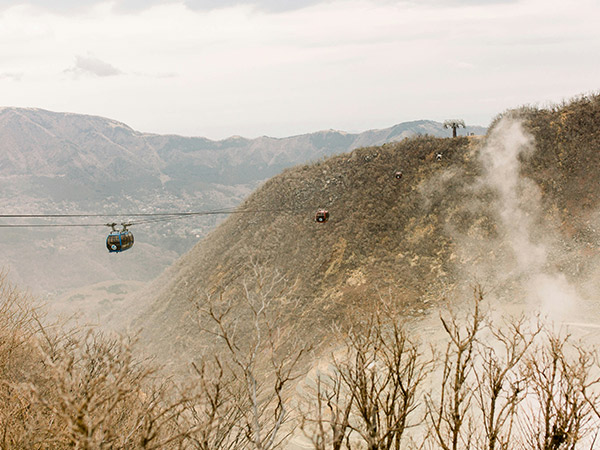
Take the Hakone Ropeway over onsen. (Image: Jenna Neal)
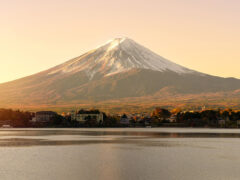
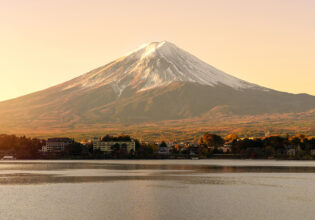
There’s bathing, and then there’s melting – body and soul – into an onsen shaped by thousands of years of volcanic activity, gazing up at Mt Fuji as you unwind. In Fuji-Hakone-Izu National Park, located just southwest of Tokyo, the question isn’t so much about where, but which one? The park offers an abundance of adventure across four distinct areas stretching from the iconic mountain to a sprinkling of islands in the Pacific Ocean.
Ride the Hakone Ropeway up to Owakudani which, thanks to sulfur vents and a concentration of onsen, is known as the ‘great boiling valley’. Be sure to visit or a stay at one of the many public bathhouses and ryokan located in Yumoto, Hakone’s largest onsen town. Popular options include the outdoor baths of Tenzan, and the stone and wood baths of Hakone Kamon.
3. Shikoku Pilgrimage
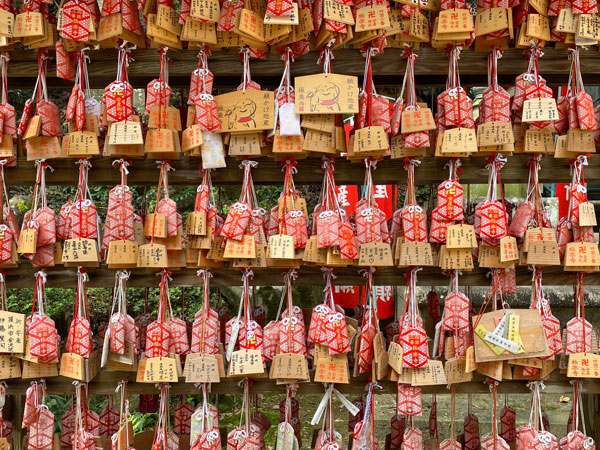
Temple offerings along the Shikoku Pilgrimage. (Image: Sarah Reid)
Atonement, spiritual reflection, or perhaps just a desire to leave daily distractions behind; no matter the reason, Shikoku (the smallest of Japan’s main four islands) invites positive change in the most picturesque of settings: via its 1200-kilometre Shikoku Pilgrimage.
Believed to have been started over 1200 years ago, the circuit takes in 88 temples, mist-covered mountains and bubbling hot springs as you embrace the centuries-old cultural tradition of osettai (hospitality towards other pilgrims along the route).
While traditionally walked, you now have the option of completing the pilgrimage by car, bus or train. Discover Shikoku can help visitors incorporate the pilgrimage into their travel plans by booking accommodation, as well as providing transport and outfitting.
4. Matsushima
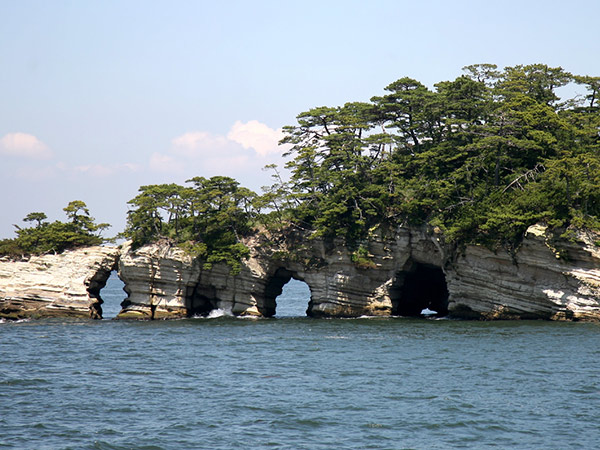
Soak in the striking scenery of Matsushima Bay. (Image: Nakae)
Countless studies over the years have shown that the mere act of looking at beautiful landscapes can not only reduce stress and fatigue, but also elevate feelings of well-being. While scenic spots across Japan are hardly in short supply, it’s hard to argue against a visit to Matsushima Bay, a destination that’s considered one of the country’s three most scenic spots in the country.
Located on the eastern coast of the Tohoku Region, there are plenty of ways to take in both the sight of Matsushima’s 260 pine-clad islets and harness the feel-good energy of those views. You can book a boat tour of the islands, explore Oshima Island or Fukuura Island on foot, or just enjoy incredible views from Mt Otakamori or Mt Tomiyama.
5. Tottori
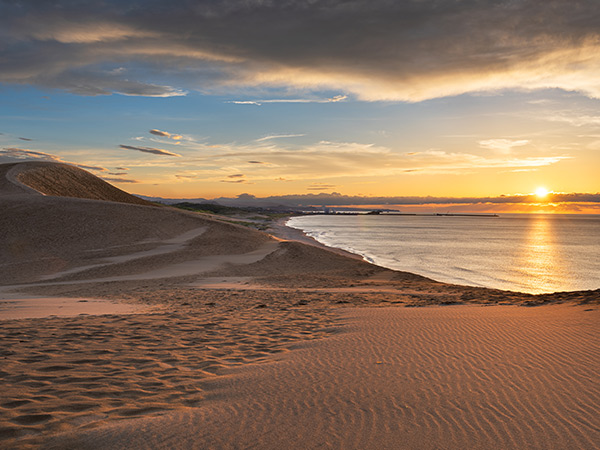
Paraglide over the Tottori Sand Dunes.
At Tottori Sand Dunes, the expansive desert-like landscape along the Sea of Japan, it’s a big yes to all of the above, plus so much more as you explore the dunes with childlike wonder.
Blanketed in snow in winter and vibrant with purple scallion blossoms come late October/early November, Tottori Sand Dunes – part of the Sanin Kaigan National Park – spans 16 kilometres and offers a wealth of mesmerising activity options. Sandboarding or paragliding sessions complete? You can retreat to the observation deck of the Tottori Sand Dunes Center, where you can watch the movement of the tides and the coastal winds shape-shift an ever-changing landscape.
6. Kamikochi
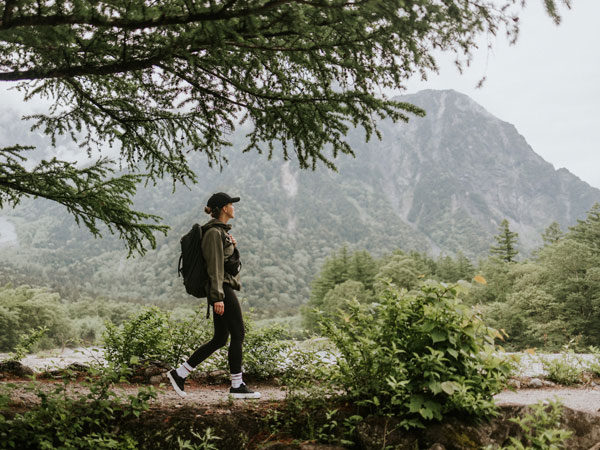
Kamikochi is suitable for all hiking abilities. (Image: Getty Images/visualspace)
Take a pristine Alpine valley teeming with lush forests, crystal waters and dramatic peaks, and you’ve got the ultimate hiking destination – the perfect place to improve your cardiovascular health and build stronger muscles and bones.
Kamikochi, a largely undeveloped resort in the Northern Japan Alps, has long been popular with hikers (and wildlife such as Japanese serow, deer, foxes and the occasional shy bear) in the know, but that sweeping mountain scenery can be enjoyed by walkers of all abilities. Take a day to tackle the relatively flat trails along Azusa River from Taisho Pond to Myojin Bridge. Or if you’re feeling adventurous (and have plenty of hiking experience), say yes to climbing those surrounding peaks.
7. Daisetsuzan National Park
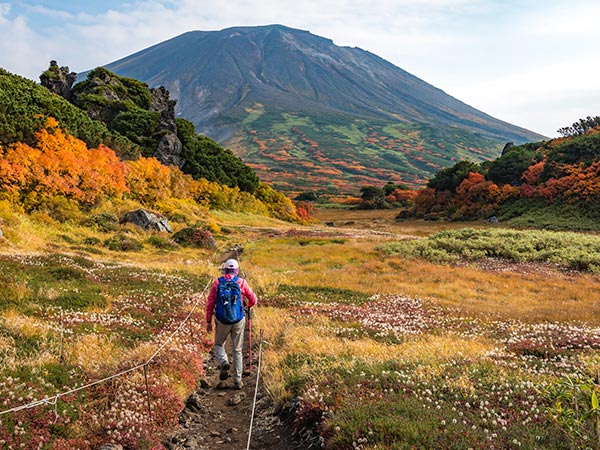
Time your walk through Daisetsuzan National Park with the wildflowers. (Image: Getty/ Perry Svensson)
Embracing the power of colour therapy is as simple as taking a hike in Daisetsuzan National Park, an unspoiled mountain wilderness located in Hokkaido that’s celebrated for its volcanic landscape and hiking trails.
The first place in Japan to see the vibrant pops of foliage in autumn – not to mention the region’s famous crystalline snowscapes – the best way to harness the energy of colour is by taking a hike through this rugged expanse. Short hikes, such as the Sugatami Pond Walking Path (taking in Mt Asahidake’s fumaroles), punch well above their weight. But it’s hard to beat the Nakadake Onsen hike, which guides you up towards natural hot springs and back again.
8. Koyosan
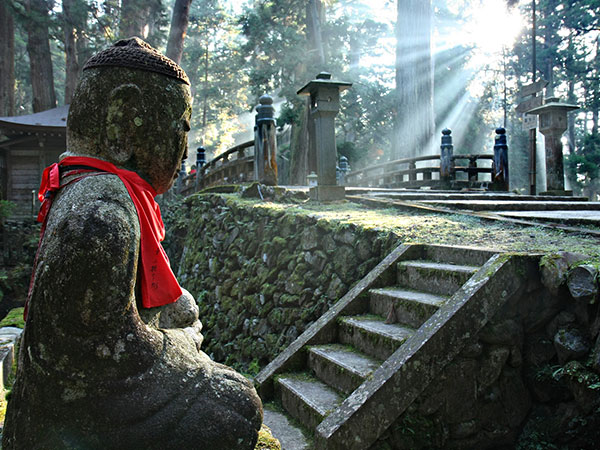
See the temples of Koyosan. (Image: Getty/ ncousla)
On paper, it’s a remote cedar woodland area to the south of Osaka, but Koyosan is at its heart home to one of the major sects of Shingon Buddhism. Introduced some 1200 years ago by one of Japan’s most significant religious figures, Kukai (also known as Kobo Daishi).
Here, in a world either ablaze with spring cherry blossoms, covered with a rich tapestry of autumn leaves or blanketed in glistening snow, you are presented with the opportunity to follow in the footsteps of pilgrims. Not only as you traverse atmospheric forest paths to holy Buddhist sites, but as you bed down in one of 52 traditional shukubo temple stays and see and learn the inner workings of monastic Shingon life.
For further information on wellness and mindfulness in Japan, please visit japan.travel.







LEAVE YOUR COMMENT