hero media

The 6 most underrated ports of my Japan to Korea cruise 

Discover the quiet ports that give heart to a journey through Japan to South Korea. 

When I embarked on a Norwegian Cruise Line sailing from Japan to South Korea, I had visions of the big-ticket destinations: neon-soaked Tokyo, the cultural pull of Kyoto, the energy of Seoul. What I didn’t expect was to fall for the quieter, lesser-hyped ports – the ones that don’t dominate brochures or social feeds but end up giving a trip its texture. 

Over almost two weeks at sea, I discovered that sometimes the places you’ve barely heard of, or assume are just stops, deliver the most surprising experiences. Here are the six underrated ports that won me over.

1. Nagoya 
Nagoya castle
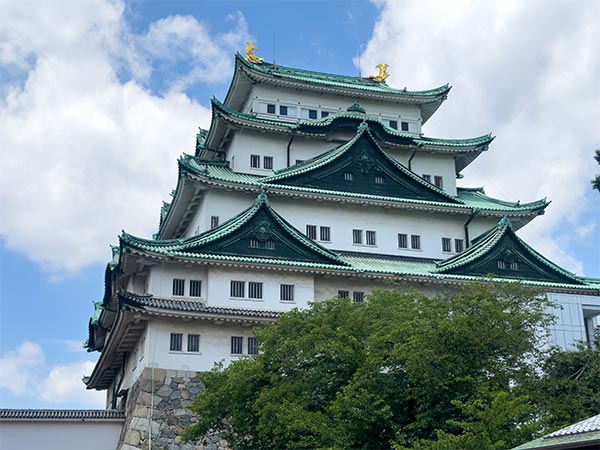
The shachihoko is a prominent presence in Japan’s iconic landmarks. (Image: Emily Murphy)

Before I visited Nagoya, I thought of it as more of an industrial city, better known for its car factories than its cultural highlights. But the moment I arrived, it completely flipped my expectations. 

Nagoya Castle is the city’s pride, and for good reason. Even though the main keep is closed, the sprawling grounds and reconstructed palace offered a glimpse into Japan’s feudal history. What really caught my eye were the golden shachihoko ornaments perched on the rooftops – tiger-fish creatures that looked like something out of mythology, said to protect against fire. They glistened against the sky and became one of my favourite details of the trip. 

Foodies will find plenty to love here, too. Nagoya has its own culinary identity, from miso katsu (a richer, darker take on pork cutlet) to hitsumabushi (grilled eel served three different ways). Tucking into a steaming bowl while locals chattered around me gave me a sense of Nagoya as a city quietly confident in its own skin, no hype required.

2. Kōbe 
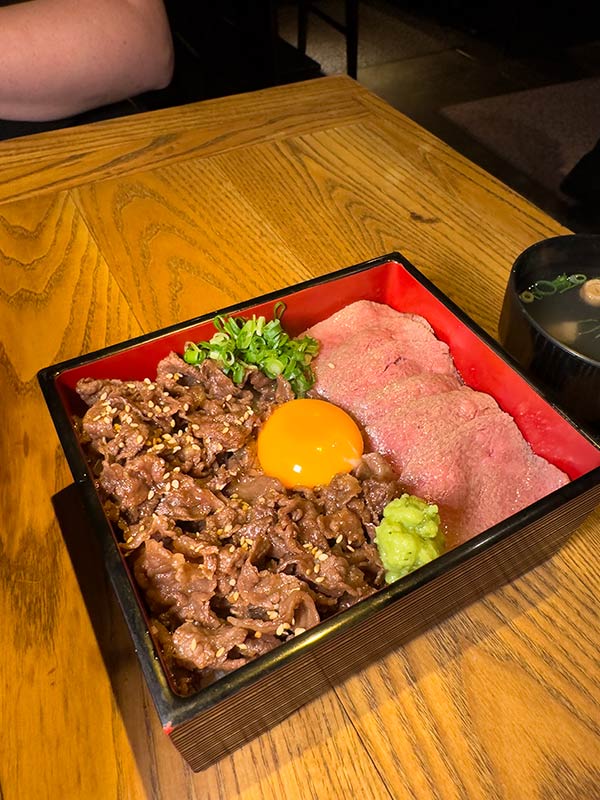
Kobe beef
Kōbe beef is world-renowned for a good reason. (Image: Emily Murphy)

If you’ve ever heard of Kōbe, it’s probably because of its world-famous beef. Yes, the beef lives up to the legend – buttery, marbled, melt-in-your-mouth – and yes, eating it in a narrow alleyway restaurant felt like a rite of passage. But Kōbe gave me more than just a good meal. 

The city’s portside memorial to the 1995 Great Hanshin Earthquake was incredibly moving. Preserved slabs of the damaged waterfront sit alongside stories of the lives lost and rebuilt, reminding you that Kōbe’s glossy skyline is built on resilience. 

Add to that a scenic waterfront framed by mountains, and Kōbe reveals itself as a city of contrasts – indulgent yet humble, modern yet deeply rooted in its past. For me, it was the port that reminded me travel isn’t just about consumption, but connection. 

3. Beppu 
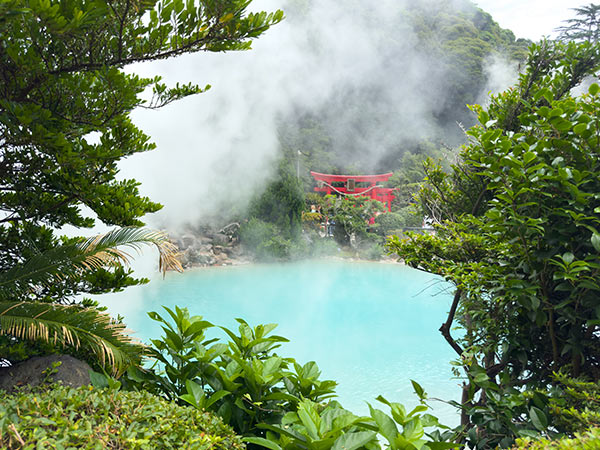
Hells of Beppu
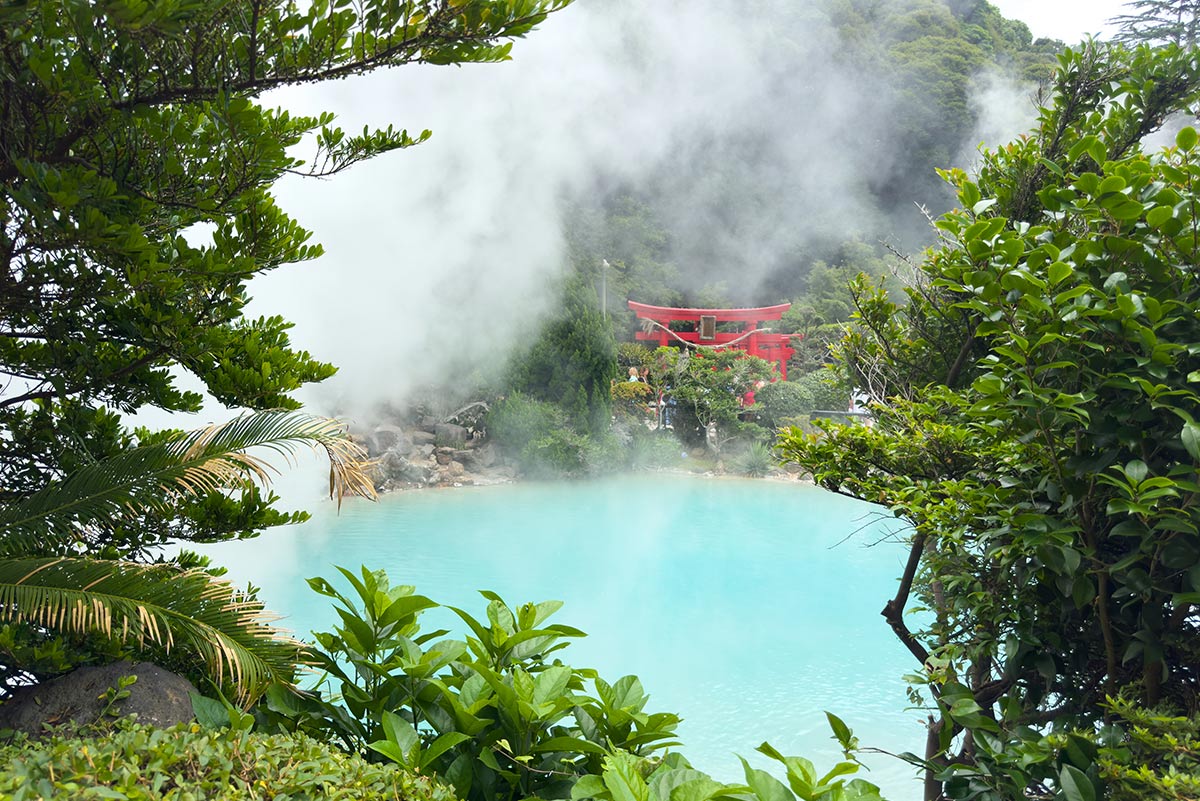
The Hells of Beppu were once feared for their boiling waters. (Image: Emily Murphy)

Beppu is Japan’s onsen capital, and you know it the moment you arrive: steam rises from vents in the ground, slipping between buildings like a city perpetually exhaling. It’s both surreal and slightly eerie, and I loved it. 

The famous “Hells of Beppu" showcase the area’s geothermal oddities, from blood-red hot pools to bubbling mud pits. They’re not for bathing – more like natural art installations created by the Earth itself. But what gave Beppu character for me was Takasakiyama Monkey Park, opened in 1952 as a safe place for the growing local monkey population to call home. Hiking up the hill to see wild macaques lounging and grooming each other was equal parts hilarious and fascinating. 

Beppu is quirky, chaotic and unapologetically itself. It’s the kind of place that doesn’t need polish, because its rawness is the attraction. 

4. Jeju 
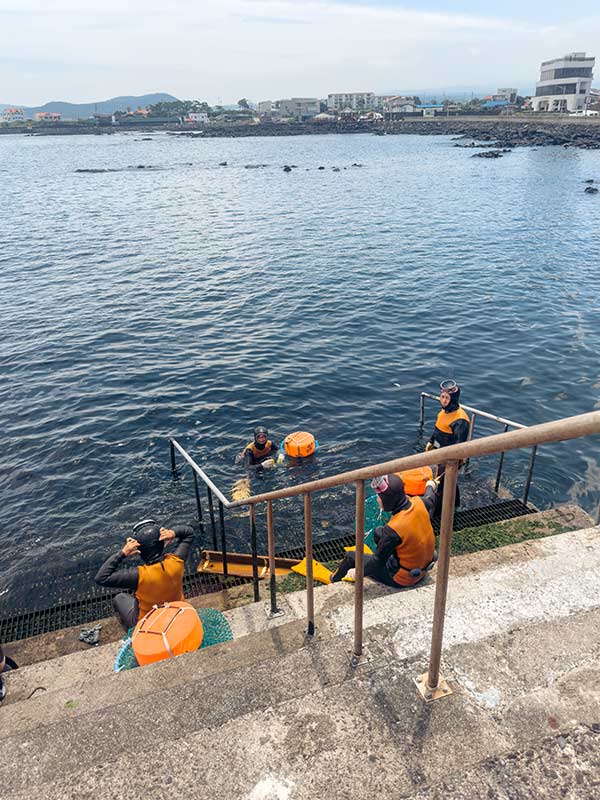
Jeju Haenyeo
The female divers are admirable for their commitment to environmental sustainability. (Image: Emily Murphy)

Jeju Island in South Korea has a reputation as a honeymoon hotspot, and I half expected it to feel overly touristy. Instead, I found an island layered with stories and traditions that felt deeply grounded. 

The Spirited Garden, with its bonsai trees and lotus ponds, was peaceful and meditative – a total contrast to the bustle of our cruise ship. But the most unforgettable experience was learning about the haenyeo, Jeju’s legendary women divers. These incredible women free dive without oxygen tanks, harvesting seafood from the ocean floor, a practice passed down through generations. Their resilience and strength left me in awe and reminded me that travel is as much about people as it is about landscapes. 

Of course, Jeju’s volcanic origins give it plenty of natural drama too – rugged coastlines, lava tubes, waterfalls. It felt like a place where myth and reality blur. 

5. Kōchi
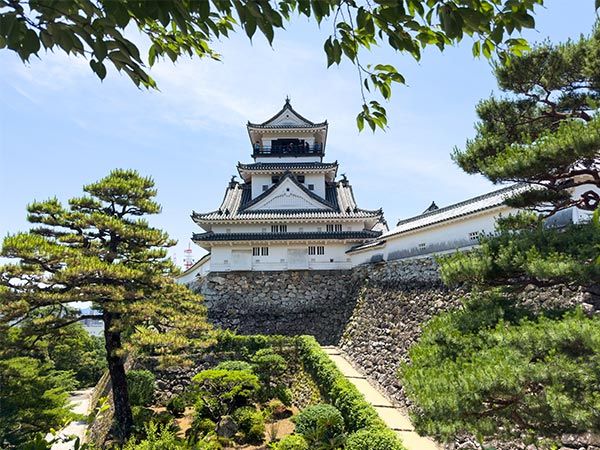
Kochi castle
Kochi Castle is one of the oldest castles in Japan. (Image: Emily Murphy)

Kōchi turned out to be one of the most charming stops on the itinerary. Unlike larger cities, it felt immediately approachable and easy to navigate. Kōchi Castle is one of only a dozen original castles in Japan that survived the feudal era intact, and climbing its wooden stairs to the lookout made me feel like I’d stepped back in time.

But as much as I loved the history, my standout memory is culinary. Near Hirome Market – a bustling food hall where locals gather for beer and bites – I found a small ramen shop. There, I slurped a bowl of tsukemen, dipping thick noodles into a rich broth, and it was hands-down one of the best meals of the trip.

Kōchi may not appear on many “must-visit" lists, but that’s exactly why it works its charm. It’s intimate, authentic, and gives you the sense you’ve stumbled onto something special.

Weekly travel news, experiences
insider tips, offers,
and more.

6. Shimizu 
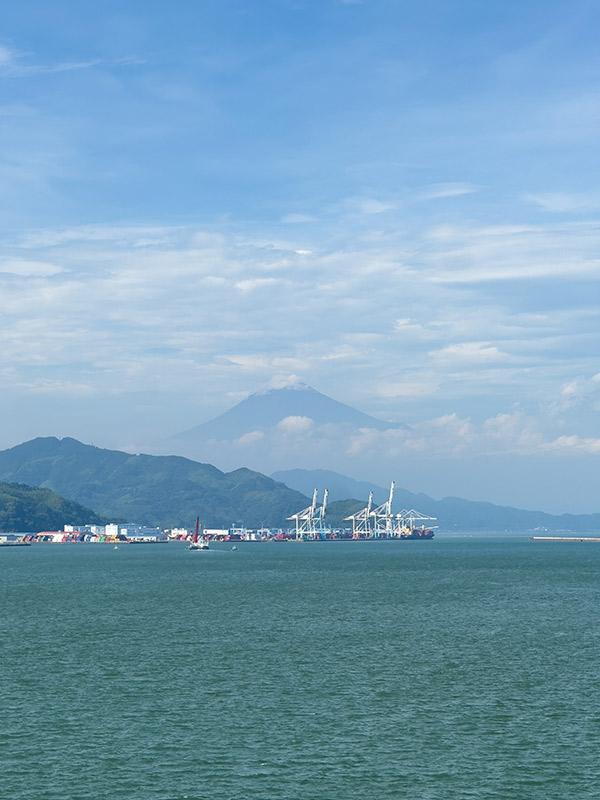
Mt. Fuji
Mt. Fuji is an elusive yet worthy sight. (Image: Emily Murphy)

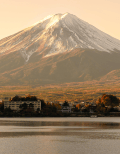
Shimizu is the gateway to Japan’s most iconic peak: Mt Fuji. But here’s the thing about Fuji – she’s famously elusive, often cloaked in clouds.

For most of my excursion, Fuji was nowhere to be seen. We toured scenic beaches and shrines, but I couldn’t shake the sense of waiting for a celebrity who might never show. Then, as we drove back toward port, the clouds finally parted. There she was – perfectly symmetrical, glowing in the afternoon light. The bus collectively gasped, and everyone rushed to the windows.

That fleeting glimpse was worth the wait. In fact, the anticipation made it even more powerful. Shimizu taught me that sometimes travel rewards patience, and that the best views aren’t always guaranteed, but when they come, they’ll stay etched in your memory.

The verdict
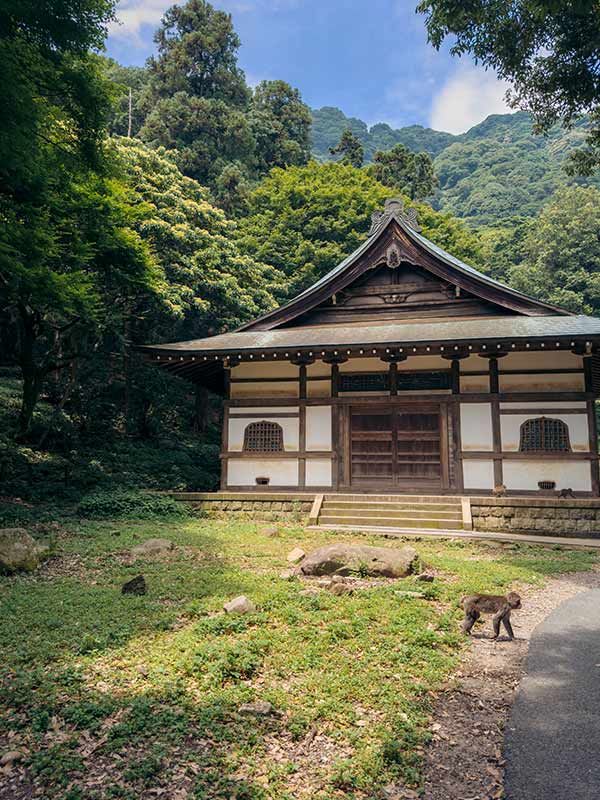
Takasakiyama Monkey Park
The Takasakiyama Monkey Park is home to more than 1000 wild Japanese monkeys. (Image: Emily Murphy)

Looking back, these six ports didn’t just fill in the gaps between marquee destinations – they gave the cruise its soul. Each stop had its own rhythm: Nagoya with its golden castle ornaments, Kōbe with its blend of flavour and resilience, Beppu steaming like a sci-fi set, Jeju mixing myth with reality, Kōchi serving tsukemen comfort and Shimizu testing my patience before rewarding me with Fuji herself. 

It made me realise something important: cruising isn’t just about ticking off the obvious highlights. It’s about leaning into the unexpected, embracing the underrated, and letting smaller moments add up to something unforgettable. 

So next time you scan an itinerary and wonder whether those “filler" ports are worth it, take my advice: they might end up being the places you talk about the most.

Want to see more stories from International Traveller in your Google search results?

  1. Click here to set International Traveller as a preferred source.
  2. Tick the box next to "International Traveller". That's it.
Emily Murphy
Emily Murphy is International Traveller's Email & Social Editor, and in her time at the company she has been instrumental in shaping its social media and email presence, and crafting compelling narratives that inspire others to explore the world. Her previous role was a journalist at Prime Creative Media and before that she was freelancing in publishing, content creation and digital marketing. When she's not creating scroll-stopping travel content, Em is a devoted 'bun mum' and enjoys spending her spare time by the sea, reading, binge-watching a good TV show and exploring under-the-radar destinations. Next on her travel wish list? Mexico and an African safari.
View profile and articles
hero media

5 things every hotel needs for a more restorative stay

    Kate Bettes Kate Bettes
    Wellbeing means different things to different travellers. Here’s how to pick a hotel that gets it right for you.

    The best wellness holidays aren’t necessarily spent wrapped in a spa robe. Sometimes they’re found around a dinner table in Cambodia, on a hiking trail in New Zealand or after finally beating jet lag on the other side of the world. The hotel you choose is what makes them happen.

    1. Easy access to good food

    meals from Novotel Bangkok Sukhumvit 20
    Taste delicious meals at Novotel Bangkok Sukhumvit 20.

    One of the quickest ways to derail healthy habits on holiday is to spend half of it working out where to eat instead of digging into the culture around you. Thankfully, Novotel has done much of the hard work already, with chefs building menus that lean into the flavours, ingredients and traditions of each destination.

    In Sihanoukville, Cambodia, Korkor soup – often dubbed ‘Cambodian ratatouille’ – sits alongside raw blue crab dressed with lime and chilli, best enjoyed with views across the Gulf of Thailand.

    In the lovingly chaotic city of Bangkok, the presence of food cranks up the sociability. At Novotel Bangkok Sukhumvit 20, you can settle in with mango sticky rice and stranger-turned-friends beside the pool at Sky on 20 rooftop bar, or bring them along to tackle river prawns and stir-fried crab with holy basil at the buzzing Crab Paradise Dinner Buffet.

    Then Novotel Dubai Al Barsha welcomes you with a laidback twist on the level of indulgence the Middle Eastern city is best known for up on Deck Se7en. Looking towards Burj Al Arab, the rooftop lounge has everything from Mediterranean-style dishes like seabass ceviche to Italian prosecco sundowners.

    At the other end of the scale, in the hills that surround the Novotel Bali Ubud Resort, calm comes from nature. At Siralada restaurant, Balinese traditions shape the menu while thunder rumbles over the surrounding jungle – proving the setting is as nourishing as the food itself.

    While at Novotel Nha Trang, chef Kieu Thi My Hanh and her team showcase Vietnam’s knack for balancing freshness, texture and fragrant herbs. Pho remains a favourite, while seafood salad with pomelo and mango brings those flavours together in one bright dish.

    It’s all an approach backed by partnerships with expert food creators such as Alfie Steiner, whose plant-forward recipes prove healthy food should never taste plain.

    2. Better sleep options

    Novotel Bali Ubud Resort room
    Sleep deeply with Novotel.

    There are few travel experiences more disappointing than arriving in a new country, determined to seize the day, only to fall asleep fully clothed by 3pm.

    For Australian travellers, jet lag is often an unavoidable part of the journey. That’s one reason Novotel runs sleep-focused initiatives that help guests adjust quickly without compromising on health. We’re talking partnerships with Sydney-based sleep specialist Olivia Arezzolo, known for her advice on everything from better sleep habits to beating jet lag, alongside features like pillow menus, in-room yoga content and tailored sleep guidance.

    The sooner you’re operating on local time, the sooner you can get back to more pressing matters – like deciding which spa treatment to book.

    3. More ways to move

    woman hiking around queenstown new zealand
    Stay at Novotel Queenstown Lakeside and explore local hiking trails. (Credit: GettyI mages/ naruedom)

    Every place in the world has its own way of getting you moving: whether that’s hiking up ice-bitten mountains before a sauna or gentle stretching by the pool before a facial. From fitness centres to spas, Novotel recognises that wellbeing rarely looks the same.

    At Novotel Queenstown Lakeside, activity is inescapable. Here, hiking trails, ski fields, bungee jumps, and white-water rafting have made the region famous. The hotel’s location on the shores of Lake Wakatipu means less time spent organising yourself and more time out there experiencing them. To top it all off, you can book a private hot tub for the evening before heading back into the wilderness tomorrow.

    Bali, of course, takes a softer approach. At Novotel Bali Ubud Resort or Novotel Bali Nusa Dua, movement is less about conquering a mountain and more about a dance class between the tropical gardens and lagoon pools. Afterwards, the spa takes over, with traditional treatments like a Lulur body scrub: a combination of rice, turmeric, sandalwood, ginger and jasmine that’ll soothe muscles already relaxed by the Balinese heat.

    4. Better connections

    Novotel Sharm El Sheikh
    Kids will love a stay at Novotel Sharm El Sheikh.

    One of the best things about travel is that it gives your family stories you’ll be telling for years. Novotel helps create them with activities that bring everyone together, whether that’s trying something new, learning a local skill, or simply spending more time together.

    Go for a distinctly Thai twist at Novotel Phuket Vintage Park, where many of the family activities draw on local culture. Kids can try everything from beginner Thai boxing and language lessons to umbrella painting and – a pastime beloved by children the world over – pool foam parties. Everyone is welcome to join in, whether that’s getting splashed, covered in paint, or simply watching their children discover a new side of Thailand during the dedicated Family & Kids Day.

    A different adventure awaits at Novotel Sharm El Sheikh. Kids could be perfectly content with discos, drawing classes and new holiday friends, but the Red Sea has other ideas. Sitting on the edge of Naama Bay, days here might involve snorkelling colourful reefs, taking a boat trip to Ras Mohammed National Park or heading into the desert by quad bike or camel for a Bedouin-style dinner beneath the stars.

    5. Location is everything

    Surin Beach, Choeng Thale, Thalang District, Phuket, Thaiföld
    Explore Phuket’s gorgeous beaches. (Credit: Bence Biczo)

    Everyone’s idea of wellness looks a little different. With more than 600 hotels across 65 countries, Novotel gives guests the freedom to choose the destination that suits them best. Whether that’s a beachside escape in Phuket, an alpine expedition in Queenstown or a city break in Bangkok, there’s a good chance a Novotel isn’t far away.

    All that’s left? Choosing your version of wellbeing.

    Discover stays to inspire your everyday at novotel.accor.com.