Naturally China: 8 experiences to escape the city and dive into nature
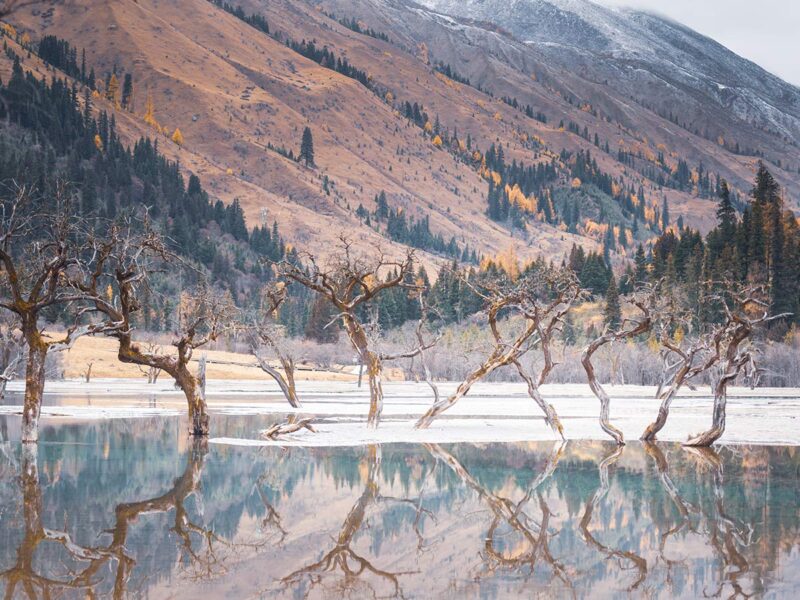
China in winter delivers a treasure trove of landscapes that are hard to find anywhere else. (Image: Getty/ Prime Images)
| THIS ARTICLE WAS CREATED IN PARTNERSHIP WITH CNTO |
China might be famed for its bustling big cities, but beyond the skyscrapers and bright lights lies a treasure trove of landscapes that are hard to find anywhere else.
Travel through China has long been synonymous with towering skylines and busy city streets. But fewer travellers know of its many natural wonders. The country is a surprising blend of ancient culture and modern energy, ethnic diversity and dramatic natural scenery. China in winter is especially magical, adding a distinctly enchanted charm to the already stunning terrain.
Now, with access to China made easier than ever, thanks to the new visa-free travel policy, there’s an even better excuse to see its vast and varied landscapes.
Here are eight nature experiences to seek out that are totally unexpected and totally unforgettable.
1. Kanas Lake
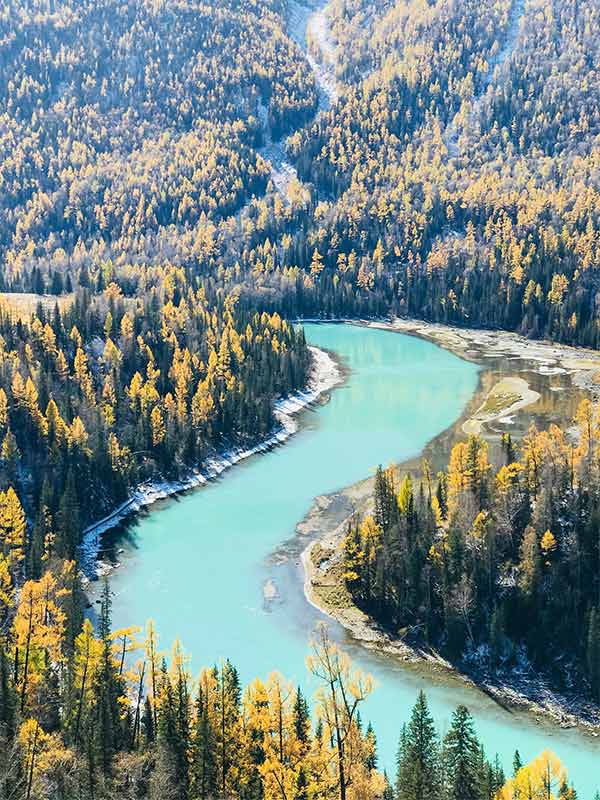
See Kansas Lake change to turquoise. (Image: Darmau)
Situated in the Xinjiang region, far in China’s north and almost on the border of Kazakhstan and Russia, this crescent-shaped lake is an ever-changing sight.
The lake switches its hue with the seasons. In winter, it takes on a particularly vivid shade of turquoise. It’s circled by dense forest and incredible biodiversity, with rare animal and plant species including maral deer and snow leopards – creating a scene that wouldn’t look out of place in a European alpine village.
2. Songhua River
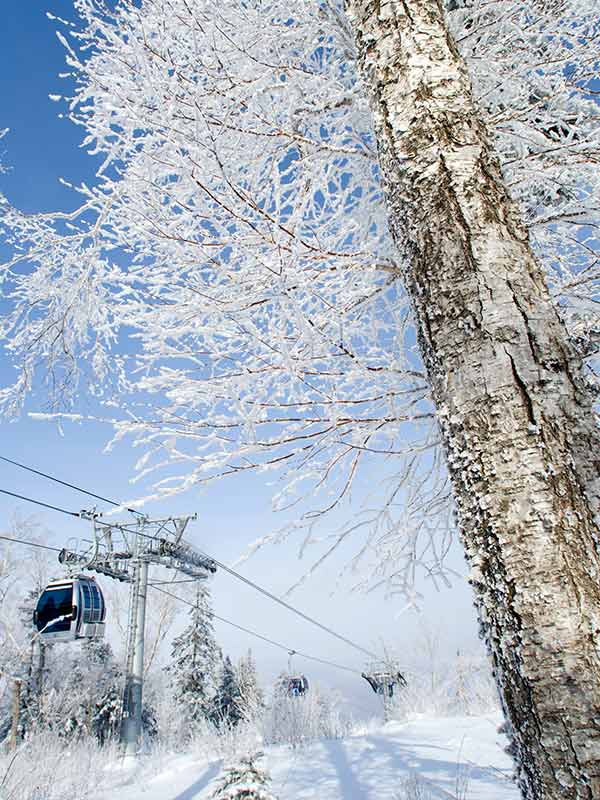
Catch the rime as you ride the ski lift. (Image: Getty/ Biebei)
The Songhua River is one of China’s longest, stretching nearly 1900 kilometres across the country’s northeast.
In winter, it’s renowned for its rime, when water vapour descends from the river’s unfrozen parts, crystallising as it meets the crisp air and settling on surrounding trees as a delicate frost. The Jilin province is a winter rime hotspot, with trees appearing as if they’re thickly dusted in powdered sugar.
Snow-sport aficionados can book a stay at one of the ski areas around the river, like Beidahu. The popular ski hub has world-class runs, multiple hotels and lodges with cosy accommodation. Many also include hot springs and saunas among the offerings, perfect for retreating from the cold.
3. Heilongjiang
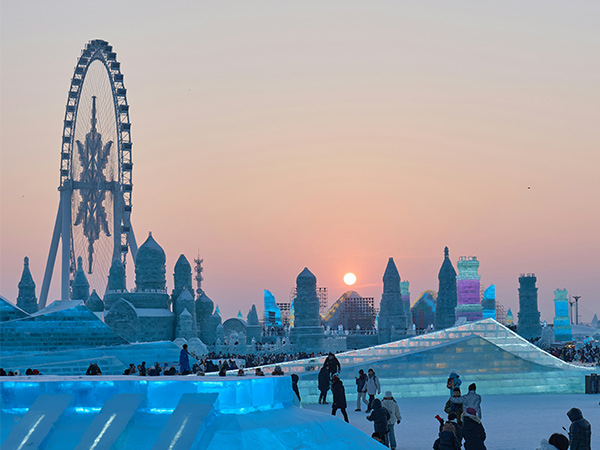
Experience the magnificent Harbin Ice and Snow Festival. (Image: Lin Zhaohai)
The Heilongjiang region is known for its long and very cold winters, so it’s little surprise it hosts a bounty of cold-weather adventures.
The Ice and Snow Sculpture Festival in the capital of Harbin is a must-do. This wonderland of intricate ice sculptures, illuminated ice castles and giant snow carvings transforms the entire city.
A visit wouldn’t be complete without a day at Yabuli, one of the biggest and best ski resorts in China. Here, carve your way through more than 35 kilometres of slopes and enjoy activities like snow tubing and snowmobiling. A nostalgic steam train ride through Yabuli’s snow-covered forests lets you experience the landscape in all its fairytale glory.
4. Guizhou and Yunnan villages
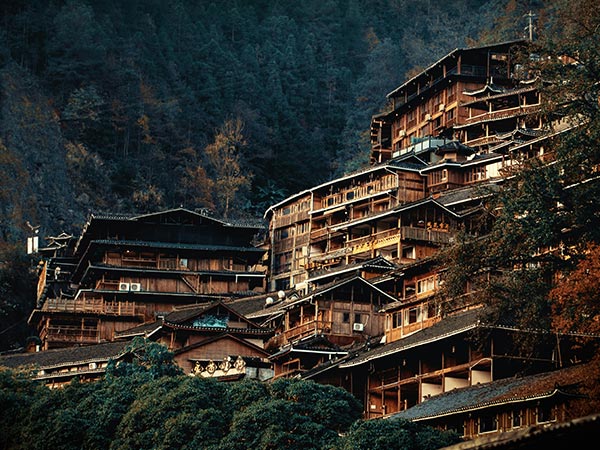
See traditional buildings in Guizhou. (Image: Zheng Xin)
China has an incredibly varied population, and the Guizhou and Yunnan provinces are unrivalled for experiencing the country’s ethnic diversity.
In both, you’ll find villages with traditional wooden stilt houses, drum towers and wind-rain bridges. All set against a dramatic backdrop of mountainous landscapes, terraced fields and valleys draped in morning mist.
Discover ancient crafts like batik, woodwork, embroidery and silver jewellery-making; try local cuisine highlights including bamboo chicken, sour soup and handmade noodles; and join in one of the community celebrations, which come alive with dance and folk music.
5. Suzhou and Hangzhou
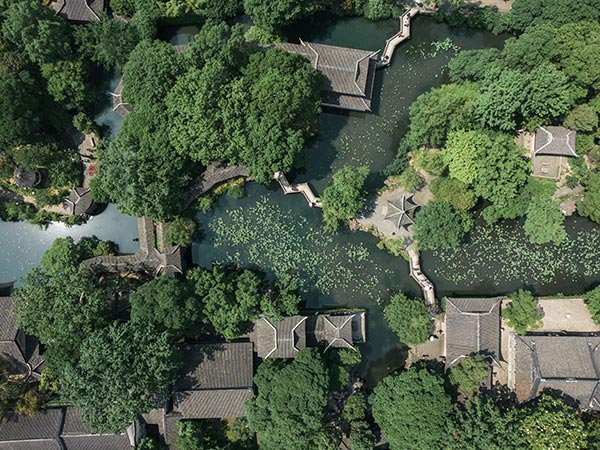
See uniques gardens in Suzhou. (Image: Yilei Bao)
The cities of Suzhou and Hangzhou – both in eastern China, just a short train ride from Shanghai – are classic Jiangnan water towns, famed for their natural beauty. Meandering canals, stone bridges, weeping willow trees and classical gardens are hallmarks of the region, alongside ancient architecture dating back to imperial times.
The Grand Canal, one of the most historic waterways in China, runs through both cities and hosts traditional boat rides – a peaceful and immersive way to take in the vistas. Hangzhou’s West Lake is another highlight, lined with pagodas and lotus ponds.
6. Sichuan
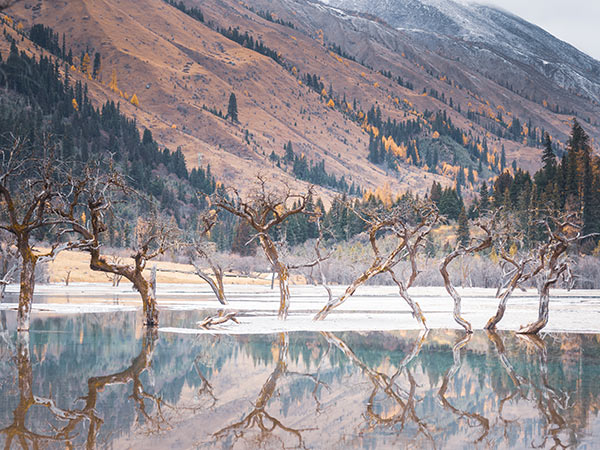
See Jiuzhai Valley National Park transform in winter. (Image: Getty/ Prime Images)
Sichuan might be known for its fiery cuisine, but there’s a lot more to this southwestern province than delicious food. Explore everything from snowy plateaus and bamboo forests to tea fields and nature reserves. Also visit the legendary Jiuzhai Valley National Park to take in its pristine beauty.
The park is one of the most biodiverse and visually stunning reserves in China – a network of turquoise lakes and hilly forests. Autumn is the most popular time to visit, when the trees turn gold and amber. In winter, though, colours shift to icy blues and snowy whites – the park is quieter but equally magical.
7. Inner Mongolia
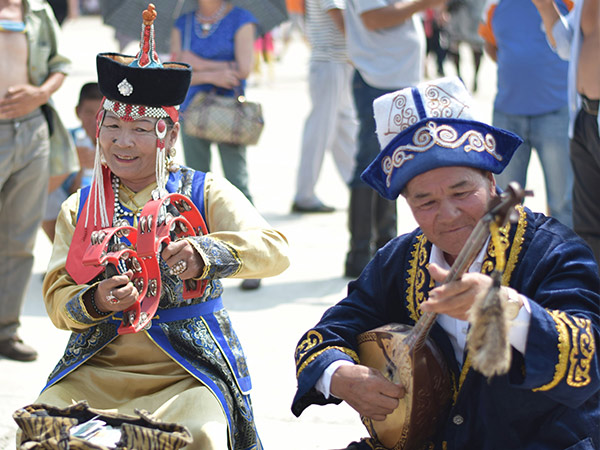
Experience local culture at the Naadamn festival. (Image: Belgutei)
With vast swathes of open grassland and desert, Inner Mongolia is a remote yet utterly captivating part of the country. The autonomous region’s stark landscapes are at once austere and mesmerising, making them ideal for winter trekking and photography.
Here, experience traditional nomadic culture, encompassing yurts, herding and local dairy foods, while winter brings seasonal festivals like Winter Naadam. The annual event features ice sports such as sleigh racing and ice sumo alongside traditional music and dance.
8. Anhui
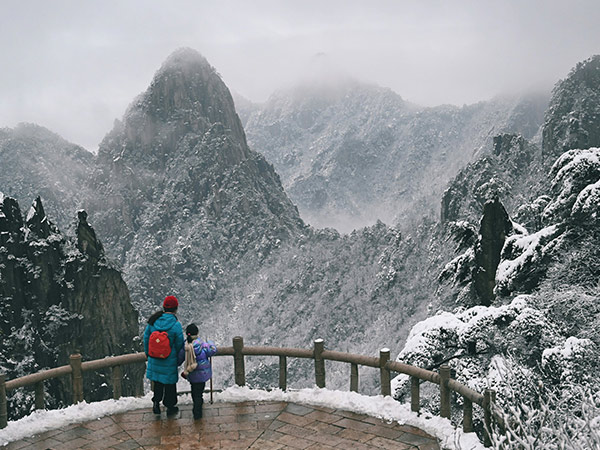
See the Huangshan Mountains covered in snow. (Image: Keshb3)
The Anhui region in eastern China is home to the famed Huangshan Mountains – dramatic granite peaks shrouded in low-hanging clouds and ancient pine trees that have become one of the country’s most iconic silhouettes. The UNESCO World Heritage-listed site has deep cultural significance and is featured in many ink paintings, poems and legends.
In winter, snow blankets the branches of gnarled pine trees and the stone steps around the peaks, turning the scenery into something altogether otherworldly.
It’s time to rediscover China. Start planning your adventure at cnto.org.au.












LEAVE YOUR COMMENT