
Is the new hefty price tag worth it?
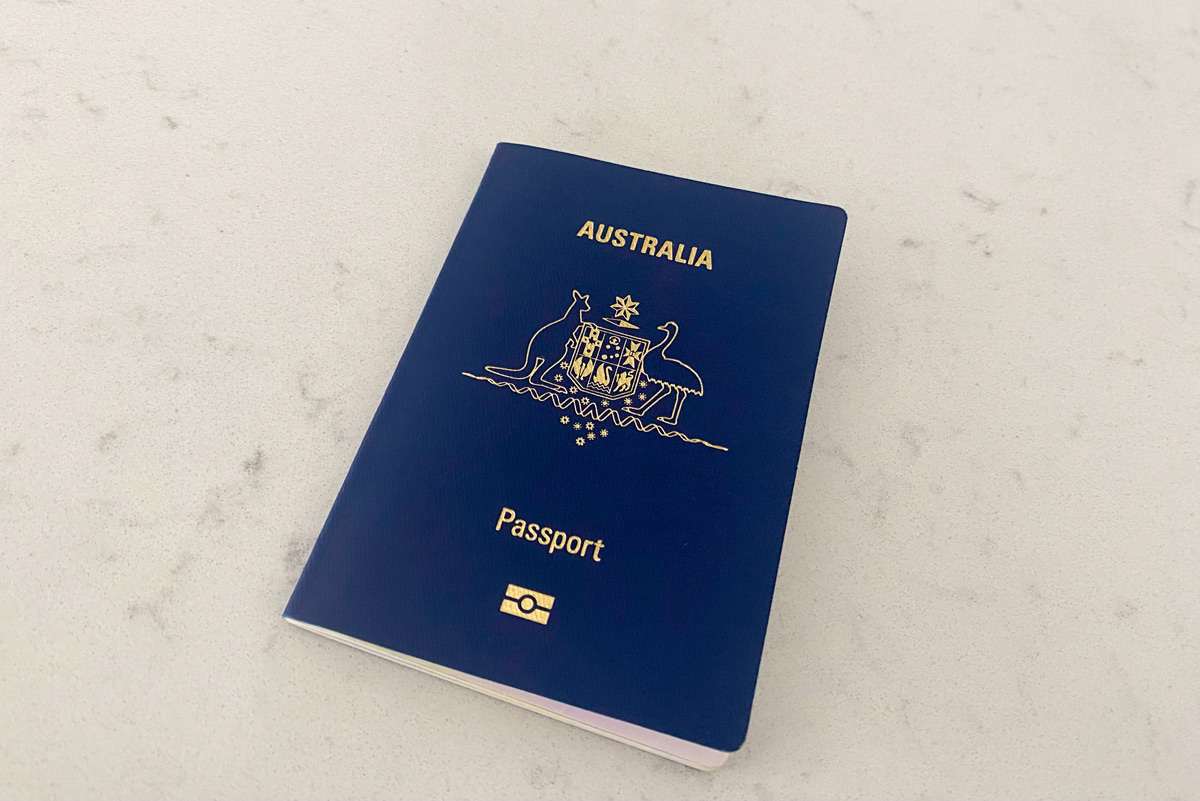
As of 1 January 2025, Australians have faced another hike in passport fees, with the cost of a standard 10-year passport climbing to $412. This increase, announced by the Department of Foreign Affairs and Trade (DFAT), maintains the Australian passport as the most expensive globally, sparking frustration among travellers.
Why are passport fees increasing?
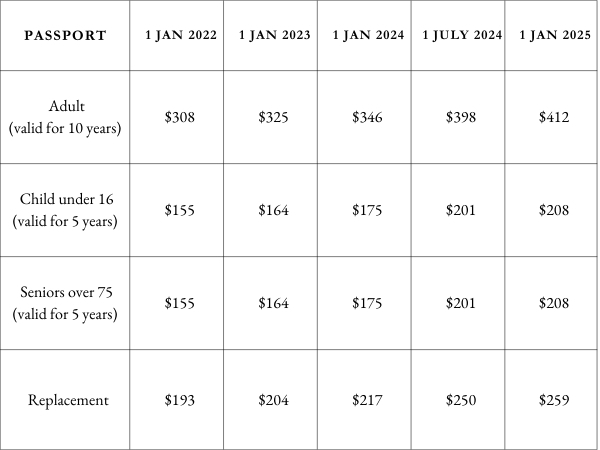
The latest fee hike adds $14 to the cost of a standard adult passport, following a 15 per cent increase from $346 to $398 implemented in July 2024. Since the current government came into office in 2022, passport fees have risen by $104 in total.
The government has defended the rising costs, citing the need to maintain the high standards and security of Australian passports. A DFAT spokesperson explained that passport fees are indexed annually on 1 January in line with the Consumer Price Index and the additional revenue supports initiatives to counter evolving identity security threats, ensuring the document remains one of the most trusted globally.
“The Australian passport is respected internationally as a high-quality travel document. It has a high level of technological sophistication, backed by rigorous anti-fraud measures, which ensures its integrity," the spokesperson said.
The opposition’s criticism
Not everyone agrees that the fee hikes are justified. Opposition Senate Leader Simon Birmingham has criticised the 22.5 per cent increase, describing it as a “backdoor tax grab".
“Australians are being taken for a ride twice over before they’ve even left the country, firstly by paying the highest passport prices in the world, and secondly as officials appear to have been leaving taxpayers exposed via questionable procurement practices," Birmingham said.
What do travellers get for their money?
Despite the rising costs, the Australian passport remains a highly valued travel document. It offers visa-free or visa-on-arrival access to 189 countries, ranking it the sixth most powerful passport globally according to the Henley Passport Index.
However, some travellers are questioning whether the hefty price tag reflects the quality of the physical document. Many have reported issues with the newer passport designs, including curling edges and peeling laminate, raising concerns about durability.
These defects could cause more than just annoyance – travellers risk being denied entry at international borders if their passports appear tampered with.
Where to take your expensive passport

With Australian passports granting visa-free or visa-on-arrival access to 189 countries, there’s no shortage of destinations to make the most of your investment. For a tropical escape, Fiji offers paradisical experiences with no entry requirements, while a visa-on-arrival in the Maldives will allow you to soak in the sunshine and serenity.
Culture seekers can explore Europe’s iconic cities like Paris, Rome, and Berlin, which are all easily accessible without visas. Closer to home, Japan remains a favourite with Australian travellers for its seamless visa-free entry and unique blend of tradition and modernity.
Whether you’re chasing adventure, relaxation or cultural enrichment, your expensive passport still opens doors to some of the world’s most extraordinary experiences.
How do Australian passport fees compare globally?
With the latest increase, Australia’s standard adult passport remains the most expensive worldwide. By comparison:
- United States: A 10-year passport costs approximately AU$208.
- United Kingdom: A similar passport costs roughly AU$177.
- New Zealand: The cost sits at AU$195.
This stark difference has led to criticism that Australians are paying a premium for a basic travel document.
Weekly travel news, experiences
insider tips, offers, and more.
What does this mean for travellers?
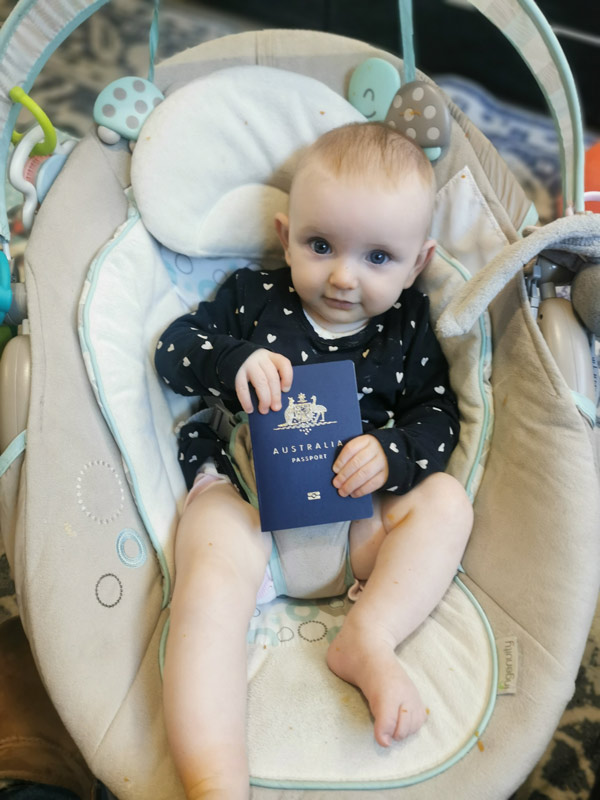
If you’re planning international travel in 2025, it’s essential to budget for the higher passport fees. For families, the costs can quickly add up. A family of four applying for passports could now pay over $1200.
We recommend renewing your passport well in advance of any planned trips to avoid last-minute rush fees, which can make the process even more expensive.
Looking ahead
While the government emphasises the importance of investing in security and global trust, the growing costs of passports are leaving many Australians frustrated. Combined with quality concerns, these changes have raised questions about whether the rising fees truly reflect the value travellers receive.
As Australians adapt to this new reality, one thing is certain: the cost of securing your ticket to the world has never been higher.
Want to see more stories from International Traveller in your Google search results?
- Click here to set International Traveller as a preferred source.
- Tick the box next to "International Traveller". That's it.