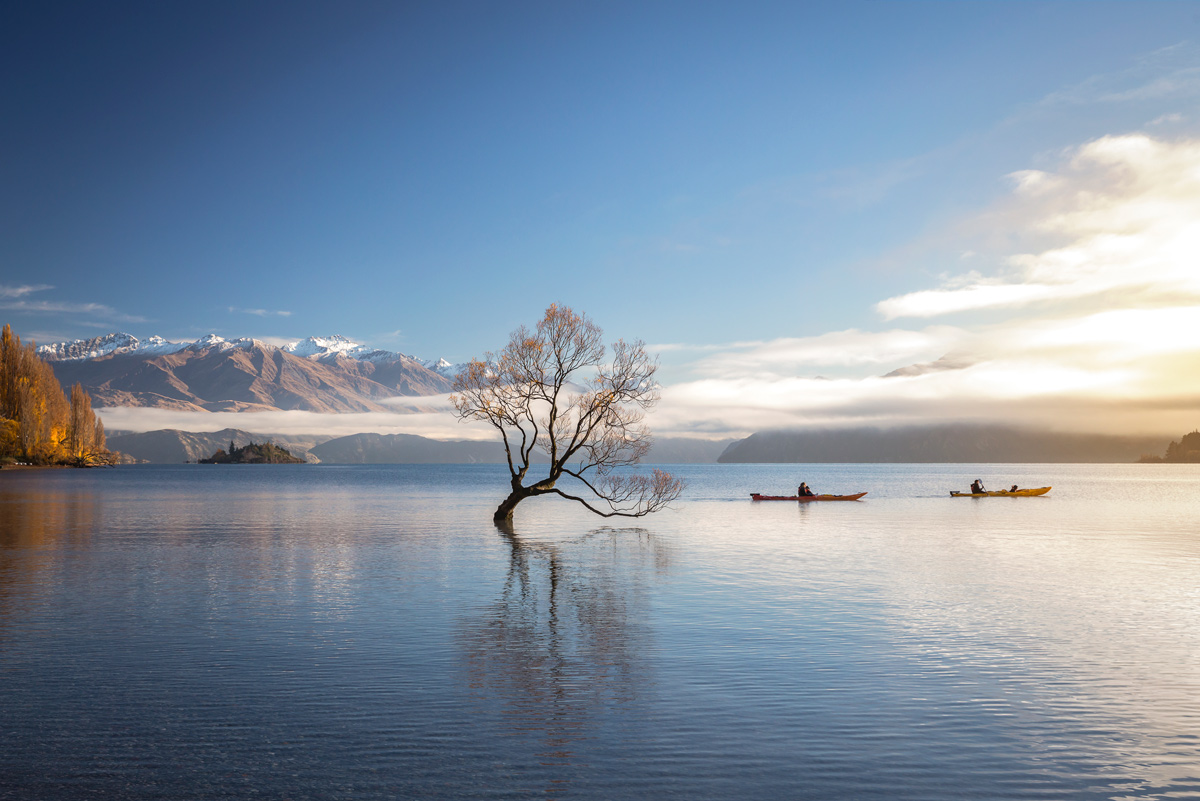
When to go, what to know and how to get around.
A natural paradise of vibrant culture, stunning coasts and verdant forests, Aotearoa New Zealand is a destination to enjoy year-round, provided you do a bit of planning and preparation before you go.
Located roughly 2,000 kilometres from Australia, or three to four hours by plane, New Zealand is ideal for a weekend escape, a short break and a longer hiking, cycling or road trip adventure. Ready to go? These travel tips will help you plan your next holiday in New Zealand.
When should I go to New Zealand?
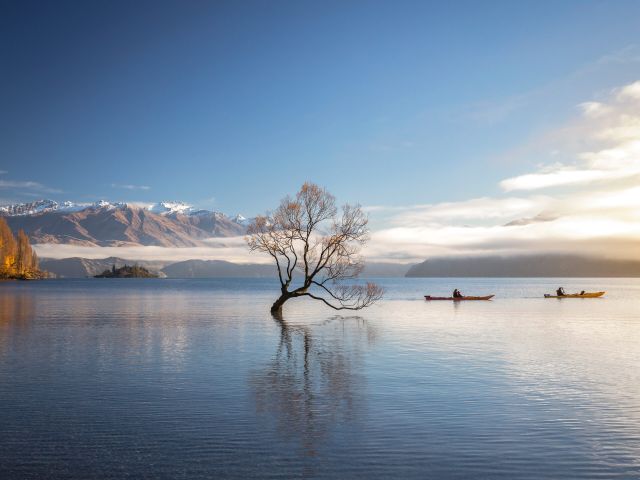
December to February, especially during Christmas and New Year, is peak travel season in New Zealand. The sun is out, the water is warm and festivals are in full swing. Yet locals are on the move. Prices can be high and it’s crucial to book ahead. The shoulder seasons of spring and autumn are quieter and more affordable. March, in particular, often sees some of New Zealand’s most settled (and still warm) weather.
Top tip: Winter is another great season to visit New Zealand and not just for skiers. Exceptional night skies ideal for stargazing can be seen on Great Barrier/Aotea Island and in Wairarapa in the north of New Zealand and in Mackenzie/Aoraki, Nelson/Wakatū and Stewart Island/Rakiura in the south. New Zealand even has a national winter holiday called Matariki dedicated to stargazing and Māori celestial traditions.
What to know before I go?
● New Zealand has a population of 5.2 million
● ‘64’ is the country calling code
● Keep left when driving
● Electricity plugs are 230V/50Hz
● Dial ‘111’ for an emergency
● Currency is the New Zealand dollar
● The time zone is GMT +12 hours (though the whole country observes daylight savings, so it turns the clock back an hour, from late September until early April).
Is it easy to get in and around New Zealand?
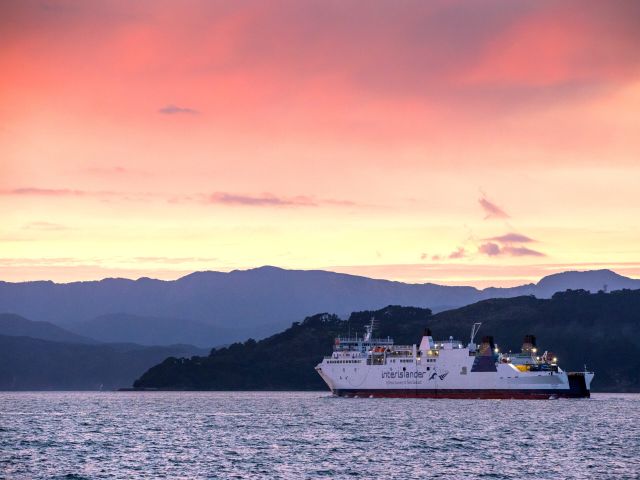
Renting a car or campervan to travel around New Zealand is popular with vehicle rental companies set up in most main centres. Two car and passenger ferry companies, Bluebridge Cook Strait Ferries and Interislander, commute between the North and South Island daily. Airlines such as Air New Zealand fly to regional destinations and coaches, helicopters and scenic trains are other travel modes popular with travellers keen to explore beyond New Zealand’s main cities.
Top tip: While driving distances might appear short on the map (compared to Australia), commuting can take longer than expected on New Zealand’s many skinny, winding roads. Set aside extra time and take breaks when travelling outside the main cities.
What is the culture and language of New Zealand?

Māori culture is a central and vibrant part of everyday life in New Zealand. English is the most widely spoken of the country’s three official languages, alongside te reo Māori (the Māori language) and New Zealand Sign Language. You will see and hear the Māori language everywhere: on road signs, in the media and as part of everyday conversations. Kia ora is a common Māori greeting and a good word to start with to familiarise yourself with the language. For more information on how to pronounce Māori words and place names, check out: reomaori.co.nz
Māori tourism is growing in New Zealand. And while it began in Rotorua in the 19th century, it is now on offer in most main centres. Today, you can experience kapa haka (traditional performing arts), waiata (traditional songs) and haka (traditional dance). You can join a hāngī (traditional earth-cooked dinner), visit marae (traditional meeting grounds) and take part in a wide range of Māori-led cultural tours as a visitor. Find out what is available at: maoritourism.co.nz.
Top tip: When it comes to cultural etiquette, you need to remove your shoes before entering a Māori meeting house and should avoid sitting on tables (it’s considered disrespectful).
Pounamu (greenstone) is a treasured traditional Māori resource only found along the beaches and rivers of the South Island. You can fossick for pounamu on the west coast beaches of the South Island (anywhere else is illegal because Ngāi Tahu, the main tribe of the South Island, are the legal owners and guardians of the treasured resource). Look for jewellery and crafts made from pounamu by local carvers available for sale throughout the country.
How safe is New Zealand?
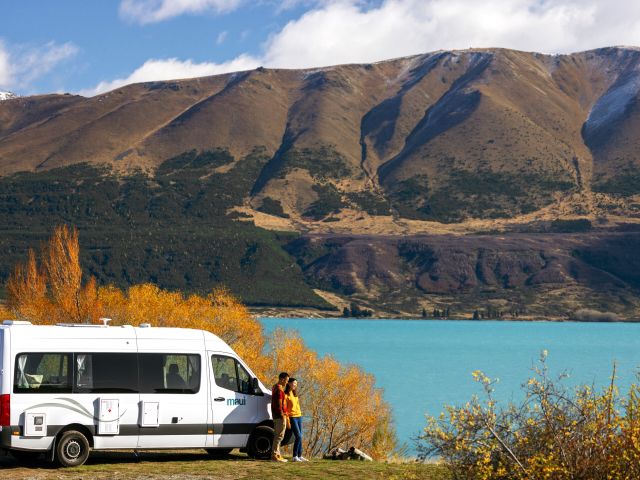
Theft (from parked cars or campervans, in particular) can be a problem in New Zealand. So avoid leaving valuables in a parked vehicle. And, while most wildlife is safe to encounter, New Zealand’s beaches frequently feature rips and undertows (try to swim where lifeguards are on patrol). Driving on New Zealand’s narrow roads can be dangerous too.
Walkers and outdoor adventurers should check in with New Zealand’s Department of Conservation local office staff, take a personal locator beacon and ensure you have wet weather gear if you plan to visit New Zealand’s rugged mountain areas.
New Zealand is considered safe for solo female and LGBTIQ+ travellers and tap water is generally safe to drink. (Note, the Department of Conservation typically recommends treating river water while hiking in New Zealand’s more remote areas).
Weekly travel news, experiences
insider tips, offers, and more.
How should I pay for things in New Zealand?

Credit cards (Visa and Mastercard) are generally accepted for most transactions in New Zealand, though some shops only accept debit cards. Contactless payment such as Apple Pay is often accepted. Bargaining and tipping aren’t generally practised in New Zealand. However, it is appropriate to tip, typically in cash, for excellent service.
What is connectivity like in New Zealand?

Wi-fi and cellular connectivity are good in New Zealand, though patchy in some remote areas. You’ll find free wi-fi is widespread, particularly in hotels. International airports in Auckland, Wellington, Queenstown and Christchurch sell SIM cards: buy yours from One NZ or Spark, two leading local providers.
What should I pack for a trip to New Zealand?
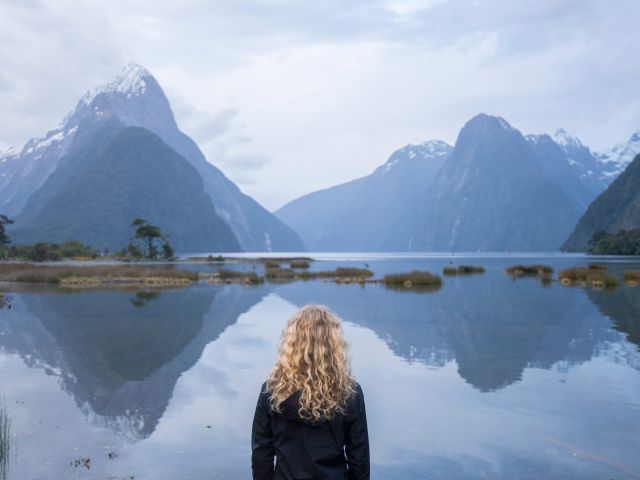
Rain is a constant companion in New Zealand, keeping the landscape green and lush. So, definitely keep a raincoat handy. Most places can and do experience four seasons in one day. Also, the further south you go, the cooler it gets, particularly in the mountainous regions of Fiordland and Otago, but also elsewhere. Your best bet is to pack layers, take a sun hat and sunglasses and wear sunscreen (the sun can be very harsh in New Zealand, even in winter).
Want to see more stories from International Traveller in your Google search results?
- Click here to set International Traveller as a preferred source.
- Tick the box next to "International Traveller". That's it.