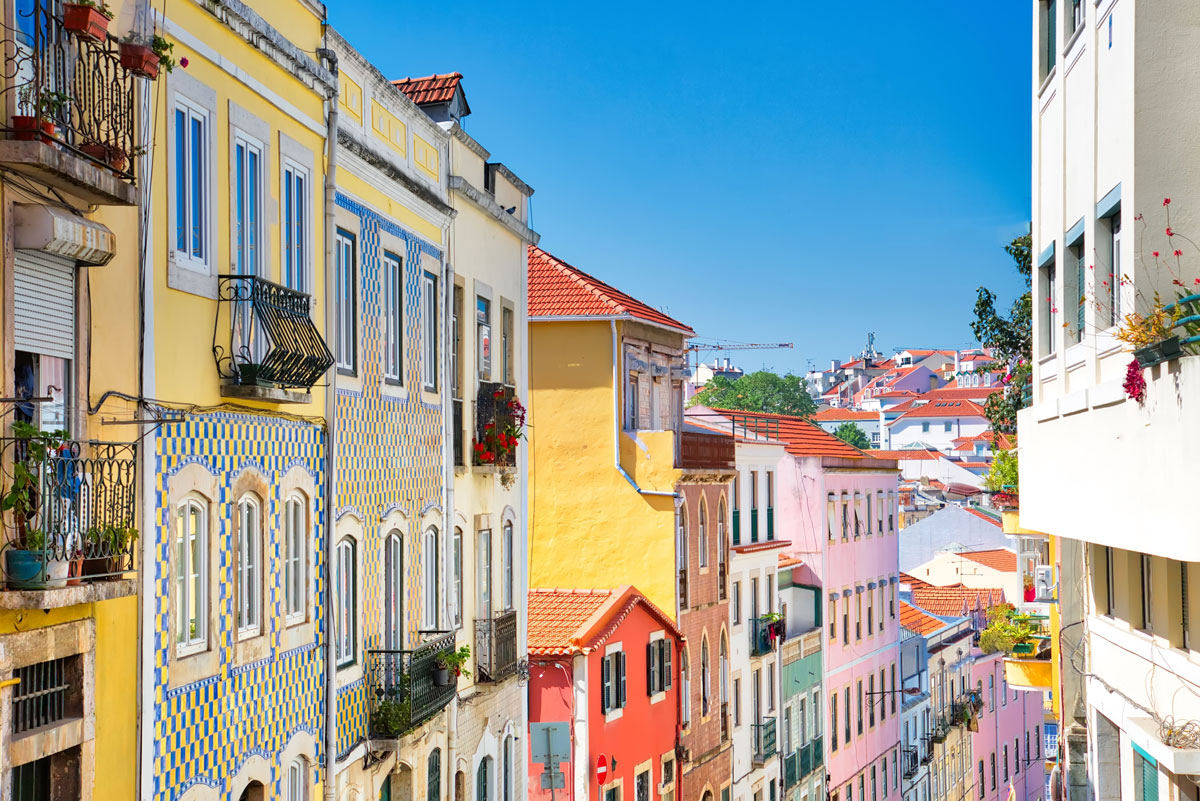

If colour can affect your mood, then these vibrant cities are guaranteed to boost it.
Colour plays a powerful role in how we experience the world. It can impact our emotions, alter our energy levels and even shape our memories. And when it comes to travel, colour doesn’t just influence how a place looks. It defines how that place feels, and how we remember it when we leave.
So inevitably, the next question is: where do you go for a guaranteed mood boost? A new global study by travel insurance specialist JustCover has the answer, analysing cities around the world to determine the most vibrant of all. Here’s where to book – and how a trip there could alter your brain chemistry.
And the world’s most colourful city is…
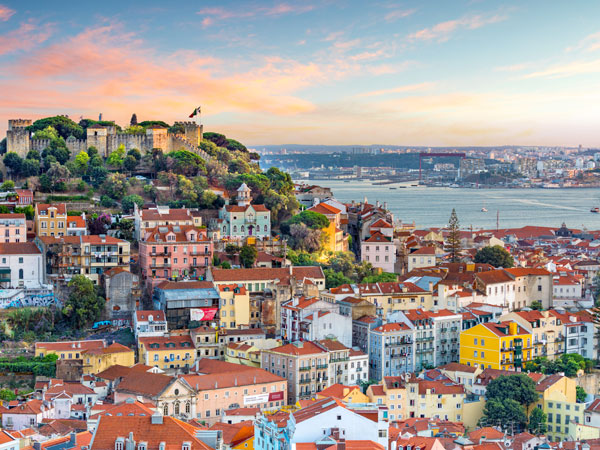
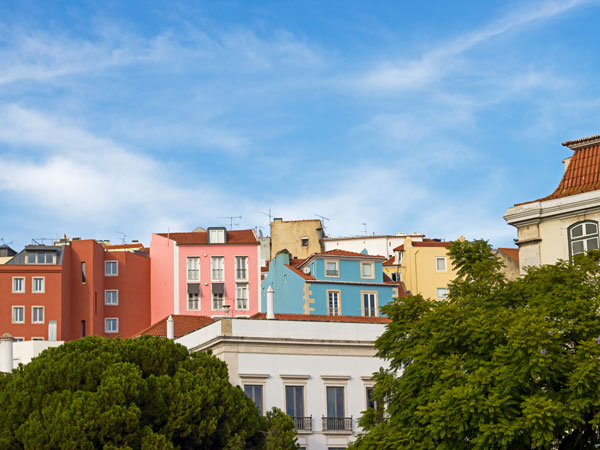
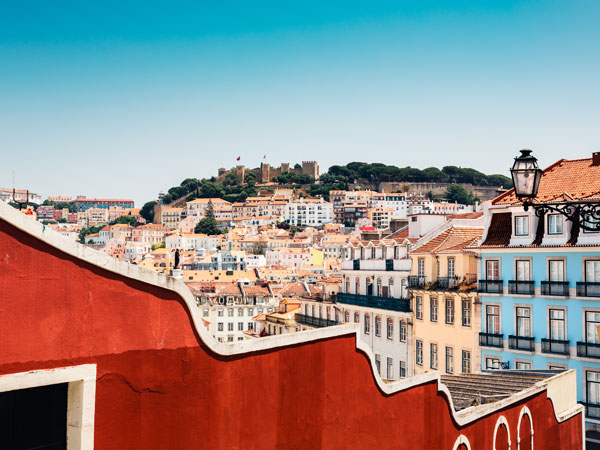
According to JustCover, the most colourful city in the world is Lisbon – and if you’ve ever been, you’ll agree. The Portuguese capital mirrors a painter’s palette in the middle of a masterpiece. Colours in every shade are splashed across the urban landscape, from building facades and street murals to ornate shopfronts and traditional azulejos (ceramic tiles).
While undeniably pleasing to the eye, Lisbon’s canvas of colour is more than just a pretty backdrop; it is intricately woven into the city’s historical and cultural fabric. Introduced during the Moors’ 711AD invasion of the Iberian Peninsula – much of which we now know as Spain and Portugal – azulejos swiftly became a cornerstone of Portuguese architecture.
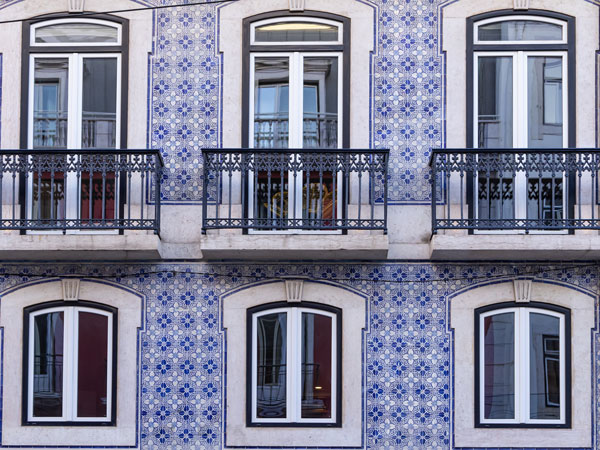
Often hand-painted in vibrant colours and geometric patterns, they slowly began to transform the city from a place of function to a living mosaic. Paired with buildings painted in pastel to reflect sunlight and keep interiors cool, Lisbon slowly evolved into a city defined by colour.
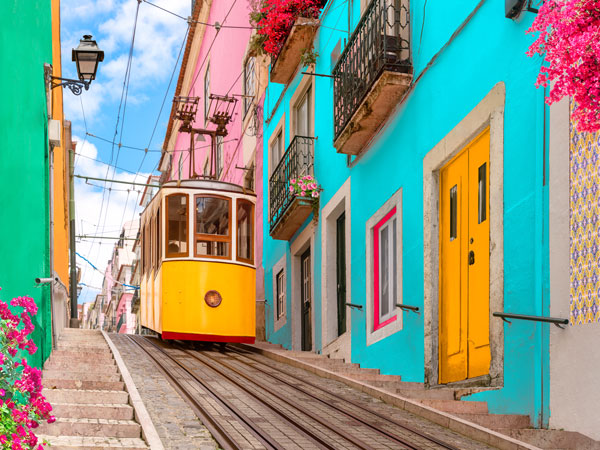
After it was freed from Moorish rule in 1147, this visual identity only deepened. Bold street art, embellished interiors and decorative flourishes were added to celebrate a renewed sense of pride and independence. Today, canary-yellow trams trundle up streets. Azulejo-clad exteriors shimmer in the sun. Blooming bougainvillea spills over balconies. And Lisbon’s legacy is not just seen, but felt.
How colour can change the way you travel
Does colour really have the power to shape our travel experiences? Scientists have long been researching its psychological effects, concluding that colour plays a measurable role in how we think and feel. It can influence everything from our mood to our memory, with specific shades even linked to different emotional responses.
Scientific papers like Neurophysiological and psychological effects of color and ceiling height in learning spaces identify colour as a key environmental cue that can alter our mood, stress and overall emotional state.
As the study notes, “cold colours such as green and blue have been associated with emotional stability and comfort. Conversely, warm colours like red and yellow have also been found to elicit positive emotional reactions. Elements such as brightness, saturation and harmony significantly contribute to how individuals emotionally perceive a space."
In practice, this means the colours of a destination can shape the way we move through it, explaining why some places leave more of an impression. In a city like Lisbon, its warm tones and rich contrasts can spark feelings of joy and enhance our sense of adventure, making for a more memorable trip.
But colour doesn’t just influence our emotions, it can define a destination. According to Dr Vien Cheung, Associate Professor of Colour and Imaging Science at the University of Leeds, its significance goes far beyond simple aesthetics. “In societies across the world, colour has extensive historical, cultural and symbolic attachments," he explains.
Nowhere is this more evident than in Lisbon. From centuries-old azulejo designs to vivid streetscapes, the city’s colours are a reflection of its rich cultural history. Whether it’s a sun-washed pastel or a freshly painted pattern, identity is embedded in every stroke of the paintbrush. A reminder of the past and a celebration of the future.
Weekly travel news, experiences
insider tips, offers, and more.
The top 10 – and how it was determined
To establish the rankings, JustCover analysed 78 iconic global destinations known for their colours. Three high-quality, unedited photos were selected for each: one aerial shot and two street-level shots. Differentiated by architecture or scenery characteristic of each destination, the images were then compared using advanced colour analysis technology.
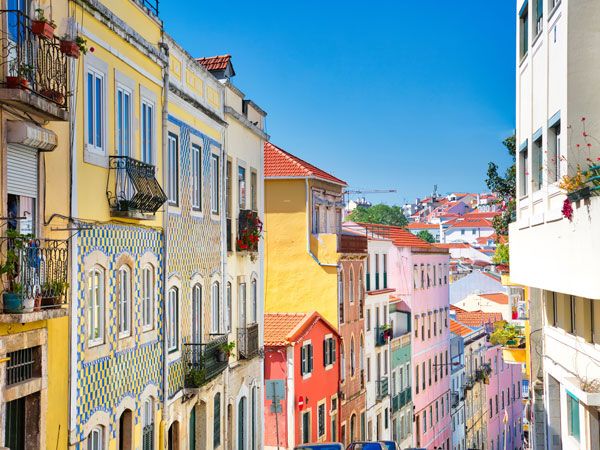
Visual variation across each city was measured by the number of unique RGB (red, green, blue) values identified within each image. The combined colour count across all three images then produced a total vibrancy score, which was used to rank each destination. With over 2.5 million unique colours identified and a vibrancy score of 100, Lisbon came out on top.
The top 10, ranked
1. Lisbon, Portugal: 100
2. Kuala Lumpur, Malaysia: 94.5
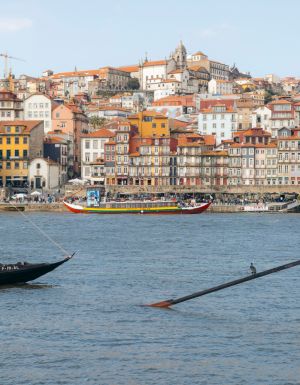
3. Porto, Portugal: 91.6
4. Cartagena, Colombia: 91.4
5. Rio de Janeiro, Brazil: 89.1
6. Guanajuato, México: 71.2
7. Havana, Cuba: 70.6
8. Hanoi, Vietnam: 69.0
9. New Orleans, USA: 67.1
10. Medellín, Colombia: 65.7
Want to see more stories from International Traveller in your Google search results?
- Click here to set International Traveller as a preferred source.
- Tick the box next to "International Traveller". That's it.