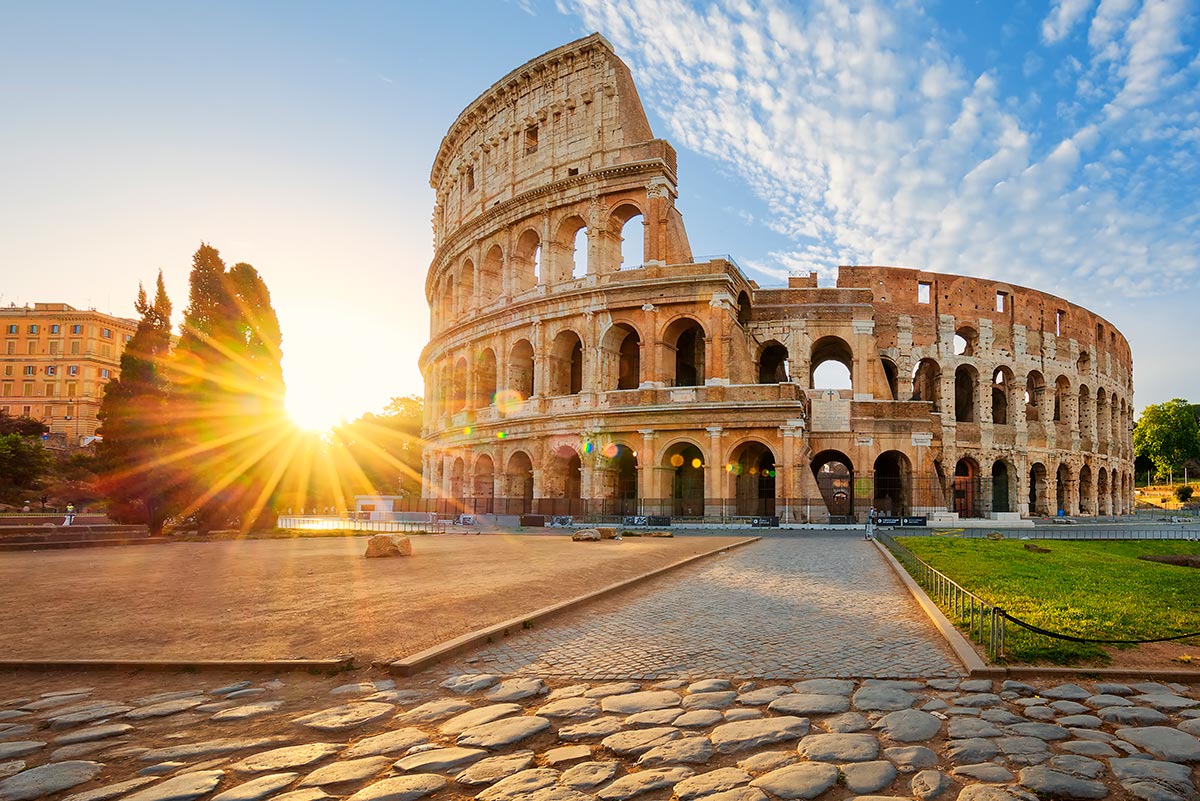

The Colosseum is set to become an entertainment hub for the first time in centuries (sans gladiator fights to the death).
While a modern iteration of performances in the Colosseum will (thankfully) not include live animal slayings or gladiators locked in a battle to the death, the newly appointed director of the Archaeological Park of the Colosseum – Simone Quilici – has confirmed that it could include a range of musical acts and live performances within the next two years.
According to Quilici, that could include the likes of acoustic and jazz concerts, poetry readings, dance performances and historically-inspired reenactments. But why is the announcement so specific and so early? AI-generated images of multicoloured light beams shooting from this almost 2000-year-old amphitheatre have been circulating online via multiple media accounts, leading to rumours that there were plans to host wild raves at the Colosseum. A rumour that Quilici was quick to squash.
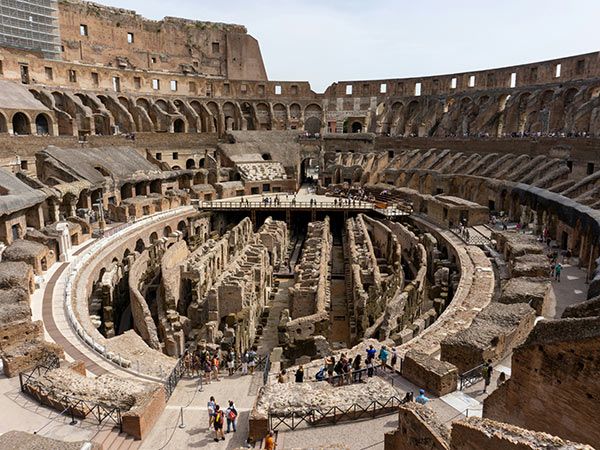
While we can all agree the Colosseum would be an incredible rave venue (and I don’t even like raves), it’s also not surprising that archaeologists and ordinary Romans viewed the unconfirmed plans as a desecration of this cultural heritage site. The unfounded rumours came from a misunderstanding of Quilici’s earlier statements. Speaking to the Associated Press, Quilici clarified, “the music must be carefully controlled…because the important thing is that it’s not a wild crowd".
“I joked about rock in moderation – I meant, a more subdued kind of music. But it was reported the opposite of what I said."
Beyond the music, Quilici also suggested historical reenactments of gladiatorial battles could be a possibility, albeit with no deaths and deeply rooted in academic research (and not at all like the buskers who accost visitors as they line up to get in, asking for money in exchange for pictures).
“There are people who are extremely knowledgeable about daily life in past eras, with a remarkable level of scientific accuracy. So these activities are very welcome within the Colosseum park," Quilici said.
A history of performances in the Colosseum
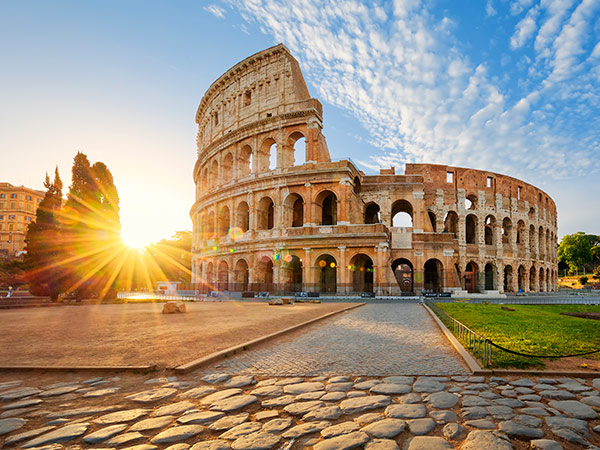
While the Colosseum hasn’t been used as a stadium for entertainment in centuries, it has hosted a small handful of notable, one-off performances.
In the early 2000s, some of the biggest musical names in the world did play at the venue, as one-off, special events with a very exclusive guest list. That started in 2002 when Ray Charles performed as part of a two-hour concert for peace. A year later, Paul McCartney performed an acoustic set to a small audience, followed by Elton John just in front of the Colosseum in 2005. In 2009 and again in 2017, Andrea Bocelli joined this elite list of inside-the-Colloseum performers. More recently, Icelandic blues-rock band Kaleo recorded a live performance just outside the venue.
While some were inside and others out, all report having amazing acoustics, courtesy of the ancient Romans, who clearly knew what they were doing when they built it.
Exploring further afield
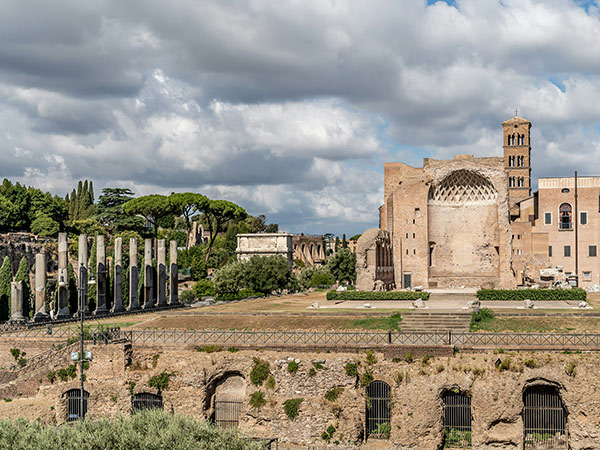
While we await more details on upcoming concerts, there’s plenty to explore around the Archaeological Park of the Colosseum – which also includes the Roman Forum (once the heart of the ancient city’s society) and Palatine Hill (where Rome was founded, and site of the emperor’s palace).
“Last year, tourists in Rome didn’t stay just two and a half days; their visits increased to four days. So there’s also the opportunity to use the Colosseum as a starting point for exploring less-visited places," said Quilici, who hopes to encourage travellers to explore further afield.
Considering you can purchase one ticket that includes all three sites and lasts for 24 hours, you’d be foolish not to. While there is an official ticketing website, it does seem to have regular tech issues, so purchasing this ticket once you’ve landed in Rome can be easier. Or you can purchase through a third-party website, but be prepared for inflated prices.
Want to see more stories from International Traveller in your Google search results?
- Click here to set International Traveller as a preferred source.
- Tick the box next to "International Traveller". That's it.