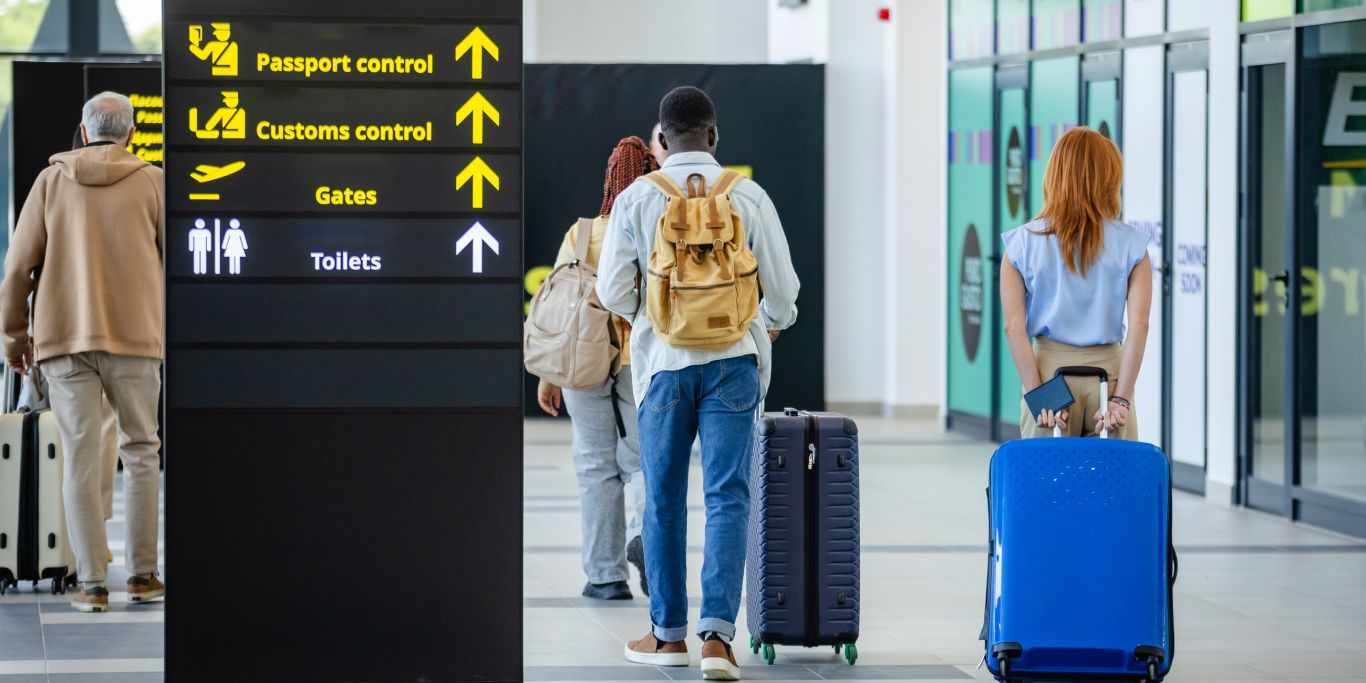


Europe’s border overhaul was meant to be finished by now. Half of it has landed; the other half has discreetly lost its launch date.
We’ve come a long way from the days when a passport was barely more than a paper document, completely disconnected from a digital system. Now, everything is online, and borders are continuing to evolve in the way they process arrivals.
When Europe began rebuilding the way it processes arrivals in late 2025, the plan looked tidy enough: a biometric border system first, a pre-travel permit second, both done and dusted by the end of 2026. It hasn’t gone to plan. One of those systems is now running across the entire Schengen area and has spent the northern summer generating queues long enough to draw complaints from the airline industry. The other has slipped so far that the EU has stopped publishing a start date for it altogether.
Here’s where things stand for Australian travellers.
The short version
- The Entry/Exit System (EES) is live. It has been fully operational across the Schengen area since April 2026. If you’re flying into Europe, it applies to you.
- ETIAS is not. The €20 travel authorisation has no launch date. The EU removed its “last quarter of 2026" target from the official website in July, and a 2027 start is now the widely expected outcome.
- You still can’t apply for ETIAS, and you don’t need to.
EES
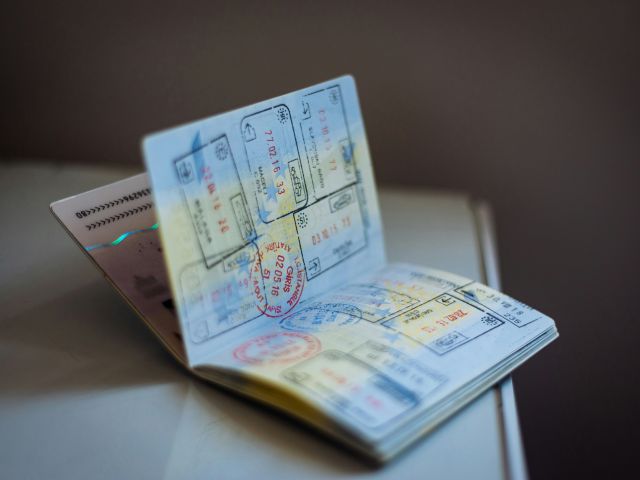
The Entry/Exit System replaced the inked passport stamp with a digital record of every entry and exit from the Schengen zone. It began a staged rollout on 12 October 2025 and reached full operation across all border crossings in April 2026.
For an Australian arriving in Europe, it works like this. The first time you cross a Schengen border under the system, officers photograph you and scan your fingerprints, and that biometric file is stored for three years and a day. Return within that window on the same passport and you skip the enrolment step. Move between Schengen countries once you’re inside, and nothing further is required, though your movements are logged.
The bigger change is what the system does with that data. Schengen’s 90-days-in-any-180 rule for visa-free visitors used to be policed by a border guard flipping through stamps. It is now tracked automatically. Overstaying can bring fines, removal proceedings or a ban on returning, depending on the country and the circumstances – so if you’re stitching together a long European trip, or you’re one of those travellers who ducks in and out of the zone repeatedly, count your days properly. The European Commission publishes a free short-stay calculator for exactly this.
The rollout has been rough. Technical faults and uneven deployment across member states produced long waits at some airports and land crossings, arriving just as the peak season did.
By July, the pressure was public. Officials acknowledged roughly 20 problem locations where queues had built up and conceded the system wasn’t perfect, but ruled out any suspension. Magnus Brunner, commissioner for internal affairs and migration at the European Commission, argued that a share of the disruption came from things other than the technology itself – understaffed border posts and infrastructure that wasn’t up to the job – while noting the Commission was working with member states to smooth operations.
ETIAS
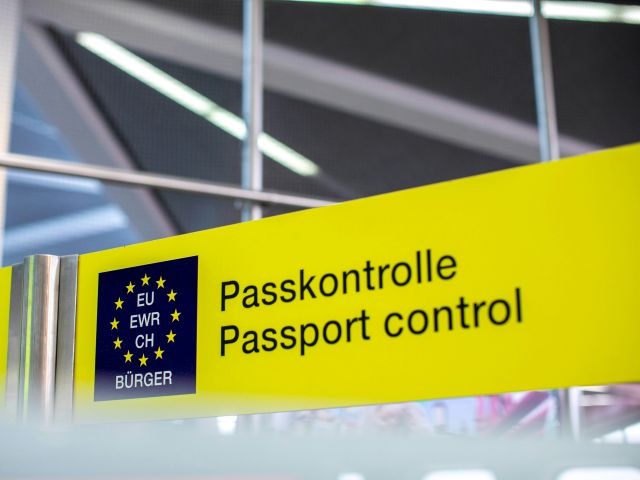
Which brings us to the second half of the overhaul. ETIAS – the European Travel Information and Authorisation System – is the pre-screening permit that visa-exempt travellers, Australians included, will eventually need to obtain before departure. Think of it as Europe’s answer to the USA’s ESTA.
It was scheduled for the last quarter of 2026. In early July, the Financial Times reported that eu-LISA, the EU agency building the system, had internally accepted that timeline was gone. Two factors were cited: unresolved IT problems with ETIAS itself, and a strategic argument that the EU should fix the border system already running before layering another one on top of it.
Then, in mid-July, the official ETIAS page was discreetly edited. The “last quarter of 2026" wording was removed and replaced with a line that informs visitors the system is not in operation and no applications are being collected. What remains is the EU’s standing promise to announce a specific date several months before launch.
The next real signal comes in September, when eu-LISA’s management board meets to consider a revised timeline. Immigration specialists are already working on the assumption of a 2027 start; the law firm Tafapolsky & Smith said this month that ETIAS is now likely to be pushed into next year, with a new schedule expected after that September meeting.
None of this is unusual for the project. ETIAS has been rescheduled repeatedly since it was first slated for 2021, and the EES itself was originally due in 2022.
What ETIAS will look like, whenever it arrives
Worth knowing now, so you’re not caught out later:
- Cost: €20, a one-off fee covering the full validity period. Travellers under 18 and over 70 are exempt from the fee but still need to apply.
- Validity: three years, or until your passport expires – whichever comes first. New passport, new authorisation.
- Coverage: 30 countries. Every EU member except Ireland, plus Iceland, Norway, Liechtenstein and Switzerland.
- Processing: most approvals are expected within minutes, but allow for up to four days, stretching to 14 if extra documents are requested and 30 if an interview is required. Don’t leave it to the airport.
- Transition: for at least six months after launch, travellers without an ETIAS won’t be turned away provided they meet every other entry requirement.
- Where to apply: only through the official EU portal or its app, once it opens. Lookalike sites charging inflated ‘service fees’ have been circling this system for years.
Weekly travel news, experiences
insider tips, offers, and more.
What does it mean if I’ve got a holiday to Europe coming up?
If you’re heading to Europe in the coming months, the honest answer is: not much. There is nothing to apply for. The only thing worth adjusting is your expectations at the border – build in extra time on arrival and for tight connections through Schengen hubs, particularly at the busier airports. Smartraveller has been telling Australians to expect slower processing while the biometric checks settle in, and that advice still holds.
Beyond that: keep an eye on your 90-day allowance now that it’s counted by a computer, make sure your passport has adequate validity, and check the official EU site before you fly.
“Some of the most frequented international destinations like Europe are introducing significant changes to the application and entry process", says Corporate Traveller global managing director, Tom Walley.
“It’s critical that travellers are aware, and don’t just follow the same method they may have previously relied on. While the cost associated with these new electronic authorisations is mostly relatively small, the consequences of being unaware of this requirement could be significant, particularly for travellers on tight schedules."
Want to see more stories from International Traveller in your Google search results?
- Click here to set International Traveller as a preferred source.
- Tick the box next to "International Traveller". That's it.