

We break down the new Entry/Exit System in Europe and what it means for your future travel plans.
By now, you’ve probably heard murmurings of a brand new Entry/Exit System (EES) for international travellers into Europe. While it’s been 10 years in the making, the gradual rollout across the continent began last October and became fully operational on 10 April 2026.
As with all change, it can feel daunting, so we’re here to break it down for you.
What is the EES?
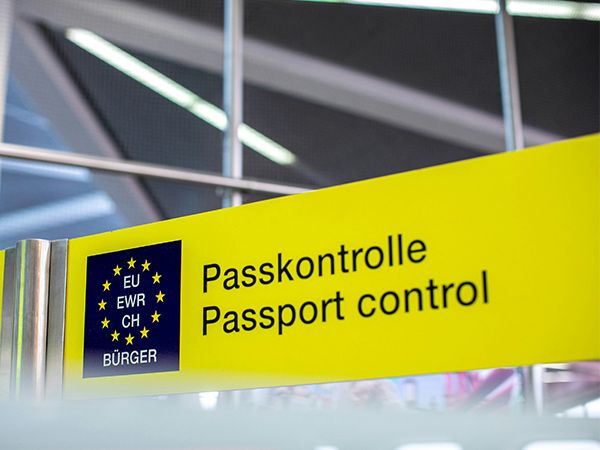
The EES is a new border control system that will replace manual passport stamps with digitally recorded entries and exits across EU borders. This should feel quite familiar to Australian travellers, as our own country did away with passport stamps long ago.
The purpose is to modernise EU border security checks, using biometric data like facial images and fingerprints, which is then stored and valid for three years (unless you get a new passport within that timeframe).
Which countries are using the new EES?

Twenty-five EU member states and four Schengen area countries will now be using the EES. The full list of 29 is as follows:
- Austria
- Belgium
- Bulgaria
- Croatia
- Czech Republic
- Denmark
- Estonia
- Finland
- France
- Germany
- Greece
- Hungary
- Iceland
- Italy
- Latvia
- Liechtenstein
- Lithuania
- Luxembourg
- Malta
- Netherlands
- Norway
- Poland
- Portugal
- Romania
- Slovakia
- Slovenia
- Spain
- Sweden
- Switzerland
When will my biometrics be collected?
Most travellers outside the EU will have their biometric information registered when they land at their destination airport, at the same time when they would usually have their passports scanned.
For travellers taking a ferry across the English Channel from the port of Dover, the Eurotunnel shuttle to France, or catching the Eurostar train, it will be done as you leave the UK.
It may be done by a person, but the intention is to have most passengers follow the instructions at special kiosks. These machines will scan the passenger’s passport, then take fingerprints and a photo.
Will this affect my travel plans?
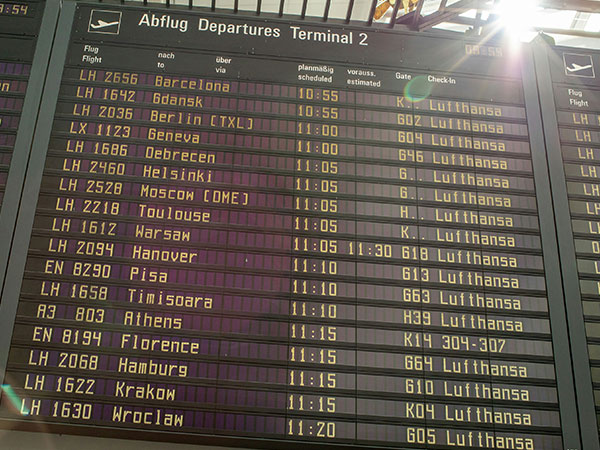
The short answer is no. There’s nothing further that needs to be done before you travel to the above countries (of course, all usual visas and such are still in place, so be sure to secure those documents before you go).
There is a chance you should factor in longer wait times at the destination airport, or before you get on your ferry or train, though. More on that below.
If you are worried about delays, however, there is an option to pre-register biometric photos and passport data up to 72 hours before you arrive via the Travel to Europe app.
Weekly travel news, experiences
insider tips, offers, and more.
Have there been issues with implementation?

As with nearly every new system that’s ever been introduced, there were reports of tech issues in the first few weeks of the EES rollout in Amsterdam and Paris, causing very long queues and wait times (reportedly reaching two to four hours).
It’s possible that technical glitches, software configuration problems and limited dedicated functioning kiosks at border checkpoints could continue to cause delays until the kinks in the system have been ironed out.
Passengers are advised to arrive at the airport between 1.5 and two hours earlier than usual, to account for EES-related delays.
What are the next steps?
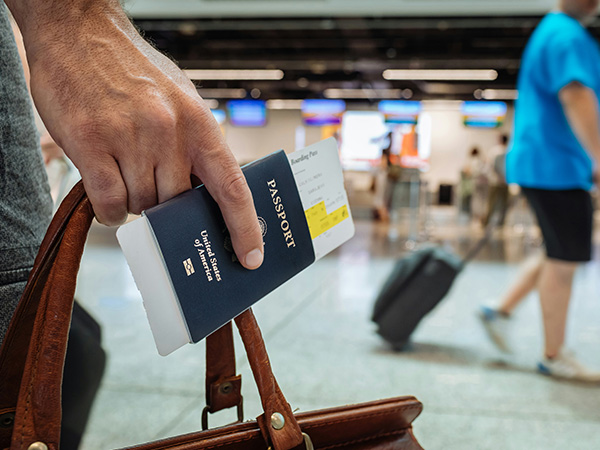
When the EES kinks have been ironed out, and the system is the new norm (predicted to be the last few months of 2026), a new ‘euro-visa’ will come into place. Officially called the European Travel Information and Authorisation System (ETIAS), it’s a visa waiver that non-EU citizens will need to enter the Schengen zone.
The visa will allow international travellers to stay in European countries for up to 90 days within any 180-day period (with separate rules for Cyprus). The ETIAS will be valid for three years or until a traveller’s existing passport expires (whichever comes first).
Want to see more stories from International Traveller in your Google search results?
- Click here to set International Traveller as a preferred source.
- Tick the box next to "International Traveller". That's it.