

Long a favourite escape for Australians, these are the best Bali travel tips to make visiting hassle-free.
The Island of the Gods is endlessly alluring – but the difference between a good trip and a great one is in the details. From understanding Bali visa options before you depart, to navigating Bali time and planning your stay around Bali weather, these insider tips will have you landing already halfway into holiday mode – sandals on, stress off.
Best time to visit

Bali sits just shy of the equator, with a steady daily temperature of 26–32°C and warm, humid nights. It’s a true year-round destination.
For beach clubs and salt-soaked days, the dry season, from April to October, hits the sweet spot: blue skies, lower humidity and long afternoons that melt into sunset cocktails.
Surfers, take note: the west coast – Canggu to Uluwatu – fires up in the dry season with offshore winds. The east – Sanur and Keramas – comes alive in the wet season from November to March, as winds shift.
December to March is Bali at its most cinematic: think cascading waterfalls, emerald rice terraces and the jungle-clad north. Yes, it rains, but it’s what brings the drama.
For temples and sightseeing, aim for the shoulder months of April to May and September to October: fewer crowds, good weather and a welcome breeze. Divers and snorkellers will find peak visibility from April to October around Nusa Penida and Amed.
For a quieter, better-value escape, February and March deliver fewer crowds and softer rates – with humidity and passing showers as the trade-off.
For a cultural hit, time your trip with Nyepi in March. Marking the Hindu New Year, the island falls silent and everything closes – even the airport. On the eve, towering Ogoh-ogoh effigies are paraded through the streets to a thunder of drums and clashing cymbals, warding off evil spirits.
Visas and Entry Requirements
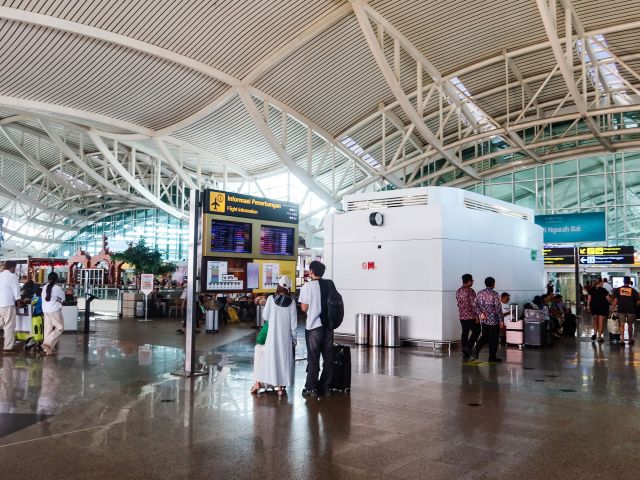
Arriving at I Gusti Ngurah Rai International Airport can feel like stepping into organised chaos – a humid rush of arrivals, slow-moving queues and luggage trolleys snaking through immigration.
The key to gliding through is preparation. Have your documents ready and within easy reach before you land to avoid delays. Keep both a paper copy and a screenshot handy in case you can’t access your emails or the internet.
Australians need a 30-day Visa on Arrival (VoA), which can be arranged in two ways. The traditional option is to purchase it on arrival – around A$50 – so have your card or cash ready to keep things moving.
For a smoother entry, apply in advance via the official e-VoA portal. With an e-passport and approved e-VoA, you can bypass the longest queues and head straight to the automated gates.
You’ll also need to complete a mandatory arrival card within 72 hours of arrival through the same online portal.
Your passport must have at least six months’ validity from your date of entry.
Money & Payments
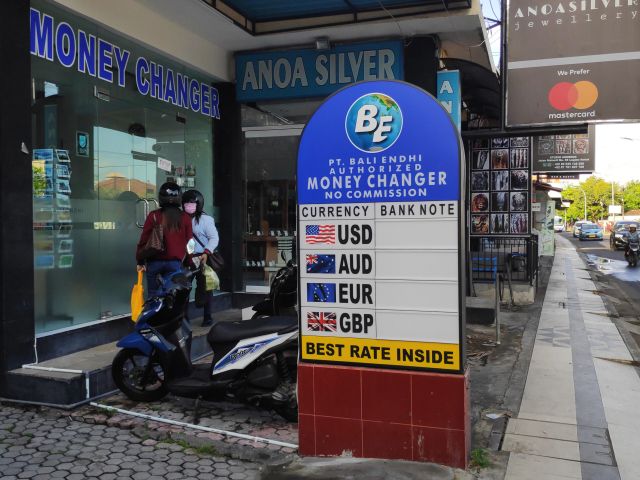
Bali’s currency is the Indonesian Rupiah (IDR) and it’s worth arriving with a small stash before you leave Australia. Once on the ground, money changers are everywhere in tourist hubs – just stick to licensed operators or official bank branches like Mandiri, BCA or BNI.
Cards are widely accepted but cash is still king for small vendors, market stalls and tips – where even a few dollars goes a long way. Tipping isn’t expected, but it’s appreciated: round up to the nearest IDR 100,000 (about AUD $10) in restaurants. Tip private drivers or guides IDR 50,000–100,000 and always hand it directly to the person.
ATMs are easy to find but stick to bank-affiliated machines, ideally inside branches or buildings, to avoid skimming.
Getting around
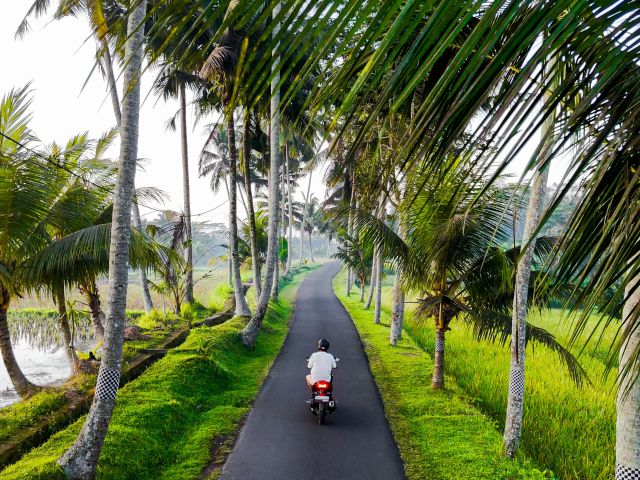
Getting around Bali is part of the adventure – equal parts chaos and charm. Pre-book an airport transfer for a smooth arrival or join the friendly scrum of drivers waiting outside the terminal. Most hotels can also organise one before you land.
Taxis are cheap – stick with Bluebird for metered fares – but scams can happen, with some drivers known to tamper with meters. Ride-hailing apps like Gojek and Grab are generally more reliable (and handy for late-night food runs too), so download them before you leave Australia.
The real Bali hack is to hire a private driver for the day: affordable, air-conditioned and blissfully stress-free. Just don’t underestimate distances – a “quick" 20-minute trip can easily stretch into an hour in traffic.
Tempted to self-drive a scooter? Think twice. Accidents frequently occur and insurance often won’t cover these. Bali’s choking traffic is not for the faint-hearted and best left to locals.
Language
Locals speak excellent English, so you could breeze through without a word of Bahasa Indonesia, but a few phrases go a long way. Watch faces light up when you ask, “Apa kabar?" (how are you) or greet staff at breakfast with “Selamat pagi" (good morning). For anything more complex, Google Translate has your back.
Etiquette & Customs

Respect is everything in Bali. Dress modestly at temples, use your right hand when giving or receiving, and tread carefully around daily offerings often laid on footpaths and entryways. Carry a sarong for coverage on temple visits and women should note they’re expected to avoid entering places of worship while menstruating.
Weekly travel news, experiences
insider tips, offers, and more.
Connectivity
Staying connected in Bali is easy. wi-fi is widely available in hotels, cafes and beach clubs, though speeds can vary.
Download WhatsApp before you fly – it’s the go-to for communicating with drivers, hotels and tour operators.
For coverage on the go, pick up a local SIM when you land at the airport or from official stores like Telkomsel in tourist areas, as well as convenience chains such as Indomaret and Alfamart. Prefer to skip the queues? An eSIM lets you get set up before you land.
Be sure to switch off data roaming to avoid bill shock.
Safety

Bali is generally safe. The main risks are petty theft in busy areas, scooter accidents and occasional drink spiking in nightlife precincts – so keep an eye on your drink and stick to reputable venues. Methanol poisoning in locally produced alcohol can be dangerous: very cheap spirits can be a red flag.
Solo female travellers are everywhere and typically feel comfortable, especially when using common sense, booking trusted transport and staying aware in the same way they would in any popular destination.
Practical tips
You’ll need a universal travel adaptor for European-style Type C or F sockets. They’re easy to pick up at convenience stores like Circle K if you forget, and a small power strip is handy for charging multiple devices at once.
Tap water isn’t safe to drink, so stick to bottled or filtered water and bring a reusable bottle to cut down on plastic waste.
While most restaurants and cafes have good hygiene practises, Bali belly can happen so bring gastro medication. Probiotics can be a good way to ward against it.
Pharmacies are everywhere for basics, but sunscreen can be pricey, so pack your own.
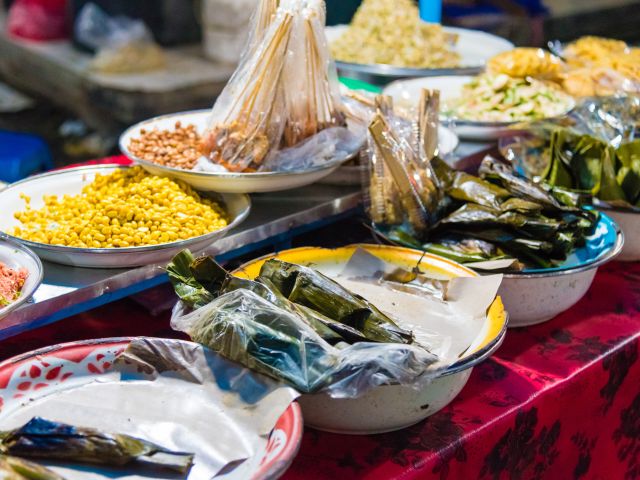
Shopping is part of the fun. Bargaining is expected in markets, just keep it friendly and don’t quibble over small change. Retail stores are fixed price.
Don’t skip comprehensive travel insurance.
Want to see more stories from International Traveller in your Google search results?
- Click here to set International Traveller as a preferred source.
- Tick the box next to "International Traveller". That's it.