Inclusive travel in 2026: LGBTQ+, accessible and neurodivergent-friendly journeys
As the travel industry responds to the diverse needs and identities of travellers, vendors going the extra mile to curate value-aligned offerings are winning. These neurodivergence innovations, accessible leisure hotspots and welcoming LGBTQ+ destinations are shaping inclusive travel experiences.
The joy of exploring new destinations shouldn’t be saved for a privileged few. As the travel sector’s deepening understanding of accessibility, neurodivergence, safety and inclusion evolves, how we think about inclusive travel, new experiences, destinations and providers also grows – all prompting operators’ broadening of offers to better fit travellers’ needs.
It is also important to remember that access doesn’t necessarily mean a welcoming experience, in the same way that booking a table at a restaurant doesn’t guarantee good service. It’s the combination – space, facilities and welcoming guides – that creates a genuinely memorable and inclusive end result.
Travelling with pride
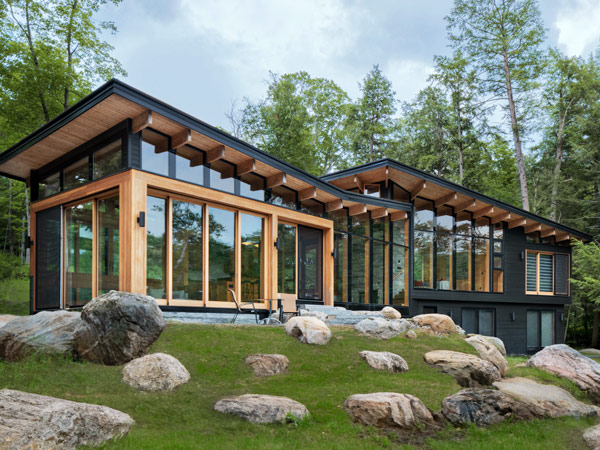
The Barlochan Cottage served as a filming location for the television series Heated Rivalry.
For LGBTQ+ travellers, safety continues to be paramount, especially with a handful of countries still criminalising homosexuality and diversity, as well as inclusion policies in workplaces under scrutiny in others. But love prevails, with Ontario, Canada appearing on travel wish lists – thanks in no small part to the Canadian ice hockey gay love story Heated Rivalry.
The breakout TV show has put architecturally designed lakeside cabins on the map. You can even now rent that cottage from the show via Airbnb. LGBTQI- owned boutique accommodation Mirazule, on Lake Ontario in Prince Edward County, southern Ontario, is another indulgent getaway. Complete with floor-to-ceiling lakeside views, you can live out your decadent, “I’m coming to the cottage,” dreams. (No kids allowed.)
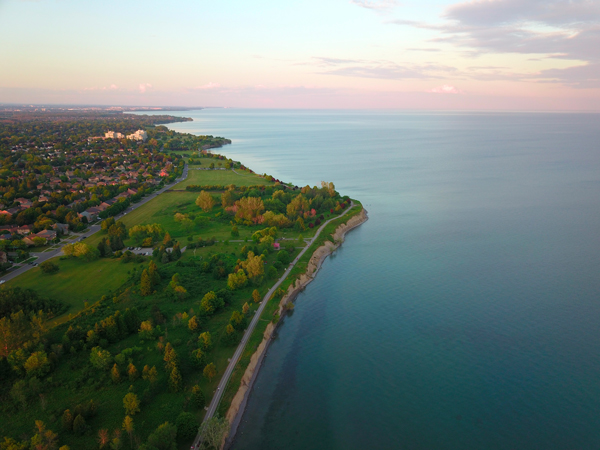
LGBTQI-owned Mirazule sits on the shores of Lake Ontario. (Credit: Getty Images/Red Tea)
While there, head into the city grid to stock up on smoked fish, bagels and deli goods from Lox and Schmear, an out-and-proud small producer in town. Also, if you’re after sapphic dive bar vibes, check out Sweaty Betty’s, a queer-owned venue that hosts everything from vinyl nights to tarot readings.
Travelling with pride abroad expands far beyond feathers and sequins. Aspen Snowmass Ski Resort, Colorado, celebrates 50 years of its LGBTQ+ winter sports spectacular Gay Ski Week in 2027. The celebration has expanded to include a program of socials, mixers and sports events, including everything from costume competitions and supper clubs to sober functions, providing spaces where everyone can meet like-minds and relax.
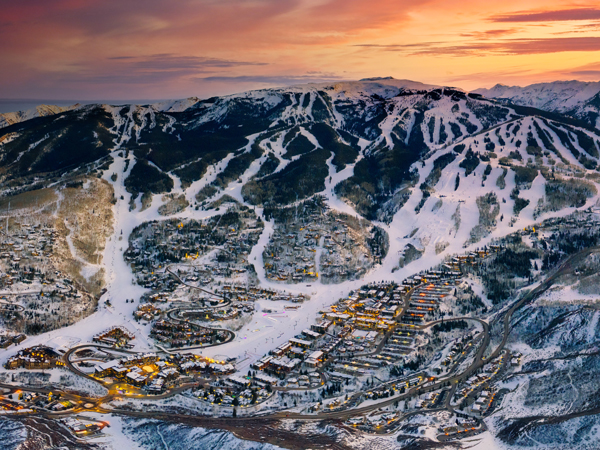
Aspen Snowmass Ski Resort in Colorado is known for its LGBTQ+ winter sports events. (Credit: Getty Images/Jonothan Ross)
As a hub of queer-owned businesses, Portland is the place to be. It’s home to venue The Sports Bra – the world’s first sports bar dedicated to women’s sports where visitors can dine, watch a game and meet sports heroes, as well as feel like one of the locals. For food without the final whistle fandom, also check out Taqueria Los Puñales, a Mexican hotspot that’s reclaiming a gay slur through tacos, bowls of pozole, secret hot sauces and humour (visit its Instagram for a taste).
The city also hosts Portland Black Pride every Juneteenth, followed by Portland Pride in July, and is home to one of the USA’s only LGBTQ+ visitor centres, dedicated to helping guests connect with culture and get the local intel. Hidden inside the UnderU4men boutique, Travel Gay Portland will hold your bags for free while you explore.
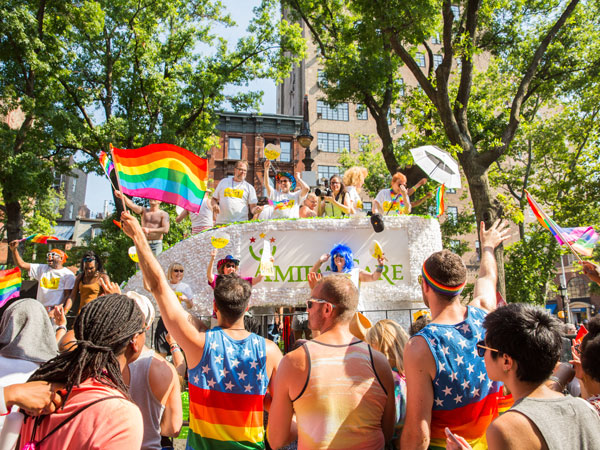
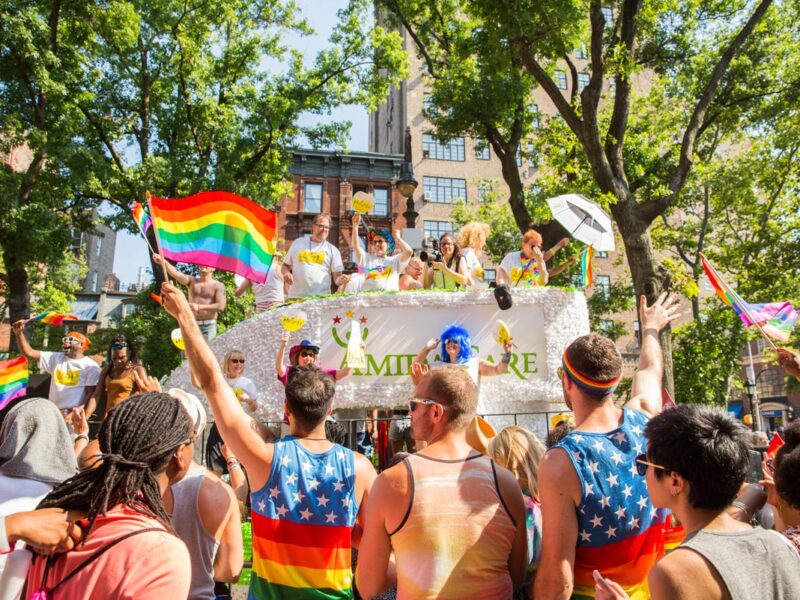
The NYC Pride March is one of the world’s largest LGBTQ+ demonstrations. (Credit: Walter Wlordarczyk/NYC Tourism + Conventions)
If you’re dreaming of a rainbow road trip, New York State’s regions have a burgeoning festival scene. Of course, New York City’s Stonewall legacy still makes the Big Apple a must-visit, with NYC Pride held annually in June. However, Hudson Valley, Capital-Saratoga, Finger Lakes, Greater Niagara, Adirondacks and Catskills all host their own pride days, with grassroots programming celebrating the local community.
Catering for travellers with disabilities and mobility challenges
Travellers with disabilities and mobility challenges are being welcomed to the world’s most beautiful coastlines. For instance, France’s Handiplage initiative to improve accessible beaches nationwide includes more than 100 beaches with provided aquatic wheelchairs, so anyone who fancies it can soak in the sweet ocean’s waves.
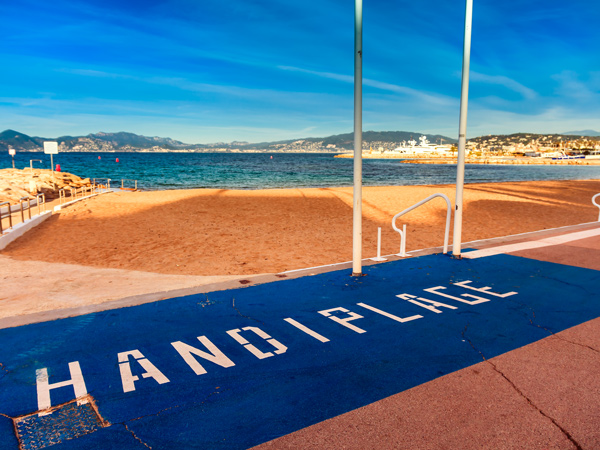
Many French beaches, including this one in Cannes, have designated accessible zones. (Image: Getty Images/Elementals)
Situated along the Côte d’Azur between Nice and Cannes, and surrounded by gorgeous 16th-century architecture, coastal destination Antibes is home to a Handiplage beach for sun-worshipers with access needs. It provides 40 accessible sunbeds along a kilometre of accessible coastline, staffed by trained volunteers who understand differing needs, while also supporting people in getting the most out of their holiday experience.
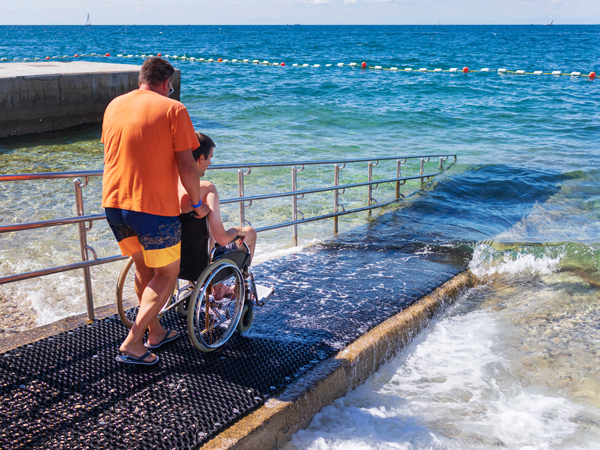
Wheelchair-friendly beach mats make the sea accessible for those with mobility needs. (Credit: Getty Images/24K Production)
Meanwhile, quadriplegic globetrotter Shane Hryhorec (aka Wheel Around the World) is transforming Australia’s beaches through a similar initiative. The Accessible Beaches program collaborates with councils, lifesaving clubs, and community organisations – making more than 50 beaches more accessible, through design, education and volunteering. All of this means there’s regularly someone on hand to help with access needs, as well as giving locals-only tips.
Designing travel for neurodivergent minds
With approximately 15 per cent of the global population being neurodivergent, accessible leisure and business travel means spaces and services that lean into predictability, autonomy and empathy. As such, major airports, overwhelming at the best of times, are dedicating spaces to help neurodivergent travellers manage overstimulation.
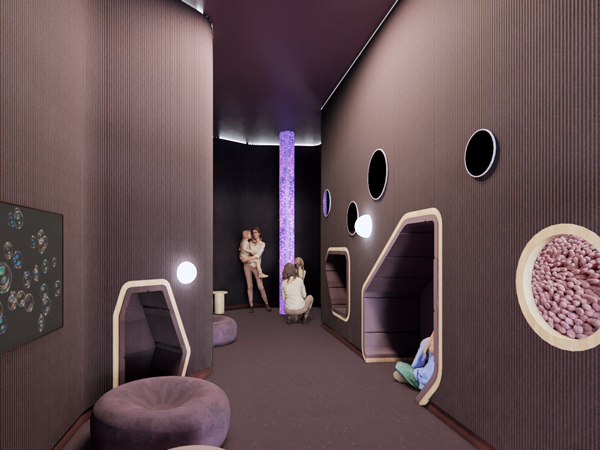
Major airports around the world are creating sensory rooms like this one at Adelaide Airport. (Credit: Adelaide Airport)
Dublin, Pittsburgh, Miami and London Gatwick all boast tactile sensory rooms for adults and children. Opened in December 2025, the Adelaide Airport sensory space includes cocooning in-wall seating, sensory textures and fidget toys, plus a single low-lighting departures screen so travellers can keep track of their journey.
Travel rehearsals and guided human-to-human interaction for fliers with autism are supporting more people than ever before to travel. With more than 30,000 Emirates cabin crew and ground staff trained to deliver autism support, and United Airlines’ Wings for Autism/Wings for All program providing certified staff coaching from The Arc advocacy body, an autism-supportive service is available from the point of booking to the moment you step onto a plane.
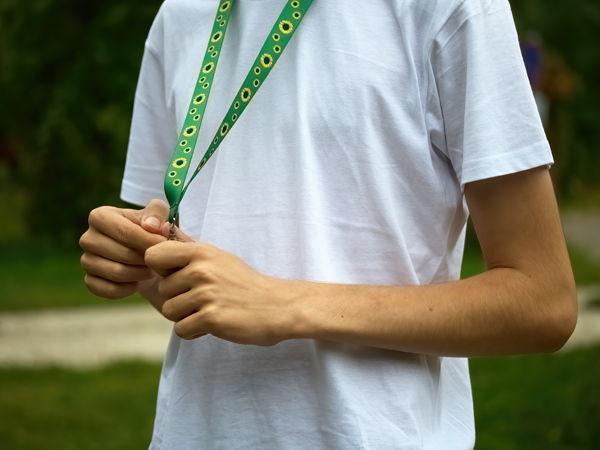
The Hidden Disabilities sunflower lanyard allows airport staff to recognise those who may need extra assistance. (Credit: Getty Images/Namitomo)
No newcomer to the travel space, the Hidden Disabilities Sunflower program, which provides disability education and encourages people with hidden disabilities to wear a visible floral lanyard, is now in place in more than 300 airports worldwide. The program was born in 2016 at Gatwick Airport and celebrates its 10th year of change-making with more than 300 airports and 20 airlines participating globally. Expect hotels, theme parks, museums and leisure experiences to follow suit.
Need to know
For LGBTQ+ travellers, the LGBT+ Risk Map and Equality Australia US Travel Alert are useful resources.








LEAVE YOUR COMMENT