Visiting the USA? Prepare to hand over five years of social media history
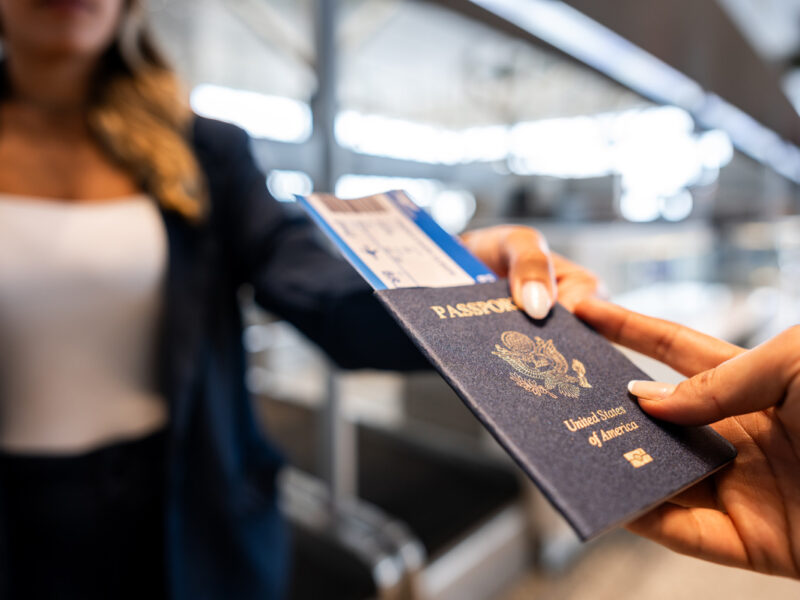
Visitors to the USA may have to provide social media and biometrics as a condition of entry. (Image: Getty)
A major shake-up to US entry rules is on the horizon. It could require visitors to provide biometrics, selfies and five years of social media history.
Your holiday snaps, tweets and online life could soon be fair game at the US border. A new proposal from the Trump Administration could force foreign visitors to provide five years of social media history, along with an array of biometric data, before they’re allowed through US borders.
The Federal Register published a notice last Tuesday suggesting the Department of Homeland Security may make major changes to the Electronic System for Travel Authorization (ESTA) – the electronic system by which citizens of Visa Waiver Program countries can apply to travel to the USA for tourism or business for up to 90 days. The proposal is open for public comment until 9 February 2026.
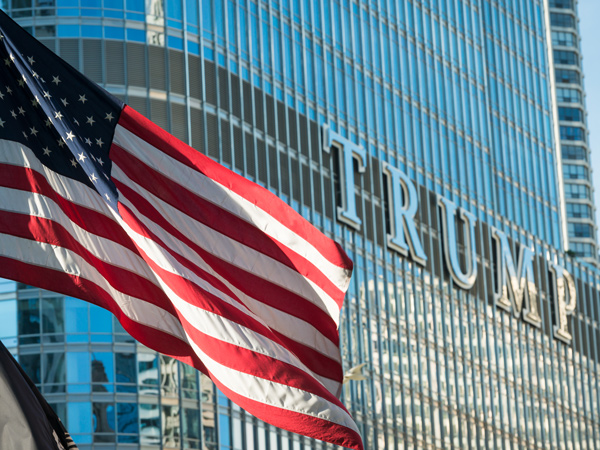
The USA plans to increase restrictions on foreign entry. (Image: Getty/Jimmy Anderson)
ESTA applicants are currently required to provide their passport details, date of birth, nationality, contact information and travel plans. In 2016, an optional question about entering personal social media was added to the application.
Under the new proposal, tourists from 42 visa-free countries, including Australia, may be required to disclose five years’ worth of social media history as part of their ESTA application before entering the USA. They may also be required to provide a selfie, fingerprint and DNA biometrics, along with any telephone numbers and email addresses used over the last five and 10 years, respectively. According to the Trump administration, these additional requirements may be put in place to enhance the safety and protection of US citizens.
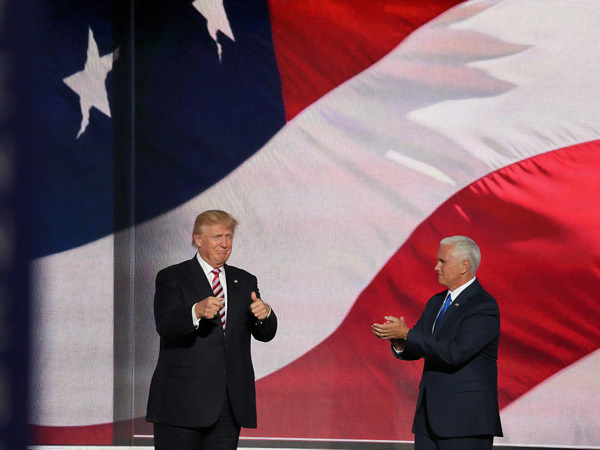
Trump claims the new US border rules will not harm tourism. (Image: Unsplash)
When asked by a reporter following a roundtable discussion at the White House if he was concerned about the border crackdown harming tourism, Trump shrugged off the comment.
“No. We’re doing so well,” Trump said. “We just want people to come over here, and [be] safe. We want safety. We want security. We want to make sure we’re not letting the wrong people come enter our country.”
Critics say the new proposal could pose additional obstacles to those wishing to enter the USA and potentially breach their digital privacy rights.
What digital security steps can I take before travelling to the USA?
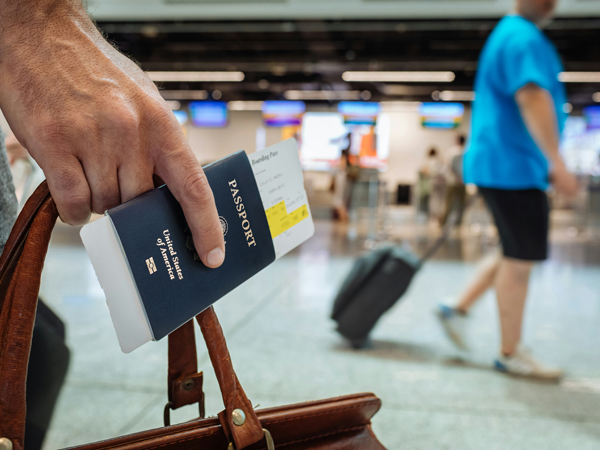
While most travellers do not possess information or images that would concern or be perceived as a threat to US authorities, the American Civil Liberties Union recommends keeping as little data on your devices as possible.
Below are some more precautions foreign visitors to the USA can consider taking to protect their personal information:
- Purchasing a cheap ‘travel phone’ to use while abroad
- Using password managers and setting strong and unique passwords
- Logging out of apps such as social media









LEAVE YOUR COMMENT