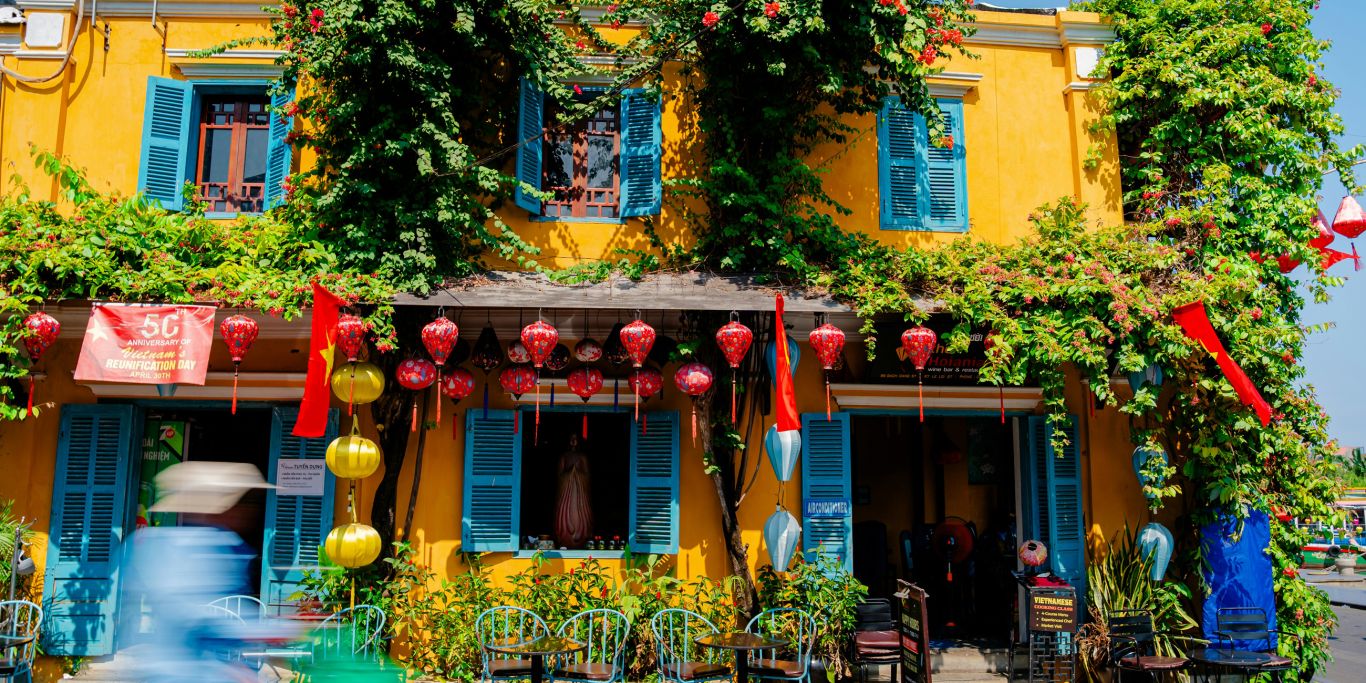
hero media

How to plan a Vietnam holiday: Everything you need to do, see and eat

Credit: Tat Linh Nguyen/Unsplash

Vietnam is a country of diverse and dynamic cities, and a fascinating blend of old, new and natural beauty. Here’s the best way to experience everything it has to offer.

Vietnam holidays are nothing if not diverse – from the electric metropolises of Hanoi and Ho Chi Minh City to the subdued charm of Hoi An and the beautifully serene landscapes of Phu Quoc and Ha Long Bay.

Whether you’re a first-time visitor or a seasoned traveller wondering what to do in Vietnam, this guide takes you from north to south, winding your way through historic towns and bustling cities. Spend 2-3 days in each location, a night in Ha Long Bay and a relaxing few days in idyllic Phu Quoc.

Hoi An

Hoi An is slower-paced yet utterly distinct – a mix of lantern-lit ancient streets and lush countryside.

Where to stay in Hoi An
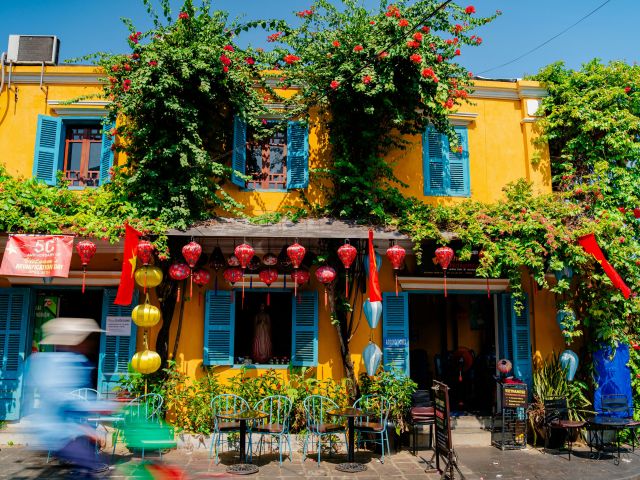
a colourful building with lanterns in Hoi An
Wander the ancient streets filled with colourful buildings and lanterns. (Credit: Tat Linh Nguyen/Unsplash)

Ancient Town is the obvious spot for first-timers. Conveniently positioned in the heart of the city, it gives you the chance to walk everywhere and experience the magical atmosphere by night – think lanterns, street food and lively bars. It may cost a little more to stay here, but the ability to explore on foot is a huge plus.

If you’re looking for a more peaceful stay, Cam Thanh and Cam Chau are slightly more subdued – two neighbourhoods situated just outside the centre and set among rice paddies.

The coastal enclave of An Bang is best for a beach-focused stay, plus there’s a good range of restaurants and cafes nearby.

What to eat in Hoi An
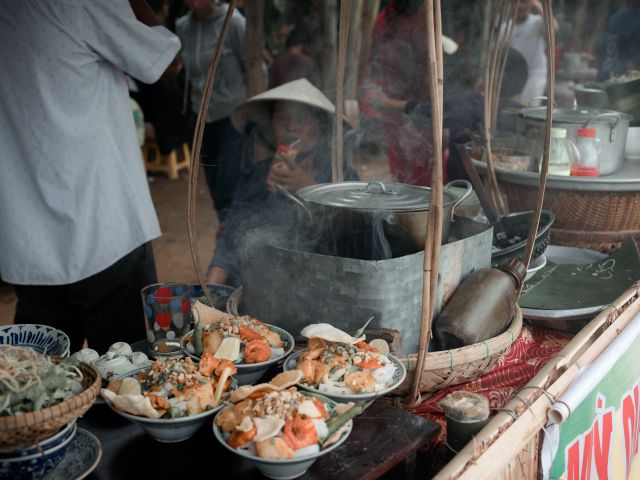
Vietnamese street food stall
Try Vietnamese delicacies in street stalls across the city. (Credit: Anh Tuấn Lê/Pexels)

Banh mi is a Vietnamese culinary icon, and Hoi An is renowned for its own spin on the sandwich. You can pick up a freshly made roll in shops and street stalls across the city. White rose dumplings (delicate steamed parcels filled with prawn or pork) and cao lau (noodles with pork, fresh herbs and crispy crackling) are other Hoi An specialties worth adding to your eat list.

You could absolutely suss out local dishes yourself, but a guided food tour is a great way to try all of the city’s delicacies alongside a local expert.

What to see in Hoi An

traditional cyclo rickshaws in Hoi An
Explore Hoi An’s bustling streets on traditional cyclo rickshaws. (Credit: Nguyen Ngoc Tien/Pexels)

Hoi An is famously associated with lanterns, and you’ll see them strung up in vibrant colours across Ancient Town.

This is also where you’ll find the famed tailors and seamstresses, who can craft everything from suits to dresses in a matter of days. Simply show them your inspiration or bring an existing garment you’d like copied, choose your fabric, get fitted and you’ll have a beautifully crafted sartorial keepsake of your Vietnam vacation.

For something a little more relaxed, head to An Bang Beach or venture to the countryside surrounding the city, best explored by bike.

How to get to Hoi An
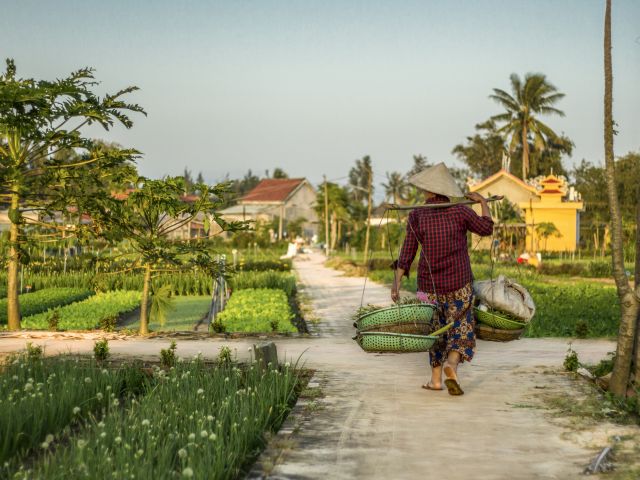
a farmer carrying baskets in Hội An, Vietnam
The unhurried life in the lush countryside of Hội An. (Credit: Babel_hospitality/Pixabay)

There’s no airport or railway station in Hoi An. Instead, fly or get the train to Da Nang, then transfer by shuttle, taxi or private car – the journey takes around 45 minutes to an hour, depending on traffic.

Hanoi

Hanoi is Vietnam’s capital, a fascinating and chaotic mix of history and culture, vibrant street life and excellent food.

Where to stay in Hanoi
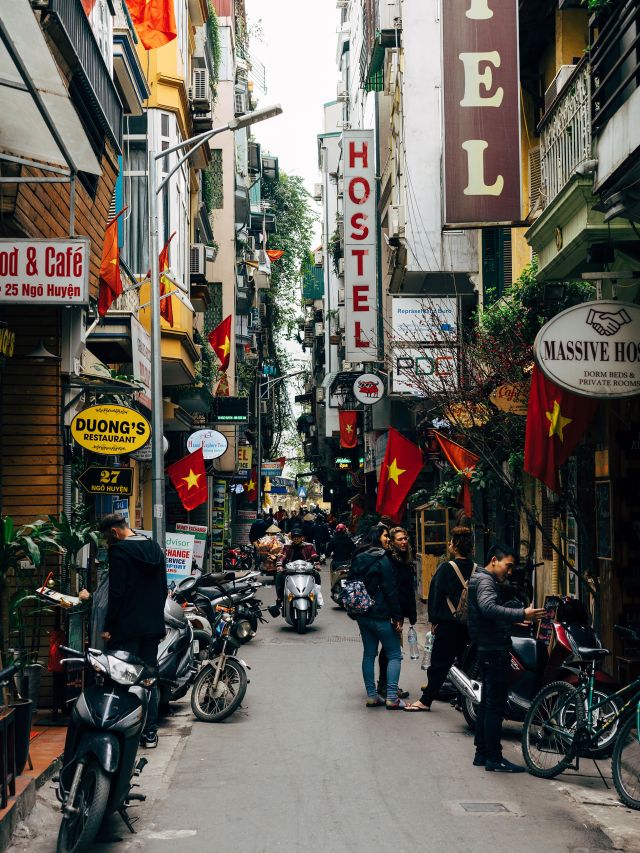
backpacker street in Hanoi, Vietnam
Hanoi is a backpacker-friendly city with highly-rated hostels. (Credit: Markus Winkler/Pexels)

The Old Quarter is a prime spot for food, nightlife and easy proximity to the rest of the city. Just bear in mind that it’s incredibly busy, so expect noise and traffic almost 24/7.

Hoan Kiem is also popular – it’s just as central but slightly calmer and more polished, making it ideal for first-time visitors.

If you’re staying in Hanoi longer, consider West Lake. This corner of the city is leafy, laid-back, spacious and cosmopolitan.
What to eat in Hanoi

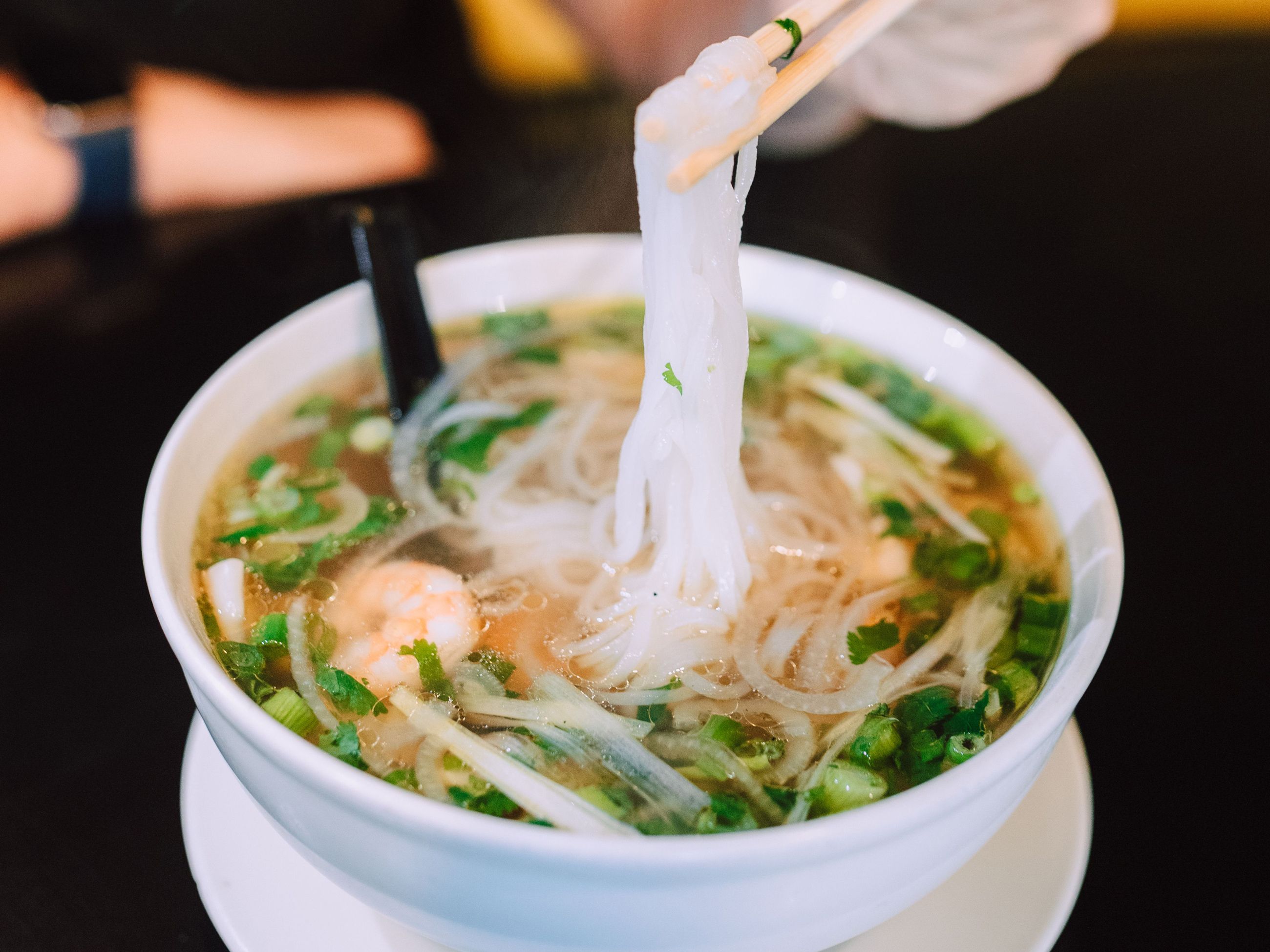
Vietnamese pho
Slurp on a steaming bowl of Vietnamese pho. (Credit: RDNE Stock Project/Pexels)
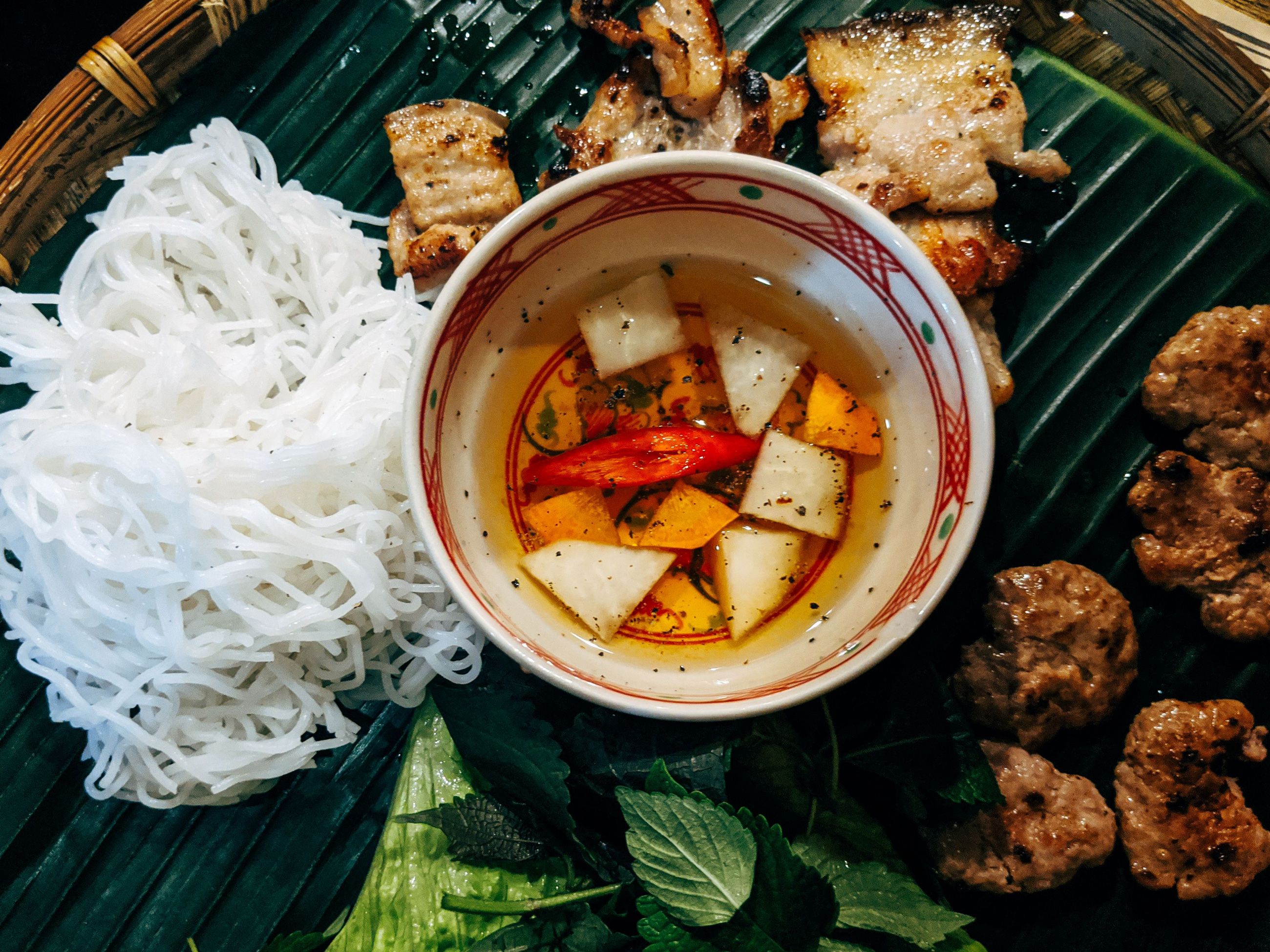
Vietnamese Bun Cha
A traditional bun cha served with char-grilled pork and noodles on banana leaf. (Credit: Markus Winkler/Pexels)

Bun cha (grilled pork with rice noodles) and Hanoi-style pho (the iconic and aromatic beef noodle soup) are two of the city’s signatures, as is egg coffee.

Don’t be put off by the name; the drink is a genuinely good blend of strong coffee, egg yolk, condensed milk and sugar, and truly the best way to fuel a day of exploring. Most cafes serve it hot and cold, alongside the more widely recognised Vietnamese coffee.

What to see in Hanoi

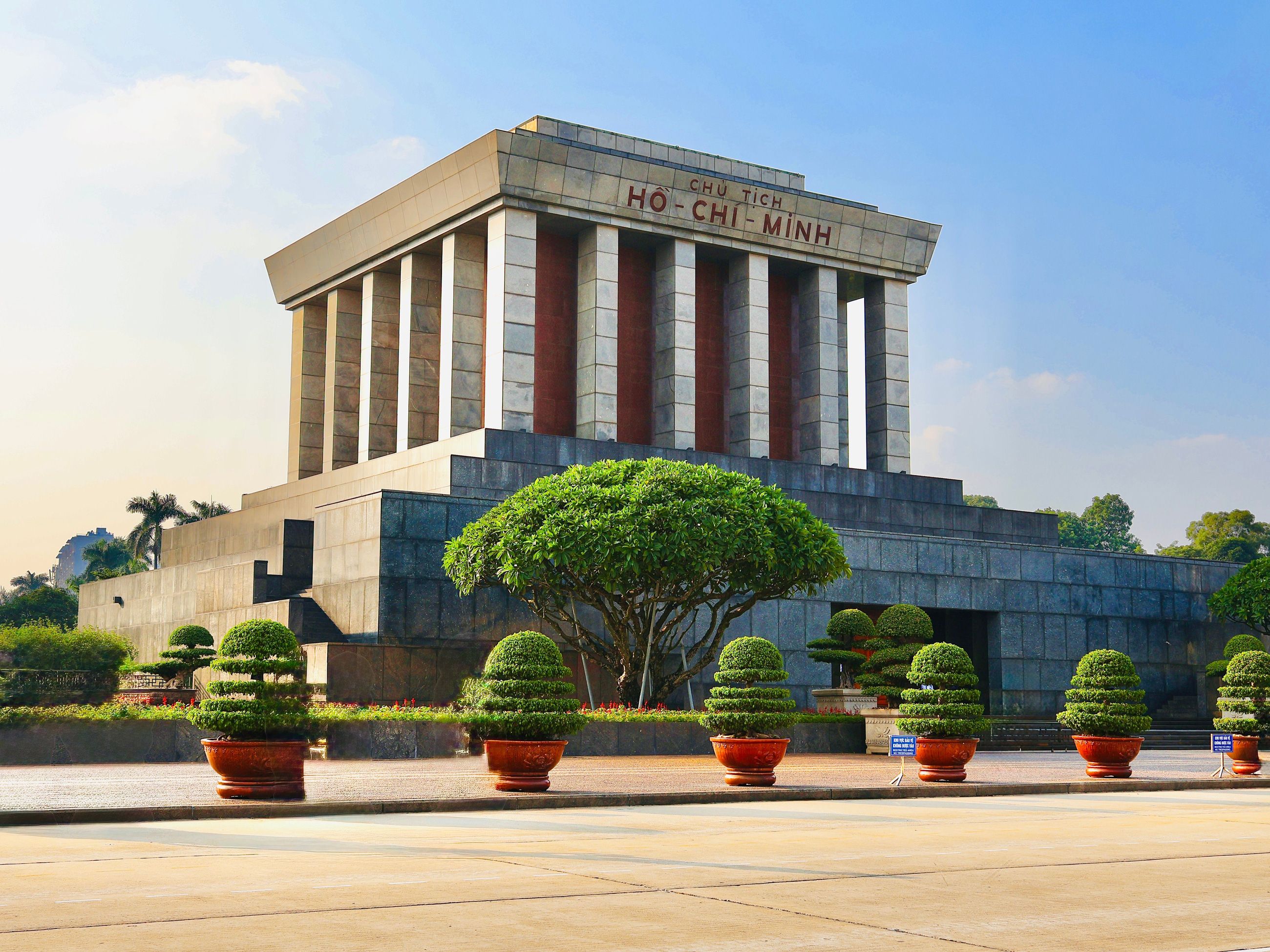
the Ho Chi Minh Mausoleum complex
The historic Ho Chi Minh Mausoleum complex pays homage to the life and legacy of Ho Chi Minh. (Credit: Haneul Trac/Pexels)
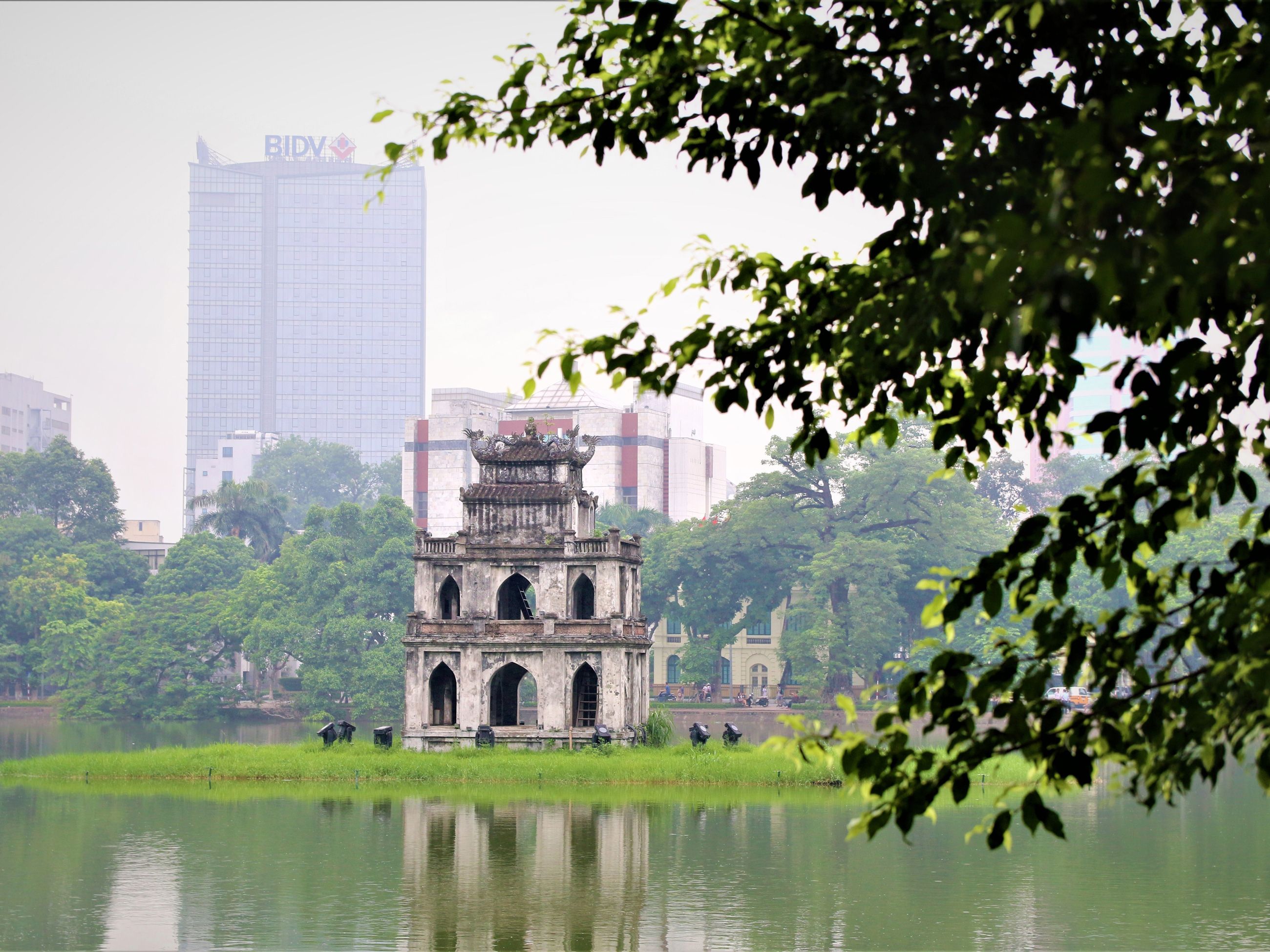
Hoan Kiem Lake in Hanoi
Hoan Kiem Lake serves as a cultural symbol of Hanoi. (Credit: CharlieLe/Pixabay)
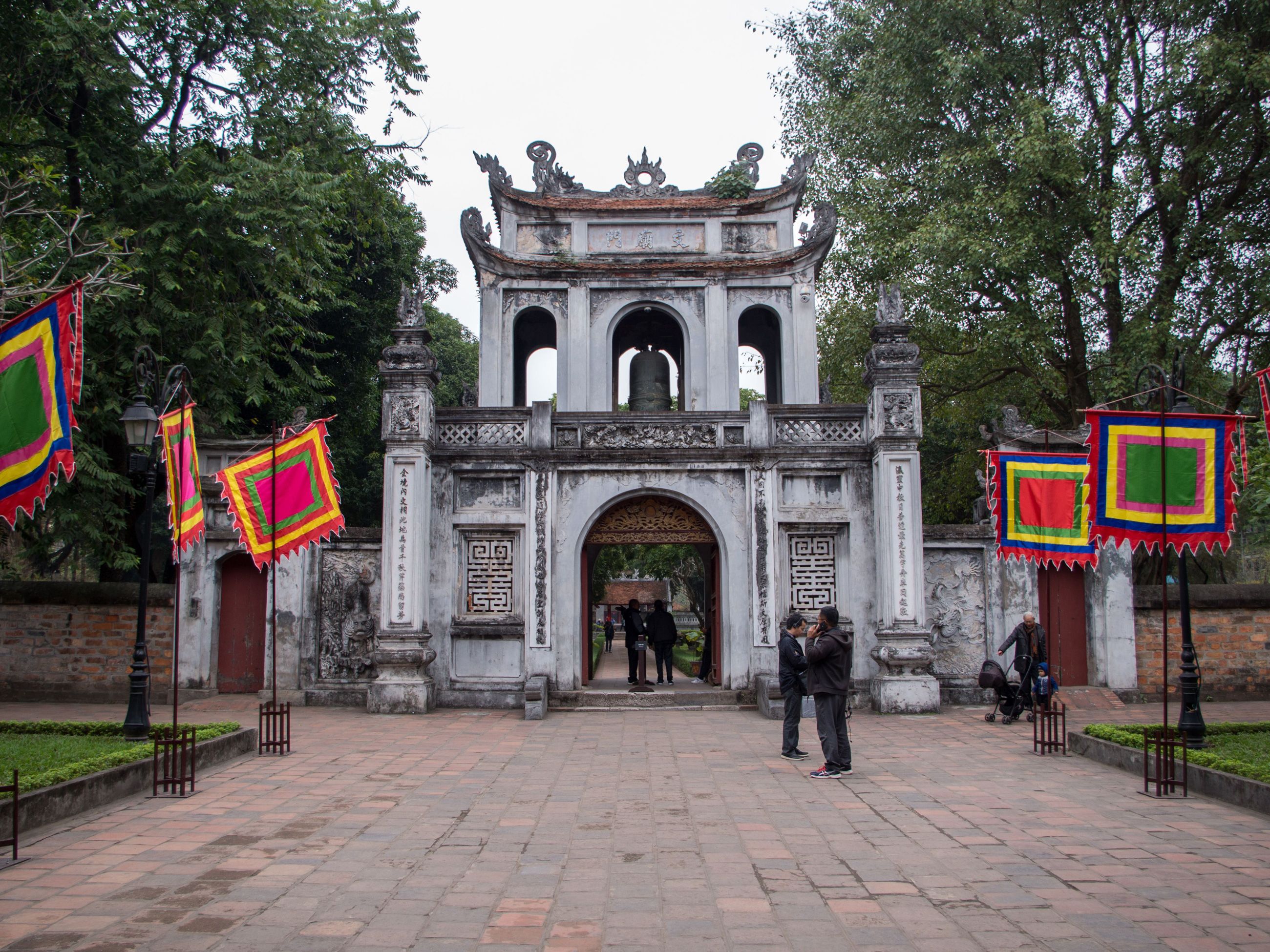
Temple of Literature, Hanoi
The Temple of Literature housed Vietnam's first national university. (Credit: gokudo man'yūki/Pexels)

The Old Quarter is Hanoi at its most concentrated, filled with tiny shops and street-side eateries. You could easily spend several days just wandering.

Nearby is the ancient Temple of Literature, built in 1070. The complex is dedicated to Confucius and a masterpiece of traditional architecture. Another must-see if you’re a history buff is the Ho Chi Minh Mausoleum complex, a collection of monuments and sites that explores the life and legacy of Ho Chi Minh.

Only here for a quick visit? A leisurely amble around Hoan Kiem Lake and the Old Quarter gives you a taste of the city in just a few hours, with plenty of food stops along the way.

How to get to Hanoi

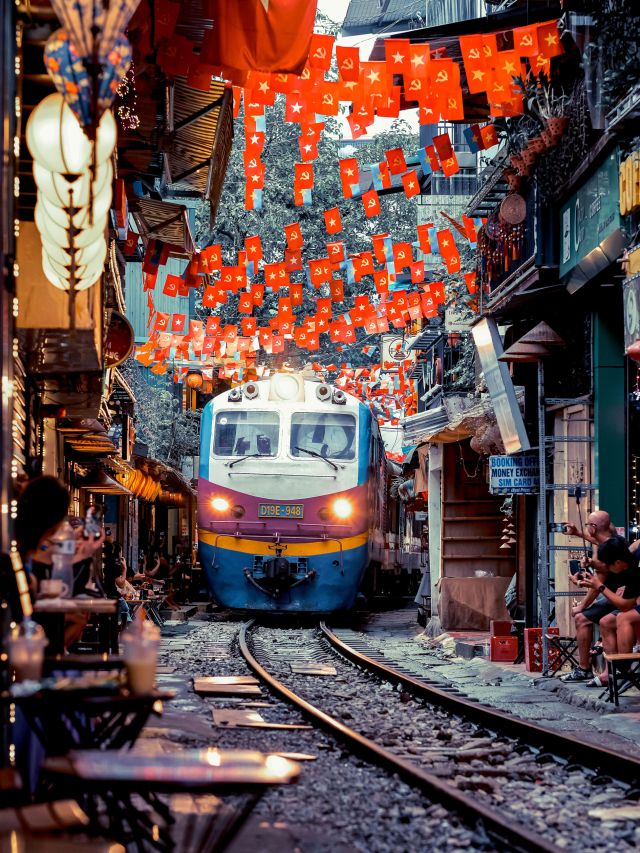
Hanoi's iconic train street
Hanoi’s iconic train street runs between Trần Phú and Phùng Hưng. (Credit: Yuko Photography/Pexels)

Getting to Hanoi is easy; Noi Bai International Airport is a major hub, with direct flights from across Asia and beyond. It does sit just outside the city, though, so you’ll need to allow ample time for a transfer – either with a private car or taxi.

Halong Bay

When you picture nature in Vietnam, you’re probably seeing the limestone cliffs and emerald waters of Halong Bay, which curves into the Gulf of Tonkin.

Where to stay in Halong Bay

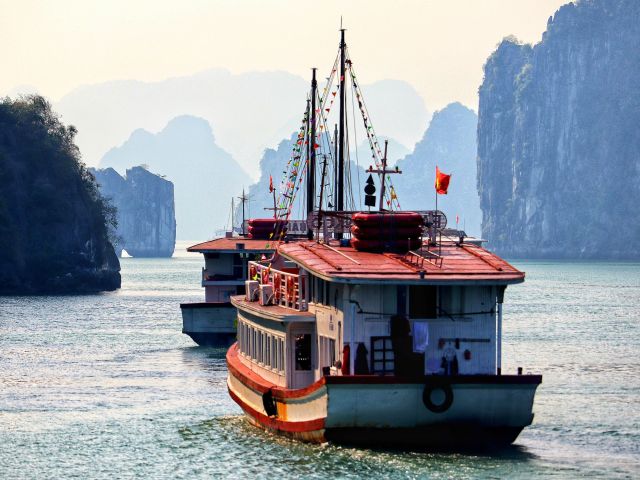
a boat cruising Halong Bay, Vietnam
Cruise along Halong Bay. (Credit: Tho-Ge/Pixabay)

An overnight cruise is more expensive than a day trip, but it’s the most immersive and convenient option. You’re typically on board for one or two nights, with meals, activities and excursions included. Pick a boat with a balcony so you can watch the sunrise over the bay each morning.

Alternatively, stay on the island of Cat Ba and book a day trip into the bay to see its famous limestone formations.

What to eat in Halong Bay

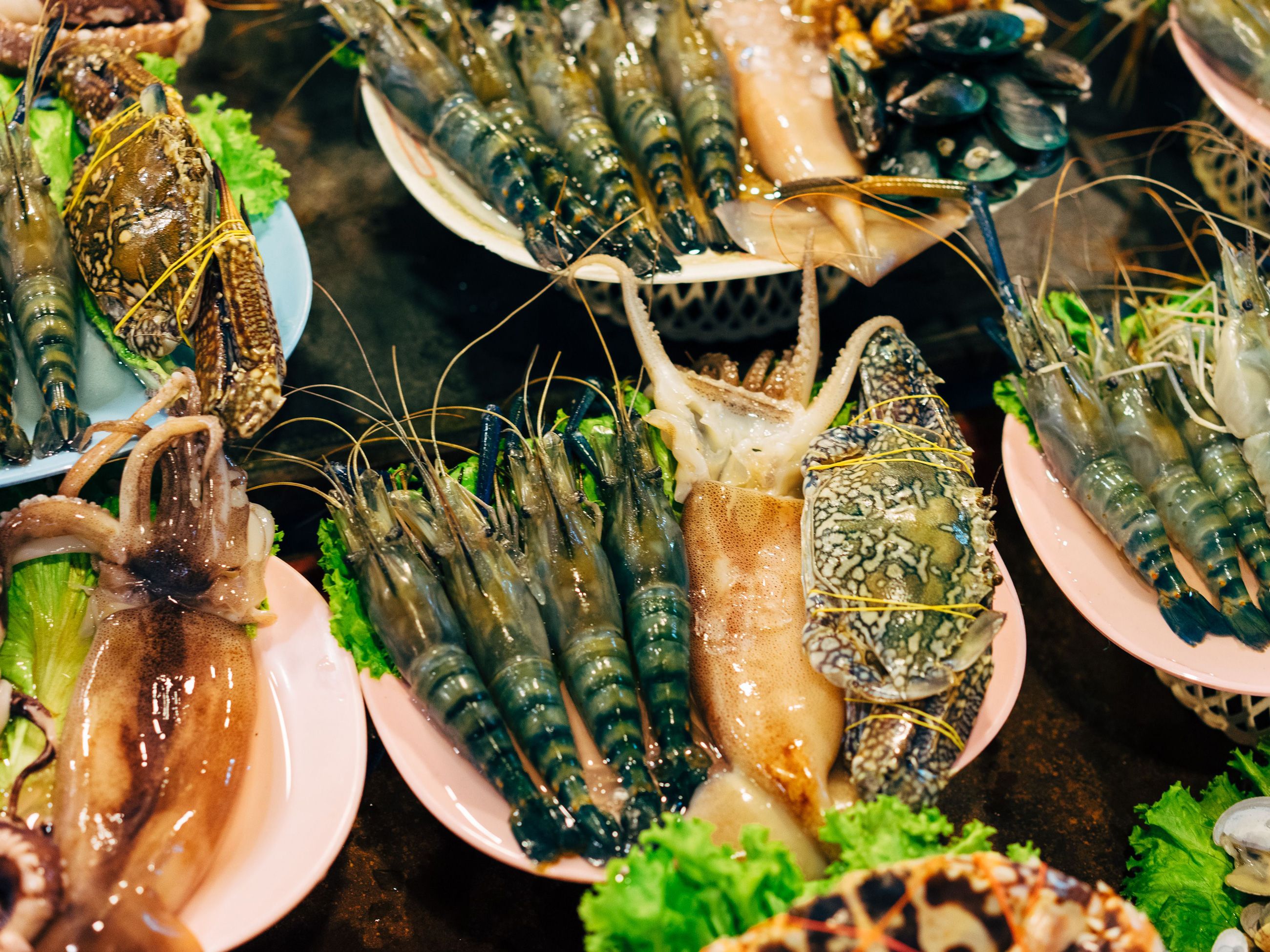
fresh seafood in Halong Bay, Vietnam
Pick from freshly caught seafood in Halong Bay. (Credit: Markus Winkler/Pexels)
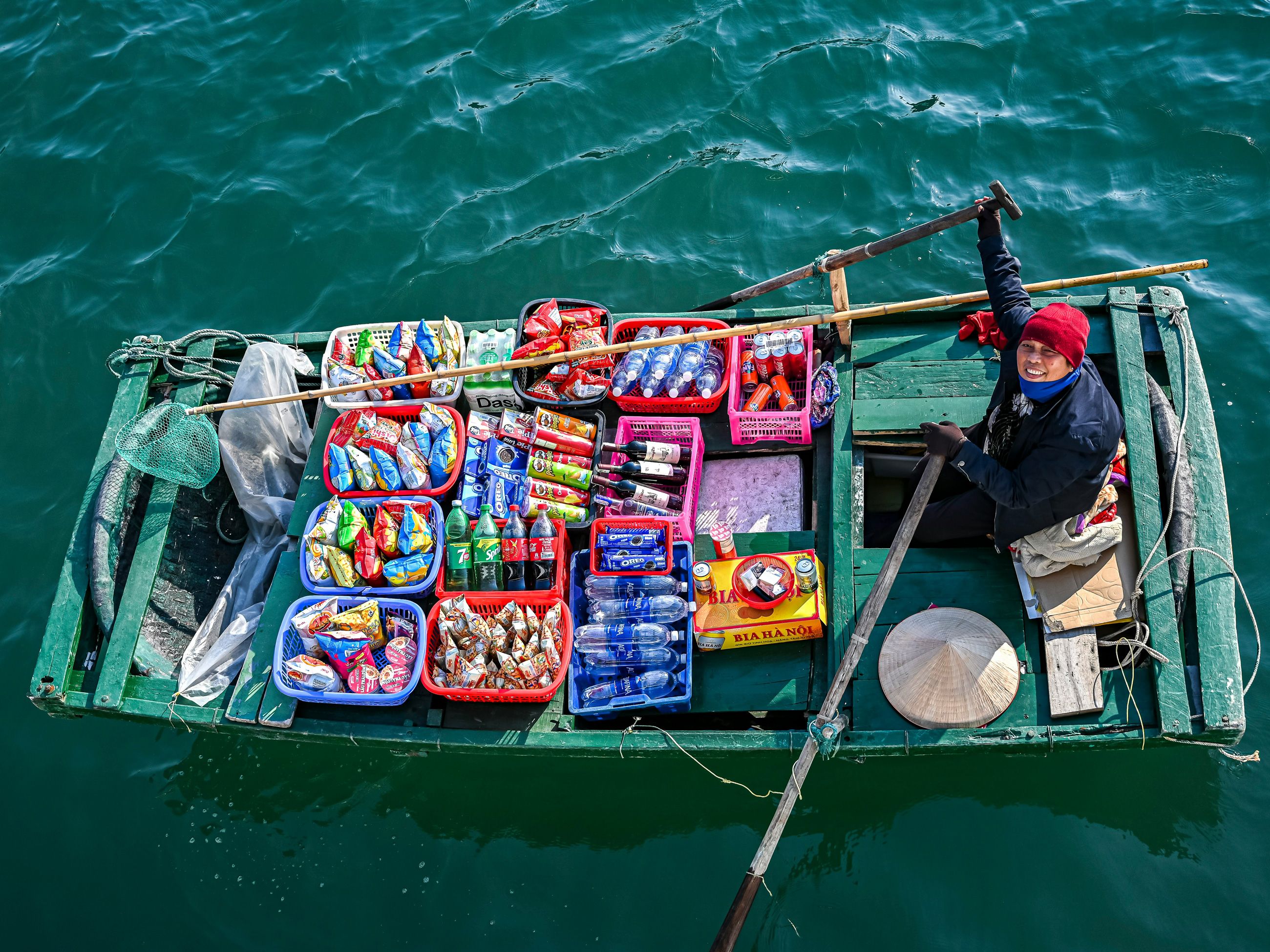
a boat with snacks in Halong Bay, Vietnam
Local vendors row small sampan boats to sell snacks. (Credit: Paul Macdonald/Unsplash)

Most cruise packages include all meals, so the food quality can vary by operator. Regardless of who you go with, expect a succession of feasts with traditional flavours. Seafood is naturally a highlight of the area, so you’ll probably get a healthy serving of it.

If you’re staying on Cat Ba, you’ll have more choice, with everything from casual seafood restaurants to local street food.

What to see in Halong Bay

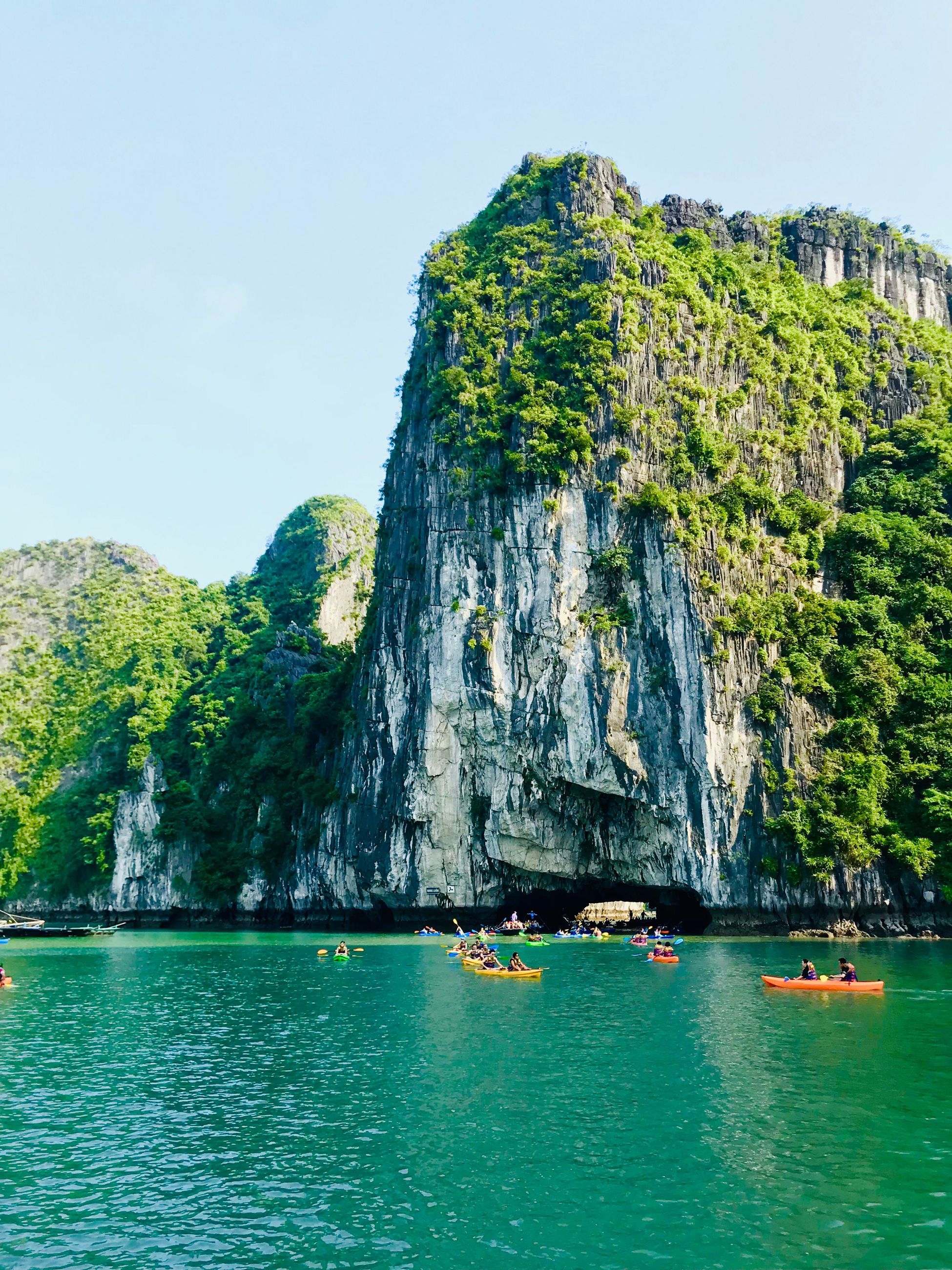
a kayak surrounded by scenic cliffs of Hạ Long Bay, Vietnam
Be surrounded by majestic limestone karsts. (Credit: Jonathan Kalifat/Unsplash)
kayaking along scenic cliffs of Hạ Long Bay, Vietnam
Paddle in a kayak along scenic cliffs. (Credit: Sahil Pathan/Pexels)

The scenery is the reason to visit, but there are plenty of ways to experience it.

You can relax on board your day or overnight cruise, or peel off on a kayak to get up close to the majestic limestone karsts that rise from the water. Some cruises offer cave tours, along with other activities throughout the day – think swimming, fishing, cooking classes and sunset cruises.

How to get to Halong Bay

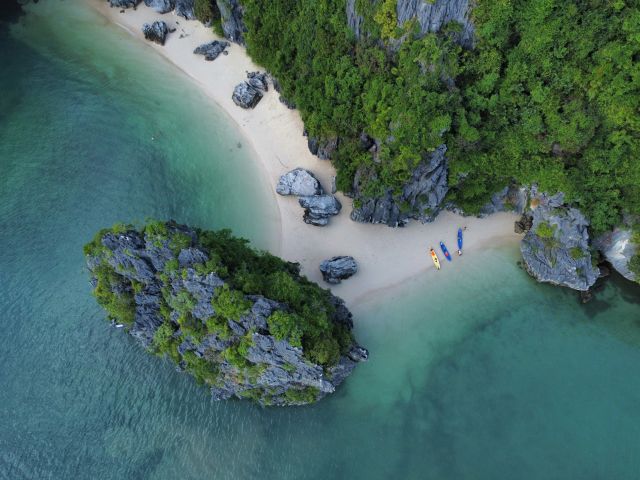
an aerial view of a beach in Hạ Long Bay
See stunning coves tucked between limestone karsts. (Credit: Simon Pallard/Unsplash)

Halong Bay may feel like a world away, but it’s easy to get here from Hanoi via shuttles and private transfers; many cruise operators handle transfers from hotels and the airport. Allow up to three hours for traffic.

Ho Chi Minh City

While Hanoi’s the capital, Ho Chi Minh is the commercial powerhouse: it’s bigger, faster and has a distinctive energy that’s altogether intoxicating.

Where to stay in Ho Chi Minh City

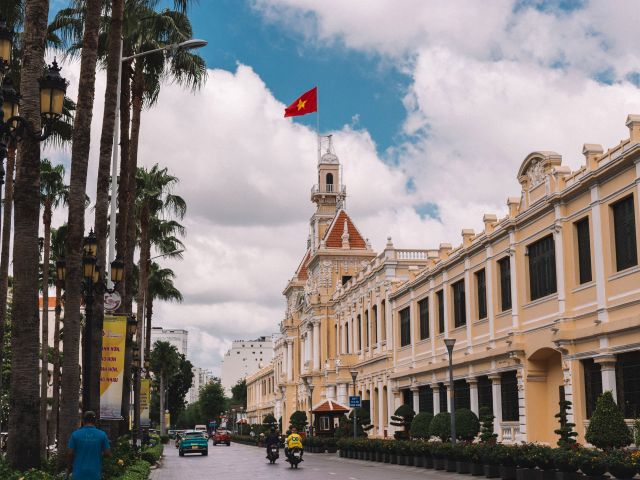
Ho Chi Minh City Hall
Stay right in the centre of District 1 near the city hall. (Credit: Jos Duy/Pexels)

Top picks include District 1 (the city centre), easiest for first-time visitors, and District 3 (just next door), which has a slightly more local vibe while still being in the centre of the action.

If cafes and cool restaurants are more your speed, book a few nights in Thao Dien – a cosmopolitan and leafy district with eateries, shops and bars.

Weekly travel news, experiences
insider tips, offers,
and more.

What to eat in Ho Chi Minh City

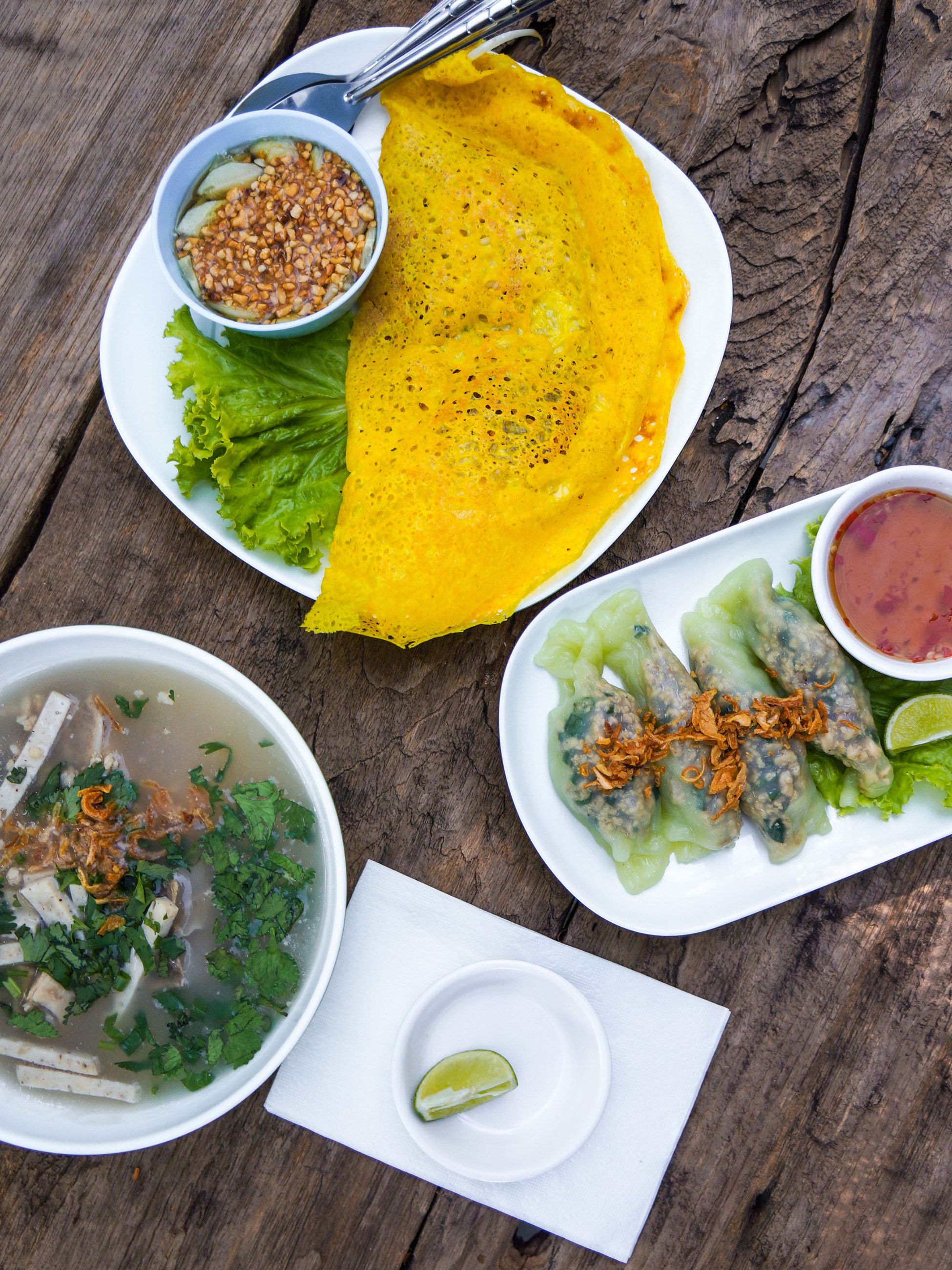
banh xeo, soup, and spring rolls
Feast on banh xeo with soup and spring rolls. (Credit: แหนมไทย ใจตะวัน / Pexels)
Vietnamese coffee brewing
Vietnamese coffee is globally renowned for its intense, full-bodied strength balanced by sweet, velvety layers. (Credit: Thanh Tran/Unsplash)

The street food here is some of the country’s best. Must-try dishes include banh xeo (a crispy pancake stuffed with prawns and pork), com tam (broken rice with grilled pork) and Vietnamese iced coffee.

If you’re feeling more adventurous, definitely try one of the city’s more unique specialties, many of which are easy to find locally. Bo la lot – a beef dish made with betel leaves – is a highlight.

What to see in Ho Chi Minh City

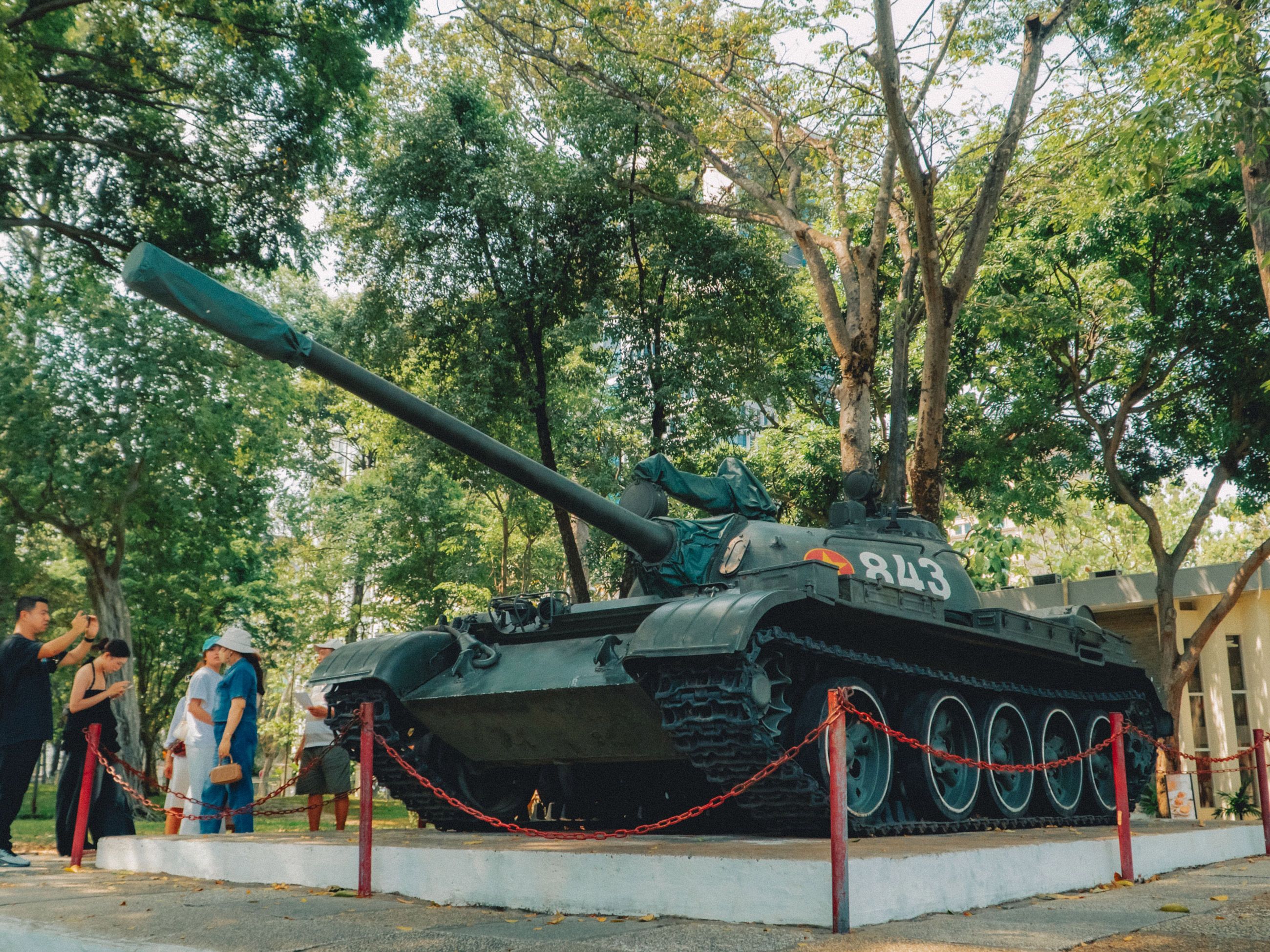
War Remnants Museum, Ho Chi Minh City
Learn about Vietnam's wartime history. (Credit: Phát Trương/Pexels)
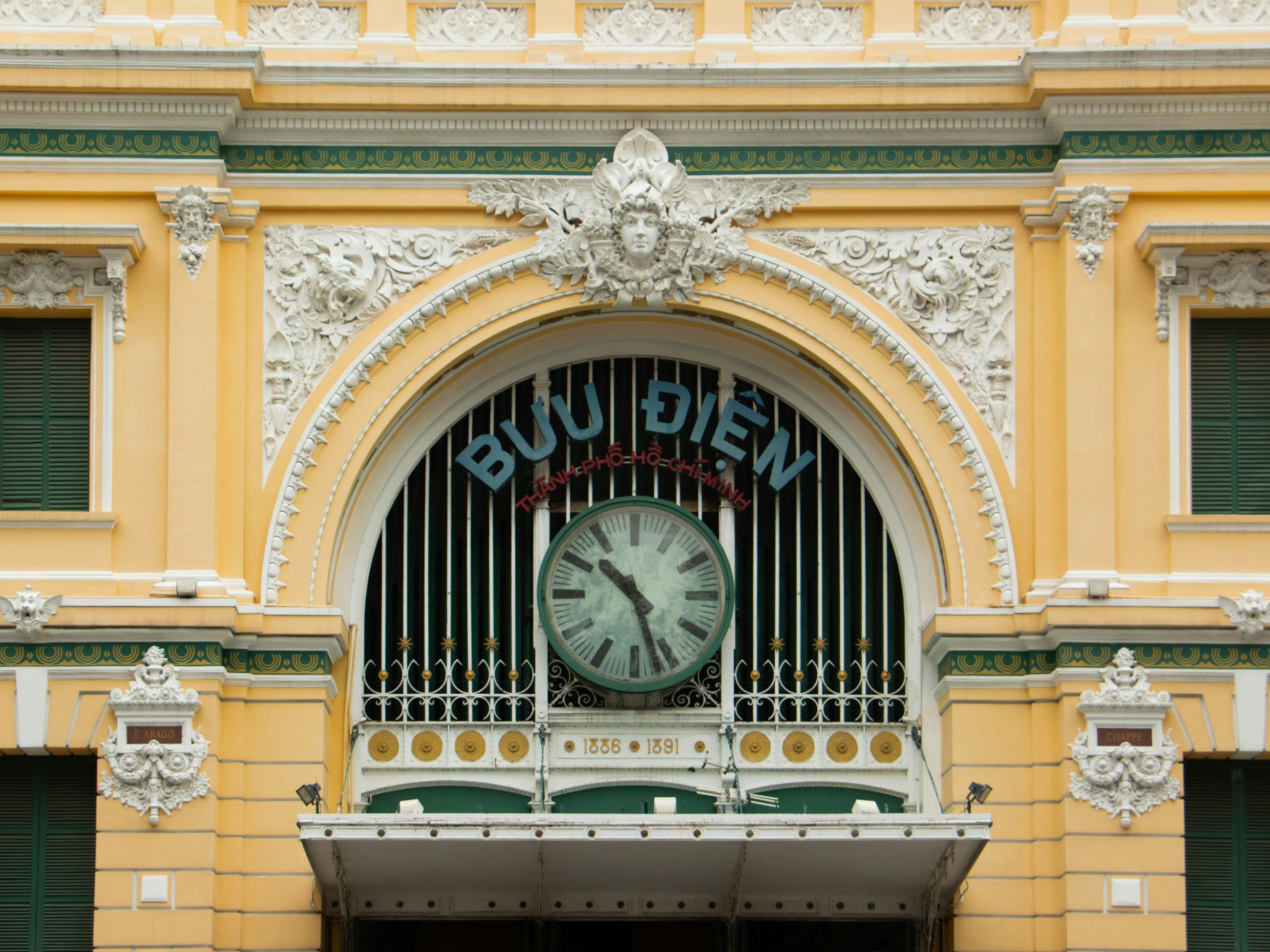
Central Post Office, Ho Chi Minh City, Vietnam
See the 19th-century Central Post Office. (Credit: Tuan Lifecolor/Unsplash)

The War Remnants Museum in District 3 is a powerful stop for learning about Vietnam’s 20th-century war history, while Independence Palace lets you dive deep into the country’s political history.

Architecture aficionados should head to the Central Post Office in the Notre-Dame area, a sunshine-yellow colonial landmark dating to the 19th century. (Just note that if you’re planning to visit the cathedral, it’scurrently closed for restoration – so you can only access the grounds.)

And if you have a day to spare, a visit to the historic Cu Chi tunnels just outside the city is a great way to learn more about the country’s wartime history.

How to get to Ho Chi Minh City

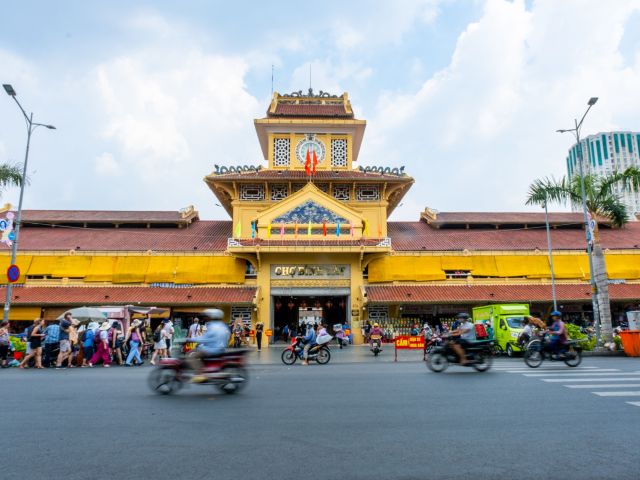
Binh Tay Market, Ho Chi Minh City
Visit the iconic Binh Tay Market in Ho Chi Minh City. (Credit: Vietnam Tri Duong Photographer/Pexels)

Ho Chi Minh City is serviced by Tan Son Nhat International Airport. Flying here from central Vietnam allows you to make the most of your time rather than spending a full day travelling overland.

Phu Quoc

This tropical island should be your final stop on your Vietnam adventure: a laid-back and beautiful destination made for relaxing days by the beach.

Where to stay in Phu Quoc

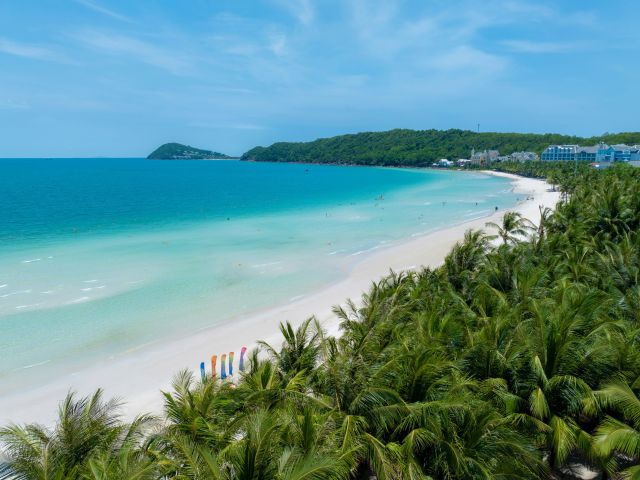
Khem Beach in Phu Quoc Island
The crescent-shaped Khem Beach is renowned for its powdery, white sand. (Credit: Vivu Vietnam/Unsplash)

Long Beach and Duong Dong are popular, especially if you’re after a more convenient and lively stay. You’ll find a range of hotels, casual restaurants, bars and shops here.

The enclave of Ong Lang is decidedly quieter, but no less charming. Stay here if you want a more peaceful experience.

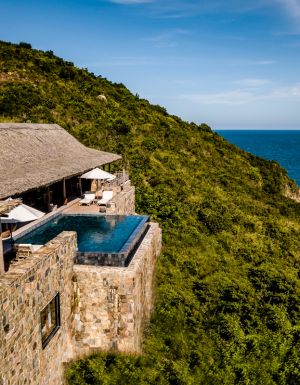
There’s also no shortage of gorgeously appointed resorts, many of which are worth considering for a special trip. Pick a seafront room to enjoy the sweeping oceanside scenery.

What to eat in Phu Quoc

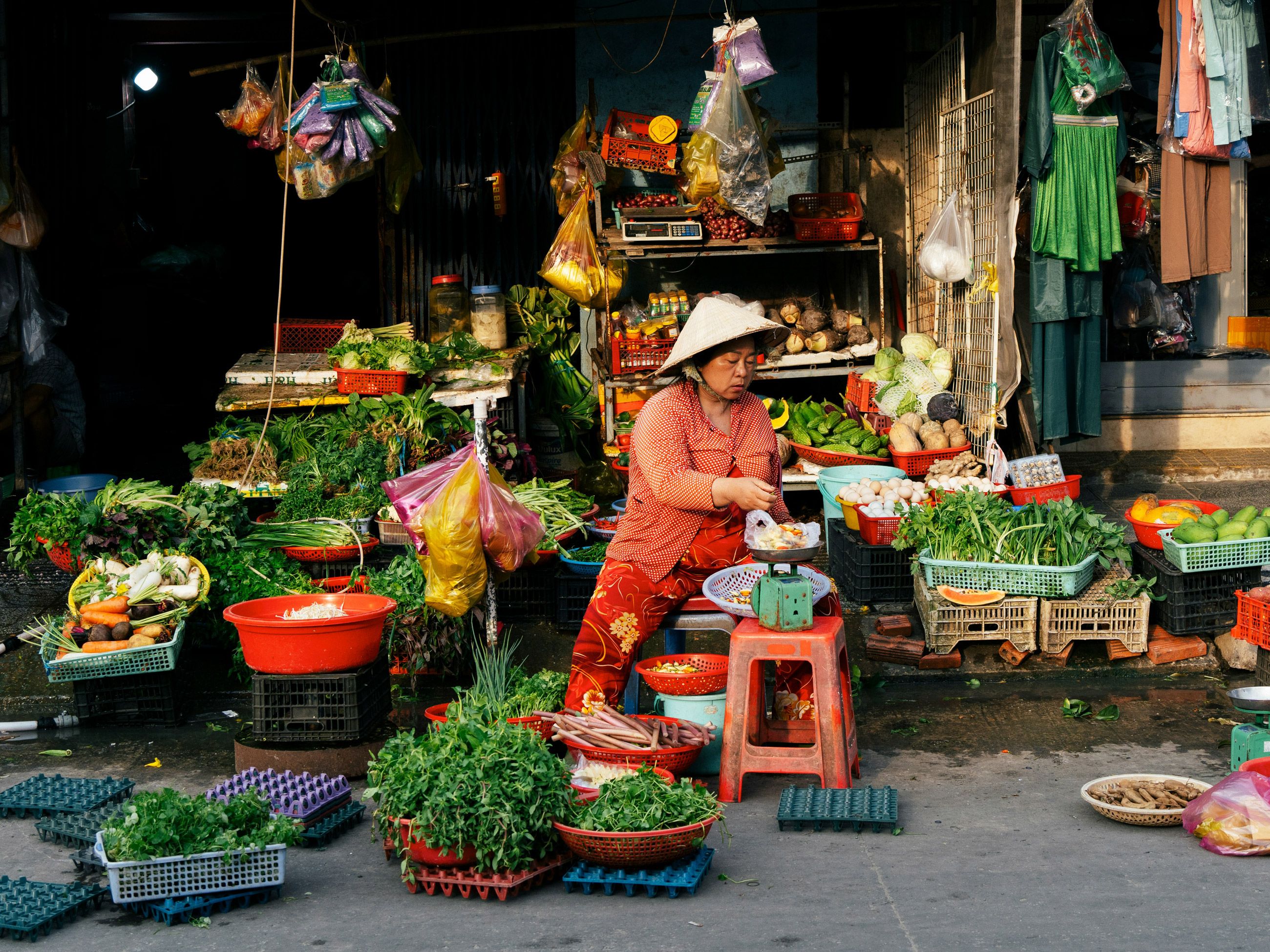
a vegetable stall in Phu Quoc, Vietnam
Find stalls selling fresh produce. (Credit: Evgeny Matveev/Unsplash)
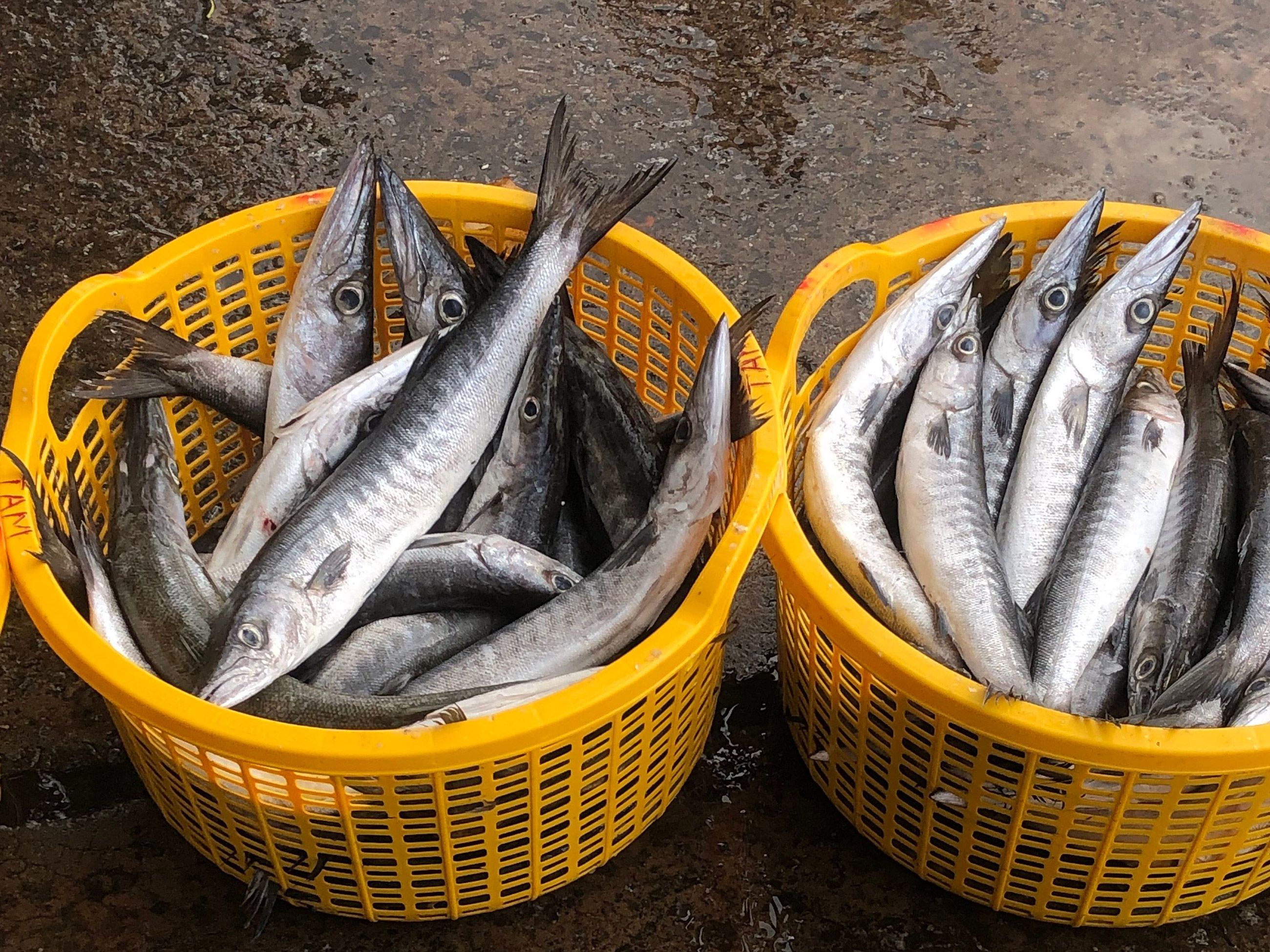
mackerel and sardines in yellow baskets
Shop freshly caught sardines. (Credit: Võ Kiệt/Pexels)

The fresh seafood is the region’s main draw. Feast on crab, prawns and squid, often caught that day, plus Phu Quoc fish sauce and bun quay, a dish of seafood and noodles.

If seafood’s not your thing, there are plenty of other local flavours to try. The famous Phu Quoc pepper is a must – a regional specialty with a very distinct taste.

Staying in a luxury resort means you’ll have excellent dining options just a few footsteps from your room, but it’s also well worth venturing outside to check out the local restaurants and night markets. The seafood at the street-food vendors is often fresh, affordable and delicious.

What to see in Phu Quoc

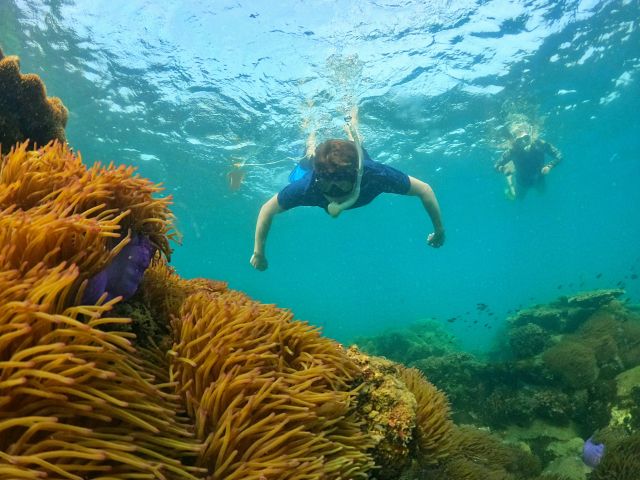
snorkelling in Phu Quoc Island, Vietnam
Go snorkelling to see the vibrant marine life. (Credit: OnBird Phu Quoc/Unsplash)

The surrounding ocean makes Phu Quoc a fantastic spot for all kinds of water-based adventures. The beaches are as beautiful as they are tranquil, ideal for swimming, snorkelling and laid-back walks along the shoreline. You can also book a boat trip to explore the surrounding islands.

At night, check out the night markets, where local vendors sell locally made crafts and souvenirs.

Ultimately, though, Phu Quoc is all about rest and relaxation – so don’t feel bad if you spend a few days just lazily lounging by the pool or beach.

How to get to Phu Quoc

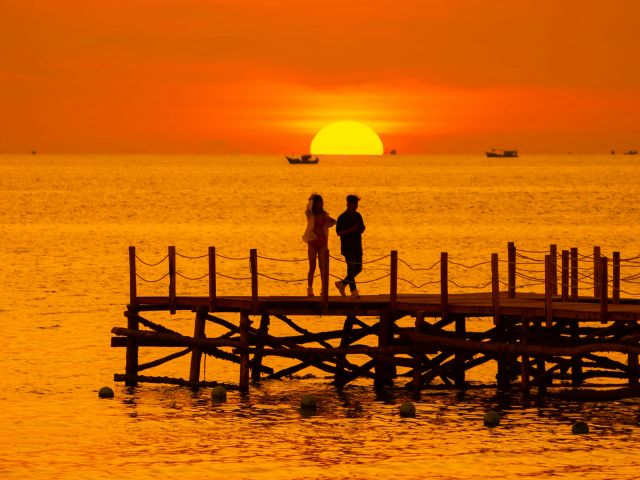
a magical sunset on Phu Quoc Island, Vietnam
Witness a magical sunset on Phu Quoc Island. (Credit: Vivu Vietnam/Unsplash)

The easiest way to get here is by flying from Ho Chi Minh City – the journey takes just an hour. From the airport, you can transfer to your resort or hotel by taxi.

Want to see more stories from International Traveller in your Google search results?

  1. Click here to set International Traveller as a preferred source.
  2. Tick the box next to "International Traveller". That's it.
Gemma Kaczerepa
Gemma is a writer and editor who’s travelled and lived across the globe. After completing a journalism degree at UTS, she explored Europe and worked in various editorial and communications roles in her hometown of Sydney, before landing in Bangkok as the PR manager for a luxury hotel chain. Many years and cities later, including a brief stint in Canberra, she’s a full-time freelancer based in Melbourne. She loves writing about everything her new home – and the rest of Australia and the world – has to offer, but has a particular passion for food, architecture, events and culture.
View profile and articles
hero media

5 things every hotel needs for a more restorative stay

    Kate Bettes Kate Bettes
    Wellbeing means different things to different travellers. Here’s how to pick a hotel that gets it right for you.

    The best wellness holidays aren’t necessarily spent wrapped in a spa robe. Sometimes they’re found around a dinner table in Cambodia, on a hiking trail in New Zealand or after finally beating jet lag on the other side of the world. The hotel you choose is what makes them happen.

    1. Easy access to good food

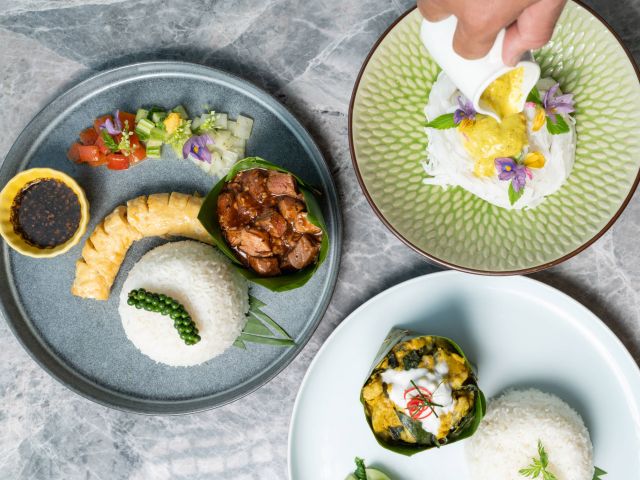
    meals from Novotel Bangkok Sukhumvit 20
    Taste delicious meals at Novotel Bangkok Sukhumvit 20.

    One of the quickest ways to derail healthy habits on holiday is to spend half of it working out where to eat instead of digging into the culture around you. Thankfully, Novotel has done much of the hard work already, with chefs building menus that lean into the flavours, ingredients and traditions of each destination.

    In Sihanoukville, Cambodia, Korkor soup – often dubbed ‘Cambodian ratatouille’ – sits alongside raw blue crab dressed with lime and chilli, best enjoyed with views across the Gulf of Thailand.

    In the lovingly chaotic city of Bangkok, the presence of food cranks up the sociability. At Novotel Bangkok Sukhumvit 20, you can settle in with mango sticky rice and stranger-turned-friends beside the pool at Sky on 20 rooftop bar, or bring them along to tackle river prawns and stir-fried crab with holy basil at the buzzing Crab Paradise Dinner Buffet.

    Then Novotel Dubai Al Barsha welcomes you with a laidback twist on the level of indulgence the Middle Eastern city is best known for up on Deck Se7en. Looking towards Burj Al Arab, the rooftop lounge has everything from Mediterranean-style dishes like seabass ceviche to Italian prosecco sundowners.

    At the other end of the scale, in the hills that surround the Novotel Bali Ubud Resort, calm comes from nature. At Siralada restaurant, Balinese traditions shape the menu while thunder rumbles over the surrounding jungle – proving the setting is as nourishing as the food itself.

    While at Novotel Nha Trang, chef Kieu Thi My Hanh and her team showcase Vietnam’s knack for balancing freshness, texture and fragrant herbs. Pho remains a favourite, while seafood salad with pomelo and mango brings those flavours together in one bright dish.

    It’s all an approach backed by partnerships with expert food creators such as Alfie Steiner, whose plant-forward recipes prove healthy food should never taste plain.

    2. Better sleep options

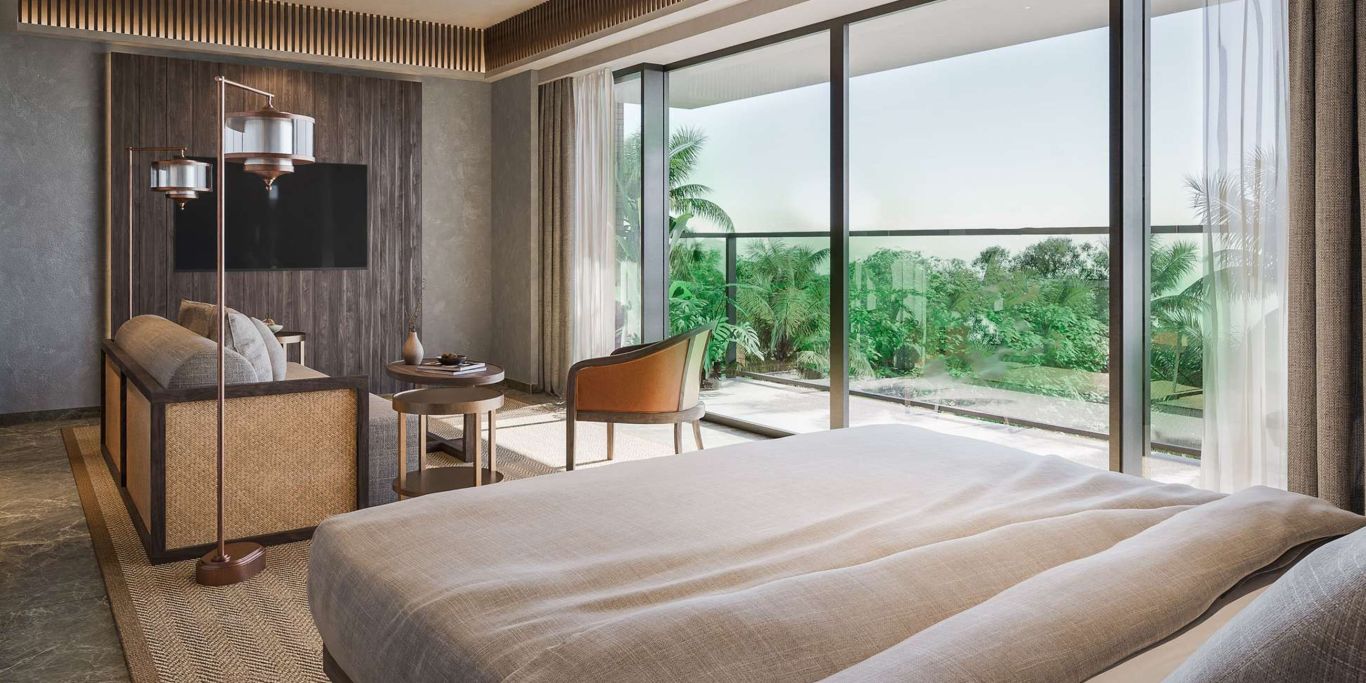
    Novotel Bali Ubud Resort room
    Sleep deeply with Novotel.

    There are few travel experiences more disappointing than arriving in a new country, determined to seize the day, only to fall asleep fully clothed by 3pm.

    For Australian travellers, jet lag is often an unavoidable part of the journey. That’s one reason Novotel runs sleep-focused initiatives that help guests adjust quickly without compromising on health. We’re talking partnerships with Sydney-based sleep specialist Olivia Arezzolo, known for her advice on everything from better sleep habits to beating jet lag, alongside features like pillow menus, in-room yoga content and tailored sleep guidance.

    The sooner you’re operating on local time, the sooner you can get back to more pressing matters – like deciding which spa treatment to book.

    3. More ways to move

    woman hiking around queenstown new zealand
    Stay at Novotel Queenstown Lakeside and explore local hiking trails. (Credit: GettyI mages/ naruedom)

    Every place in the world has its own way of getting you moving: whether that’s hiking up ice-bitten mountains before a sauna or gentle stretching by the pool before a facial. From fitness centres to spas, Novotel recognises that wellbeing rarely looks the same.

    At Novotel Queenstown Lakeside, activity is inescapable. Here, hiking trails, ski fields, bungee jumps, and white-water rafting have made the region famous. The hotel’s location on the shores of Lake Wakatipu means less time spent organising yourself and more time out there experiencing them. To top it all off, you can book a private hot tub for the evening before heading back into the wilderness tomorrow.

    Bali, of course, takes a softer approach. At Novotel Bali Ubud Resort or Novotel Bali Nusa Dua, movement is less about conquering a mountain and more about a dance class between the tropical gardens and lagoon pools. Afterwards, the spa takes over, with traditional treatments like a Lulur body scrub: a combination of rice, turmeric, sandalwood, ginger and jasmine that’ll soothe muscles already relaxed by the Balinese heat.

    4. Better connections

    Novotel Sharm El Sheikh
    Kids will love a stay at Novotel Sharm El Sheikh.

    One of the best things about travel is that it gives your family stories you’ll be telling for years. Novotel helps create them with activities that bring everyone together, whether that’s trying something new, learning a local skill, or simply spending more time together.

    Go for a distinctly Thai twist at Novotel Phuket Vintage Park, where many of the family activities draw on local culture. Kids can try everything from beginner Thai boxing and language lessons to umbrella painting and – a pastime beloved by children the world over – pool foam parties. Everyone is welcome to join in, whether that’s getting splashed, covered in paint, or simply watching their children discover a new side of Thailand during the dedicated Family & Kids Day.

    A different adventure awaits at Novotel Sharm El Sheikh. Kids could be perfectly content with discos, drawing classes and new holiday friends, but the Red Sea has other ideas. Sitting on the edge of Naama Bay, days here might involve snorkelling colourful reefs, taking a boat trip to Ras Mohammed National Park or heading into the desert by quad bike or camel for a Bedouin-style dinner beneath the stars.

    5. Location is everything

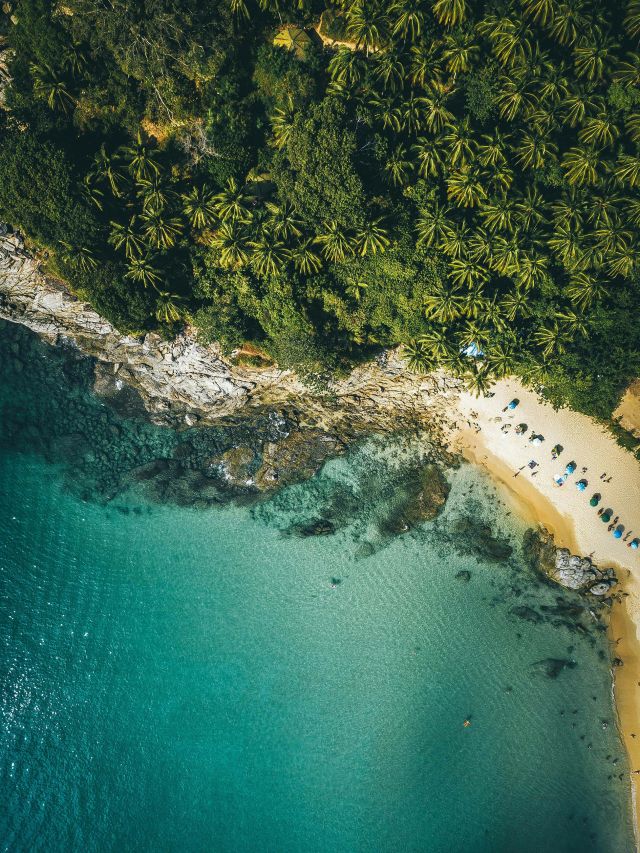
    Surin Beach, Choeng Thale, Thalang District, Phuket, Thaiföld
    Explore Phuket’s gorgeous beaches. (Credit: Bence Biczo)

    Everyone’s idea of wellness looks a little different. With more than 600 hotels across 65 countries, Novotel gives guests the freedom to choose the destination that suits them best. Whether that’s a beachside escape in Phuket, an alpine expedition in Queenstown or a city break in Bangkok, there’s a good chance a Novotel isn’t far away.

    All that’s left? Choosing your version of wellbeing.

    Discover stays to inspire your everyday at novotel.accor.com.