
In a rapidly moving world, ghost towns stand like stoic reminders of the incessant passage of time, the power of nature and the forgotten stories of all who have come before us.
Long attracting travellers seeking the eerie nostalgia of times gone by, visiting ghost towns feels as close to time travel as we can get (for now); with abandoned places like houses, hospitals, and even theme parks, transporting us into both the distant (or not-so-distant) past and giving us a haunting glimpse of a future without humans, all at the same time.
Yet, while there are plenty of abandoned places around the world, some are even more intriguing than others. From towns half-swallowed by sand or snow to old mining towns where you can live out your Wild West fantasies, an industrial high-rise town on an island, and crumbling medieval ruins, here are some of the best ghost towns in the world you can visit – or just admire from afar.
1. Craco, Italy
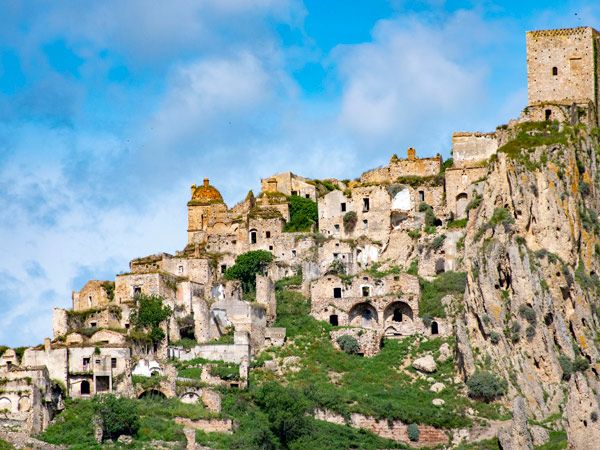
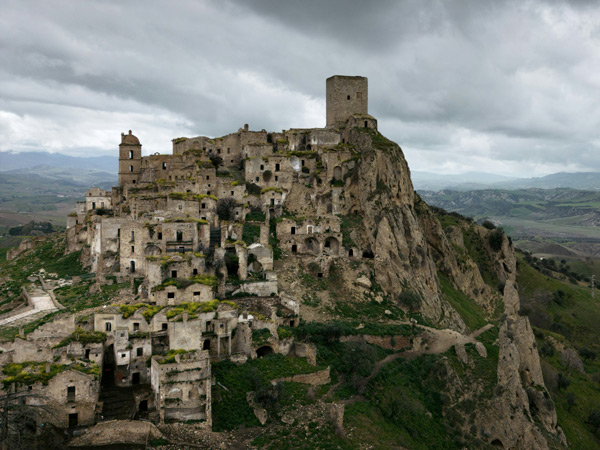
As a land prone to violent natural disasters, Italy is full of ghost towns, from the ash-covered ruins of Pompeii and crumbling Roman ruins to barely inhabited cave dwellings and earthquake-damaged medieval towns and villages. Towns like Basilicata’s Craco, a thousand-year-old cliff-side ghost town that was hit with a succession of landslides, a flood and an earthquake.
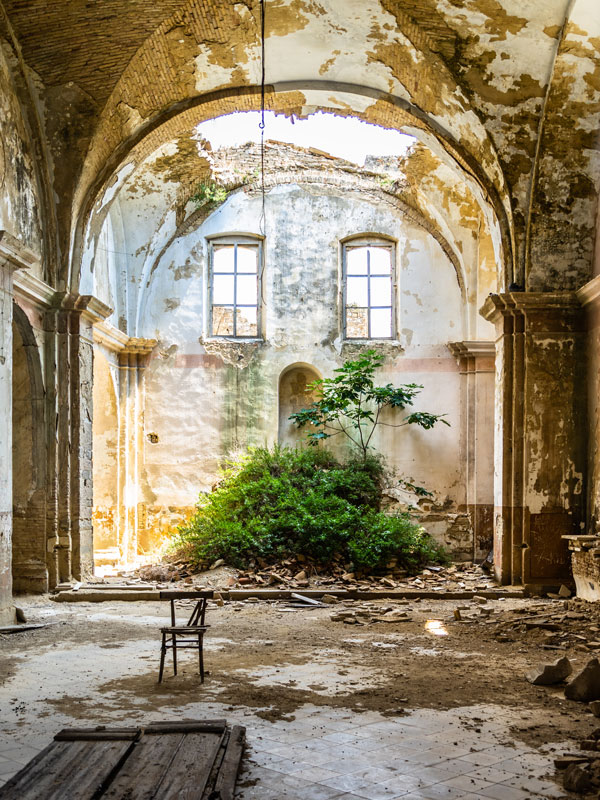
Abandoned since the early 1980s, Craco has a bit of a time-stands-still vibe about it. While most of the stacked-up stone houses have long been emptied of anything valuable, it’s the things that do remain that make it interesting, like old ovens, tipped-over chairs, and glass bottles that are somehow still standing upright on shelves – even despite the landslides and earthquakes that led to the town’s downfall.
Highlights
The best – and safest – way to experience Craco is to take a guided tour around the labyrinthine streets that spiral up to the top of the outcrop, where the oldest building in the town, a Norman castle dating back to 1060, keeps a silent vigil over the landscape. Travellers can also visit long-abandoned churches, market plazas, and old palaces.
If you don’t feel like donning a hard hat and taking to the streets, the clifftop town can also be admired from afar, with a visit to the bottom of the hill still a great way to marvel at the scale of the town in all its hollow glory. Armchair travellers can also catch snapshots of the town in movies like Quantum of Solace (2008) and The Passion of the Christ (2004).
How to get there
Located in the province of Matera in Basilicata in Southern Italy, Craco is approximately 40 kilometres west of the coastal city of Taranto and a 1.5-hour drive southwest of Bari International Airport. It’s also just under an hour away from Sassi di Matera, a Palaeolithic-era cave city.
Accommodation
There are a variety of places to bed down around Craco, including Taranto, Bari, and Matera, where you can stay overnight in traditional cave houses tunnelled out of the rock surrounding the city.
2. Pripyat, Ukraine
Arguably one of the most famous ghost towns in the world, Pripyat is also one of the creepiest. Located in Northern Ukraine, close to the border with Belarus, Pripyat started life in 1970 as an “atomgrad" or atomic city, built around the Chernobyl Nuclear Power Plant to accommodate the plant’s workers and their families.
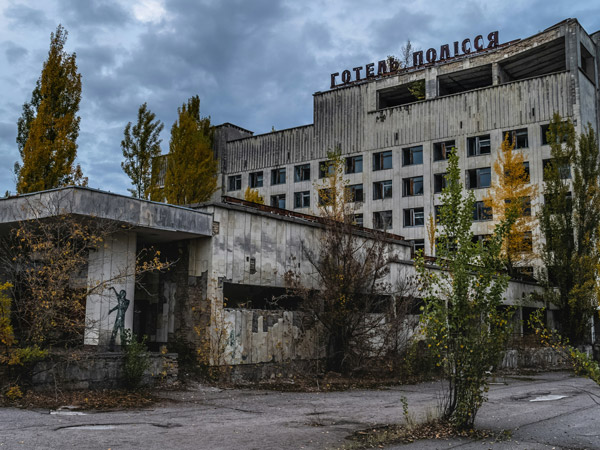
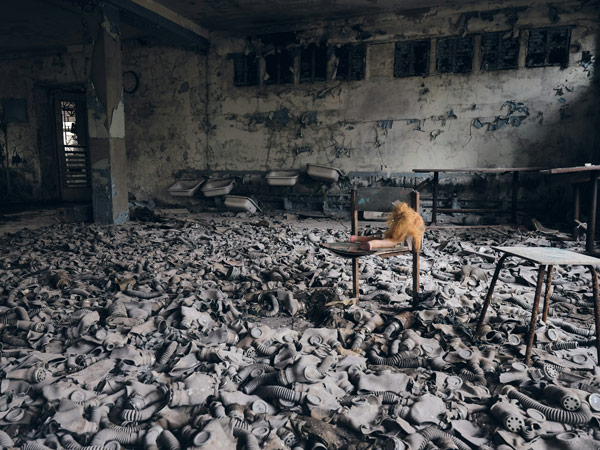
Just 16 years later, Pripyat became a household name overnight after one of the nuclear reactors melted down, leading to the entire city – and everything within a 30-kilometre radius around it – being evacuated. Unlike many other ghost towns in the world, one of the things that makes Pripyat so enthralling – and so creepy – is how quickly everyone had to leave, with residents rushing out the door, only able to take what they could carry.
Highlights
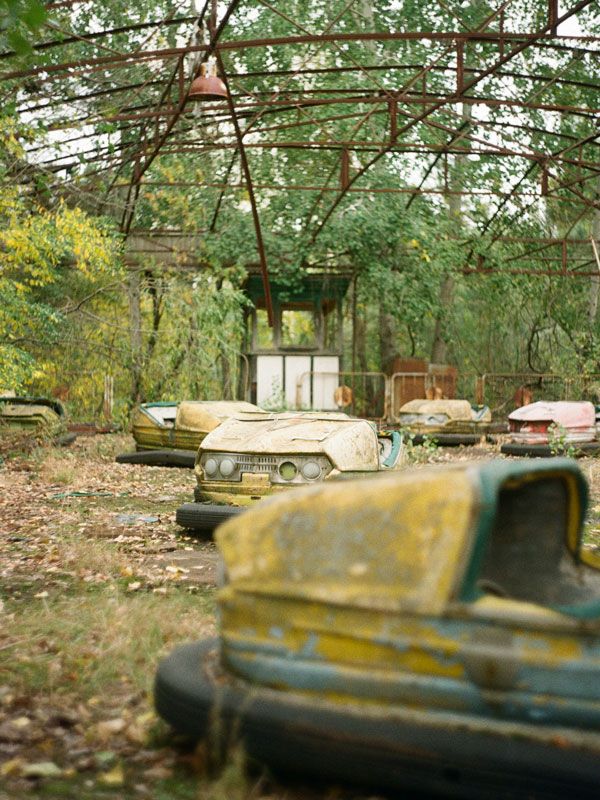
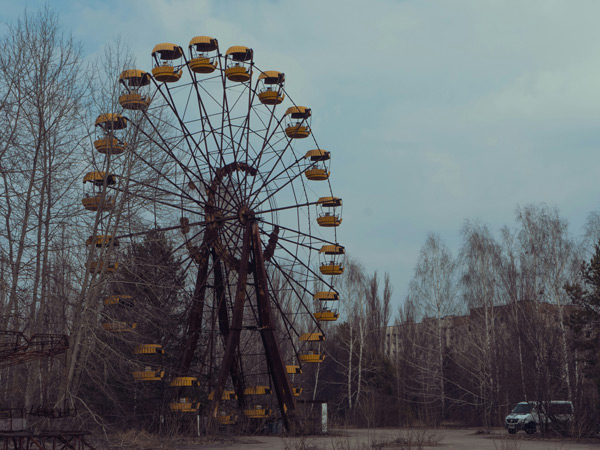
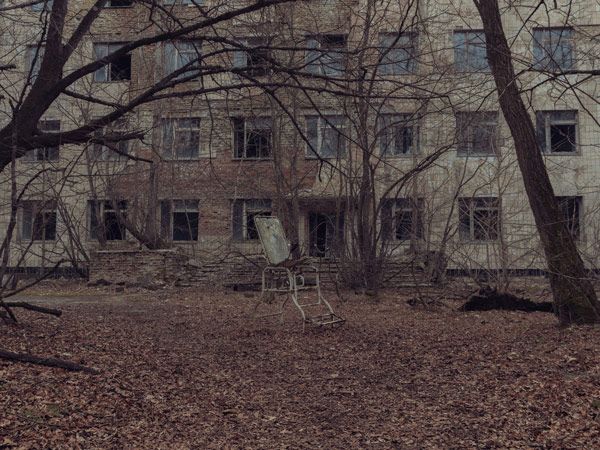
While there is a lot to see in Pripyat, the ghost town’s main attractions include the rusting Ferris wheel in the Pripyat amusement park (which was due to open just five days after the disaster), the Azure Swimming Pool, the hospital and the abandoned kindergarten.
The city has also been featured in many TV shows and movies including the HBO miniseries, Chernobyl (2019), David Attenborough’s A Life On Our Planet (2020), A Good Day to Die Hard (2013), and Forgotten Planet (2011).
How to get there
Around 100 kilometres from Kyiv, Pripyat is only accessible as part of a guided tour into the exclusion zone. One-day or multi-day tours run from Kyiv. However, due to the ongoing Ukraine War, visitors are advised to avoid non-essential travel to the region (which can also void travel insurance), so it might be worth keeping this one on the bucket list for a little longer.
Accommodation
The majority of visitors to Pripyat stay in Kyiv (around a two-hour drive from the ghost town), although there are several accommodation options around the edge of the Chernobyl Exclusion Zone if you’d prefer to stay a little closer. Some multi-day tours also include overnight accommodation.
3. Kolmanskop, Namibia
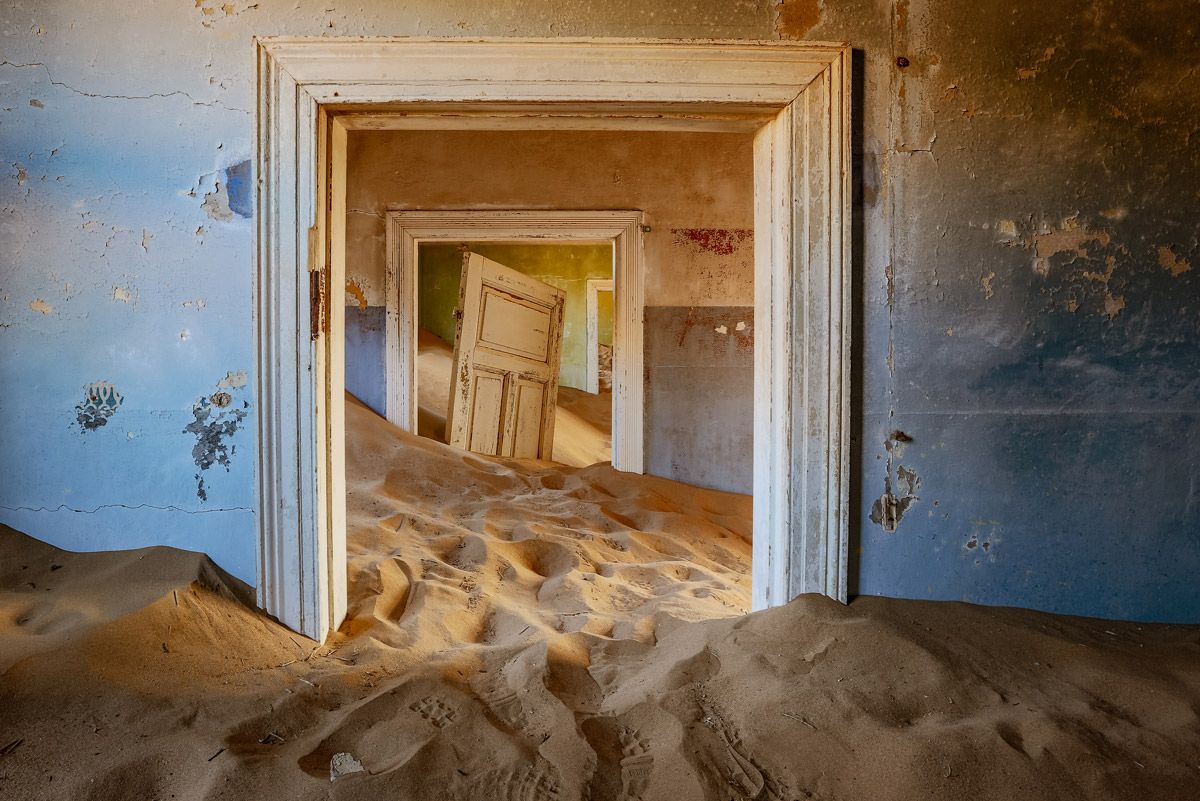
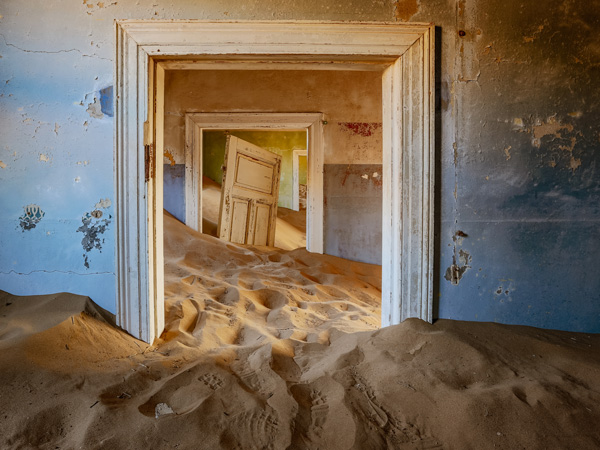
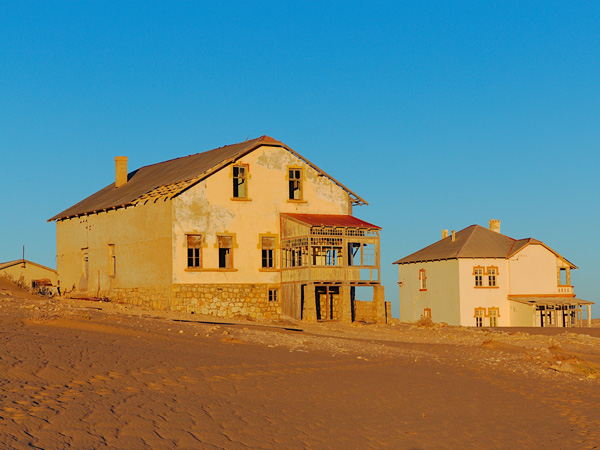
Now half-buried in the shifting sands of the Namib Desert in Africa, it’s hard to imagine Kolmanskop in its early 20th-century heyday. First settled in 1908 as a German-style diamond-mining town, Kolmanskop had a ballroom, bowling alley, theatre and even an ice factory – with fresh water shipped into the desert by rail.
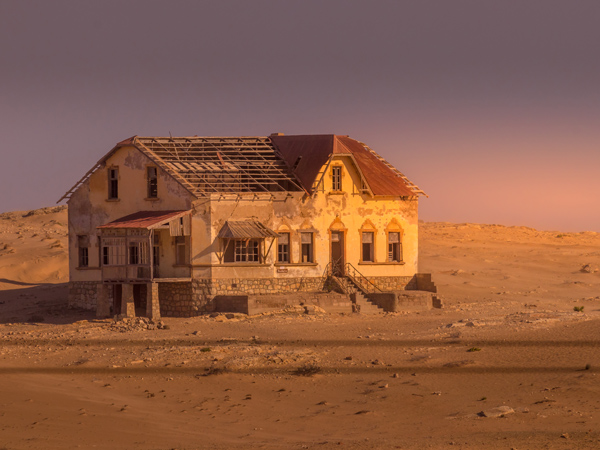
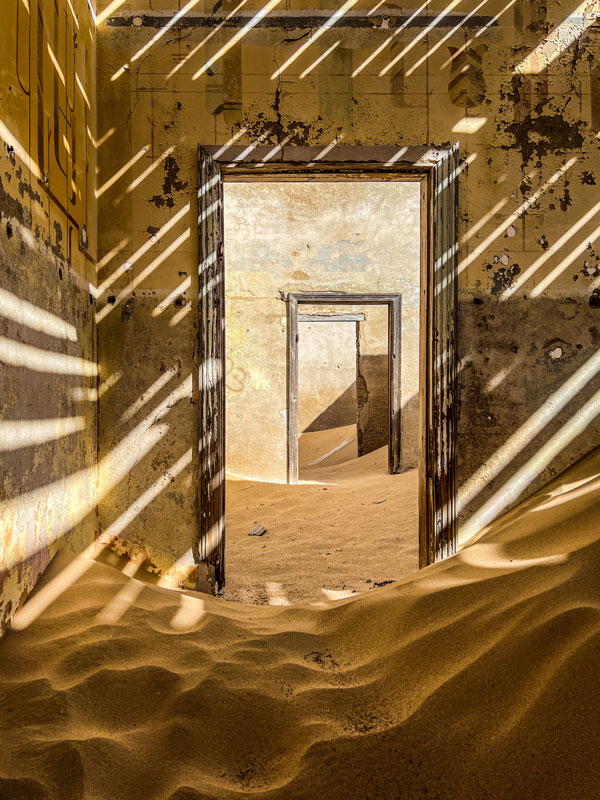
Thanks to the abundance of diamonds in the town, which were first discovered by a railway worker sweeping sand off the train tracks, Kolmanskop quickly grew into a prosperous mining town. As with most mining towns, the fortunes soon faded, though, and the depletion of the mining field, coupled with new finds to the south, led to the entire town being completely abandoned by 1956. The desert sands, which had been temporarily kept at bay by human intervention, soon moved back in, ready to reclaim what remained.
Highlights
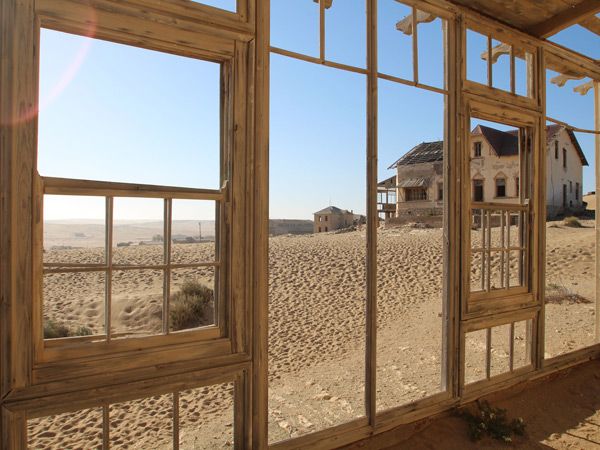
While you may think that once you’ve seen one sand-filled building, you’ve seen them all, Kolmanskop has enough variety and faded grandeur to keep even the speediest sightseer entertained for hours. Some of the best spots include the Krakenhaus (hospital), whose long window-lined corridors are filled with piles of sand, the bowling alley and the impressive, double-storey mine manager’s house.
While most visitors arrive during “standard" opening hours, it’s worth forking out extra – and getting out of bed a few hours earlier – and heading down for sunrise. This way, you’ll get the best light and have the ghost town all but to yourself. If that’s all too much, you can also check out Kolmanskop in Life After People (2010), Wonders of the Universe (2011), Forgotten Planet (2011), and Samsara (2011).
How to get there
Roughly a nine-hour drive (or a short flight) southwest of Namibia’s capital, Windhoek, Kolamskop is located 15 minutes inland from the coastal town of Lüderitz. Now operating as a tourist attraction, visitors can either join a tour with transport included or make their own way there. All tickets include an optional guided tour of the ghost town.
Accommodation
Most visitors to Kolmanskop opt to stay in the nearby town of Lüderitz. Also known for its colonial German architecture – which predates that of Kolmanskop by more than 25 years – Lüderitz has been reinventing itself for tourists in recent years, and has some great accommodation options, as well as a bay home to flamingos, dolphins, and penguins.
4. Kayaköy, Türkiye
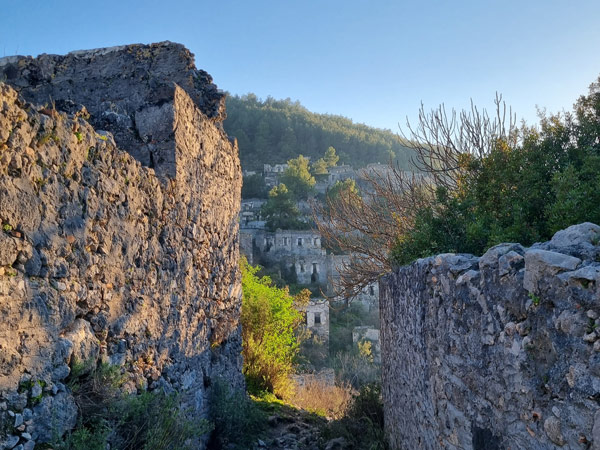
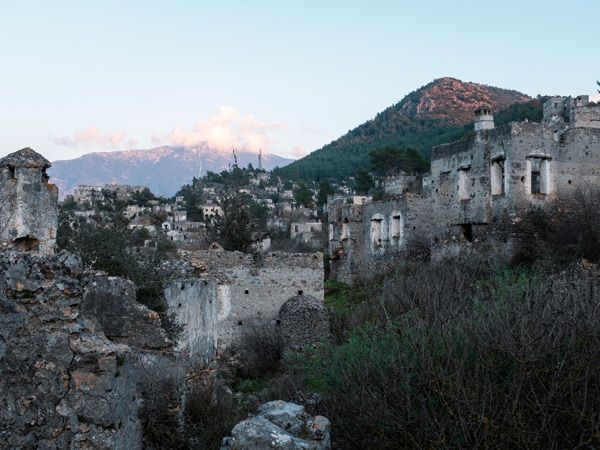
Once a Greek artisan town known as Leivissi, Kayaköy has been mostly uninhabited since 1923 when the Greek Orthodox residents were forcibly exiled as part of a population exchange negotiated at the end of the Greco-Turkish War. While many of Türkiye’s abandoned towns were settled by repatriated Muslims, the rocky hillside village was deemed unsuitable for farming and abandoned to the elements.
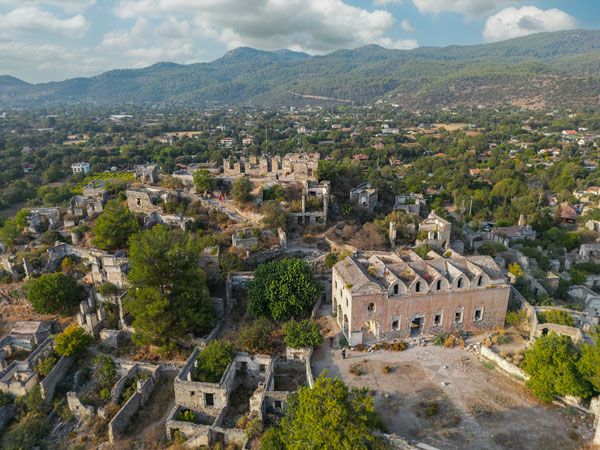
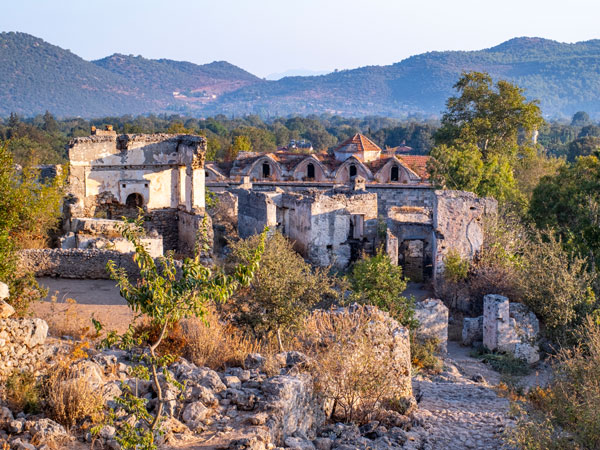
Although much of the historic town, including a 17th-century fountain, churches, chapels, and hundreds of crumbling homes, remains in ruins, recent efforts to restore part of the old ghost town have brought new life back to Kayaköy, along with a handful of cafes, restaurants, and hotels that cater to the growing tourist crowd.
Highlights
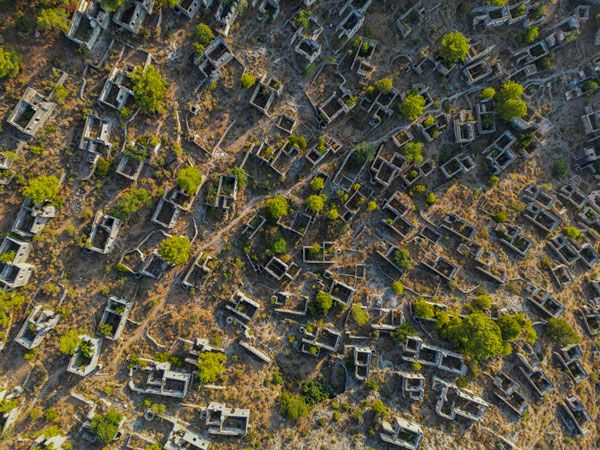
Kayaköy is one of those ghost towns that has to be seen to be believed, with hundreds of terraced stone buildings – which once had wooden roofs, window shutters, and doors, reclaimed by pomegranate, citrus, and pine trees. Trekking up to the old school – one of the highest points on the hill – offers great views of the settlement.
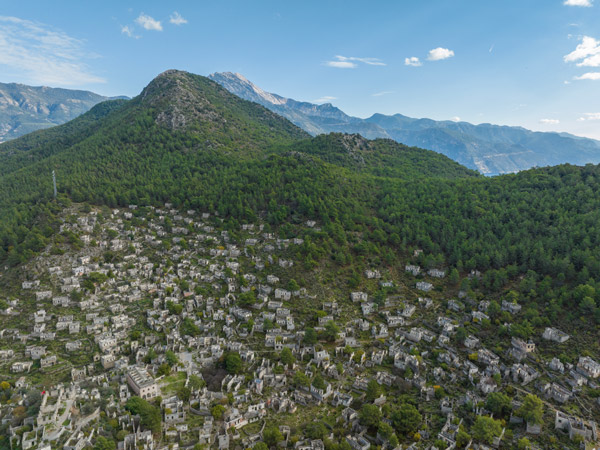
Visitors can purchase a ticket at the foot of the town and follow the trails up to the historic township. The local museum is also well worth a visit if you want to learn more about the town’s history or the Greco-Turkish War. Or, if you’d prefer to catch Kayaköy on the silver screen, you check out its big-screen debut at the end of Russell Crowe’s 2014 movie, The Water Diviner.
How to get there
Kayaköy is located in southwestern Türkiye, around 25 minutes south of Fethiye and 10 minutes north of Oludeniz. Easily visited on a day trip, visitors can get out to Kayaköy using public transport, taxis, or private vehicles before continuing up to the old town on foot.
Accommodation
Given how close it is to Fethiye and Oludeniz, most visitors to Kayaköy swing by on a day trip. However, if you want the full overnight ghost town experience, there are some great accommodation options in the restored part of Kayaköy, including the decadent Ada Dreams, which has redeveloped some of the old houses into luxurious villas.
5. Pyramiden, Svalbard, Norway
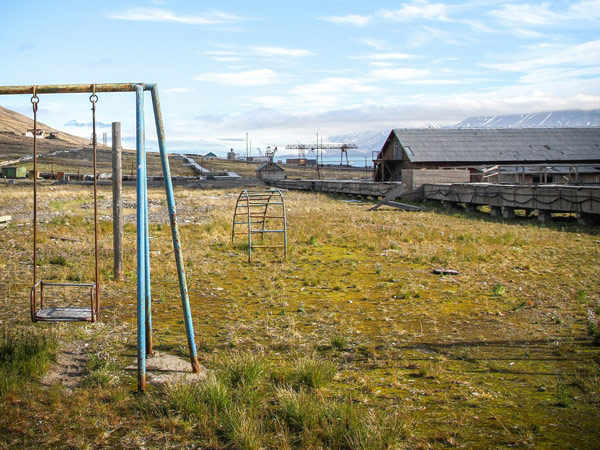
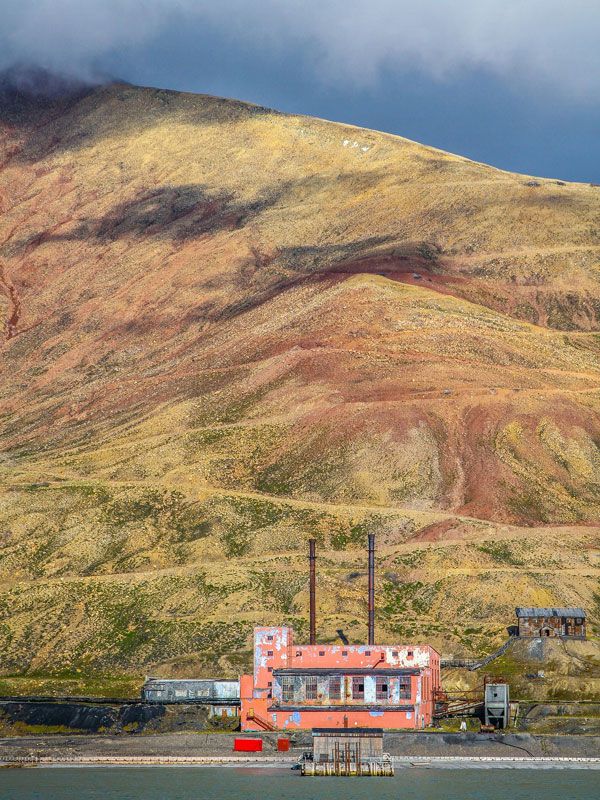
While the epic landscapes and ruins of this Soviet-era ghost town would probably be enough to justify the trek to Svalbard, the combination of both certainly helps to tip the scales. Sitting pretty – if ruined Soviet architecture and desolate snow-capped mountains (including the pyramid-shaped one that gives the town its name) is your idea of pretty – in the Arctic Circle, the once-bustling coal mining town of Pyramiden has been all but abandoned since 1998.
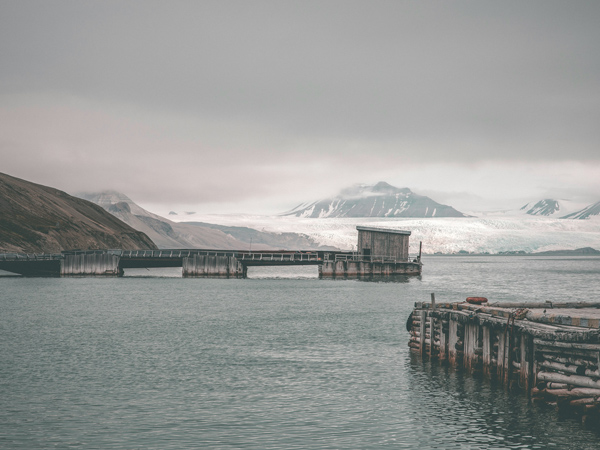
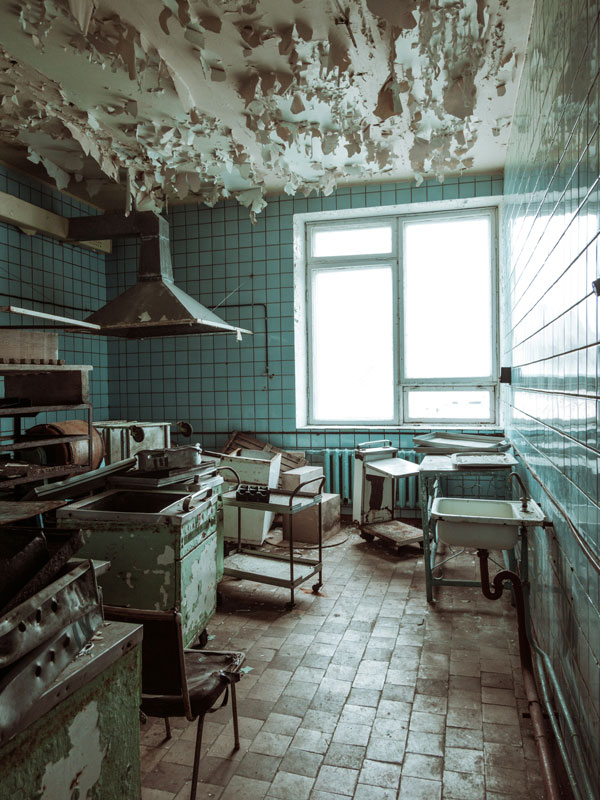
Originally claimed by Sweden, who discovered the coal here in 1910, Pyramiden was sold to the USSR in 1927. At its peak in the 1980s, the fully self-sufficient mining town was home to more than 1000 people, who lived in blocky, Soviet-style apartment buildings under the watchful eye of Lenin, whose statue still stands guard over the ghost town, despite it having been abandoned for more than 25 years.
Highlights
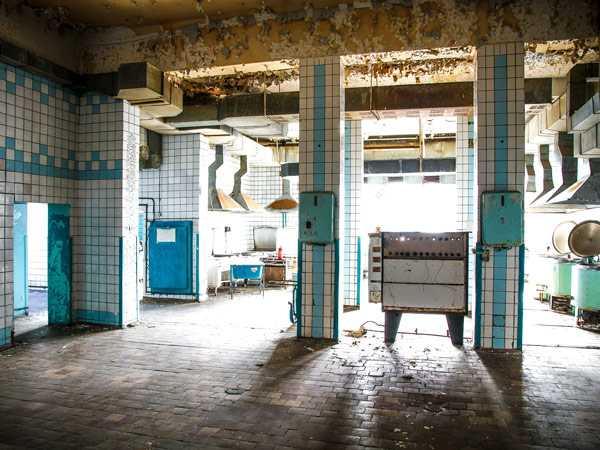
Due to its isolated nature, Pyramiden is only accessible via a guided tour from Longyearbyen – with the scenic boat trip out to the abandoned settlement an adventure in itself. Caretakers then show visitors around the remarkably well-preserved ghost town, where you can check out the workers’ barracks, theatre, cantina, school, swimming pool and gymnasium, before toasting your visit with a shot of vodka in the bar.
While Pyramiden hasn’t made its debut on the big – or small – screen yet, eager viewers can still check out professional-quality videos of the ghost town on YouTube.
How to get there
The main way to get out to Pyramiden is by boat, with tour operators running guided day trips from Longyearbyen to the ghost town several times a week (excluding winter).
Accommodation
While there is a hotel in Pyramiden, the majority of visitors come over on day trips from Longyearbyen, Svalbard’s most populous town and main tourist hub. As well as a variety of accommodation options for visitors, the town is also a jumping-off point for further Arctic adventures, including scoping out the Northern Lights, whale-watching and snowmobiling.
6. Bodie, California, USA
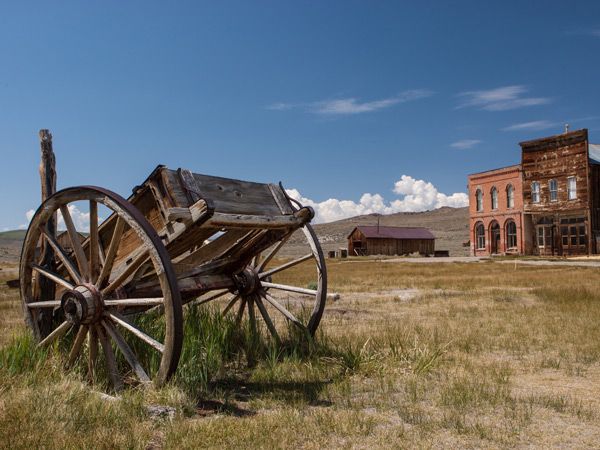
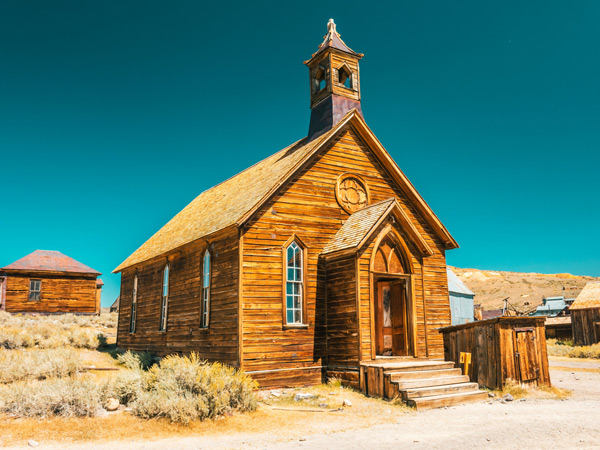
A Wild West lover’s dream, Bodie’s slapdash wooden buildings, dusty streets, and rolling, scrub-covered hills conjure nostalgic, sepia-toned images of old outback saloons, gunfights and Sunday services at the local church. Once home to nearly 8500 people, a nearby gold find in 1876 catapulted this California town into infamy, giving it a reputation as one of the most violent and lawless towns in the West.
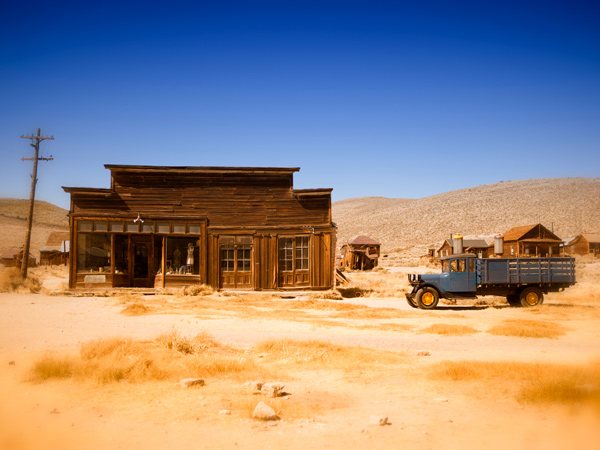
By 1879, the outlaw town had more than 2000 buildings, including 65 saloons along a mile-long Main Street, a Red Light District, opium dens, gambling halls and four newspapers that would share stories of all the nefarious goings on. As with most boom-and-bust towns though, it wasn’t to last. By 1915 the gold was all gone and most of the people were too.
Highlights
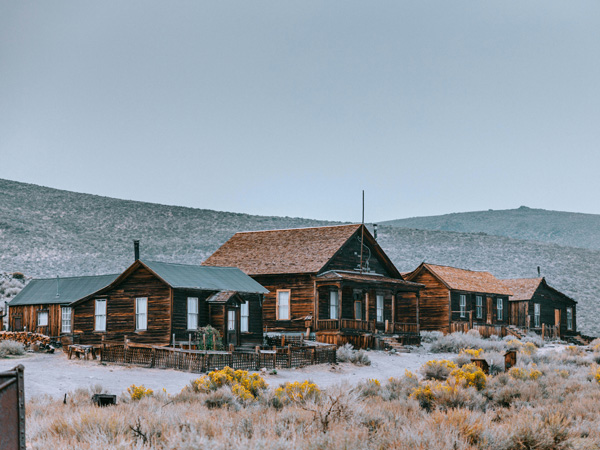
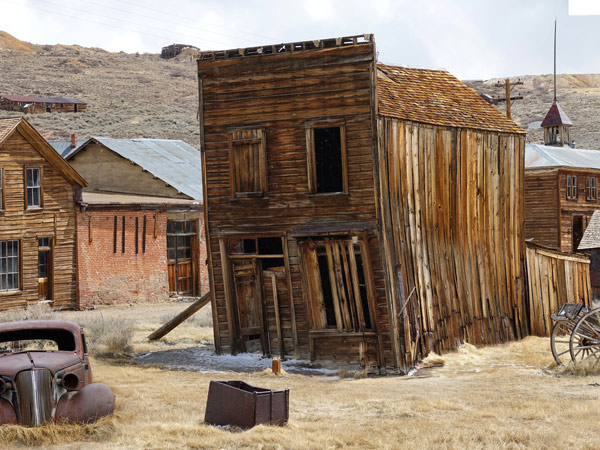
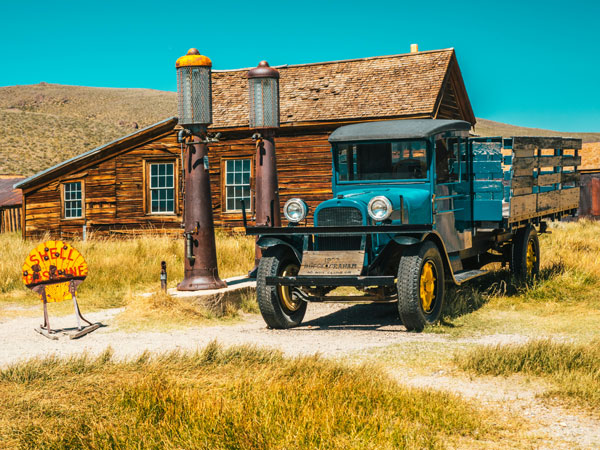
These days, Bodie is a far more peaceful place, with around 150 buildings and a handful of rusty cars and wagons slowly eking away under the hot summer sun and snowy winters.
Protected in a state of “arrested decay" as part of the Bodie State Historical Park since 1962, visitors to the town can opt to join guided tours or wander freely around shops and saloons still stocked with goods and booze, and long-abandoned homes where faded clothes still hang on rusty nails and chipped dinner plates sit on splintered tables.
Over the years, Bodie has also been featured in several movies and documentaries, including Swing Out, Sweet Land with John Wayne (1970), Hells Heroes (1929) and Forgotten Planet (2011).
Weekly travel news, experiences
insider tips, offers, and more.
How to get there
The Bodie State Historic Park is located east of the Sierra Nevada mountain range, roughly 35 minutes south of Bridgeport and 45 minutes north of Lee Vining. Best visited by car, the last section of the unsealed road out to the old ghost town is especially bumpy. Due to heavy snowfall, the roads are usually closed in winter.
Accommodation
Most visitors to Bodie usually opt to stay in Lee Vining, Mammoth Lakes, or Bridgeport. Lee Vining and Mammoth Lakes are ideally located for exploring Mono Lake and the Eastern Sierra area, whereas Bridgeport is closer to Lake Tahoe.
7. Hashima Island, Japan
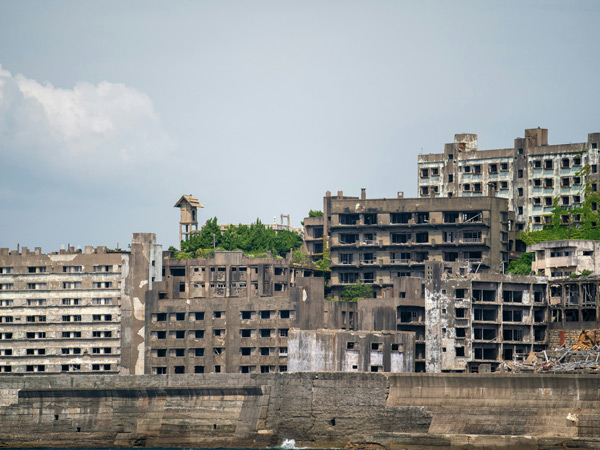
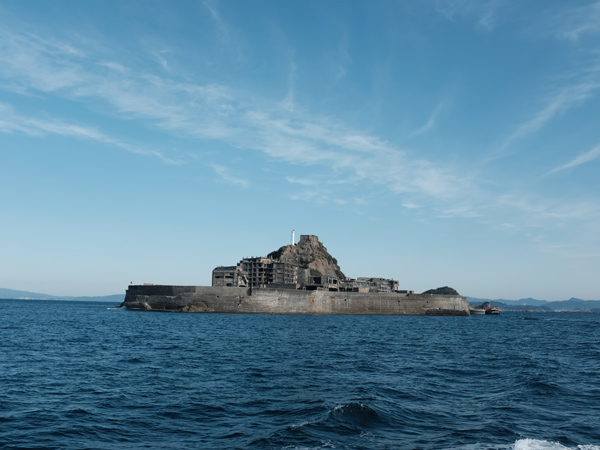
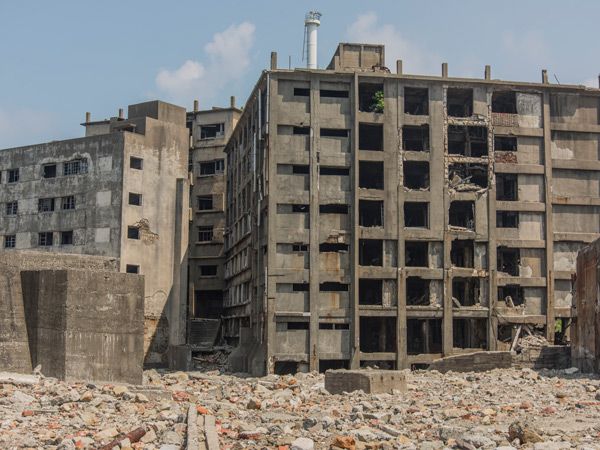
It might be hard to believe that a tiny island off the coast of Nagasaki was once one of the most densely populated places on Earth, but at its peak in 1959, Hashima Island was crammed with more than 5250 residents. Bought by Mitsubishi and developed as a seabed coal mining facility in 1890, mine workers and their families lived in huge reinforced concrete apartment blocks that towered over the island, while beneath it, undersea mining shafts stretched down to the seabed and over to neighbouring islands.
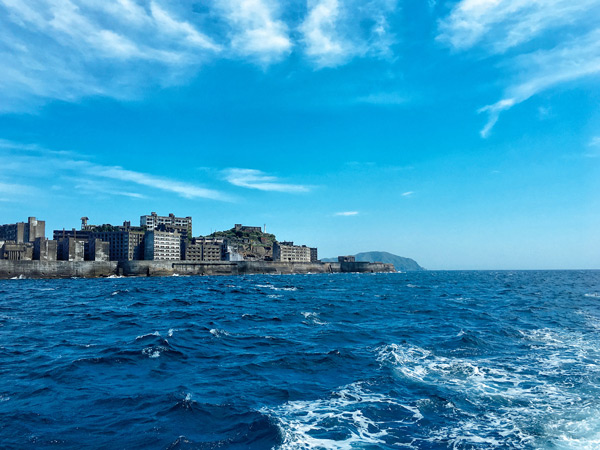
Abandoned in 1974, the island, which is also known as Gunkanjima – or Battleship Island – is still not without controversy. It was granted UNESCO World Heritage status on the promise that authorities would acknowledge the use of forced labour from Chinese POWs and conscripted Korean citizens (who were under Japanese annexation at the time). But instead, they backtracked and built an entire museum claiming the opposite.
Highlights
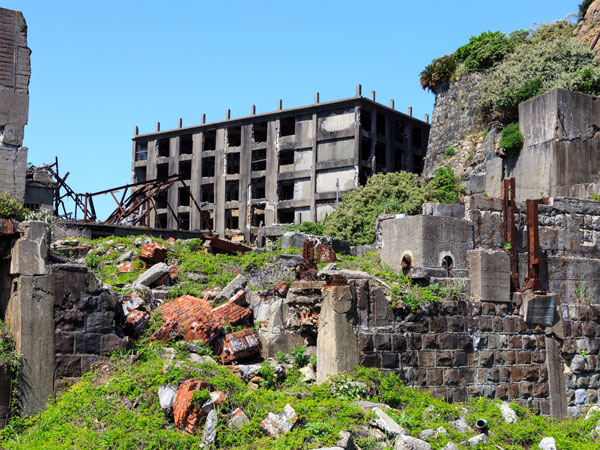
In recent years, Hashima Island has become popular with tourists keen to glimpse the crumbling remnants of the industrial ghost town. While much of the island, including the giant sea wall that encases it, is now in danger of collapse, thanks to the degradation of the reinforced concrete used in its construction, several safe lookout spots have been built for visitors.
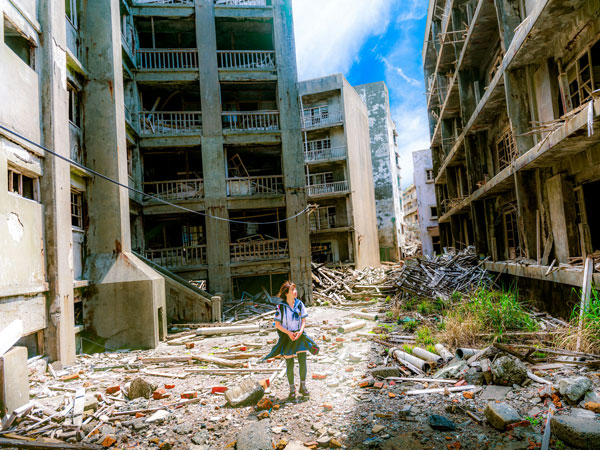
Travellers keen to see more can also take an augmented reality tour of the ghost town at Nagasaki’s Gunkanjima Digital Museum. This is now the only way to tour the old settlement, which once had a hospital, school, town hall, cinema, communal bathhouse, swimming pool, rooftop garden and a pachinko parlour. Alternatively, you can check out Hashima Island in Skyfall (2012), Forgotten Planet (2011), Homo Sapiens (2016), and Hashima Project (2013).
How to get there
Travellers can visit Hashima Island on guided tours from Nagasaki. Multiple operators run daily departures out to the island, with most tours taking around three hours, including return-trip boat transfers and time on the island.
Accommodation
There are plenty of accommodation options in Nagasaki for travellers heading out to Hashima Island. As the boat trips can be weather-dependent, it may be worth factoring in a few days in the city and checking out Nagasaki’s other attractions, including the Nagasaki Atomic Bomb Museum.
8. Humberstone and the Santa Laura Saltpeter Works, Chile
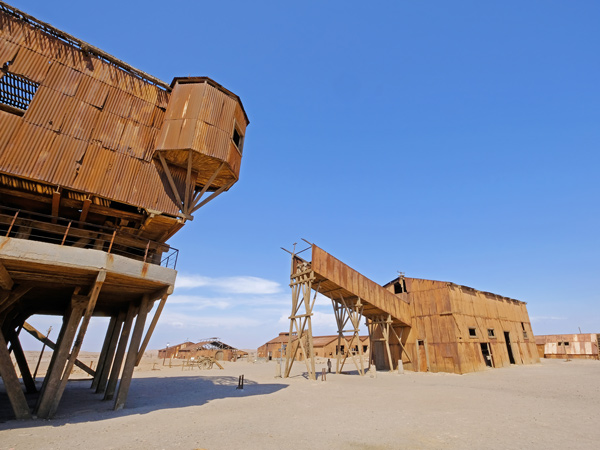
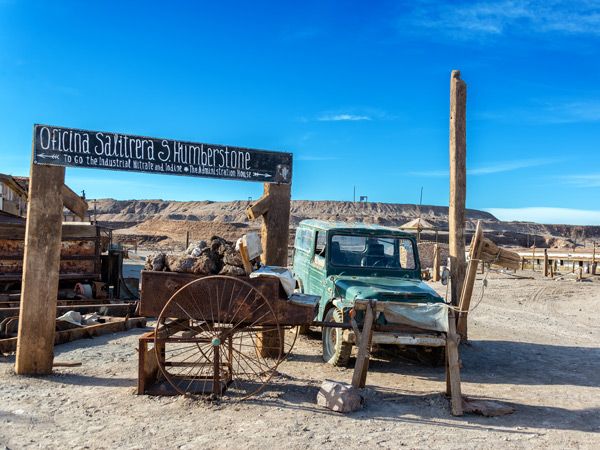
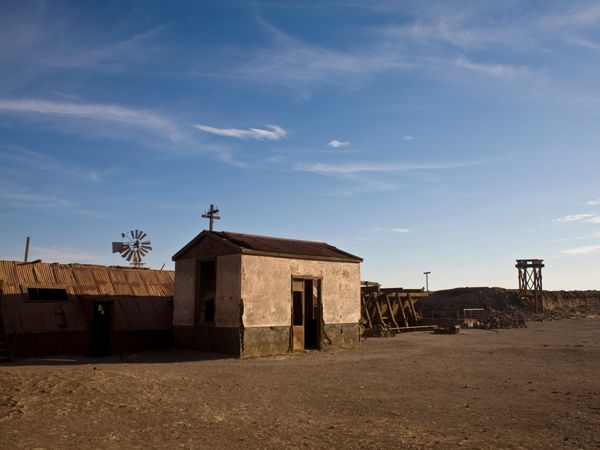
During the late 19th and early 20th centuries, saltpetre – or sodium nitrate – was in such high demand in Europe thanks to its use as a fertiliser that it became known as “white gold". With most of the world’s saltpetre found in the Atacama Desert, dozens of mining towns sprung up in the inhospitable landscape, including the now UNESCO-listed Humberstone and Santa Laura, which were both founded in 1872.
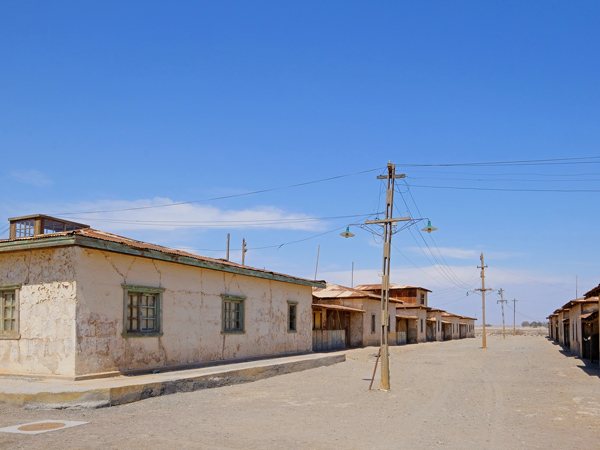
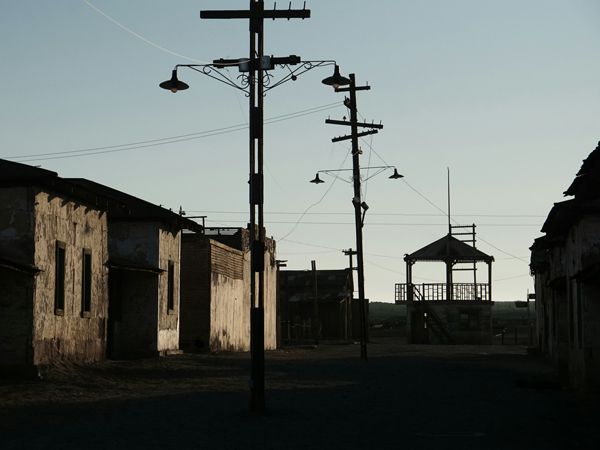
Ultimately, though, despite Chile fighting a war with its neighbours over the desolate yet resource-rich land, artificial fertilisers sounded the death knell of the saltpetre industry, and the mining towns were fully abandoned by the 1950s. Surprisingly well-preserved thanks to the immensely dry desert air, the two English-style mining towns – which were once home to more than 3500 people – now offer visitors a fascinating insight into a time gone by.
Highlights
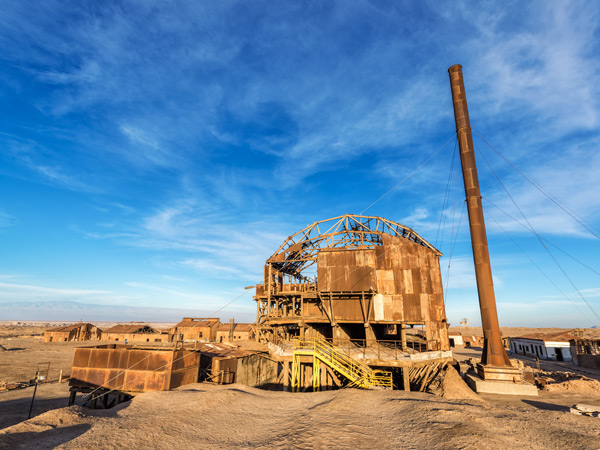
The bigger (and more successful) of the two towns, Humberstone was named after its British founder and has more residential elements, including a hotel, theatre, schoolhouse, market, clock tower, playground and even a swimming pool made using the hull of an old ship. Nearby Santa Laura is better known for its industrial remnants, including the rusting hunk of the leaching plant, which has an otherworldly feel – especially against the flat desert backdrop.
Fortunately for those who don’t feel like braving the elements and heading out to the driest desert on earth, you can also admire Humberstone and Santa Laura from the comfort of your own home in Forgotten Planet (2011), and the Chilean-Italian movie, One More Time (2013).
How to get there
On the edge of the Atacama Desert, Humberstone and Santa Laura are roughly 45 minutes east of the coastal city of Iquique in Northern Chile. Travellers can visit the ghost towns using local buses (the bus stop is a short walk from Humberstone), rent a car, take a taxi, or join a tour.
Accommodation
While visitors hoping to stay a little more locally can opt for a night or two in Pozo Almonte (roughly 10 minutes drive from Humberstone), most base themselves in Iquique, where beaches like Playa Cavancha provide a nice respite from the desert.
Want to see more stories from International Traveller in your Google search results?
- Click here to set International Traveller as a preferred source.
- Tick the box next to "International Traveller". That's it.