
In the Salten district of Norway’s Arctic North, travel centres on the slow, circular and hyperlocal. and there’s no greater luxury.
Spitting the snorkel mouthpiece from my bite, I hesitate before popping a Lego-sized sample of freshly plucked, fluffy seaweed into my mouth. It’s spongy, saline and unmistakably pungent. “It tastes like truffle, no?" queries my guide, Nord & Ne’s Borghild Viem, with a knowing smile plastered across her face. Yes. Uncannily so. If I weren’t floating in mountain-flanked Arctic waters, wearing a drysuit and flippers, I’d have almost convinced myself I was eating the real deal. Cultivating the highly prized, subterranean fungi is notoriously difficult and fraught with uncertainty, yet here, in Northern Norway’s Saltstraumen, its unlikely flavour substitute grows wild.
Rich and vibrant waters
Saltstraumen sits just south of Bodø, the beating heart of, and gateway to, the Salten District. The wide and deep Saltfjorden separates the two geographically, while population density and infrastructure separate them in lifestyle. Where Bodø has a tight-knit network of small bars and restaurants, a flourishing performing arts scene, and, subsequently, the official title of European Capital of Culture 2024, Salstraumen leans heavily on its natural beauty and local produce. And it’s just a 28-minute drive away.
Thick carpets of the truffle-tasting seaweed – a parasite by sea vegetation standards – cling to long, beaded fronds of knotted wrack waving in the current around me. It’s densest around the water’s edge, providing cover for red sea urchins, ruffled sea hares, and minuscule iridescent purple jellyfish. Despite the frigid water, Saltstraumen is dense with marine life, fuelled and fed by the fjord’s immense tidal streams.
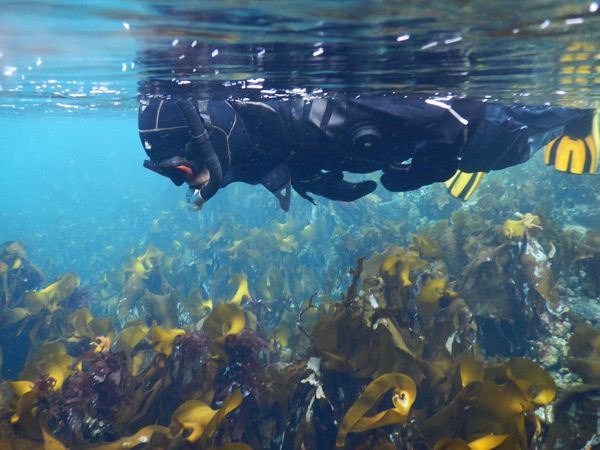
I roll onto my back and adjust my mask, letting the current carry me further downstream. Even the strongest swimmers wouldn’t succeed in fighting its strength, and this is hardly Saltstraumen at its strongest. Given it is midday and the fjord’s famed strait lies perpendicular and to the north of us, we’re well clear of the 10-metre maelstroms that form in the afternoon tidal turn. Earlier, I witnessed its ferocity from beneath the arching Saltstraumen bridge, the water below swirling and tumbling over itself at up to 35 kilometres per hour. It’s all at once terrifying and beautiful, stopping walkers in their tracks with its hypnotic motion.
Saltstraumen Hotel
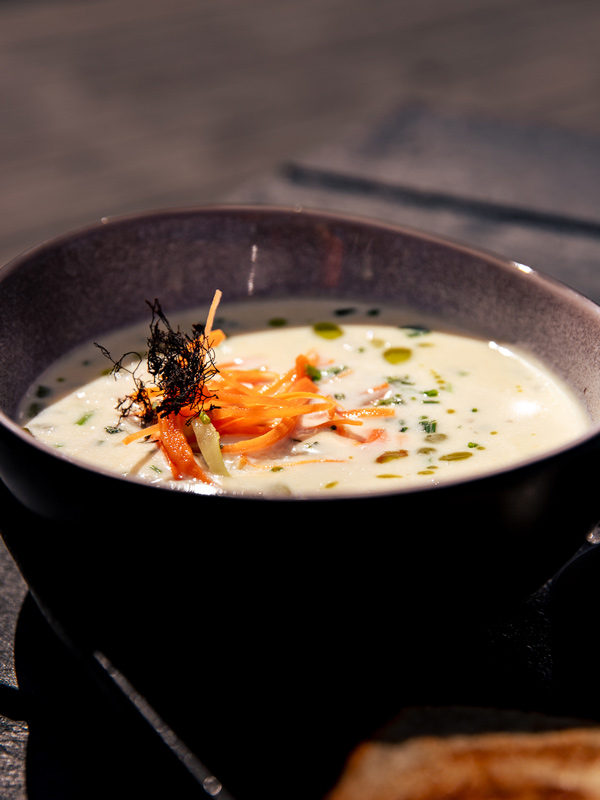
From Saltstraumen Hotel’s stone-floored terrace, the tail end of the torrent is still visible. It backdrops lunch: a well-deserved bowl of Norway’s ubiquitous fiskesuppe topped with hand-harvested truffle seaweed. Typically, the cream-based seafood soup is laced with chunks of rich, pink Norwegian salmon. But here, it’s a purposeful omission. “We stopped serving salmon some time ago, and we won’t until some changes are made in the salmon industry," Elin Richardsen, owner of Saltstraumen Hotel, informs me as I ladle up the rich broth.
Today, my bowl is filled with firm-fleshed pollock. On other days, it’s cod or halibut; the menu is at the mercy of whatever the anglers pull in. “We don’t need to order salmon in anyway, not when we have so much fresh local fish to use." Elin is a firm believer in the hyperlocal. So much so that she runs sustainable food workshops – teaching the arts of fish filleting, seaweed foraging and local cooking – through her sister company, Fiskebørsen. In mid-2024, she also purchased a small salt-making business down the road.
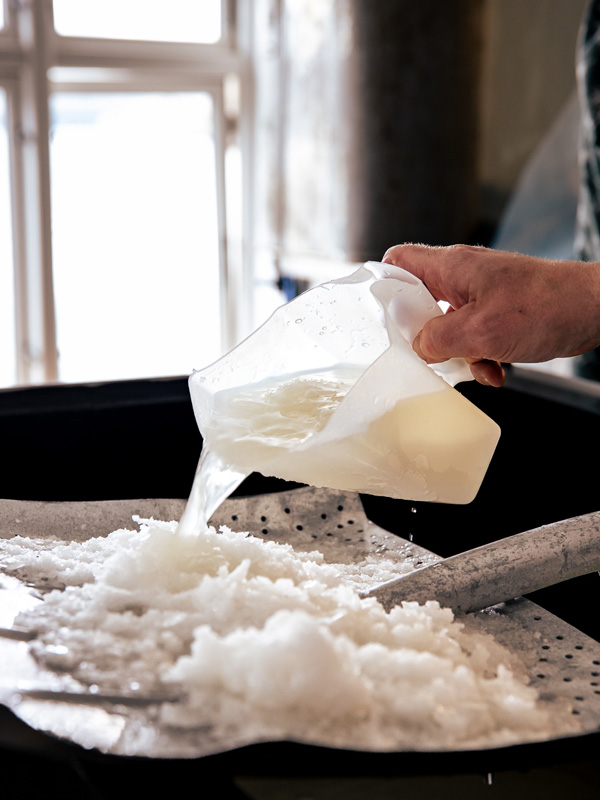
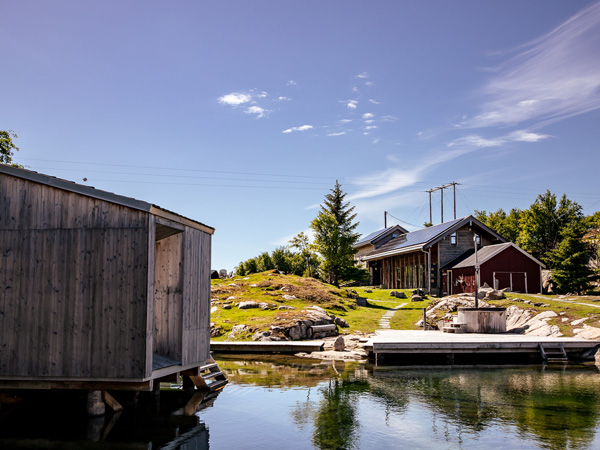
Arctic Salt teeters on the edge of the fjord, its unassuming white timber quarters sitting flush against the very waters from which its product is extracted. “We take about 4000 litres of water directly from the sea, and it’s heated to 80 degrees," explains Henrik Markussen, business developer at Elin’s trio of operations. “After around 10 days, it’s reduced down to roughly 20 per cent, and the salt has started to crystalise."
He scoops the slush from the bottom of the holding tank, dumping it atop a perforated spade to separate it from the remaining liquid. Incredibly, the company’s entire process is still managed by hand, right down to the tedious process of sorting the salt crystals from the impurities. When I query who’s in charge of the salt-making, Henrik laughs. “Everyone here does a little bit of everything. If we run out of salt, one of the chefs might come down from the hotel and make more. Or it might be me."
Manshausen Island
Two hours north by ferry, the privately owned Manshausen Island is managed in much the same way. It’s all hands on deck, with the team of 10 live-in staff members wearing multiple hats to keep the island running.
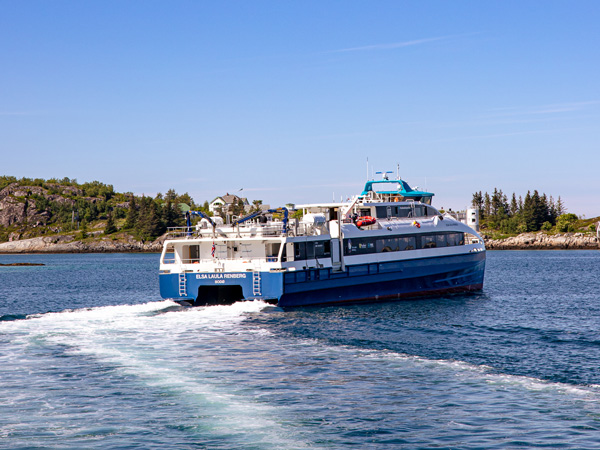
I’m greeted at the ferry terminal by 24-year-old Angus Staples, tender driver, mountain-climbing guide and one of the island’s two managers. He shuttles us across to the island in just a few minutes and, with all the ease of having done it countless times before, carts my sizeable case from the dock to my stay.
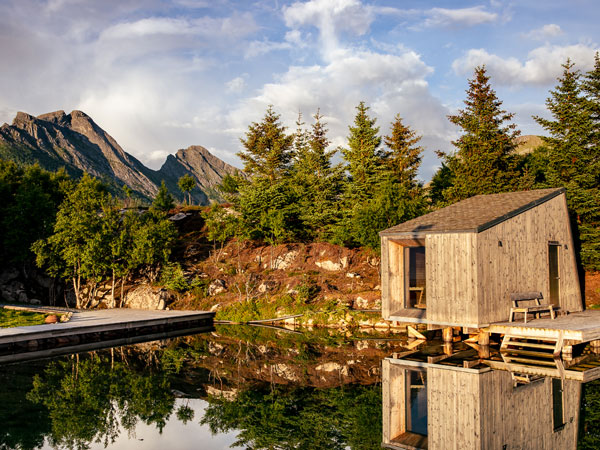
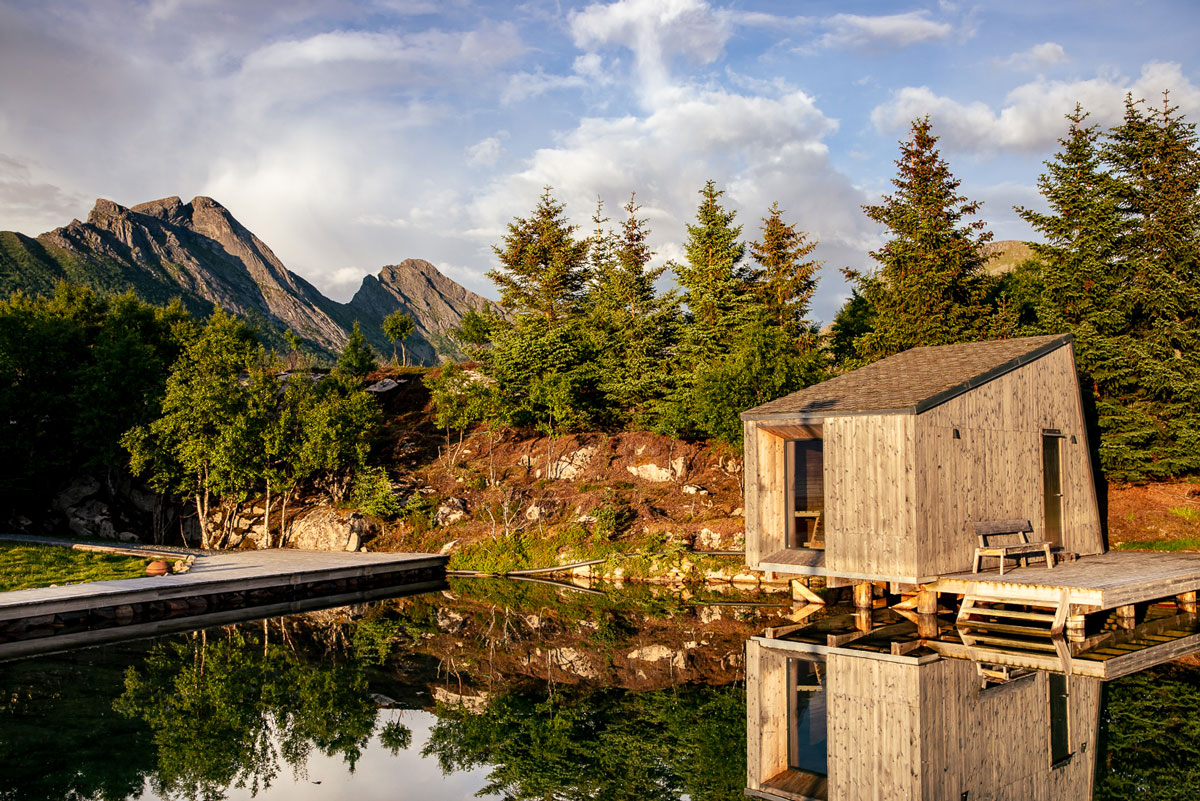
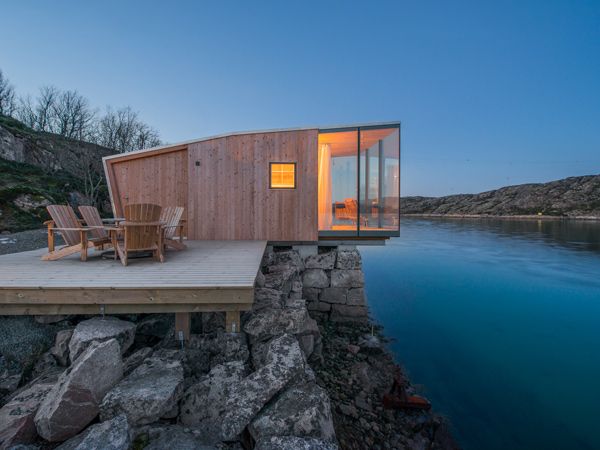
For the weekend, I’m in Grønland, a four-person self-contained cabin cantilevered over the Grøtøyleia strait. The term ‘luxury’ is synonymous with high thread count sheets, valet parking and sprawling, marble-covered day spas.
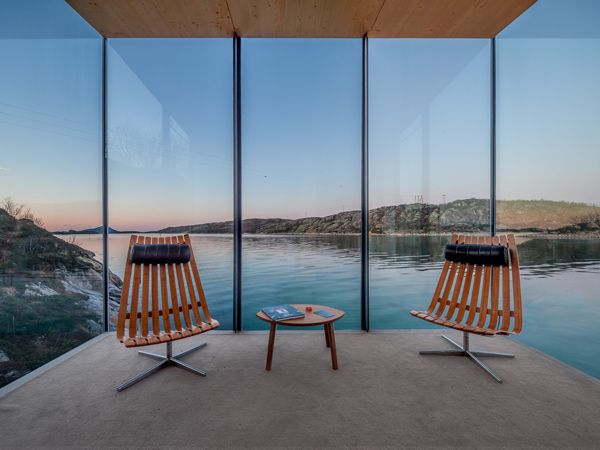
Grønland – with its unfinished pine walls, modest double bed and bunk arrangement, and kitchenette with IKEA glassware – is none of that. Yet, altogether, it feels grander than some of the finest five-star stays.
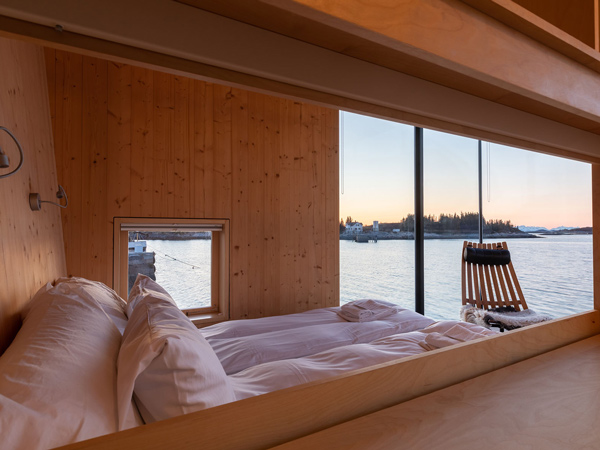
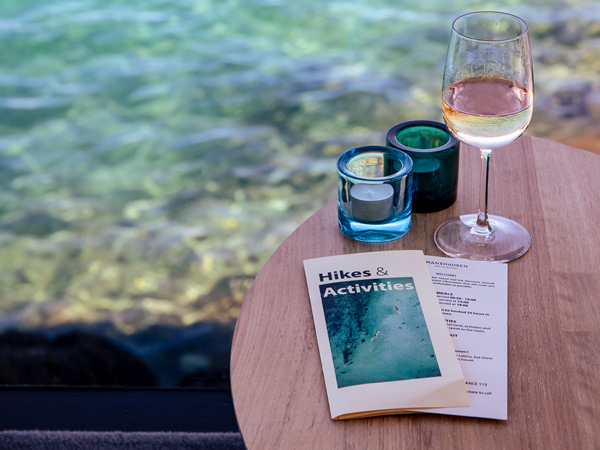
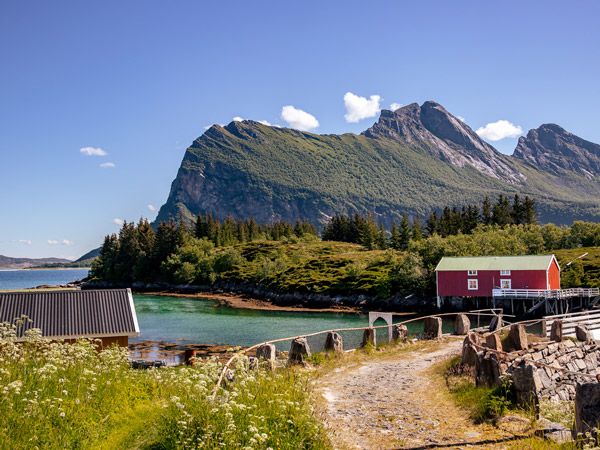
Try as I may, it’s impossible to stifle the squeals as I open the door on Grønland. It’s as though I’ve not stepped inside at all and am instead floating out on the deep waters of the strait. The cabin’s wrap-around glass front brings the dramatic mountainscape inside in cinematic style, its beauty enhanced by the sound of the lapping tide carried in on the cross-breeze. Sitting on the end of the bed, I study the curve of Skotstindan mountain and the Maldivian white-sand beach below it before turning my attention to the sharp and jagged ridges of the more distant Engeløya ranges. Right now, everything is a palette of rich greens and blues. But in just a few months, it’ll be unrecognisable, covered in a thick carpet of snow.
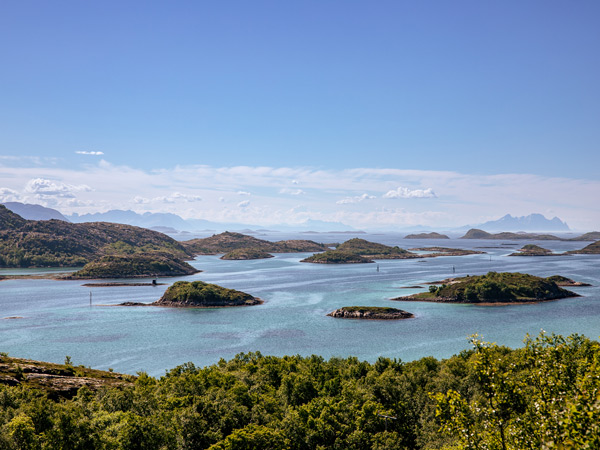
Whatever the seasonal state of the landscape, Manshausen is idyllic. Not for any grandeur and pomp, but for its very Scandinavian brand of pared-back simplicity. Back in 2010, when owner and 23-time Arctic explorer Børge Ousland purchased the island, it was intended as a private sanctuary. In 2015, he made his paradise more publicly accessible, adding four rentable cabins to the makeup. Now, that number has expanded to nine, each named after one of his successful expeditions.
But Ousland has been careful to ensure that, in all the development, the 5.5-hectare island has retained its rugged charm. Working with architect Snorre Stinessen – a northern Norwegian known for his ability to integrate modern design with nature – he created a multi-award-winning getaway that brings guests as close to nature as possible at every point of their stay.
Crunching up the gravel path towards dinner, I’m joined by one of the island’s resident sheep. I’m privy to its presence well before I see it, courtesy of the jangling bell around its neck and the fresh piles of digested grass lining the walkway.
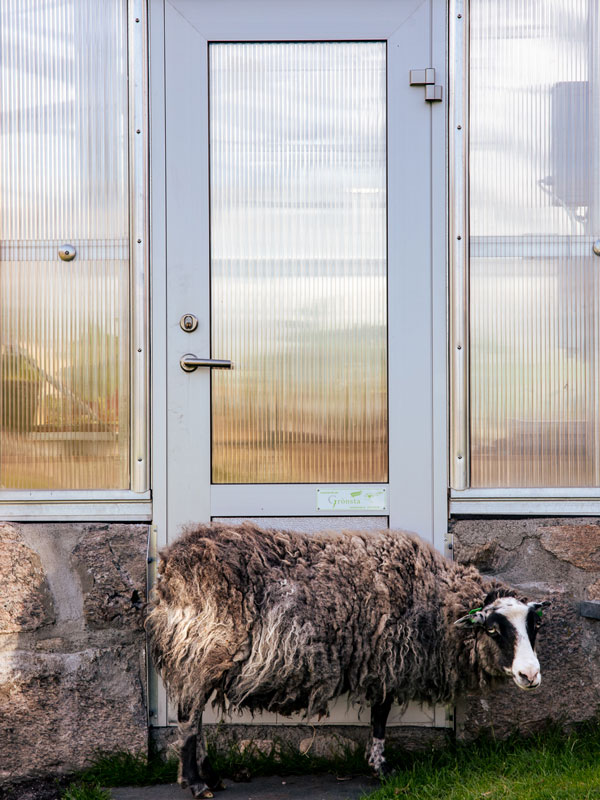
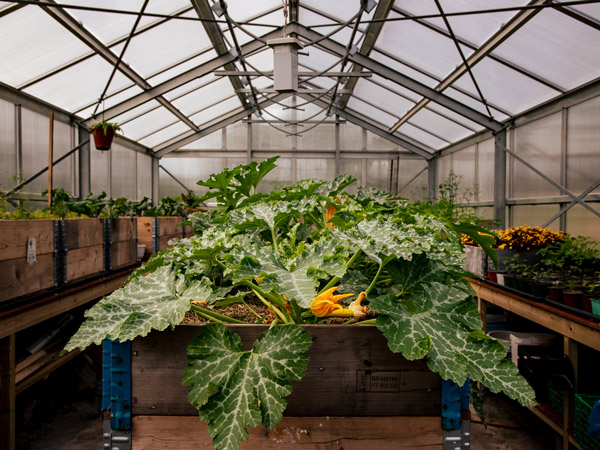
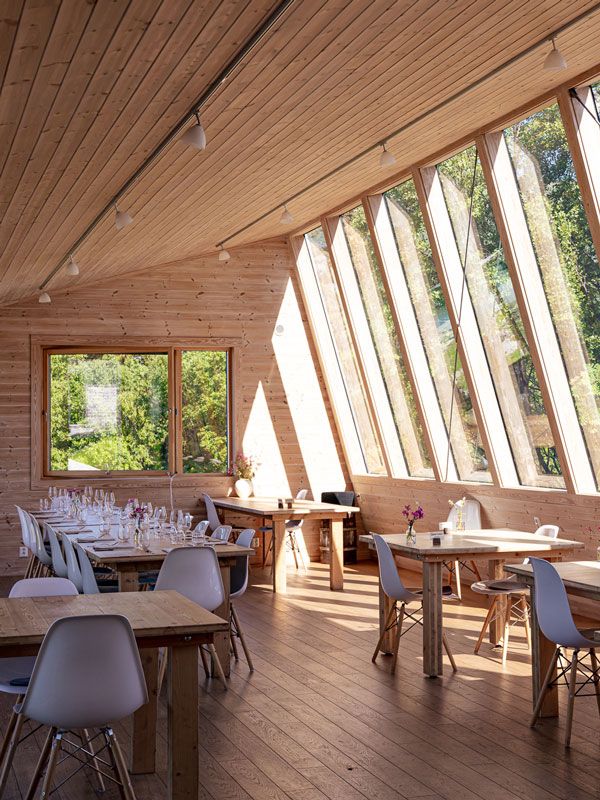
I dodge the deposits and press on towards the restaurant. It sits somewhere in the middle of the island, past the sauna and sandwiched between the greenhouse, open-air vegetable garden and the Grøtøyleia Strait. From my assigned table in the pine-lined dining hall, the latter is in full view, cast in the golden glow of the evening sun.
“To start, we have homemade bread with a truffle seaweed butter," says 26-year-old head chef and island manager Ondrej Taldik, placing the night’s first dish in front of me. Ondrej and his team harvested the fluffy seaweed from an islet not too far from where we dine; almost everything he uses in his kitchen is caught, hunted or harvested within its immediate vicinity, from cloudberry to moose, wild asparagus to kale.
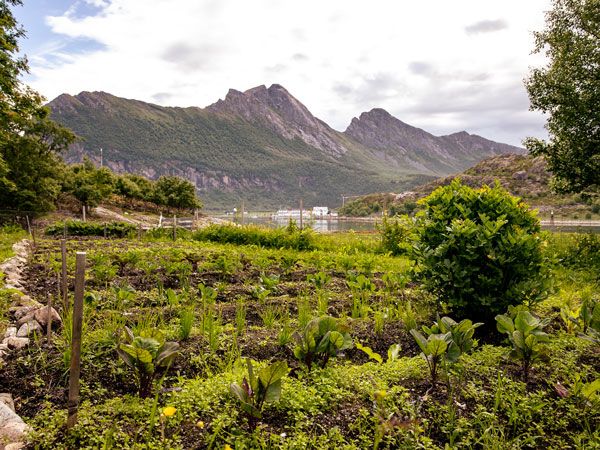
“I feel like it’s almost easier to be inspired in this area because you don’t have a choice," he tells me, citing isolation and unpredictable weather as his main obstacles in the kitchen. “You have what you have, and you have to figure out something cool to do with it. Some days, I just look into the garden from the kitchen and say: ‘We could do that’. For example, I was just in the greenhouse and saw we have a lot of chervil, so I have to do something with that."
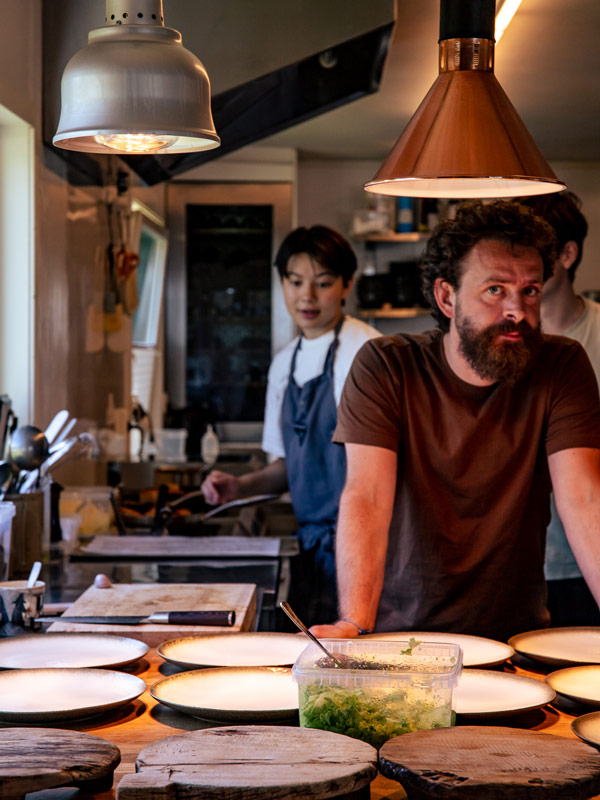
His words become action the following day when, after lunch service, he wanders in from the greenhouse and opens a large tub of freshly picked zucchini flowers on the kitchen’s open pass. In front of me, Ondrej and sous chef Omer Fejzulovski spitfire ideas for dinner.
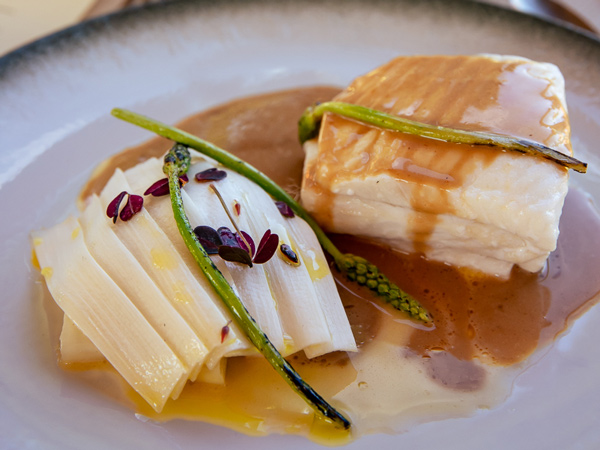
They settle on squash, zucchini flowers and more of the 70-kilogram halibut the island’s fishing tour leader caught earlier in the week. “It’s hard because we don’t have the space for a lot, but we’ll try to switch up the proteins or the sauces each night so that it still feels fresh," says Omer. “We try to make sure nobody eats the same thing twice while they’re here."
To cap off my own stay, I book the island’s fire-warmed hot tub for the evening. It’s filled with seawater and stoked to temperature over dinner service, ready for me to slip in and spend my final hours basking under the midnight sun.
Though it’s pushing 12 o’clock at night, the island is still very much awake. I watch as guests come and go from their cabins, heading out for a stroll and making the most of the still evening. It’s difficult to be disciplined and go to bed because, in a place as naturally striking as Norway’s north, you never want to turn the lights out.
A traveller’s checklist
Getting there
Qantas and Qatar Airways fly from Sydney/Warrane or Melbourne/Naarm to Oslo with a single stopover. Bodø is a
1.5-hour flight north of the capital, where you can hire a car at the airport to get around.
Staying there
Scandic Havet is a great base in Bodø. It overlooks the harbour and is a short walk from downtown. To experience Norwegian hytte kultur (cabin culture) at its best, book a few nights in a sea cabin at Manshausen.
Eating there
Try the rustic and traditional Norwegian fiskesuppe, made with locally caught fish and a sprinkling of truffle seaweed at Saltstraumen Hotel. For something on the finer side, sit down to a tasting menu at Manshausen’s restaurant, where anything from moose to halibut can grace the menu.
Playing there
Delve into the arts and culture side of Bodø and catch some live music at the swimming hall-turned-live music venue, Svømmehallen Scene. Keep in with the water theme and book a Pust Sauna session on the harbour or a kayaking tour around Manshausen Island.
Want to see more stories from International Traveller in your Google search results?
- Click here to set International Traveller as a preferred source.
- Tick the box next to "International Traveller". That's it.