Discover why Taiwan — East Asia’s island known for its deep culture and outdoor splendour — is also one of the region’s most delicious destinations.
While people come to Taiwan for its cities, history and stunning scenery, the best reason to visit may be the food. Taiwan’s history of migration and colonialisation means that an array of influences have combined to create one of the region’s most unique and mouth-watering cuisines. Combine this with night market culture and some very creative chefs, and you have a foodie’s paradise. That said, there is so much to choose from that it can be hard to know just where to eat in Taiwan, so hopefully this guide will take some of the guesswork out.
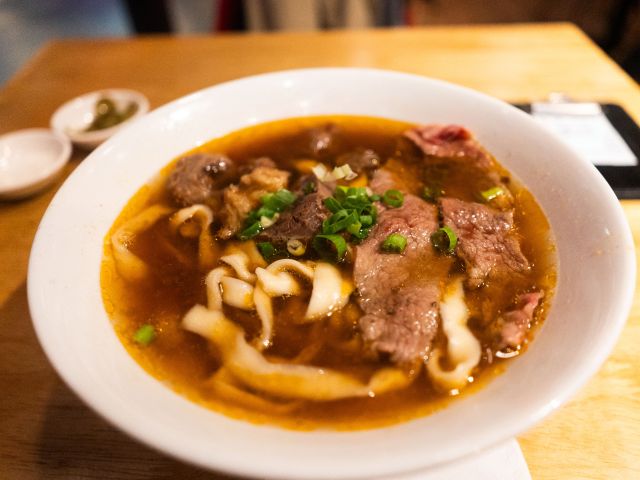
If you only eat one thing in Taiwan, make it beef noodle soup. This is the island’s signature dish and for good reason: the slow-cooked beef shank is so tender it melts in your mouth. It’s paired with chewy wheat noodles floating in a deep, savoury broth infused with bean paste and Chinese spices. The result is a bowl of soup so good that it’s practically medicine, making it a must-eat dish during any visit to the island.
Where to eat in Taipei City
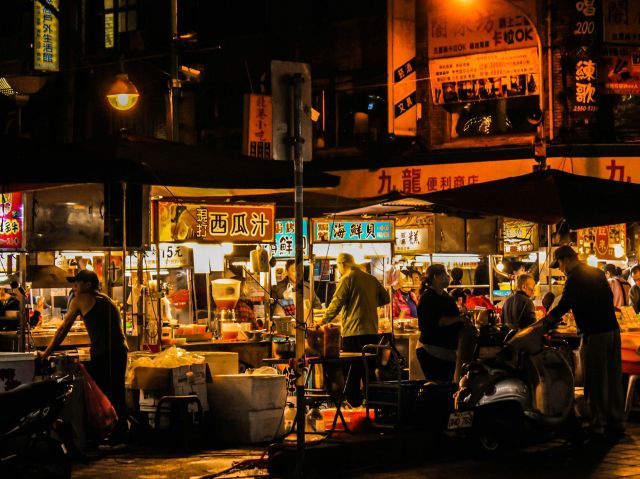
The Shilin Night Markets in Taipei are a must-have experience. (Credit: Ethan Chan via Unsplash)
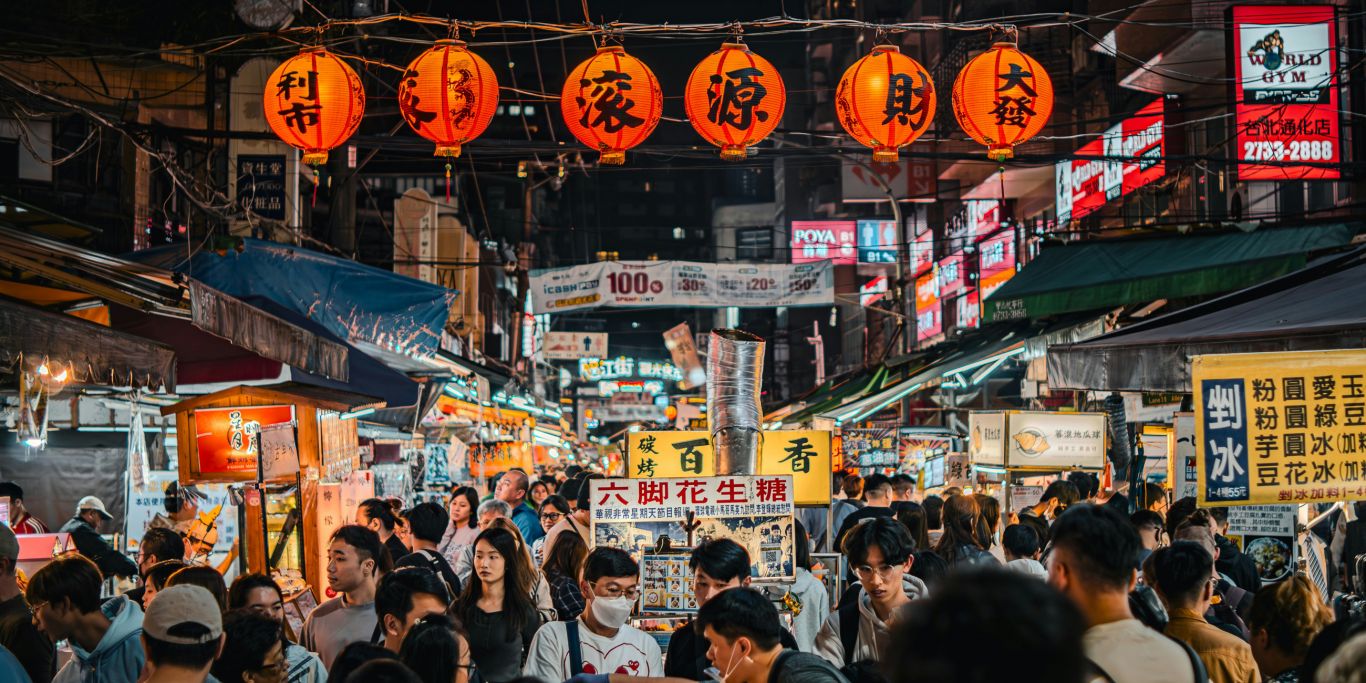
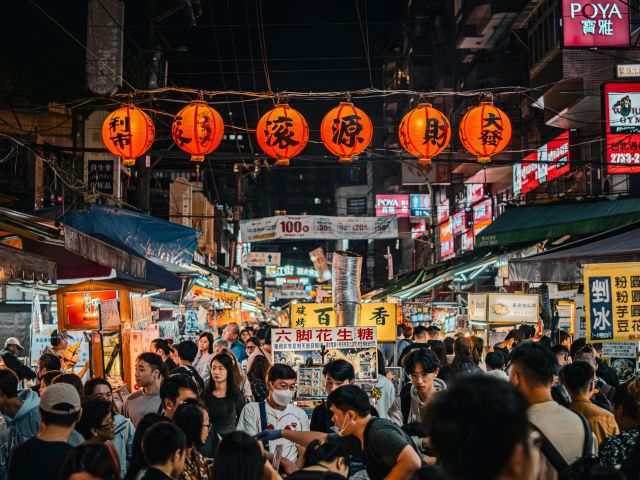
Perhaps nothing defines Taipei more than its night markets, and at Shilin Night Market’s food court, an army of hawkers work their magic at over 500 stalls. Its most famous dishes include oyster omelettes and da ji pai, a crispy, flattened chicken cutlet that has come to define Taiwan’s night market culture.
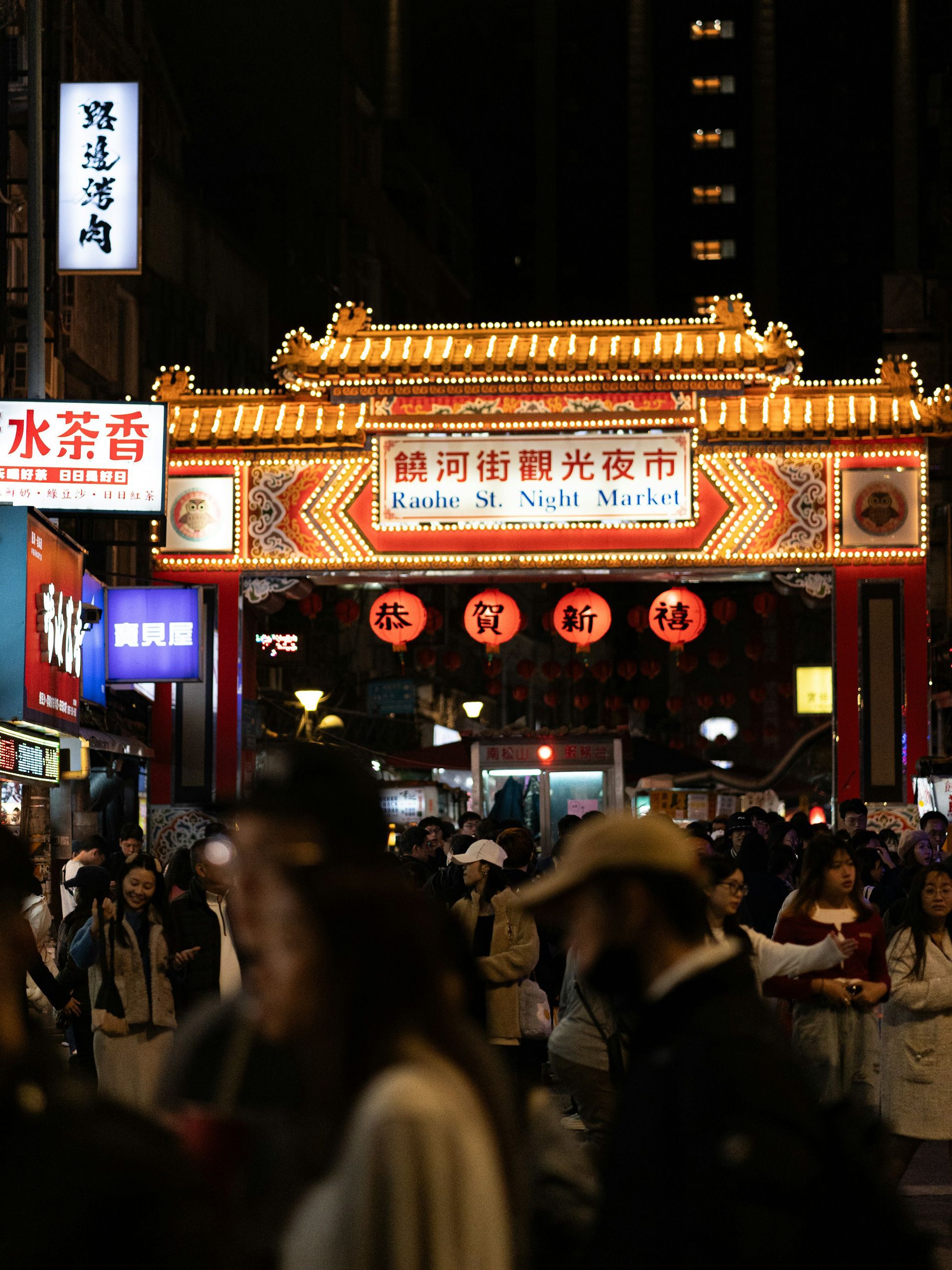
Raohe Night Market is Taipei's oldest. (Credit: Harrison Chang via Unsplash)
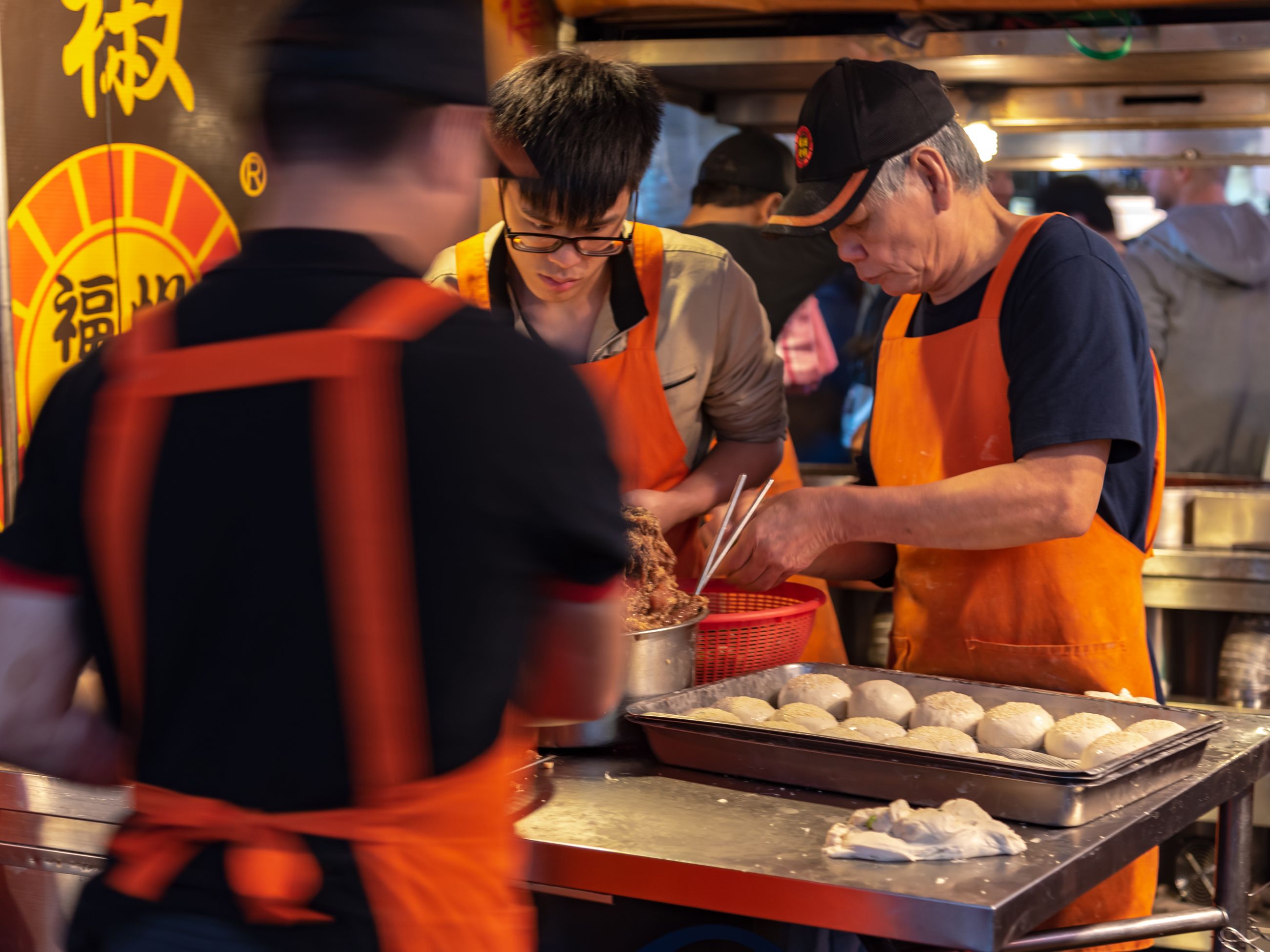
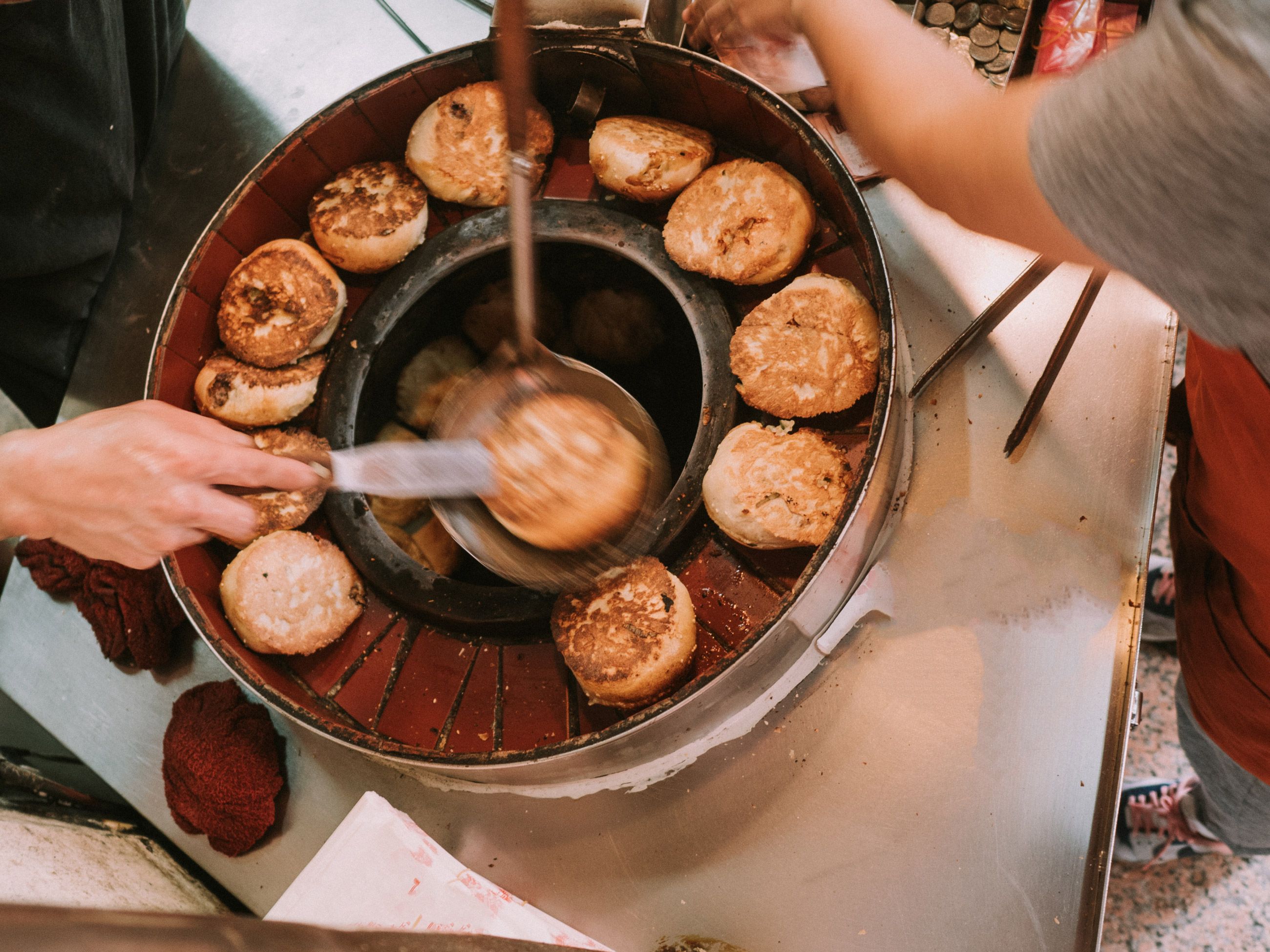
Vendors making hujiao bing inside Raohe Night Market. (Credit: Cheng Feng Chiang/ Getty Images)
Raohe Night Market is Taipei’s oldest and occupies a 600-metre pedestrian corridor on the street it’s named for, and unlike Shilin, the focus is entirely on food. Make sure to try the hujiao bing at Fuzhou Shanhubu Pepper Buns, whose legendary pork-filled buns have earned them a Michelin Bib Gourmand recommendation.
Several stalls at Ningxia Night Market have been awarded the Bib Gourmand recommendation. (Credit: Kxith Visuals via Unsplash)
For a more traditional neighbourhood vibe, head to Ningxia Night Market, where many vendors are second- or third-generation operators carrying on family recipes. This sense of authenticity has also attracted the attention of the Michelin Guide, who have awarded several of its stalls the Bib Gourmand recommendation, including Fang Chia Chicken Rice (shredded chicken over rice), Liu Yu Zi (deep-fried taro balls) and Rong’s Pork Liver (savoury, comforting pork liver soup).
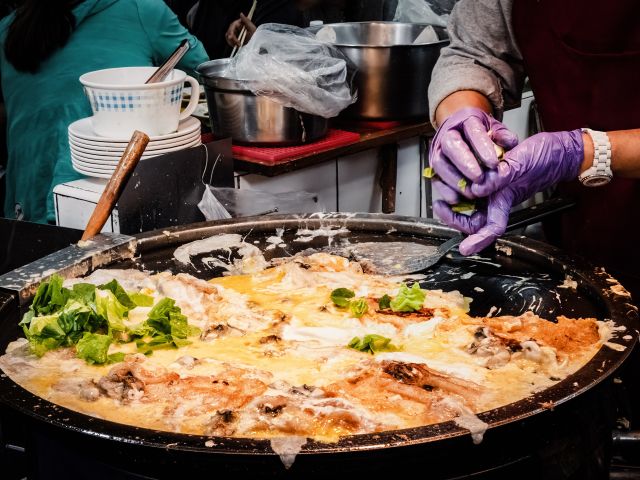
Oyster omelettes. (Credit: Pamela Joe McFarlane/ Getty Images)
Taipei, however, is about more than just night markets, and its modern dining scene has several standouts. Leading the pack is Chef Kai Ho’s Taïrroir, where local Taiwanese ingredients are elevated into multi-course French-style dining that has garnered it three Michelin stars. Ad Astra (another three-star Michelin fave) is known for its omakase-style tasting menu, while Moon Moon Food’s (Michelin Bib Gourmand) homestyle Taiwanese soups, noodles and rice dishes has made it a go-to spot for foodies throughout the city.
Of course, no trip to Taiwan would be complete without a pilgrimage to the original Din Tai Fung — the global chain known for its xiao long bao (soup dumplings). This brand just may be the country’s biggest export, and you can see (and taste) where it all began at its flagship store on Xinyi Road.
Where to eat in Taichung City
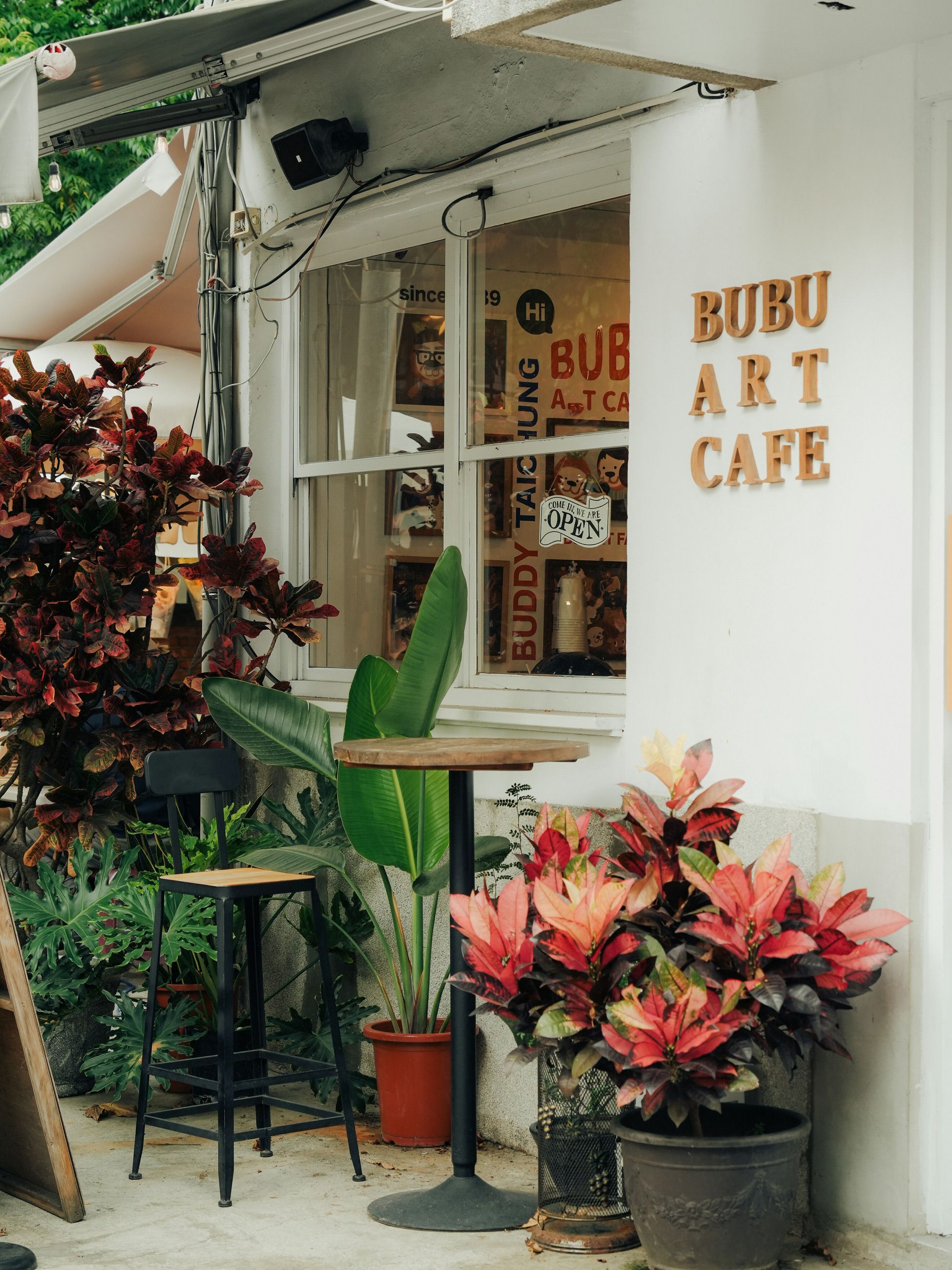
Find café culture in Taichung City, like at Bubu Art Cafe. (Credit: Johnny Ho via Unsplash)
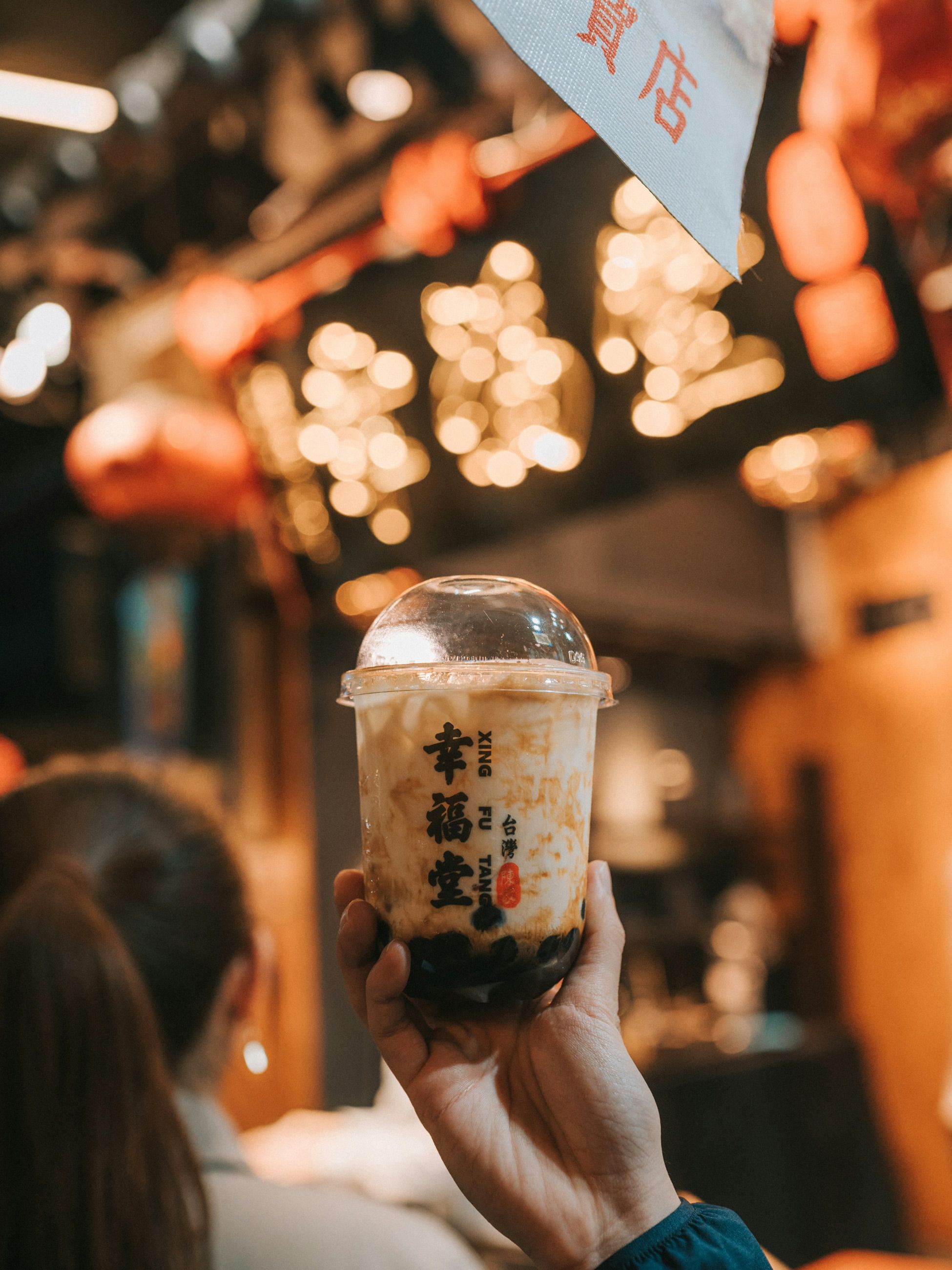
Taichung is the birthplace of bubble tea. (Credit: Rapeepat Rungruangsamrankun via Unsplash)
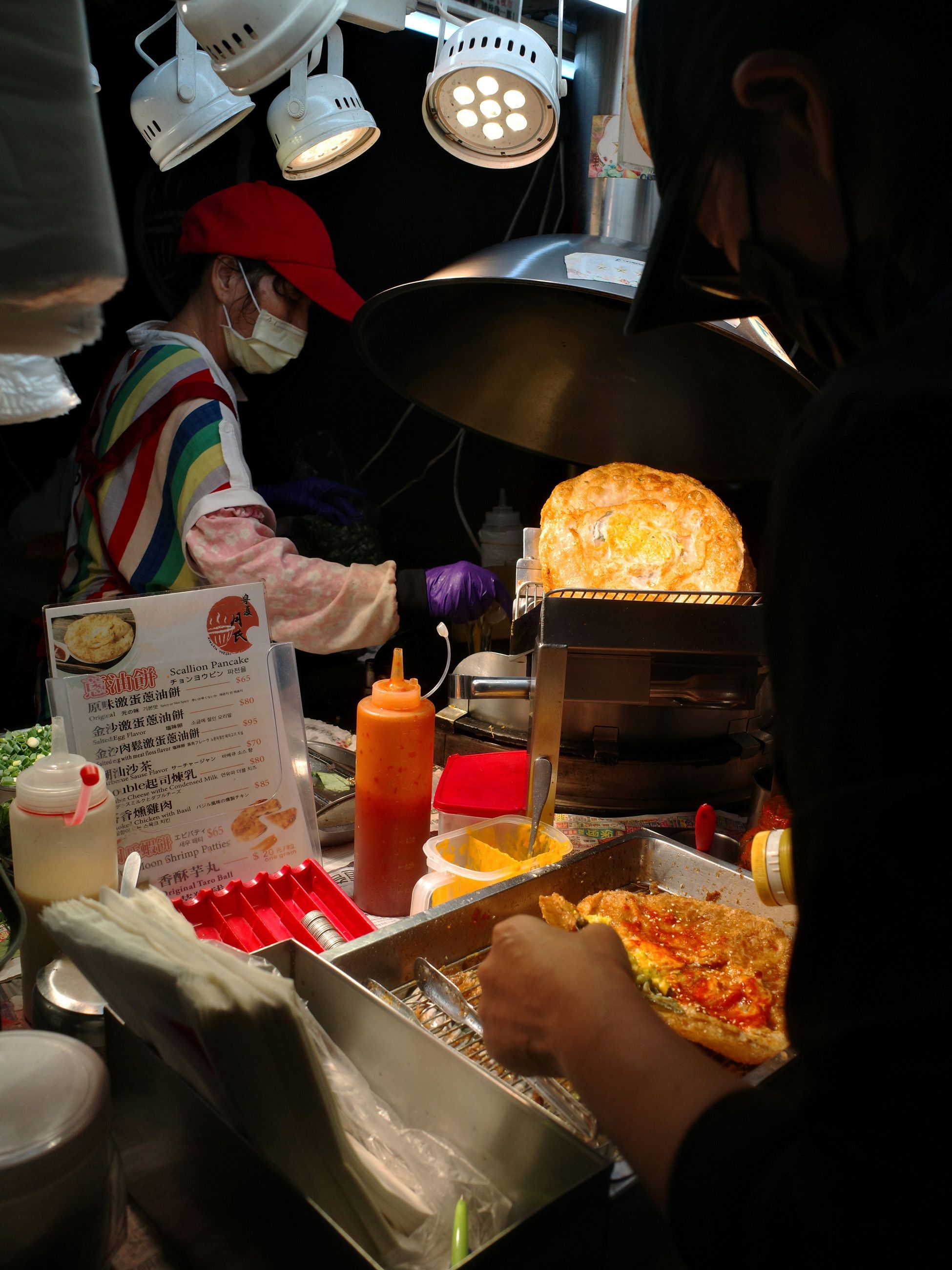
Scallion pancakes at Fengjia Night Market. (Credit: Claire via Unsplash)
While Taiwan’s second city is a great place for food, it also has a burgeoning café culture, particularly in its arty West District. Tamp Temper Taichung Coffee is known for its selection of quality beans and relaxed atmosphere, while Odd Even Coffee Bar’s stylishly modern interior is the ideal place to savour one of their excellent pour-overs or coffee cocktails.
Taichung is also the birthplace of bubble tea, and fans of the popular concoction will want to visit Chun Shui Tang Siwei Main Shop, the classic teahouse where it all began. When it comes time to eat, head to the Fengjia Night Market, where you can munch on street delicacies such as scallion pancakes, fried scallops, Taiwanese sausage and sweet potato fries sprinkled with sweet plum powder.
Where to eat in Kaohsiung City
Liuhe Night Market is Kaohsiung City’s oldest. (Credit: Getty Images)
Kaohsiung — Taiwan’s chief port city — is home to some thriving night markets. Just a stone’s throw from Formosa Boulevard MRT station, Liuhe Night Market traces its roots back to the 1950s, making it the city’s oldest. Over 100 vendors serve up nosh such as eel noodles, Spanish mackerel soup, bird’s egg shrimp balls and plates of sizzling steak. While you’re there, make sure to stop by Zheng’s Old Brand Papaya Milk, a legendary stall famous for its sweet, fruit-infused milk drink.
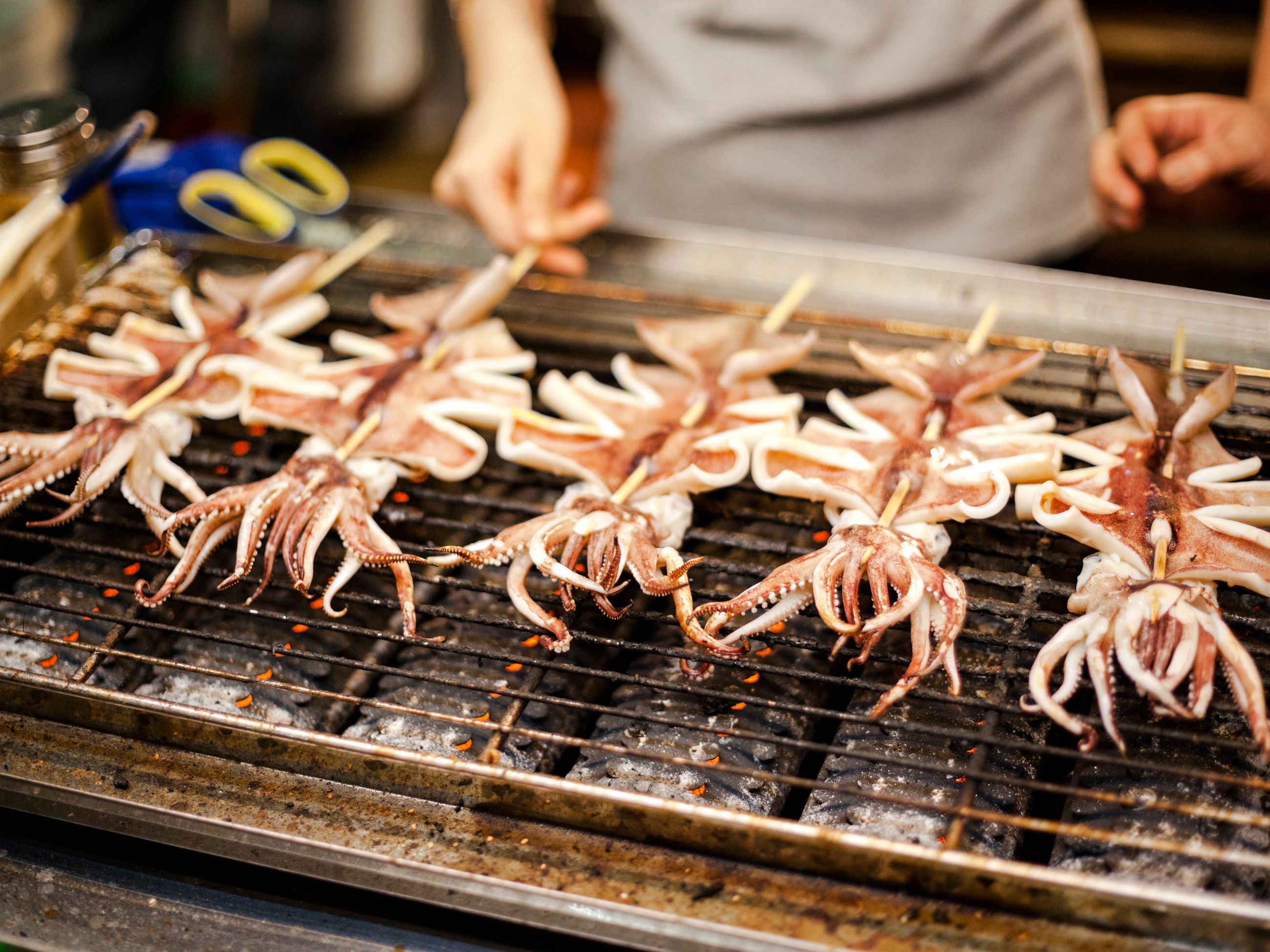
For a more local experience, check out Ruifeng Night Market, where hundreds of vendors form a grid-like complex and cook up local delights like barbecue pork knuckles, grilled squid and stinky tofu. During the day, swing by Qishan Old Street, which features baroque-style buildings and quality restaurants such as Hsiu Ming — a Michelin-recognised eatery known for its pig heart with glass noodles.
Being a harbour city, Kaohsiung is also a terrific place to eat seafood. Cijin Island is just a 10-minute ferry ride from downtown and features a whole strip of seafood joints where your meal is plucked straight from the tank, dispatched, sliced up and served at your table. Michelin-recognised Good Crab House serves clawed crustaceans and other sea treasures, while Nibbon’s expert fusion of Taiwanese, Japanese and French culinary currents not only draws heavily from the ocean’s bounty, but has earned it a Michelin Star.
Where to eat in Taoyuan City
Find Zhongyuan Night Markets near the university. (Credit: Nalidsa Sukprasert/ Getty Images)
Situated just west of Taipei, Taoyuan is best-known for its international airport, though it’s also a good place to eat. While the town’s Daxi Old Street boasts Baroque-style buildings where you can shop for local crafts and furniture, it’s also the best spot to try dougan, a dried bean curd that is the city’s signature dish. Taoyuan was settled by Hakka people from the mainland, and you can dive into Hakka dishes such as slow-braised pork belly or vegetable buns at Uèfafa Taiwan Hakka Cuisine, which sits in the city’s Taoyuan District, not far from the airport.
The city is also home to a couple of nice night markets where you’ll find the usual street stall dishes along with some innovative takes. Taoyuan Night Market is the largest and feels more local than some of its counterparts in Taipei, while Zhongyuan surrounds Zhongyuan University and is packed with youthful energy, creative snacks and wallet-friendly prices.
Weekly travel news, experiences insider tips, offers, and more.
Where to eat in Tainan City
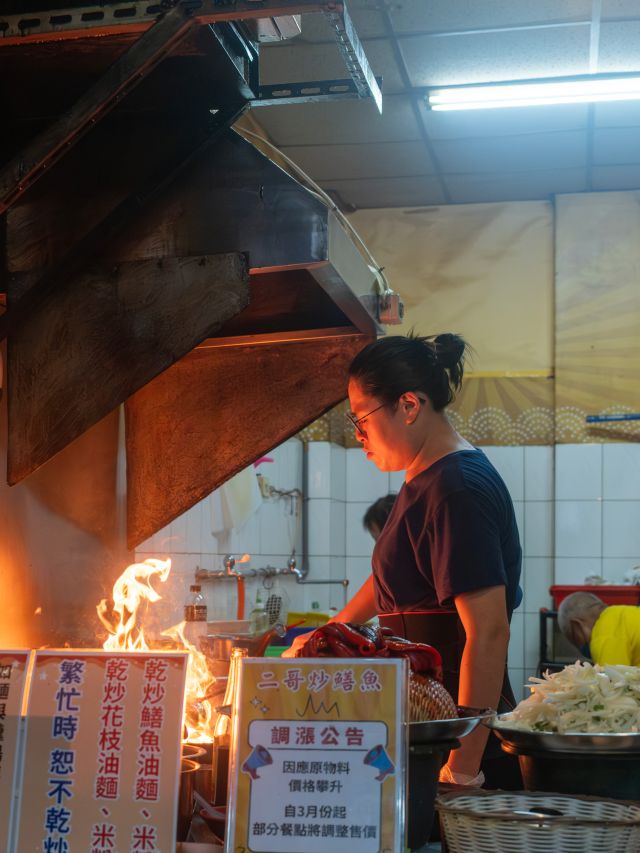
Vendor cooking stir-fried eel noodles. (Credit: Lewis Tse Pui Lung/ Getty Images)
Tainan is largely considered to be the island’s culinary capital, which makes it a must-visit spot for any visiting foodies. The city has a number of signature dishes, including stir-fried eel noodles, dan zai noodles (wheat noodles with pork and shrimp broth), Anping spring rolls (deep-fried with minced pork and shrimp) and coffin bread — a thick-cut piece of deep-fried white bread that is hollowed out and filled with a creamy chowder.
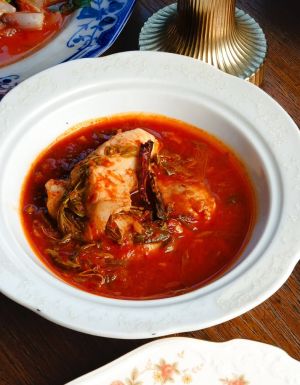
Tainan is also known for its fresh beef noodle soup, which is served without spices in a clean bone broth and usually eaten for breakfast. It’s also famous for milkfish, a silvery fish found in many local dishes and best sampled at Kaiyuan Road “No Name" Milkfish, a sign-less joint whose exceptional food has been recognised by tastemakers at Michelin.
The city is home to several night markets, including the Garden (aka Flower), which is the busiest and largest, along with Dadong (less crowded) and Wusheng, the city’s oldest and best bet for those seeking out a more traditional neighbourhood feel. When it comes to regular restaurants in Tainan, Traditional Tainan Feast in the historic Anping District delivers all of the city’s classic dishes under one massive roof, while Hsi Lo Tien Beef Soup (Michelin Big Gourmand) is a top choice for the local take on Taiwan’s most iconic dish.
A quick guide to Taiwanese night market etiquette
Night markets in Taiwan can be intimidating at first. (Credit: Daniel Honies via Unsplash)
A first-time visit to a night market in Taiwan can be both intimidating and overwhelming, so here are a few key things to keep in mind.
Most vendors only accept cash, so have plenty on hand and stick to NTD $100 notes (around AUS $4.50), as larger bills are harder to make change for and slow things down.
Prices are fixed, so don’t try to haggle.
Start with the classics. Try an oyster omelette, black peppers buns, fried chicken cutlet or even stinky tofu before moving on to deeper cuts.
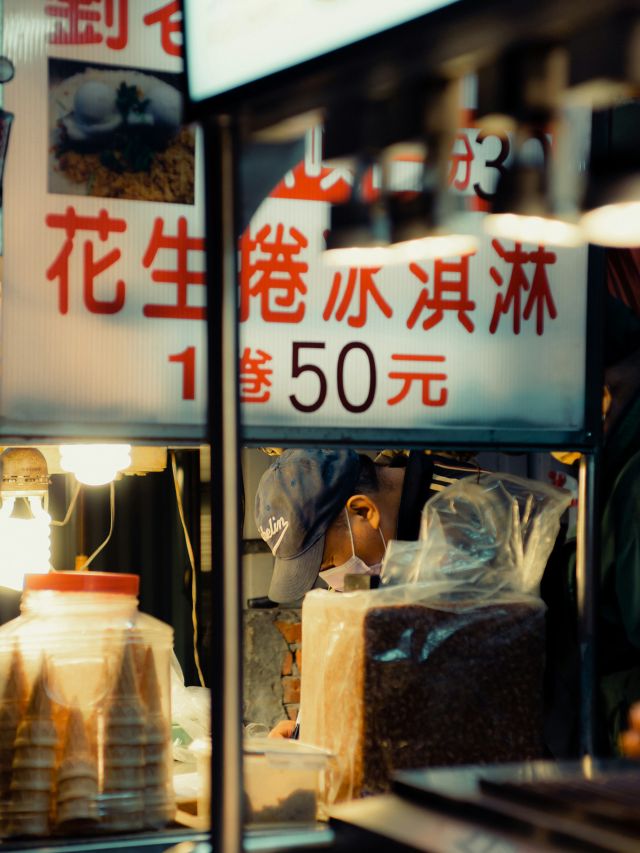
Don’t stress about the language barrier. Many stalls have photos of the dishes, so just point and smile and they’ll figure out the rest. If not, use a translation app.
Sharing dishes is pretty much a given and a big part of the fun, so order with friends and partners in mind.
Once you get your food, move away from the pickup counter quickly. There may be some tables available, but most night market snacks are eaten on the go.
There may not be many rubbish bins. The best method of disposal is to return any rubbish to the vendor you bought it from.
Step aside to browse or eat. Things get crowded and stopping in the middle of the concourse to check your phone or eat another dumpling will jam things up.
Getting to Taiwan
You can fly direct from Australia to Taiwan’s capital, Taipei, with China Airlines from Sydney, Melbourne and Brisbane. Flight time ranges from just under nine hours to 9.5 hours.
Want to see more stories from International Traveller in your Google search results?
Wellbeing means different things to different travellers. Here’s how to pick a hotel that gets it right for you.
The best wellness holidays aren’t necessarily spent wrapped in a spa robe. Sometimes they’re found around a dinner table in Cambodia, on a hiking trail in New Zealand or after finally beating jet lag on the other side of the world. The hotel you choose is what makes them happen.
1. Easy access to good food
Taste delicious meals at Novotel Bangkok Sukhumvit 20.
One of the quickest ways to derail healthy habits on holiday is to spend half of it working out where to eat instead of digging into the culture around you. Thankfully, Novotel has done much of the hard work already, with chefs building menus that lean into the flavours, ingredients and traditions of each destination.
In Sihanoukville, Cambodia, Korkor soup – often dubbed ‘Cambodian ratatouille’ – sits alongside raw blue crab dressed with lime and chilli, best enjoyed with views across the Gulf of Thailand.
In the lovingly chaotic city of Bangkok, the presence of food cranks up the sociability. At Novotel Bangkok Sukhumvit 20, you can settle in with mango sticky rice and stranger-turned-friends beside the pool at Sky on 20 rooftop bar, or bring them along to tackle river prawns and stir-fried crab with holy basil at the buzzing Crab Paradise Dinner Buffet.
Then Novotel Dubai Al Barsha welcomes you with a laidback twist on the level of indulgence the Middle Eastern city is best known for up on Deck Se7en. Looking towards Burj Al Arab, the rooftop lounge has everything from Mediterranean-style dishes like seabass ceviche to Italian prosecco sundowners.
At the other end of the scale, in the hills that surround the Novotel Bali Ubud Resort, calm comes from nature. At Siralada restaurant, Balinese traditions shape the menu while thunder rumbles over the surrounding jungle – proving the setting is as nourishing as the food itself.
While at Novotel Nha Trang, chef Kieu Thi My Hanh and her team showcase Vietnam’s knack for balancing freshness, texture and fragrant herbs. Pho remains a favourite, while seafood salad with pomelo and mango brings those flavours together in one bright dish.
It’s all an approach backed by partnerships with expert food creators such as Alfie Steiner, whose plant-forward recipes prove healthy food should never taste plain.
2. Better sleep options
Sleep deeply with Novotel.
There are few travel experiences more disappointing than arriving in a new country, determined to seize the day, only to fall asleep fully clothed by 3pm.
For Australian travellers, jet lag is often an unavoidable part of the journey. That’s one reason Novotel runs sleep-focused initiatives that help guests adjust quickly without compromising on health. We’re talking partnerships with Sydney-based sleep specialist Olivia Arezzolo, known for her advice on everything from better sleep habits to beating jet lag, alongside features like pillow menus, in-room yoga content and tailored sleep guidance.
The sooner you’re operating on local time, the sooner you can get back to more pressing matters – like deciding which spa treatment to book.
3. More ways to move
Stay at Novotel Queenstown Lakeside and explore local hiking trails. (Credit: GettyI mages/ naruedom)
Every place in the world has its own way of getting you moving: whether that’s hiking up ice-bitten mountains before a sauna or gentle stretching by the pool before a facial. From fitness centres to spas, Novotel recognises that wellbeing rarely looks the same.
At Novotel Queenstown Lakeside, activity is inescapable. Here, hiking trails, ski fields, bungee jumps, and white-water rafting have made the region famous. The hotel’s location on the shores of Lake Wakatipu means less time spent organising yourself and more time out there experiencing them. To top it all off, you can book a private hot tub for the evening before heading back into the wilderness tomorrow.
Bali, of course, takes a softer approach. At Novotel Bali Ubud Resort or Novotel Bali Nusa Dua, movement is less about conquering a mountain and more about a dance class between the tropical gardens and lagoon pools. Afterwards, the spa takes over, with traditional treatments like a Lulur body scrub: a combination of rice, turmeric, sandalwood, ginger and jasmine that’ll soothe muscles already relaxed by the Balinese heat.
4. Better connections
Kids will love a stay at Novotel Sharm El Sheikh.
One of the best things about travel is that it gives your family stories you’ll be telling for years. Novotel helps create them with activities that bring everyone together, whether that’s trying something new, learning a local skill, or simply spending more time together.
Go for a distinctly Thai twist at Novotel Phuket Vintage Park, where many of the family activities draw on local culture. Kids can try everything from beginner Thai boxing and language lessons to umbrella painting and – a pastime beloved by children the world over – pool foam parties. Everyone is welcome to join in, whether that’s getting splashed, covered in paint, or simply watching their children discover a new side of Thailand during the dedicated Family & Kids Day.
A different adventure awaits at Novotel Sharm El Sheikh. Kids could be perfectly content with discos, drawing classes and new holiday friends, but the Red Sea has other ideas. Sitting on the edge of Naama Bay, days here might involve snorkelling colourful reefs, taking a boat trip to Ras Mohammed National Park or heading into the desert by quad bike or camel for a Bedouin-style dinner beneath the stars.
Everyone’s idea of wellness looks a little different. With more than 600 hotels across 65 countries, Novotel gives guests the freedom to choose the destination that suits them best. Whether that’s a beachside escape in Phuket, an alpine expedition in Queenstown or a city break in Bangkok, there’s a good chance a Novotel isn’t far away.
All that’s left? Choosing your version of wellbeing.