hero media

What to do in Taiwan: cutting-edge cities, marble canyons & hawker night markets

Credit: Sean3810 / Getty Images

Chris Tharp
From mountains to markets, beaches, historic villages and cutting-edge cities, this beguiling Asian island offers something for everyone.

Rising from the western Pacific like a dragon’s spine, this scenic land of 23 million was once best-known as a manufacturing hub. It has since blossomed into one of the region’s most alluring destinations, and for good reason. Whether you’re looking to take in the views and explore the alleys of its capital, Taipei, or marvel at the marble canyons of Taroko National Park, Taiwan punches well above its weight when it comes to the variety of things to do and see. This is a place where modern urban landscapes meet raw nature, and despite its relatively small size, there is no shortage of things to keep a traveller occupied, so here’s what to do in Taiwan.

In short
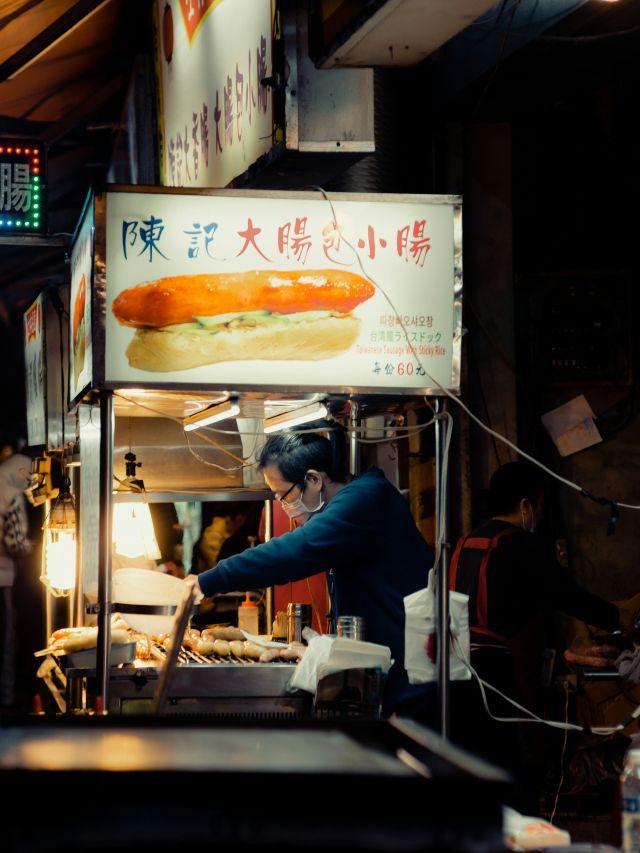
Cooking food at Shilin Night Markets in Taipei
Find over 500 hawkers cooking mouthwatering food inside the market. (Credit: Ethan Chan via Unsplash)

If you only do one thing in Taiwan, make it Shilin Night Market, the city’s biggest. Situated in the district that shares its name, this storied exchange occupies a labyrinth of alleyways and is a feast for the senses, with neon lights, mouth-watering aromas and the buzz of nightly crowds. It’s especially famous for its food court, where over 500 hawkers cook up a dizzying array of dishes that may have you coming back night after night.

Taipei 101 and Xinyi District

With a design inspired by traditional Chinese bamboo stalks and ancient pagoda structures, Taipei 101 is without a doubt the capital’s most iconic structure. Officially opened in 2004, the skyscraper looms over the city like a sentinel and was the tallest building in the world for six years running. A visit to its 89th-floor observation deck offers dizzying views that will leave you both stunned and inspired.
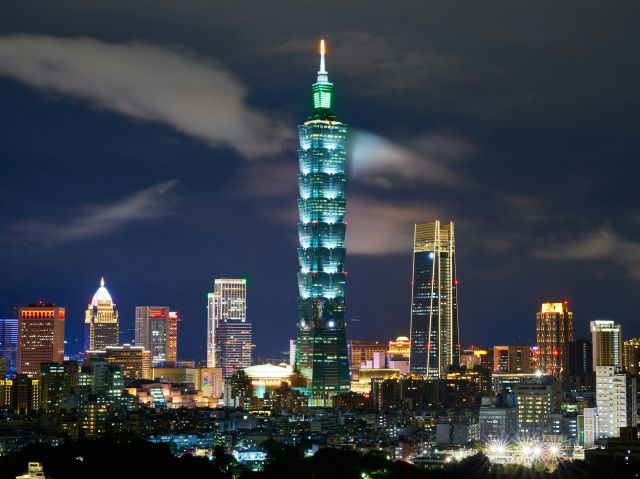
Taipei 101 lit up at night
Taipei 101 towers over Taiwan’s capital city. (Credit: Timo Volz via Unsplash)

Surrounding Taipei 101 is the Xinyi District — “Taipei’s Manhattan" — the city’s commercial, financial and entertainment centre. This is where locals and visitors come to shop, as the area is home to several massive indoor malls including Breeze Center, Shin Kong Mitsukoshi and Bellavita, which are conveniently connected by bridges and pedestrian walkways.

National Palace Museum
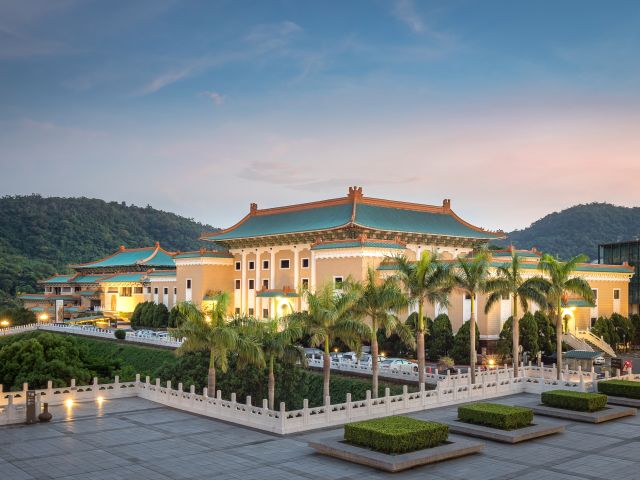
The National Palace Museum at night in Taipei City

The National Palace Museum at night in Taipei City. (Credit: Robert CHG/ Getty Images)

Also located in the Shilin District, this extraordinary complex hosts one of the most impressive collections of Chinese imperial artifacts and artwork in the world. The museum is home to over 700,000 items spanning some 8,000 years, most of which were relocated from the mainland during the Republic of China’s retreat to Taiwan in 1948. Behind the main building sits the placid Zhishan Garden, whose landscapes, pavilions, footpaths, ponds and bridge crossings will soothe the soul while transporting you back in time.

Hike Elephant Mountain
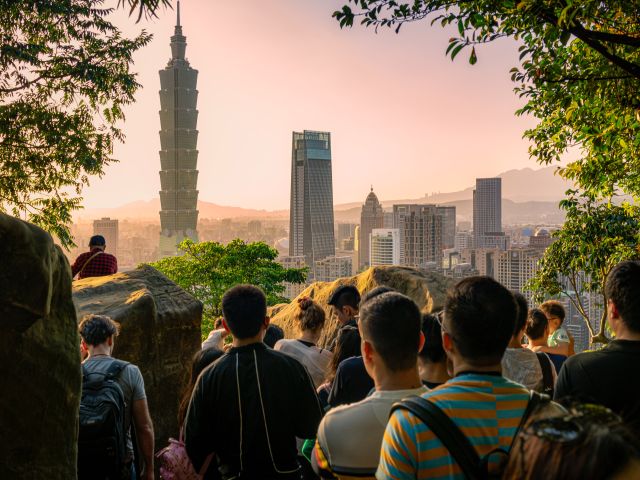
Elephant Mountain in Taipei
People gathering on Elephant Mountain in Taipei, to witness the sun setting over the city’s skyline. (Credit: George Clerk/ Getty Images)

If you’re looking for the best views of Taipei 101 and the surrounding city, head to Elephant Mountain (known locally as Xiangshang). Rising out of a residential district, this 183-metre peak features wooden observation platforms, along with a cluster of six massive boulders near the top that make for the perfect photo op. The two-kilometre round-trip trail follows a set of stone steps up the face of the mountain, much of it through thick stands of forest. While not a long hike, it’s steep, so bring plenty of water.
Get lost in the old streets of Jiufen

Diners in Jiufen Taiwan
People climbing the stairs to dine of an evening in Jiufen. (Credit: Jegal Gihwan via Unsplash)
Mei Tea House, Jiufen, Taiwan
A Mei Tea House in Jiufen. (Credit: Alexandra Tran via Unsplash)
Old Street in Jiufen Taiwan
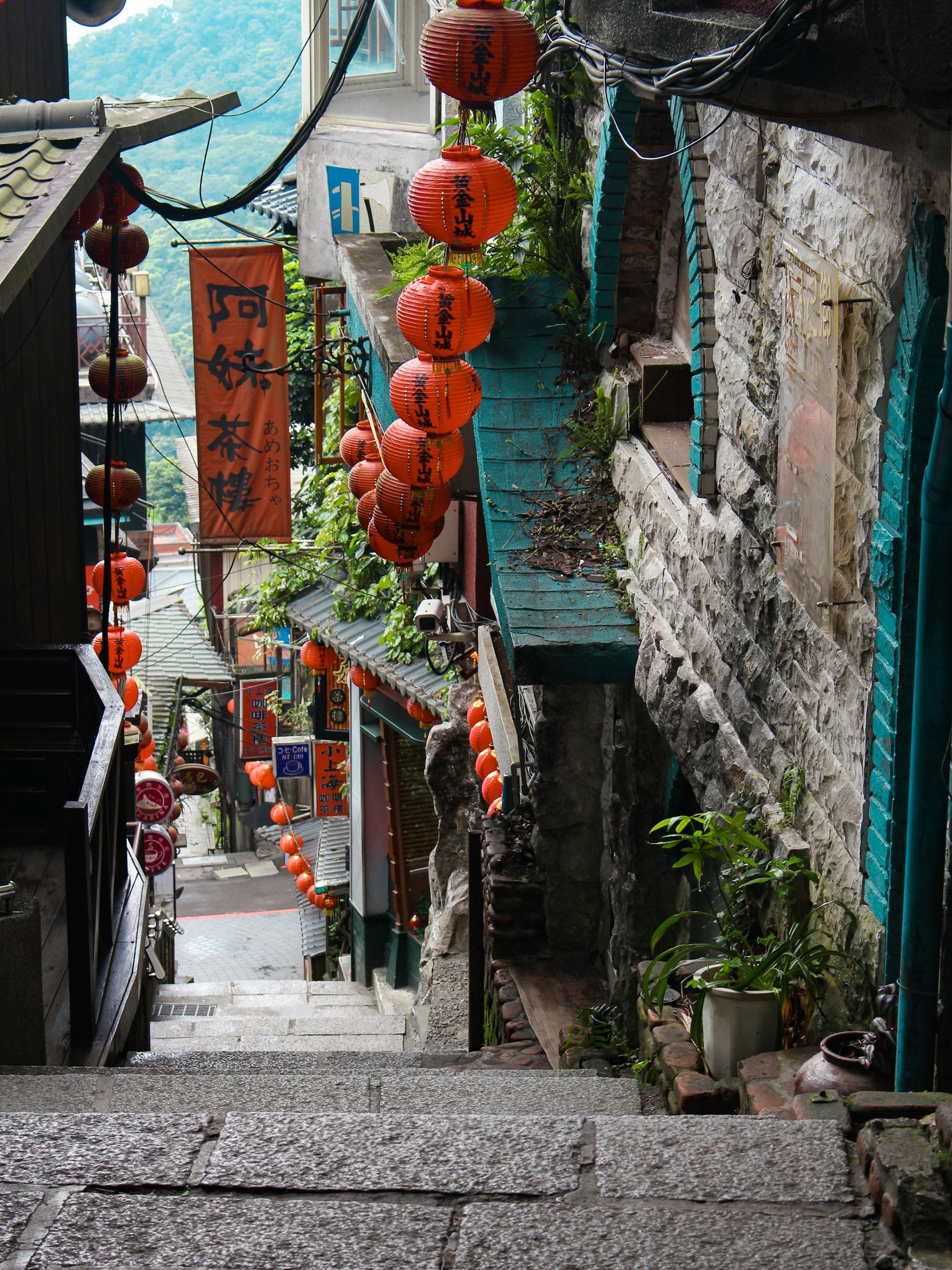
Follow the old winding streets of Jiufen. (Credit: Maren Wilczek via Unsplash)

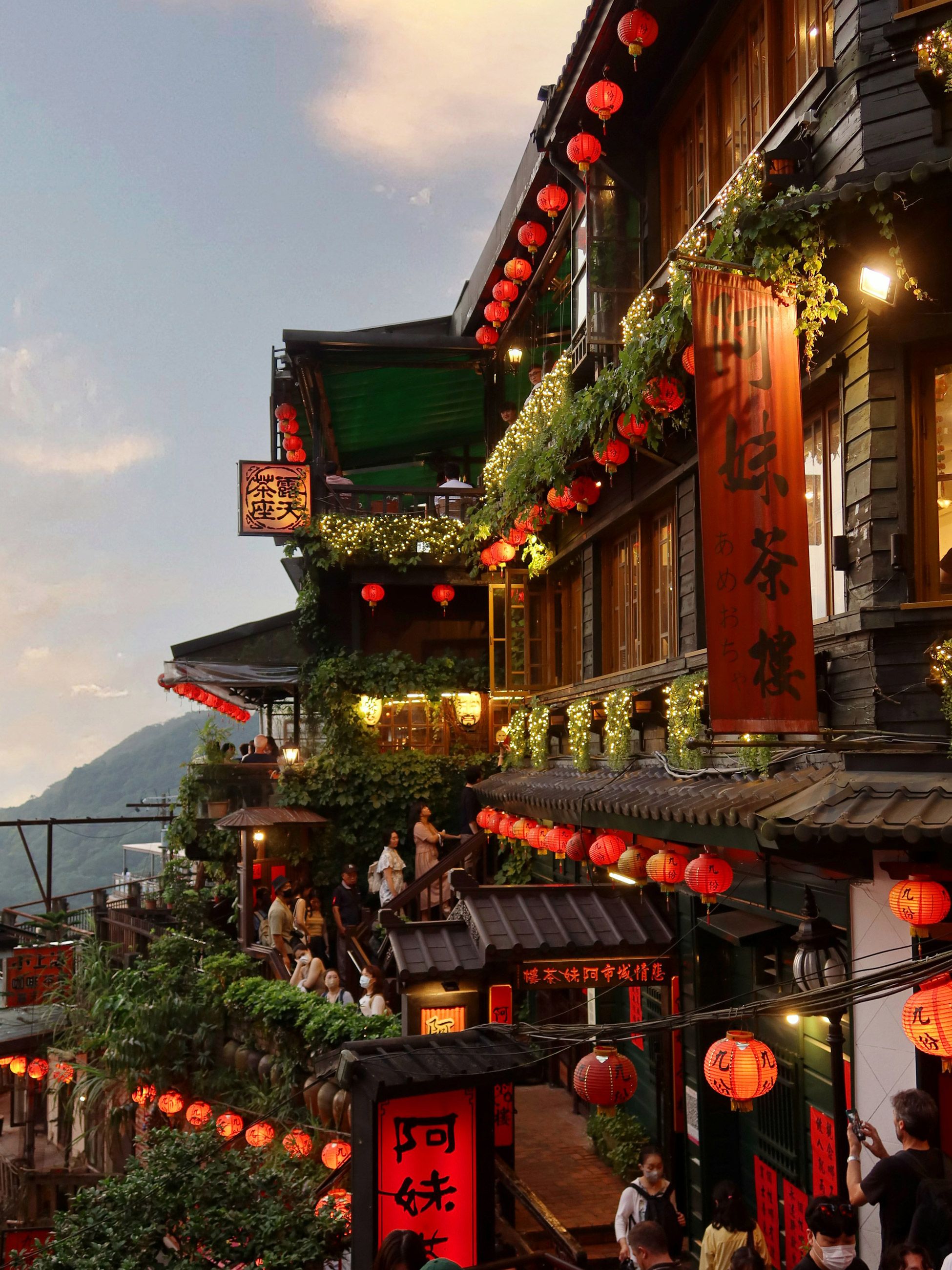
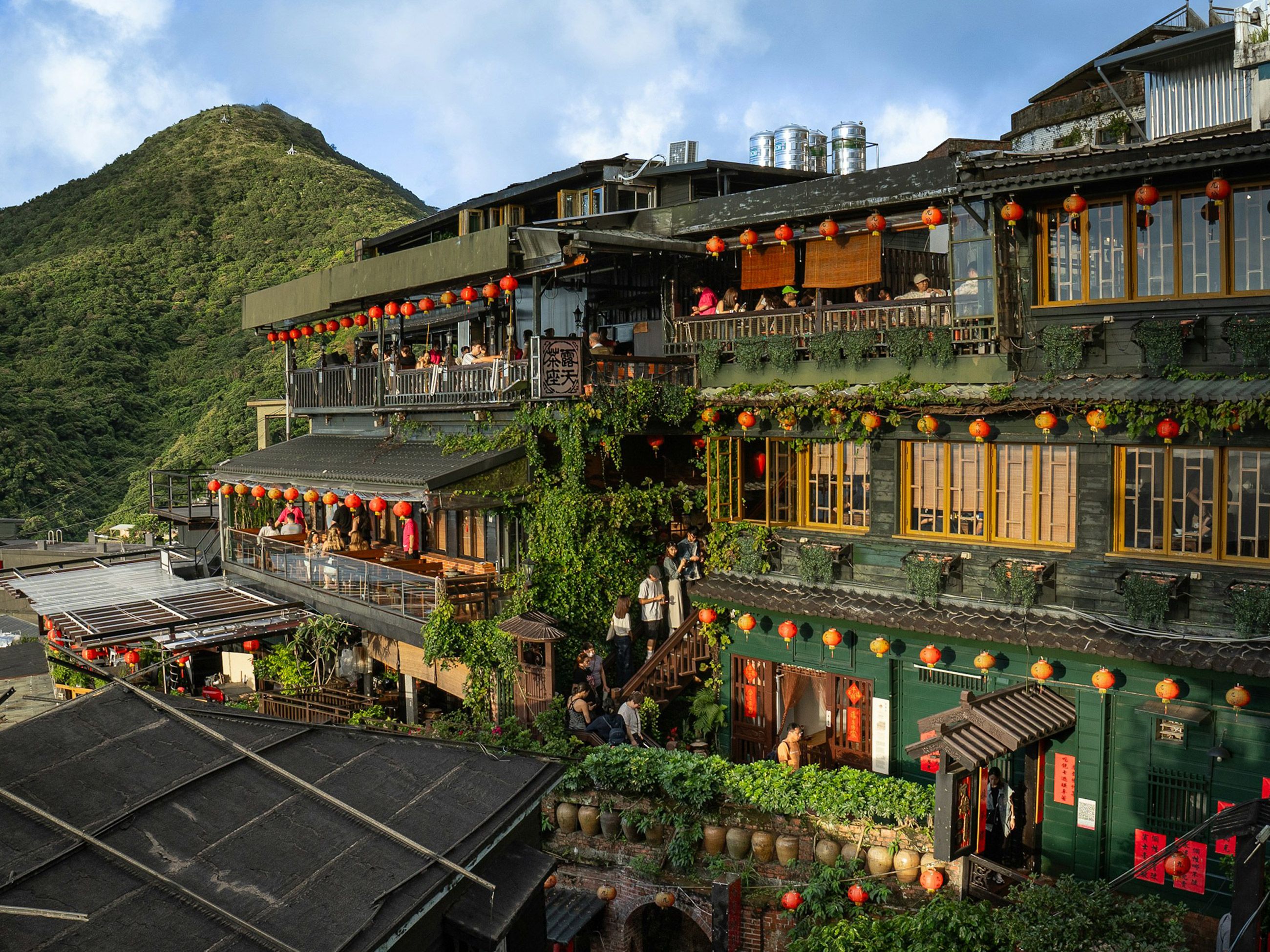
Situated on the slopes of Mount Keelung — about an hour outside of central Taipei — this scenic village is known for its narrow streets, stone staircases and vivid lanterns that come alive at night. Once a gold-mining boomtown, the historic buildings are now home to food stalls and classic teashops. The otherworldly ambience of Jiufen is said to be the inspiration for Studio Ghibli’s classic animated film Spirited Away, and not only is the village easy on the eyes, but it also boasts soul-stirring vistas of the nearby Pacific Ocean.

Relax in Beitou Hot Spring

Beitou Hot Spring Taiwan
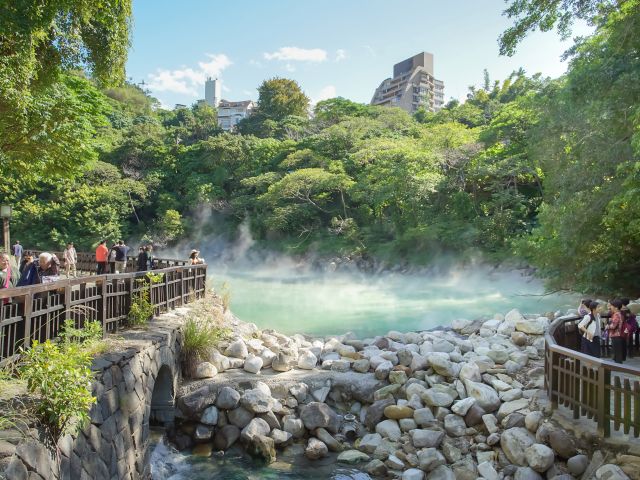
Visit the thermal waters of Beitou Hot Spring. (Credit: Suriya Desatit / Getty Images)

Taiwan is very much a seismically active place, and Beitou Hot Spring is evidence of this. These thermal springs are located in the foothills on the northern edge of Taipei and can be accessed via a number of resorts and onsen-style baths. Beitou Public Hot Spring (also called Millennium Spring) is the cheapest and most popular, featuring outdoor, mixed-gender pools, while Longnice Hot Spring is an indoor facility that separates men and women and is also the oldest continuously running bathhouse in the area. Even though Beitou is technically in Taipei, it feels a world away from the bustle and hum of the city and makes for a perfect day trip. While you’re there, make sure to stop by the historic Beitou Hot Spring Museum for a dose of local history and culture.

Spelunk the gorges of Taroko National Park

Taroko National Park at sunset.
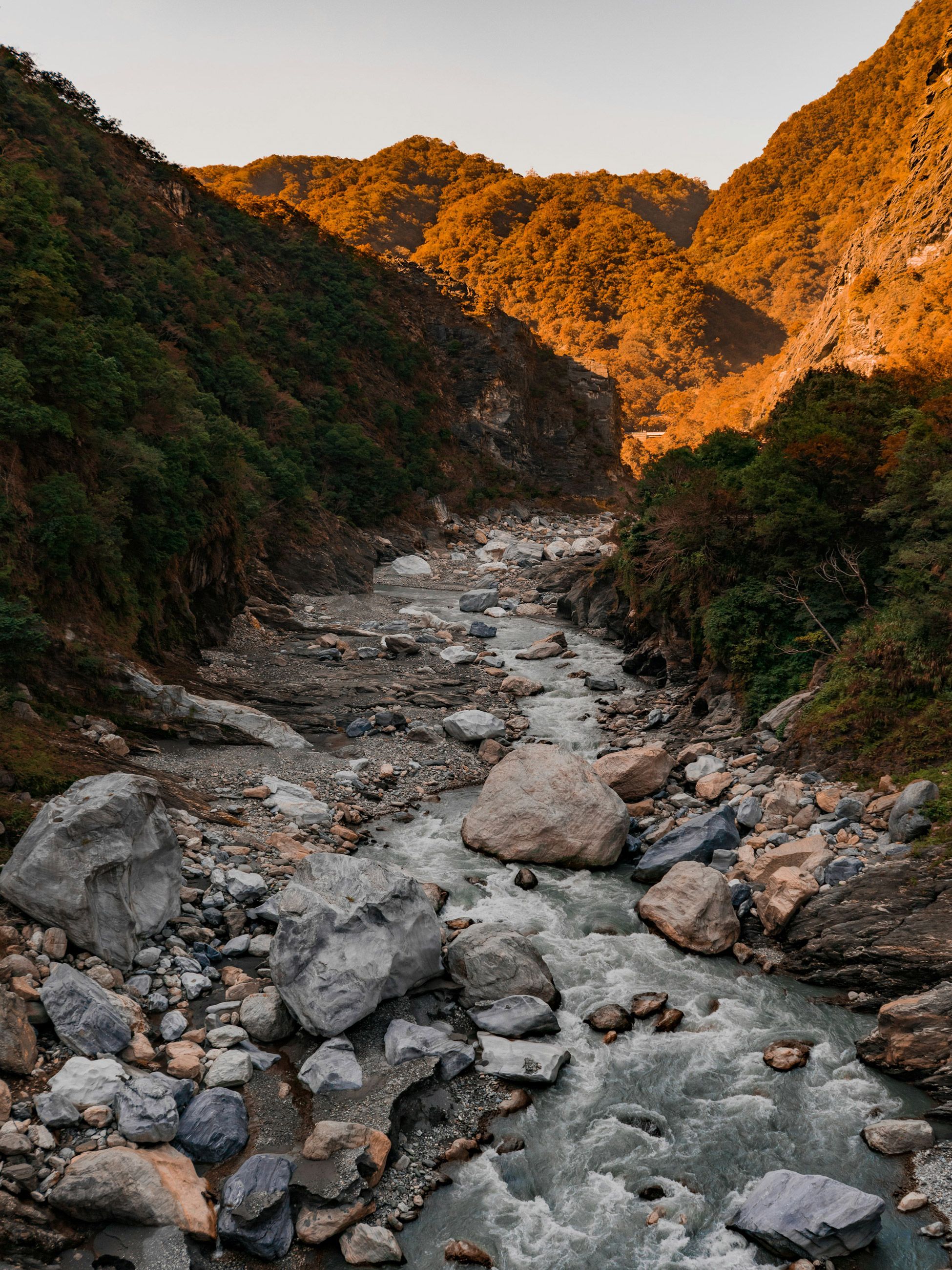
Taroko National Park at sunset. (Credit: Ruslan Bardash via Unsplash
Suspension bridge in Taroko National Park
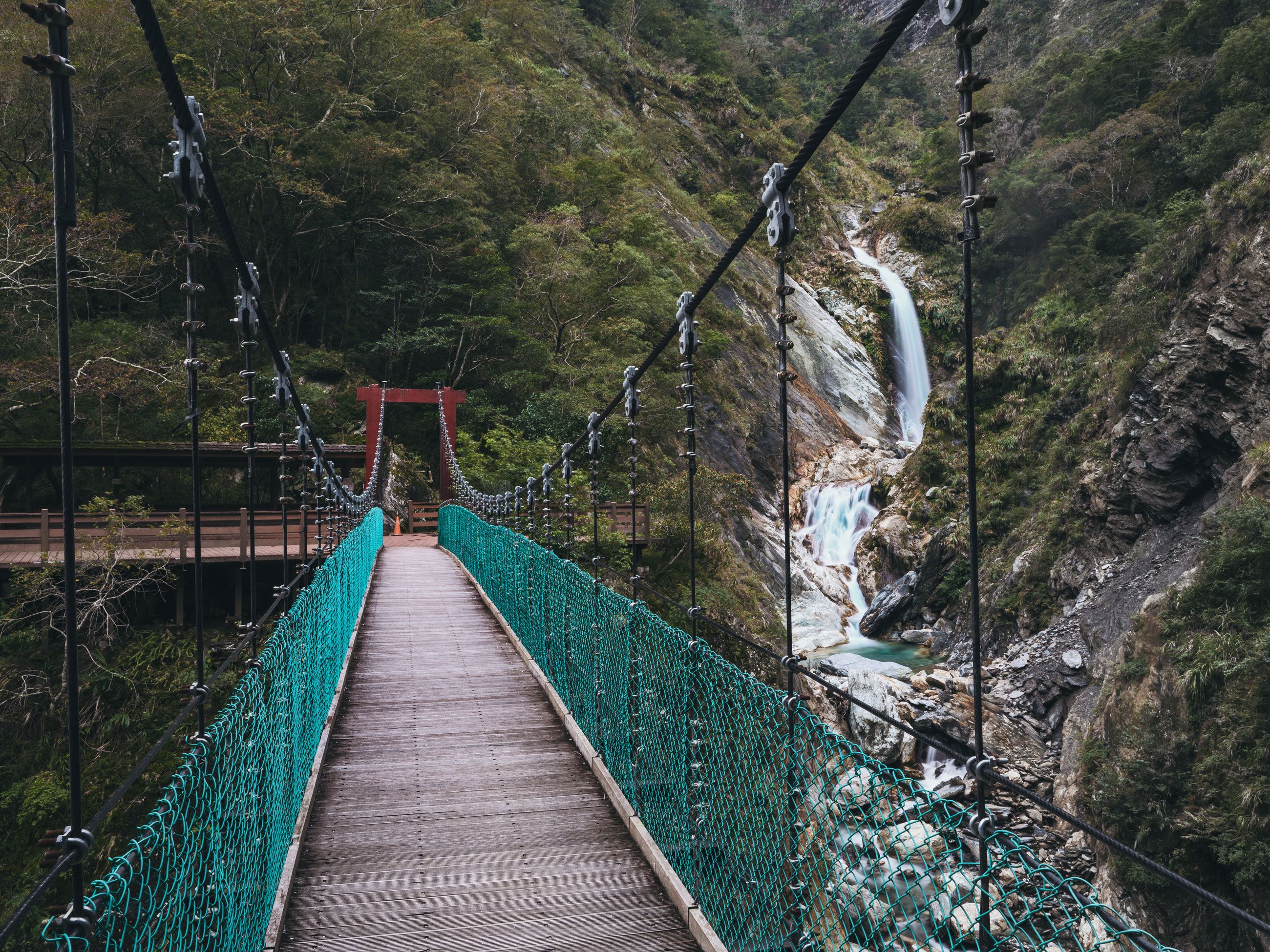
Check which hiking trails throughout Taroko National Park are open before arriving. (Credit: Goran Q/ Getty Images)
Lima River, Taroko National Park
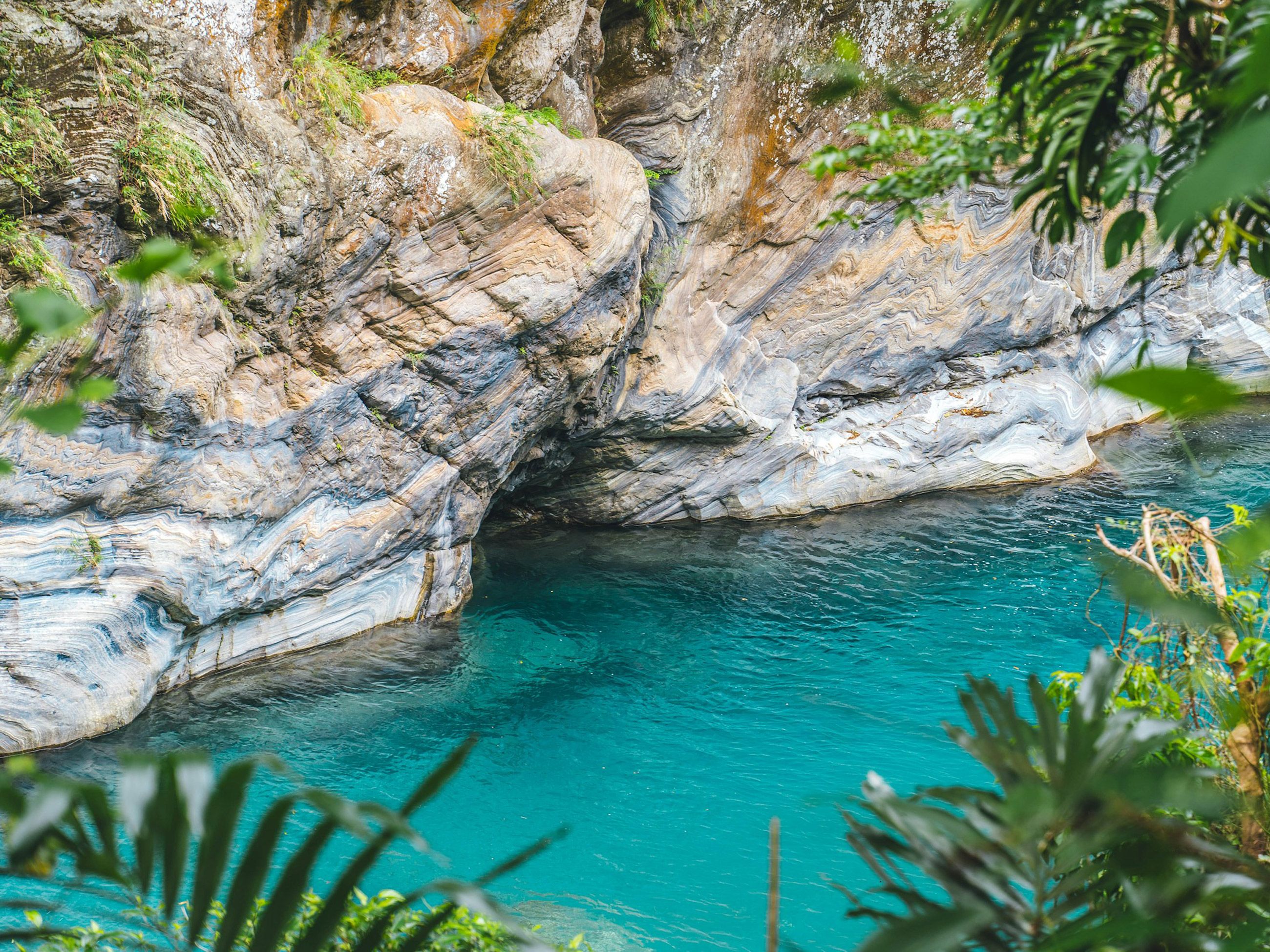
The vivid blue waters of the Lima River flow within the marble canyon of Taroka National Park. (Credit: Romea A via Unsplash

This stunning reserve can certainly be described as one of Taiwan’s crown jewels, as it boasts some of the most dazzling scenery on the island. The park is most famous for its 19-kilometre marble canyon, which features sheer cliffs and waterfalls, as well as the turquoise flow of the Liwu River. Due to recent earthquakes and damage done by typhoons, Taroko is currently in the midst of a multi-year recovery program, which means that many of its hiking trails are closed to the public. However, the Visitors Centre and Tianxiang Recreation Area (a scenic spot with a temple and pagoda deep in the gorge) remain open, and it is possible to drive through the ravine, but there are strict controls on traffic, so make sure to check regulations ahead of time.

Head up to Sun Moon Lake

Pa Cien Pagoda Sun Moon Lake
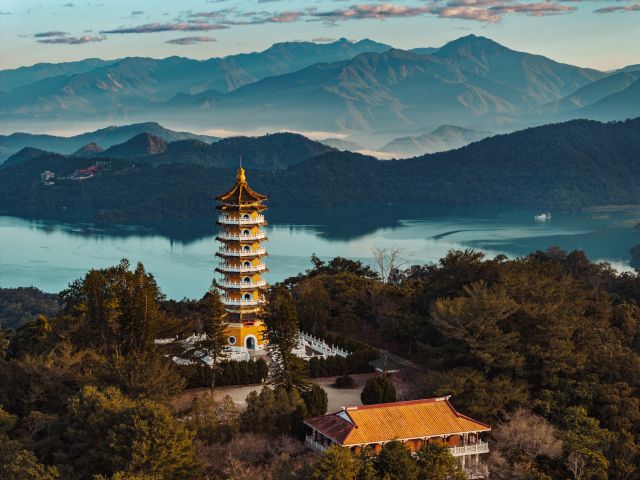
Marvel at the 46-metre mountaintop pagoda by Sun Moon Lake. (Credit: Goran Q/ Getty Images)

Named for the fact that its eastern side looks like the sun and the western side resembles a crescent moon, Taiwan’s largest freshwater body sits high in the middle of the country and especially draws cyclists who come to tackle the 32-kilometre bike path that follows the shoreline; others explore this striking alpine lake by hopping on and off regular ferries serving three ports. There’s also a cable car at Sun Moon Lake, as well as an ornate temple, a 46-metre mountaintop pagoda built by Chiang Kai-shek to honour his mother and Ita Thao village, an indigenous settlement with street food, local crafts and lakeside performances.

Breathe in the invigorating mountain air at Alishan National Scenic Area

Weekly travel news, experiences
insider tips, offers,
and more.

Alishan National Scenic Area
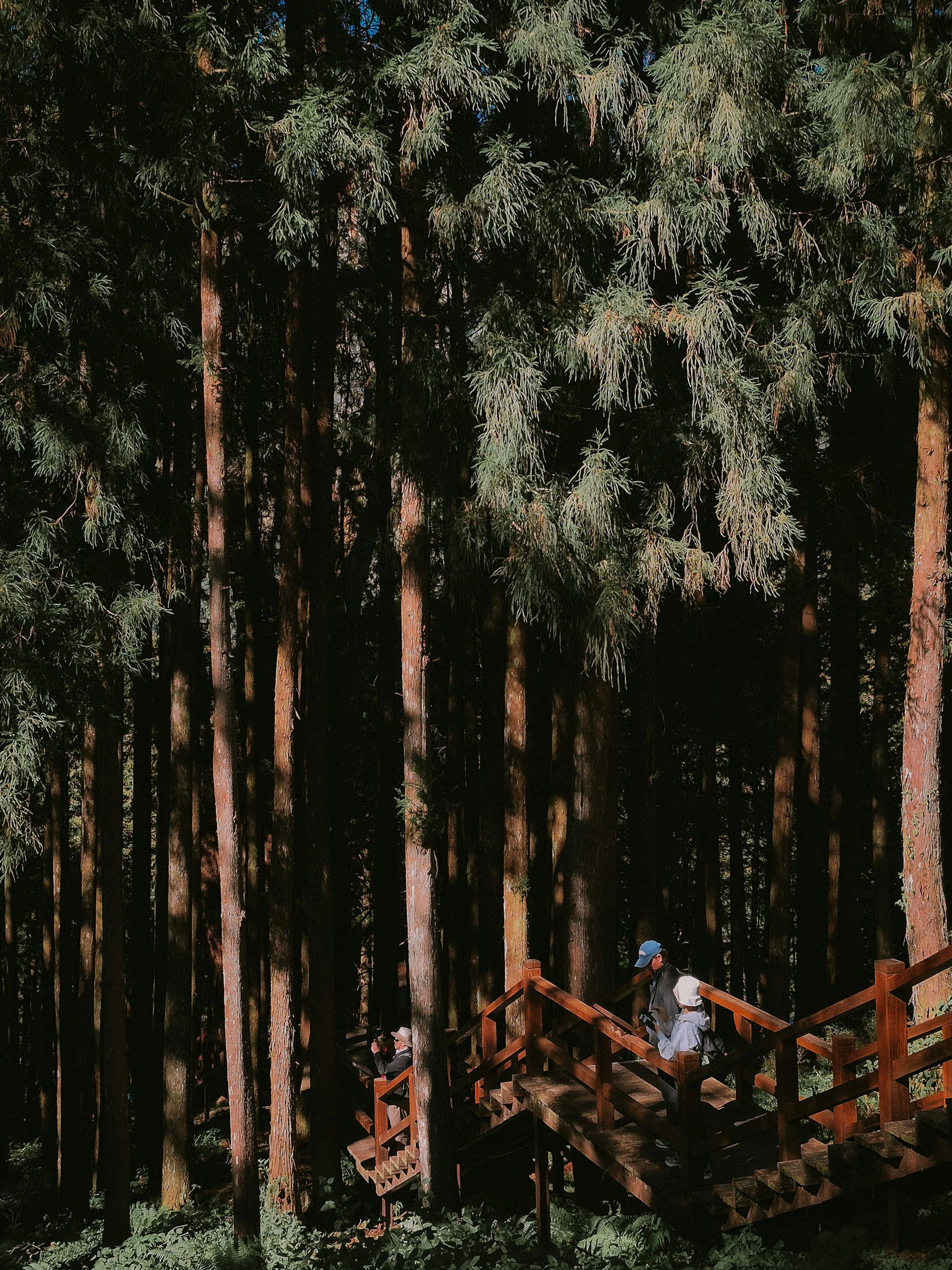
Explore the trails inside Alishan National Scenic Area. (Credit: Gian Paul Guinto via Unsplash)
Jiemei (Sister) Lakes inside Alishan National Scenic Area
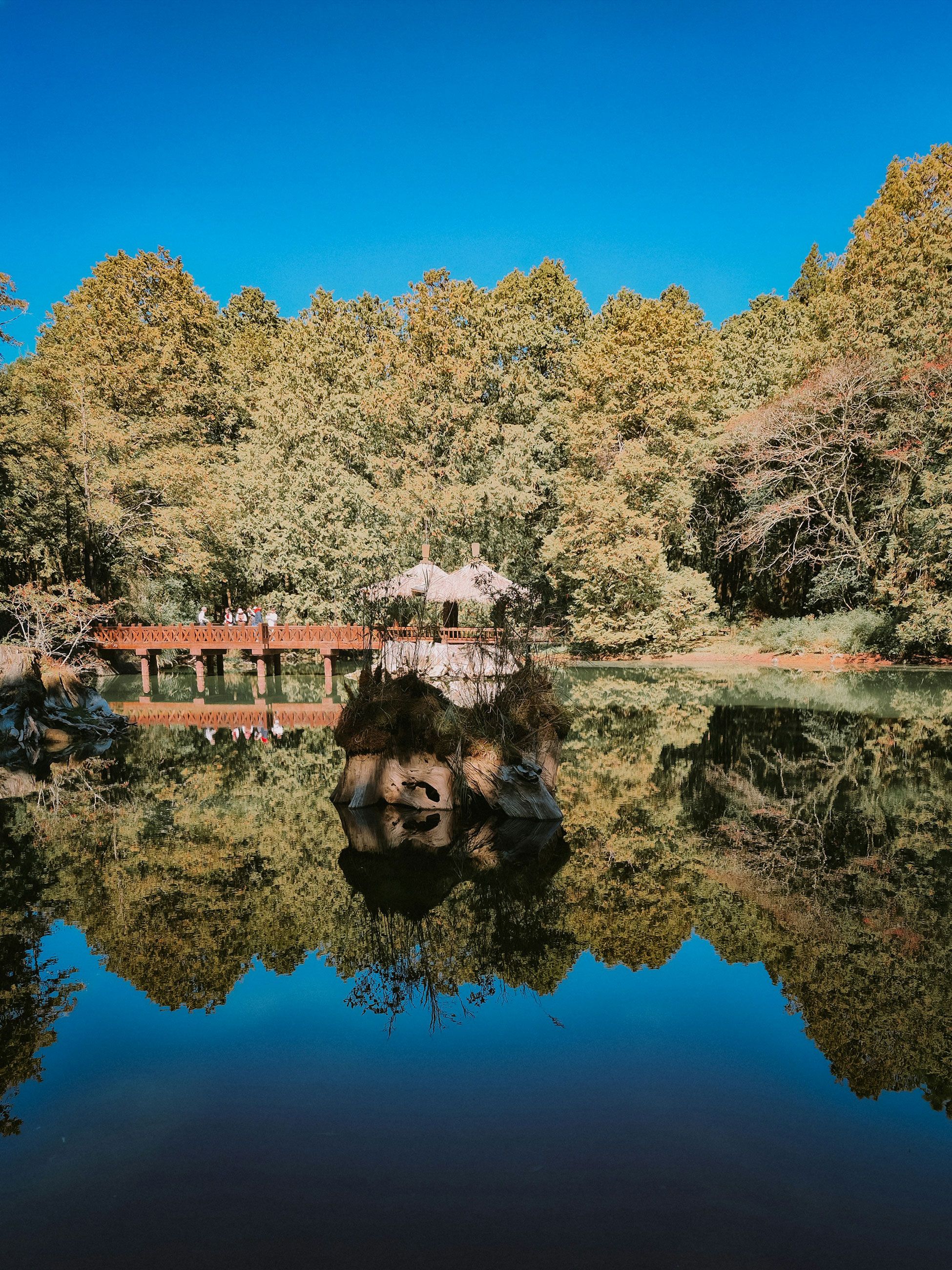
Visit Jiemei (Sister) Lakes inside Alishan National Scenic Area (Credit: Gian Paul Guinto via Unsplash)

Situated just south of Sun Moon Lake, this national scenic area is known for its deep emerald forests, dramatic sunrises and mystical “sea of clouds". Long home to the indigenous Tsou people, Alishan is considered the gateway to Taiwan’s alpine interior. The reserve also features a narrow-gauge tourist railway (originally built by the Japanese to haul logs), along with a number of tea plantations where you can stroll amongst the rows and take in the views. You can also stop in at one of the area’s teahouses and sample the locally-grown leaves yourself.

Soak up some history in Tainan

Tainan East District
Explore the many districts of Tainan.

Tainan is one of Taiwan’s most historic cities and is generally considered to be the country’s cultural and culinary centre. Founded as a trading outpost by the Dutch in 1624, it served as the island’s capital for over 250 years. Today it’s most famous for its Anping District, with its Old Street (featuring merchant shops and food stalls), a fort dating back to the 1700s and Anping Tree House. This former Japanese trading warehouse has been completely enveloped by the roots and branches of banyan trees and is one of the city’s key attractions. Tainan also has the highest concentration of traditional temples in Taiwan, with standouts such as the impressive Tainan Confucius Temple and the Tainan Mazu Temple, which is dedicated to the patron deity of fishermen

Get down with the tropical vibes of Kenting National Park

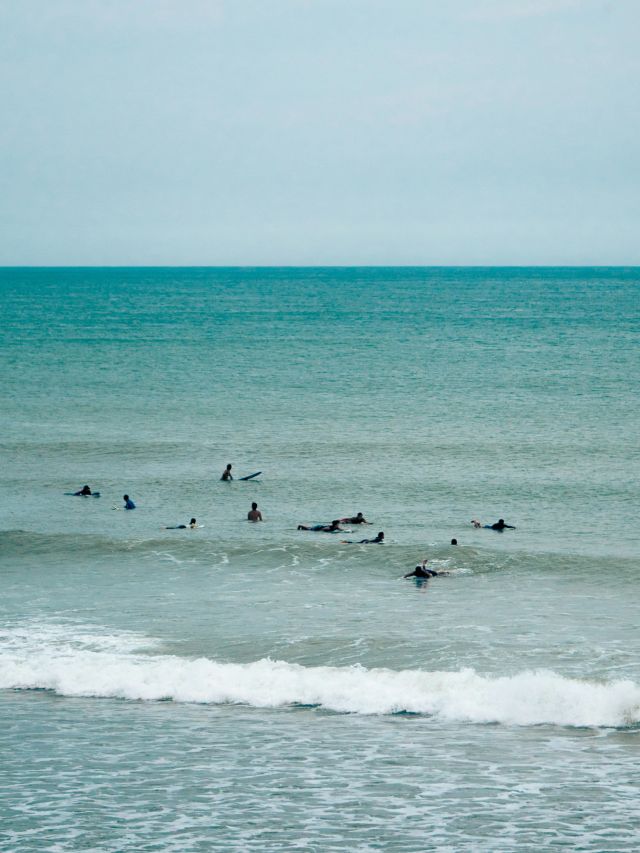
Surfing in Jialeshue at Kenting National Park
Surf at one of the beaches inside Taiwan’s oldest national park. (Credit: Vas via Unsplash)

Taiwan’s oldest national park occupies a peninsula at the southernmost tip of the island and is known for its white sand beaches, mountains, sea caves, coral reefs and sun-kissed splendour. It attracts plenty of surfers, snorkellers and divers eager to ride a wave or explore the multichromatic world blossoming underneath the ocean’s surface, though it’s also a great place to hike. The coastal trails and forest paths winding through the park really highlight the scenery of this part of Taiwan. Highlights include the Coral Reef Trail, which snakes through narrow limestone canyons, as well as the Coastal Grasslands Trail — a seaside walk that not only gives you views of sea caves and rock formations — but also may be the best place in Taiwan to catch the sunrise.

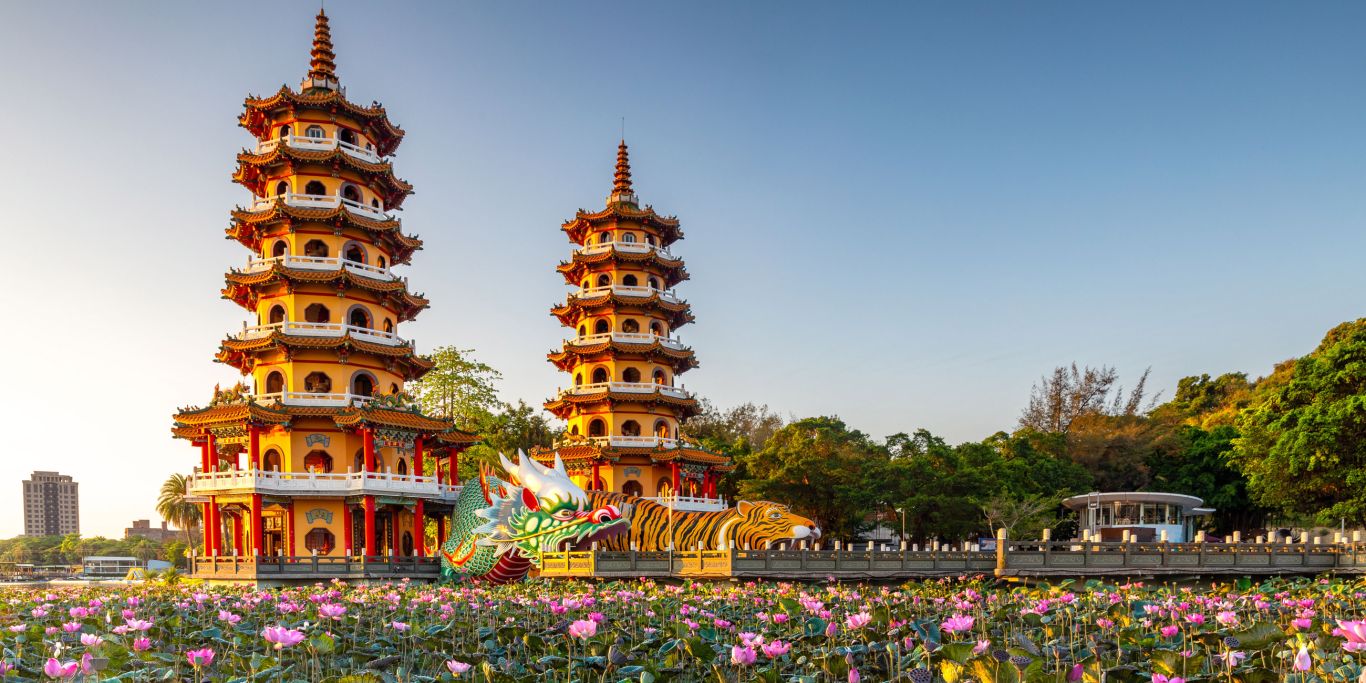
Savour Kaohsiung’s emerging art scene

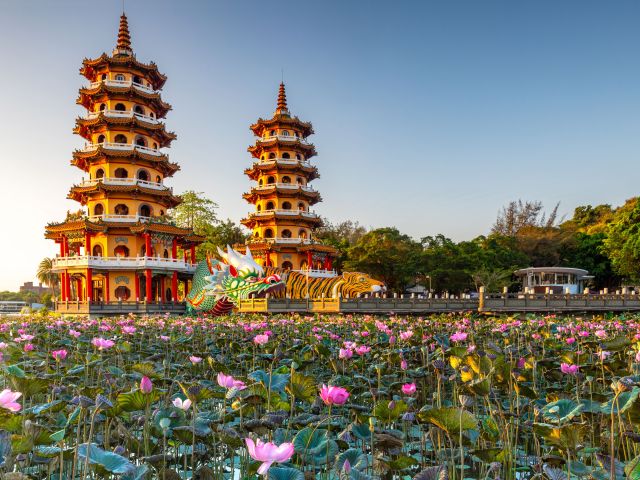
Dragon and Toger Pagodas in Koashing, Taiwan
Find art and ancient pagodas in Kaohsiung. (Credit: Sean3810/ Getty Images)

Taiwan’s southern port city offers a nice contrast to Taipei and is well worth visiting on its own merits. Once a rough-and-tumble seaport and industrial hub, modern Kaohsiung has transformed into one of Taiwan’s premier destinations for art lovers. The Pier-2 Art Center is a repurposed warehouse district featuring murals, outdoor installations, galleries, performance spaces and cafes, while the “Dome of Light" is an awe-inspiring public stained glass work occupying the Formosa Boulevard MRT station. You can also take in Kaohsiung’s revitalised harbour from Glory Pier, a wharf and pedestrian zone with views of the mesmerising Kaohsiung Music Center and the water and cityscape surrounding it.

Getting to Taiwan

You can fly direct from Australia to Taiwan’s capital, Taipei, with China Airlines from Sydney, Melbourne and Brisbane. Flight time ranges from just under nine hours to 9.5 hours.

Want to see more stories from International Traveller in your Google search results?

  1. Click here to set International Traveller as a preferred source.
  2. Tick the box next to "International Traveller". That's it.
hero media

5 things every hotel needs for a more restorative stay

    Kate Bettes Kate Bettes
    Wellbeing means different things to different travellers. Here’s how to pick a hotel that gets it right for you.

    The best wellness holidays aren’t necessarily spent wrapped in a spa robe. Sometimes they’re found around a dinner table in Cambodia, on a hiking trail in New Zealand or after finally beating jet lag on the other side of the world. The hotel you choose is what makes them happen.

    1. Easy access to good food

    meals from Novotel Bangkok Sukhumvit 20
    Taste delicious meals at Novotel Bangkok Sukhumvit 20.

    One of the quickest ways to derail healthy habits on holiday is to spend half of it working out where to eat instead of digging into the culture around you. Thankfully, Novotel has done much of the hard work already, with chefs building menus that lean into the flavours, ingredients and traditions of each destination.

    In Sihanoukville, Cambodia, Korkor soup – often dubbed ‘Cambodian ratatouille’ – sits alongside raw blue crab dressed with lime and chilli, best enjoyed with views across the Gulf of Thailand.

    In the lovingly chaotic city of Bangkok, the presence of food cranks up the sociability. At Novotel Bangkok Sukhumvit 20, you can settle in with mango sticky rice and stranger-turned-friends beside the pool at Sky on 20 rooftop bar, or bring them along to tackle river prawns and stir-fried crab with holy basil at the buzzing Crab Paradise Dinner Buffet.

    Then Novotel Dubai Al Barsha welcomes you with a laidback twist on the level of indulgence the Middle Eastern city is best known for up on Deck Se7en. Looking towards Burj Al Arab, the rooftop lounge has everything from Mediterranean-style dishes like seabass ceviche to Italian prosecco sundowners.

    At the other end of the scale, in the hills that surround the Novotel Bali Ubud Resort, calm comes from nature. At Siralada restaurant, Balinese traditions shape the menu while thunder rumbles over the surrounding jungle – proving the setting is as nourishing as the food itself.

    While at Novotel Nha Trang, chef Kieu Thi My Hanh and her team showcase Vietnam’s knack for balancing freshness, texture and fragrant herbs. Pho remains a favourite, while seafood salad with pomelo and mango brings those flavours together in one bright dish.

    It’s all an approach backed by partnerships with expert food creators such as Alfie Steiner, whose plant-forward recipes prove healthy food should never taste plain.

    2. Better sleep options

    Novotel Bali Ubud Resort room
    Sleep deeply with Novotel.

    There are few travel experiences more disappointing than arriving in a new country, determined to seize the day, only to fall asleep fully clothed by 3pm.

    For Australian travellers, jet lag is often an unavoidable part of the journey. That’s one reason Novotel runs sleep-focused initiatives that help guests adjust quickly without compromising on health. We’re talking partnerships with Sydney-based sleep specialist Olivia Arezzolo, known for her advice on everything from better sleep habits to beating jet lag, alongside features like pillow menus, in-room yoga content and tailored sleep guidance.

    The sooner you’re operating on local time, the sooner you can get back to more pressing matters – like deciding which spa treatment to book.

    3. More ways to move

    woman hiking around queenstown new zealand
    Stay at Novotel Queenstown Lakeside and explore local hiking trails. (Credit: GettyI mages/ naruedom)

    Every place in the world has its own way of getting you moving: whether that’s hiking up ice-bitten mountains before a sauna or gentle stretching by the pool before a facial. From fitness centres to spas, Novotel recognises that wellbeing rarely looks the same.

    At Novotel Queenstown Lakeside, activity is inescapable. Here, hiking trails, ski fields, bungee jumps, and white-water rafting have made the region famous. The hotel’s location on the shores of Lake Wakatipu means less time spent organising yourself and more time out there experiencing them. To top it all off, you can book a private hot tub for the evening before heading back into the wilderness tomorrow.

    Bali, of course, takes a softer approach. At Novotel Bali Ubud Resort or Novotel Bali Nusa Dua, movement is less about conquering a mountain and more about a dance class between the tropical gardens and lagoon pools. Afterwards, the spa takes over, with traditional treatments like a Lulur body scrub: a combination of rice, turmeric, sandalwood, ginger and jasmine that’ll soothe muscles already relaxed by the Balinese heat.

    4. Better connections

    Novotel Sharm El Sheikh
    Kids will love a stay at Novotel Sharm El Sheikh.

    One of the best things about travel is that it gives your family stories you’ll be telling for years. Novotel helps create them with activities that bring everyone together, whether that’s trying something new, learning a local skill, or simply spending more time together.

    Go for a distinctly Thai twist at Novotel Phuket Vintage Park, where many of the family activities draw on local culture. Kids can try everything from beginner Thai boxing and language lessons to umbrella painting and – a pastime beloved by children the world over – pool foam parties. Everyone is welcome to join in, whether that’s getting splashed, covered in paint, or simply watching their children discover a new side of Thailand during the dedicated Family & Kids Day.

    A different adventure awaits at Novotel Sharm El Sheikh. Kids could be perfectly content with discos, drawing classes and new holiday friends, but the Red Sea has other ideas. Sitting on the edge of Naama Bay, days here might involve snorkelling colourful reefs, taking a boat trip to Ras Mohammed National Park or heading into the desert by quad bike or camel for a Bedouin-style dinner beneath the stars.

    5. Location is everything

    Surin Beach, Choeng Thale, Thalang District, Phuket, Thaiföld
    Explore Phuket’s gorgeous beaches. (Credit: Bence Biczo)

    Everyone’s idea of wellness looks a little different. With more than 600 hotels across 65 countries, Novotel gives guests the freedom to choose the destination that suits them best. Whether that’s a beachside escape in Phuket, an alpine expedition in Queenstown or a city break in Bangkok, there’s a good chance a Novotel isn’t far away.

    All that’s left? Choosing your version of wellbeing.

    Discover stays to inspire your everyday at novotel.accor.com.