
If you’re trying to optimise your time in the country, this is the South Korea itinerary to help you do it.
South Korea is one of those destinations that once you’ve visited, you’ll find any excuse to bring it up in conversation. Despite being a relatively small country, it’s a true cultural powerhouse with a huge global presence.
There’s no shortage of places to explore, which means packing it all into an itinerary takes meticulous planning. You’ll want to see as much as you can without feeling rushed, which is why we’ve put together the ultimate South Korea travel guide. This comprehensive itinerary outlines how you should spend 7 days, 10 days or two weeks, so all you need to do is: Yeohaeng jal danyeo-oseyo (Korean for ‘Have a great trip’).
How many days do you need in South Korea?
Korea’s only one to two hours behind Australia’s east coast, meaning zero jet lag to factor into your trip. That said, with direct flight times taking roughly 10.5 to 11 hours from Sydney and Melbourne, plus a packed menu of things to experience, 10 days is the sweet spot for a trip, especially if it’s your first time.
That gives you enough time to visit Korea’s capital, Seoul, the historic city of Gyeongju and the coastal city of Busan, before returning to Seoul to fly back. Staying only for a week is totally doable, but you’ll need to trim your time in Seoul or choose between Gyeongju and Busan to avoid feeling rushed. On the other hand, extending it to two weeks is ideal if you want to add extra destinations like Jeju Island or Jeonju, or simply travel at a slower pace.
The ultimate seven to 10-day South Korea itinerary
Day 1-4: Seoul
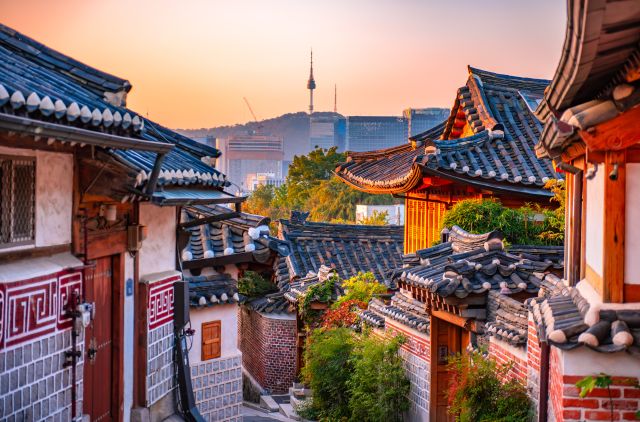
Seoul is the main gateway to South Korea for international visitors. Base yourself at a hotel here – or book a hanok, a traditional Korean home built from natural materials. These can be reserved directly or via platforms like Airbnb and Booking. If you don’t stay in a hanok while in Seoul, you can easily save that experience for Gyeongju or Busan.
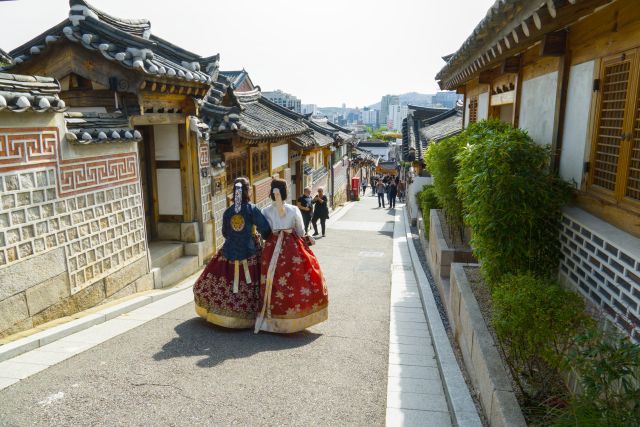
Seoul blends old and new effortlessly. Start your morning watching the changing of the guard at Gyeongbokgung or Changdeokgung Palace, wander the historic alleys of Bukchon Hanok Village and grab a street food lunch at Gwangjang Market. In the afternoon, marvel at the 13-metre-tall bookshelves inside Starfield Library, visit an exhibition at the neo-futuristic Dongdaemun Design Plaza (DDP) and ride the Namsan Cable Car up to N Seoul Tower for 360-degree city views on its observation deck.
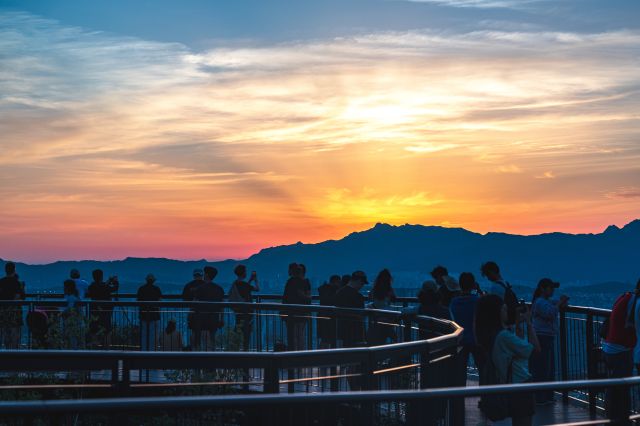
Other highlights include Yongmasan Skywalk Observatory, which sits 10m above a forest, and the National Museum of Korea, the city’s largest, and Seoul Forest Park, most stunning during cherry blossom season. We also recommend exploring Hongdae for its live street performances and nightlife, Seongsu for its boutique shops and Itaewon for its cafes and art.
A few lesser-known gems to discover are Tea Thology, a sleek, minimalist tea house with branches in Bukchon and Seongsu, Leeum Museum of Art, a museum with a mix of traditional and modern art, and Jongmyo Square Park, a roughly 40,000-square metre park next to Jongmyo Shrine. We’d also recommend visiting any Gentle Monster store for its museum-like design, and to set aside time for a local skincare treatment – Korea’s world-famous for them.
Day 5-6: Gyeongju
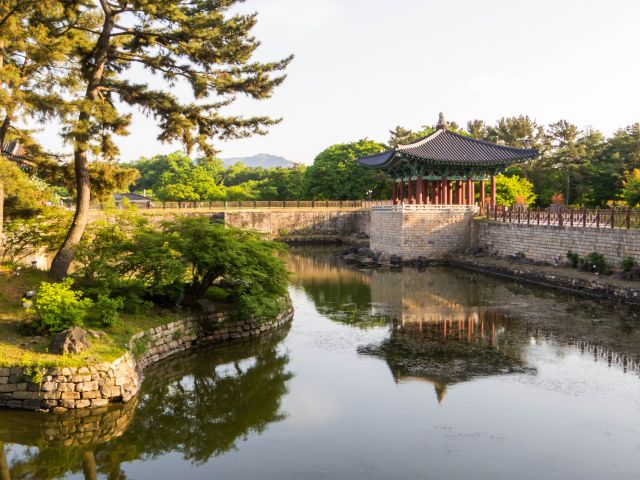
It takes around two hours to get to Gyeongju from Seoul on the KTX high-speed train or roughly 3.5 hours via express bus. Often referred to as a “museum without walls", the city’s rich in UNESCO World Heritage archaeological sites from its era as the capital of the ancient Silla Kingdom.
By day, explore the royal tombs and burial mounds at the Daereungwon Tomb Complex or visit the UNESCO-listed Bulguksa Temple. Other highlights include the Cheomseongdae Observatory, WoljeonggyoBridge and Gyeongju National Museum. Come evening, many of these historical landmarks are beautifully illuminated.
Make sure to stroll down Hwangridan-gil Street, popping into its trendy cafes and sampling the street food, and visit the Gyeongju Gyochon Traditional Village, where you can wander through a hanok village and try sweet, red-bean-filled Gyeongju bread.
Day 7-9: Busan
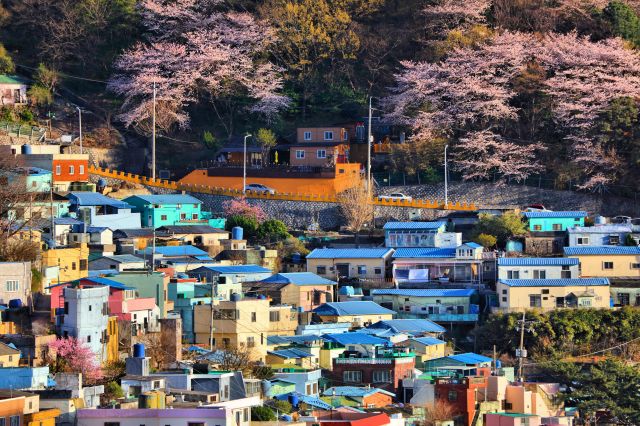
If you’ve only got seven days to spend on your holiday, this will sadly be the last stop. You won’t be able to see a tonne of Busan in that time frame, but a jam-packed 24-hours will give you a taste of the city that’s sure to leave you moreish.
From Gyeongju, Busan is just a 30-minute KTX train or 50-minute express bus away. As a coastal city, it offers a distinctly relaxed pace compared to Seoul, with scenic ocean walks and cliffside temples.
Its most iconic spot – and free to explore – is Gamcheon Culture Village. You’ve probably seen photos of its pastel homes spilling down a hill. Pack comfortable walking shoes, as navigating steep alleys and stairways takes some effort. Other attractions include Haeundae Blueline Park, where retro sky capsules glide along the coast, Haedong Yonggungsa Temple, a Buddhist temple set on the rocky shoreline, and Jagalchi Seafood Market, the largest of its kind in the country.
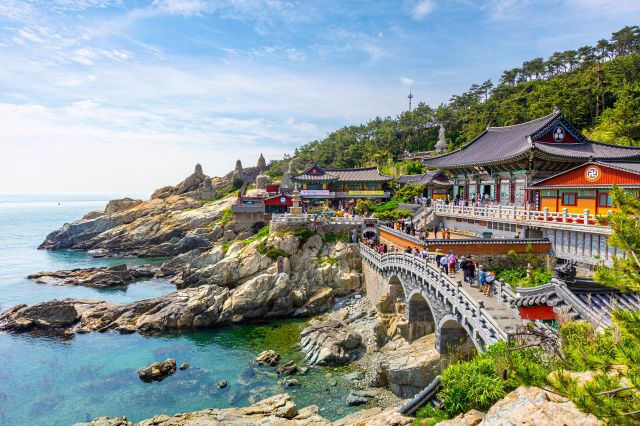
For sea views, relax on Haeundae, Songdo or Gwangalli Beach, or trek along scenic paths like the Igidae Coastal Walkway and Taejongdae Resort Park. History buffs can also venture to Beomeosa Temple or Geumjeong Fortress.
When visiting Busan, we can’t recommend an afternoon at Spa Land Centum City enough. One of the largest spas in Asia, it features 22 natural hot springs, 13 themed sauna rooms, an outdoor foot bath and an extensive menu of spa treatments.
Day 10: Return to Seoul/depart South Korea
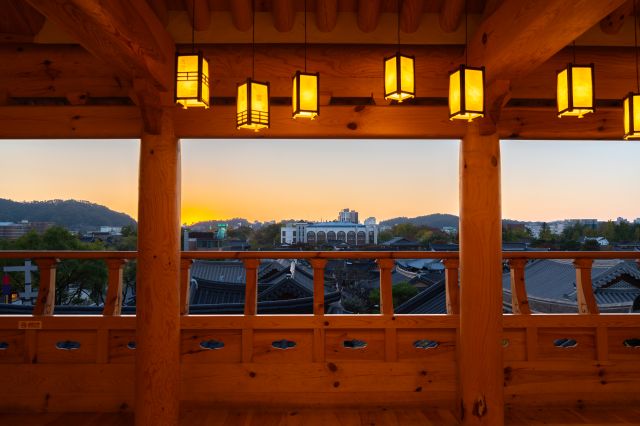
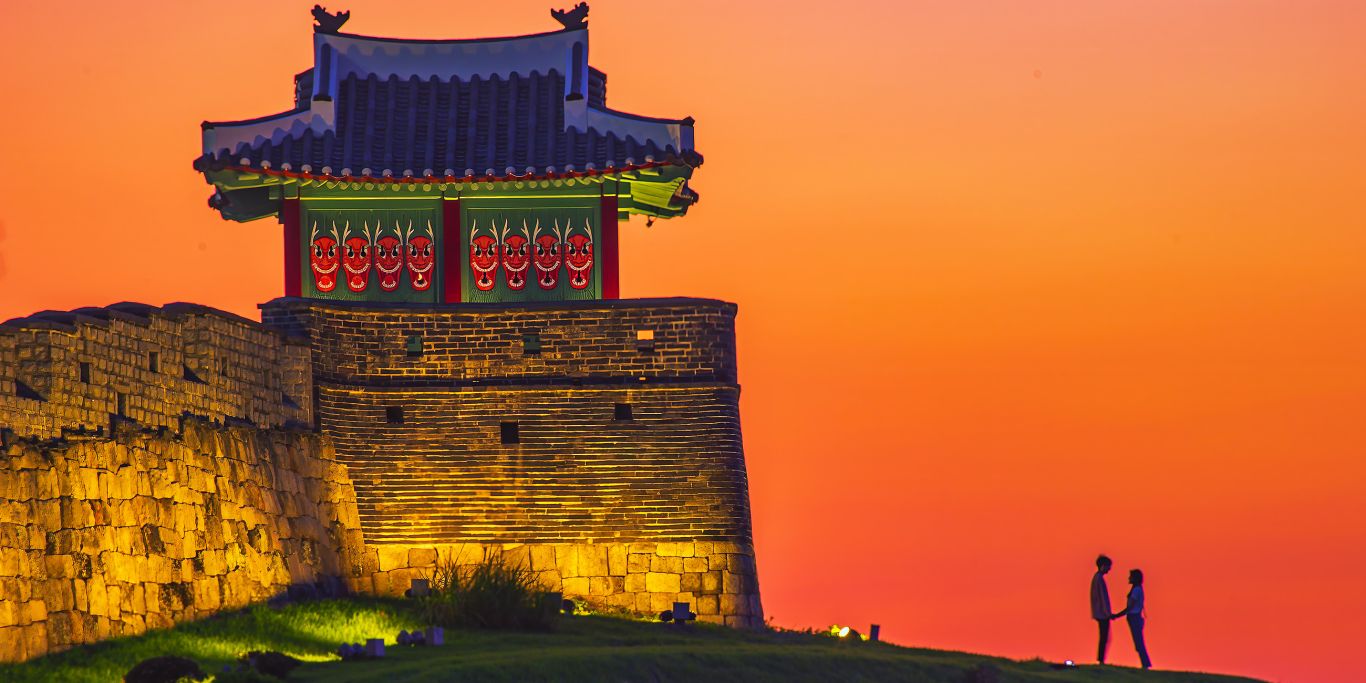
Busan is roughly three hours from Seoul on the KTX high-speed train or four hours by express bus. If you want to break up the journey, several major cities make great stops along the way: Suwon, famous for its historic Hwaseong Fortress wall; Jeonju, known for its traditional food and culture; and Daegu, which blends traditional markets with modern parks.
How to spend two weeks in South Korea
If you have two weeks in Korea, you can easily add to this itinerary. You can stick to the main Seoul–Gyeongju–Busan route and simply slow down, spending extra time in each city to explore without rushing.
Or, you could add Jeonju to your trip. Just an hour and 40 minutes south of Seoul via the KTX high-speed train, the city’s home to Jeonju Hanok Village and serves some of the country’s best bibimbap.
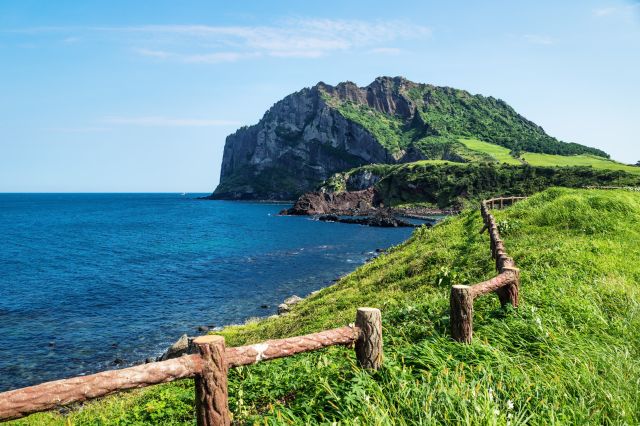
Another great option is to add Jeju Island to the mix. You can reach the island by ferry from several mainland ports or take a short flight – about 75 minutes from Seoul or roughly an hour from Busan. A popular holiday spot for Korean families, Jeju features dramatic volcanic peaks, restaurants serving local specialty black pork and the world-famous Haenyeo, women free divers you can watch take off to harvest fresh seafood.
Weekly travel news, experiences
insider tips, offers, and more.
How to get around South Korea
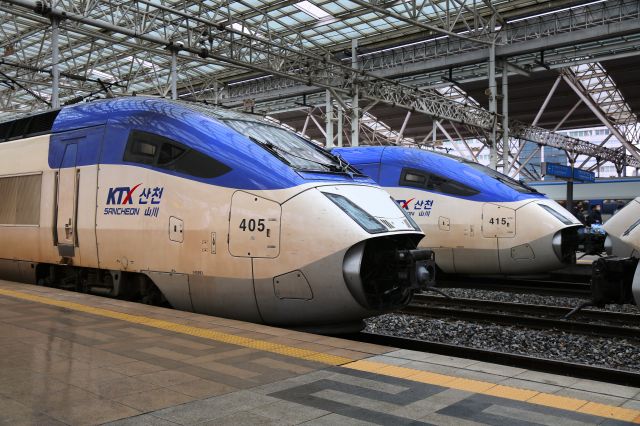
Getting around Korea is relatively straightforward, thanks to its fast, interconnected transit network and its compact size – it’s 1.5 times bigger than Tasmania. For long distances between major stops like Seoul, Gyeongju and Busan, the KTX high-speed train’s your best bet for speed and comfort. Book tickets in advance online, buy them at the stations or invest in a Korail Pass if you’re planning on frequent long trips.
Express buses are also comfortable, but more budget-friendly than trains as the journeys take a bit longer. They reach almost every corner of the country, making them a great option for regional spots or direct routes where train routes might require a transfer.
If you’re adding Jeju to your trip, or want to maximise your time in Korea, opt for domestic flights out of Seoul’s Gimpo Airport and Busan’s Gimhae Airport. Ferries from southern port cities are also an option, as is renting a car.
Once you arrive in any city, local subways and buses are easy to navigate – just grab a rechargeable T-money card at any convenience store or download the app and add it to your phone’s wallet. The card works across public transit in Seoul, Busan, Gyeongju and even Jeju.
Tips for planning your South Korea itinerary
You’ll need to keep a few key logistics in mind when planning a multi-stop trip through Korea. For high-speed travel, KTX train tickets open for booking 30 days in advance and sell out fast on weekend routes between Seoul, Gyeongju and Busan. For accommodation, aim to book two to three months in advance – especially if you want to stay in central transit hubs or in a hanok.
If you’re travelling by train, pack light as luggage storage is limited, though you can always make use of station lockers and luggage-forwarding services.
Finally, before you head off, download local navigation apps like Naver Map or KakaoMap, as Google Maps walking directions don’t work in Korea. Papago is great for translations, and you’ll also likely want an eSIM – I used Holafly. As for entry requirements, Australian passport holders don’t need a visa for stays of up to 90 days.
When is the best time to visit South Korea?
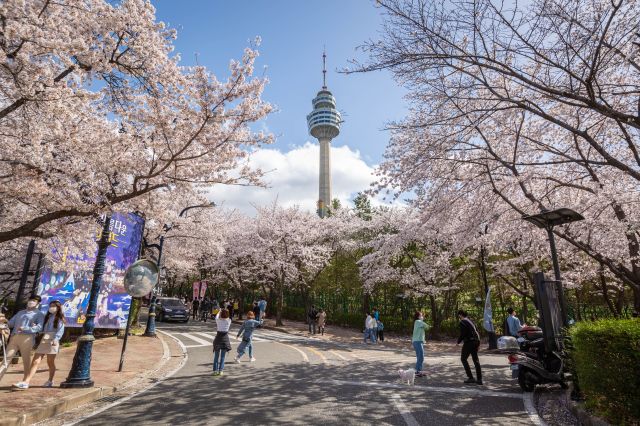
The best time to visit South Korea is during spring (March to May) and autumn (September to November), when you’ll find clear skies and mild temperatures. Spring also brings cherry blossoms that sweep up from Jeju and Busan to Seoul. Autumn – especially October – offers crisp weather and red foliage that frame hanok villages. Summers, on the other hand, are hot, humid and rainy, while temperatures drop below freezing in winter.
Want to see more stories from International Traveller in your Google search results?
- Click here to set International Traveller as a preferred source.
- Tick the box next to "International Traveller". That's it.