Few destinations master the art of juxtaposition quite like Seoul.
South Korea’s capital maintains elements of its 600-year-old Joseon Dynasty history even as it’s become a hyper-modern metropolis. Here, you can watch the changing of the guard at a former royal palace and wander historic hanok villages preserved from the Joseon era – all before grabbing coffee at a robotic café or stepping into a Gentle Monster store filled with moving art installations.
When it comes to things to do in Seoul, putting together the pre-trip to-do list can be daunting. To help you ensure you make the most of your time, we’ve curated a list of the city’s very best experiences. You’ll get a taste of Korea’s rich past, as well as a feel for what it’s like to live like a local today. We’ve covered some of the most popular attractions, alongside a few lesser-known, yet locally loved, spots that deserve a spot on your South Korea itinerary. And if you’re looking for free activities or wondering what to do after dark, scroll to the bottom for dedicated lists to make planning even easier.
In short
If you only pick one of the best things to do in Seoul, make it a visit to Gwangjang Market. Here, you can sample a selection if local cuisine that will make it clear why this is one of the world’s great food cities.
1. Tour Gyeongbokgung Palace
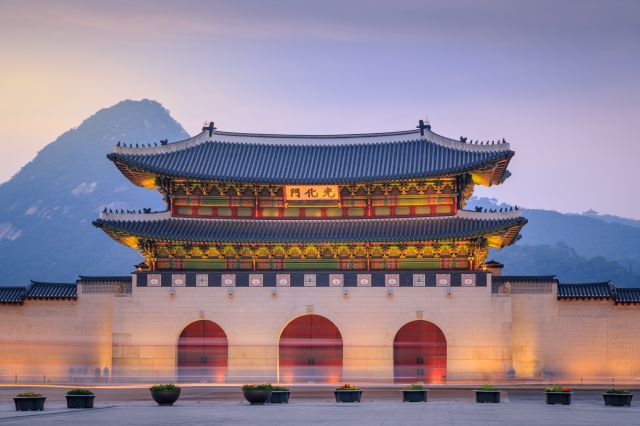
This former royal palace is one of the first landmarks to be established in Seoul (Credit: Getty)
Built in 1395, Gyeongbokgung Palace was the largest of Seoul’s five royal palaces. Today, you can see Geunjeongjeon, the throne hall, and Gyeonghoeru, a two-story pavilion that appears to float on a manmade pond. Plan your visit around the Royal Guard Changing Ceremony at 10am or 2pm. It runs for 20 minutes in the outer courtyard between Gwanghwamun and Heungnyemun gates.
2. Wander through Bukchon Hanok Village
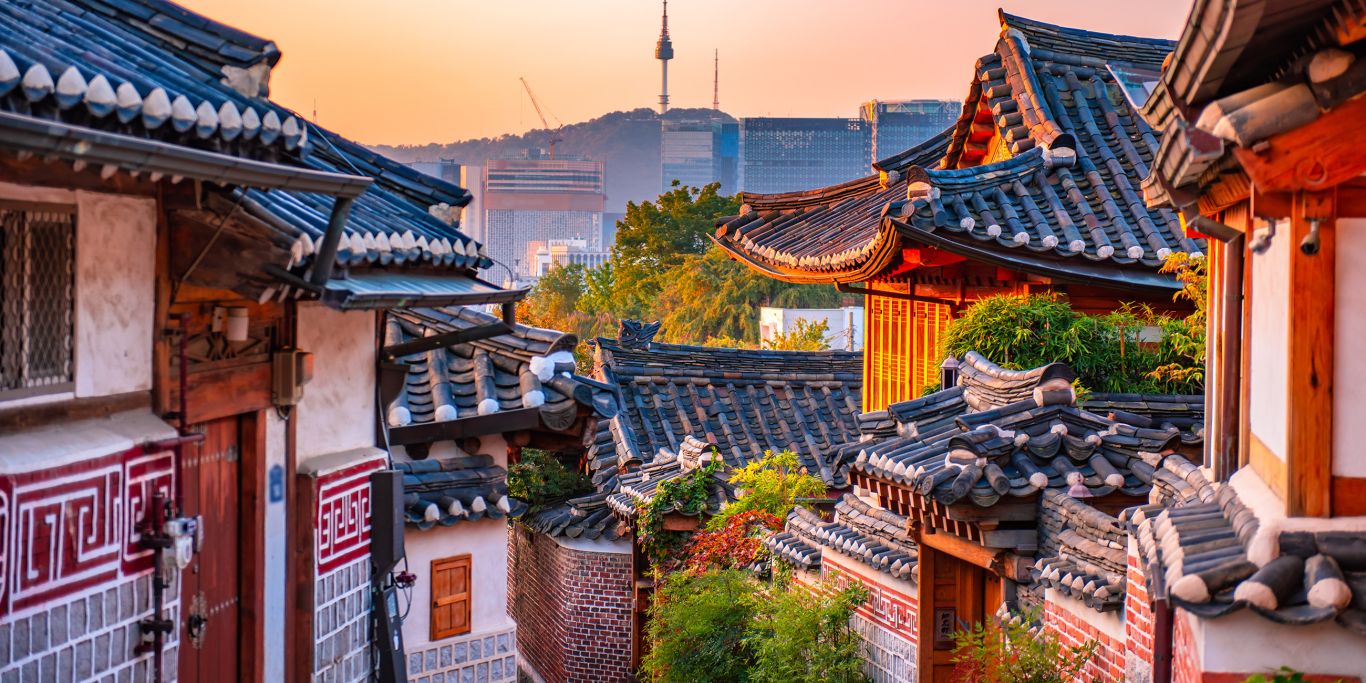
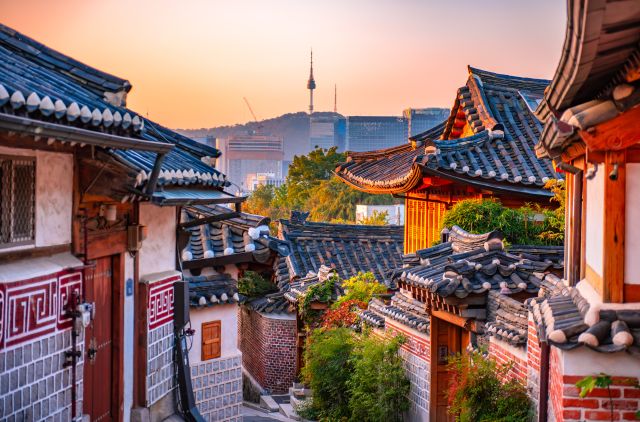
An afternoon wandering through Bukchon Hanok Village is one of the best ways to feel like you’re stepping back in time. (Credit: Getty)
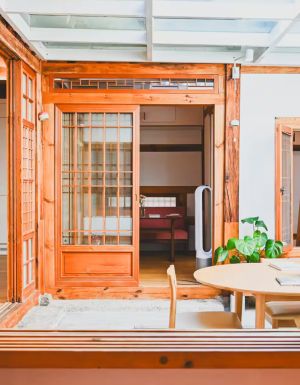
At Bukchon Hanok Village, you’ll find hundreds of hanoks dating back to the Joseon dynasty. They’re set on sloping alleyways so you can see traditional tiled roofs juxtaposed with Seoul’s skyscrapers in the distance. Wander the narrow streets, admiring the architecture, or pop into a restored hanok operating as a teahouse, restaurant or cultural centre. Staying in a hanok is one of the best accommodation options in Seoul, as it feels like you’re stepping back in time to the Seoul of a century ago.
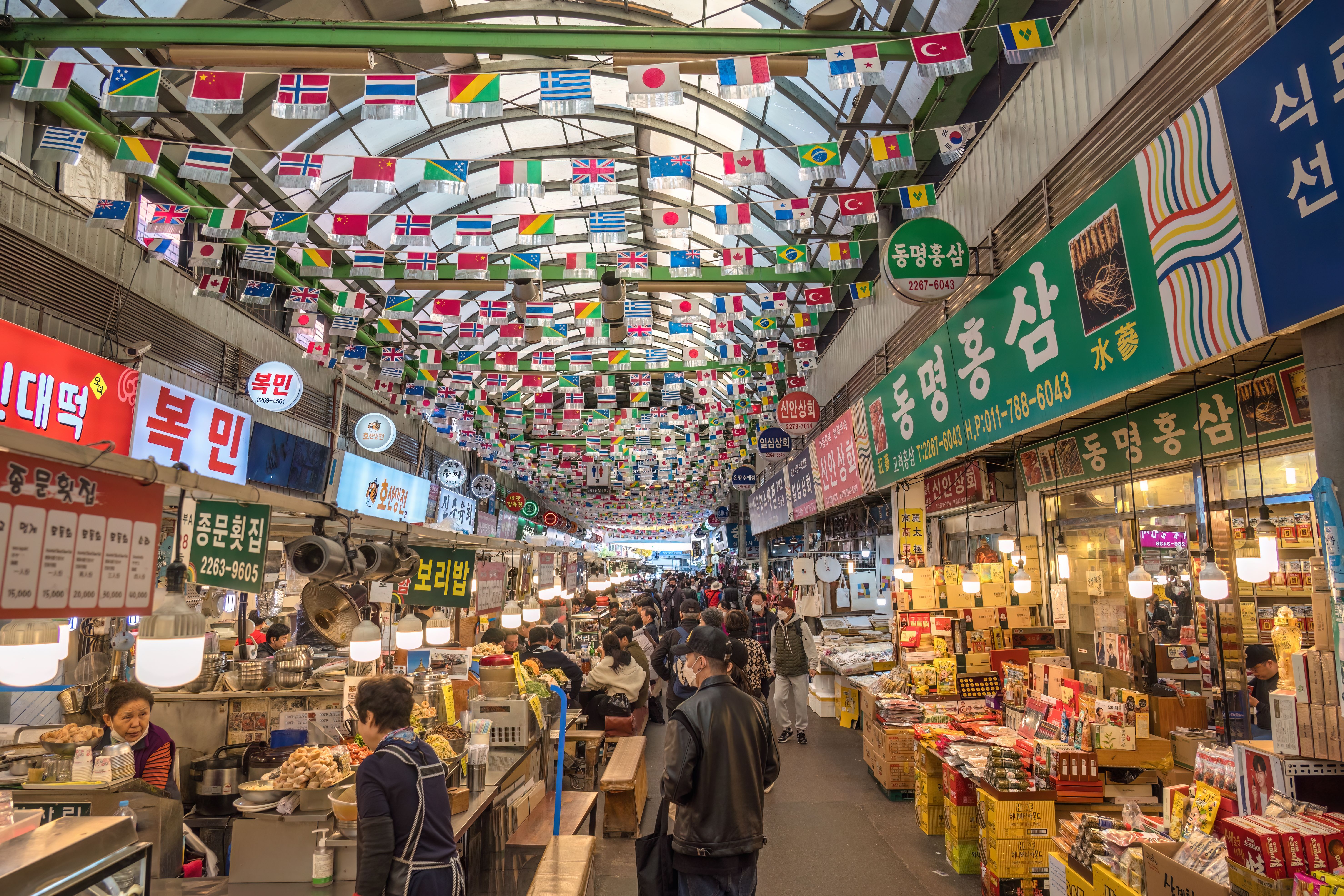
3. Sample street food at Gwangjang Market
Seoul's food scene is one of the best in the world, and this market gives a broad range to sample. (Credit: Getty)
What better way to spend a few hours than sampling local flavours? (Credit: Getty)
Bindaetteok (mung bean pancakes), yukhoe (raw beef tartare) and tteokbokki (chewy rice cakes) are a few savoury Korean street foods you can try at Gwangjang Market, open daily, morning ‘til night. Those with a sweet tooth will appreciate chapssal khwabaegi (deep-friend, twisted doughnuts), hotteok (fried sweet pancake) and tanghulu (sugar-coasted fruit skewers).
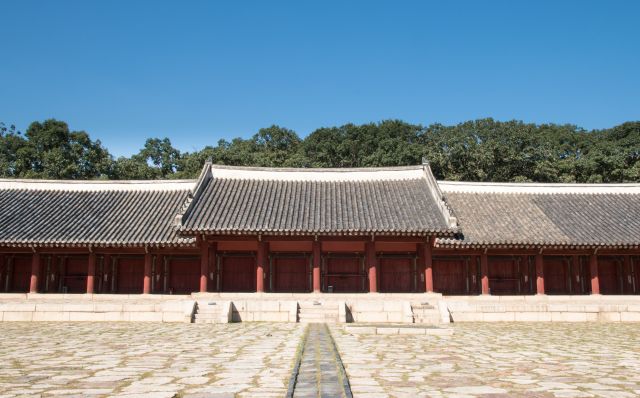
4. Walk through Jongmyo Square Park
Don’t skip this UNESCO World Heritage Site. (Credit: Getty)
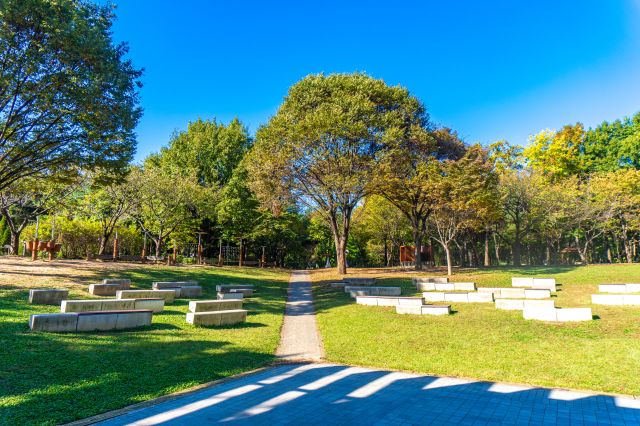
Jongmyo Square Park is a nearly 40,000-square-metre park in front of Jongmyo Shrine, the world’s oldest and best-preserved royal Confucian shrine and a UNESCO World Heritage site. When you want a break from Seoul’s frenzy, head here to stroll shaded paths, gaze at its ponds and watch local elders socialise.
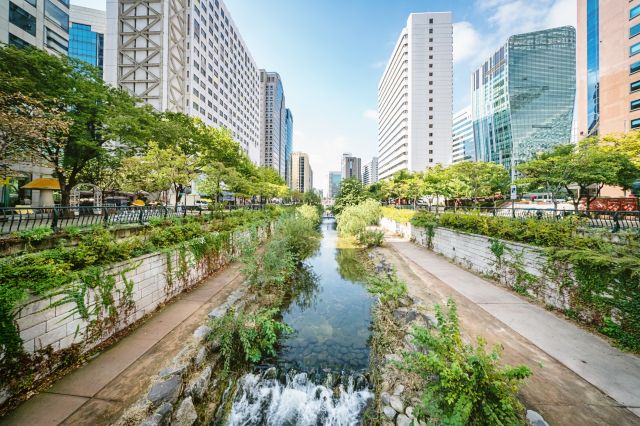
5. Walk along Cheonggyecheon Stream
Take a walk down the Cheonggyecheon Stream, which flows through the heart of Seoul. (Credit: Getty)
Cheonggyecheon is an 11km-long urban stream starting near Gwanghwamun and running all the way toward the Han River. You can walk along its sunken pathways by day or see it illuminated at night. Start at Cheonggye Plaza near the waterfall section to view the 20m-tall Spring sculpture. The stream also hosts major seasonal events, including the Lotus Lantern, Seoul Lantern and Seoul Christmas Festival.
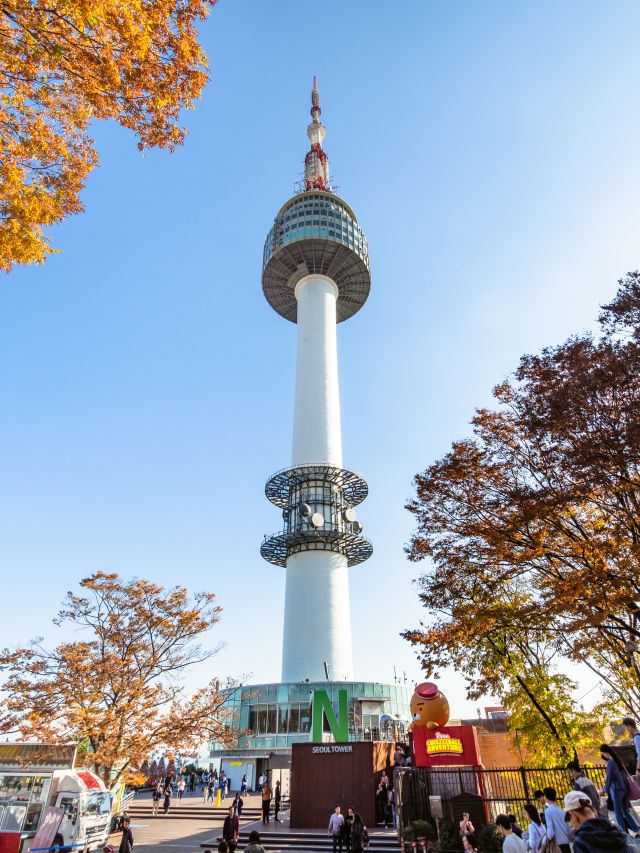
6. See the cityscape from N Seoul Tower
N Seoul Tower is a great way to take in views of the entire city at once. (Credit: Getty)
N Seoul Tower sits atop Namsan Mountain with views of the entire capital and its surrounding peaks. To reach the top, ride the Namsan Cable Car, board the Namsan Sunhwan shuttle bus from Myeongdong Station or tackle the paved walking trails up the mountain. At the summit, visit the observatory deck, dine at N Grill or attach a padlocked ‘love lock’ to the rooftop fences.
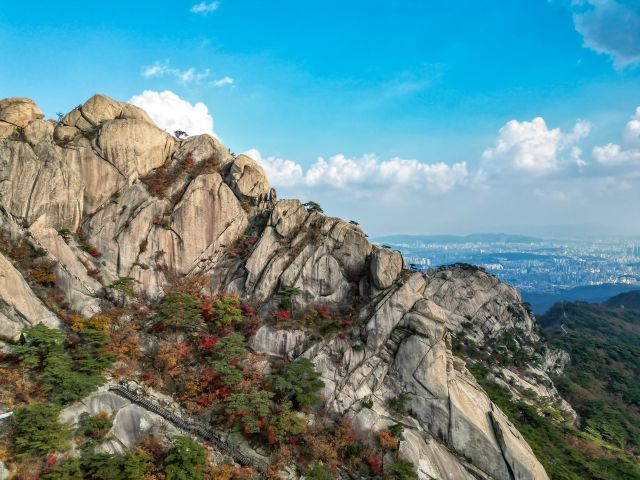
7. Hike in Bukhansan National Park
If a couple of days in the city has left you craving outdoor time, head to Bukhansan National Park. (Credit: Getty)
When you want to trade concrete for nature, head to Bukhansan National Park. Easily accessible by subway or local bus, it offers routes ranging from casual nature walks to steep technical climbs. The most popular trail is the one-way push to Baegundae Peak, the park’s highest summit. Starting from Bukhansanseong Park Information Center, the 3.4km trail takes roughly two hours and 40 minutes.
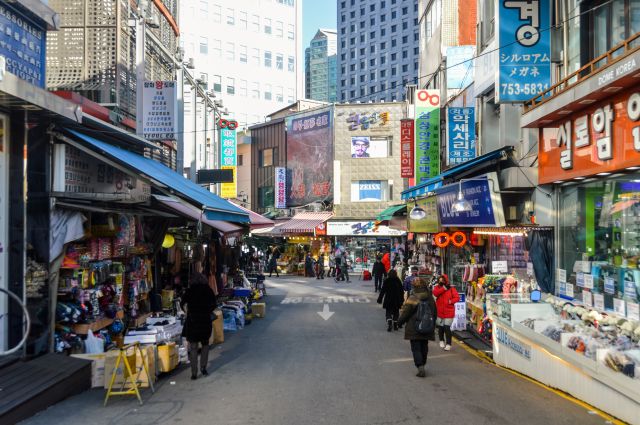
8. Shop at Namdaemun Market
As the largest traditional market, this is a fantastic place to uncover authentic souvenirs. (Credit: Getty)
Namdaemun Market is Korea’s largest traditional market, with many of the goods made by storeowners. Here, you can buy clothes, souvenirs and homewares from stores and stalls, some organised into dedicated alleys like Noodle Alley, Souvenir Street and Camera Street. The market’s free to enter and open every day except Sunday.
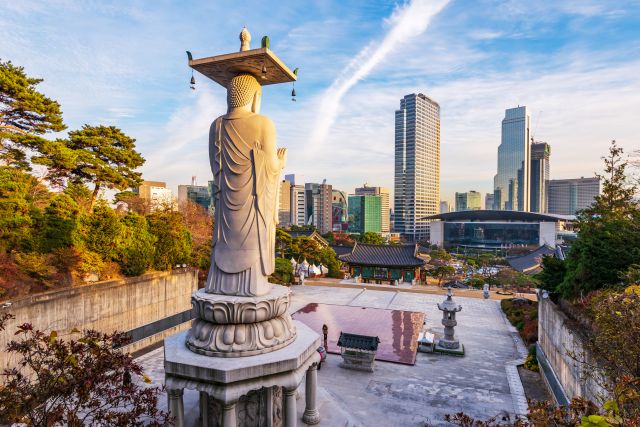
9. Relax at Bongeunsa Temple
This temple is one of the oldest in Seoul. (Credit: Getty)
Bongeunsa Temple in Gangnam is one of the oldest temples in Seoul, built in 794 near the Royal Tomb of King Seongjong before it was moved to its current location: across from COEX Mall. Free to enter, the grounds house 3,479 Buddhist scriptures, a 23-metre-tall Maitreya Budda statue and walking paths framed by skyscrapers in the distance.
10. Shop at Olive Young
K-beauty is a cornerstone of modern Korean culture, and Olive Young is a one-stop shop to experience the best of it. Similar to Australia’s MECCA, Olive Young stocks the country’s most beloved brands across 1400 stores. The largest is in N Seongsu, with five floors, while the Myeongdong Flagship and Gangnam Main branches are also standouts. Spin-off chain Olive Better focuses on wellness.
Weekly travel news, experiences insider tips, offers, and more.
11. Get a coffee at a themed café
With one of the highest concentrations of coffee shops in the world, Seoul’s café scene relies heavily on immersive, clever themes for differentiation. You can sip all kinds of caffeinated drinks in cafés themed like knitted clothes, underwater life and Peter Rabbit’s world. For avant-garde pastries, head to Nudake (by Gentle Monster), famous for its sculptural dessert and croissant-focused concepts.
12. Learn a K-pop dance
Belt out K-Pop hits in a private booth. (Credit: Getty)
Like K-beauty, K-pop has helped to put Korean culture on the global stage, and so experiencing it in the capital is a must. Book a private karaoke room to belt out current hits, or sign up for a beginner-friendly dance class with an English-speaking instructor via Klook. Many studios even film and edit a music video of your group doing the choreography for you to take home.
13. Smell the roses at Seoul Forest Park
With 420,000 trees, a walk through Forest Park feels like a breath of fresh air. (Credit: Getty)
The best time to visit Seoul Forest Park is during cherry blossom season when the pale pink flowers frame wide pathways, but the park has lots to enjoy year-round. A former water treatment facility, it was opened as a free-entry park in 2005. Today, it features a deer corral, a botanical garden and an estimated 420,000 trees.
Seoul FAQs
What are the best free things to do in Seoul?
Some of the best free things to do in Seoul include exploring Bukchon Hanok Village and Jogysea and Bongunsa Temple, walking through Seoul Forest Park and watching the Royal Guard Changing Ceremony at Gyeongbokgung Palace, though you’ll need to pay to enter it. You can also visit the National Museum of Korea for free and walk along Cheonggyecheon Stream and Myeongdong Shopping Street.
What are the best things to do in Seoul at night?
When the sun dips, Seoul shifts entirely. You can get a bird’s eye view of it from N Seoul Tower or immerse yourself in it in Hongdae, popping into cocktail lounge and indie music venues. If you want a late-night dinner, head to Gwangjang Market or an all-night Korean BBQ in Gangnam. Other options after-dark are to stroll Cheonggyecheon Stream, book a private room at a 24-hour karaoke spot and to shop at one of Dongaemun’s malls, open ‘til midnight.
What should you absolutely not miss in Seoul?
If it’s your first trip, prioritise Gyeongbokgung Palace to experience royal history, Bukchon Hanok Village to see classic architecture and N Seoul Tower for an understanding of Seoul’s sheer size. Don’t skip sampling street food at Gwangjang Market, shopping for K-beauty in Myeongdong or grabbing coffee at one of Seoul’s thousands of heavily themed cafés.
How many days do you need in Seoul?
Four to five days is the ideal amount of time to experience Seoul’s core highlights without rushing – though, if you’ve only got 10 days in South Korea, you might do a little less. This also gives you enough time to explore neighbourhoods like Seongsu, Hongdae and Gangnam at a relaxed pace, tackle a day hike or museum visit and dive into the city’s distinct food and drink culture.
Want to see more stories from International Traveller in your Google search results?
Tick the box next to "International Traveller". That's it.
Sangeeta is a Sydney-based freelance writer and content creator, with work published in leading publications including The Guardian, Gourmet Traveller, Escape, Delicious., ELLE, Time Out and The Sydney Morning Herald.
When she's not tapping away at her laptop, you'll find her planning picnics and dinner parties or partaking in Pilates. Clearly, she's also a big fan of alliterations.
Wellbeing means different things to different travellers. Here’s how to pick a hotel that gets it right for you.
The best wellness holidays aren’t necessarily spent wrapped in a spa robe. Sometimes they’re found around a dinner table in Cambodia, on a hiking trail in New Zealand or after finally beating jet lag on the other side of the world. The hotel you choose is what makes them happen.
1. Easy access to good food
Taste delicious meals at Novotel Bangkok Sukhumvit 20.
One of the quickest ways to derail healthy habits on holiday is to spend half of it working out where to eat instead of digging into the culture around you. Thankfully, Novotel has done much of the hard work already, with chefs building menus that lean into the flavours, ingredients and traditions of each destination.
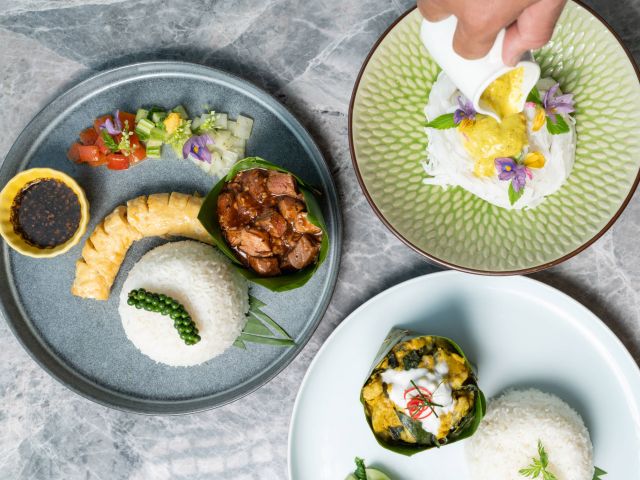
In Sihanoukville, Cambodia, Korkor soup – often dubbed ‘Cambodian ratatouille’ – sits alongside raw blue crab dressed with lime and chilli, best enjoyed with views across the Gulf of Thailand.
In the lovingly chaotic city of Bangkok, the presence of food cranks up the sociability. At Novotel Bangkok Sukhumvit 20, you can settle in with mango sticky rice and stranger-turned-friends beside the pool at Sky on 20 rooftop bar, or bring them along to tackle river prawns and stir-fried crab with holy basil at the buzzing Crab Paradise Dinner Buffet.
Then Novotel Dubai Al Barsha welcomes you with a laidback twist on the level of indulgence the Middle Eastern city is best known for up on Deck Se7en. Looking towards Burj Al Arab, the rooftop lounge has everything from Mediterranean-style dishes like seabass ceviche to Italian prosecco sundowners.
At the other end of the scale, in the hills that surround the Novotel Bali Ubud Resort, calm comes from nature. At Siralada restaurant, Balinese traditions shape the menu while thunder rumbles over the surrounding jungle – proving the setting is as nourishing as the food itself.
While at Novotel Nha Trang, chef Kieu Thi My Hanh and her team showcase Vietnam’s knack for balancing freshness, texture and fragrant herbs. Pho remains a favourite, while seafood salad with pomelo and mango brings those flavours together in one bright dish.
It’s all an approach backed by partnerships with expert food creators such as Alfie Steiner, whose plant-forward recipes prove healthy food should never taste plain.
2. Better sleep options
Sleep deeply with Novotel.
There are few travel experiences more disappointing than arriving in a new country, determined to seize the day, only to fall asleep fully clothed by 3pm.
For Australian travellers, jet lag is often an unavoidable part of the journey. That’s one reason Novotel runs sleep-focused initiatives that help guests adjust quickly without compromising on health. We’re talking partnerships with Sydney-based sleep specialist Olivia Arezzolo, known for her advice on everything from better sleep habits to beating jet lag, alongside features like pillow menus, in-room yoga content and tailored sleep guidance.
The sooner you’re operating on local time, the sooner you can get back to more pressing matters – like deciding which spa treatment to book.
3. More ways to move
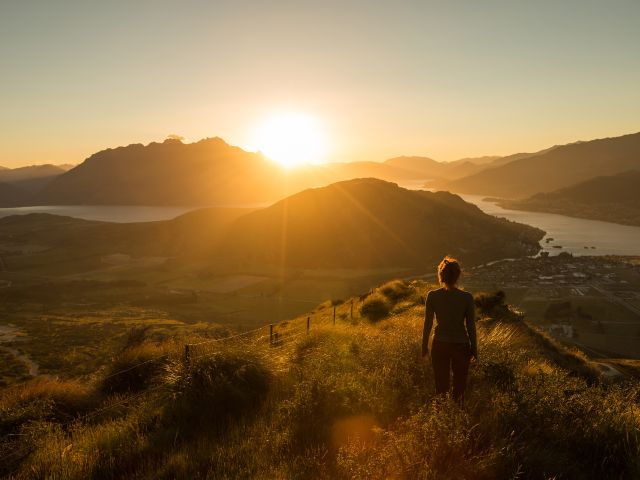
Stay at Novotel Queenstown Lakeside and explore local hiking trails. (Credit: GettyI mages/ naruedom)
Every place in the world has its own way of getting you moving: whether that’s hiking up ice-bitten mountains before a sauna or gentle stretching by the pool before a facial. From fitness centres to spas, Novotel recognises that wellbeing rarely looks the same.
At Novotel Queenstown Lakeside, activity is inescapable. Here, hiking trails, ski fields, bungee jumps, and white-water rafting have made the region famous. The hotel’s location on the shores of Lake Wakatipu means less time spent organising yourself and more time out there experiencing them. To top it all off, you can book a private hot tub for the evening before heading back into the wilderness tomorrow.
Bali, of course, takes a softer approach. At Novotel Bali Ubud Resort or Novotel Bali Nusa Dua, movement is less about conquering a mountain and more about a dance class between the tropical gardens and lagoon pools. Afterwards, the spa takes over, with traditional treatments like a Lulur body scrub: a combination of rice, turmeric, sandalwood, ginger and jasmine that’ll soothe muscles already relaxed by the Balinese heat.
4. Better connections
Kids will love a stay at Novotel Sharm El Sheikh.
One of the best things about travel is that it gives your family stories you’ll be telling for years. Novotel helps create them with activities that bring everyone together, whether that’s trying something new, learning a local skill, or simply spending more time together.
Go for a distinctly Thai twist at Novotel Phuket Vintage Park, where many of the family activities draw on local culture. Kids can try everything from beginner Thai boxing and language lessons to umbrella painting and – a pastime beloved by children the world over – pool foam parties. Everyone is welcome to join in, whether that’s getting splashed, covered in paint, or simply watching their children discover a new side of Thailand during the dedicated Family & Kids Day.
A different adventure awaits at Novotel Sharm El Sheikh. Kids could be perfectly content with discos, drawing classes and new holiday friends, but the Red Sea has other ideas. Sitting on the edge of Naama Bay, days here might involve snorkelling colourful reefs, taking a boat trip to Ras Mohammed National Park or heading into the desert by quad bike or camel for a Bedouin-style dinner beneath the stars.
Everyone’s idea of wellness looks a little different. With more than 600 hotels across 65 countries, Novotel gives guests the freedom to choose the destination that suits them best. Whether that’s a beachside escape in Phuket, an alpine expedition in Queenstown or a city break in Bangkok, there’s a good chance a Novotel isn’t far away.
All that’s left? Choosing your version of wellbeing.