Forage beyond the city’s culinary charms and retail meccas to discover the items you may be missing from your Hong Kong itinerary.
Dabbing perspiration off my brows, seemingly endless concrete flooding my sight, I couldn’t love Hong Kong more.
A tightly packed treasure box of go-all-day dining and entertainment, China’s notoriously steamy city has me combing alleys and laneways in search of undiscovered jewels (literally, as jade jewellery is a quintessential Hong Kong souvenir). Even better, there’s an entirely separate side to the city beyond Victoria Harbour where short commutes unleash island life and access to Hong Kong Disneyland.
As a visitor with multigenerational family ties who’s experienced it all, my list of the best things to do in Hong Kong will get you on your way.
In short
If you only do one of the best things in Hong Kong, make it a visit to the Temple Street Night Market for its intoxicating street vendor vibrance and colourful crowds. The clincher? Everything, including all the traditional and international food, is cheap.
The best things to do in Hong Kong
1. Overindulge in Hong Kong’s famous milk tea
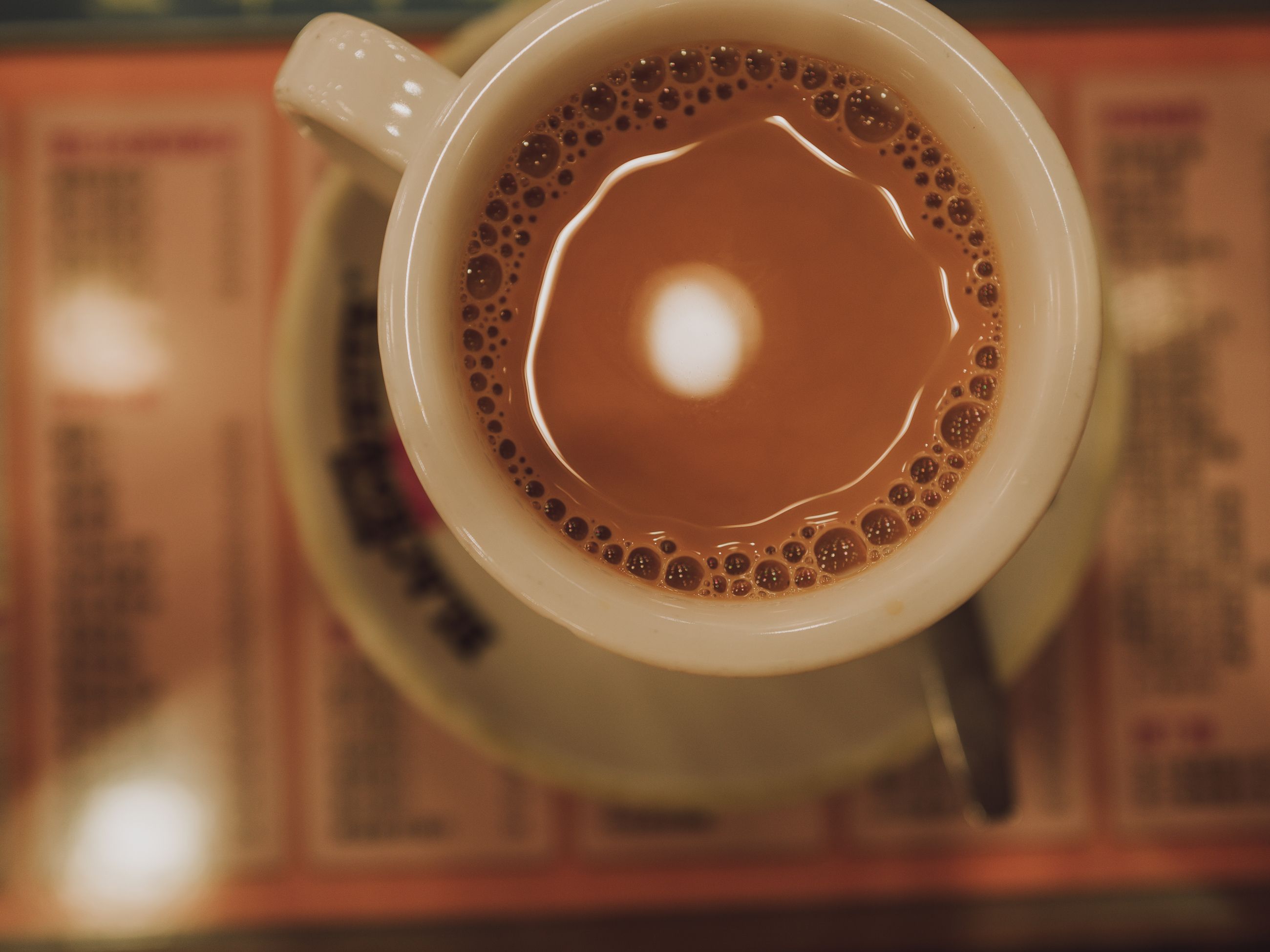
Sip on the Hong Kong-style milk tea for breakfast at Kam Wah Cafe. (Credit: Getty/redonion1515)
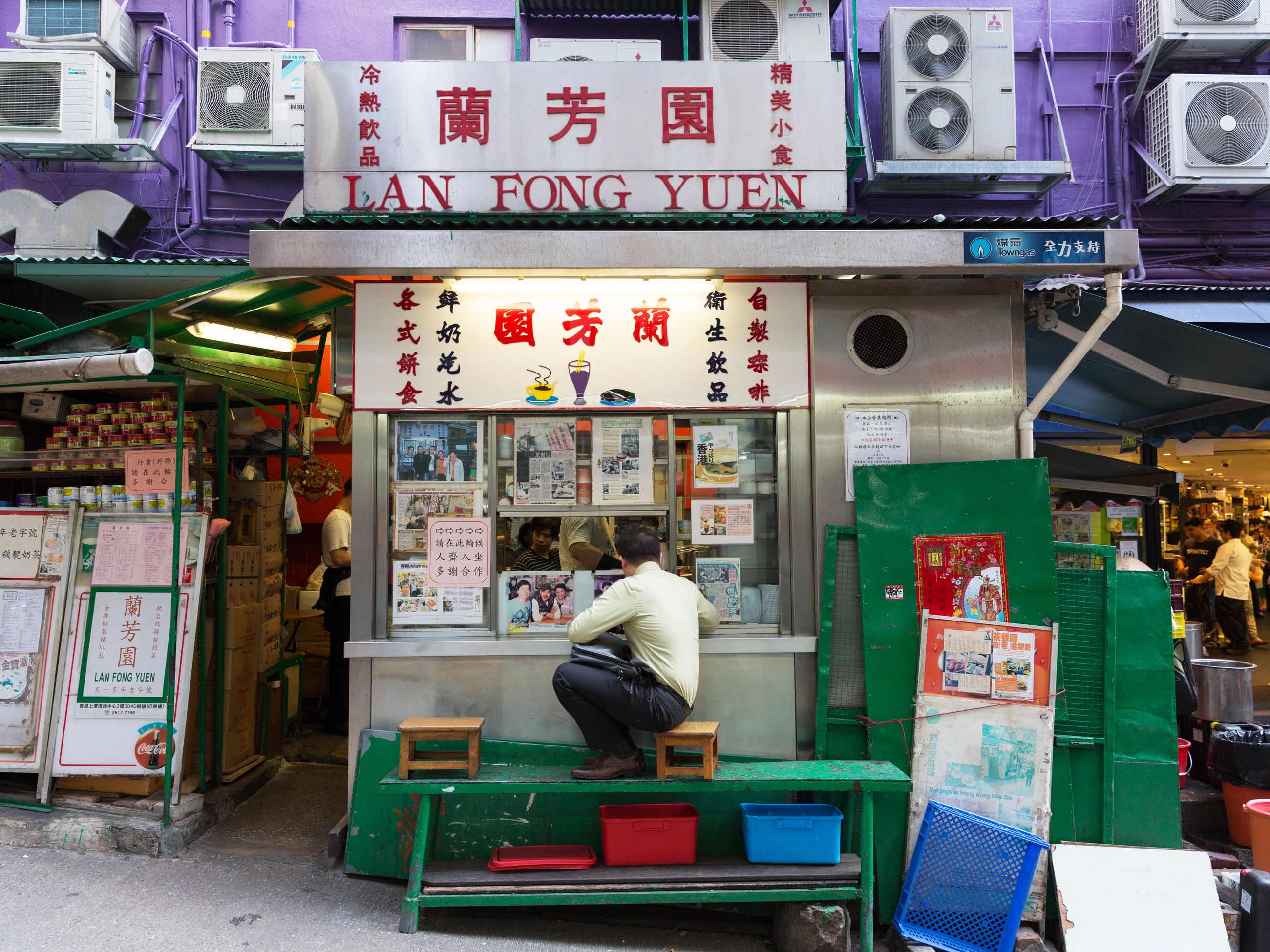
The unassuming Lan Fong Yuen on Gage Street in Central. (Credit: Getty/winhorse)
Hong Kong’s har gow (prawn dumpling) and milk tea run a tight race to my heart but gripping a cup of the latter while wandering the city’s narrow streets is one of my fondest holiday memories. Incorporating canned evaporated milk with several types of ground tea, as influenced by Hong Kong’s British colonial roots, before meticulously brewing, Hong Kong’s milk tea is like Vietnam’s iced coffee — a daily ritual steeped in storytelling. The unassuming (albeit rarely queue-free) Lan Fong Yuen on Gage Street in Central is an intuition, opened in 1952 and famed for its “silk stocking" creation that uses a brown-tinged cloth bag to strain leaves. Mong Kok’s Kam Wah Cafe is also popular for its super creamy concoctions. Expect to pay roughly $6 to $7 AUD per cup.
2. Release your inner child at Hong Kong Disneyland
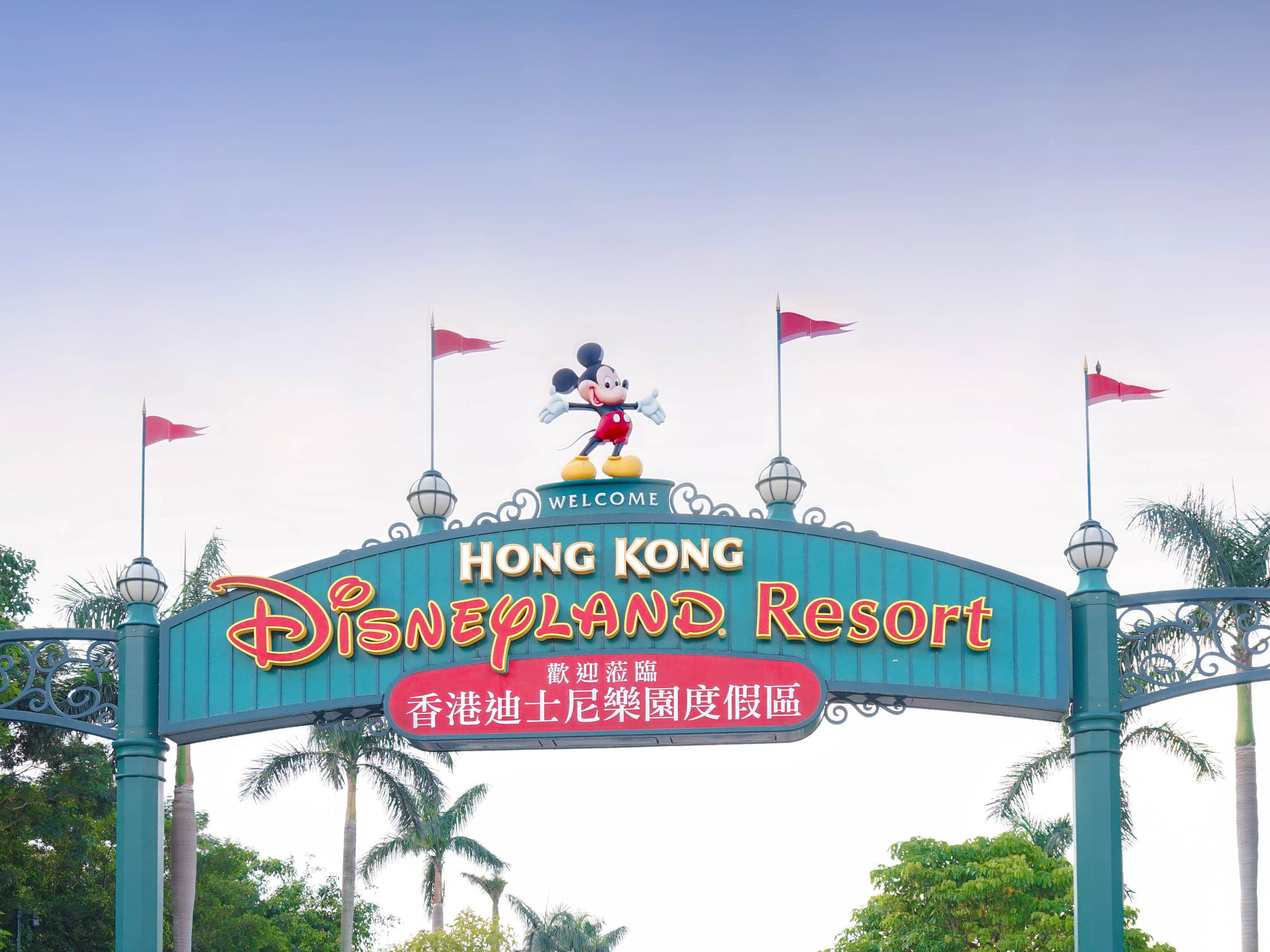
Relive your childhood at Hong Kong Disneyland. (Credit: Getty/EnchantedFairy)
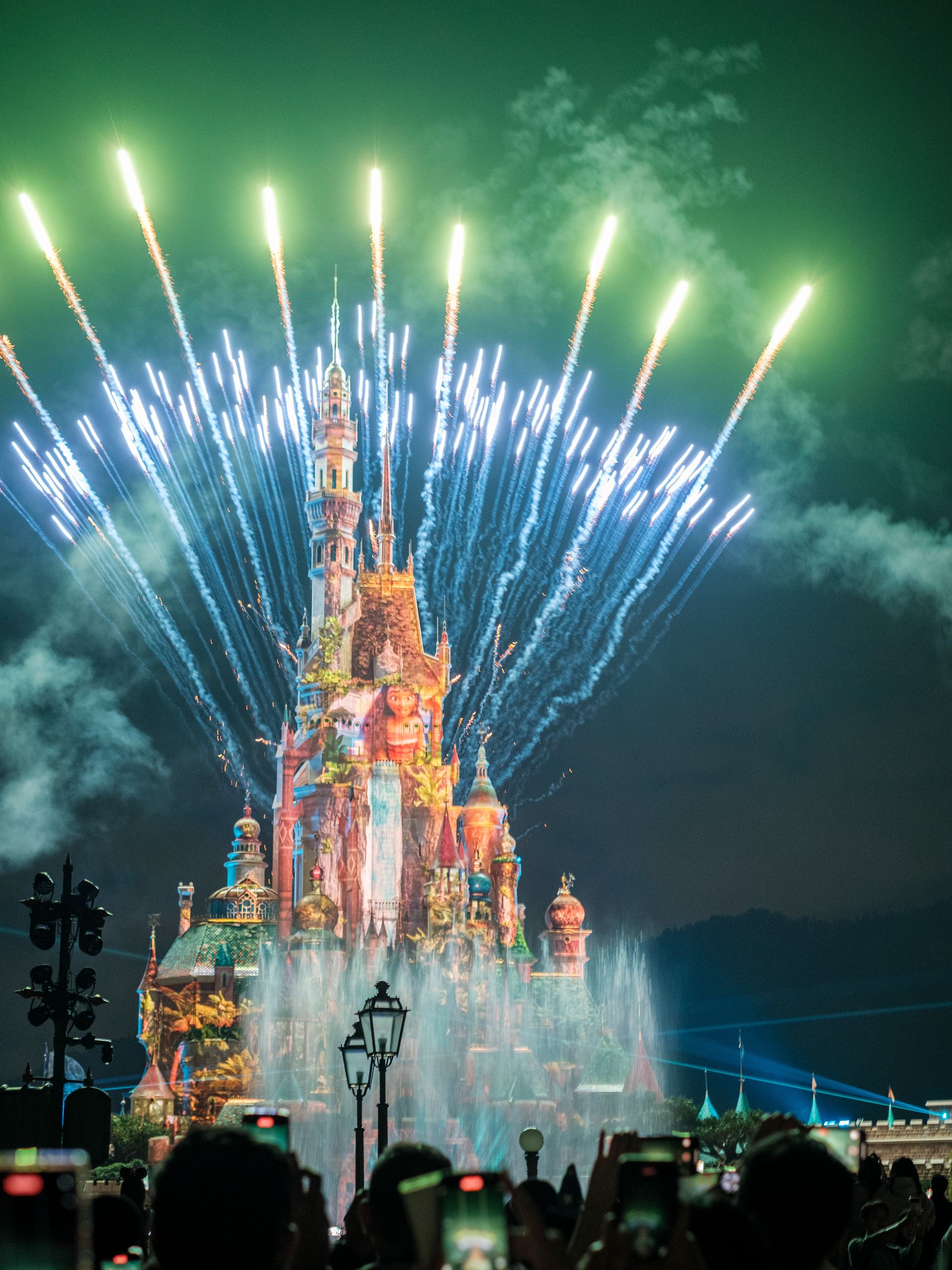
Fireworks light up the sky at the Castle of Magical Dreams. (Credit: Getty/Chris Bucanac)
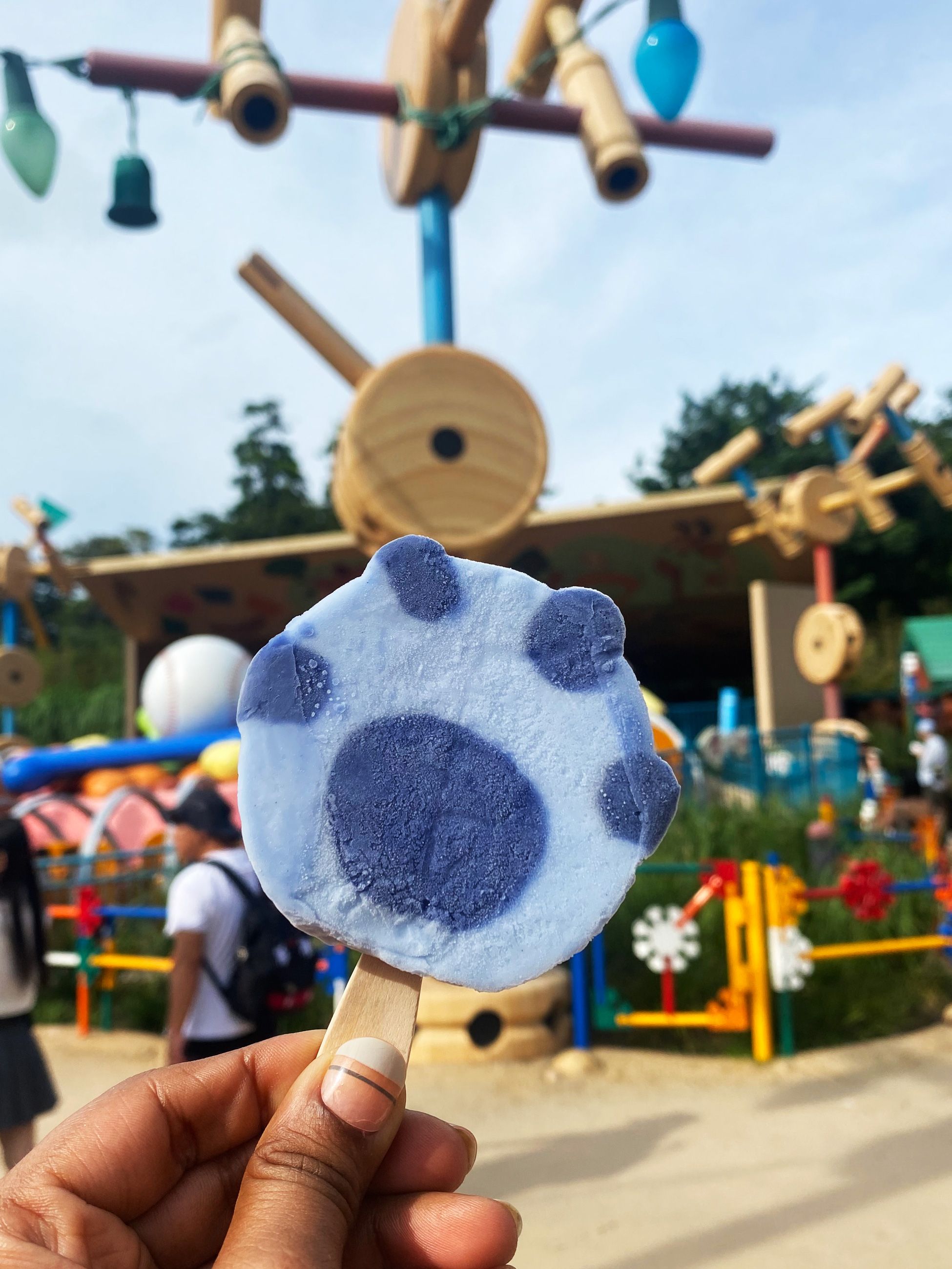
A sorbet stick shaped like Stitch paw at Hong Kong Disneyland. (Credit: Getty/gsnair88)
The pink MTR (Hong Kong’s transit system) line punctuated with a Mickey Mouse symbol is yet another Hong Kong memory etched on my brain, as are the Mickey-shaped grab handles and windows that roll guests into Hong Kong Disneyland. Exploring the theme park is a magical experience across the northern hemisphere, but the Hong Kong location offers one of the few ‘World of Frozen’ lands (don’t miss the Northern Delights cafe’s electric blue “Coronation Sundae"), plus a smaller overall size so walking from end-to-end is easy. Tickets start from about $110 per adult, and the MTR takes you straight to Disneyland Resort Station on Lantau Island. Opening hours typically start from 10:30am and close at 8:00pm.
3. Have your fortune told at Wong Tai Sin Temple
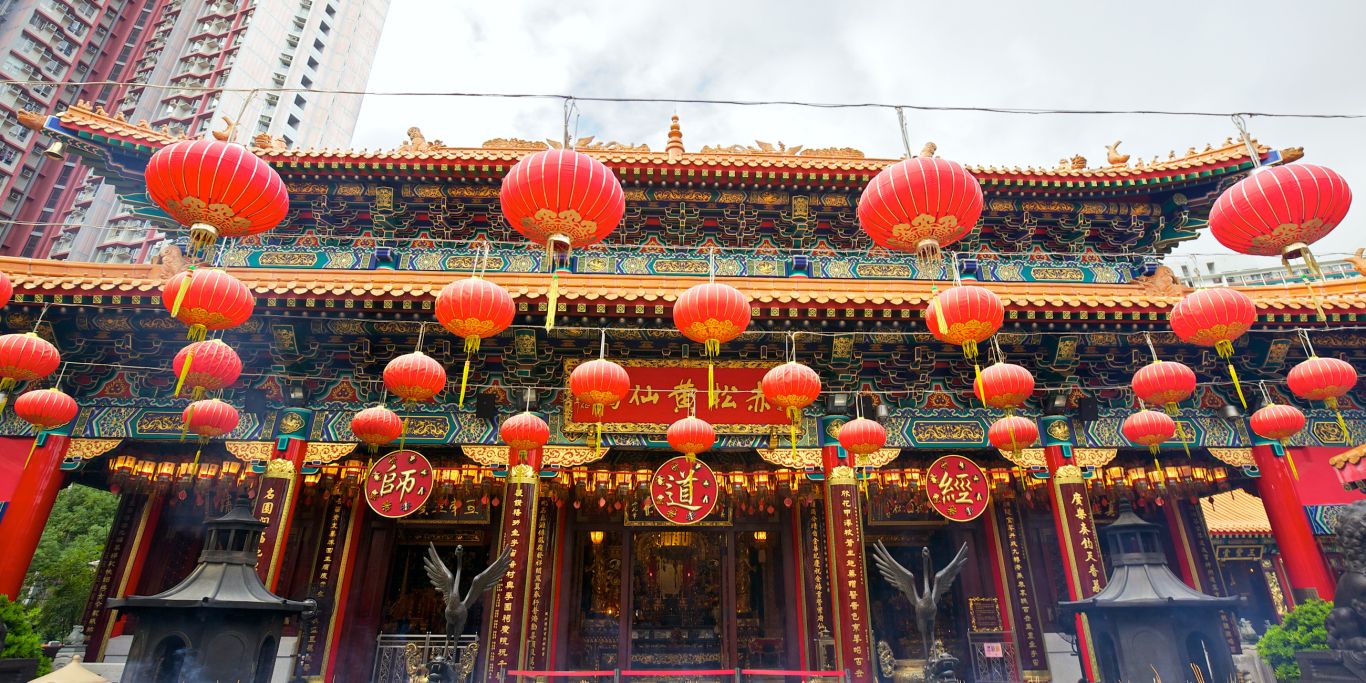
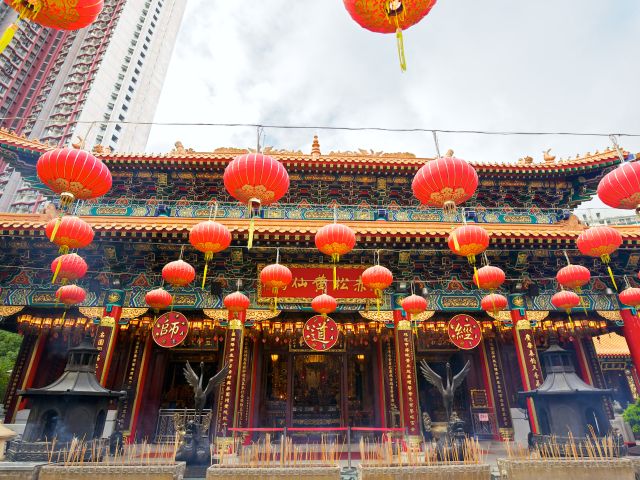
Make a wish at the Taoist shrine dedicated to Wong Tai Sin, famously known as the God of Healing. (Credit: Getty/dibrova)
Wong Tai Sin Temple, which worships a Chinese folk god through a blend of Taoist, Buddhist and Confucian traditions, envelopes you in Hong Kong’s cultural heritage. But while its ornate architecture and strung lanterns immediately delight the eyes, I love the fortune telling led by equally colourful personalities. You’ll shake a bamboo cylinder to uncover your divine stick, and whether you’re a believer or not, it’s a barrel of fun. Make sure you buy some incense upon entry to give thanks at various alters while sending a wish to the spiritual powers above. Entry is free and guests with access needs are welcome with ramps and accessible facilities located on-site. It’s open from 7:30am to 4:30pm daily.
4. Soak up old and new culture simultaneously at Tai Kwun
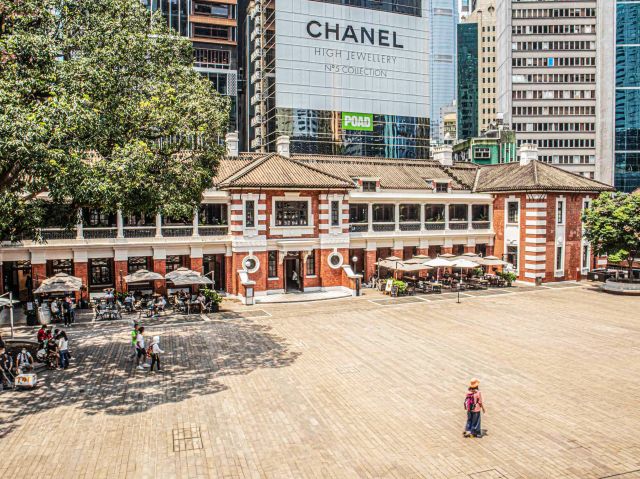
Find high-end retail boutiques at Tai Kwun. (Credit: Unsplash/Timmy Wong)
Taking the bones of a former police station and prison, and turning it into a buzzing contemporary arts hub, Tai Kwun offers such a vivid reflection of the city’s evolution. Located at 10 Hollywood Road in Central, it clusters retail boutiques, restaurants, art galleries and performance spaces to spark fresh interest in heritage traditions. Entry is free and it’s open daily from 8:00am to 11:00pm.
5. Score cheap eats at Temple Street Night Market
Stroll along the street food stalls. (Credit: Getty/Jaclyne Ortiz)
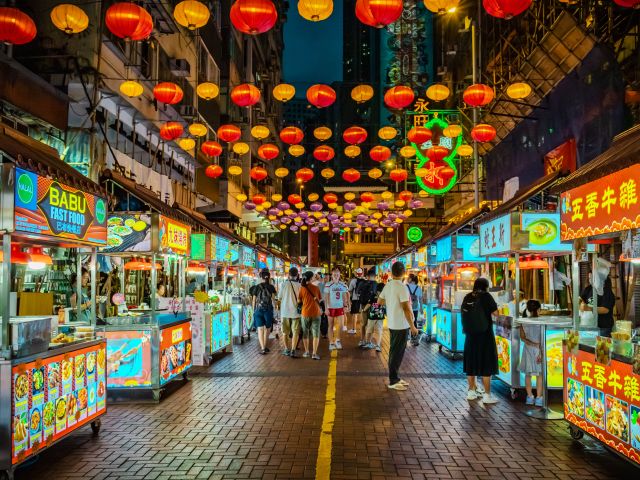
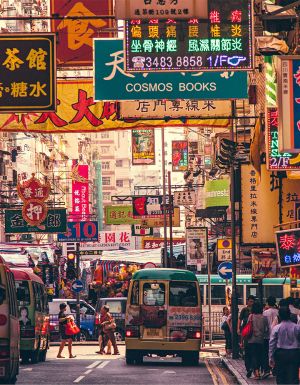
Bright lights, sizzling hot plates, sweaty crowds — Temple Street Night Market is one of my favourite things to experience in Hong Kong. Comb mum-and-dad food vendors, especially the ones layering flavour bombs over fresh seafood, vintage clothing racks, tables filled with electronics, arts and crafts, and so much more as dusk settles and a sea of neon radiance leads the way. It’s located in Kowloon between Jordan and Yau Ma Tei MTR stations, and opens from 2:00pm to 11:00pm daily. Embracing Hong Kong’s late-night dining habits? Some food vendors stick around until midnight.
6. Snap a selfie with Lantau Island’s Big Buddha
The Big Buddha statue stands 34 metres tall. (Credit: Getty/ tanukiphoto)
It looks more stunning during the golden hour. (Credit: Getty/CHUNYIP WONG)
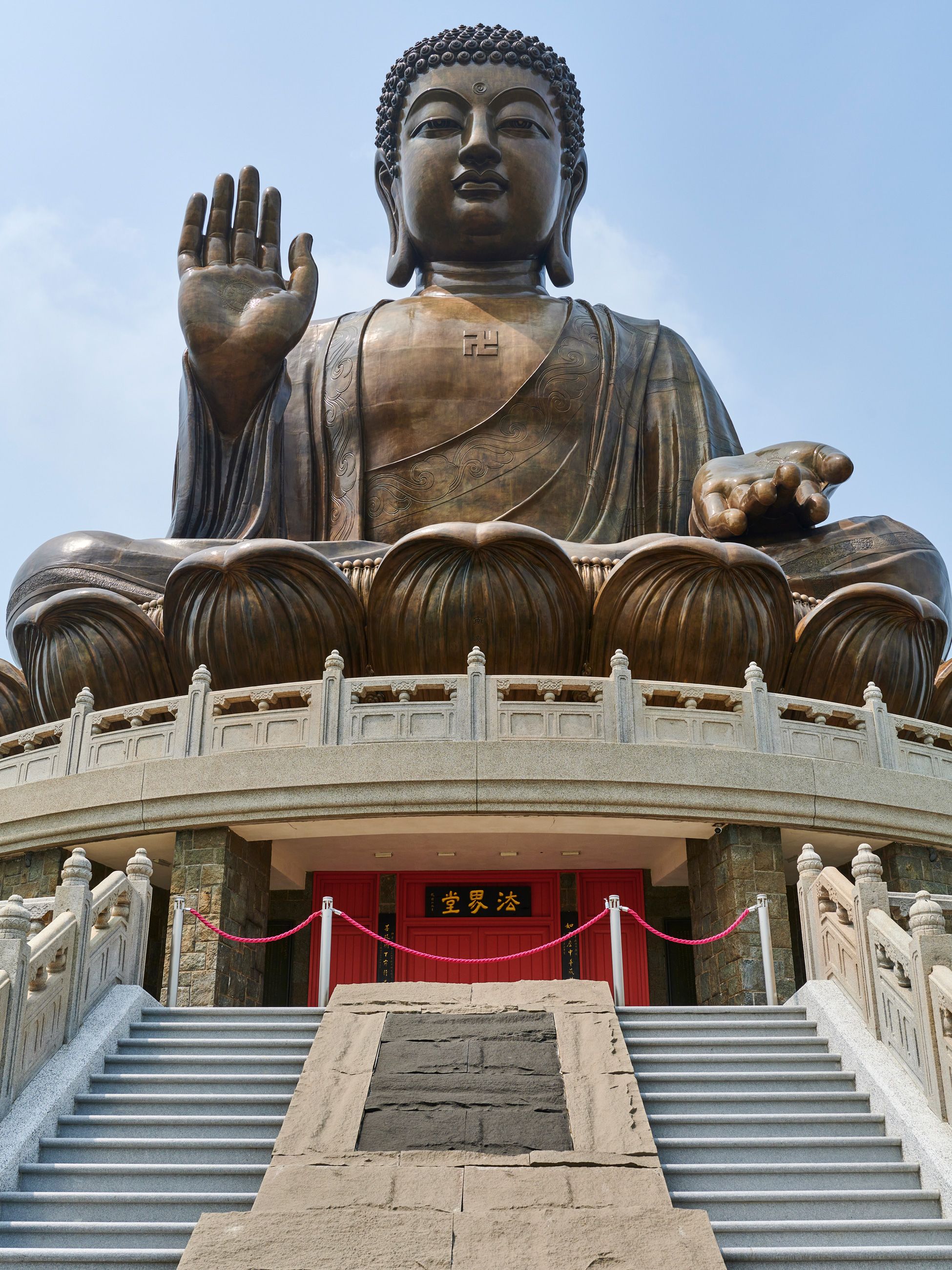
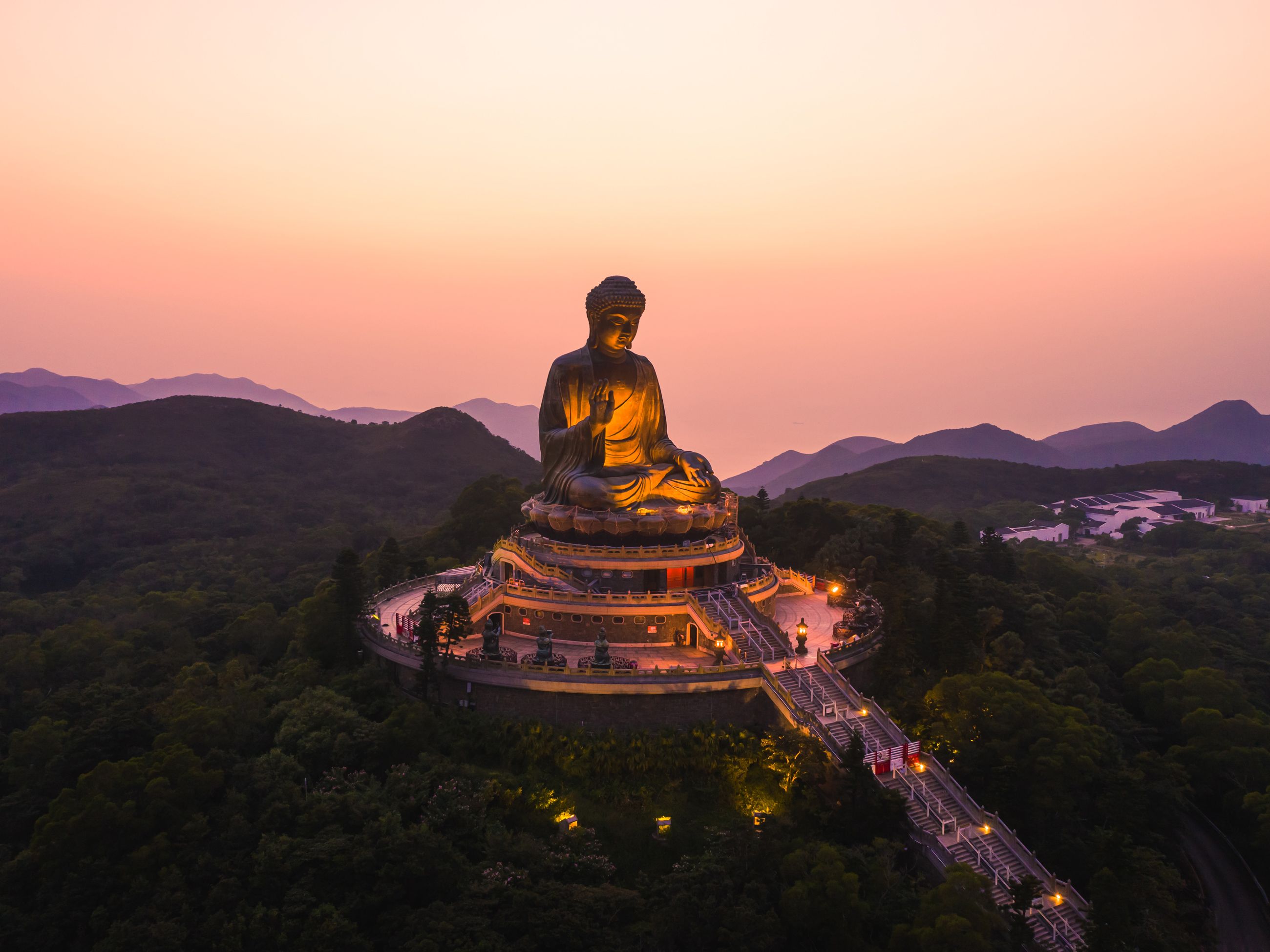
Another well-trodden thing to do in Hong Kong, Lantau Island must be ticked off the to-do list at least once. Having said that, spying the 34-metre tall bronze Big Buddha statue in person never gets old, and neither does the Ngong Ping 360 cable car that soars guests over Tung Chung Bay for views out to the South China Sea. While you’re on the island, check out Tai O, Hong Kong’s oldest operational fishing village where stilt houses float above tidal flats. You can also hop on a ferry to Lantau Island from Central Pier 6, which is accessible via the MTR.
7. Find laid-back boho vibes on the car-free Lamma Island
Lamma Island is the gateway to Hong Kong’s historical seaside culture. (Credit: Getty/Chris Bucanac)
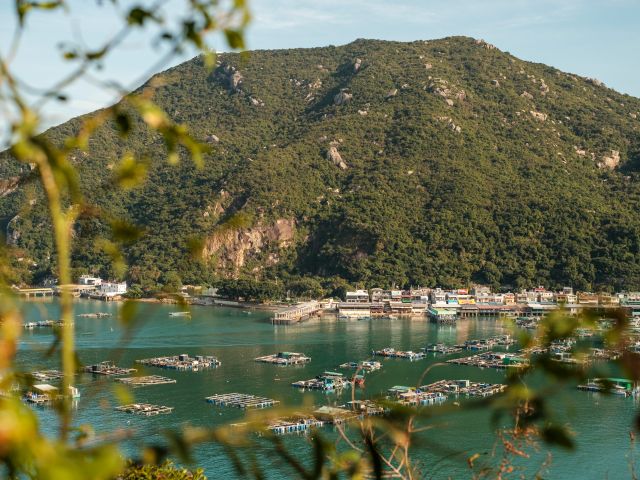
A half-hour ferry ride from Central Ferry Pier 4, Lamma Island shines a light on Hong Kong’s historical seaside culture. Once a collective of tiny fishing villages, the city has managed to keep this gorgeous portal into the past alive through initiatives like the Lamma Fisherfolk’s Village full of dragon boats and fishing tools of the ancient angling trade. Speaking of which, you’re welcome to drop your own line in without a local licence, too. I love how the island is car-free, reducing human-charged air pollution dramatically, while the 30-metre-deep Kamikaze Cave, which stems from strategic World War II tactics, is just extraordinary.
Weekly travel news, experiences insider tips, offers, and more.
8. Feast on dim sum at the best eateries
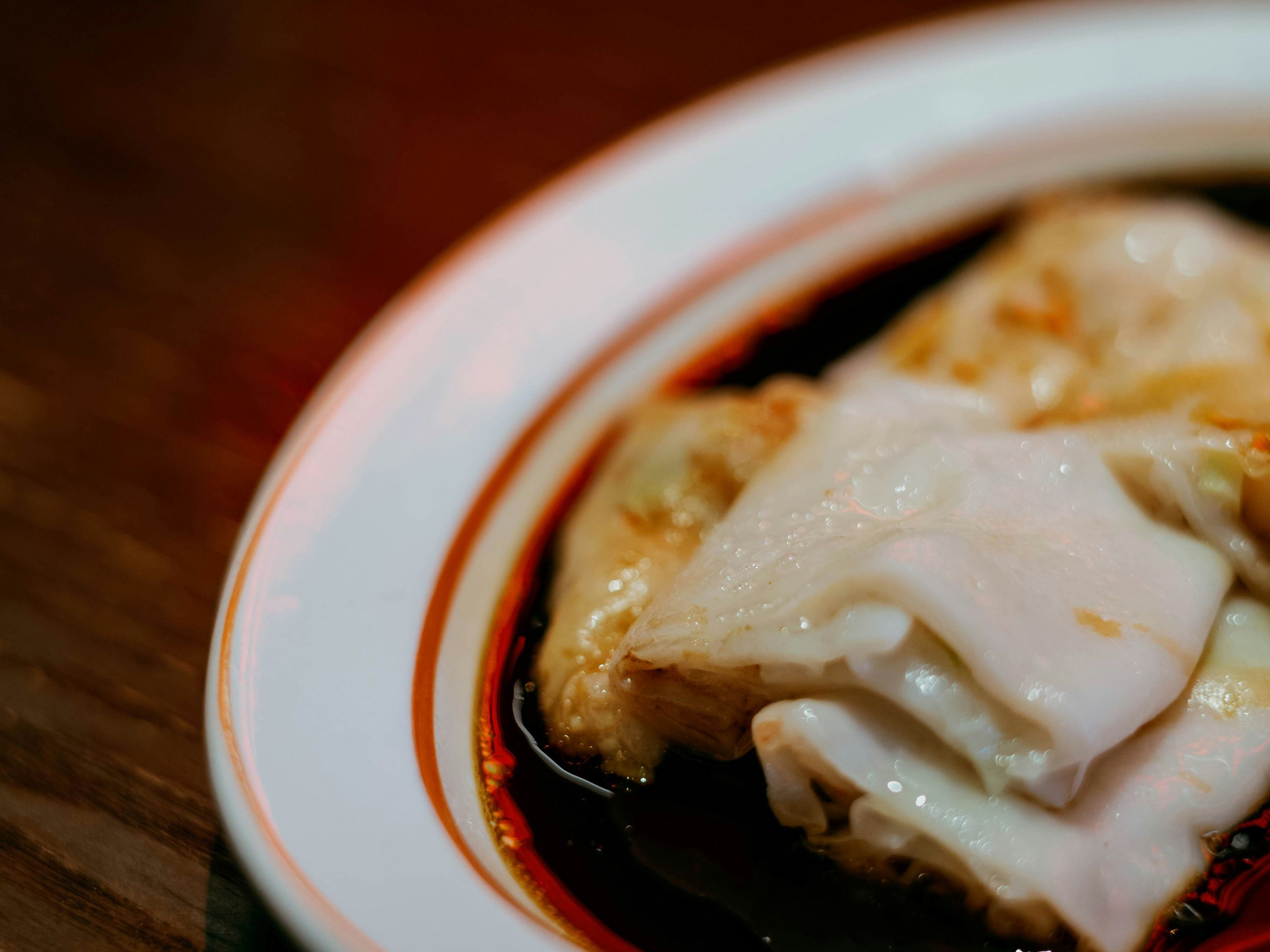
Cheung fun or steamed rice noodle rolls are served in a sweet soy sauce. (Credit: Unsplash/Tommao Wang)
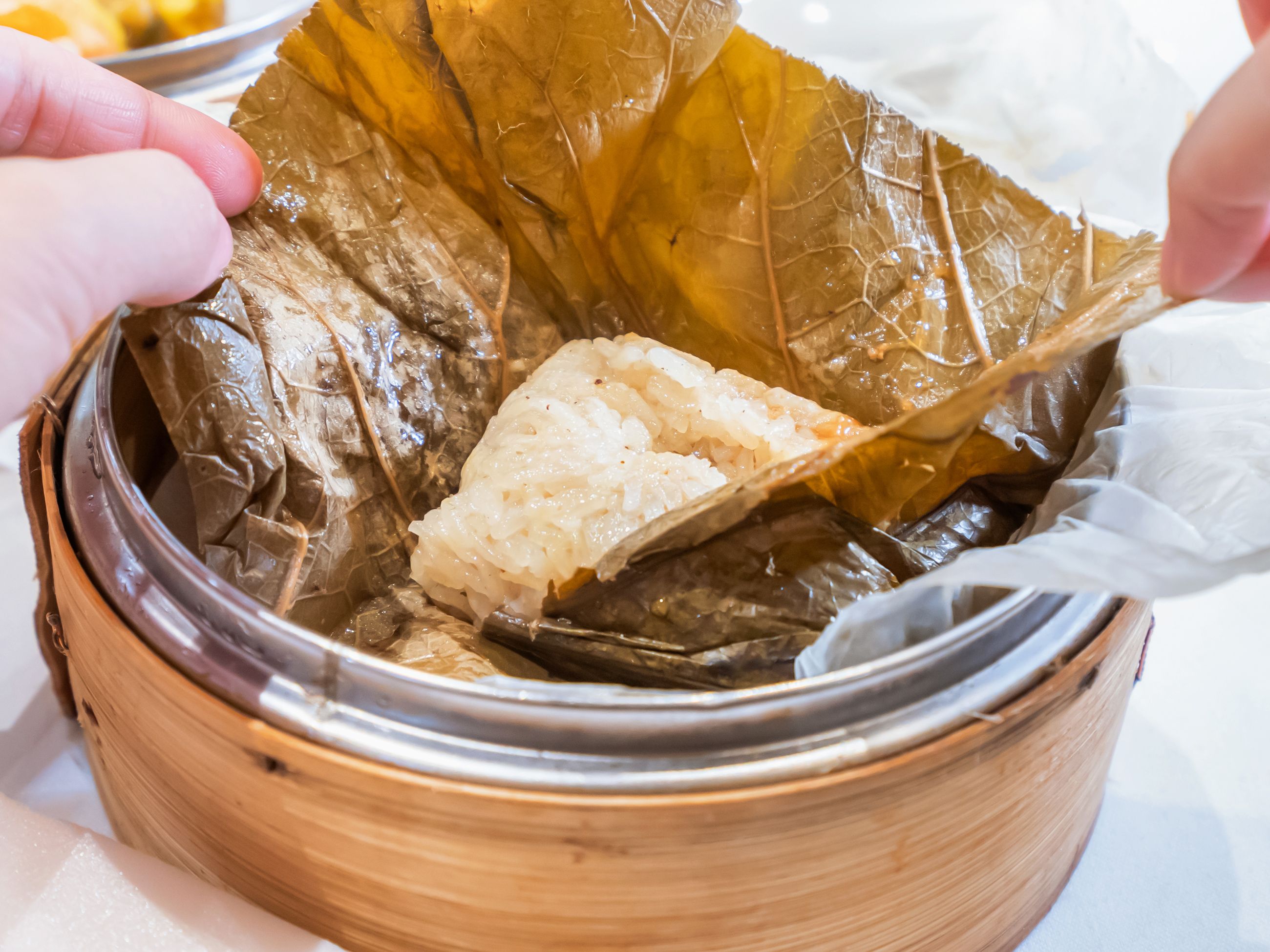
Lo Mai Gai is made of seasoned glutinous rice wrapped and steamed inside a lotus leaf. (Credit: Getty/insjoy)
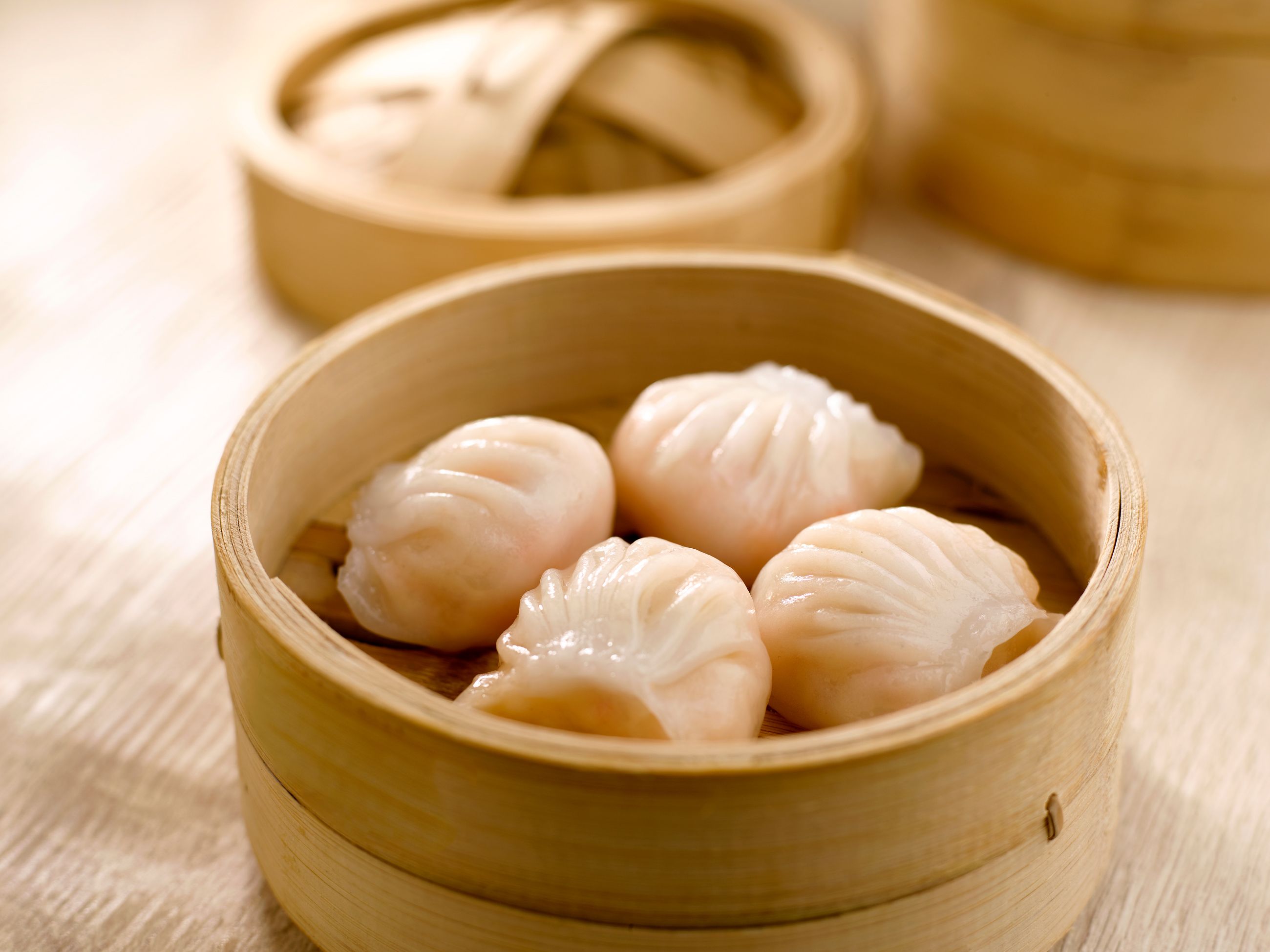
Don't miss the steamed prawn dumplings or Ha Kau. (Credit: Getty/Waqar Hussain)
Arguably my favourite part of Hong Kong is a more-is-more yum cha session, where Cantonese cuisine is relentlessly impressive no matter which neighbourhood you’re exploring. Standouts in my experience have been the Tao Heung Tea House in Kowloon, which was absolutely packed when I visited, for traditional dim sum spanning char siu bao (pork bun), Cheung fun (rice noodle roll), lo mai gai (sticky rice in lotus leaf) and all the steamed dumplings imaginable. Tim Ho Wan is also a great chain around the city, but for a comprehensive sweep of the land, check out our guide to the best places to eat and drink.
9. Flex your plastics in Mong Kok’s malls and boutiques
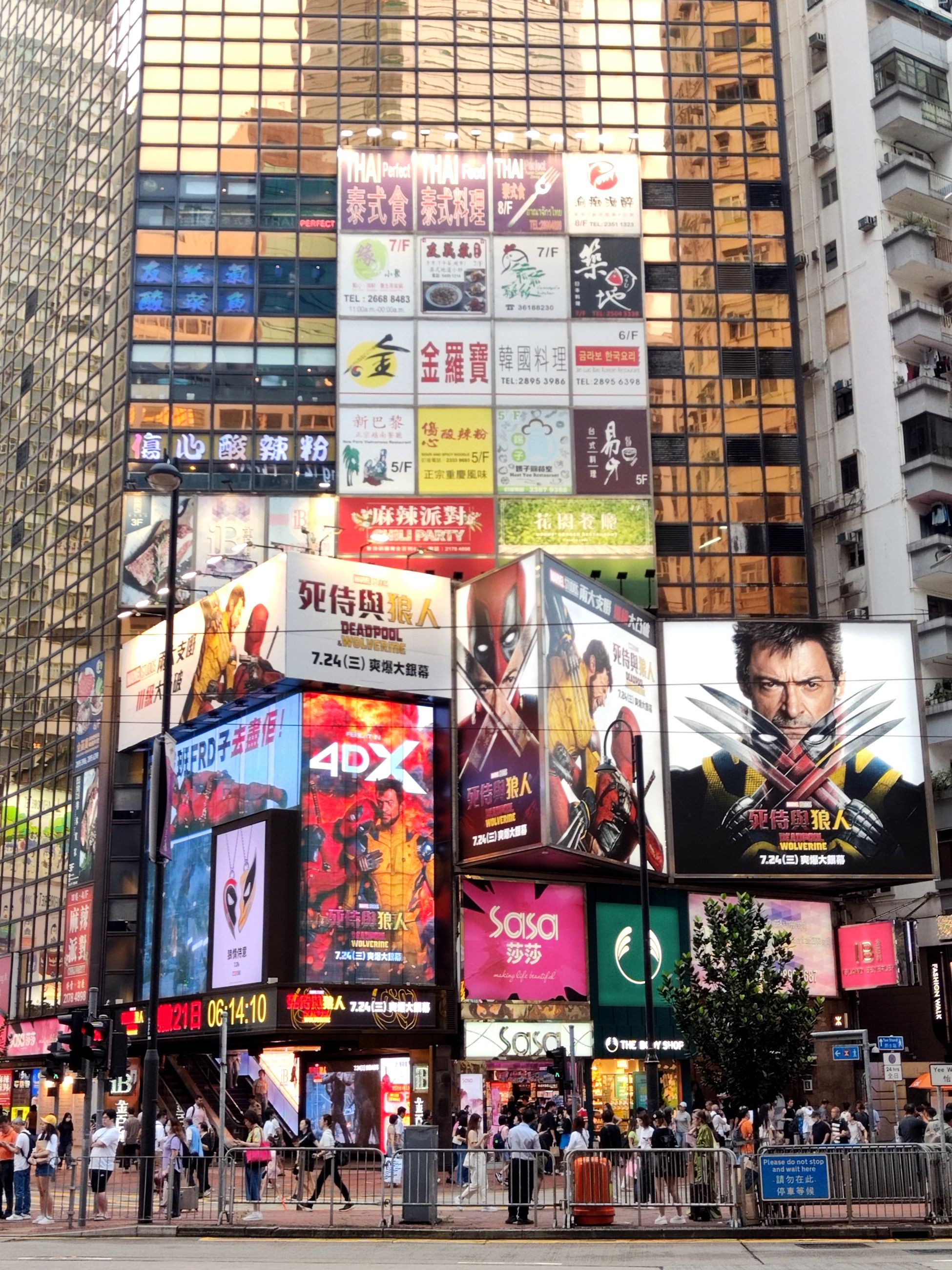
Causeway Bay is Hong Kong's major shopping, dining and cultural district. (Credit: Getty/gionnixxx)
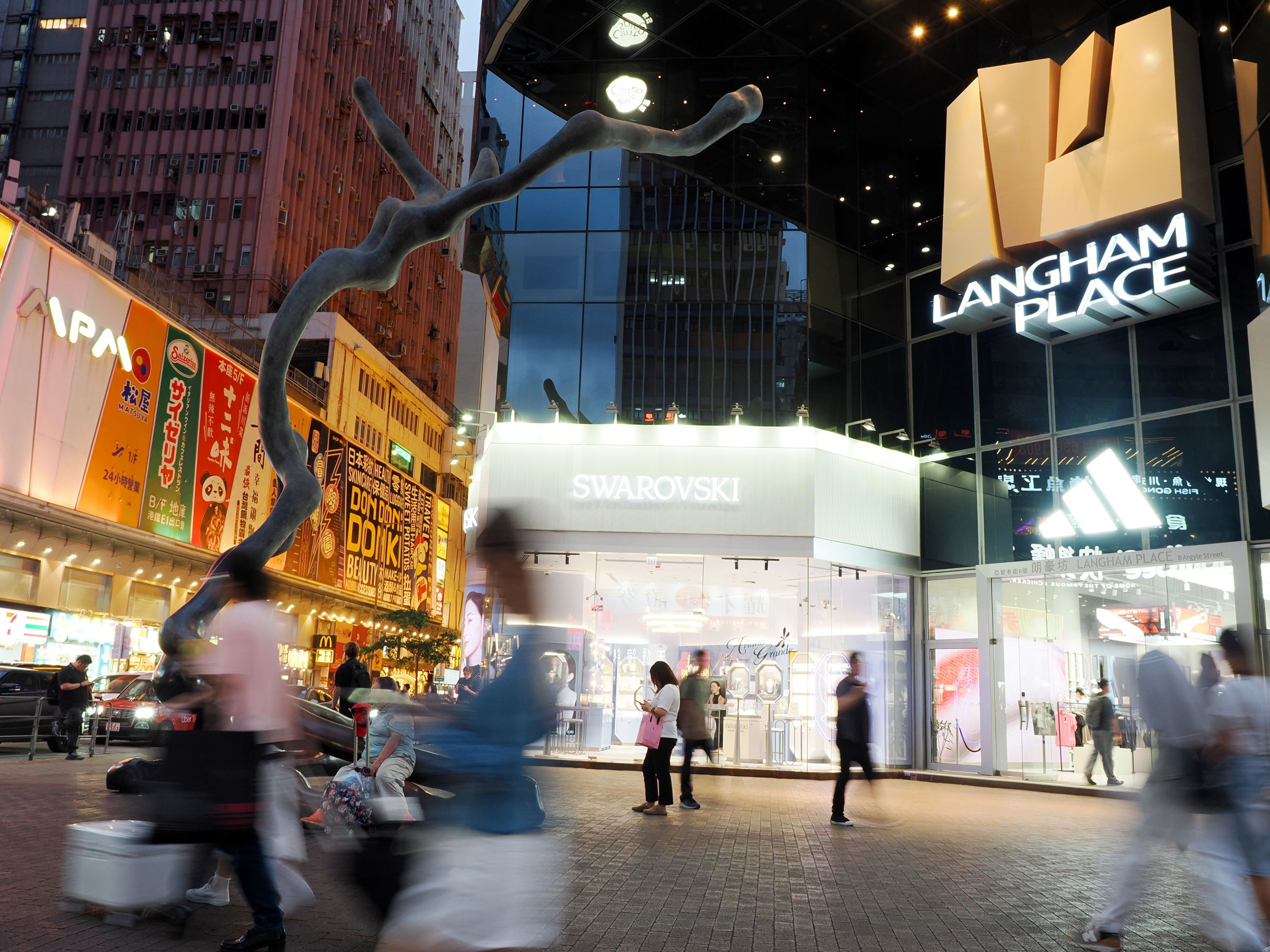
Find designer brands at Langham Place. (Credit: Getty/josephmok)
There’s no shortage of retail therapy in Hong Kong, with Causeway Bay remaining the ultimate spot for local designer talent and luxury labels. If it’s your first time in Hong Kong, the glamour of Causeway Bay’s Fashion Walk also provides excellent people watching. But I’ve recently favoured Mong Kok above all due to its one-stop mix of chic, casual fashion (think affordable pieces you won’t find anywhere else) and malls like Langham Place that house designer brands and high street heroes like Uniqlo and MUJI.
10. Be dazzled by the nightly Symphony of Lights
It’s touristy for a reason. Staged nightly, A Symphony of Lights creates Hong Kong’s signature twilight skyline as a fluorescent light and sound show turns more than 40 of the city’s skyscrapers into theatrical works of art. I’ve caught the production several times and still plan to amid future visits. Hitting the Tsim Sha Tsui Promenade is going to give you the best views as there’s nothing obstructing your line of sight — but you won’t be alone. Get there before 8pm, when it kicks off, to secure a spot on one of the promenade’s viewing platforms.
11. Embrace leg day with the scenic Dragon’s Back hike
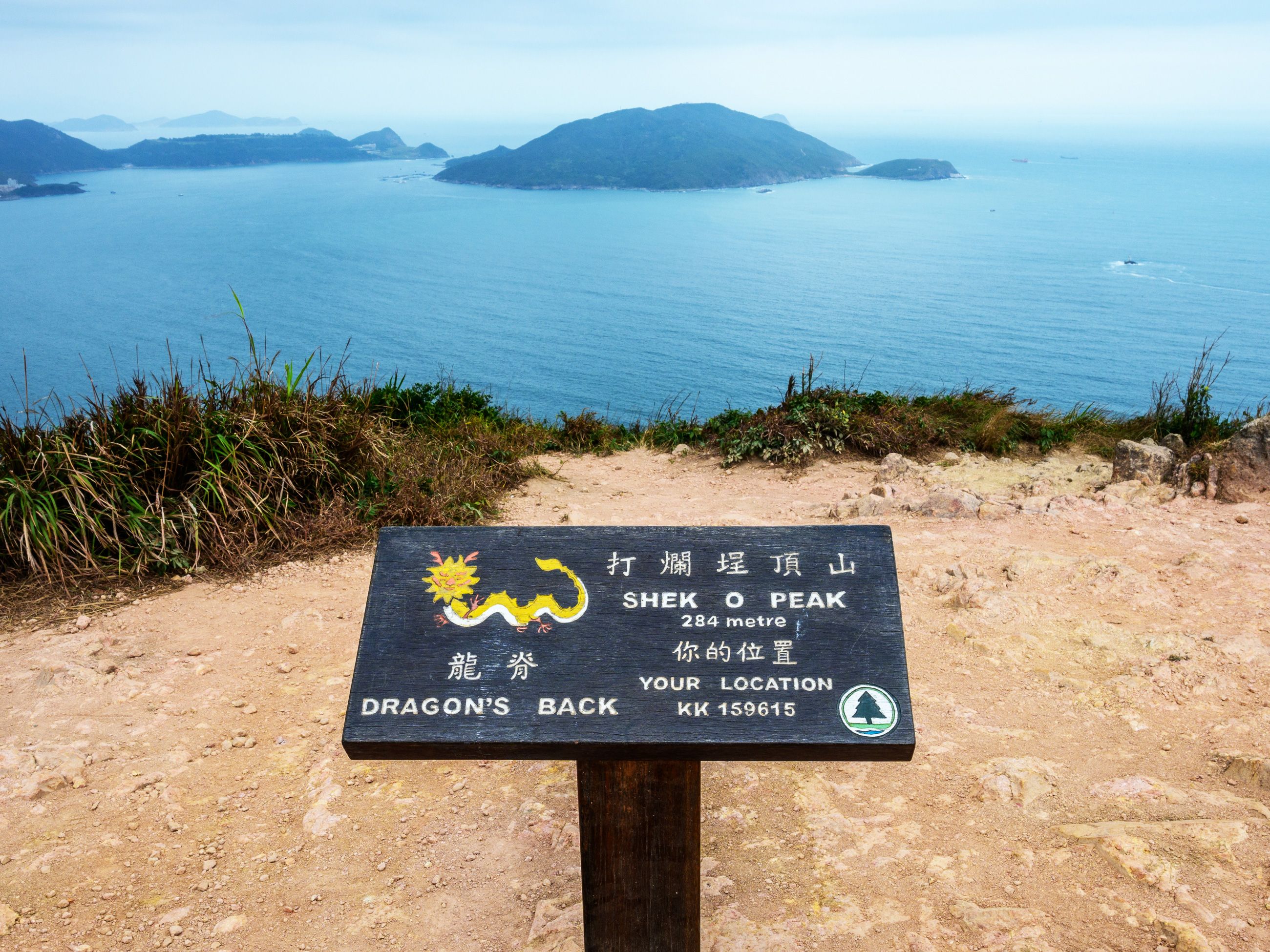
The summit of Shek O Peak at the famous Dragon’s Back trail. (Credit: Getty/danicachang)
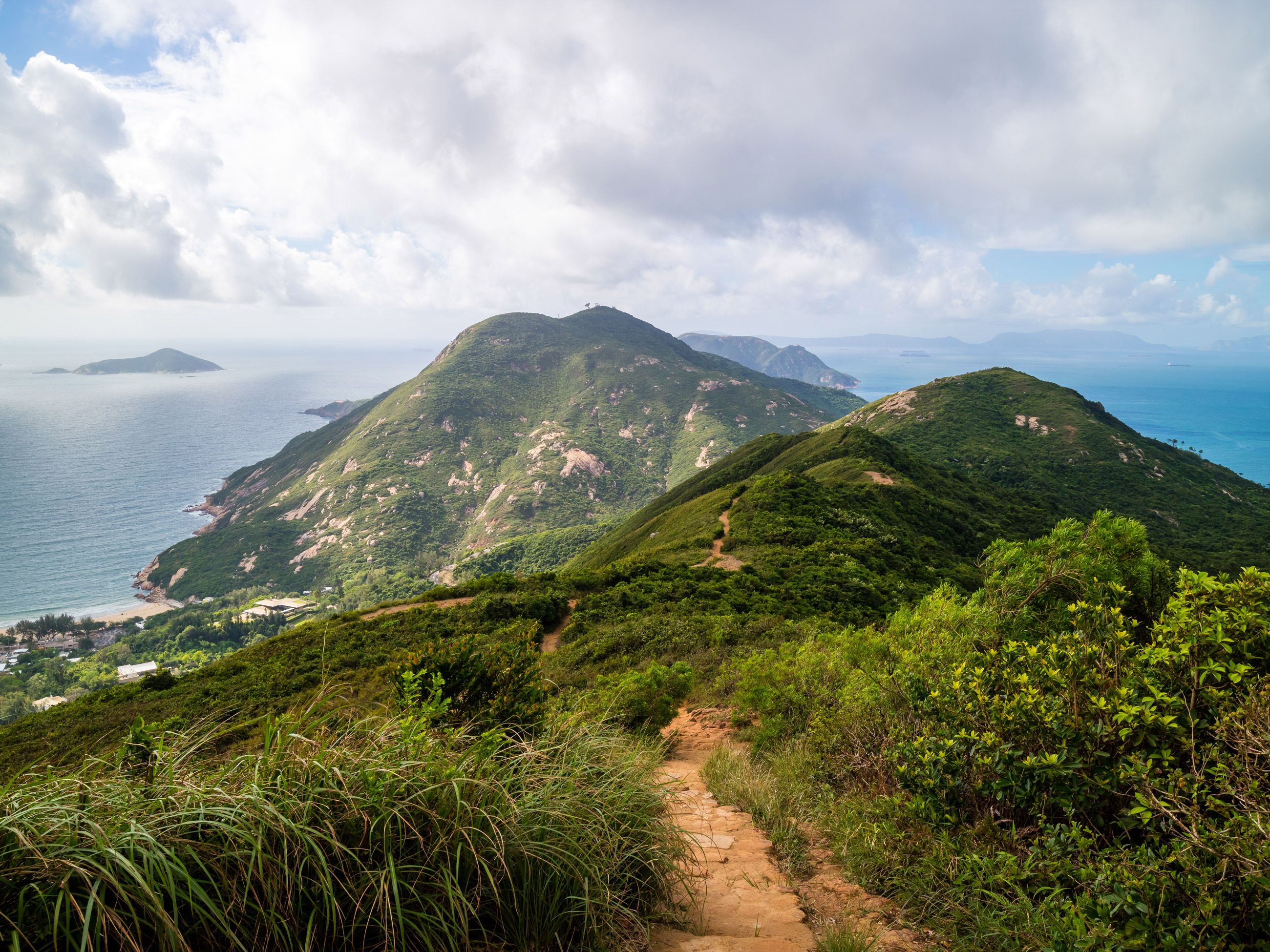
Take in jaw-dropping vistas at an elevation of 300 metres above sea level. (Credit: Getty/pawinp)
Work off countless bowls of wanton soup with the Dragon’s Back trail, which stretches roughly five kilometres and offers incredible ocean views. While there’s a designated viewing point along the way, the trail’s mountain ridge location almost 300 metres above sea level offers jaw-dropping vistas from go to woah. To get there, jump on the MTR’s Island Line to Shau Kei Wan Station and hop on a local bus headed for the To Tei Wan trailhead.
Want to see more stories from International Traveller in your Google search results?
Tick the box next to "International Traveller". That's it.
Kristie Lau-Adams is a Gold Coast-based freelance writer after working as a journalist and editorial director for almost 20 years across Australia's best-known media brands including The Sun-Herald, WHO and Woman's Day. She has spent significant time exploring the world with highlights including trekking Japan’s life-changing Kumano Kodo Pilgrimage and ziplining 140 metres above the vines of Mexico’s Puerto Villarta. She loves exploring her own backyard (quite literally, with her two young children who love bugs), but can also be found stalking remote corners globally for outstanding chilli margaritas and soul-stirring cultural experiences.
Wellbeing means different things to different travellers. Here’s how to pick a hotel that gets it right for you.
The best wellness holidays aren’t necessarily spent wrapped in a spa robe. Sometimes they’re found around a dinner table in Cambodia, on a hiking trail in New Zealand or after finally beating jet lag on the other side of the world. The hotel you choose is what makes them happen.
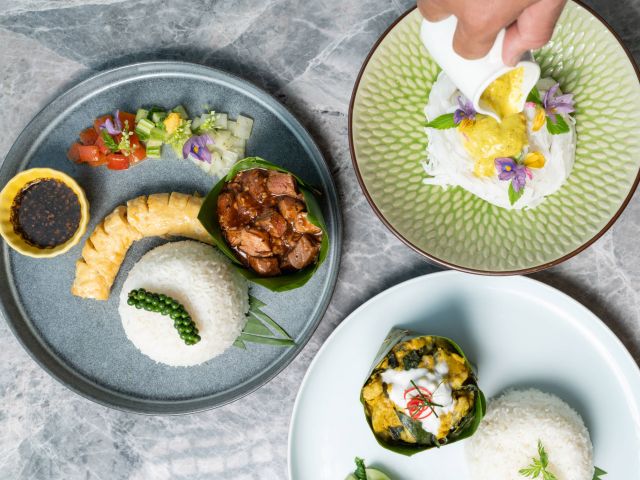
1. Easy access to good food
Taste delicious meals at Novotel Bangkok Sukhumvit 20.
One of the quickest ways to derail healthy habits on holiday is to spend half of it working out where to eat instead of digging into the culture around you. Thankfully, Novotel has done much of the hard work already, with chefs building menus that lean into the flavours, ingredients and traditions of each destination.
In Sihanoukville, Cambodia, Korkor soup – often dubbed ‘Cambodian ratatouille’ – sits alongside raw blue crab dressed with lime and chilli, best enjoyed with views across the Gulf of Thailand.
In the lovingly chaotic city of Bangkok, the presence of food cranks up the sociability. At Novotel Bangkok Sukhumvit 20, you can settle in with mango sticky rice and stranger-turned-friends beside the pool at Sky on 20 rooftop bar, or bring them along to tackle river prawns and stir-fried crab with holy basil at the buzzing Crab Paradise Dinner Buffet.
Then Novotel Dubai Al Barsha welcomes you with a laidback twist on the level of indulgence the Middle Eastern city is best known for up on Deck Se7en. Looking towards Burj Al Arab, the rooftop lounge has everything from Mediterranean-style dishes like seabass ceviche to Italian prosecco sundowners.
At the other end of the scale, in the hills that surround the Novotel Bali Ubud Resort, calm comes from nature. At Siralada restaurant, Balinese traditions shape the menu while thunder rumbles over the surrounding jungle – proving the setting is as nourishing as the food itself.
While at Novotel Nha Trang, chef Kieu Thi My Hanh and her team showcase Vietnam’s knack for balancing freshness, texture and fragrant herbs. Pho remains a favourite, while seafood salad with pomelo and mango brings those flavours together in one bright dish.
It’s all an approach backed by partnerships with expert food creators such as Alfie Steiner, whose plant-forward recipes prove healthy food should never taste plain.
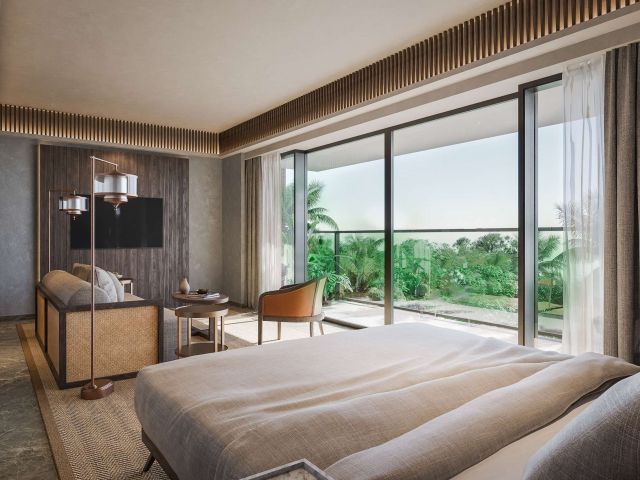
2. Better sleep options
Sleep deeply with Novotel.
There are few travel experiences more disappointing than arriving in a new country, determined to seize the day, only to fall asleep fully clothed by 3pm.
For Australian travellers, jet lag is often an unavoidable part of the journey. That’s one reason Novotel runs sleep-focused initiatives that help guests adjust quickly without compromising on health. We’re talking partnerships with Sydney-based sleep specialist Olivia Arezzolo, known for her advice on everything from better sleep habits to beating jet lag, alongside features like pillow menus, in-room yoga content and tailored sleep guidance.
The sooner you’re operating on local time, the sooner you can get back to more pressing matters – like deciding which spa treatment to book.
3. More ways to move
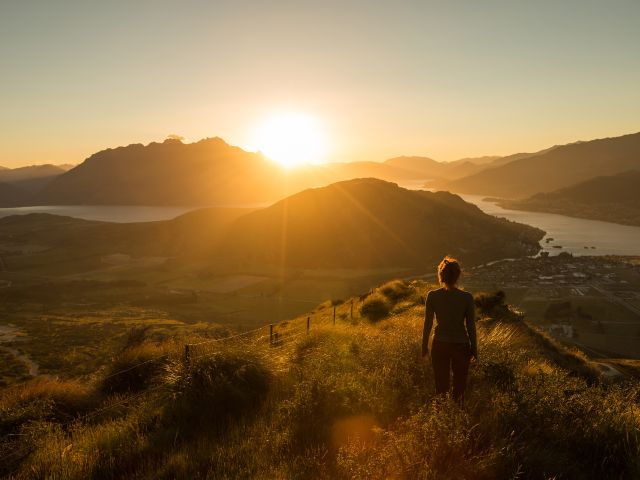
Stay at Novotel Queenstown Lakeside and explore local hiking trails. (Credit: GettyI mages/ naruedom)
Every place in the world has its own way of getting you moving: whether that’s hiking up ice-bitten mountains before a sauna or gentle stretching by the pool before a facial. From fitness centres to spas, Novotel recognises that wellbeing rarely looks the same.
At Novotel Queenstown Lakeside, activity is inescapable. Here, hiking trails, ski fields, bungee jumps, and white-water rafting have made the region famous. The hotel’s location on the shores of Lake Wakatipu means less time spent organising yourself and more time out there experiencing them. To top it all off, you can book a private hot tub for the evening before heading back into the wilderness tomorrow.
Bali, of course, takes a softer approach. At Novotel Bali Ubud Resort or Novotel Bali Nusa Dua, movement is less about conquering a mountain and more about a dance class between the tropical gardens and lagoon pools. Afterwards, the spa takes over, with traditional treatments like a Lulur body scrub: a combination of rice, turmeric, sandalwood, ginger and jasmine that’ll soothe muscles already relaxed by the Balinese heat.
4. Better connections
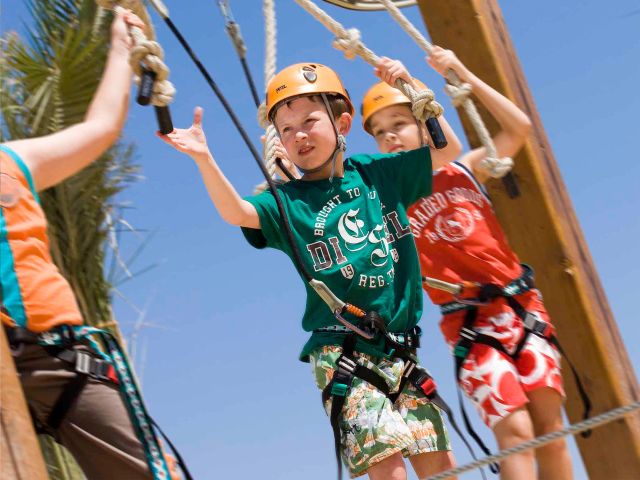
Kids will love a stay at Novotel Sharm El Sheikh.
One of the best things about travel is that it gives your family stories you’ll be telling for years. Novotel helps create them with activities that bring everyone together, whether that’s trying something new, learning a local skill, or simply spending more time together.
Go for a distinctly Thai twist at Novotel Phuket Vintage Park, where many of the family activities draw on local culture. Kids can try everything from beginner Thai boxing and language lessons to umbrella painting and – a pastime beloved by children the world over – pool foam parties. Everyone is welcome to join in, whether that’s getting splashed, covered in paint, or simply watching their children discover a new side of Thailand during the dedicated Family & Kids Day.
A different adventure awaits at Novotel Sharm El Sheikh. Kids could be perfectly content with discos, drawing classes and new holiday friends, but the Red Sea has other ideas. Sitting on the edge of Naama Bay, days here might involve snorkelling colourful reefs, taking a boat trip to Ras Mohammed National Park or heading into the desert by quad bike or camel for a Bedouin-style dinner beneath the stars.
Everyone’s idea of wellness looks a little different. With more than 600 hotels across 65 countries, Novotel gives guests the freedom to choose the destination that suits them best. Whether that’s a beachside escape in Phuket, an alpine expedition in Queenstown or a city break in Bangkok, there’s a good chance a Novotel isn’t far away.
All that’s left? Choosing your version of wellbeing.