hero media

How to make the most of 48 hours in Beijing

China’s capital shifts between imperial scale and a hyper-digital present where daily life runs at speed. Here’s how to spend two days in Beijing, moving through its landmarks, hutongs and street-level rituals.

Arriving in Beijing feels less like moving forward in time and more like side-stepping into a version of it that is already in mid-sprint. It’s a city that moves with remarkably little friction.

The shopping malls glow late into the night, and daily routines – booking tickets, hailing rides or finding a meal – are all handled through apps that replace cash, queues and even small talk.

But that’s not the Beijing most visitors pack for. A city with this much historical weight is often reduced to its greatest hits: the golden rooftops of the Forbidden City, Tiananmen Square and the Great Wall draped over the hills like a mythical, stone-scaled beast.
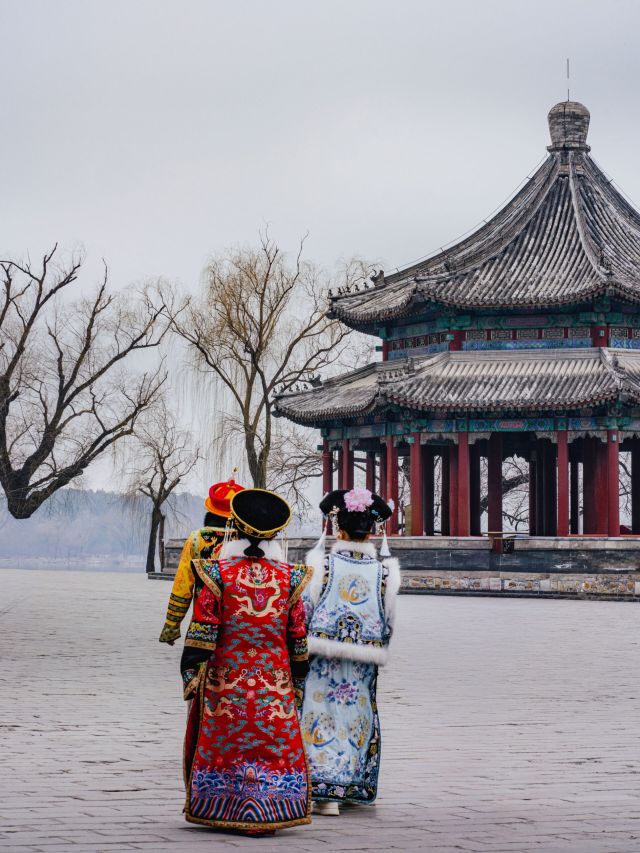
Qing Dynasty gowns at Summer Palace, Beijing
Ladies donning Qing Dynasty gowns at the Summer Palace. (Credit: Natasha Bazika)

If you spend a little time at street level though, it becomes something else entirely. In the hutongs (ancient alleyways) that curl around the old imperial core, residents sweep courtyards, bicycles rattle over uneven paving stones and breakfast stalls send up steady clouds of steam from dumplings.

With Australians now able to visit China visa-free for up to 30 days, it’s an unusually easy moment to experience the ancient capital where imperial history and a digital present sit just a few streets apart. This is our ultimate two-day Beijing itinerary.

Day one: Touring the city’s icons
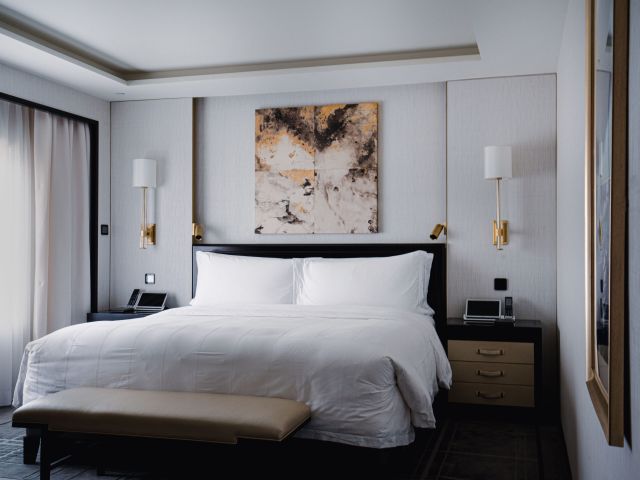
a contemporary suite at The Peninsula Beijing
The Peninsula Beijing offers luxe, contemporary rooms. (Credit: Natasha Bazika)

Start the day with a breakfast food tour, the most efficient way to get acquainted with Beijing’s sensory logic. The Peninsula Beijing, the city’s resident ‘grand dame’ of luxury, is famous for its proximity to the iconic sights, but its real secret is a little black book of local guides. Among them is Garth, an Australian who turned a gap year into a 14-year residency.
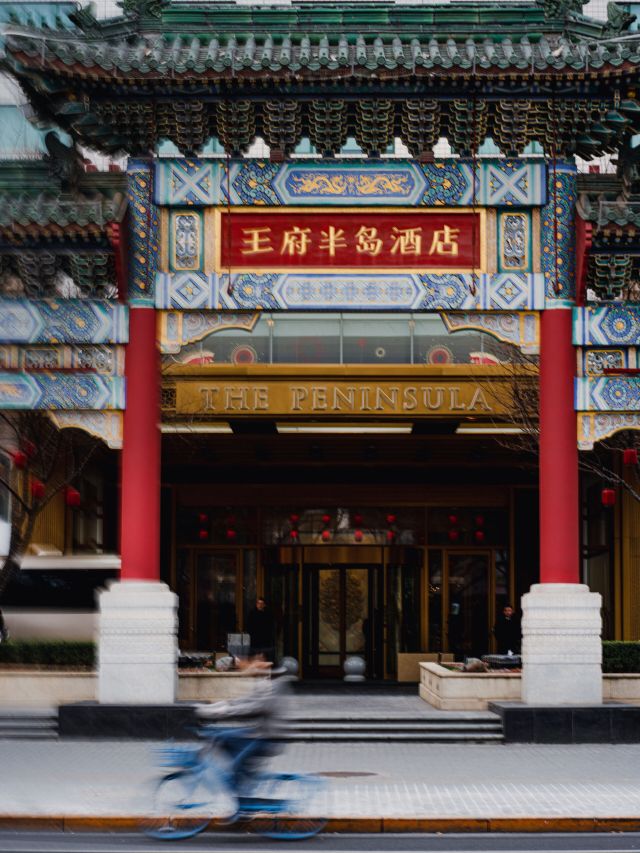
the entrance to The Peninsula Beijing
And wows from the moment you reach its grand entrance. (Credit: Natasha Bazika)

The tour slips away from the hotel’s marble lobby and into the nearby hutongs to sample jianbing, a crisp, savoury breakfast crepe that is arguably the city’s greatest culinary export. You’ll find yourself gorging on dumplings, ‘tofu brains’ and other breakfast dishes locals eat daily.
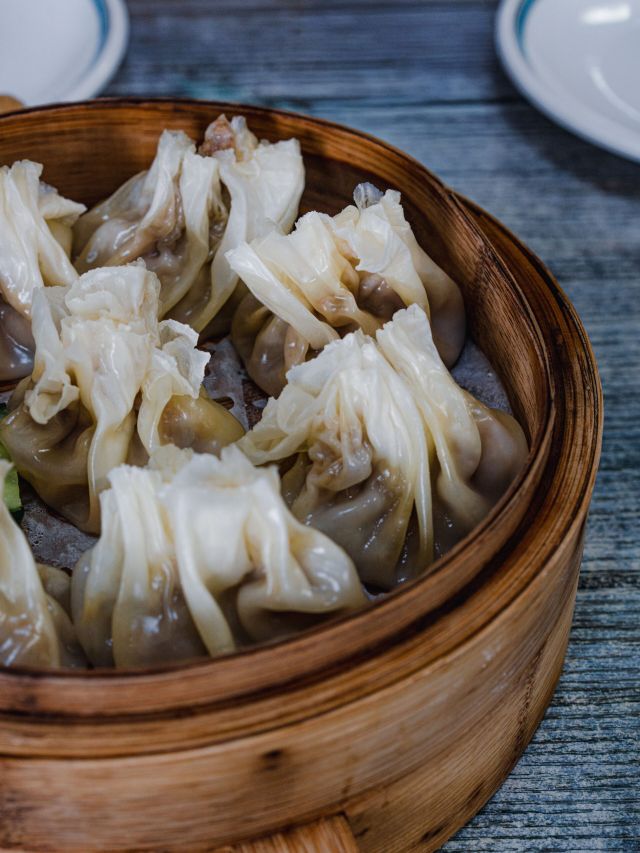
Shumai northern Chinese steamed beef dumplings
Shumai dumplings. (Credit: Natasha Bazika)

The route winds through narrow lanes lined with siheyuan (courtyard homes), of which only about 1000 remain, for an unvarnished glimpse of old Beijing, caught between the cracks of a rapidly rising skyline.

From the hotel, it’s a five-minute drive or 30-minute walk to the Forbidden City. For 600 years, this was the residential enclave of the Ming and Qing emperors, a place designed to make you feel very small and the occupant feel very powerful.

Everything here is dictated by obsessive symmetry; a rhythmic repetition of red walls and gold-tiled roofs that stretches across the complex. From there, it’s a short walk to Tiananmen Square, one of the largest public city squares in the world.
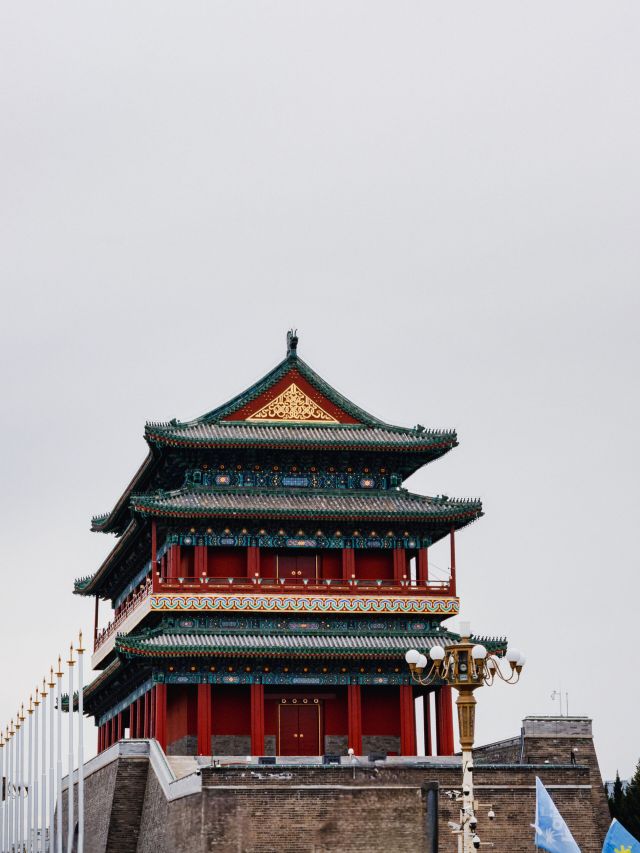
Zhengyangmen Gate at Tiananmen Square
Historic gate at Tiananmen Square. (Credit: Natasha Bazika)

At its centre is the Monument to the People’s Heroes, with Tiananmen Gate to the north, topped by Mao Zedong’s portrait. Entry is free, but tickets must be booked well in advance as they often sell out.
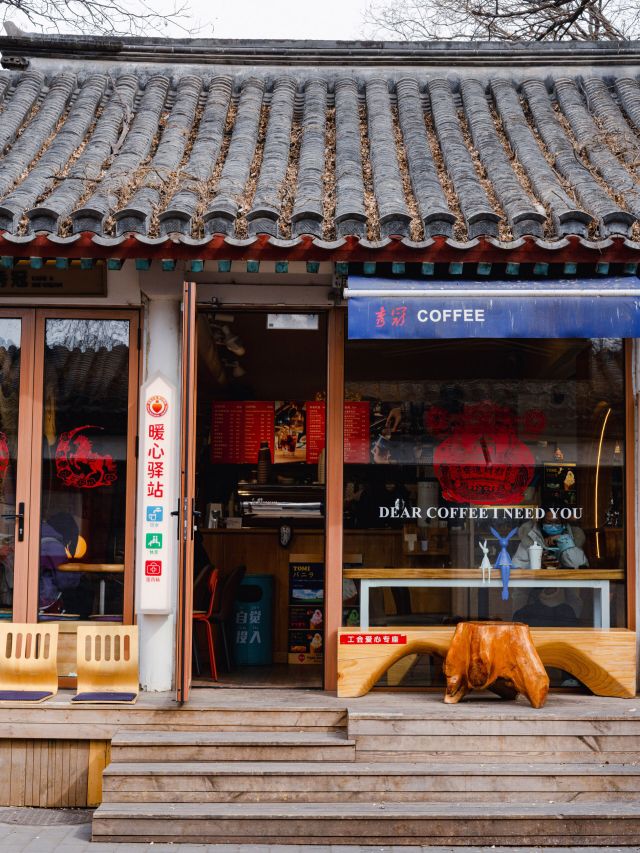
coffee stop on breakfast tour, Beijing
Secure your caffeine hit for the morning. (Credit: Natasha Bazika)

After a long day of eating, walking, and no doubt dodging crowds at the sights, retreat to The Peninsula Spa to decompress. It has quite a global reputation with Chinese, Ayurvedic and European therapies all featuring on the menu.

It’s the perfect place to scrub off the city’s frenetic energy. Once your treatment is finished, don’t rush to your room; instead, take a lap through the thermal bathing facilities to ensure the relaxation actually sticks.
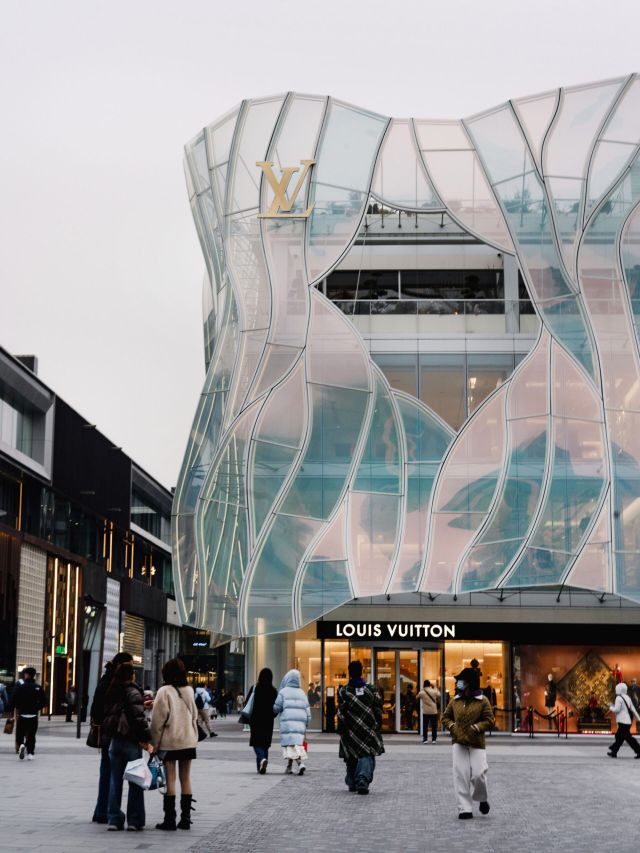
Taikoo Li Sanlitun, Beijing
Fill your shopping bags at Taikoo Li Sanlitun. (Credit: Natasha Bazika)

If shopping is part of the plan, book a DiDi (20-minute drive) to Taikoo Li Sanlitun. Best visited in the afternoon, ‘the Village’ is an open-air complex of low-rise buildings and courtyards, with global luxury labels like Louis Vuitton and Tiffany & Co. alongside local designers.

It functions more like a public square than a traditional mall, making it one of Beijing’s more unexpected pockets to simply drift and watch the city’s hyper-modern fashion subcultures collide.
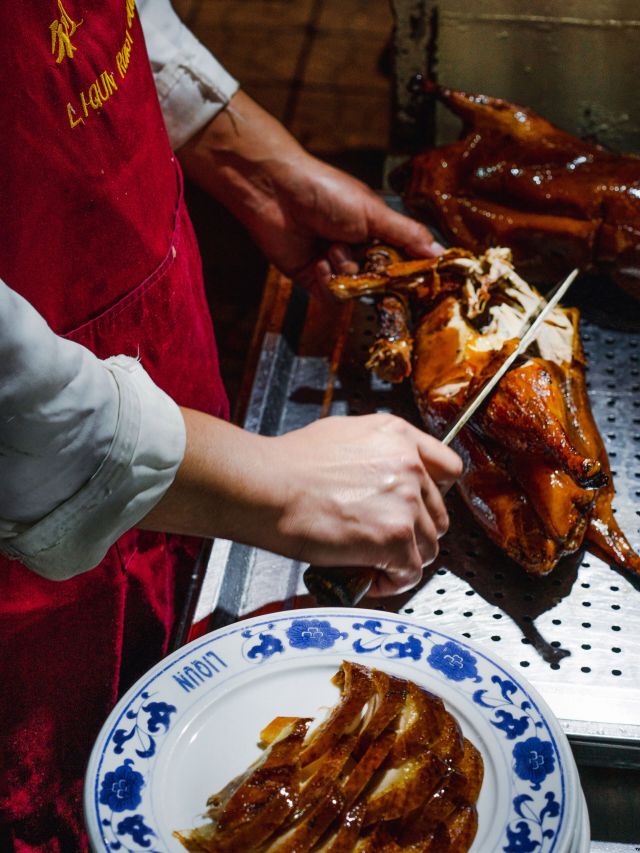
Peking duck at Li Qun Roast Duck Restaurant, Beijing
Li Qun Roast Duck Restaurant carves duck tableside. (Credit: Natasha Bazika)

No trip to Beijing is complete without Peking duck. Another concierge recommendation leads to Li Qun Roast Duck Restaurant, a 10-minute drive from the hotel. Tucked down a narrow alley behind plastic strip curtains, it doesn’t look like much at first, but inside it opens into a dining room strung with red lanterns, where staff glide between tables carrying burnished, whole roast ducks. The duck is carved tableside and served with a DIY assembly line of house-made pancakes, sticky hoisin, fresh vegetables and crunchy eggplant.

Day two: food, architecture and hands-on fun
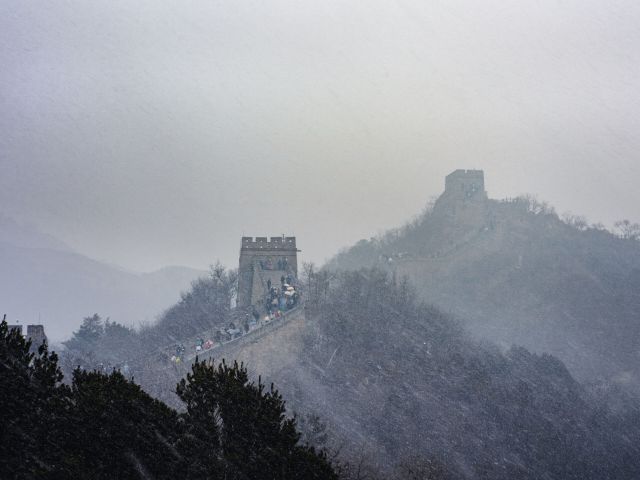
Great Wall of China in the snow
Walk along the Great Wall. (Credit: Natasha Bazika)

It’s an early start for the 90-minute drive to the Great Wall of China. The hotel’s tour (72 hours’ notice required) includes a guided walk and, if the weather plays nice, a helicopter ride for a dizzying view of this seventh wonder from above.

It’s open year-round, but there is something undeniably cinematic about watching chunky snowflakes settle across the ancient ramparts.
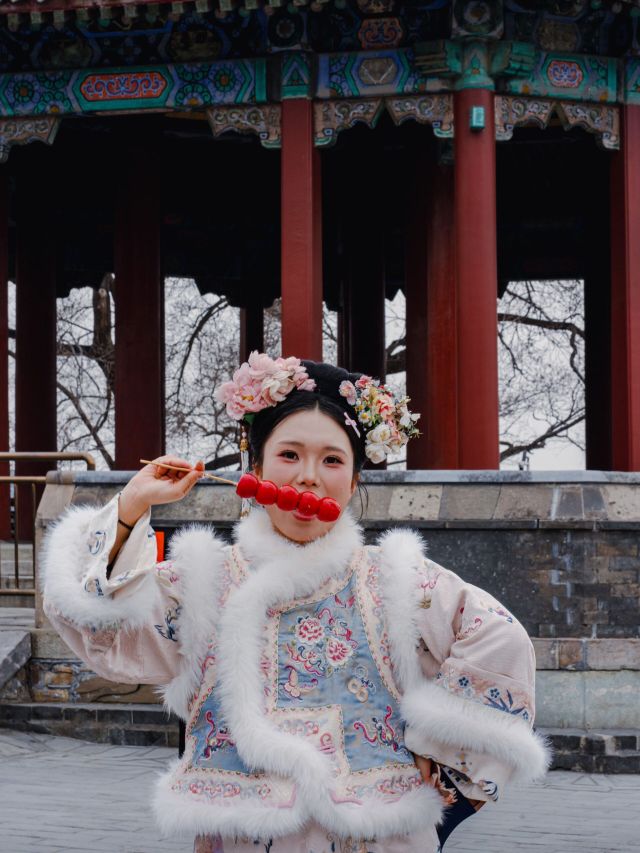
tanghulu at Summer Palace
Snack on street food such as tanghulu at Summer Palace. (Credit: Natasha Bazika)

On the drive back, stop at the Summer Palace (tickets available at the entrance), a UNESCO World Heritage site and one of China’s largest and best-preserved imperial gardens.

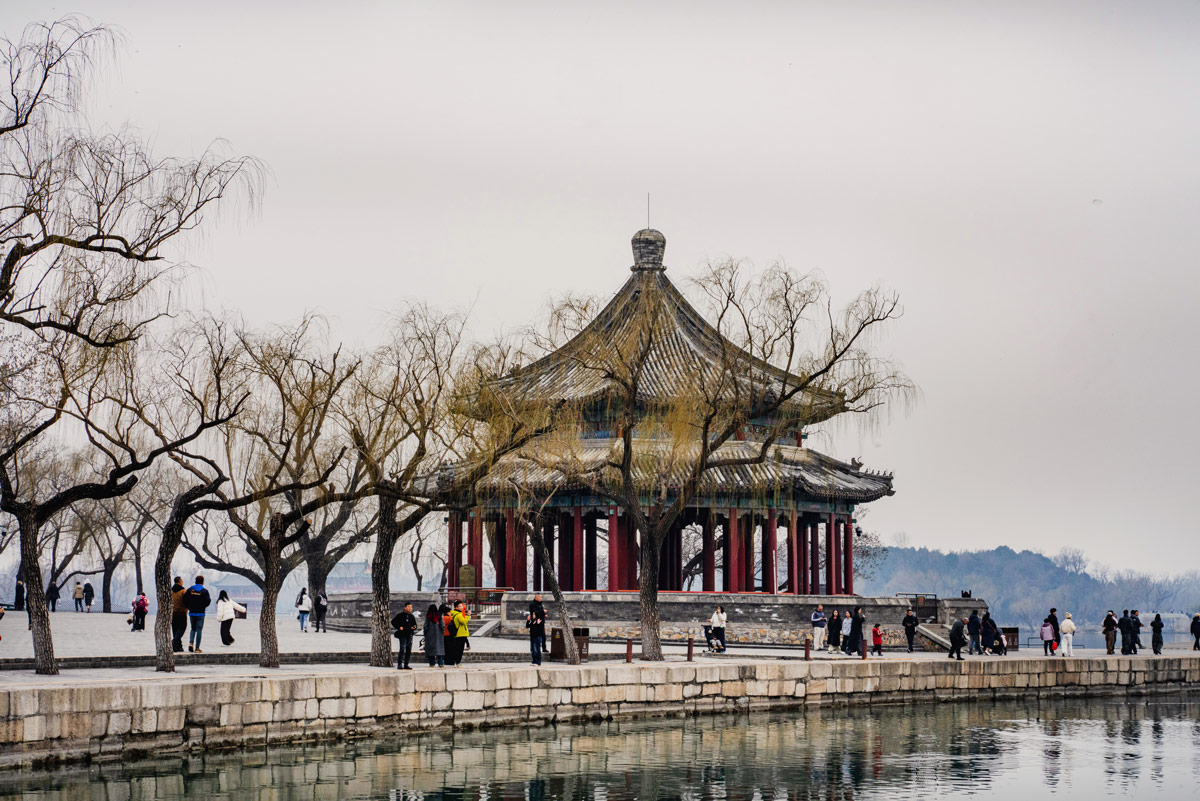
Once a lakeside retreat for royals, it’s set around Kunming Lake, where brightly patterned mandarin ducks drift across the water, and the Seventeen-Arch Bridge links the shoreline to Nanhu Island.

colourful mandarinducks at the Summer Palace
Spot colourful mandarin ducks at the Summer Palace. (Credit: Natasha Bazika)

Go behind the scenes with The Peninsula Academy’s dumpling-making class (72 hours’ notice required), which begins at a wet market. After gathering fresh ingredients, you’ll head back to the hotel’s Cantonese restaurant, Huang Ting.
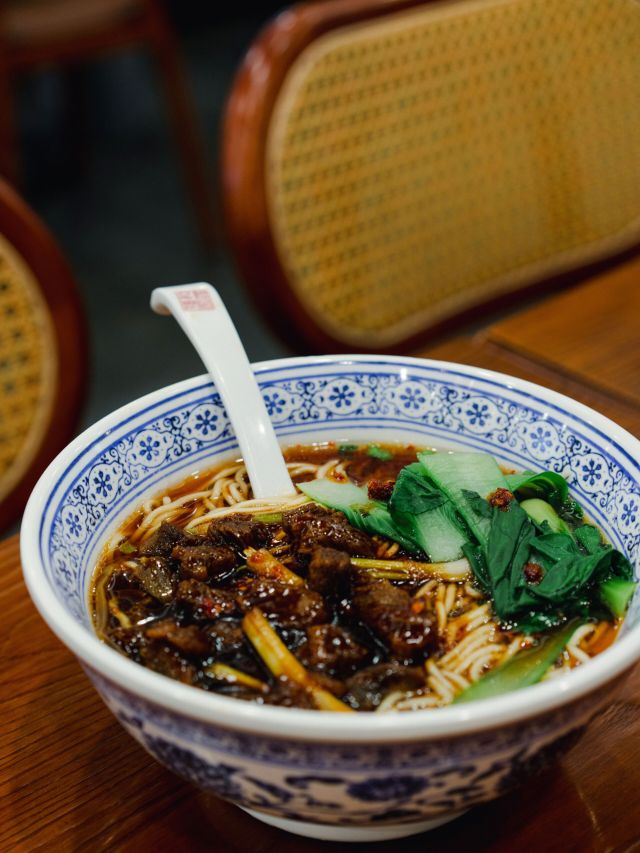
braised beef noodles, Beijing
Savour braised beef noodles. (Credit: Natasha Bazika)

Under the watchful eye of a dim sum chef, you’ll learn the art of seasoning, rolling and folding dough before sitting down to a set menu of beef short ribs with preserved lemon, Boston lobster, and of course, your very own handmade creations.

Weekly travel news, experiences
insider tips, offers,
and more.

Suite dreams: how to get to Beijing

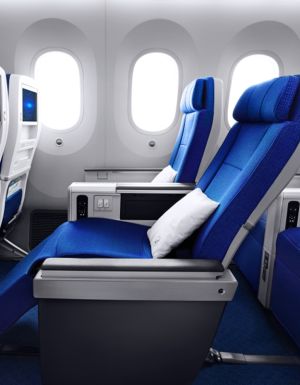
The new Aria Suites from Cathay Pacific make the journey to Beijing via Hong Kong feel smooth from the start, with sliding privacy doors, lie-flat beds and oversized entertainment screens.

During the layover, relax at The Pier First Class Lounge, offering complimentary 15-minute massages and a dining experience by Hong Kong’s renowned Cantonese restaurant Mott 32, before the final leg to Beijing.

Want to see more stories from International Traveller in your Google search results?

  1. Click here to set International Traveller as a preferred source.
  2. Tick the box next to "International Traveller". That's it.
Natasha Bazika
Natasha Bazika has spent over a decade collecting a global perspective, from living through the relentless energy of New York to slowing way down on the salty shores of Puglia. With a culinary track record spanning over 150 Michelin-starred restaurants, she operates on the belief that a life well-travelled requires a lot of grit, a bit of glamour, and a permanent appetite for the unexpected. She is happiest capturing the world through her camera and chasing the sweet spot where raw adventure meets incredible flavour, ideally at the end of a long remote hike.
View profile and articles
hero media

5 things every hotel needs for a more restorative stay

    Kate Bettes Kate Bettes
    Wellbeing means different things to different travellers. Here’s how to pick a hotel that gets it right for you.

    The best wellness holidays aren’t necessarily spent wrapped in a spa robe. Sometimes they’re found around a dinner table in Cambodia, on a hiking trail in New Zealand or after finally beating jet lag on the other side of the world. The hotel you choose is what makes them happen.

    1. Easy access to good food

    meals from Novotel Bangkok Sukhumvit 20
    Taste delicious meals at Novotel Bangkok Sukhumvit 20.

    One of the quickest ways to derail healthy habits on holiday is to spend half of it working out where to eat instead of digging into the culture around you. Thankfully, Novotel has done much of the hard work already, with chefs building menus that lean into the flavours, ingredients and traditions of each destination.

    In Sihanoukville, Cambodia, Korkor soup – often dubbed ‘Cambodian ratatouille’ – sits alongside raw blue crab dressed with lime and chilli, best enjoyed with views across the Gulf of Thailand.

    In the lovingly chaotic city of Bangkok, the presence of food cranks up the sociability. At Novotel Bangkok Sukhumvit 20, you can settle in with mango sticky rice and stranger-turned-friends beside the pool at Sky on 20 rooftop bar, or bring them along to tackle river prawns and stir-fried crab with holy basil at the buzzing Crab Paradise Dinner Buffet.

    Then Novotel Dubai Al Barsha welcomes you with a laidback twist on the level of indulgence the Middle Eastern city is best known for up on Deck Se7en. Looking towards Burj Al Arab, the rooftop lounge has everything from Mediterranean-style dishes like seabass ceviche to Italian prosecco sundowners.

    At the other end of the scale, in the hills that surround the Novotel Bali Ubud Resort, calm comes from nature. At Siralada restaurant, Balinese traditions shape the menu while thunder rumbles over the surrounding jungle – proving the setting is as nourishing as the food itself.

    While at Novotel Nha Trang, chef Kieu Thi My Hanh and her team showcase Vietnam’s knack for balancing freshness, texture and fragrant herbs. Pho remains a favourite, while seafood salad with pomelo and mango brings those flavours together in one bright dish.

    It’s all an approach backed by partnerships with expert food creators such as Alfie Steiner, whose plant-forward recipes prove healthy food should never taste plain.

    2. Better sleep options

    Novotel Bali Ubud Resort room
    Sleep deeply with Novotel.

    There are few travel experiences more disappointing than arriving in a new country, determined to seize the day, only to fall asleep fully clothed by 3pm.

    For Australian travellers, jet lag is often an unavoidable part of the journey. That’s one reason Novotel runs sleep-focused initiatives that help guests adjust quickly without compromising on health. We’re talking partnerships with Sydney-based sleep specialist Olivia Arezzolo, known for her advice on everything from better sleep habits to beating jet lag, alongside features like pillow menus, in-room yoga content and tailored sleep guidance.

    The sooner you’re operating on local time, the sooner you can get back to more pressing matters – like deciding which spa treatment to book.

    3. More ways to move

    woman hiking around queenstown new zealand
    Stay at Novotel Queenstown Lakeside and explore local hiking trails. (Credit: GettyI mages/ naruedom)

    Every place in the world has its own way of getting you moving: whether that’s hiking up ice-bitten mountains before a sauna or gentle stretching by the pool before a facial. From fitness centres to spas, Novotel recognises that wellbeing rarely looks the same.

    At Novotel Queenstown Lakeside, activity is inescapable. Here, hiking trails, ski fields, bungee jumps, and white-water rafting have made the region famous. The hotel’s location on the shores of Lake Wakatipu means less time spent organising yourself and more time out there experiencing them. To top it all off, you can book a private hot tub for the evening before heading back into the wilderness tomorrow.

    Bali, of course, takes a softer approach. At Novotel Bali Ubud Resort or Novotel Bali Nusa Dua, movement is less about conquering a mountain and more about a dance class between the tropical gardens and lagoon pools. Afterwards, the spa takes over, with traditional treatments like a Lulur body scrub: a combination of rice, turmeric, sandalwood, ginger and jasmine that’ll soothe muscles already relaxed by the Balinese heat.

    4. Better connections

    Novotel Sharm El Sheikh
    Kids will love a stay at Novotel Sharm El Sheikh.

    One of the best things about travel is that it gives your family stories you’ll be telling for years. Novotel helps create them with activities that bring everyone together, whether that’s trying something new, learning a local skill, or simply spending more time together.

    Go for a distinctly Thai twist at Novotel Phuket Vintage Park, where many of the family activities draw on local culture. Kids can try everything from beginner Thai boxing and language lessons to umbrella painting and – a pastime beloved by children the world over – pool foam parties. Everyone is welcome to join in, whether that’s getting splashed, covered in paint, or simply watching their children discover a new side of Thailand during the dedicated Family & Kids Day.

    A different adventure awaits at Novotel Sharm El Sheikh. Kids could be perfectly content with discos, drawing classes and new holiday friends, but the Red Sea has other ideas. Sitting on the edge of Naama Bay, days here might involve snorkelling colourful reefs, taking a boat trip to Ras Mohammed National Park or heading into the desert by quad bike or camel for a Bedouin-style dinner beneath the stars.

    5. Location is everything

    Surin Beach, Choeng Thale, Thalang District, Phuket, Thaiföld
    Explore Phuket’s gorgeous beaches. (Credit: Bence Biczo)

    Everyone’s idea of wellness looks a little different. With more than 600 hotels across 65 countries, Novotel gives guests the freedom to choose the destination that suits them best. Whether that’s a beachside escape in Phuket, an alpine expedition in Queenstown or a city break in Bangkok, there’s a good chance a Novotel isn’t far away.

    All that’s left? Choosing your version of wellbeing.

    Discover stays to inspire your everyday at novotel.accor.com.