
Is it worth parting with some hard-earned cash or points for a premium economy upgrade flying to Guangzhou with China Southern Airlines? Here’s what you need to know.
Australia is without doubt a fabulous place to live, but a decided drawback is the long-haul reality of international travel. One way to make those travel hours more pleasant is to splurge a little on premium economy—even if you’re not quite making it to the pointy end of the plane.
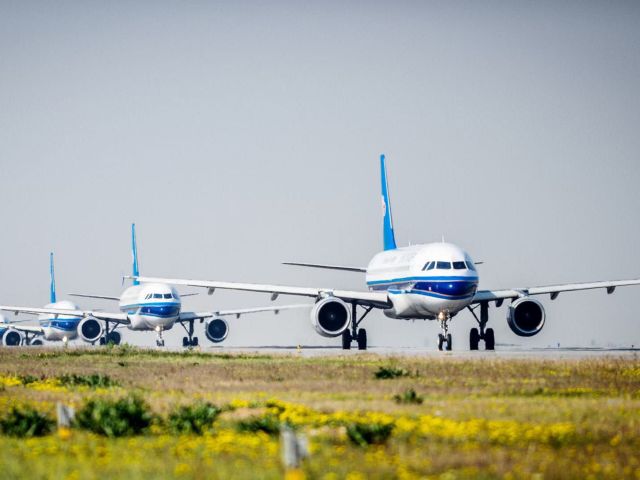
I recently flew premium economy with China Southern Airlines (CSN) from Sydney to Guangzhou on an Airbus 350-900. The 9-hour 55-minute flight leaves at a respectable 11.15am and arrives at 6.10pm.
Pre-departure
The upside of arriving at the airport 40 minutes later than scheduled (thanks, Sydney traffic) was not having to contend with check-in queues—I just walked straight up to the counter. Had it been busy though, my premium economy ticket would have seen me ushered through the priority line quick smart, along with the business class folk, handy when lines are long.
The downside? Being one of the last to check in for premium economy meant I copped a dreaded middle seat. Note to self: arrive early to nab a better seat or choose your seat online. The check-in staff, very efficient and helpful, couldn’t assist in this instance but suggested I ask again onboard—just in case.
While I do love feeling a bit special in an airport lounge, sadly China Southern doesn’t include lounge access for premium economy unless you hold eligible status (Platinum, Gold or Silver) with the airline. Really I didn’t have much time to lounge about in any case. Although Qantas is an affiliate partner, only flights ticketed through Qantas are eligible for reward points.
Baggage allowances are generous: two checked bags up to 23 kilos each, a carry-on item up to five kilos plus a couple of small items such as a handbag or coat. My hand luggage wasn’t weighed.
Be mindful that Chinese security is very strict about batteries and power banks/chargers. They must be carried on board and chargers must be marked CCC as approved devices or they will almost certainly be confiscated at Chinese airport security.
Passengers can choose to upgrade seats after purchase and before boarding if available.
The seat
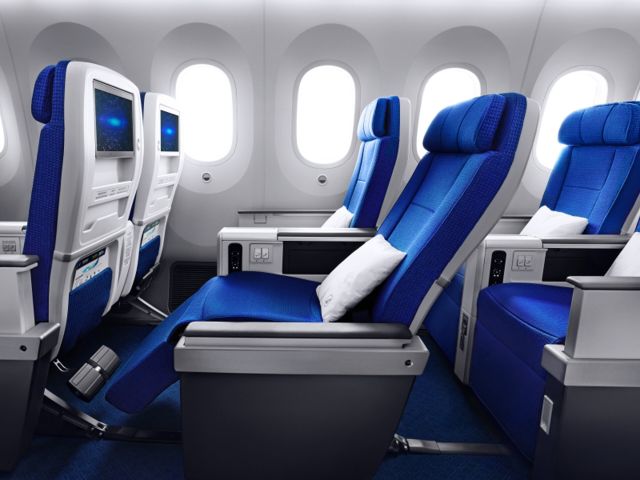
A polite chat with a crew member just after take-off paid off: I was miraculously moved to an unoccupied window seat (25A) in the front row of premium economy—a massive win I was willing to take. Perhaps it was a no-show, but never underestimate the power of politeness and luck.
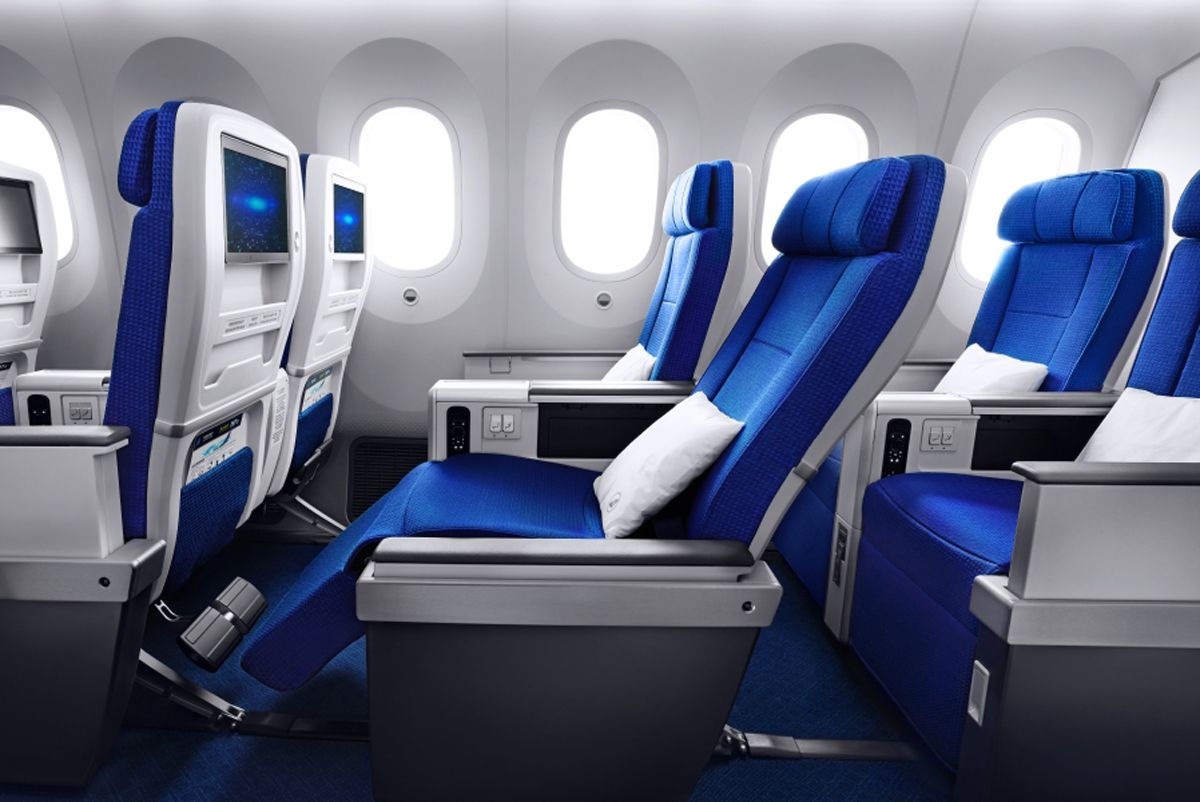
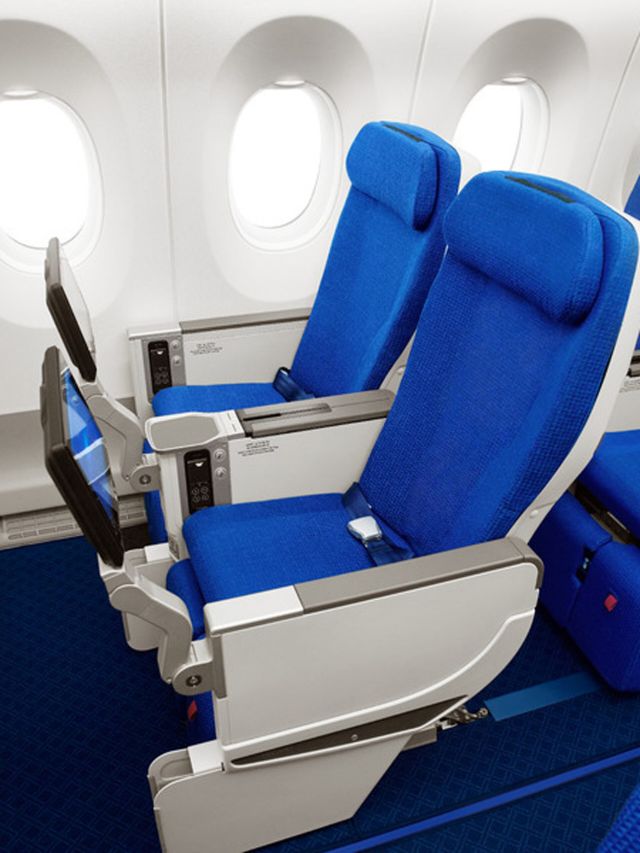
The layout of the Airbus A350-900 has just 24 seats in this class in a 2-4-2 configuration, providing a quiet cabin space. The seats are 3.5cm wider than economy and recline an extra 3cm, but the real comfort win comes with the 97cm pitch versus 81 cm in economy. Seat pitch refers to the space between rows (measured from the back of one seat to the back of the seat in front), which directly affects legroom and overall comfort. That’s significantly more legroom for a 10-hour flight.
The front seat provided even more leg room to stretch out in. Being fairly vertically challenged, I felt it was perhaps a little wasted on me but I relished the luxury anyway.
With no seat in front, the tray table and entertainment screen slide neatly out from the centre console, with a clearly delineated middle section to avoid potential armrest battles. There’s ample room for two arms at once. During meals, the tray can slide forward or back to adjust for different-sized people, which I discovered is pretty handy if you decide to put your jumper back on in the middle of eating a meal. It also folds in half, providing flexibility for holding just a drink.
A fold-out footrest adds support when you recline to grab some shut-eye. Though I didn’t sleep, I didn’t feel guilty about reclining for a while thanks to the generous leg room behind me and the shell-style seat design. This uses a fixed outer shell with an inner seat that slides within it to minimise the effect on the person behind and offers more personal space. A pillow and blanket add to the comfort.
Food and beverage
About 40 minutes after take-off, hot towels and a selection of non-alcoholic drinks were offered, served with peanuts.
Two meals were served during the flight—quite satisfying but standard airline meals. While the verbal descriptions of choices weren’t very enlightening (beef and rice or fish with potatoes), my beef selection proved a safe choice, tender and tasty if not imaginative. The chicken and potato salad with mustard dressing was more interesting and fruit was a good way to finish. With the benefit of time travel, suddenly it’s dinner time. The second meal was similar: pork mince and rice sprinkled with peas, risoni salad and fruit, buoyed by the surprisingly good warm garlic bread. The food offering is largely the same as that served in economy with some extras like snacks.
Drinks on offer included red or white wine (the red a pleasing Australian shiraz), beer or juice. Spirits are reserved for business or first class. I loved the honesty of the pre-landing lolly offering, proffered simply as ‘sugar’.
Weekly travel news, experiences
insider tips, offers, and more.
Entertainment
While wi-fi was available (and complimentary in premium economy), I took the opportunity to disconnect and give the in-flight entertainment a good rattle instead. The entertainment—including movies, podcasts and music selections—skews heavily to Chinese and Asian content, and you can dive into Chinese culture with a range of documentaries on history and folktales. A range of well-loved and classic western movies are featured, even if they’re not new (think Harry Potter, The Lion King or John Wick, for example). I was intrigued by the inclusion of a comprehensive documentary about Tasmania, seen from above. The television selection was more familiar and I happily binged almost an entire series of British crime drama Unforgotten without a skerrick of guilt. Concerned about the detriments of being inactive for too long? The Yoga on a Plane offering, promising chair-based in-flight exercise routines, might be just the ticket.
Service
Service throughout was polite, attentive and helpful, from accommodating my seat change and bringing an extra wine after dinner. Special services like wheelchairs or accommodating service dogs are complimentary but need to be requested 48 hours before departure.
Verdict
If you have some extra cash or points, a splash on premium economy will certainly ease a long-haul flight with a noticeable level of extra comfort and space, priority loading and extra baggage allowances. That’s the big win on this flight, though it’s a pity lounge access isn’t included to make it a bit more special.
At the time of writing, a return premium economy seat from Sydney to Guangzhou costs between $1300 to $2000 return, depending on dates and seasons.
Want to see more stories from International Traveller in your Google search results?
- Click here to set International Traveller as a preferred source.
- Tick the box next to "International Traveller". That's it.