
Getting ready to say Bula to Fiji? A few Fiji travel tips can make all the difference between a good holiday and a great one, writes Dilvin Yasa.
When it comes to Fiji travel tips, we’ve got you covered. Do I need a Fiji travel visa? What’s Fiji’s currency and how much do I need? What’s the flight time or time difference? Get into the island state of mind (a fun cocktail with an umbrella helps) and find the answers you seek below.
Money & Payments
In Fiji, a mix of cash and card is best. While cards (Visa/Mastercard) are widely accepted at hotels, large restaurants, tour operations, supermarkets and in urban areas, a good stack of Fijian Dollars or FJD) is essential for markets, village visits, small vendors, taxis and anywhere outside areas popular with tourists. Enjoying Fiji on a shoestring? Budget around AU$100 per day for a couple of meals, a bus trip, drinks and a cheaper excursion. Moderate budgets, including a village tour, kava ceremony and a taxi, will require around AU$200 a day, while those on a luxury budget can expect to pay at least AU$350 per day on restaurant meals, snorkelling excursion and extras. As with Australia, while tipping is appreciated, it isn’t a local custom, nor an expectation.
ATMS are widely available in Nadi International Airport and in and around Nadi, Suva and other major towns and cities where major banks such as ANZ and Westpac operate. They’re also commonly found in major resorts and shopping centres. Heading to an outer island? Withdraw cash before you go as ATMs are light on the ground and expensive to use.
Getting around
Taxis
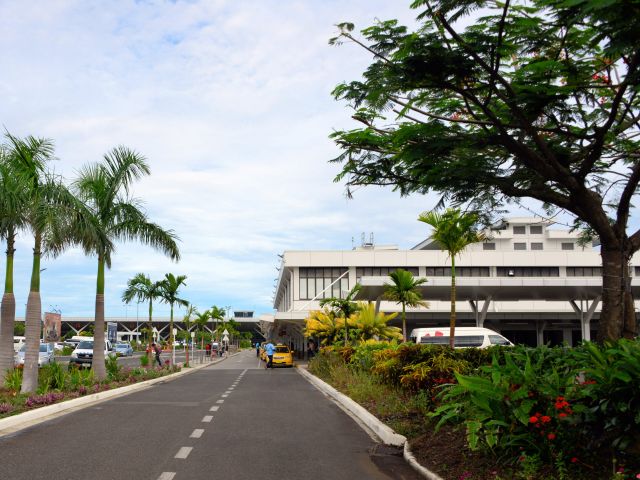
Forget your reliance on rideshares; this is a destination where taxis dominate. Blinding yellow, they’re easy to find waiting outside the airport terminal, ready to make the journey to Nadi, Denarau and further afield. While most are four-seaters, larger, seven-seater vans are also available for larger groups, although they will cost more to use
Dodgy taxis are a common problem in Fiji and hotel reception is always the best place to go for information on calling an official cab. Hailing one in the street? Keep an eye out for the LT or LH registrations on the license plate. The former are metered taxis, while the latter have fixed distance rates.
Transfers
Most resorts and hotels can and will arrange airport transfers – some complimentary, and others for a fee. Simply contact them with your flight arrival details and they’ll organise the rest.
Car rental
Fiji is the perfect self-drive destination and happily, car hire companies are located just outside the International Arrivals terminal, as well as in major city centres. A valid driver’s license and credit card is required.
Scooter hire is primarily available in Nadi and Denarau. Check out Waitui Scooters for further information.
Private driver
Whether an airport transfer is required or a full day sightseeing tour, private drivers are a popular choice in Fiji with Uniquely Fiji, DriveUNow and Mick’s Fiji some of the biggest operations around.
Drivers can be hired across Viti Levu, Taveuni, Vanua Levu, Kadavu and Ovalau and rates can be negotiated. That said, expect to pay anywhere between FJ$250 – $480 for day tours, which can be bumped down for multi-day tours.
Rideshares
Nope, not a thing in Fiji. See taxis.
Language

Along with Fijian and Fijian Hindi, English is one of three official languages and is widely spoken. That said, it’s always a good idea to master a few handy phrases. Start with the following basics:
Bula – Hello
Vinaka – Thank you
Kerekere – Please
Io (pronounced ee-yo) – Yes
Sega (pronounced seng-ah) – No
Tulou (pronounced too-low) – Excuse me
Moce (pronounced moh-theh) – Goodbye
E vica (pronounced e vi-tha)? – How much?
Au via lako (pronounced ow vee-ah lak-koh) – I want to go to.
Etiquette & Customs
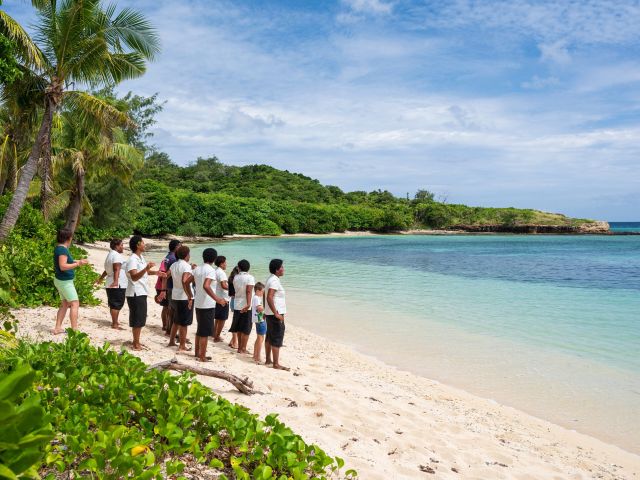
Outside of Fiji’s resorts, modest dress is important. Covering shoulders and knees (and certainly, cleavage) – particularly in villages shows cultural awareness, helps avoid causing offence and acknowledges that local life follows different customs from the beach club version of Fiji most tourists experience. If visiting a village, it’s worth remembering that hats are reserved for the Village Chief, so visitors should remove hats and sunglasses as a sign of respect. It’s also customary to present a small bundle of kava (known as sevusevu) on arrival to seek permission to enter communal land and to acknowledge the hospitality extended to guests. It’s also a lovely idea to bring a gift from home (may we suggest a packet or two of Tim Tams?)
Always for someone to bless the meal before tucking in, ask permission before taking photos of locals or their spaces, and refrain from touching anyone on top of their head – an area of the body considered sacred.
Out on the streets, even in urban areas, it’s considered poor form for couples to show public displays of affection, or to point at people using an index finger. The locals gesture using open hands instead.
Weekly travel news, experiences
insider tips, offers, and more.
Connectivity
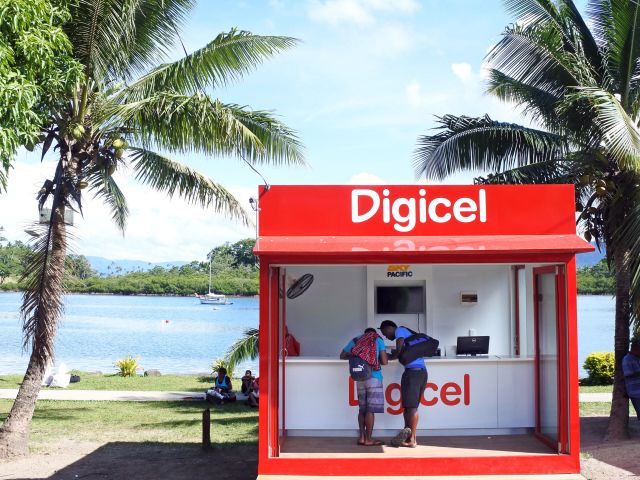
Great news for those who need to stay connected during their Fijian getaway: free wi-fi is largely available at Nadi International Airport, as well as most hotels and resorts in heavily touristed areas such as Denarau, Nadi, the Coral Coast and Suva but they can be slow. Our top tip? Always check that the wi-fi the hotel or resort is offering is available around the whole property, including rooms, rather than just certain communal areas such as the lobby or restaurant (it happens).
The two phone networks in Fiji are Vodafone and Digicel and visitors can get 2GB of free data through their Fiji Tourist SIMs for the first 48 hours after a SIM card is activated. Local SIMs can be purchased at Nadi International Airport at the Vodafone and Digicel kiosks. Local prepaid SIMs can also be found in the providers’ stores in town, as well as in some convenience stores.
Pocket wi-fi is another possibility, units (usually best for groups or families carrying multiple devices) available to rent from both phone networks and using prepaid data SIM cards to connect to 3G and 4G data.
Buying and installing an eSIM is often the most convenient choice, with Airalo, Holfly and Saily among some of the best eSIM options for Fiji.
Practicalities
Australians do not require a visa for Fiji, but it’s always a good idea to check your passport has at least six months’ validity from the end of the holiday before you go.
Fiji is prone to outbreaks of mosquito-borne illnesses, including dengue fever, Zika virus and chikungunya, so speak with your GP about recommended medications and stay up to date with regular vaccinations. To stay healthy, it’s important to also steer clear of tap water, ice cubes, unsealed bottles of water and any raw or undercooked foods (particularly chicken). Pharmacies and medical facilities are readily found in urban centres but standards can be limited, so good travel insurance is essential.
Plugs are T I, 240V/50Hz – the same as Australia and New Zealand – so no need to worry about adaptors.
Fiji is generally considered safe for solo female travellers, but it’s best to avoid walking around alone at night, particularly in urban areas such as Nadi, Lautoka and Suva. Stick to well-lit, populated areas, keep valuables hidden and use reputable taxis (preferably called by the hotel with fares agreed upon beforehand).
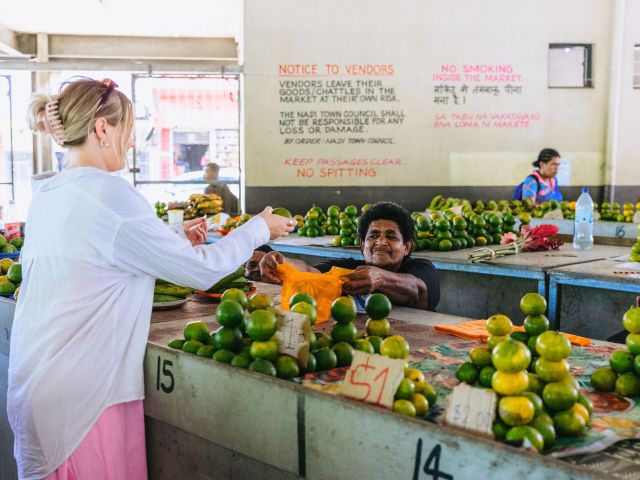
A word on haggling. While it’s commonly practised in Fiji’s markets and in Fijian Indian-owned shops, the approach with Indigenous Fijians should be polite and respectful since it is not a Fijian custom. If it’s a no, it’s no and you either buy or you smile and walk away.
And finally, while Fiji is only around a four-hour flight from Sydney, it is consistently two hours ahead of the Emerald City.
Want to see more stories from International Traveller in your Google search results?
- Click here to set International Traveller as a preferred source.
- Tick the box next to "International Traveller". That's it.