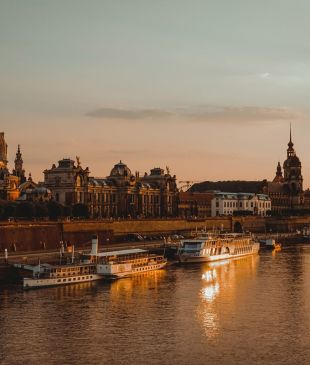
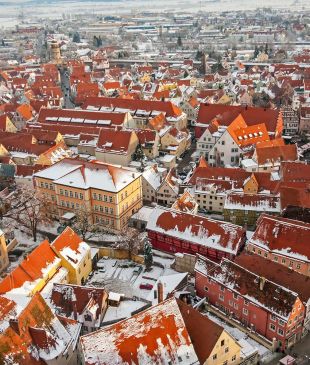
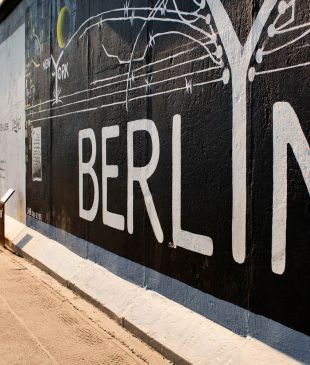
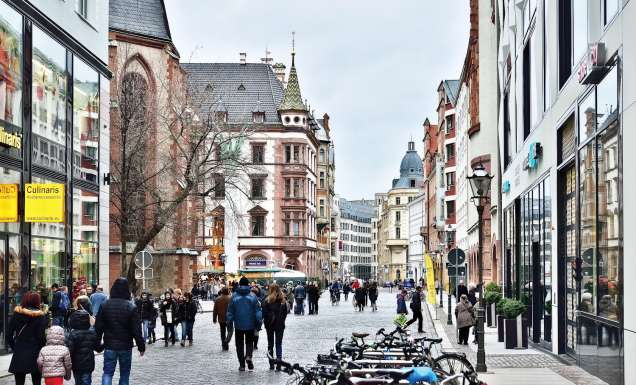
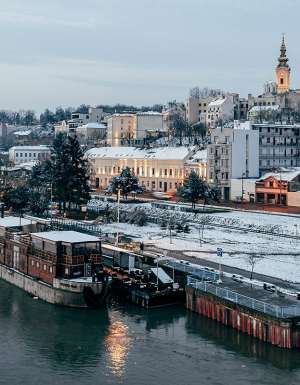
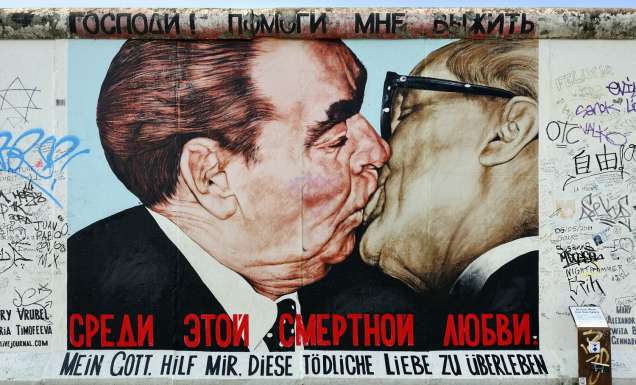
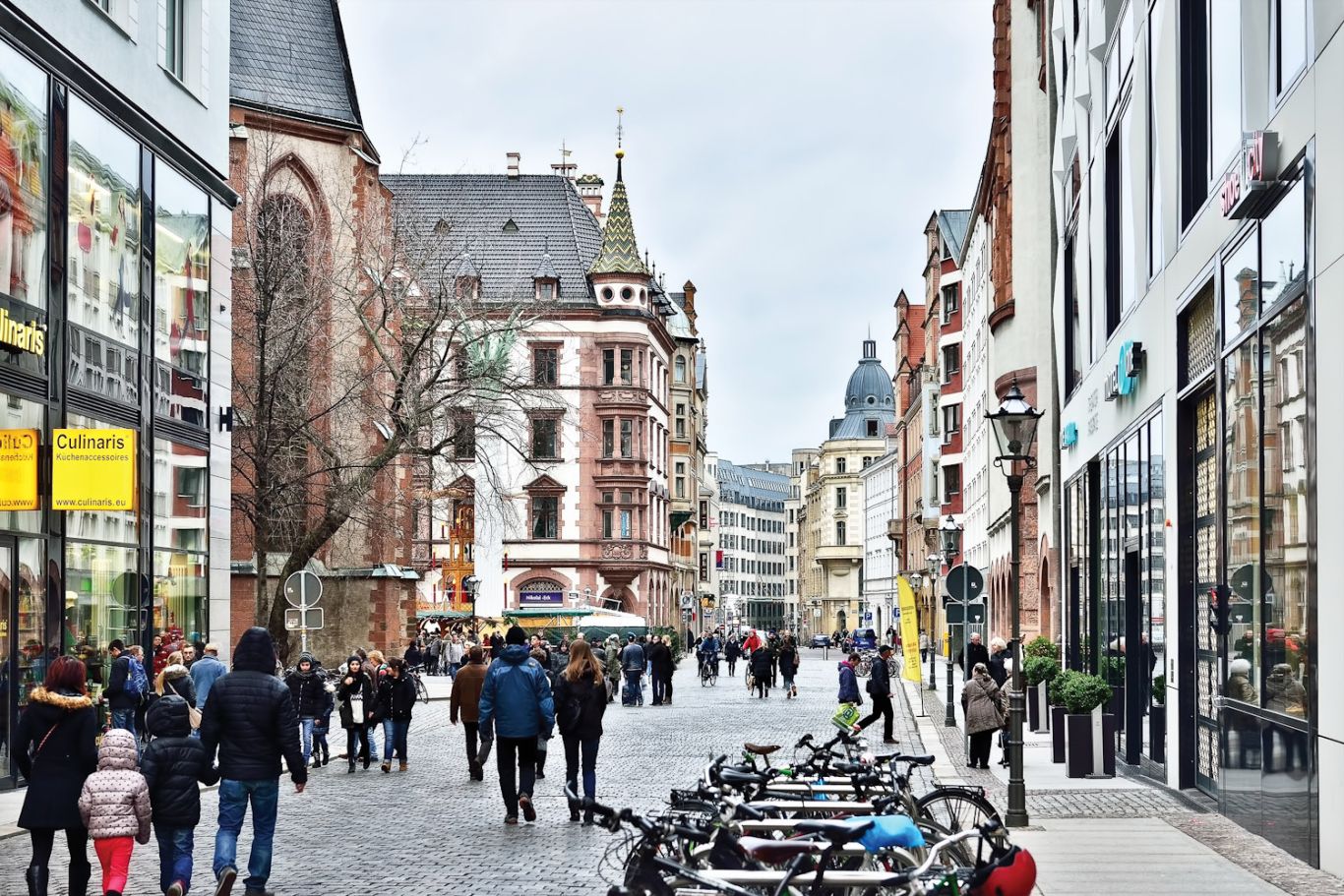
Germany contrasts gritty, industrial cities such as Munich and Dusseldorf with fabulous forested landscapes and fairytale castles. Echoes of its storied past are everywhere from the Nazi camps that still scar the landscape to the colourful remains of the Berlin Wall, now a gallery for Europe’s coolest street artists.
Meaty bratwurst and rowdy beer halls, magnificent, windswept beaches lapped by the Baltic Sea and the endlessly evolving creative scene, there are so many incredible things to do in Germany, it is guaranteed to capture your heart.
Best Time to Visit Germany
With so many things to see and do in Germany, there’s never a bad season to visit. For pleasant weather and fewer crowds, it’s best to visit Germany in the shoulder seasons of May to June and September to October.
If you’re timing your visit to fall during the spring months of March and April, the black forest will be looking particularly beautiful as the leaves come out. The best places to visit in Germany in May are the Mecklenburg Lake District, a romantic landscape of lush hills and glassy lakes, and Stuttgart, which hosts Europe’s biggest spring carnival every year.
The weather in Germany in summer is generally sunny with a few showers, and the climate is fairly consistent wherever you go, although the south of the country tends to be slightly warmer. Cologne is one of the warmest cities in the country, while Berlin tends to be warm and rainy in the summer.
Best Places to Visit in Germany
Its beguiling combination of ancient traditions and cutting-edge modernity make Germany an incredibly rich destination. Where you go entirely depends on what sort of trip you are looking for, although with so much variety it’s easy to combine several different holidays into a single visit.
Known for its boundary-pushing creative scene, Berlin is a natural place to start, with a variety of places to eat, stay and play.
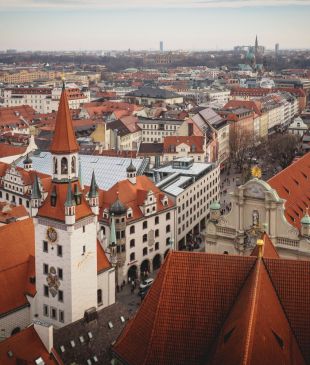
Munich has a slower, more sedate atmosphere and some fascinating cultural sights, while the North Sea Islands boast nostalgic fishing villages and fabulous hiking.
Best Things to Do in Germany
Wine-lovers will enjoy discovering some of Europe’s lesser-known wine regions in Franconia and Baden, while foodies will adore comforting dishes such as apple strudel.
History buffs, culture vultures and architecture addicts will be entranced by cities like Berlin, Cologne and Potsdam, while those who love the feel of the wind in their hair and fresh air in their lungs can’t miss out on a hike through the black forest.
With so many must see things in Germany, you may find yourself struggling to pick. Here are some of the best things to see and do in Germany, no matter what kind of holiday you’re looking for.
Attend Germany’s top festivals
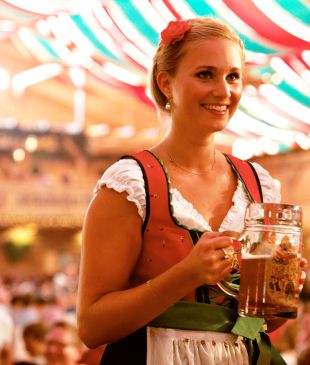
Germany’s traditional festivals are as ancient as they are eccentric. Kaltenberg is a medieval festival, and Asparagusfest in Schwetzingen celebrates the harvest. While Munich’s Oktoberfest is the biggest beer festival in Germany, it’s definitely not the only one.
You may associate carnivals more with Venice than Germany, but Cologne has embraced the idea with a huge parade on Rose Monday, as well as plenty of other street parties over a two-week period.
Berlin’s Berinale is the biggest film festival in the world, while Wurstmarkt is one of world’s biggest wine festivals.
Marvel at ancient castles
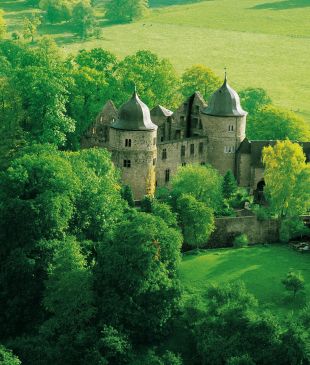
Germany was divided into hundreds of fiefdoms until it was united and it has the castles and palaces to prove it. Think curvaceous turrets and soaring spires, austere battlements and precisely manicured gardens.
Schloss Neuschwanstein is a wedding cake castle perched on a hilltop in Bavaria, Berlin’s Charlottenburg Palace is a trove of artistic booty including huge hordes of precious porcelain while the town of Schwetzingen has enchanting gardens where peacocks roam freely.
A driving holiday along Germany’s Beer and Castle route does is every bit as great as it sounds!
Discover beaches and islands
The south of Germany is peppered with idyllic lakes but if you’re looking for sunbathing and swathes of white sand, the north coast is the place to be as it’s home to the most popular beaches in Germany.
Pack a picnic and explore Sylt Island’s 40 km of coast by bicycle. Characterised by thatched cottages, historic lighthouses and winding lanes, this is one of the most traditional and genteel resorts in the country.
Ahlbeck Beach on Usedom Island is scattered with strandkörbe (traditional wooden benches with stripy sun covers) giving it a charming, nostalgic air, while the only way to reach Langeoog Beach is by horse-drawn carriage as there are no cars on Langeoog Island.
Explore the Black Forest
A must visit is the Black Forest, a deep, dark landscape that occasionally reveals waterfalls and sturdy timbered farmhouses. Try exploring it by van or hike the Westweg trail, which runs the length of the forest from Pforzheim to Basel.
Cruise the Danube
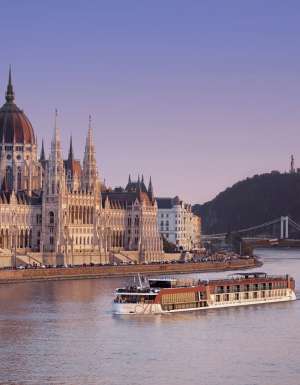
The Danube River is the mighty artery that flows through the whole country. Explore the Danube Cultural Route, which mostly passes through Bavaria, to see beautiful wetlands and sights such as Regensburg Old Town, which has Unesco status for its medieval bridges and gothic spires.
Visiting Germany in Winter
There is no doubt that Germany takes on a particular charm in winter, when the gingerbread cottages in The Alps are dusted with snow and icicles glitter on the historic castles’ roofs.
Cochem is a picturesque medieval town that is chock-a-block with snug taverns, perfect for whiling away chilly afternoons, while ski resort Garmisch-Partenkirchen clears 110 km of hiking trails through snowy forests.
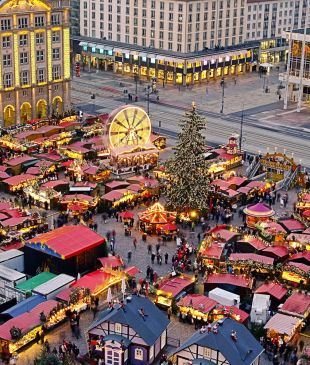
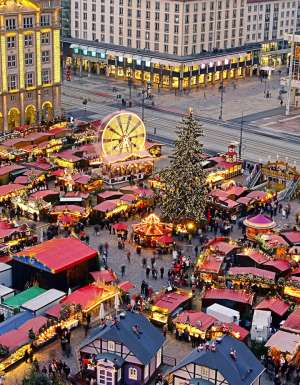
The fragrant smell of gingerbread and steaming glühwein (mulled wine), the sound of Silent Night and twinkling trees; Germany is also home to some of Europe’s most enchanting Christmas markets.
Nuremberg is one of the most famous, while Stuttgart is ideal for families with its skating rink and Grimm’s fairy tale figures. To really embrace the Christmas spirit head to the Konstanz Market which is framed by vistas of the snow-capped Alps.
Best Places to Stay In Germany
There are sixteen states in Germany and they all have a very different personality, with an equally different hotel scene. Take your pick from industrial chic warehouses in Berlin, a cosy mountain crash pad or a gracious renaissance villa set in manicured gardens. Whatever your hotel penchant is, your guaranteed to find it in Germany.
Best Places to Stay in Frankfurt
A contemporary financial powerhouse, Frankfurt’s skyline is a gleaming jungle of steel, glass and concrete. Yet turn down a side street and you’ll suddenly stumble on a half-timbered tavern warmed by a roaring fire, where old timers gather to drink apple-wine.
There are 46 neighbourhoods to choose from. Creative hub Lindenberg is always a good choice – try the Libertine Lindenberg, a quirky haven with just five rooms.
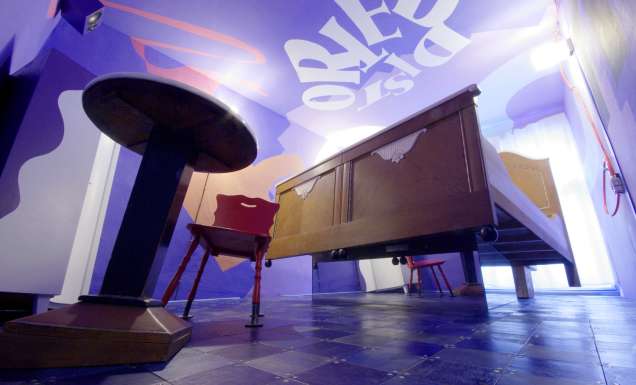
Hotel und Restaurant Schmärrnche is in a picturesque historic building in Bornheim, a charming mass of cobbled alleys lined by the city’s best shops. After a long night of bar hopping in happening Bahnhofsviertel, rest your head at hipster 25hours Hotel Frankfurt.
Best Places to Stay in Berlin
Glamorous, gritty and oozing historic interest, Berlin has a creative pulse that is hard to resist. But in a city this sprawling, choosing the right neighbourhood is crucial.
Mitte is at the very centre, within walking distance of key hubs such as Alexanderplatz and Potsdamer Platz and has plenty of high-end options. Home of the city’s punk scene in the 70s, Kreuzburg is still a cultural melting pot with funky, good-value hotels. Known for its high-end boutiques, leafy Charlottenburg is the place to go for classic luxury.
Best Places to Stay in Hamburg
A laid-back harbour city, Hamburg is finally putting its best foot forward after years of construction and development. New waterfront districts such as HafenCity and Überseequartier are ready to welcome visitors and they have the new hotels to prove it.
25Hours Hotel Altes Hafenamt combines style and value, as well as an excellent cocktail bar. Louis C Jacob is a classically elegant option that looks over the Elbe River.
Best Foodie Experiences in Germany
So, what food do they eat in Germany? Think comforting regional recipes that have been passed down through generations. Fluffy dumplings from Central Germany and fried fish in the North, green sauce, sausages and pasta pockets are just some of the mouth-watering things on offer.
Bite into a salty, flavoursome bratwurst and you’re eating a bit of German history, harking back to freezing winters when food was scarce and people needed a way of using up every bit of the animal.
There are more than 40 recipes to choose from. The most famous come from Thuringia (where many people think they were invented), including the Coburg Bratwurst, which is grilled over pinecones. Weisswurst in Munich are steamed and served in a bowl of boiling water while Frankonia sausages are cooked in a broth of vinegar, wine and onions.
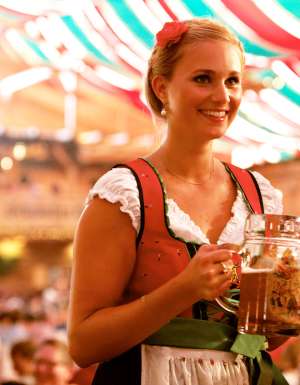
Beer is Germany’s national drink and Oktoberfest is high on any beer-loving traveller’s list. But what cities host Oktoberfest? Munich’s Oktoberfest is the biggest celebration, but you can also celebrate in Frankfurt and Stuttgart.