
Compared to other Japanese cities, Kyoto is smaller in size and population, but it delivers a remarkable cultural depth – from its historic temples and tranquil shrines, through to its intimate, pocket-sized cocktail bars.
Offering a more immersive, nature-rich and historically layered experience than Japan’s larger cities, Kyoto is a genuine cultural reset. Serene and captivating, it’s a place that encourages you to slow down – inviting reflection not only inward, but backwards, drawing on centuries of tradition for a sense of purpose, perspective and restoration. Here, the focus shifts away from cutting-edge technology and neon-lit nightlife, and toward timeless rituals, craftsmanship, and the beauty of everyday simplicity.
From the mesmerising Kinkaku-ji temple and cherry blossom-lined Philosopher’s Path to the bustling Nishiki food markets, we’ve curated a comprehensive guide of the best things to do in Kyoto, whether you’re visiting for the first time or returning to uncover even more of its enduring charm.
Wander through Fushimi Inari
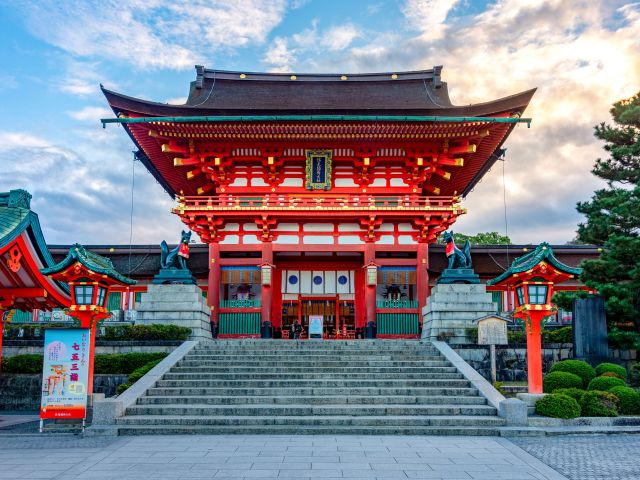
One of Kyoto’s most significant shrines – and undoubtedly one of the most photographed – Fushimi Inari Shrine is a mesmerising, torii gate-lined hike dedicated to Inari, the Shinto god of rice, prosperity, and business. Stretching roughly 5 kilometres in length through the sloped forest of Mount Inari, the trail takes two to three hours to complete, guiding visitors through thousands of striking vermillion gates that form an almost surreal, tunnel-like pathway.
What sets this experience apart is that the gates are more than just visually arresting; they are also offerings, donated by individuals and businesses in gratitude for success or in hope of future prosperity. While the shrine is open 24 hours a day, visiting during off-peak periods – particularly in winter – offers a more peaceful experience. Even then, it’s worth arriving early to fully appreciate its quiet, atmospheric beauty before the crowds descend.
Soak in the beauty of Kinkaku-ji
Kinkaku-ji is easily one of the most striking buildings in Japan. Originally built in the 14th century as a shogun’s retirement villa, the iconic Buddhist temple is now a UNESCO World Heritage-listed, meticulously preserved in shimmering gold leaf and set against a background of lush, manicured gardens.
Wander around the surrounding gardens to soak in the pavilion from carefully considered viewpoints – every path, branch, and pond has been intentionally positioned to harmoniously frame the architecture. Like many of Kyoto’s iconic landmarks, its magnetism draws crowds, so it’s worth arriving early. Aim to be there when it opens at 9am to experience its beauty at a slower pace.
Wander through Ginkaku-ji
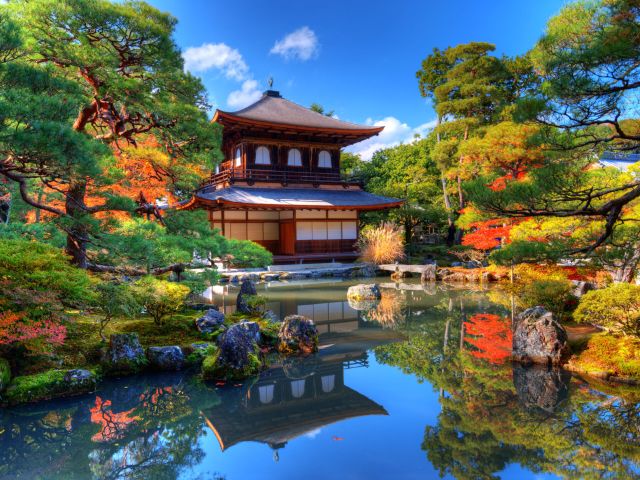
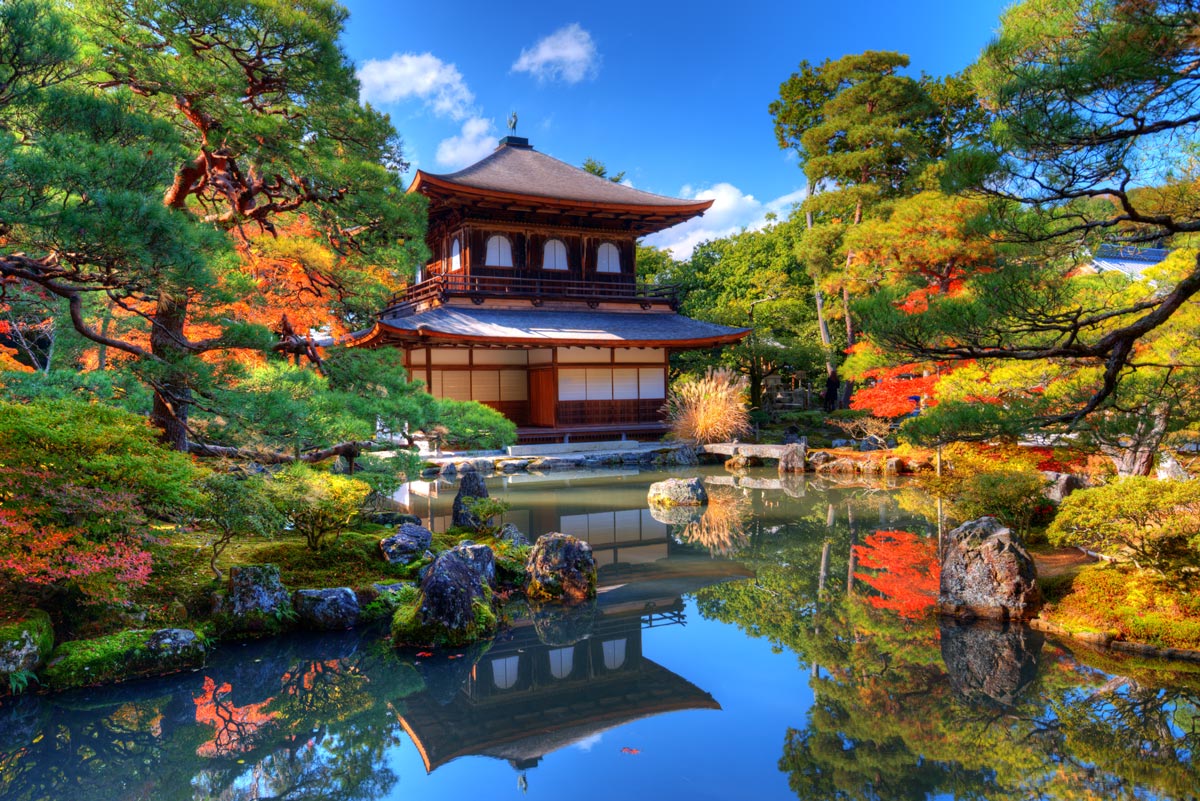
Built in 1482 by shogun Ashikaga Yoshimasa as a retirement villa and modelled after its gilded counterpart, Kinkaku-ji, this understated Buddhist temple offers a more contemplative experience.
While visually understated, the UNESCO World Heritage-listed site is nestled at the foot of Higashiyama’s wooded hills, presenting a thoughtfully composed landscape of moss gardens, raked sand and winding paths. It’s an introspective glimpse into Japan’s cultural and aesthetic traditions.
Stroll along the Philosopher’s Path
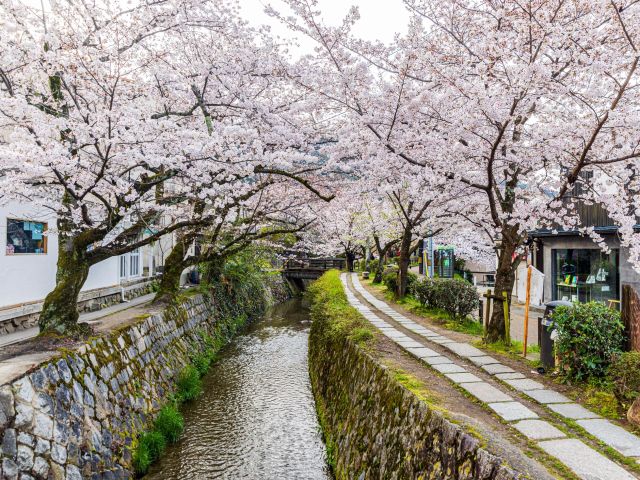
Japan’s cherry blossom season – typically arriving in early April and lasting just a few fleeting weeks – is a magical time to explore the country, and Kyoto is no exception. One of the most beautiful ways to experience the soft bursts of spring colours is by strolling along the Philosopher’s Path, which winds through the northern part of Kyoto’s Higashiyama district.
Starting near Ginkakuji and finishing at Nanzenji, the two-kilometre path follows a tranquil canal, lined with cherry trees, passing temples like Anraku-ji and Honen-in. It’s an easy and scenic walk that captures Kyoto at its most poetic.
Wander through Nanzen-ji
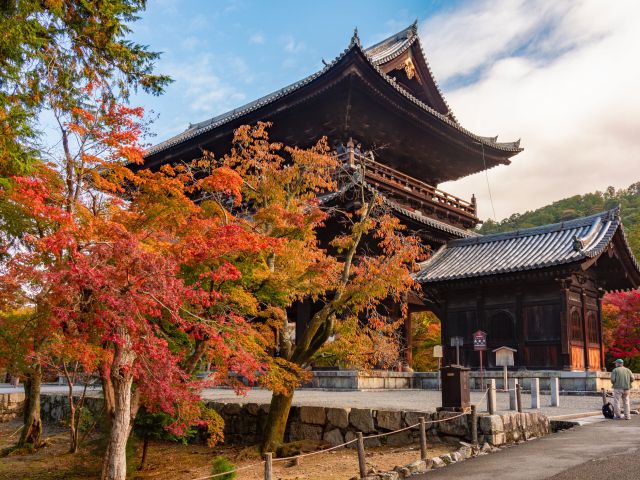
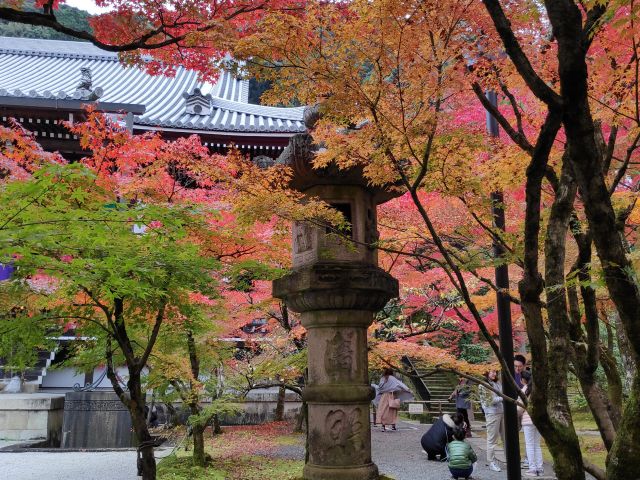
Speaking of Nanzen-ji, it’s a destination in its own right. Nestled at the base of Kyoto’s forested Higashiyama mountains, this expansive Zen temple complex dates back to the 13th century and is considered one of the most important Zen sites in Japan.
Exceptionally picturesque and peaceful, the grounds are home to multiple sub-temples and gardens. While some require a fee, the main precinct is open to the public and free to explore. The striking Sanmon Gate is certainly a highlight as it invites visitors to climb to the top for sweeping views of the surrounding trees and temple gardens.
Find inner peace at Ryōan-ji
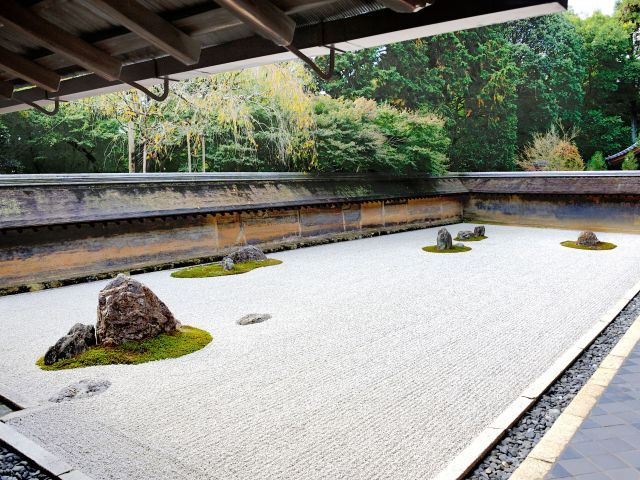
Another UNESCO World Heritage-listed site worth adding to your itinerary is Ryoan-ji. The Zen Buddhist temple – also known as Temple Of The Peaceful Dragon – is home to one of Kyoto’s most serene and reflective Zen rock gardens, celebrated as a masterclass in meditative minimalism.
Comprising 15 carefully-placed moss-covered rocks set within a bed of raked gravel, the garden invites contemplation. Visitors are encouraged to sit on the wooden verandah for a rare and welcome pause from the pace of modern life and a moment of calm.
Nishiki Market
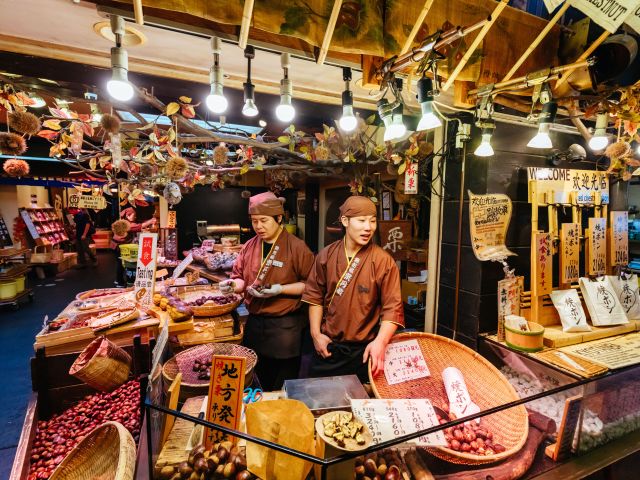
A stay in Kyoto wouldn’t be complete without a trip to the Nishiki Market. Dubbed “Kyoto’s Kitchen", the vibrant 400-year-old food markets stretch across five city blocks in the heart of Kyoto and are best experienced as a cultural, roaming grazing feast.
From skewered seafood delicacies – like baby octopus stuffed with boiled quail eggs – and moreish tamagoyaki (savoury Japanese pancakes), the aromatic markets are brimming with flavours. Here, it’s less about sightseeing and more about tasting your way through Kyoto. Be sure to come hungry – and early at around 10am – but be mindful not to eat while walking; standing at the stall while trying the food is polite and a sign of respect.
Walk through the Arashiyama Bamboo Grove
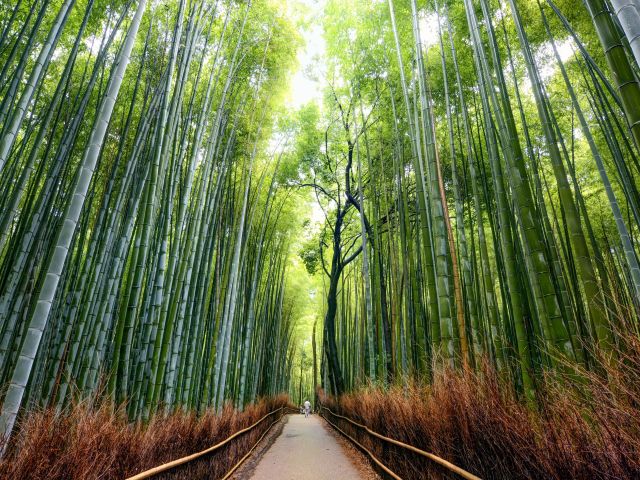
One of the most calming ways to kick-start a morning in Kyoto is a stroll through Arashiyama Bamboo Grove. An immersive and almost cinematic experience, the path itself stretches only around 600 metres long, yet is lined entirely with towering bamboo stalks that gently rustle in the wind, creating a sensory walk that’s visually striking.
With flat, easy-to-navigate pathways, the grove is accessible to all travellers and, notably, free to enter and open 24 hours a day. Arrive early to slow your pace and take in the beauty of the bamboo in relative stillness and dappled sunlight before the crowds begin to gather.
Meet wild monkeys up-close
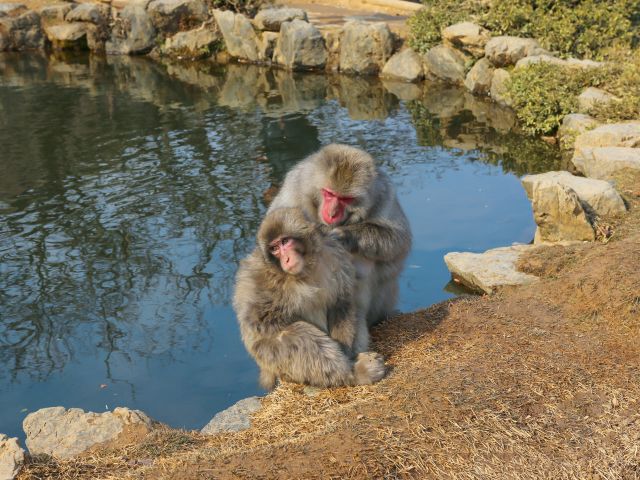
If you’re seeking something different to break up the temple trail, Arashiyama Monkey Park is an unexpectedly playful experience the whole family will enjoy. Perched on the slopes of Mount Iwatayama in Kyoto’s Arashiyama neighbourhood, the park is home to over 120 Japanese macaques who roam freely on the mountain.
While visitors can’t touch the monkeys, the rare experience is still an immersive one, allowing travellers to get up close and personal with the monkeys, observing them from a safe and respectful distance. Different from zoos, where monkeys are trapped behind glass enclosures, this park flips the script, allowing visitors to feed the monkeys from within a small hut.
Spot Geishas in Gion
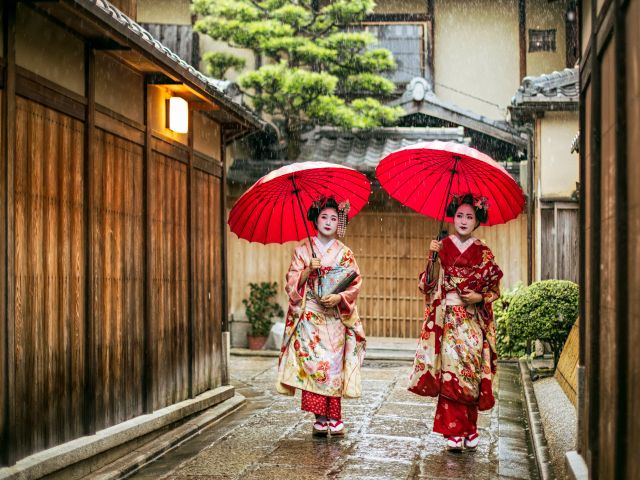
A masterclass in historic preservation, Gion is Kyoto’s most famous geisha district, offering travellers a rare sense of living tradition – where centuries-old customs continue to shape daily life. Wandering through its lantern-lit streets, it’s easy to feel as though you’ve stepped back in time.
While deeply rooted in tradition, the path to becoming a geisha, known locally as geiko, is still a highly respected profession; training is rigorous and can take years to complete. Far from just a tourist spectacle, geikos and their apprentice maikos are highly-skilled artists and entertainers. Visitors may catch a glimpse of them moving between appointments at dusk, and are encouraged to admire respectfully from a distance, without interruption and hassling them for a photograph.
Book a Kaiseki dining experience
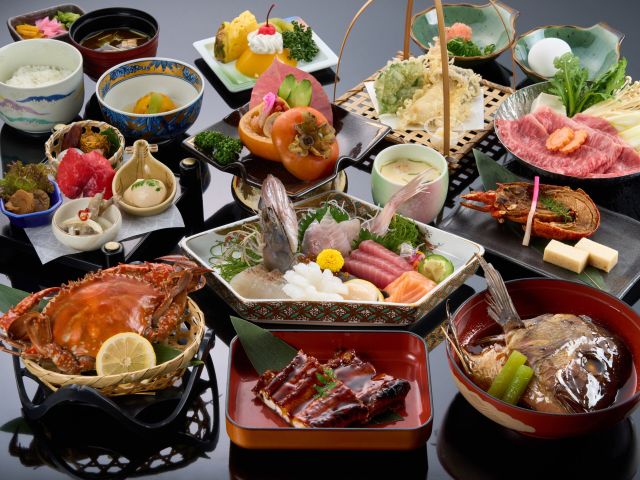
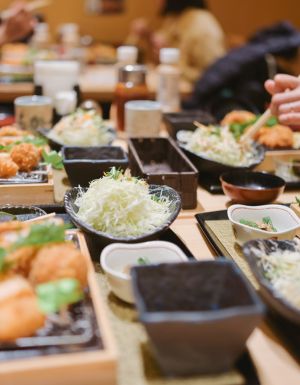
Beyond geiko sightings, Gion is home to some of Kyoto’s best dining with a string of traditional teahouses, refined kaiseki restaurants and Michelin-starred establishments. For a truly memorable experience, plan ahead and secure a reservation at one of the acclaimed venues, such as the three Michelin-starred Gion Sasaki, or opt for the meticulous seasonal cuisine of two-star favourites like Gion Maruyama or Gion Nishikawa.
Take part in a tea ceremony
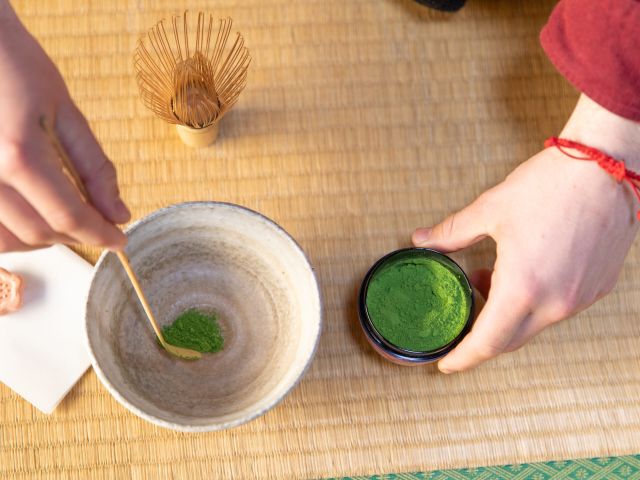
Refined over centuries, Kyoto’s traditional tea ceremonies are an essential cultural experience. While centred around the ancient and artistic ritual of making, savouring and serving matcha tea, the rituals are intimate, respectful, and meditative, as guests watch as a host carries out precise and intentional tea making – embodying the philosophy of wa-kei-sei-jaku, which represents the harmony, respect, purity, and tranquillity of tea making.
Depending on the type of cultural experience you’re looking for, there are a range of options across the city. Highly traditional ceremonies, such as those connected to the Urasenke Tea School, offer the most authentic insight but might be a little harder to secure a booking. More widely available are smaller, thoughtfully run sessions, often held in centuries-old machiya tea houses. Wherever possible, opt for a slower, more intimate setting over shorter, high-turnover experiences to fully immerse yourself and appreciate the experience.
Visit Yasake Shrine
Shrines are abundant across Kyoto, but Yasaka Shrine – also known as Gion Shrine – is one of the most famous. Positioned between Gion and Higashiyama, the shrine dates back over 1,300 years and holds deep historical significance among Kyoto locals, as it’s not just a place of worship, but it played a crucial role in protecting Kyoto from disease, and is the origin of Gion Matsuri, one of Japan’s most important cultural festivals.
Free and open 24 hours a day, the shrine is magnificent in the daylight but even more vibrant at night. Here, visitors are welcome to explore the grounds, wander through the main hall and observe – or take part in – a traditional Shinto ritual: bow twice, clap twice and make a wish.
Weekly travel news, experiences
insider tips, offers, and more.
Visit TeamLab Biovortex
Redefining what a museum can be, teamLab is a Japanese art collective made up of engineers, artists and designers, who create immersive, sensory, and reactive large-scale art worlds to move through. It isn’t just one fixed museum, but a series of evolving, semi-permanent exhibitions where art and technology collide.
teamLab Biovortex in Kyoto opened late 2025 and has become a permanent art institution. A stark but welcome contrast to Kyoto’s historic beauty, travellers can expect to wander through a sea of solidified lights, bask in ephemeral crystalised rain, and wander under a canopy of kaleidoscopic glass lanterns.
Bar hop through Pontochō Alley
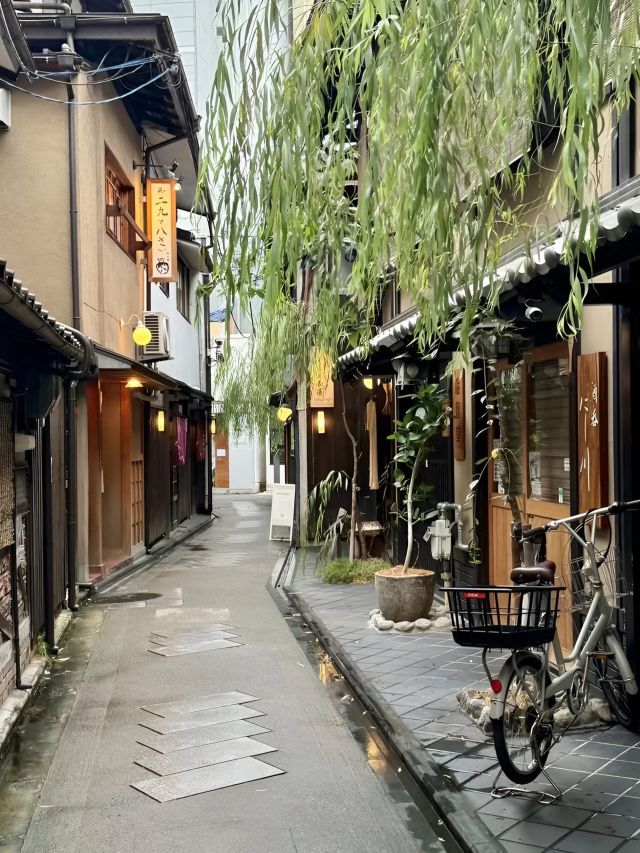
Celebrated as one of the best food and drink destinations in Kyoto, Pontochō Alley is brimming with characterful bars and intimate restaurants, tucked discreetly behind shopfronts, often upstairs or hidden behind unassuming wooden doors, which only adds to its allure and intrigue.
Running alongside the Kamogawa River, the narrow, lantern-lit street strip offers a compelling mix of traditional kaiseki dining, casual izakayas pouring crisp local beers paired with yakitori, and softly glowing Japanese whiskey bars. By day, it’s a quiet, atmospheric laneway; by night, it transforms into a lively, energetic hub where locals and visitors alike gather to eat, drink, and linger.
Take a day trip to Nara
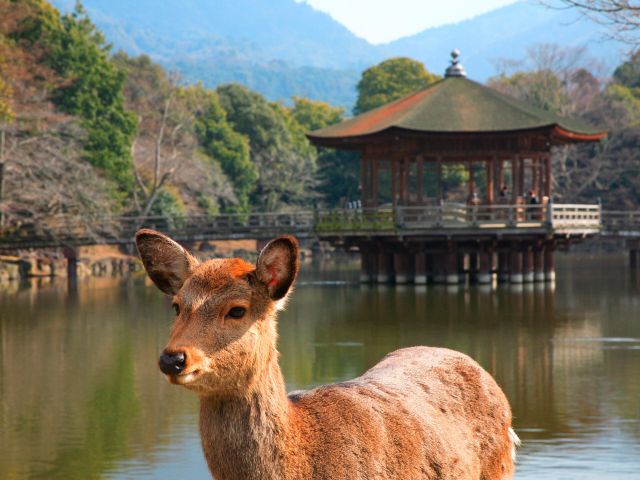
If feeding and (respectfully) interacting with free-roaming deer amid lush gardens and temples sounds like your cup of tea, then a day trip to Nara is certainly one to add to your itinerary. Just 45-minutes by train from Kyoto, it offers a picturesque and enriching escape into nature and history.
Wander through Nara Park, home to expansive green spaces and iconic landmarks, such as Tōdai-ji Temple, before sampling the area’s moreish matcha sweet treats. The true highlight, however, is the deer. Regarded as sacred messengers in Shinto belief, these playful, calm and curious creatures roam freely throughout the park. Visitors can feed them special crackers and even capture a selfie or two – but it’s important to remember that, while accustomed to humans, they are still wild animals, so approach with care and respect.
Day trip to Osaka
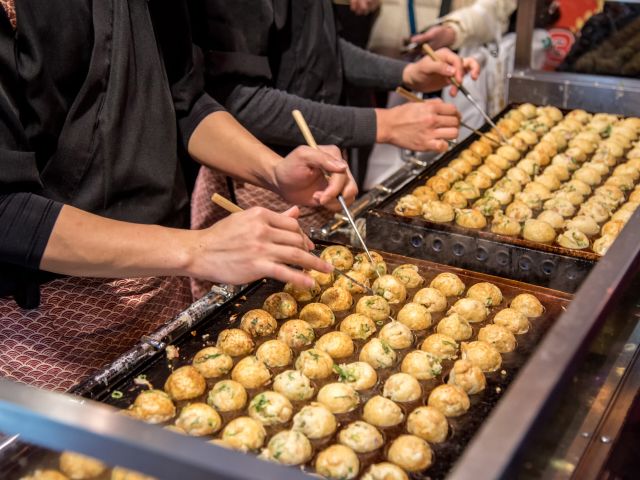
If an extended stay in Osaka – Japan’s culinary capital – isn’t on the itinerary, then a day trip from Kyoto is well worth the short 30-minute train ride. More modern and fast-paced, with food culture at its core, Osaka offers a lively, atmospheric contrast to Kyoto, and is the ultimate destination for a street food safari.
While Osaka Castle is one of the country’s most iconic landmarks, it’s slightly out of the way for a shorter visit. Instead, maximise your time by arriving hungry and heading straight to Dotonbori – the canal-lined district, often described as the neon-lit heart of the city. Here, you can wander past countless food stalls serving moreish takoyaki (octopus balls), okonomiyaki (savoury pancakes), and kushikatsu (deep-fried skewers), before washing it all down with a crisp local beer or cocktail at one of the many bustling izakayas.
Learn how to make your own raku ware
Kyoto is the birthplace of Raku pottery – handcrafted tea bowls traditionally used in tea ceremonies – so, there’s no better place to deepen your appreciation of tea culture than by creating your own.
Rooted in the charming Japanese wabi-sabi philosophy – the beauty of imperfection – raku is shaped by hand rather than thrown on the pottery wheel, with artisans moulding the clay to fit naturally in the palm. The result is a piece that feels personal and unique. Across Kyoto, a range of workshops and studios offer raku lessons, from accessible group sessions to more considered, private classes for those seeking a deeper cultural immersion.
How many days do you need in Kyoto?
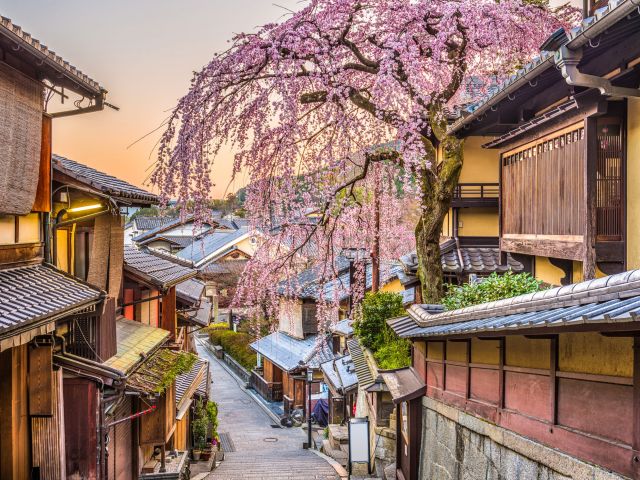
Kyoto is a city that rewards slowness – where stillness isn’t just encouraged, but part of the natural rhythm of daily life. The more time you have, the better. That said, four days is ideal to comfortably explore the city and tick off most of its iconic landmarks, parks and cultural highlights. A full week affords a holistic and deeper understanding of local culture, but could feel a touch too long, while a weekend is possible but likely to feel rushed.
What is Kyoto most famous for?
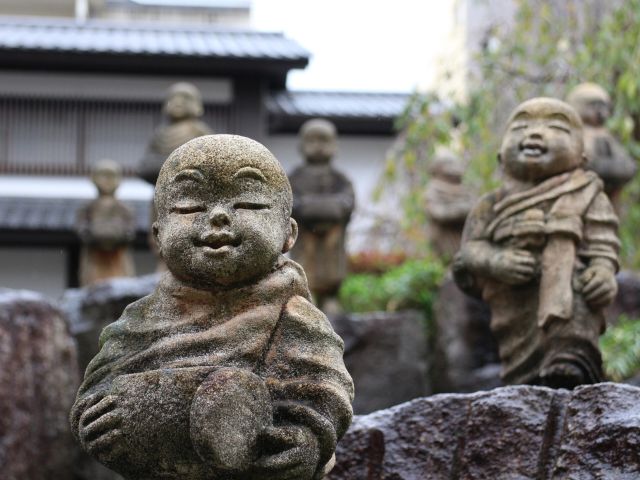
As Japan’s former imperial capital of Japan for over 1,000 years, Kyoto is synonymous with the preservation of the country’s cultural and historical heritage. Renowned for thousands of shrines and Buddhist temples, as well as stunning natural landscapes, and meticulously manicured gardens.
For travellers, it offers a rare opportunity to step back in time, whether through traditional tea ceremonies, encounters with geishas, or the art of kaiseki dining – Kyoto is a refined, multi-sensory glimpse into ancient Japanese traditions.
Is Kyoto worth visiting?
Yes! While cities like Tokyo and Osaka offer travellers a bustling, vibrant blend of both traditional and contemporary Japanese culture, Kyoto is a welcome contrast; it modestly showcases the subtle beauty of Japanese culture through a more refined and serene lens.
Want to see more stories from International Traveller in your Google search results?
- Click here to set International Traveller as a preferred source.
- Tick the box next to "International Traveller". That's it.