
Project Sunrise: preparing for take-off.
A lot has changed since Qantas first began flying between Sydney and London almost 80 years ago. Back then, the journey took four days and seven stops, earning the name ‘Kangaroo Route’ in a nod to the way it hopped across the globe.
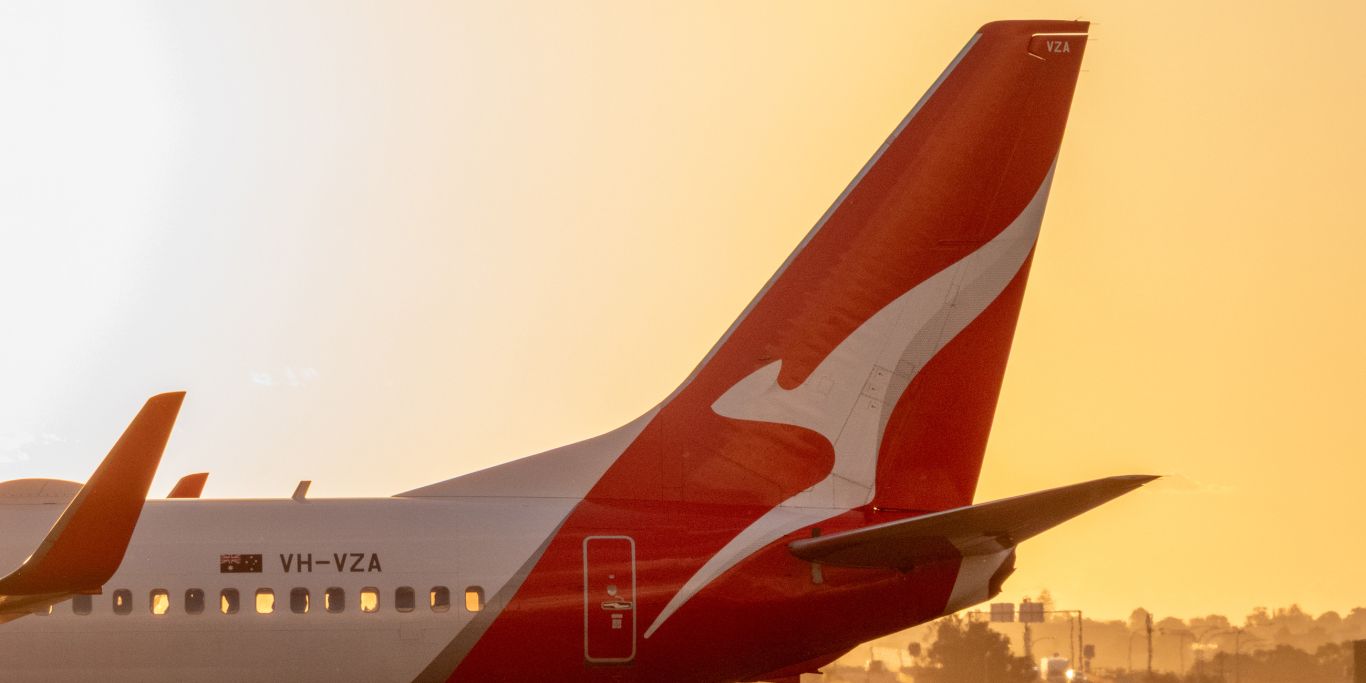
Now, our national carrier is gearing up for its biggest leap yet. After years of planning and preparation, Qantas has revealed the official launch window for Project Sunrise, with wheels up on its landmark Sydney to London route set for October 2027.
Project Sunrise: the dates and details
It’s a milestone almost a decade in the making. Originally proposed in 2017, Qantas set out to do what many considered impossible in the world of commercial aviation. Dubbed Project Sunrise, the ambitious venture sought to connect Australia with the far reaches of the northern hemisphere – without a single stopover.
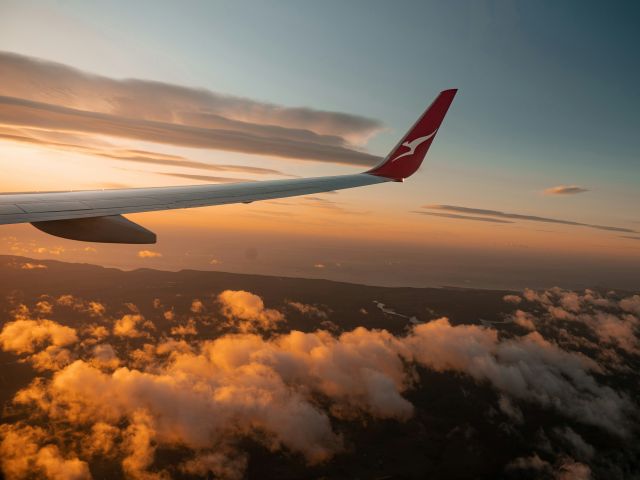
Fast-forward to 2026 and that vision is almost a reality. The non-stop route between Sydney and London has been mapped. The model – an Airbus A350-1000ULR – was selected and ordered, scheduled for arrival in just five months. The first aircraft, named Vega, will be followed by 12 more from FY28.
Cabin configurations were meticulously designed. New high-tech systems expertly engineered. Tanks for an additional 20,000 litres of fuel installed. Now, the first test aircraft is in the final stages of its flight test program.
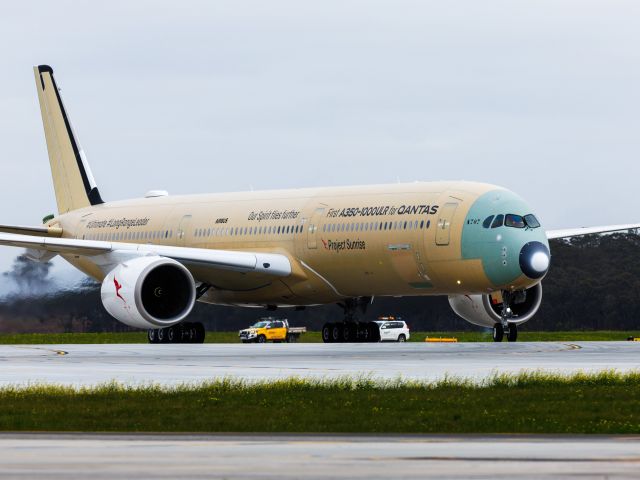
As roughly 10 years of work reaches a head, Qantas confirms the revolutionised route will take to the skies in October next year. But Aussie travellers keen to secure a seat on the inaugural flight won’t have to wait that long.
When do tickets go on sale?
Tickets for the first-ever non-stop Qantas service between Sydney and London will go on sale in February 2027. Operating under the airline’s iconic QF1 and QF2 flight numbers, the new route is expected to shave up to four hours off the existing journey.
How long will the flight take?
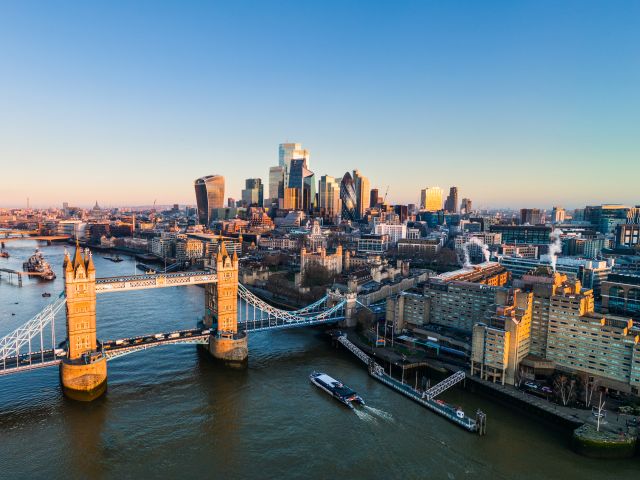
While an exact flight duration has yet to be confirmed, Qantas estimates passengers will spend up to 22 hours in the air. For those who aren’t quite ready to ditch the stopover altogether, flights via Singapore will continue to operate under new flight numbers, QF5 and QF6.
Where else will it fly?
London isn’t the only destination on the horizon, either. Qantas has also confirmed plans to launch a non-stop route between Sydney and New York in 2028, with tickets scheduled to go on sale from August 2027.
What to expect onboard
With passengers expected to spend up to 22 hours onboard, comfort and wellbeing have been central to the Airbus A350-1000ULR’s design. Flying halfway around the world without stopping presents a unique set of challenges, but Qantas has invested heavily in making the experience as seamless as possible.
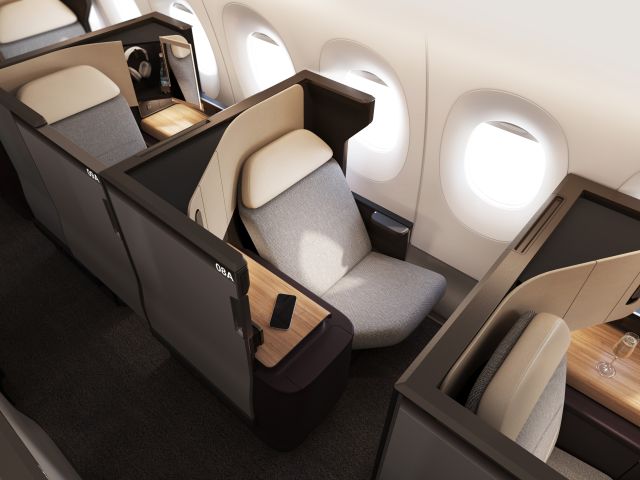
Developed in collaboration with Australian industrial designer David Caon, the aircraft will accommodate just 238 passengers across four cabin classes: First, Business, Premium Economy and Economy. Boasting the lowest seat density of any A350-1000 in service worldwide, its design prioritises comfort over capacity.
Travellers can expect spacious seating, ergonomic designs and enhanced privacy, including a two-metre-long flat-bed in both First Class and Business Class. Those in Economy and Premium Economy will enjoy a 33-inch pitch across more than 70 per cent of the cabin, complete with custom multi-layer memory foam in seats.
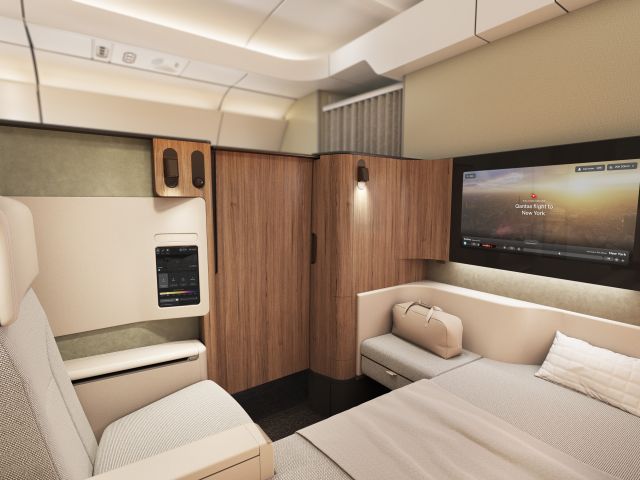
Qantas also teamed up with researchers from the University of Sydney’s Charles Perkins Centre for guidance on things like sleep, nutrition and passenger wellbeing. As a result, the A350 was designed with 12 lighting scenes – including Sunrise, Sunset and Awake – which are grounded in circadian-rhythm science to help with time-zone adjustment and reduce jet lag.
Perhaps the most innovative addition to the aircraft is its dedicated Wellbeing Zone, where passengers can stretch their legs, follow guided exercises to increase blood flow, and enjoy refreshments at a self-serve hydration station.
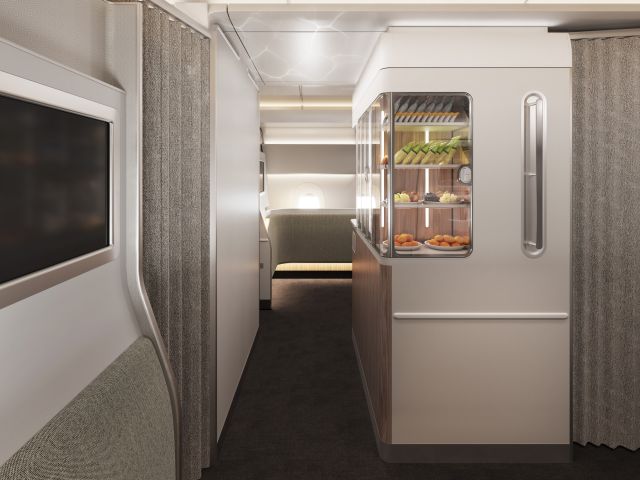
Elsewhere, a revised dining experience will allow passengers to pre-select meals before boarding. The new in-flight entertainment system will sync with these meal services, as well as rest periods, to minimise disruptions and create a harmonious onboard environment. Additions like Bluetooth connectivity and free wi-fi round out a premium passenger experience – no matter what cabin you’re in.
Weekly travel news, experiences
insider tips, offers, and more.
The evolution of an aviation icon
The Kangaroo Route has come a long way since its inaugural service in 1947, when flying between Sydney and London was a luxury reserved for the fortunate few. Onboard a Lockheed L-749 Constellation, 29 passengers and 11 crew members would make the roughly 58-hour journey, stopping in places like Singapore, India, Egypt and Italy.
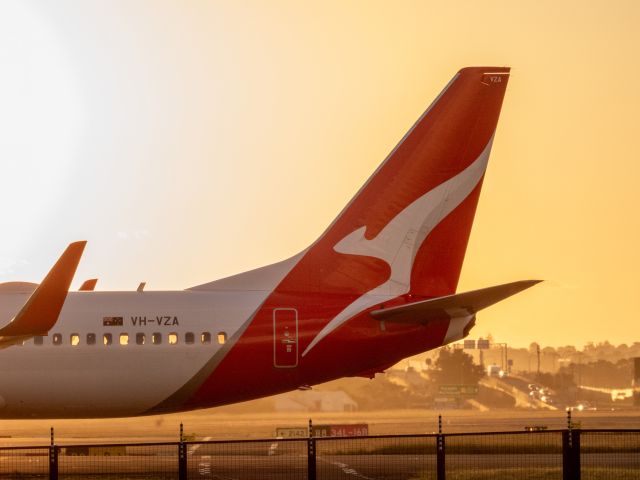
In the decades that followed, advancements in technology steadily transformed the aviation landscape. What was once a multi-day journey gradually became an everyday part of modern travel, connecting generations of Australians with family, friends and far-flung destinations.
Now, almost eight decades on, Project Sunrise represents the next chapter in that remarkable evolution. For the first time in history, the journey between Sydney and London will be possible without a single stop along the way. It’s a remarkable reminder of just how far air travel has come – and how much further it can go in the future.
Want to see more stories from International Traveller in your Google search results?
- Click here to set International Traveller as a preferred source.
- Tick the box next to "International Traveller". That's it.