hero media

9 of the world’s weirdest national dishes

International Traveller
Take a trip around the world via nine weird national dishes.

One way to get a taste of a culture is by eating its food. From sautéed reindeer to pine cone jam and a pufferfish dish that requires a license to prepare – here are some of the most unusual dishes from around the world.

Mexico: escamol

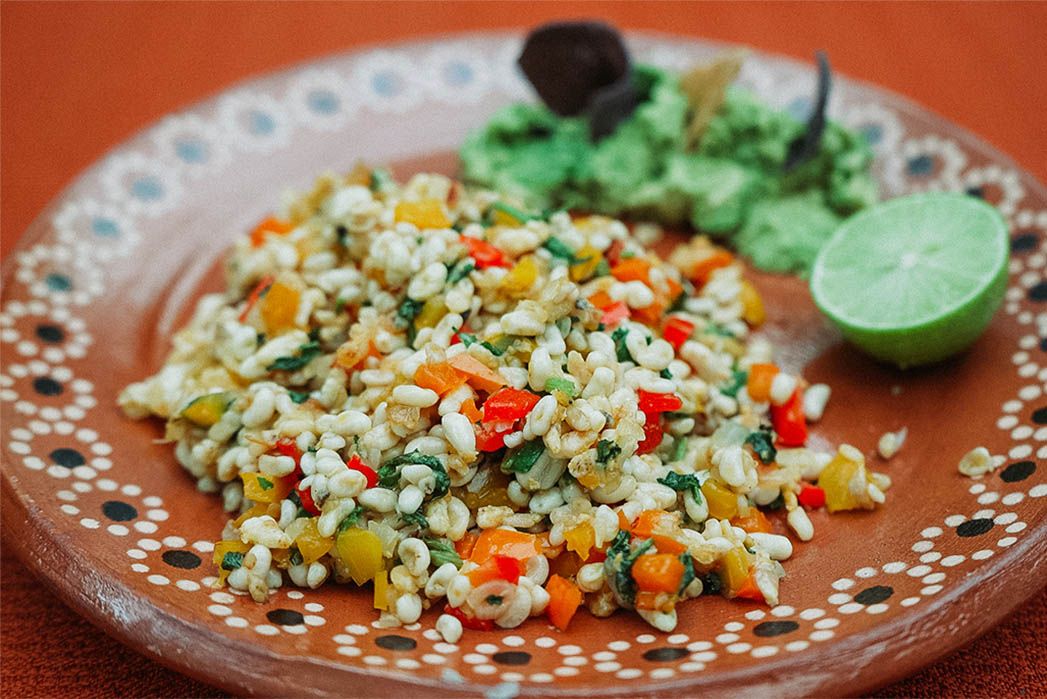
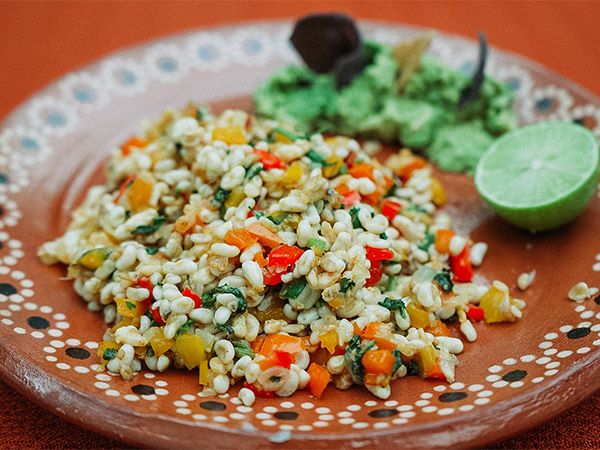
Escamol is a fairly swanky dish you won’t find on just any Mexican menu. In fact, these pinenut resemblances have earned a reputation as the caviar of desserts.


Ant pupae and larvae – called escamol – is considered an opulent treat in Mexico. They’re collected from the rural high plains, where the tree ants surround themselves with the roots of mezcal and tequila plants. With a nutty, buttery taste on their own, they are often simply prepared; fried in butter with onion and chilli, then wrapped in corn tortillas to be served as tacos.


Before it gained a reputation as a delicacy among the Spanish, Indigenous people ate escamoles as a source of protein. Now, you’ll find it on the menu in numerous upscale restaurants throughout Mexico City.
Escamol
Escamol is considered an opulent treat in Mexico

Hawaii: manapua

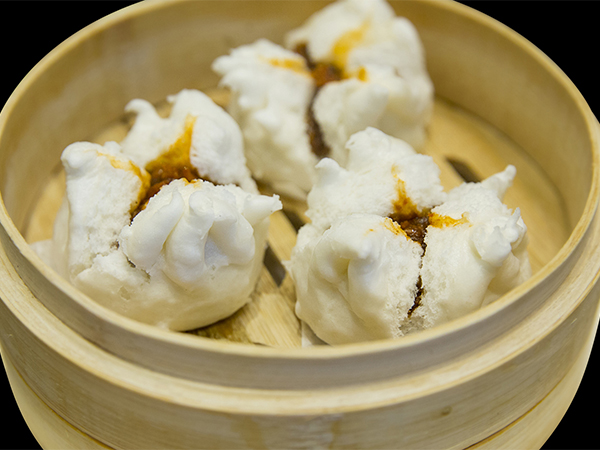
Chinese immigrants to Hawaii have brought their own flavours and unique influences to Hawaiian cuisine over the centuries. One of which has resulted in the creation of the manapua: a sweet Chinese-style dumpling stuffed with Hawaiian-style flavours.


Manapua began in China as char siu bao (“bao" means “steamed bun"), but it was the Hawaiians who added tropical island fruits to make this their own. They also used yeast and baking soda to increase the size of the bun. The inside is stuffed with pork, chicken and sweet potato mixed with pineapple to create a doughy/sweet hybrid.
Manapua
Manapua is a Chinese-style dumpling with Hawaiian-style flavours

China: snake wine

Hong Kong has several unusual culinary offerings and snake wine is just one of them. Made from a concoction of venomous snakes and alcoholic rice wine, Chinese snake wine has been consumed since the Western Zhou dynasty (1046-771 BC) and is traditionally thought of as a medicinal liquor.


The wine is prepared by placing an entire snake – often while still alive – into a vat of rice wine. It is then left to ferment for several months, then garnished with herbs and spices. The ethanol in the rice wine denatures the venom, making it a safe, earthy drink when prepared properly.


Snake wine is usually found around markets and traditional snake restaurants in Hong Kong. It is typically served on its own, rather than as a meal accompaniment.
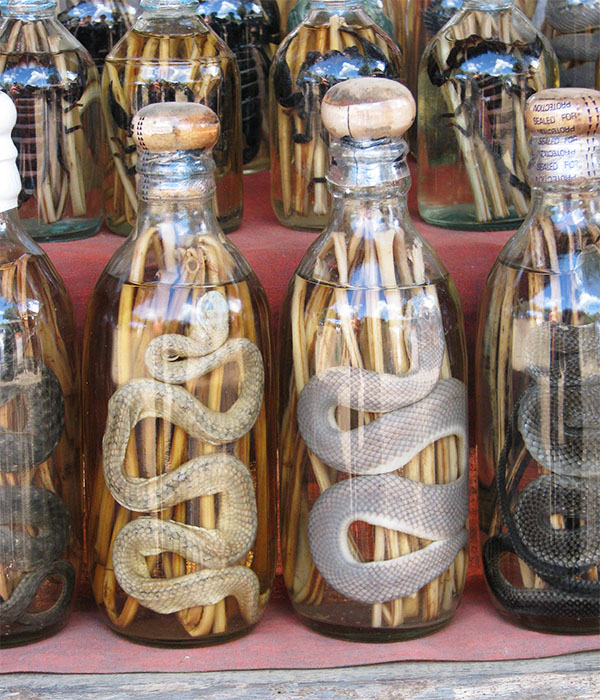
Snake wine is popular in Asian markets

Italy: maggot cheese

You rarely think of cheese as being dangerous, and yet the Italian delicacy of casu marzu has been given illegal status due to the obvious health risk it poses. This one has made the list as a gross curiosity – we definitely do not recommend you seek it out.


Casu marzu (Westernized as ‘maggot cheese’) comes from the Italian island of Sardinia. Like all good quality sheep milk cheeses, it takes some time to make, in part due to the thousands of maggots that infest the finished product.


First, the milk is heated, then left for about three weeks so it can curdle. After the crust is cut off, in comes the flies who lay their eggs. Afterwards, the cheese is left in a dark hut for two to three months. During that time, the eggs hatch into larvae and begin to eat the now-rotting cheese. Their bodily excretions are essential, giving the cheese its distinct soft texture and rich flavour.


The European Food Safety Authority has banned the cheese, so even if you manage to find this elusive Fromage you should definitely give it a miss.
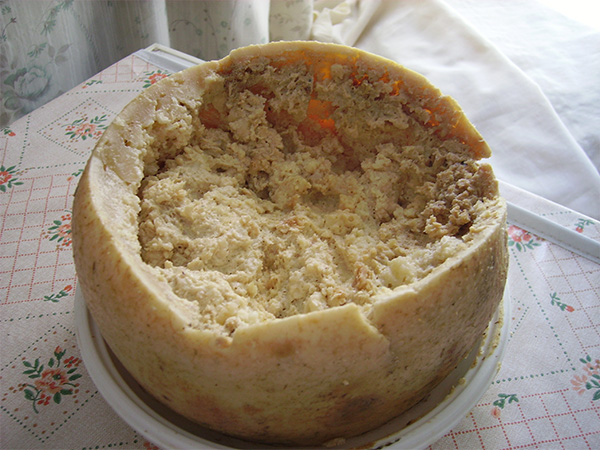
Casu Marzu
Casu Marzu is defined by its illegal status

Finland: sautéed reindeer

Venture past Santa’s workshop and order the national dish of Finland, a plate of poronkäristys (sautéed reindeer meat). The dish originates from the Arctic Lapland where the semi-nomadic, indigenous Sámi people have been herding the animal for centuries.


The slices of meat are usually prepared with butter, onions and simmered in beer or stock until tender. A plate of poronkäristys is traditionally served with mashed potatoes and lingonberry jam, but it can also be accompanied by pasta or rice.


You can order poronkäristys in most Finnish restaurants, but you can also find reindeer meat in most supermarkets to cook yourself. Its health benefits could be compared to a kangaroo, another national animal found in the supermarket meat section.

Poronkäristys - the national dish of Finland
Poronkäristys – the national dish of Finland

India: ant chutney

To diners in India’s eastern states of Chhattisgarh, Odisha, and Jharkhand, red ants and their eggs are a coveted delicacy. The paste is a sought-after chutney called chaprah, which means leaf basket and is a reference to the nests that ants make using the leaves of the sal tree.


Villagers collect the ants from local forests, crushing them and their eggs with a mortar and pestle. To make the chutney, they’ll add tomatoes, coriander, garlic, ginger, chilli, salt, and a bit of sugar to create a smooth, orange paste. Vendors sell the chutney at markets in small packets of sal leaves. Diners should be warned however, the ants’ high levels of formic acid make chaprah extremely spicy.
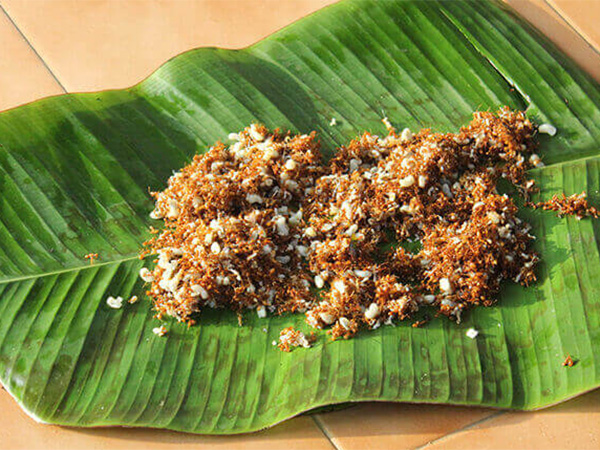
Chaprah ant chutney
The paste is a sought-after chutney called Chaprah

Weekly travel news, experiences
insider tips, offers,
and more.

Russia: pinecone jam

Varenye (a kind of jam) is an Old Russian word that means “a boiled treat". Pinecone varenye is considered a powerful ailment, used to treat asthma, bronchitis, and other health issues.


To create the jam, young green pinecones (a far cry from your typical Christmas pinecones) are collected from May to June. They should be soft, easily punctured and one to three centimetres in length. The process from there is relatively simple and can easily be done at home. All you need is the specific type of pinecone, sugar and water.


To season, you can add lemon, vanilla, cinnamon, and other spices, as well as black currant and cranberry.
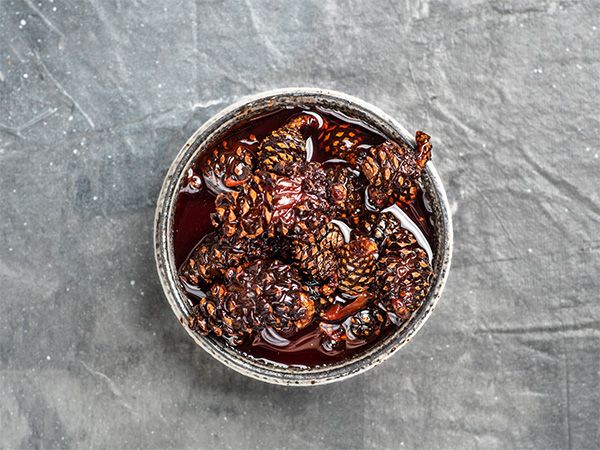
Jam with baby pine cones

Japan: fugu

This dish was made famous by a well-known yellow family on a show called The Simpsons. Fugu, aka Japanese pufferfish, is notorious for the highly toxic poison contained in its organs.


Despite its potentially deadly side effects, fugu has been consumed in Japan for hundreds of years. Due to the huge number of fatalities, eating the fish was banned from around 1570 to 1870.


These days you can find it in restaurants throughout Japan. It must however be prepared by a licensed chef and is prohibited from being prepared in the home – even the Japanese royal family are forbidden from eating it to this day.
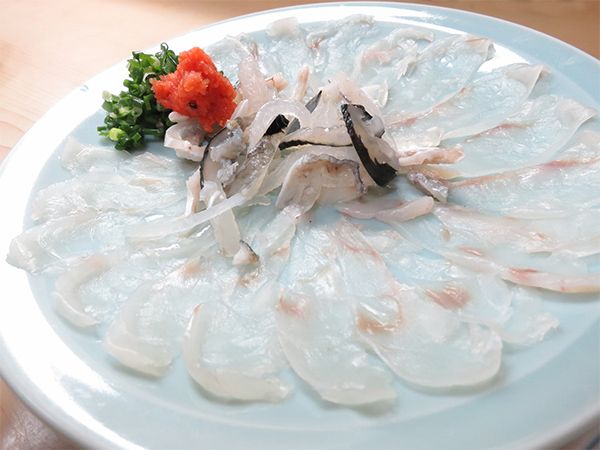
Fugu sashimi
Fugu sashimi

Australia: witchetty grub

If you thought traditional Aussie cuisine meant Vegemite on toast followed by a lamington for dessert, it’s time you expanded your horizons. Probably the most iconic bush food, witchetty grubs can be found underground, nestled like silkworms in the red dirt.


Up to 12 centimetres long and three centimetres wide, it lives in the roots of the witchetty bush. They taste like an egg when cooked, like almonds when raw, and are a huge source of protein. They are a staple food source for those living off the land in Indigenous communities and are even popping up in Aussie restaurants that specialise in using native ingredients.
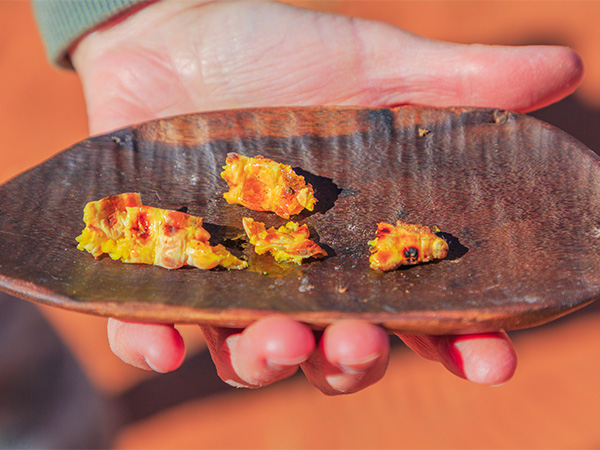
Grilled grubs
Grilled grubs

Want to see more stories from International Traveller in your Google search results?

  1. Click here to set International Traveller as a preferred source.
  2. Tick the box next to "International Traveller". That's it.
hero media

5 things every hotel needs for a more restorative stay

    Kate Bettes Kate Bettes
    Wellbeing means different things to different travellers. Here’s how to pick a hotel that gets it right for you.

    The best wellness holidays aren’t necessarily spent wrapped in a spa robe. Sometimes they’re found around a dinner table in Cambodia, on a hiking trail in New Zealand or after finally beating jet lag on the other side of the world. The hotel you choose is what makes them happen.

    1. Easy access to good food

    meals from Novotel Bangkok Sukhumvit 20
    Taste delicious meals at Novotel Bangkok Sukhumvit 20.

    One of the quickest ways to derail healthy habits on holiday is to spend half of it working out where to eat instead of digging into the culture around you. Thankfully, Novotel has done much of the hard work already, with chefs building menus that lean into the flavours, ingredients and traditions of each destination.

    In Sihanoukville, Cambodia, Korkor soup – often dubbed ‘Cambodian ratatouille’ – sits alongside raw blue crab dressed with lime and chilli, best enjoyed with views across the Gulf of Thailand.

    In the lovingly chaotic city of Bangkok, the presence of food cranks up the sociability. At Novotel Bangkok Sukhumvit 20, you can settle in with mango sticky rice and stranger-turned-friends beside the pool at Sky on 20 rooftop bar, or bring them along to tackle river prawns and stir-fried crab with holy basil at the buzzing Crab Paradise Dinner Buffet.

    Then Novotel Dubai Al Barsha welcomes you with a laidback twist on the level of indulgence the Middle Eastern city is best known for up on Deck Se7en. Looking towards Burj Al Arab, the rooftop lounge has everything from Mediterranean-style dishes like seabass ceviche to Italian prosecco sundowners.

    At the other end of the scale, in the hills that surround the Novotel Bali Ubud Resort, calm comes from nature. At Siralada restaurant, Balinese traditions shape the menu while thunder rumbles over the surrounding jungle – proving the setting is as nourishing as the food itself.

    While at Novotel Nha Trang, chef Kieu Thi My Hanh and her team showcase Vietnam’s knack for balancing freshness, texture and fragrant herbs. Pho remains a favourite, while seafood salad with pomelo and mango brings those flavours together in one bright dish.

    It’s all an approach backed by partnerships with expert food creators such as Alfie Steiner, whose plant-forward recipes prove healthy food should never taste plain.

    2. Better sleep options

    Novotel Bali Ubud Resort room
    Sleep deeply with Novotel.

    There are few travel experiences more disappointing than arriving in a new country, determined to seize the day, only to fall asleep fully clothed by 3pm.

    For Australian travellers, jet lag is often an unavoidable part of the journey. That’s one reason Novotel runs sleep-focused initiatives that help guests adjust quickly without compromising on health. We’re talking partnerships with Sydney-based sleep specialist Olivia Arezzolo, known for her advice on everything from better sleep habits to beating jet lag, alongside features like pillow menus, in-room yoga content and tailored sleep guidance.

    The sooner you’re operating on local time, the sooner you can get back to more pressing matters – like deciding which spa treatment to book.

    3. More ways to move

    woman hiking around queenstown new zealand
    Stay at Novotel Queenstown Lakeside and explore local hiking trails. (Credit: GettyI mages/ naruedom)

    Every place in the world has its own way of getting you moving: whether that’s hiking up ice-bitten mountains before a sauna or gentle stretching by the pool before a facial. From fitness centres to spas, Novotel recognises that wellbeing rarely looks the same.

    At Novotel Queenstown Lakeside, activity is inescapable. Here, hiking trails, ski fields, bungee jumps, and white-water rafting have made the region famous. The hotel’s location on the shores of Lake Wakatipu means less time spent organising yourself and more time out there experiencing them. To top it all off, you can book a private hot tub for the evening before heading back into the wilderness tomorrow.

    Bali, of course, takes a softer approach. At Novotel Bali Ubud Resort or Novotel Bali Nusa Dua, movement is less about conquering a mountain and more about a dance class between the tropical gardens and lagoon pools. Afterwards, the spa takes over, with traditional treatments like a Lulur body scrub: a combination of rice, turmeric, sandalwood, ginger and jasmine that’ll soothe muscles already relaxed by the Balinese heat.

    4. Better connections

    Novotel Sharm El Sheikh
    Kids will love a stay at Novotel Sharm El Sheikh.

    One of the best things about travel is that it gives your family stories you’ll be telling for years. Novotel helps create them with activities that bring everyone together, whether that’s trying something new, learning a local skill, or simply spending more time together.

    Go for a distinctly Thai twist at Novotel Phuket Vintage Park, where many of the family activities draw on local culture. Kids can try everything from beginner Thai boxing and language lessons to umbrella painting and – a pastime beloved by children the world over – pool foam parties. Everyone is welcome to join in, whether that’s getting splashed, covered in paint, or simply watching their children discover a new side of Thailand during the dedicated Family & Kids Day.

    A different adventure awaits at Novotel Sharm El Sheikh. Kids could be perfectly content with discos, drawing classes and new holiday friends, but the Red Sea has other ideas. Sitting on the edge of Naama Bay, days here might involve snorkelling colourful reefs, taking a boat trip to Ras Mohammed National Park or heading into the desert by quad bike or camel for a Bedouin-style dinner beneath the stars.

    5. Location is everything

    Surin Beach, Choeng Thale, Thalang District, Phuket, Thaiföld
    Explore Phuket’s gorgeous beaches. (Credit: Bence Biczo)

    Everyone’s idea of wellness looks a little different. With more than 600 hotels across 65 countries, Novotel gives guests the freedom to choose the destination that suits them best. Whether that’s a beachside escape in Phuket, an alpine expedition in Queenstown or a city break in Bangkok, there’s a good chance a Novotel isn’t far away.

    All that’s left? Choosing your version of wellbeing.

    Discover stays to inspire your everyday at novotel.accor.com.